Home EV Charging in KSA: Installation Cost, Permits & Setup Guide

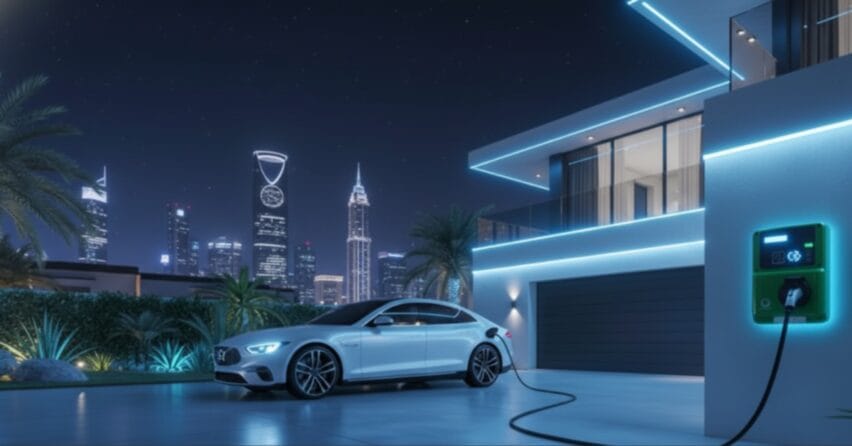
Saudi Arabia: New car buyers in Saudi Arabia are increasingly turning towards electric vehicles. This is clearly visible in sustained growth in the volume of sales as they become more practical, cheaper, and also greener, actively supported by the government. As a new buyer starts his/her journey towards EV, one important aspect of the ownership is installing a charger at home. Home charging is the foundation of EV ownership. The overnight charging, when the car is mostly idle at home, is not only convenient but also saves cost and practically eliminates any range anxiety for daily driving. But getting there requires planning and compliance with Saudi regulations.
KEY TAKEAWAYS
How easy is it to use a home charger for EVs in Saudi Arabia?
For easier use, just plug-and-play with app monitoring, auto-scheduling, and smart energy management.Why is a home EV charger vital for ownership in Saudi Arabia?
It is essential due to the limited public infrastructure to conveniently allow overnight charging in a hot climate.What is the average cost of installing an EV charger at home?
SAR 5,000–12,000 for a Level 2 charger, including installation and electrical upgrades.For an average EV user, a home charger is the most practical and convenient solution for regular use. It is heartening to know that installing a home EV charger in Saudi Arabia in 2025 has become quite easy. There is regulatory support, infrastructure is available, and regulations are quite clear. However, before you think of going ahead to install one at your home, it is vital to understand costs, permits, and technical requirements. We try to help you by guiding you through all the necessary steps before installing home charging equipment.
Why Home Charging Matters
This is simple, as the charging scenario in Saudi Arabia is evolving. While public charging is useful for longer trips, when it comes to your everyday needs, charging at home when the car is mostly idle is what makes it most convenient for EV users. Research suggests that the majority of EV owners spend 80% of their charging time at home. This makes it economically sensible, as home charging costs roughly half what public fast charging costs.
To increase EV penetration in the country and help buyers, the Saudi government encourages such uses through reduced electricity rates for home charging, zero VAT on charging equipment, and streamlined installation permits. As per the ambitious Vision 2030, which targets 30% of Riyadh's vehicles to be electric by 2030, developing home charging infrastructure is fundamental for reaching that goal. Also, to charge EVs on the go, you can check out Where to Charge an EV in Saudi Arabia with Locations, Costs & How Fast Charging Works.
Three Charging types
When it comes to EV charging systems, there are about three types of chargers.
Level 1: Standard Outlet (120V)
Uses your existing home outlet and delivers 1.4 to 3 kW. It is slow and takes about 8-12 hours of charge, depending on the battery size. Most EV owners use Level 1 as a backup option, not primary charging. This also makes sense because there is no installation cost, as you are essentially using home power, but it is not practical for daily charging needs.
Level 2: Dedicated Circuit (240V)
This is what most Saudi homes should ideally install, as it delivers 7 to 22 kW depending on the equipment. The charging time reduces dramatically to about 4-8 hours for a full battery. This requires a dedicated electrical circuit and professional installation. This is the standard home charging solution.
Level 3: DC Fast Charging (Direct Current)
Delivers 160+ kW and can charge your car about 80% in 30 minutes. But this is not designed for home installation, but is used mostly at public fast-charging stations. This is just for reference for your understanding.
These days, Chinese EVs BYD, MG & Zeekr, are Taking Over the KSA car market with the new charging technology. 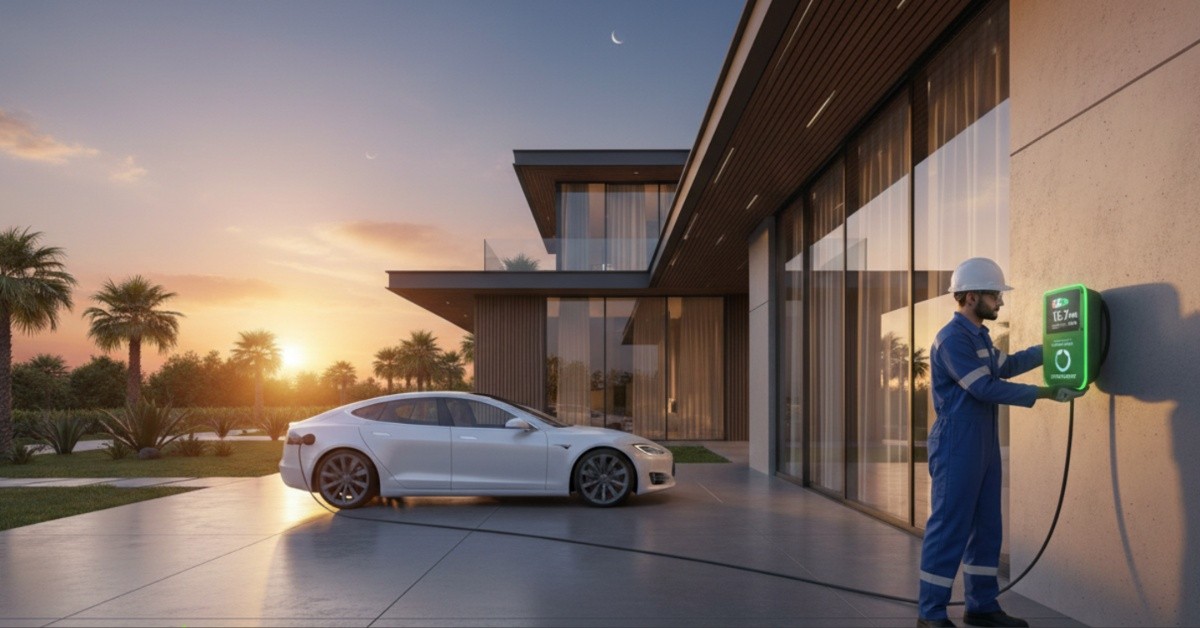
Installation Costs in Saudi Arabia
This is the most important point for most buyers. And to install Level 2 home chargers ranges from SAR 3,000 to SAR 6,000 for the equipment alone. Basic installation could be an additional SAR 2,000 to SAR 5,000, depending on your electrical setup. So the total installation cost usually ranges from SAR 5,000 to SAR 12,000.
If your home requires electrical panel upgrades or substantial rewiring, costs may increase significantly, up to SAR 15,000 to SAR 20,000 or more. Therefore, you must get multiple quotes from certified installers before deciding.
Fast charger equipment costs exceed SAR 20,000 and require significant infrastructure. Most homeowners don't pursue this option. The regular maintenance is minimal, and the annual inspections cost SAR 500 to SAR 1,000, while software updates are usually free from the service provider.
It is worth noting that the Saudi government currently offers zero VAT on charging equipment, reducing upfront costs. Some regions provide additional subsidies or tax incentives; check locally as programs evolve.
The Permit Process
Installing a home charger involves obtaining approval from multiple entities. Here's the realistic timeline:
Step 1: Electrical Assessment
You need to get in touch with a SASO-certified contractor. They assess your home's electrical capacity and evaluate whether you need panel upgrades. Today, most houses in Saudi Arabia easily support the requirement of Level 2 charging. This also means you hardly need any extra work, and this assessment should not take more than a week, and could cost around SAR 500-1,000.
Step 2: Saudi Electricity Company Approval
Once you have confirmed that Level 2 is supported at your home, go ahead and apply for installation plans with the authorities. Again, the Saudi Electricity Company will verify your home to check if it can handle the additional load. They may require equipment specifications, and expect to wrap this time in 2-4 weeks.
Step 3: Municipal Permits
The next step is to get in touch with your local municipality. In some areas, it requires permits for electrical work; you need to check that, and the processing varies by city; assume 1-3 weeks for this step.
Step 4: Installation
Once all of your approvals are in place, the actual installation takes 2-5 days, depending on complexity and how the contractor handles all work.
Step 5: Inspection and Activation
The Saudi Electricity Company inspects the installation to ensure compliance with technical standards. Once approved, the charger is activated. Overall, the total timeline is 2-3 months from start to activation, so you need to plan accordingly.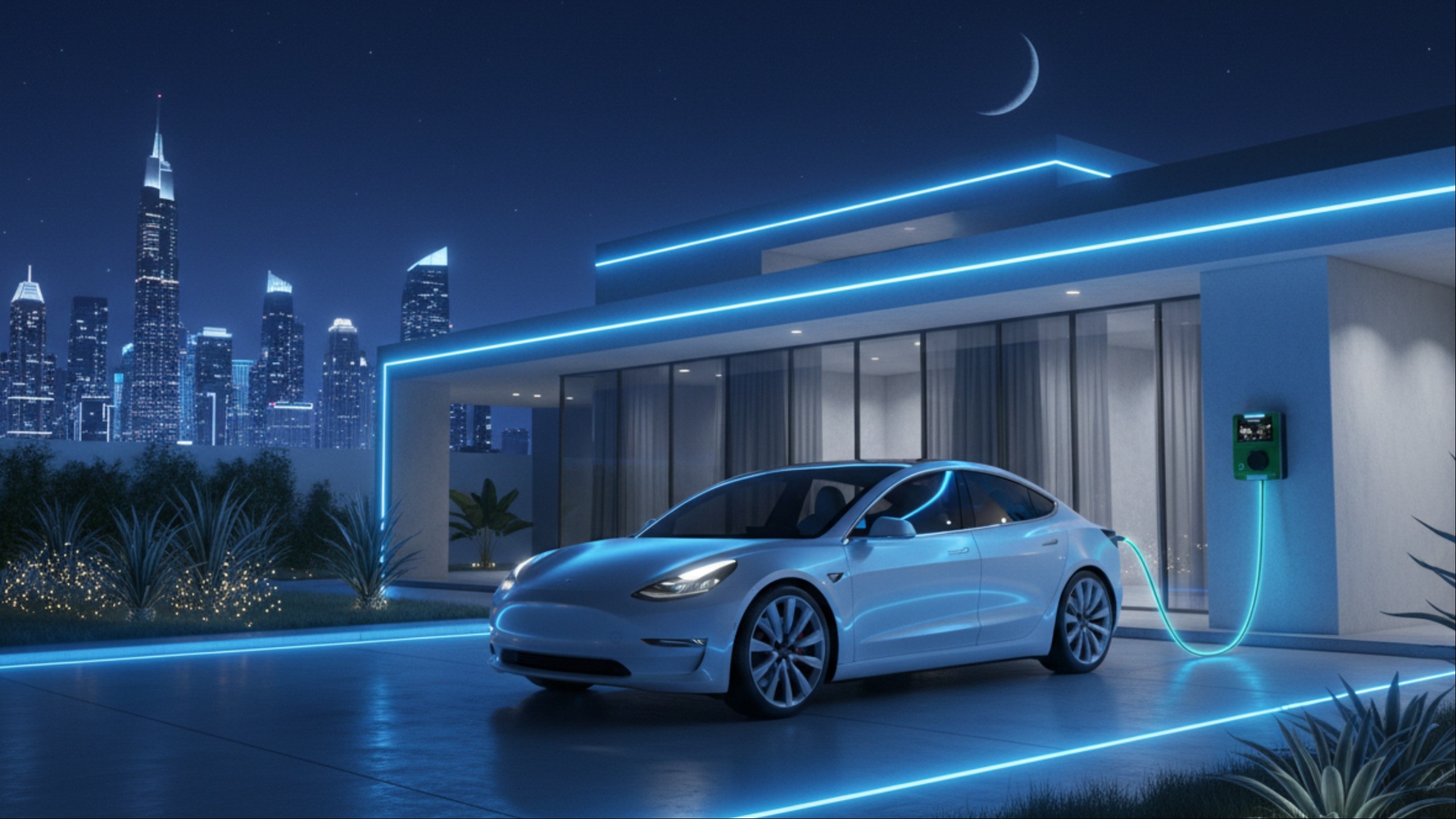
Technical Requirements
This step involves the government mandating specific technical requirements. You ensure all equipment complies with the SASO (Saudi Standards, Metrology, and Quality Organization) technical standards. This includes:
- IP65 weatherproofing (withstands heat and dust)
- Overcurrent protection
- Short-circuit protection
- Ground fault protection
- Automatic shutdown if faults occur
- Temperature monitoring
Your installer must be SASO-certified and qualified by the Saudi Electricity Company. Don't hire unlicensed electricians. The safety and warranty risks aren't worth the savings.
Electrical Capacity Assessment
Most modern homes generally have sufficient capacity. But there are factors that need to be confirmed.
Panel capacity: Level 2 chargers need 30-40 amps, and so your home needs adequate capacity.
Distance from panel: It is better to have shorter distances because longer distances require heavier gauge wire, which increases the cost.
Existing load: the electricity supply must be constant and not interrupted. Frequent-trip breakers need panel upgrades before adding charging. A certified contractor assesses this during the initial evaluation.
Location Placement
Install the charger where your vehicle parks; ideally in the garage which protects the equipment from the weather. You also need the shortest cable run, which often means the lowest installation cost.
Carport or driveway mounting works but requires weatherproof enclosures and longer cable runs. Costs more. Less weather protection.
Apartment or condo dwelling complicates installation. You may need building association approval. Some buildings prohibit installation. Check before purchasing an EV. Cable routing must follow local electrical codes. Hire certified installers who understand these requirements.
|
Cost Item |
Low Range (SAR) |
High Range (SAR) |
Notes |
|
Charger Equipment (Level 2) |
3,000 |
6,000 |
Depends on power rating |
|
Electrical Work & Cabling |
2,000 |
5,000 |
Varies by home layout |
|
Permits & Inspections |
500 |
1,500 |
Municipal and utility fees |
|
Panel Upgrade (if needed) |
3,000 |
8,000 |
Major cost if required |
|
Annual Maintenance |
500 |
1,000 |
Minimal ongoing cost |
|
Total Installation |
8,500 |
21,500 |
Average SAR 12,000-15,000 |
Operating Costs
Electricity rates in Saudi Arabia are subsidized, and home charging costs roughly SAR 0.20 to SAR 0.30 per kWh, depending on your region and time of use. A typical EV battery (60 kWh) costs approximately SAR 12 to SAR 18 to fully charge at home. That's roughly one-third the cost of public fast charging.
So let's assume you drive 20,000 km annually, which is quite average for most car buyers, and your EV consumes 15 kWh per 100 km, annual charging costs are roughly SAR 360 to SAR 540. Compare that to petrol: the same distance at current fuel prices costs SAR 4,000+, and this is where EV ownership makes a huge difference. Time-of-use rates vary by region. Some areas offer lower rates during off-peak hours (usually 9 PM to 6 AM). Install smart chargers to take advantage of these discounts automatically.
Future Incentives
The Saudi government plans to expand subsidies for home chargers through 2030.
- A subsidy covering 20-30% of installation costs (subject to change).
- Tax deductions for EV charging equipment purchases.
- Preferential electricity rates for home charging during specific hours.
- Solar-powered charging integration programs are currently in the pilot phase.
- Check with your regional electricity distributor for current programs in your area.

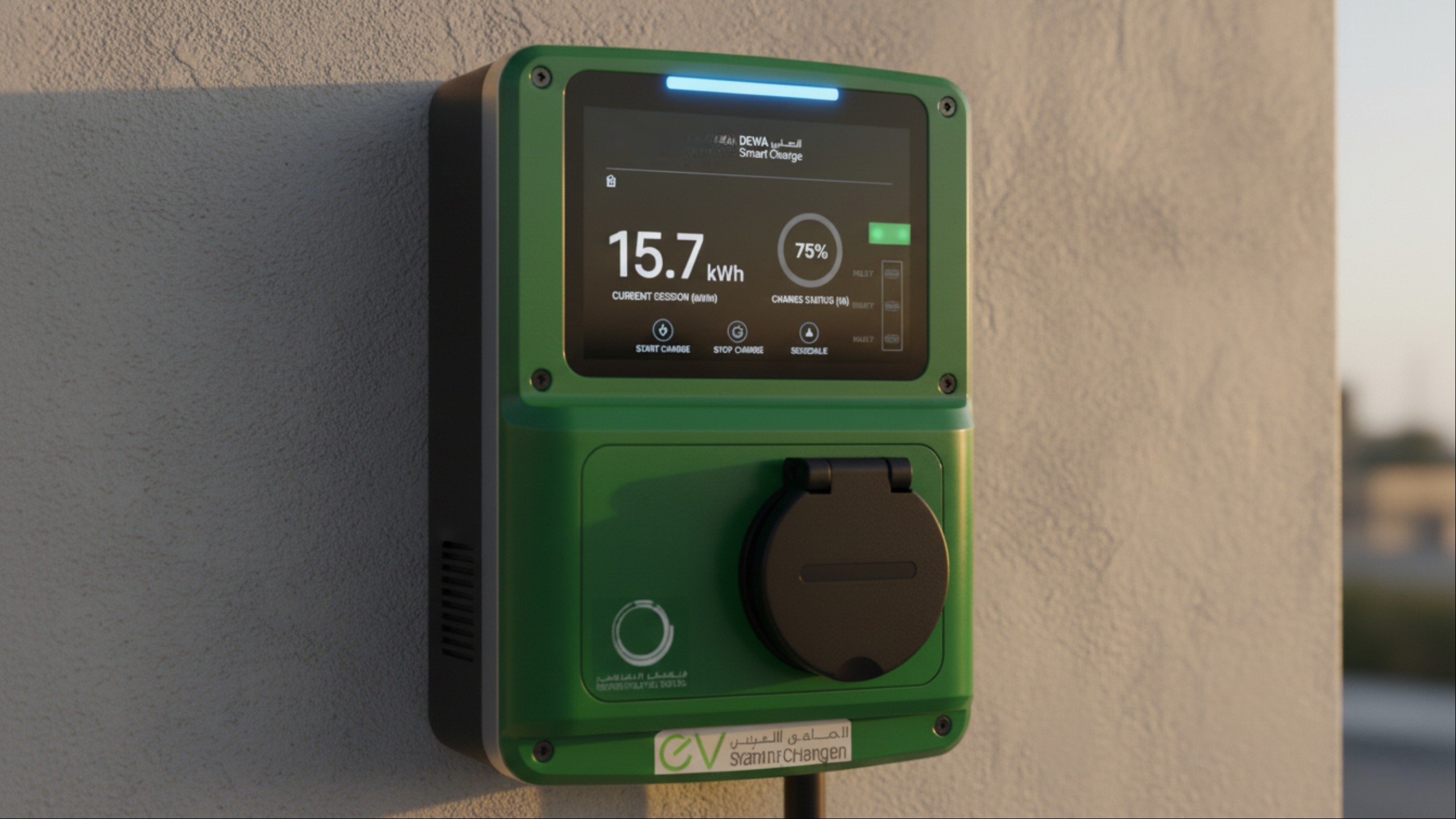
|
Regulatory Requirement |
Detail |
|
Installer Certification |
Must be SASO-certified and Saudi Electricity Company qualified |
|
Equipment Standards |
Compliance with SASO technical standards and IEC international norms |
|
Electrical Supply |
Must use the authorized distribution network only |
|
Safety Features |
IP65 weatherproofing, overcurrent/short-circuit/ground fault protection mandatory |
|
Inspection Process |
The Saudi Electricity Company must inspect before activation |
|
Permit Application |
Use the Electric Vehicle Charging Gateway digital platform |
|
Compliance Timeline |
Typically, 2-3 months from application to activation |
Smart Charging Benefits
- Modern home chargers offer intelligent features:
- Scheduled charging uses off-peak electricity rates automatically. This essentially means you install and forget the charger charges during cheaper hours.
- Load management protects your home from exceeding available capacity. For example, if you’re running AC in the house, the charger reduces power temporarily.
- Mobile app monitoring allows you to check the charging status remotely.
- All of these features may seem a little costly, but overall make it convenient to use and save over time.
Conclusion
Home EV charging installation in Saudi Arabia is getting a lot easier, standardised, and affordable too. Having a charger at home is the most logical thing for any EV owner; it is not only convenient, but economical too. There is only a one-time installation effort; once it is fixed and operational, there are no subsequent responsibilities. The maintenance is minimal, and it is just plug-in and go, without any additional worry. The government is also playing its part by offering several incentives to encourage buyers to switch to EVs, and there is no better time to do just that in 2025 than ever.
Dinesh Goluguri

With over 15 years of experience in the automotive world, Dinesh Goluguri bringing hands-on experience and deep market knowledge. Passionate about SUVs, sports cars and luxury vehicles, he combines enthusiasm with expertise in delivering insights that resonate with car buyers and enthusiasts alike. With a special interest in car modifications and upgrades, Dinesh offers a unique perspective that goes beyond standard reviews, highlighting both factory features and customization potential. His work helps readers navigate new launches, features and trends in the dynamic automotive market.
Read Full Bio-
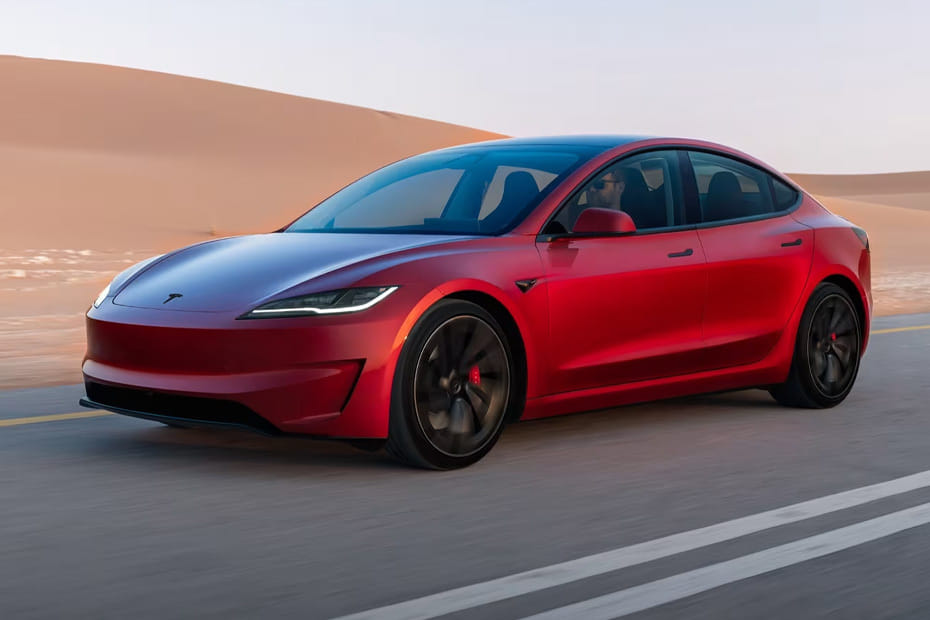
Tesla Model 3 -
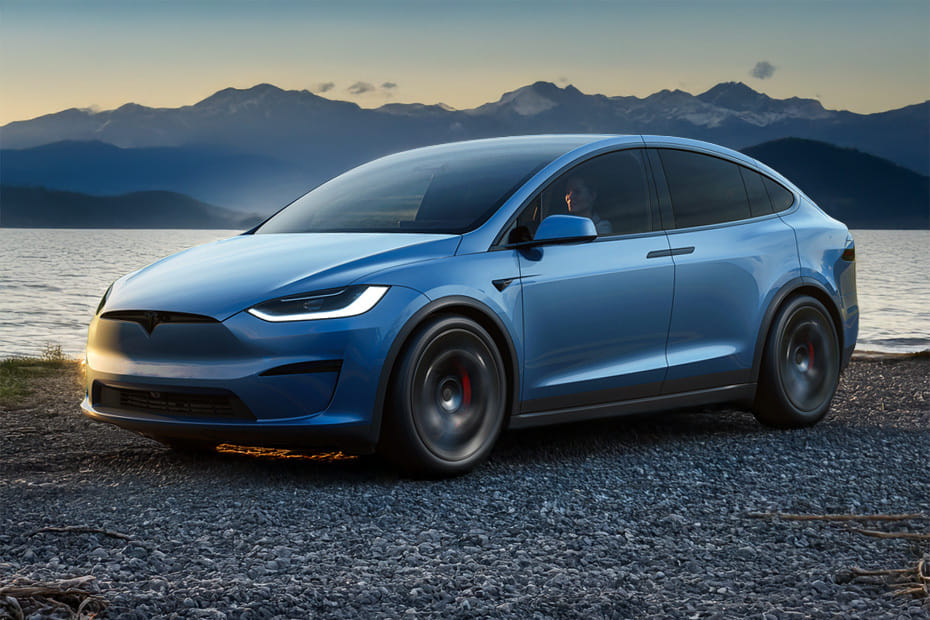
Tesla Model X -
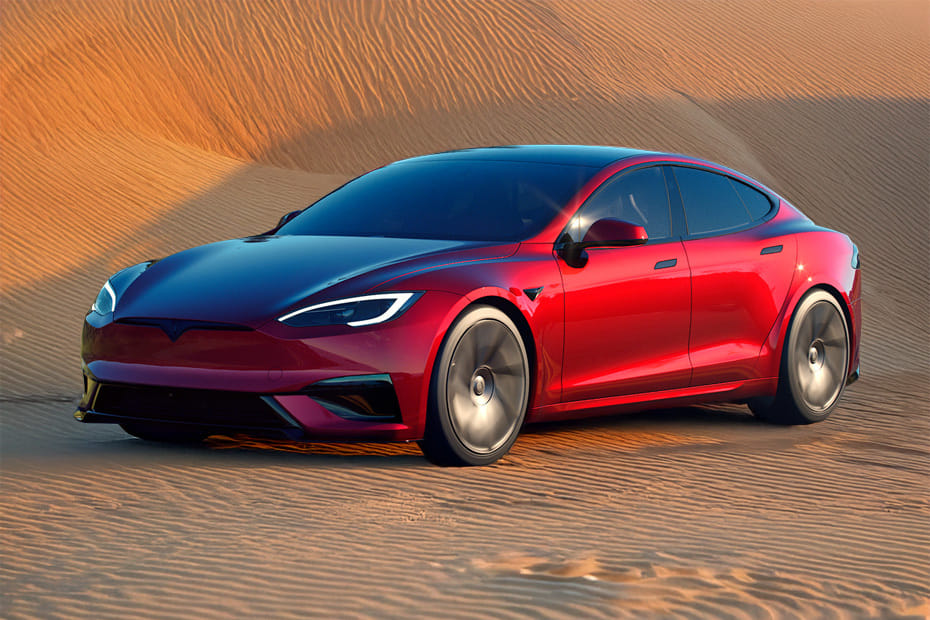
Tesla Model S -

Tesla Cybertruck -
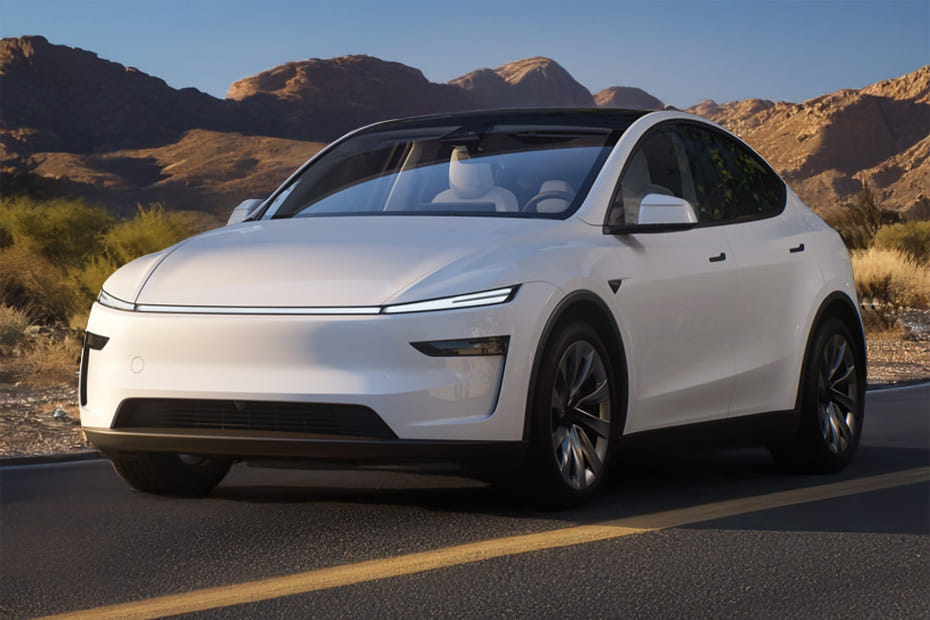
Tesla Model Y
- News






- Latest
- Popular
-
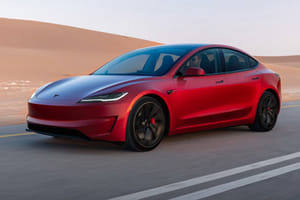 Tesla Model 3SAR 154,990 - 229,990
-
Tesla Model 3SAR 154,990 - 229,990
-
 Tesla Model XSAR 350,297 - 406,468
 -
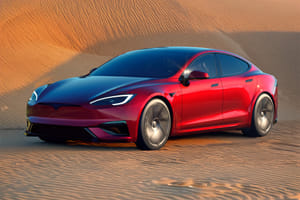 Tesla Model SSAR 329,870 - 386,042
 -
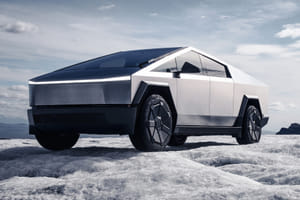 Tesla CybertruckSAR 438,490 - 488,490
 -
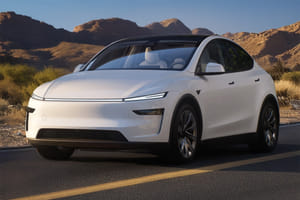 Tesla Model YSAR 193,490 - 223,490