Where to Charge an EV in Saudi Arabia: Locations, Costs & How Fast Charging Works

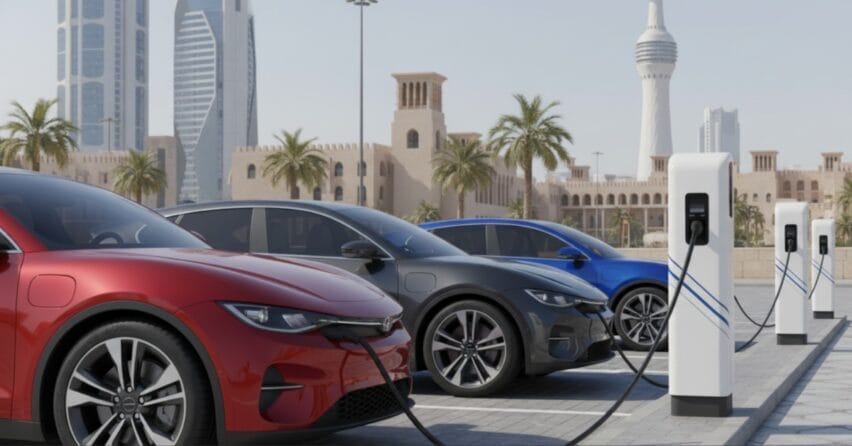
Saudi Arabia: Just like the rest of the world, the penetration of electric vehicles is rapidly growing in Saudi Arabia. Today, more than ever, new car buyers are giving EVs serious consideration, which is also supported by the government with incentives to boost adoption. The increasing ownership is projected to soar even more in the years to come.
KEY TAKEAWAYS
How easy to operate public EV chargers in Saudi Arabia in 2025?
Public EV chargers in Saudi Arabia are user-friendly with app-based access, contactless payments, and multilingual support.What is the cost of installing an EV charger at home in Saudi Arabia?
The costs range from SAR 5,000 to SAR 12,000, depending on charger type and electrical setup.To cater to this faster expansion of EVs, the focus has shifted towards building the necessary infrastructure- mainly the charging network. Every prospective buyer wants to get fully convinced about the ease of charging, not just at home but outside too. The Saudi government has set an ambitious goal as part of Vision 2030, which aims to increase the total charging stations to over 5,000 fast chargers across about 1,000 locations by 2030.
As of December 2025, there are about 700 locations operating across the Kingdom through Electromin alone. EVIQ, the Saudi EV infrastructure provider, is expanding highway charging. Likewise, the Public Investment Fund and Saudi Electricity Company have launched a dedicated EV Infrastructure Company to scale this further.
If you’re planning to buy your first EV and want to know where you can charge, we try to help you by offering all the key details.
Types of Charging
Before we get to the actual charging scenario, it is critical to understand the different types of charging existing for EVs, because it is not one-size-fits-all. Saudi Arabia uses three standardized levels, each designed for different situations.
Level 1: Slow Home Charging
This is your standard household 120-volt outlet, which offers modest 1.4 to 3 kW of power. This logically means, the charging times are typically long, between eight to twelve hours, depending on battery size. Thus, the level 1 is not the most practical for quick top-ups; it is mainly designed for home or overnight charging at home. Most EV owners with home garages use Level 1 regularly because it's free and requires no installation.
Level 2: Moderate Speed Charging
Level 2 uses a 240-volt AC source, delivering 7 to 22 kW of power. This takes charging time of one to eleven hours based on the charger's power rating and your vehicle's battery capacity. The Level 2 chargers are mainly established at commercial places like shopping malls, office parking lots, residential complexes, and hotels. It's the most common public charging option. You can run errands while your vehicle charges. Many Level 2 stations are free or charge a small fee.
Level 3: DC Fast Charging
The fast charging system uses DC technology to deliver high power directly to the EV battery and skips the car’s onboard converter. These fast chargers deliver 160 to 180 kW of power, adding about 80% of your battery capacity in thirty minutes or less. These chargers are becoming standard on highways connecting Riyadh, Jeddah, and Dammam. If you're taking a long trip, DC fast charging makes it practical: just stop for coffee while the car charges and continue your journey.
Where to Find Chargers in Major Cities
Riyadh
At present, the capital has the highest concentration of charging stations. Some of the top locations are King Fahd Road, Riyadh Front (with free 100 kW chargers), Al Nakheel District, and multiple shopping malls. The Riyadh-Qassim highway now has EVIQ's first highway charging station at SASCO Aljazeera. Residential areas increasingly have Level 2 chargers.
Jeddah
Coastal Jeddah offers charging at King Abdulaziz International Airport, Jeddah Corniche, Red Sea Mall, Hilton Jeddah, and Mall of Arabia. These mixed-location chargers mean you can charge while shopping or staying at hotels. Highway connections to other cities are expanding with DC fast chargers.
Dammam
The Eastern Province's major city has chargers at King Fahd International Airport, Al Danah Mall, Al Othaim Mall, and Dhahran Mall. Dammam's connection to Riyadh via the Eastern Highway is becoming increasingly well-served with fast chargers.
Mecca
Charging stations operate at Abraj Al Bait Towers by Fairmont Hotel and Jabal Omar Hilton Suites. These locations serve pilgrims and travelers moving between sacred sites and accommodations. Smaller cities and towns have fewer options, but the government's expansion plan targets connecting more areas by 2030.
Charging Costs
This is the most critical aspect of driving an EV, and the cost really depends on several factors, including location and charging level. This often calculates costs by multiplying the current electricity rate by your vehicle's battery capacity.
Most home Level 1 charging is essentially free; you pay your standard electricity rate, which in Saudi Arabia is subsidized. That turns out to be the actual cost per kilowatt-hour, to is absolutely minimal.
At public Level 2 chargers the prices vary. For example, several shopping malls and office complexes offer free charging to encourage EV adoption. Some charge a small hourly fee (typically 5-10 SAR per hour). Airport and highway chargers tend to be paid services, usually 10-20 SAR per charging session.
DC fast chargers cost more simply because they require significant infrastructure investment. You can expect 30-50 SAR for a 30-minute fast-charge session. Some stations offer introductory free charging periods. Riyadh Front currently offers free charging to build EV owner engagement.
Prices will likely standardize as the network matures, and in the future, charging is expected to use subscription models similar to international networks.
Apps and Tools for Finding Chargers
In Saudi Arabia, several platforms help you locate chargers; every EV owner must take advantage of this digital tool.
Electromaps: Currently shows 86 charging stations across Saudi Arabia. The app provides real-time availability, location details, and user reviews. It is available on iOS and Android.
PlugShare: International platform with Saudi Arabia coverage, it shows charger locations, types, and user experiences.
Official Charging Network Apps: EVIQ and Electromin have their own apps with real-time station status and payment integration.
Most apps include filters for charging level, connector type, and availability. Use these tools to plan longer trips ahead of time.
|
Charging Level |
Voltage |
Power Output |
Charging Time |
Best Use |
Typical Cost |
|
Level 1 |
120V AC |
1.4-3 kW |
8-12 hours |
Overnight home charging |
Free (home electricity) |
|
Level 2 |
240V AC |
7-22 kW |
1-11 hours |
Shopping malls, offices, and hotels |
Free to 10 SAR/hour |
|
Level 3 (DC Fast) |
Direct current |
160-180 kW |
20-30 min (80%) |
Highway fast charging |
30-50 SAR per session |
Highway Charging for Long Trips
While we discussed most of the charging scenarios within cities. What EV owners are really concerned about is their intercity travel or longer road trips. Let's say you are taking your EV from Riyadh to Jeddah, this is a 950 km journey, and to keep your EV running, you need proper information and planning.
Ideally, you should start your journey in Riyadh with a full charge. Most modern EVs have a 400-600 km range. Stop at the DC fast charger on the Riyadh-Jeddah highway, and a thirty-minute charge can top your car's nearly 80% capacity, which is more than enough to comfortably reach Jeddah. Total charging time turns out to be one hour for your journey, including coffee. Likewise, if you plan to travel on the Riyadh-Dammam route (which is about 400 km), depending on your EV's range, you might not need fast charging. But the option exists if you do.
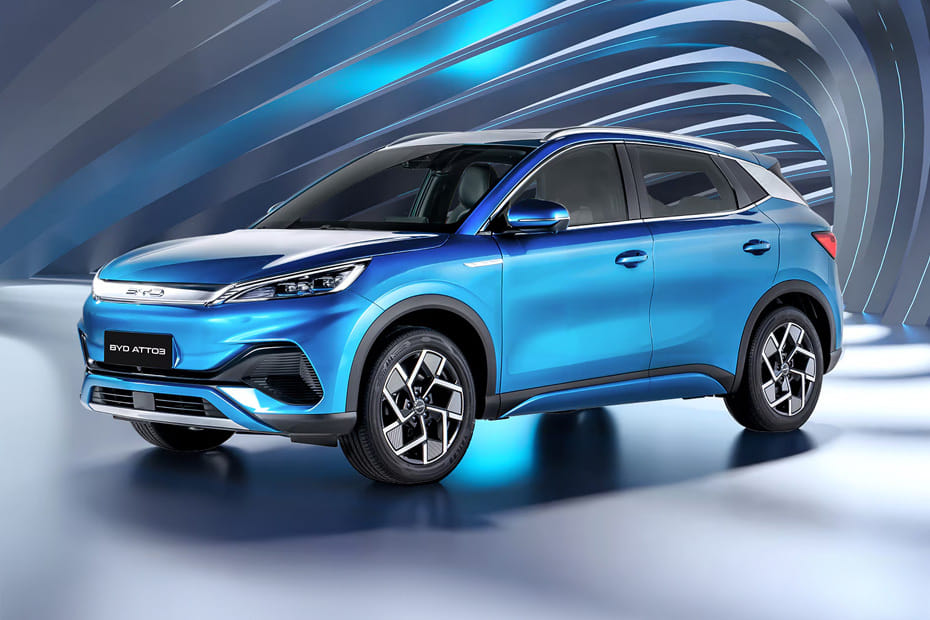
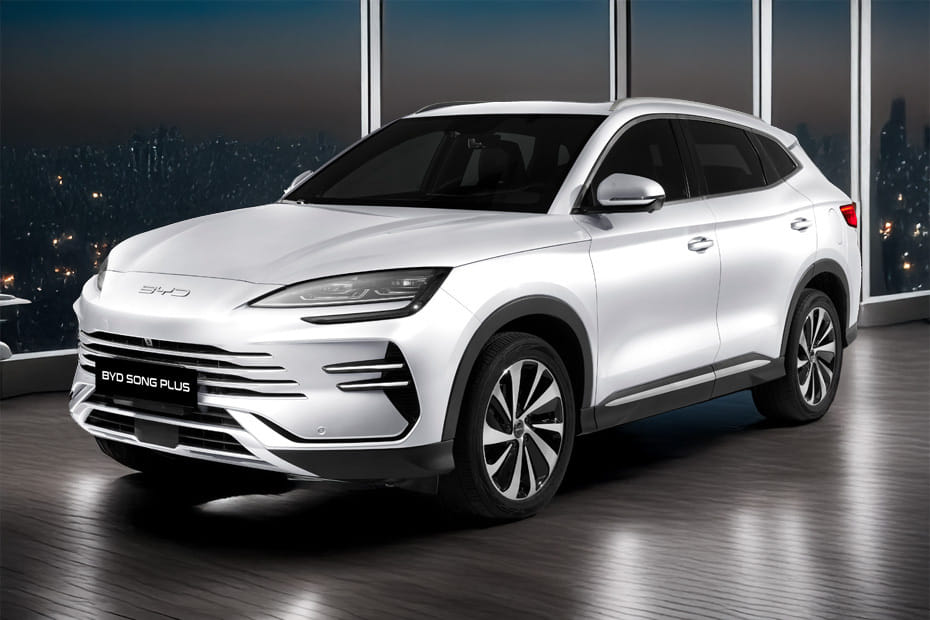
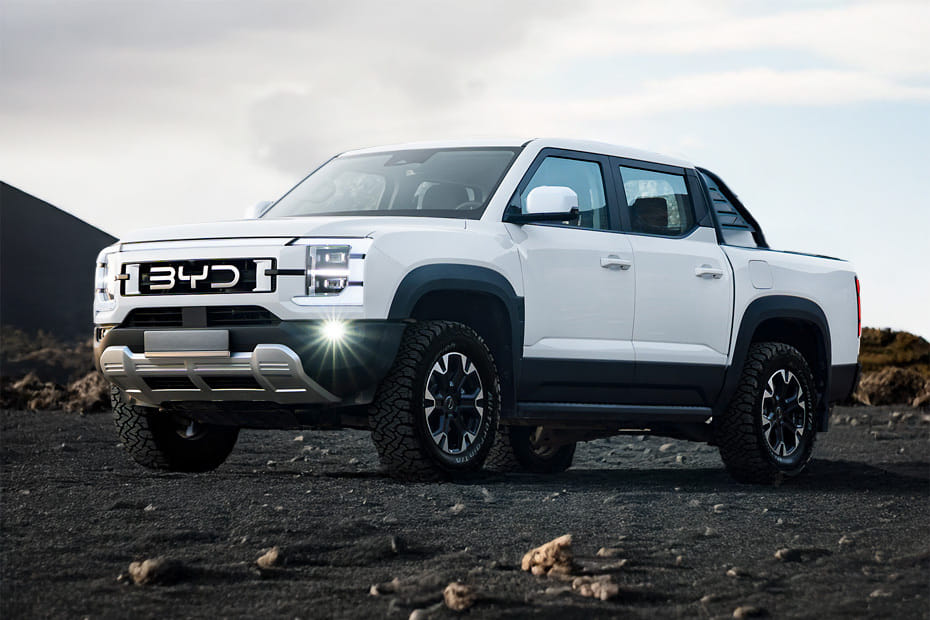
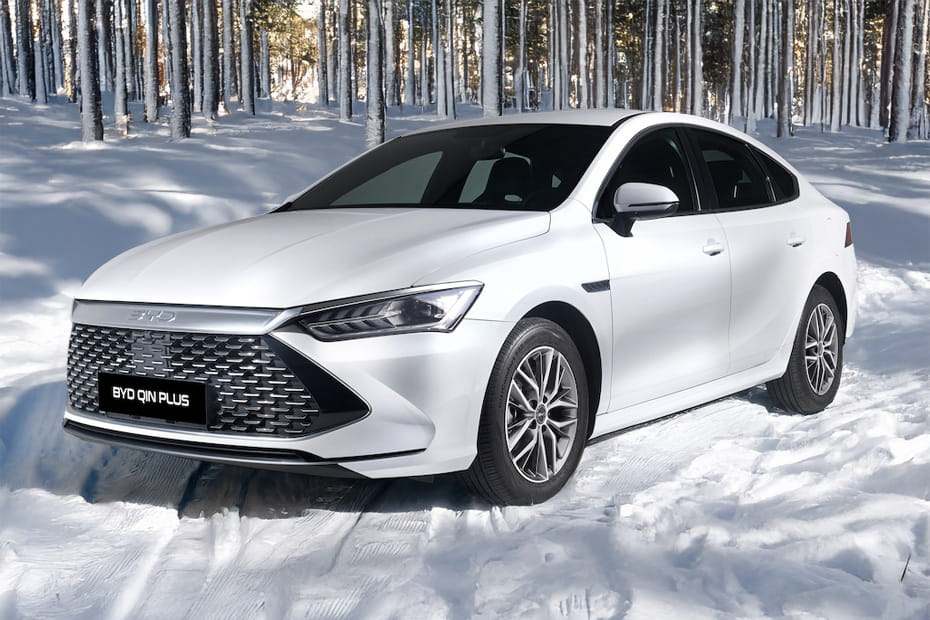
The government's expansion plan targets installing highway chargers on all major routes by 2025. This will make long-distance EV travel genuinely practical with the Chinese EVs like BYD, MG & Zeekr Taking Over Saudi Arabia with new technology.
Home Charging: The Best Option
If you have a garage, then ideally you should install a Level 2 home charger. The cost ranges from 3,000 to 5,000 SAR for equipment and installation. You can always plug in overnight, wake up with a full charge. This essentially takes care of your daily range and any inconvenience of charging during the day. So that means completely free from any range anxiety for daily driving. Most EV owners with home chargers use public chargers only for highway trips.
To install Home EV Charging in KSA With Installation Cost, Permits & Setup Guide, or get in touch with an electrical contractor approved by SASO (Saudi Standards, Metrology, and Quality Organization). They are the expert; after a complete assessment of your home's electrical capacity, they handle installation safely at a reasonable cost.
Things to Consider
As an EV owner, you should always check charger compatibility before long trips. Most stations offer Type 2 connectors, which are standard in Saudi Arabia, but yours must match. Always download relevant apps before traveling, and don't rely on GPS directions alone; apps provide real-time availability.
Strategic planning always helps, and so use fast chargers only when necessary; they're expensive and harder on battery health than slower charging. For daily use, stick with Level 2 or home charging. It is always recommended to future-proof your choices. The network is expanding rapidly, and chargers installed today support multiple connector standards for future compatibility.
Conclusion
Charging infrastructure in Saudi Arabia is growing rapidly toward Vision 2030 targets. Level 2 home charging is cheapest and most convenient for daily use; Level 1 is rare, as most Saudi homes use 220V/240V AC. Level 2 chargers (malls, offices) offer mid-speed options. DC fast chargers enable long-distance travel in thirty minutes. The network is going to get a lot better as years roll by, and by 2030, it should improve significantly, thus making EV ownership increasingly practical across Saudi Arabia.
Dinesh Goluguri

With over 15 years of experience in the automotive world, Dinesh Goluguri bringing hands-on experience and deep market knowledge. Passionate about SUVs, sports cars and luxury vehicles, he combines enthusiasm with expertise in delivering insights that resonate with car buyers and enthusiasts alike. With a special interest in car modifications and upgrades, Dinesh offers a unique perspective that goes beyond standard reviews, highlighting both factory features and customization potential. His work helps readers navigate new launches, features and trends in the dynamic automotive market.
Read Full Bio-
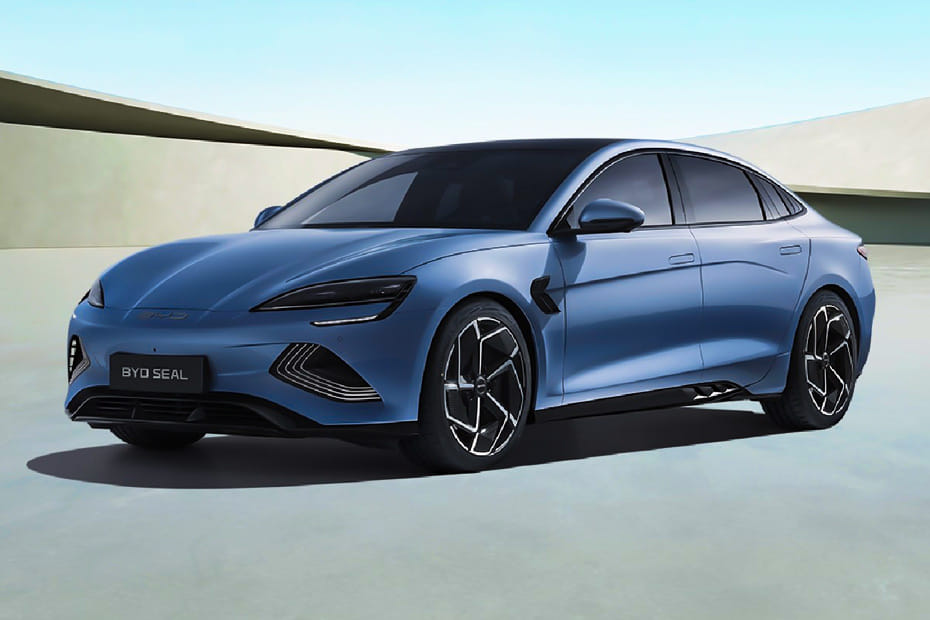
BYD Seal -
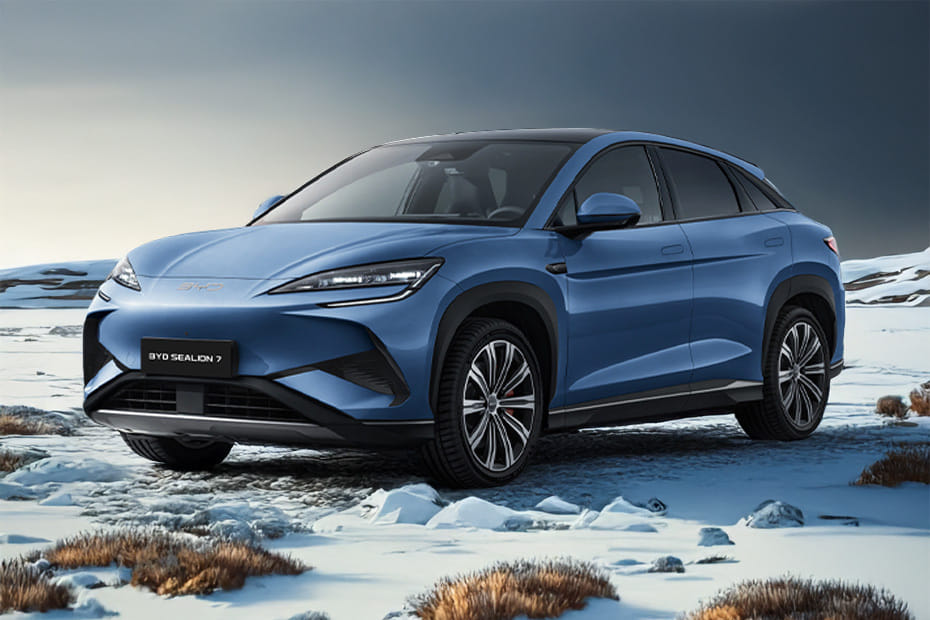
BYD Sealion 7 -
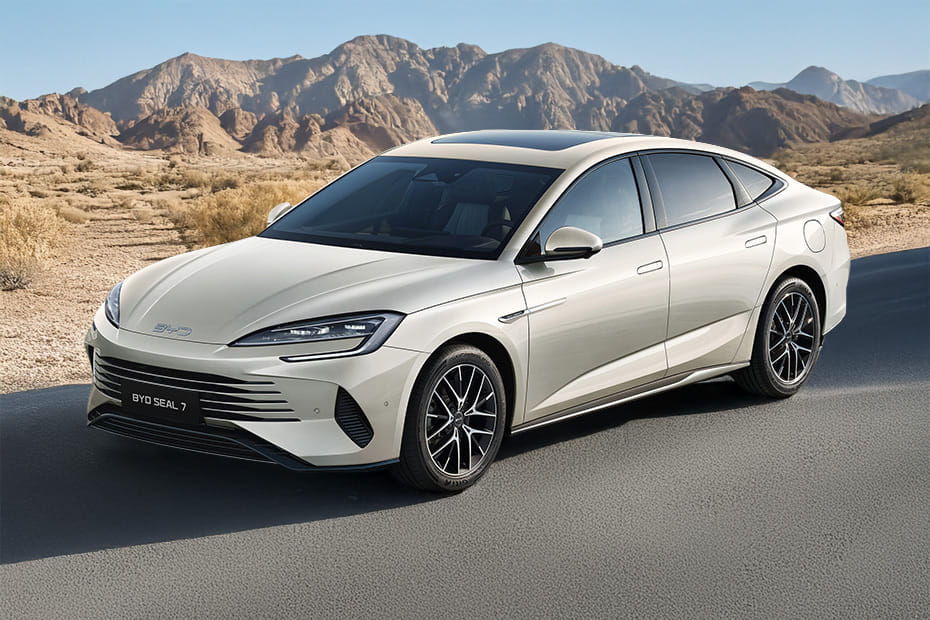
BYD Seal 7 -
BYD ATTO 3 -
BYD Song Plus -
BYD Shark 6 -
BYD QIN Plus -
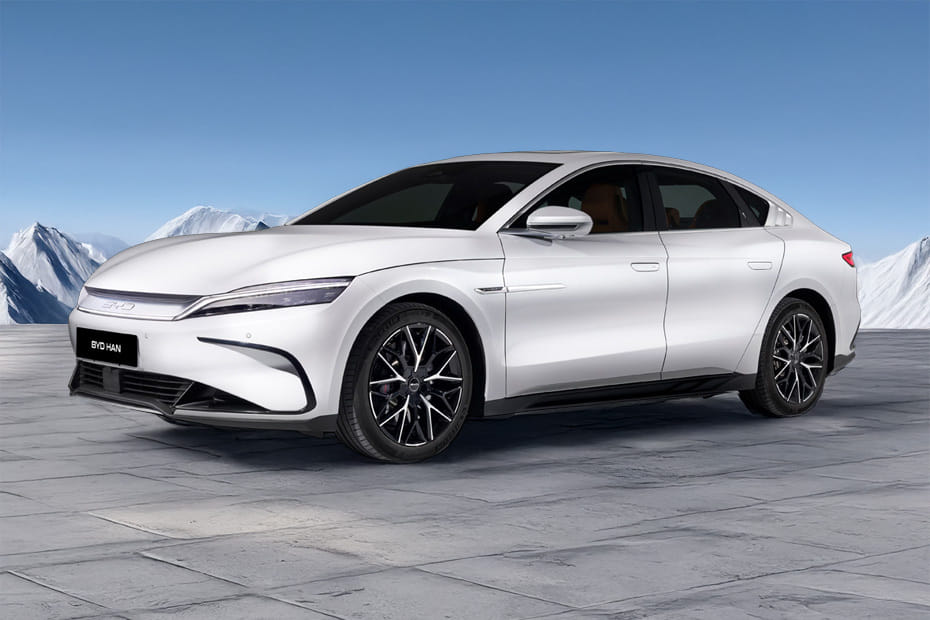
BYD HAN -
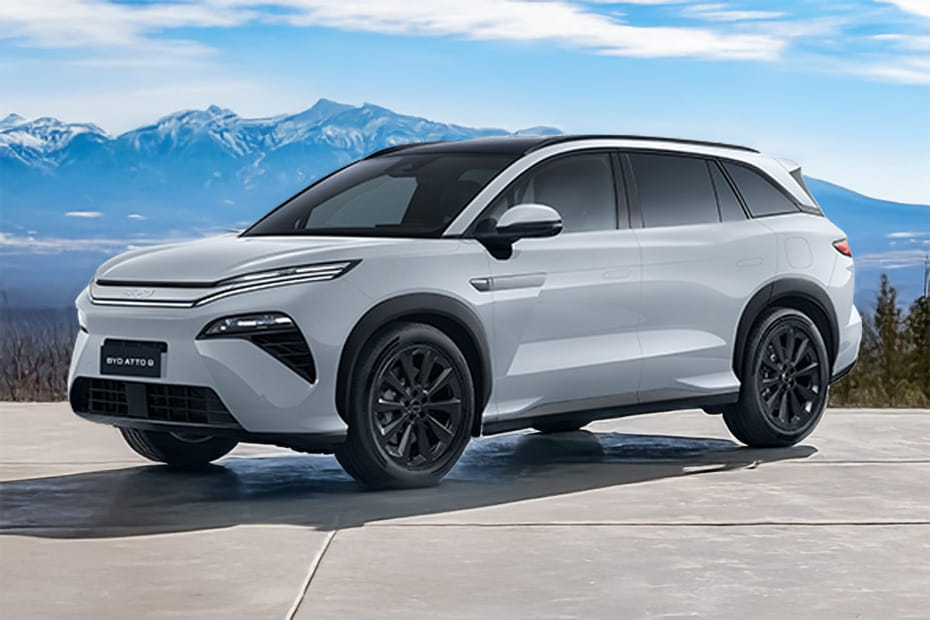
BYD Atto 8 -
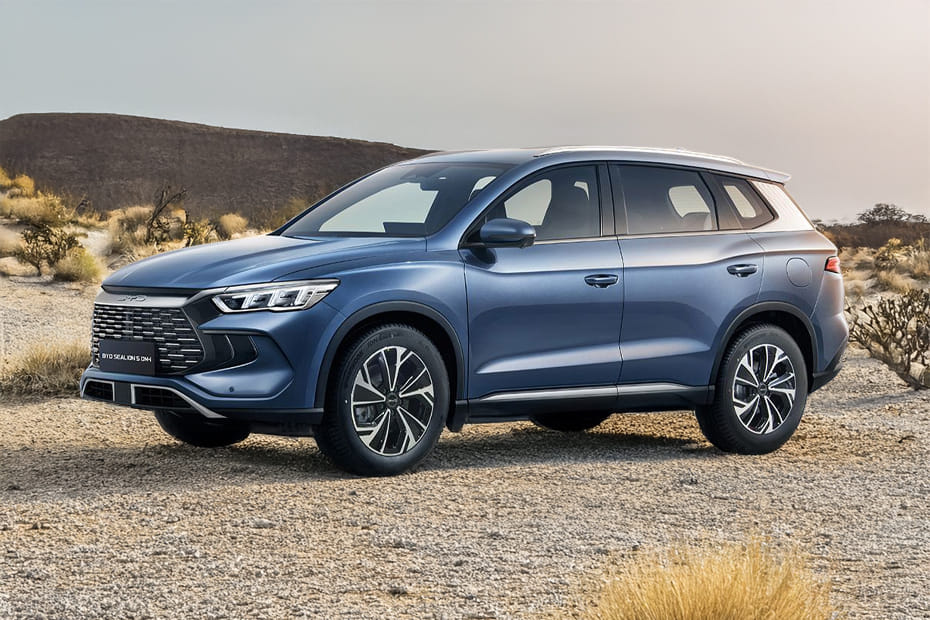
BYD Sealion 5 -
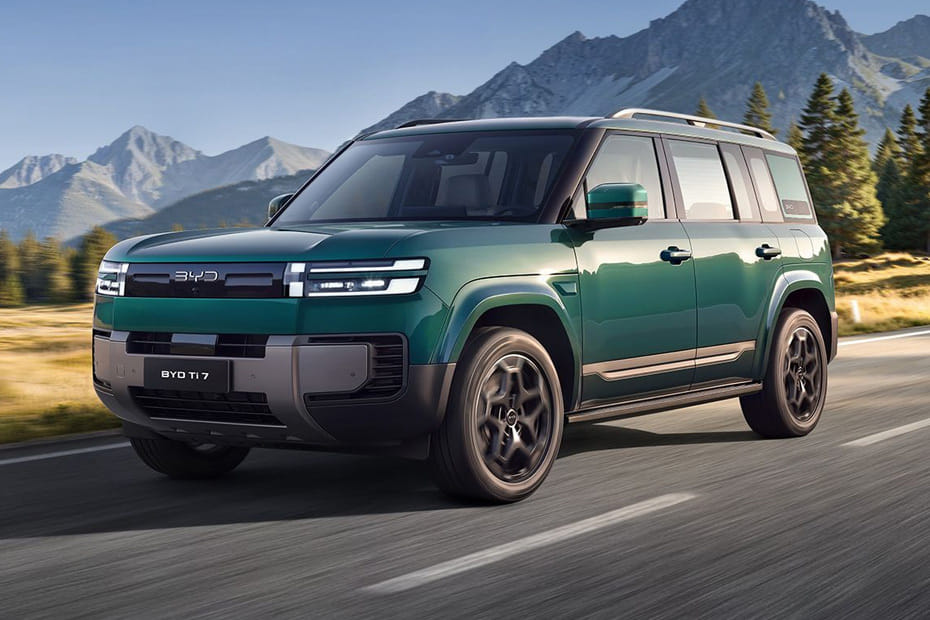
BYD Ti 7
- News

- Latest
- Upcoming
- Popular
-
 BYD Ti 7SAR 147,900 - 159,900
 -
 BYD Sealion 5SAR 79,900 - 88,900
 -
 BYD Atto 8SAR 156,900 - 179,900
-
 BYD SealSAR 120,900 - 146,400
 -
 BYD Sealion 7SAR 179,900 - 199,900
 -
 BYD Seal 7SAR 104,900 - 124,900
 -
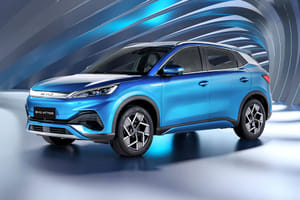 BYD ATTO 3SAR 91,700 - 129,900
 -
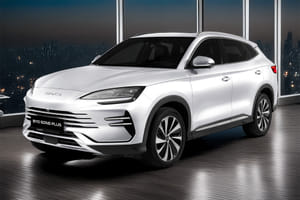 BYD Song PlusSAR 104,900 - 134,900
 -
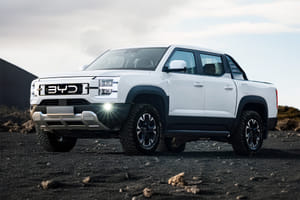 BYD Shark 6SAR 165,900