Understanding Fahas in KSA: What Causes Inspection Failures & How to Pass

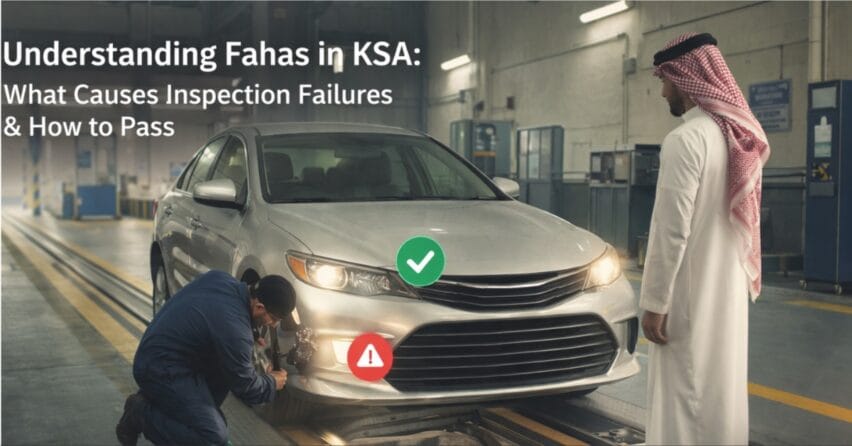
Saudi Arabia: Every car owner in Saudi Arabia is familiar with Fahas, a regular technical inspection introduced to ensure cars on the road are safe. This is mandatory; anyone who owns a car has no choice but to get it checked to stay legal on the road. Failing to do so or failing a test means you are fined, may get issues with car registration, or even worse, a driving ban.
KEY TAKEAWAYS
What is Fahas in Saudi Arabia in 2025?
Fahas is the Motor Vehicle Periodic Inspection (MVPI), a mandatory annual safety and emissions check for vehicles.Why is Fahas important for car owners in KSA?
It ensures road safety, environmental compliance, Istimara renewal; avoids SAR 150 fines, and enables vehicle sales.But getting the test done on the first try isn't hard. Usually, though, car owners are not prepared. They assume that since the car is running fine, it should pass the test. However, often the car fails due to something as simple as worn brake pads or a cracked windshield. This costs them dearly in money and time on the second trip. We take a closer look at the entire process and break down the guidelines to face Fahas with ease. What to do, what not to do, and how to pass on your first try. Everything you need to know.
What Is Fahas and Why Does It Matter?
Fahas is Saudi Arabia's mandatory vehicle inspection system, which is run by the Saudi Vehicle Technical Inspection Company. The goal of this test is to check whether your car meets safety and environmental standards to ensure everybody’s safety on the roads.
Therefore, it is mandatory for every vehicle registered in the Kingdom to undergo periodic inspection. Most owners may like to know the frequency, which actually depends on the car’s age.
- All new cars under three years old do not require inspection.
- Annual inspections are necessary for cars between 3 and 10 years old:
- For older cars beyond 10 years, they must undergo the test every six months.
The major thing is that without a Fahas certificate, you can't renew your vehicle registration, often referred to as Istimara. This also means no legal plates, no insurance renewal, and potential fines if caught driving, making it a crucial factor in vehicle ownership. But the inspection cost is just SAR 85-115 for light vehicles, which means all cars. Fahas has over 100 inspection centers operational across the country, covering most regions. The booking process is not complicated at all. You just have to visit Fahas either through the smartphone app or website. Once you get the slot, the inspection takes 15-30 minutes if there are no issues.
What Fahas Actually Checks
|
Vehicle System |
Inspection Details |
|
Braking System |
Tested on a dynamometer to check pads, rotors, and fluid leaks |
|
Lights & Electrical |
All lights, including head, tail, brake, signals, and hazards, were inspected for all functions |
|
Tires |
Tread required more than 1.6mm, even wear, no sidewall damage, bulges, or mismatches |
|
Suspension & Steering |
Extreme play, ball joints, shocks, and springs inspected |
|
Exhaust & Emissions |
Carbon Monoxide/hydrocarbon levels. smoke or illegal mods |
|
Windshield & Glass |
Cracks in excess of 30cm or in the driver's view |
|
Seat Belts |
Function, no fraying or broken buckles |
|
Chassis & Body |
Structural damage, rust, and unsafe mods checked |
|
Frame Number (VIN) |
Matches docs; no tampering |
Major Reasons Cars Fail Fahas
- Number Plates: This is a common issue faced by cars with illegal or faded digits on the number plate. This straightforward reason for rejection leads to numerous failures.
- Brake System Issues: Poor conditions of brake pads or low fluid levels are another key failure of the test found in many cars.
- Oil Leaks: Leaking fluids are a common issue in rejection.
- Non-Functional Lights: Malfunction or burned-out bulbs may not sound like a big deal, but they are another issue that causes the test to fail.
- Worn Tires:Tires below minimum tread depth fail instantly.
- Cracked Windshields: Cracks extending into the driver's visibility zone fail inspection.
- Failed Emissions Test: Older catalytic converters or faulty oxygen sensors that increase emissions are not permitted.
- Suspension Problems: Another key aspect of the car, so suspension with worn ball joints or shock absorbers creates handling issues.
How to Prepare Your Car for Fahas
Paying your mechanic before the first test to get your car in order is not the best policy. Mechanics often replace parts unnecessarily. Instead, try to do the following.
- Thorough Cleaning: This process includes interior and exterior washes and also the undercarriage to reveal oil leaks.
- Working Lights: Verify that all lights are working well and, if necessary, replace bulbs that are low on light or burned out.
- Tyre: Inspect tires by measuring tread depth. Check pressure and look for damage.
- Number Plates: Check and ensure that every digit is clearly visible. Visit a car decoration shop for repainting if needed.
- Oil Leaks: Look for any oil leaks, park on clean pavement overnight, and check for spots.
- Brakes: Test brakes by listening for grinding. A soft pedal or pulling needs addressing.
- Windshield: Check it for large or spreading cracks that need repair.
- Bring Required Safety Equipment: Fire extinguishers and warning triangles are checked.
Follow our Car Maintenance Guide for Saudi Drivers to avoid potential delays in your Fahas.
What Happens If You Fail
Even after taking absolute care, you may fail, or just a minor overlooked aspect may cause failure. Either way, failing isn't the end. After a failed inspection, visit the technical support officer for detailed explanations of each failure point. Generally, authorities give two weeks to every vehicle to make repairs and return for re-inspection. You need to pay re-inspection fees of SAR 38, less than half of the first test. During re-inspection, they will only check the items that previously failed, so please ensure they are addressed properly. You receive two reinspection attempts within 14 days. If you fail three times total, you must start again with a new full inspection.
The Smart Approach to Passing Fahas
Step 1: Always conduct the basic preparation, including cleaning the car and checking the lights, number plates, and tires.
Step 2: Proceed for inspection even if you have doubts about any suspect issues. You'll receive a detailed list of actual problems rather than mechanical guesses.
Step 3: Focus only on repairing the items that failed. Share the failure report with your mechanic and stop there, avoid extra work “just in case,” which only leads to unnecessary spending.
Step 4: Always ensure that you come back for a retest within the two-week window. They'll verify repairs and usually pass you quickly.
Simple Mistakes to Avoid
- Assumption: If you think your car is well-kept and you can pass the test, that's not the best way. Always check for minor issues.
- Last moment: Going for the test right before the expiration date of the Istimara is not ideal.
- Using Unlicensed Mechanics: To save costs, cheap repairs often don't meet Fahas standards.
- Ignoring the Failure Report: Fix what failed rather than arguing.
- Multiple Pre-Inspection Mechanic Visits: This wastes money on unnecessary work.
Booking Your Fahas Appointment
Book through the Fahas website or mobile app using your Iqama number and vehicle registration details. Appointments are faster than walk-ins. Most of the centers operate on common timings, which are Sunday through Thursday from 7 AM to 11 PM and Saturday from 7 AM to 10 PM. Remember, every Friday is closed. You will need your Iqama, vehicle registration card, Istimara, and payment of SAR 115 for the first inspection. Only the registered owner, a first-degree relative, or an authorized driver can present the car.
After Passing Fahas
When you pass, you receive an SMS confirmation with your inspection report. A sticker goes on your windshield showing the inspection date.
This certificate remains valid for one year. You must have a valid certificate to renew your vehicle registration. Police check for the windshield sticker at checkpoints. Driving with an expired certificate results in a SAR 150 fine. You should mark your calendar for next year's inspection. Here is an easy Step-by-Step Guide 2026 to Renew Istimara Online in Saudi Arabia.
Conclusion
Understand that Fahas is not just an extra ownership hassle or inconvenience. Seeing it only as a burden won’t solve anything; in reality, it provides important benefits for everyone on the road. The government wants our roads to be safe for everyone; that is precisely the purpose of Fahas. To achieve that goal, vehicles should meet minimum standards, and it is every car owner's responsibility to abide by this mandatory requirement and contribute towards it. Common test failures occur due to preventable issues. Following this measured approach, most drivers pass within one or two attempts.
Dinesh Goluguri

With over 15 years of experience in the automotive world, Dinesh Goluguri bringing hands-on experience and deep market knowledge. Passionate about SUVs, sports cars and luxury vehicles, he combines enthusiasm with expertise in delivering insights that resonate with car buyers and enthusiasts alike. With a special interest in car modifications and upgrades, Dinesh offers a unique perspective that goes beyond standard reviews, highlighting both factory features and customization potential. His work helps readers navigate new launches, features and trends in the dynamic automotive market.
Read Full Bio-
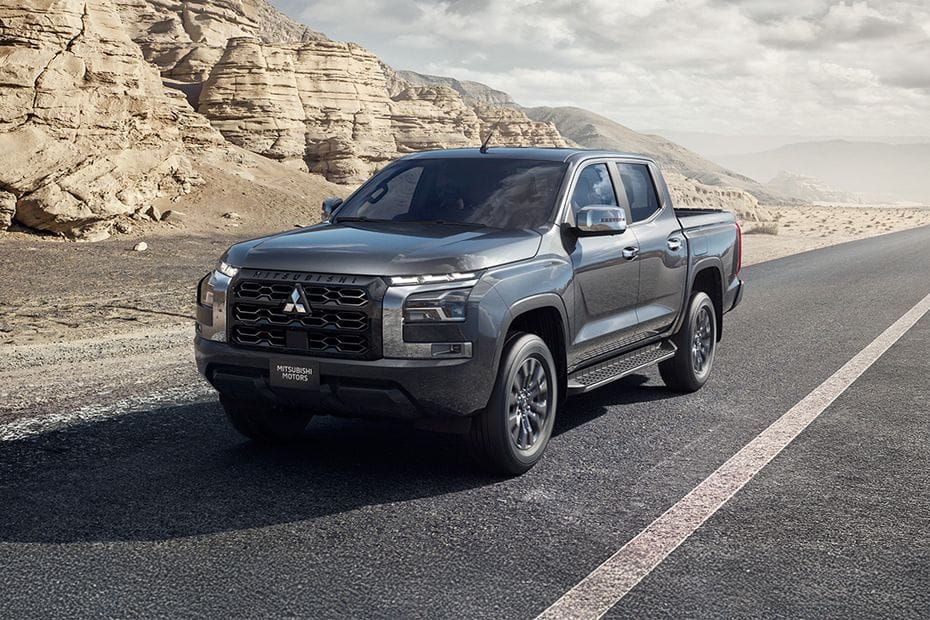
Mitsubishi L200 -
Mitsubishi Pajero -

Mitsubishi Eclipse Cross -

Mitsubishi ASX -

Mitsubishi Pajero Sport -

Mitsubishi Destinator -

Mitsubishi Montero Sport -

Mitsubishi Xpander -
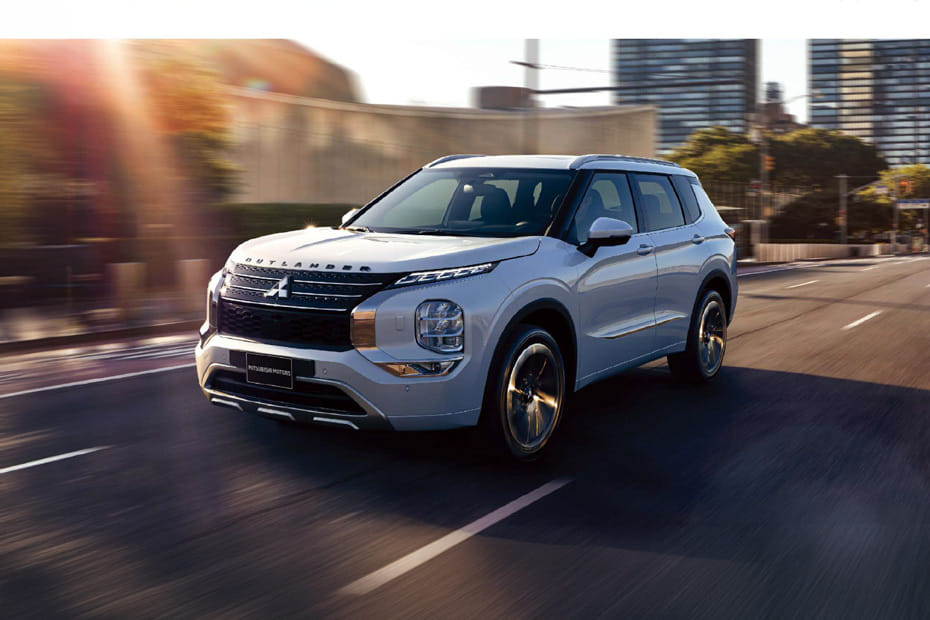
Mitsubishi Outlander -

Mitsubishi Space Star -

Mitsubishi Xforce -

Mitsubishi Attrage
- News



- Latest
- Popular
-
 Mitsubishi PajeroPrice coming soon
 -
 Mitsubishi XforcePrice coming soon
 -
 Mitsubishi DestinatorPrice coming soon
 -
 Mitsubishi Pajero SportPrice coming soon
-
 Mitsubishi L200SAR 72,890 - 141,755
 -
Mitsubishi PajeroPrice coming soon
-
 Mitsubishi Eclipse CrossSAR 98,800 - 110,300
 -
 Mitsubishi ASXSAR 75,800 - 89,705
 -
Mitsubishi Pajero SportPrice coming soon
-
Mitsubishi DestinatorPrice coming soon