Car Maintenance Guide for Saudi Drivers: What to Check After Every Desert Trip

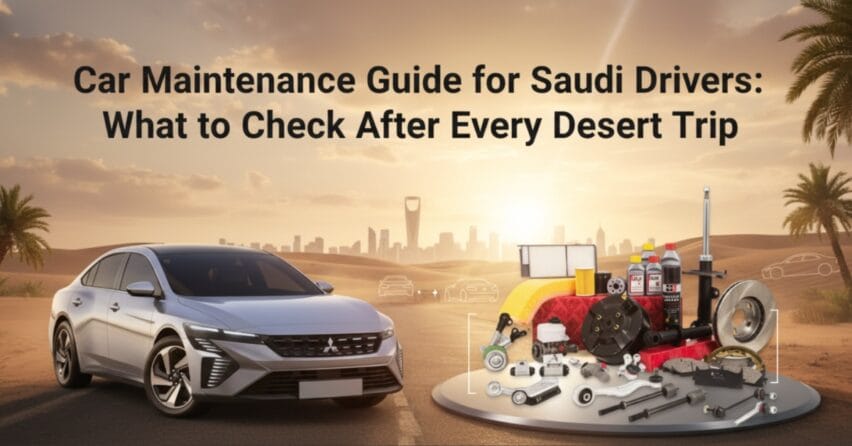
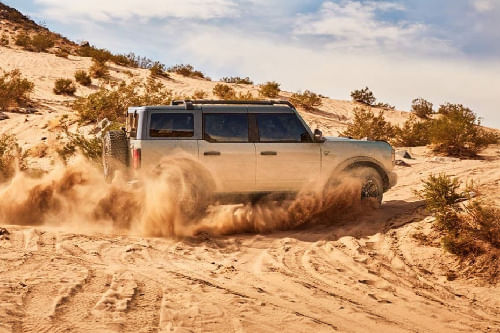
Saudi Arabia: Everyone knows desert driving and dune bashing are deeply ingrained in Saudi car ownership culture. It is always considered a fun and delightful experience, and also a way of testing the limits of the car's capabilities. Many car owners personalise their cars or even pickups for off-road use. Essentially, desert driving in Saudi Arabia is an experience, not just a commute. But in reality, such driving also takes a huge toll on the car. Sand just sneaks everywhere, and heat puts pressure on every component.
KEY TAKEAWAYS
Why is desert driving popular in Saudi Arabia?
Cultural tradition, adventure, affordable fuel, endless dunes, and social events.Which cars are most suitable for fun desert driving in Saudi Arabia?
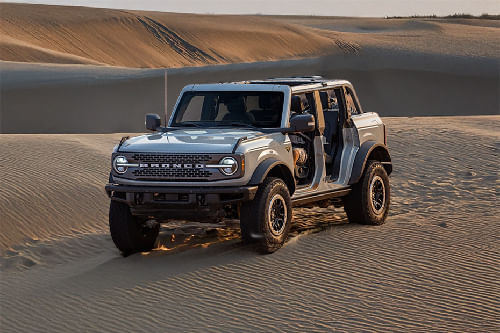
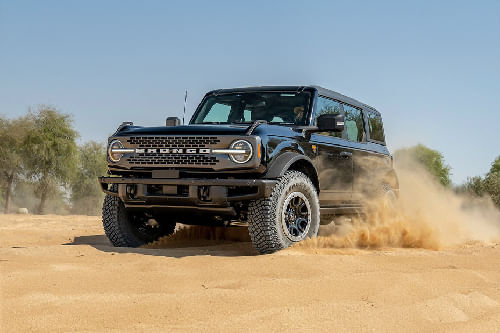
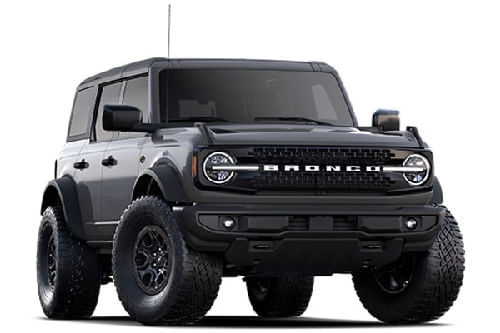
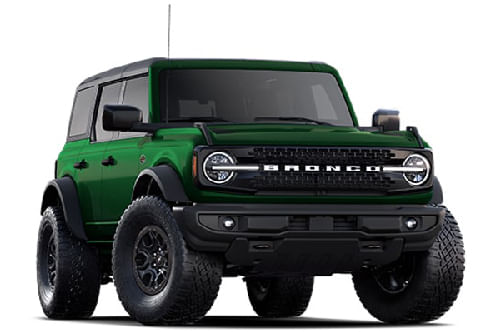
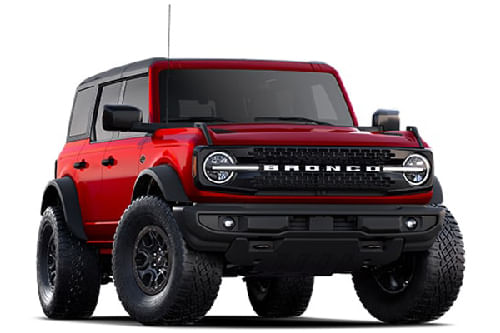
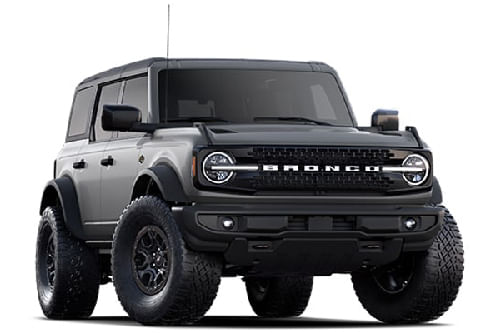
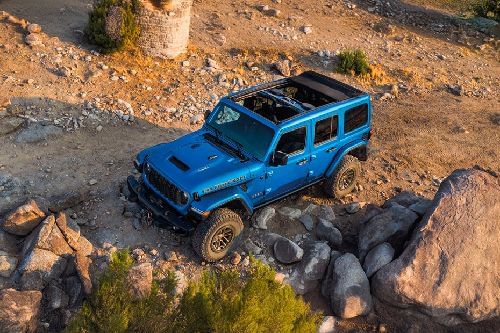
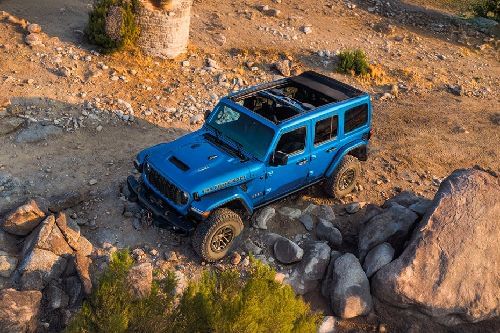
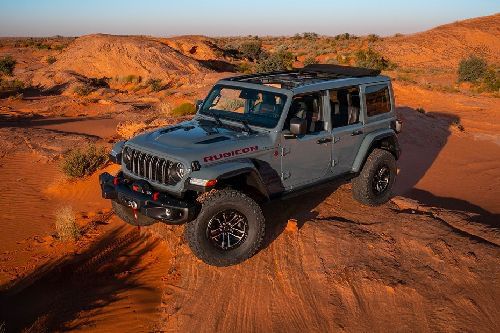
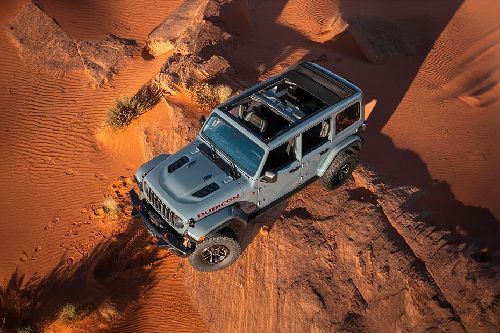
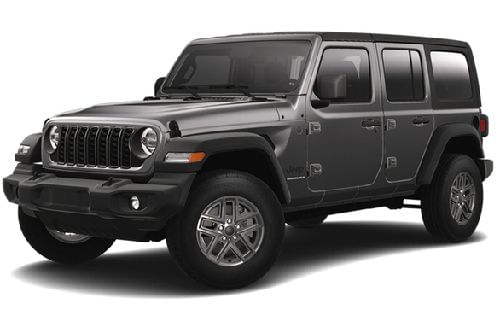
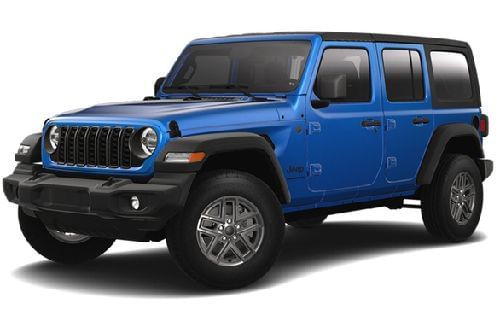
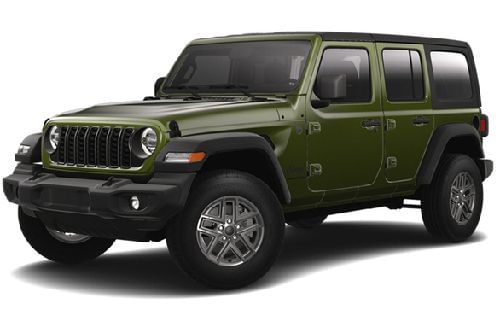
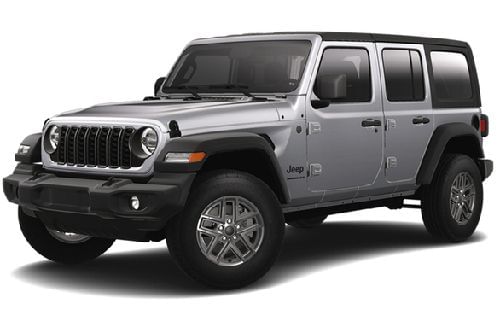
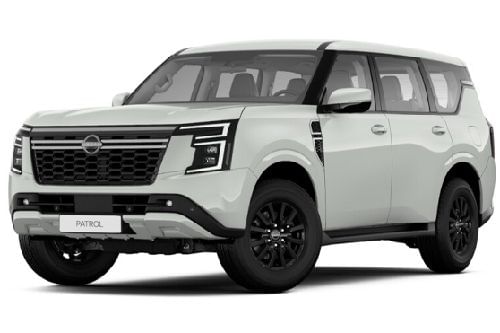
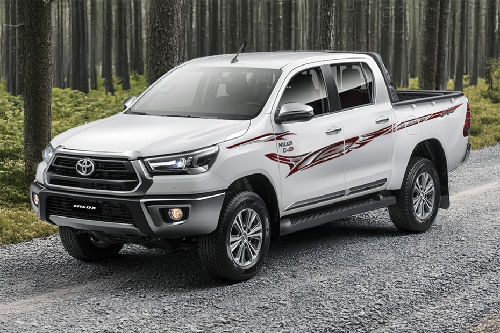
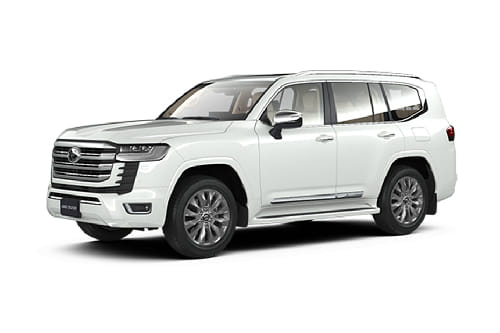
Toyota Land Cruiser, Nissan Patrol, Jeep Wrangler, Toyota Hilux, and Ford Bronco.After every desert trip, no matter if it is dune bashing near Riyadh, a wadi adventure in Hail, or a long drive through the Empty Quarter, your car goes through a lot of stress and needs a thorough inspection and careful aftertreatment. Not all car owners realise how much damage sand does immediately after a trip. It's not obvious, but over time, ignoring post-desert maintenance could cost a hefty repair bill. To avoid that, what you should do; we tell you everything that matters and how to go about it.
Why Post-Desert Maintenance Matters
It is not hard to know why; just check the numbers, and it becomes pretty obvious. Desert regions experience breakdown rates up to 300% higher than temperate climates and cooling system issues account for around 40% of desert breakdowns. The sand and dust cause premature wear on air filters, brakes, suspension, seals, and almost every consumable of your car.
The problem is exacerbated further as sand particles are abrasive; they grind like sandpaper. Heat accelerates fluid evaporation, and dust bypasses filters when seals degrade. All of these combine to make your vehicle prone to serious issues. However, the good news is that, if action is taken on time, all of these issues can be prevented. Doing a post-trip inspection and cleaning, and catching issues early, saves money and also avoids inconvenience from a car breakdown.
Here is everything you need to know about Protecting Your Car From Saudi Heat & Sandstorms.
How to go about it
Visual Inspection
Before anything else, walk around the vehicle to check for sand accumulation around door seals, window frames, and the undercarriage. Look for dust coating on visible components, paint damage from sand abrasion, cracked or loose trim pieces, and damage from rocks or debris strikes.
Similarly, take a peek underneath. Check for sand compacted in wheel wells, suspension components, and engine bay. This indicates where sand has infiltrated deeper systems.
Fluids
The next step is fluids, as sand can contaminate them. Check engine oil with a dipstick; if the oil appears gritty or darker than normal, it's contaminated and should be changed without any delay. In desert conditions, follow the 80% rule: change the oil at 80% of its recommended interval. If your oil is rated for 10,000 km, change it at 8,000 km.
Then comes the coolant; look for discoloration or sediment, as sand in the cooling system can cause blockages and overheating. Similarly, brake fluid should be clear and amber. Discoloration indicates contamination. Power steering fluid clarity also should be good; and cloudiness signals water or sand contamination.
Tyre Condition
Tyres matter most, and after deflating them for sand driving, reinflate immediately to the recommended pressure. Always look for uneven wear patterns. Sand driving causes accelerated wear and sidewall damage, and rocks in desert terrain frequently puncture tires. Tyre temperature, underinflated tyres, overheating, which can cause blowouts. It is always in the best interest to allow the tyres to cool completely before checking the pressure for an accurate reading.
Engine and Filter Systems
Air Filter Inspection
The air filter is your engine's first defense against sand. After desert driving, inspect them at the earliest, rather, the first thing you should consider checking. If the filter is heavily coated with dust, replace it without any delay. Don't try to clean extreme contamination; new filters are inexpensive compared to engine damage.
In severe dusty conditions, it is best to consider replacing air filters every 5,000 km, even if the standard service intervals are 10,000-15,000 km, as those intervals are too long for desert driving.
Engine Sensors
After desert driving, sand can clog engine sensors, affecting performance. You inspect the mass airflow sensor, oxygen sensors, and temperature sensors. Dirty sensors affect performance by 20% and increase fuel consumption.
Also, inspect the turbocharger if your car has one. Most modern diesel engines use turbochargers. Sand damage is especially concerning here. Get a check by a trained mechanic on the turbocharger housing, internal turbine blade condition, and intercooler for blockages. Most of the time, sand bypassing filters damage turbos extensively. Preventing it through filter maintenance is critical.
Cooling System Thorough Check
The cooling system works hardest in desert heat. After a trip, check radiator and condenser, cooling fans, hoses and seals, coolant level and condition, brake system inspection, brake pads and rotors, caliper inspection, brake lines and hoses. Sand can cloud and scratch glass. Apply protective coatings if heavily damaged.
|
Component |
Post-Desert Check |
Inspection Interval |
Action Required |
|
Air Filter |
Always—check immediately after the trip |
Every 5,000 km in sandy conditions |
Replace if heavily contaminated |
|
Engine Oil |
Check for contamination and grit |
At 80% of the recommended life |
Change if discolored or gritty |
|
Coolant |
Check level and color |
Every 5,000-7,000 km |
Flush if sediment is present |
|
Tire Pressure |
Check after tires cool (3+ hours) |
Before each highway drive |
Reinflate to the recommended PSI |
|
Brake Pads/Rotors |
Visual inspection by a mechanic |
After desert trips |
Replace if accelerated wear is detected |
|
Suspension Components |
Inspect for damage and play |
Every 10,000 km |
Repair seized or damaged parts |
|
Battery Terminals |
Clean if corroded |
Monthly in desert conditions |
Apply protective coating |
|
Turbocharger (if equipped) |
Professional inspection |
After heavy desert use |
Check for sand scoring |
|
Undercarriage |
Full pressure wash |
After each desert trip |
Remove compacted sand and salt |
|
Cabin Air Filter |
Visual inspection |
Every 2-3 months in sandy areas |
Replace monthly after desert use |
Follow A Schedule
Once you’re back from the Best Weekend Road Trips in Saudi Arabia, consider following a maintenance schedule. This will ensure you get all the necessary things done within the stipulated time to avoid any heavy damage or issues.
The day you are back, check and reinflate the tyre to the necessary pressure level. Do a visual inspection for obvious damage, also take a look at all fluid levels, and pressure wash the undercarriage to remove sand.
Within 24 hours, you must consider changing the engine oil and filter. Replace the air filter if contaminated, and deep clean the cabin air filter or replace it. Furthermore, don’t forget to inspect the brakes for sand contamination.
Within 1 Week
After a week of your trip, get the suspension professionally inspected. Request a turbocharger inspection if your car has one. Flush the radiator of sand deposits. Also, don’t ignore the battery, clean battery terminals, and check the charge.
Within 2 Weeks
In a fortnight, you should go for a full brake system inspection. Inspect steering for responsiveness issues, suspension bushings and joints, and consider applying protective coatings to the paint if needed.
|
Maintenance Task |
Timing |
Priority |
Cost Impact |
|
Oil change (post-trip) |
Same day |
High |
SAR 150-300 |
|
Air filter replacement |
Within 24 hours |
High |
SAR 100-200 |
|
Tire pressure check/adjustment |
Immediately |
High |
Free-50 SAR |
|
Undercarriage wash |
Same day |
High |
SAR 50-150 |
|
Cabin air filter replacement |
Within 24 hours |
Medium |
SAR 100-250 |
|
Brake inspection |
Within 24 hours |
High |
SAR 150-300 |
|
Suspension inspection |
Within 1 week |
Medium |
SAR 200-400 |
|
Radiator flush |
Within 1 week |
Medium |
SAR 300-500 |
|
Battery check |
Within 1 week |
Medium |
SAR 50-100 |
|
Full alignment check |
Within 2 weeks |
Low-Medium |
SAR 200-400 |
If you own a Chinese car, then Follow our Guide to Chinese Car Maintenance & Service Tips for Saudi.
Conclusion
Desert trips are fun, part of our culture, and most car owners wish to do them. However, in the interest of your safety and taking care of your car, post-desert maintenance is a must. Every car owner should keep this procedure in mind and never delay it.
A timely action is in the best interest, or it doesn’t take much time for the sand damage to escalate quickly into a bigger problem if not identified and dealt with quickly. This will save not just money but also the inconvenience of sending your car to the showroom for over a week or more. Most of this can be avoided by proactively taking the initiative. Rather, make it part of your desert routine: return, inspect, clean, service. It takes time, but it protects your investment and keeps you safe on future trips.
Dinesh Goluguri

With over 15 years of experience in the automotive world, Dinesh Goluguri bringing hands-on experience and deep market knowledge. Passionate about SUVs, sports cars and luxury vehicles, he combines enthusiasm with expertise in delivering insights that resonate with car buyers and enthusiasts alike. With a special interest in car modifications and upgrades, Dinesh offers a unique perspective that goes beyond standard reviews, highlighting both factory features and customization potential. His work helps readers navigate new launches, features and trends in the dynamic automotive market.
Read Full Bio-
Explore Ford Bronco
-
-
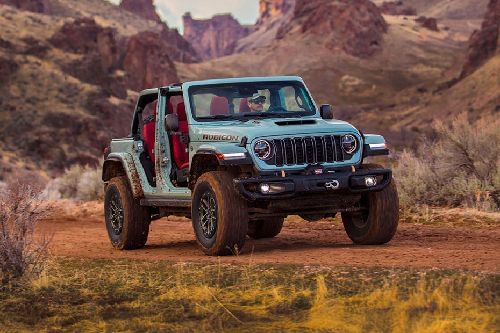
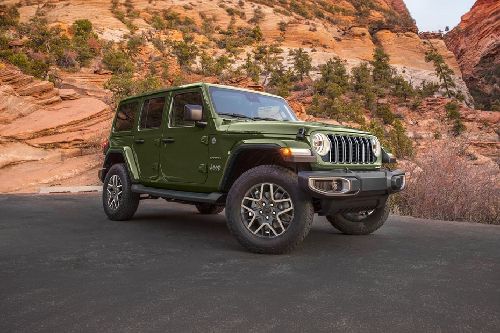
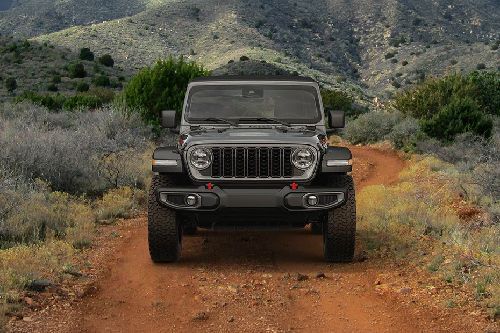
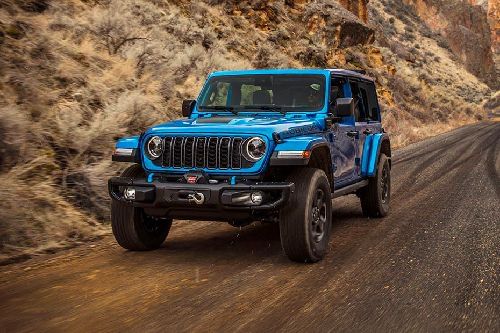
Explore Jeep Wrangler
-
-
Explore Nissan Patrol
-
-
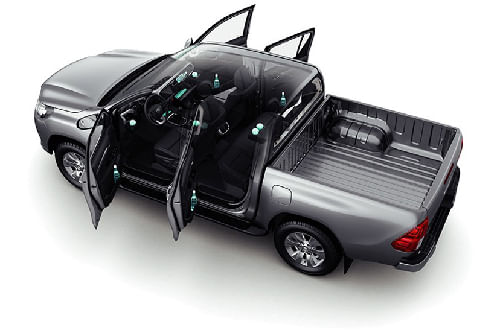
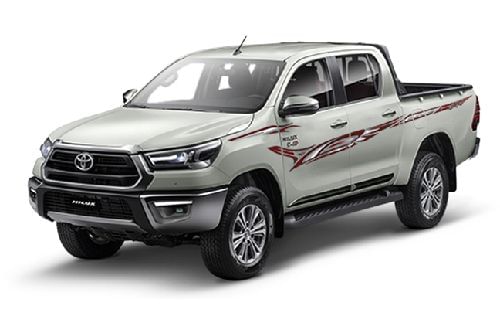
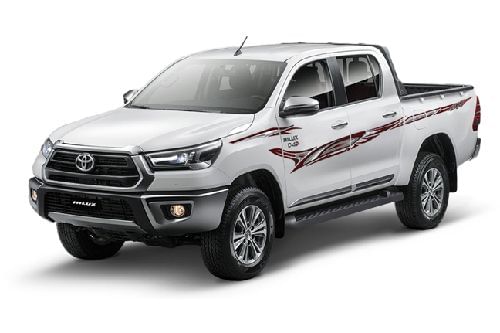
Explore Toyota Hilux
-
-
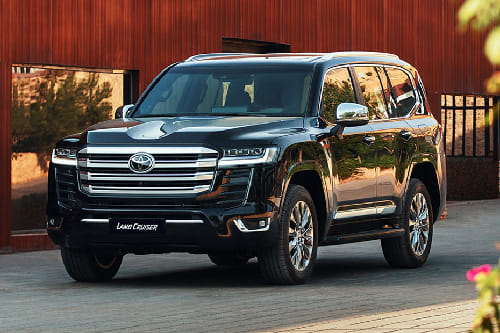
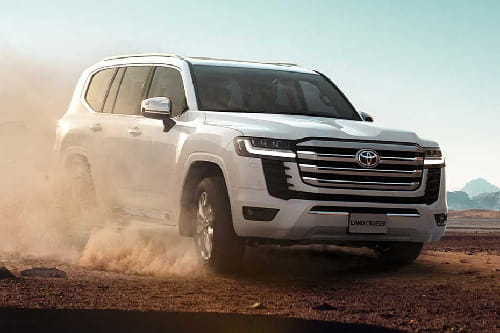
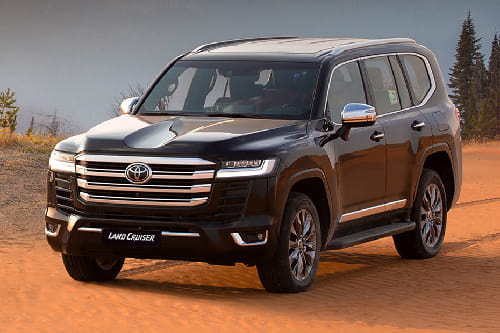
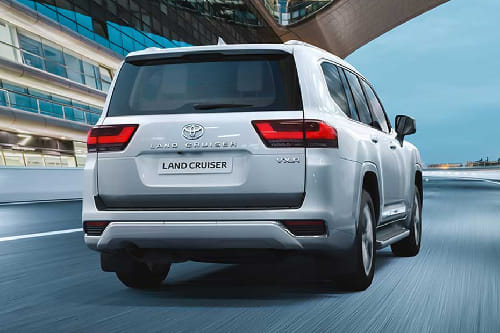
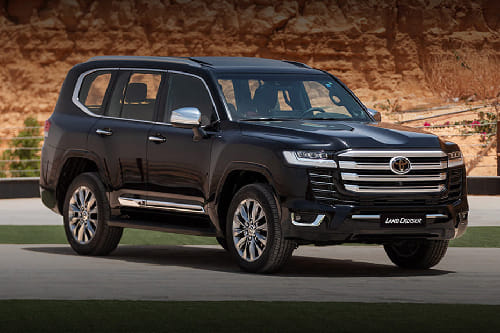
Explore Toyota Land Cruiser
-
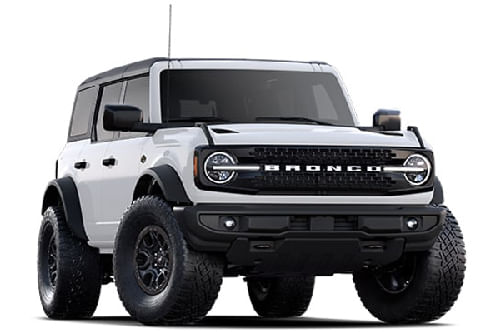
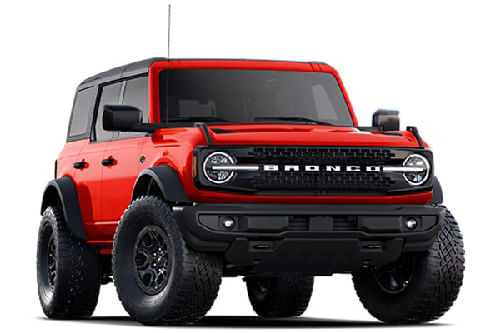
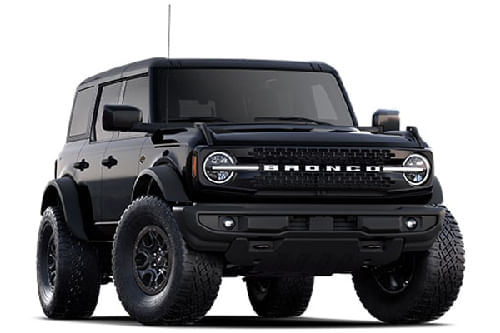
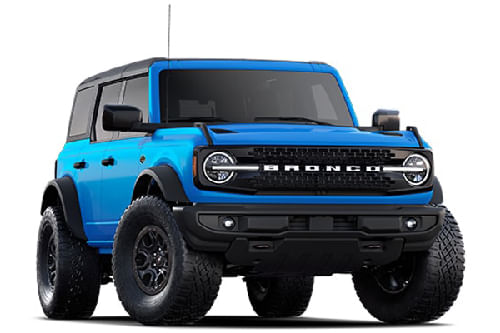

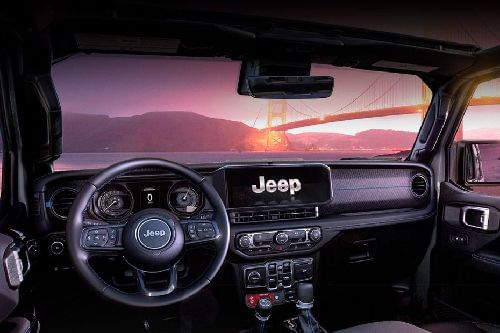
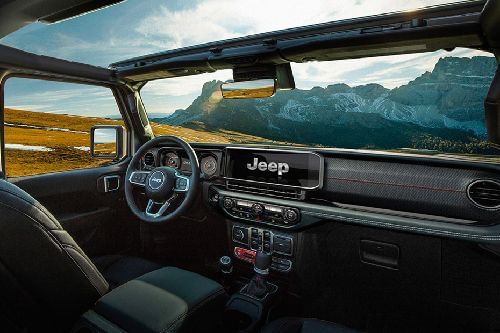























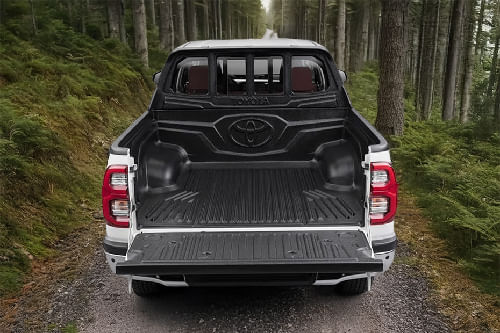
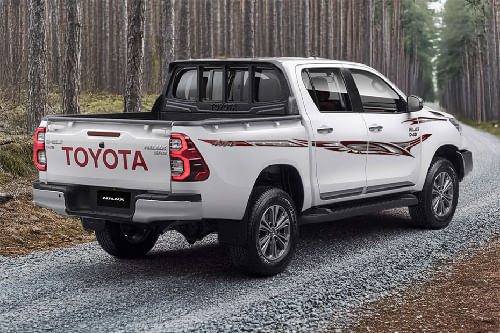
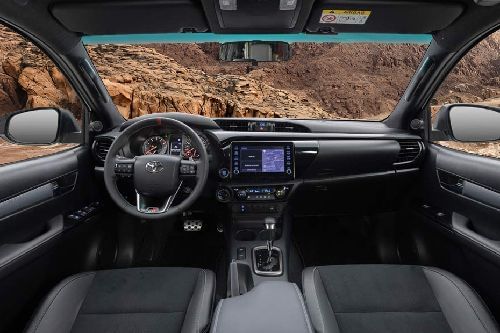

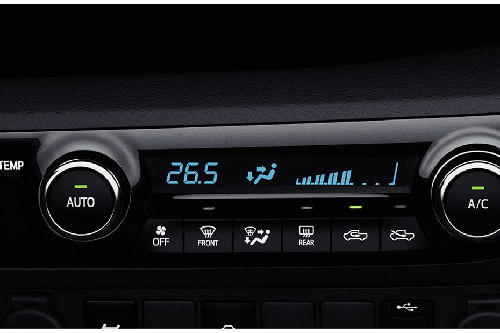
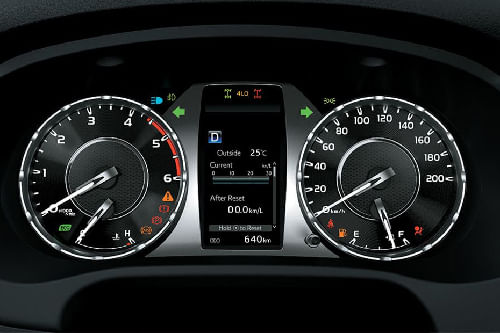







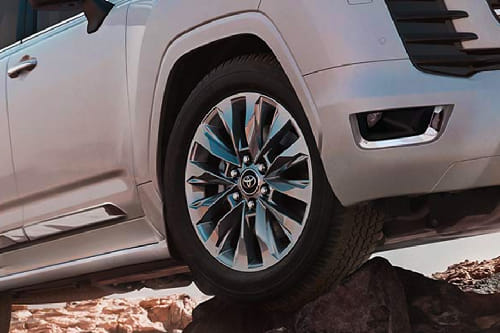
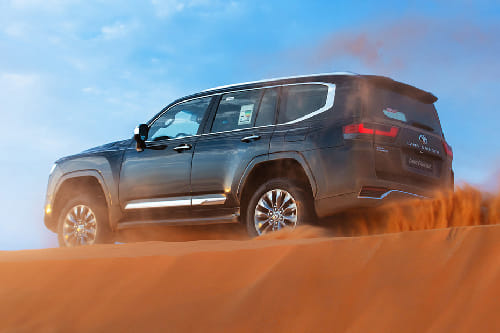
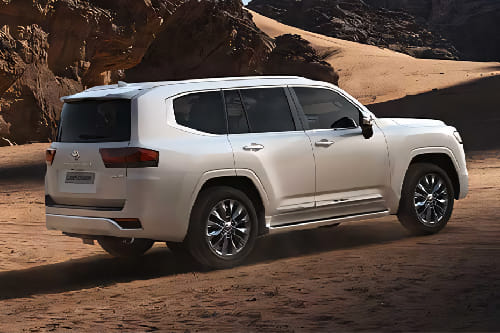

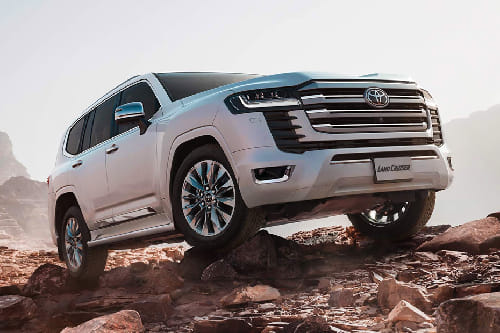
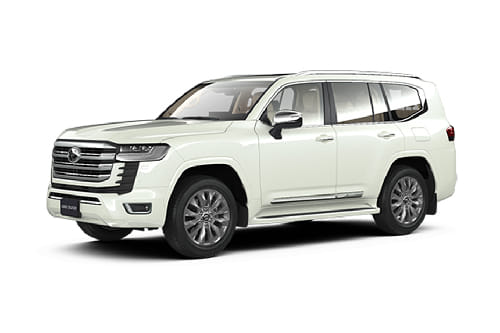
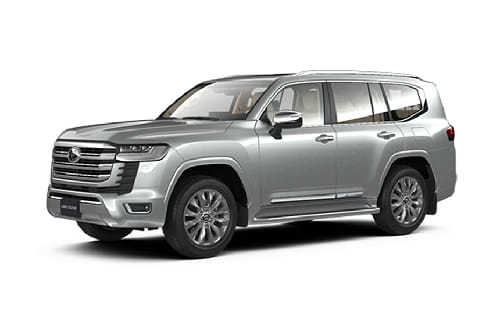
-

Ford Territory -
Ford Ranger -
Ford Mustang -

Ford Taurus -
Ford F 150 -
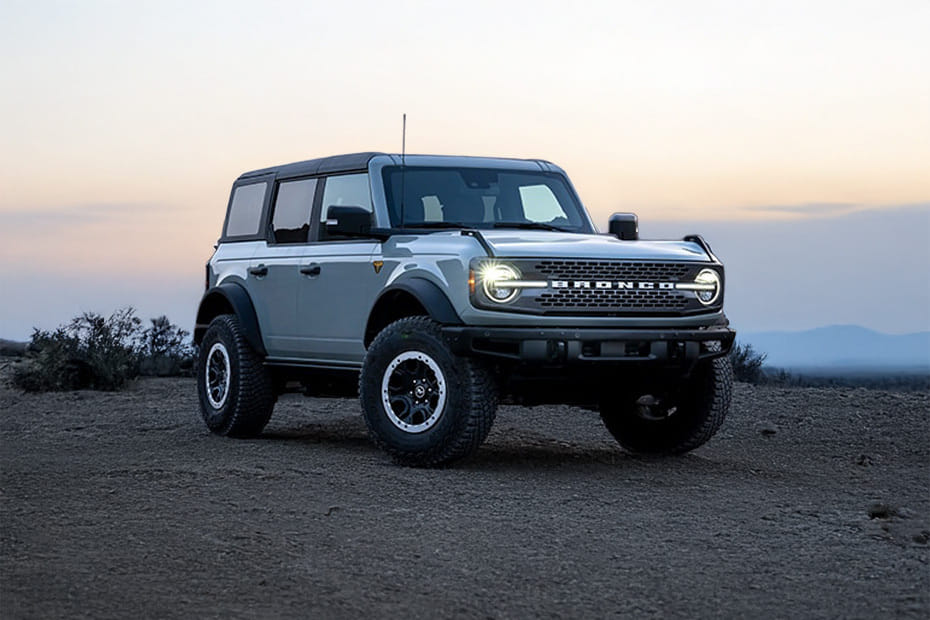
Ford Bronco -
Ford Expedition -

Ford Mustang Mach-E -

Ford F 150 Tremor -
Ford F 150 Raptor -
Ford Explorer ST -
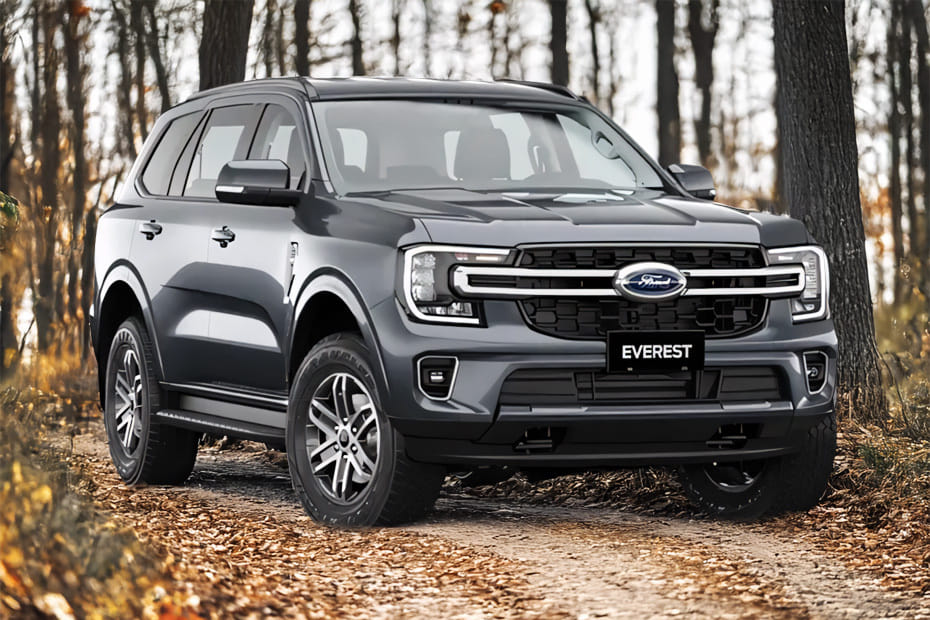
Ford EVEREST

- News






- Latest
- Upcoming
- Popular
-
 Ford TerritorySAR 103,900 - 133,900
 -
 Ford Mustang Mach-ESAR 159,960

-
Ford TerritorySAR 103,900 - 133,900
-
 Ford RangerSAR 190,000
 -
 Ford MustangPrice coming soon
 -
 Ford TaurusSAR 119,132 - 146,913
 -
 Ford F 150SAR 171,063 - 299,058

-
 Ford Bronco – Made for Every Adventure | From Desert to Downtown28 Apr, 2026 .
|

|

|

|

|
|
Transmission Type
Automatic
|
Automatic
|
Automatic
|
Automatic
|
Automatic
|
|
Engine Displacement
2298
|
2997 CC
|
2298
|
3998
|
1998
|
|
Power
300Hp
|
280Bhp
|
228Bhp
|
228Hp@5200rpm
|
235Hp
|
|
Torque
441Nm
|
420Nm
|
334Nm
|
360Nm@3800rpm
|
350Nm
|
|
|
- Latest
- Upcoming
- Popular
-
 Toyota CenturyPrice coming soon
 -
 Jeep Grand Cherokee 2026Price coming soon
 -
 KIA EV2SAR 148,000
 -
 ZEEKR 9XPrice coming soon
 -
 Mitsubishi PajeroPrice coming soon
 -
 Hyundai Ioniq 9Price coming soon


-
 Land Rover Range RoverSAR 591,500 - 1.3 Million
 -
 Nissan X-TrailSAR 104,999 - 156,999
 -
 Hyundai PalisadeSAR 242,305 - 242,368
 -
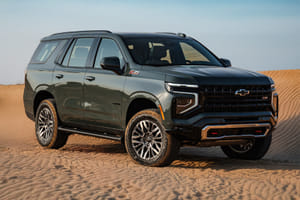 Chevrolet TahoeSAR 254,500 - 359,000
 -
 Toyota RaizeSAR 68,827 - 75,497
 -
 Hyundai Santa FeSAR 146,050 - 238,337