All-Electric Toyota Hilux Pickup Debuts: Everything You Need to Know

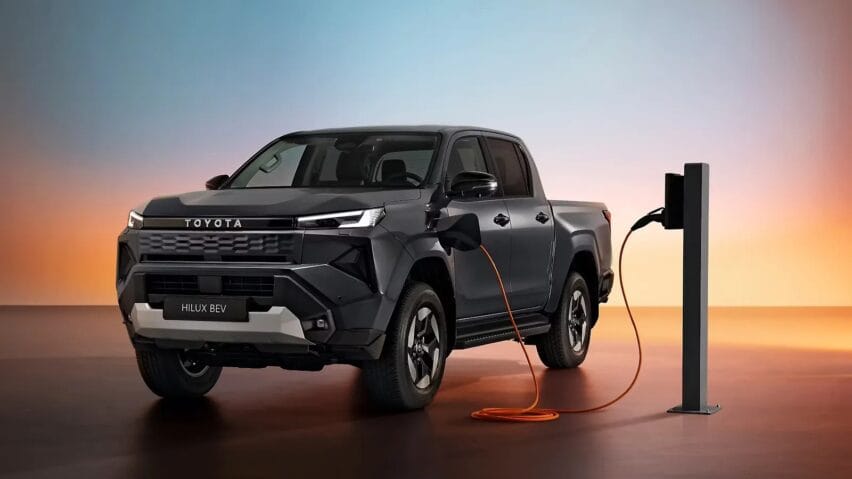
Saudi Arabia: The Hilux, a globally known and highly popular pickup, is now making a timely transition as Toyota has unveiled its all‑electric version. The Hilux, one of the oldest and most popular badges, remains popular worldwide even after five decades due to its reliability and performance. This truck is one of the most successful vehicles of the Japanese automaker ever. To make a difficult but rather obvious transition from this iconic pickup to the sustainable powertrain, Toyota has unveiled the ninth‑generation Hilux, launched globally in November 2025, and for the first time in its 58‑year history, there’s a plug‑in option alongside the usual diesel and petrol engines.
KEY TAKEAWAYS
What powers the Hilux BEV?
Dual electric motors (front and rear) with a 59.2 kWh battery and a 240 km WLTP range.What is the payload and towing capacity of the Hilux BEV?
It is 715 kg for the payload and 1,600 kg for the towing capacity.This underscores Toyota’s goal to provide a multi‑powertrain strategy that maintains the functionality of the old truck while introducing the first battery electric model and a hydrogen fuel cell electric version, both with zero emissions. The entire platform, including the frame, suspension, and electric power steering, has been completely redesigned, and it features dual 12.3‑inch screens. The Hilux will offer a choice of powertrains, including diesel, a 48V mild hybrid, a full battery electric vehicle (BEV), and a hydrogen fuel cell version that is expected to be available in 2028.
Exterior
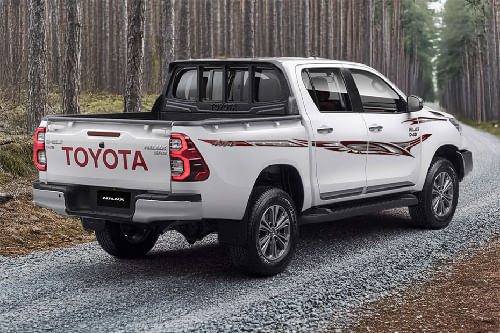
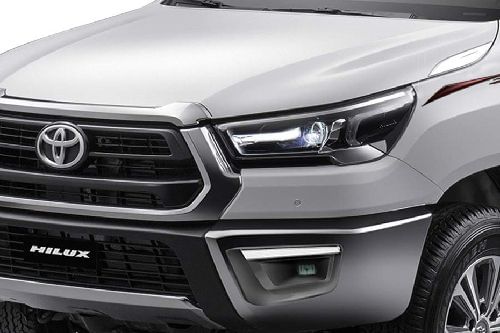
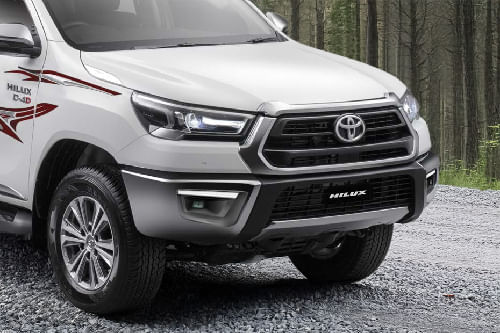
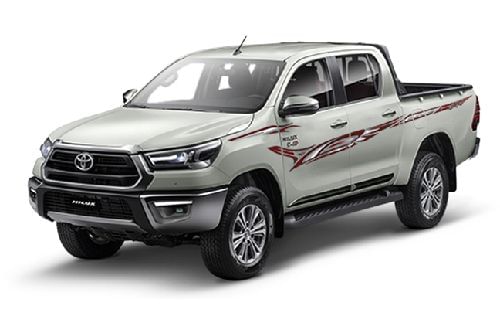
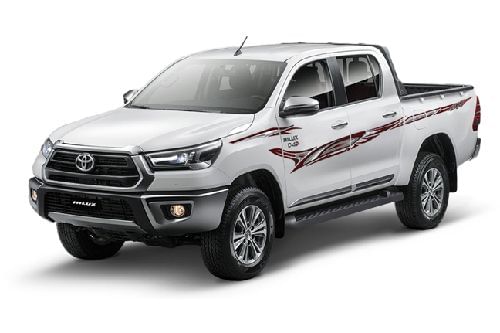
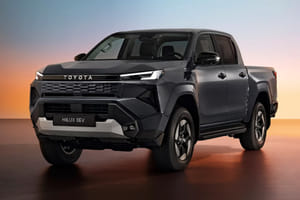
The new Hilux takes design cues from the Land Cruiser 300. The slim LED headlights are connected by a horizontal bar with the Toyota name spelt out. The BEV version lacks the traditional grille, as Toyota covered that area with body‑coloured panels featuring a hexagonal pattern. The front looks much cleaner than most electric conversions.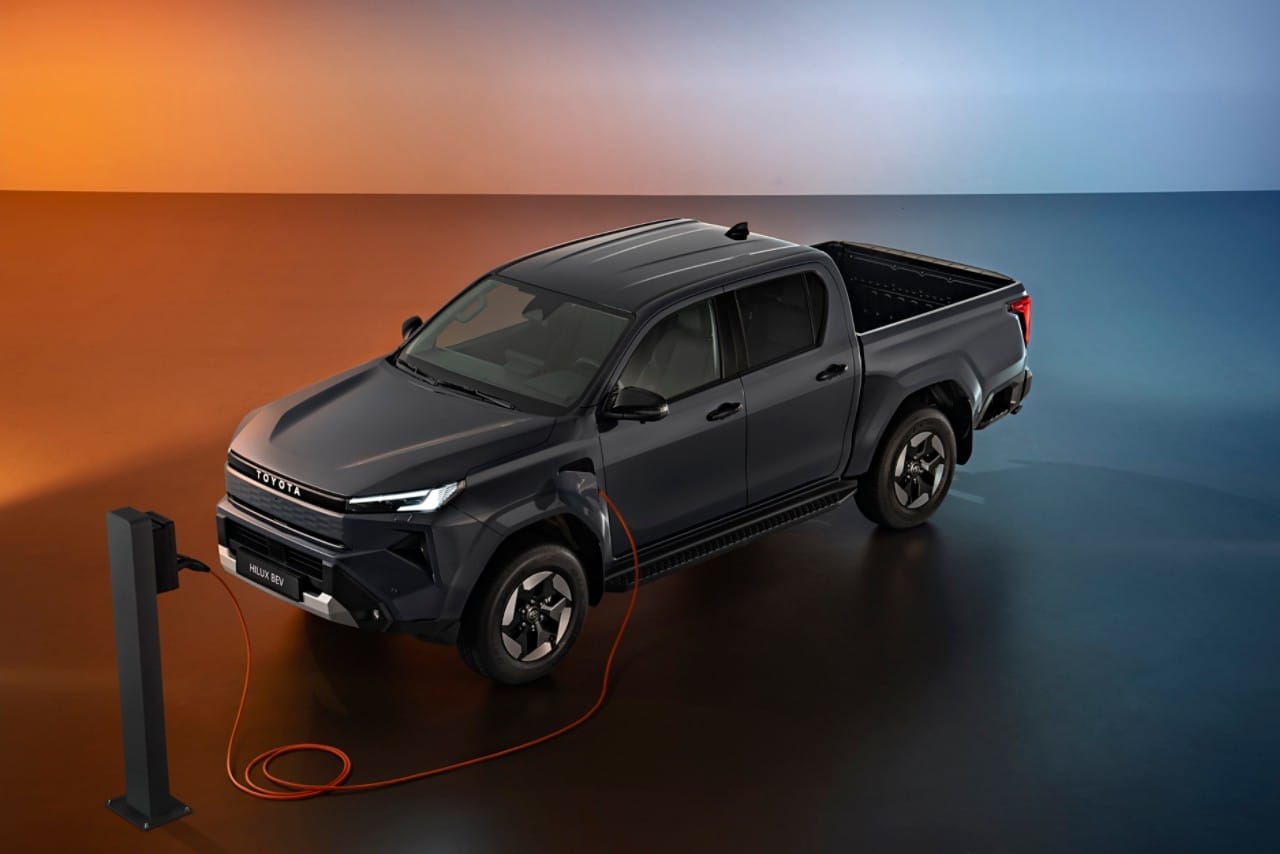
Key exterior details:
- Ground clearance suitable for tough roads and speed bumps
- Water wading depth: 700 mm
- Diamond Guard underbody protection for battery and motors
- Double Cab only
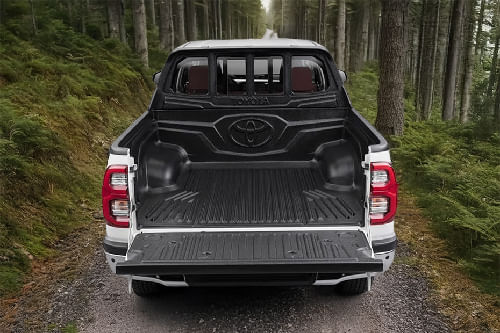
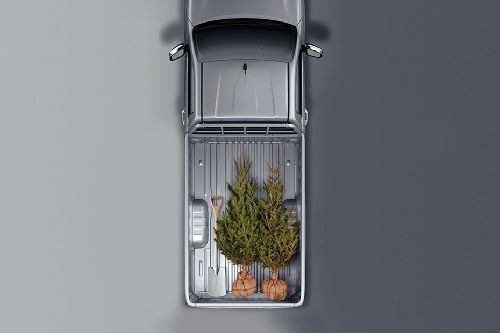
The cargo bed dimensions haven’t changed. Toyota mounted the 59.2 kWh pack under the floor, between the frame rails.
The BEV’s payload drops to 715 kg. Diesel versions handle up to 1,000 kg.
Interior
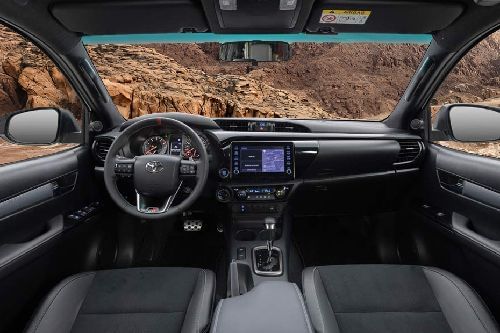
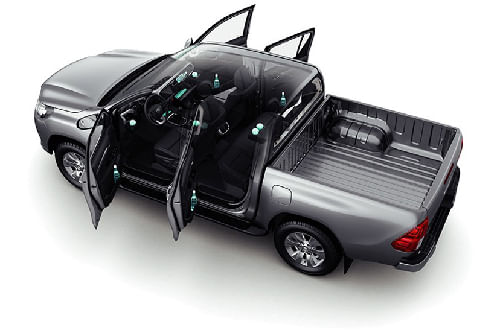
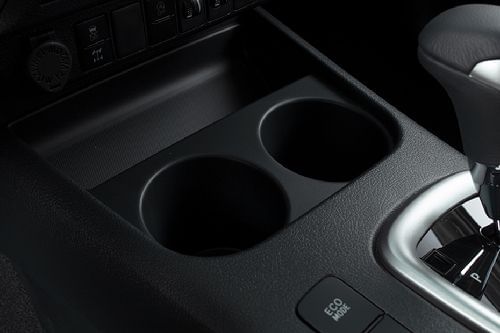
With the changes and all‑new platform, the interior now finally looks much more premium than before. With the new generation, Hilux moves to one body style, the Double Cab, in line with customer preference. In the cabin, there is an all‑round elevation in sensory quality, inspired by the new Toyota Land Cruiser. The central console has a new horizontal design. The dashboard got a complete redesign with a horizontal layout, promising better visibility. Everything’s grouped logically, making you feel elegant, comfortable, and a lot more upscale.
Standard features:
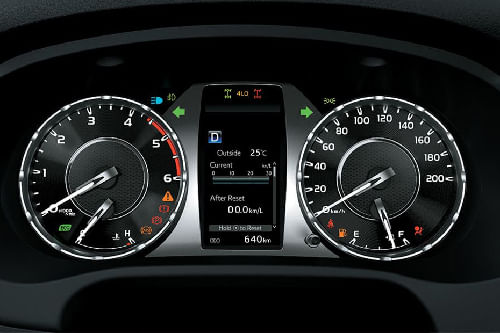
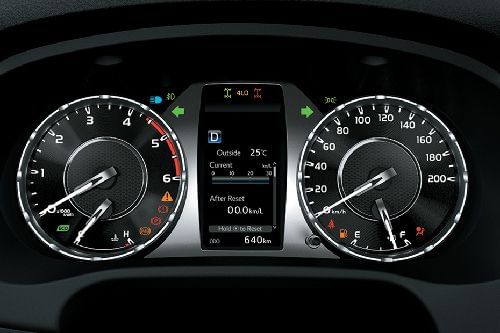
- 12.3-inch digital driver display
- 12.3-inch center touchscreen
- Wireless Apple CarPlay and Android Auto
- Wireless phone charging
- MyToyota app connectivity
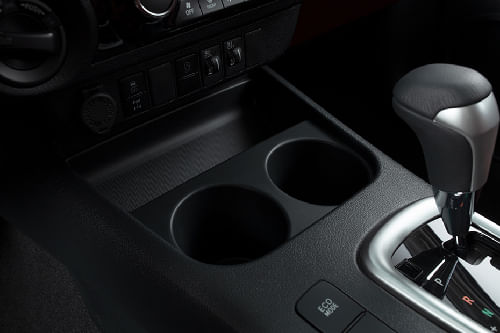
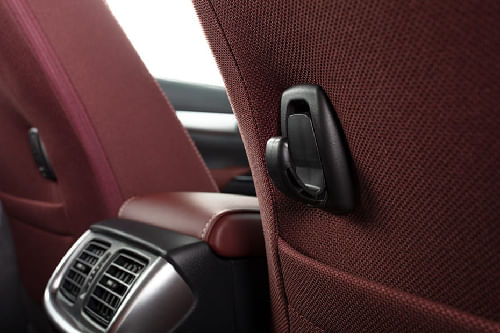
The BEV gets a shift‑by‑wire selector and a single action to switch drive modes. The material quality improved noticeably, as did the soft‑touch surfaces. You can feel the superior seat fabric and far improved sound insulation.
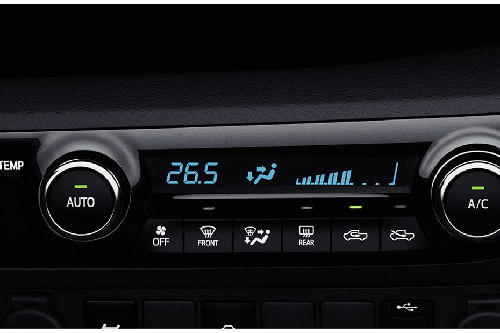
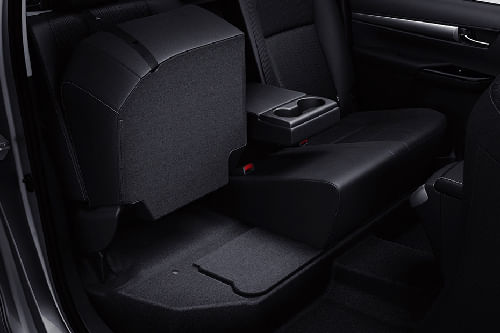
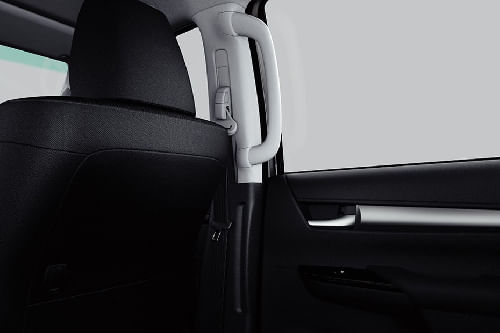
Rear seat space remains generous; three adults fit comfortably with the flat floor. The climate controls are physical buttons, so you don’t have to dig through touchscreen menus while driving.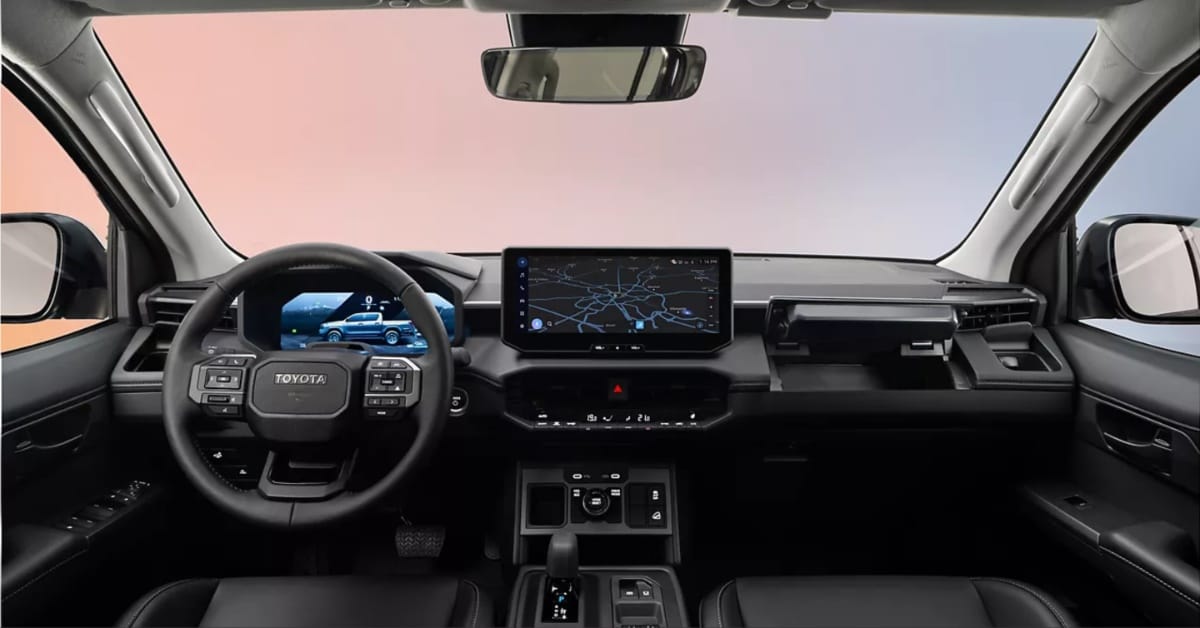
Safety: Toyota T-Mate Gets Serious
Active safety features:
- Pre-Collision System with pedestrian detection
- Lane Departure Alert with steering assist
- Adaptive Cruise Control
- Blind Spot Monitor
- Rear Cross Traffic Alert
- Safe Exit Assist
- Emergency Driving Stop System
- Driver monitor camera
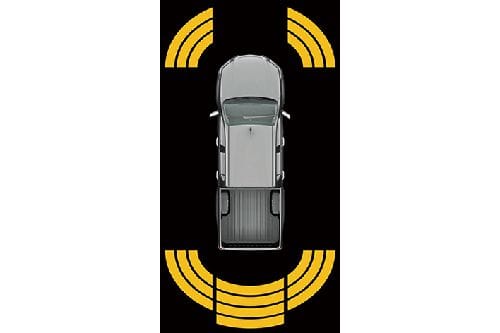
- Multi-Terrain Monitor for off-road visibility
The system supports over‑the‑air updates. Low Speed Acceleration Suppression prevents sudden acceleration in parking situations.
The BEV’s instant torque is managed by advanced traction control. Multi‑Terrain Select adjusts brake and torque distribution for different surfaces: mud, sand, and rock.
POWERTRAIN SPECIFICATIONS
|
Specification |
Hilux BEV |
|
Battery |
59.2 kWh lithium-ion |
|
Front motor |
82 kW / 205 Nm |
|
Rear motor |
129 kW / 268.6 Nm |
|
System power |
144 kW (193 hp) |
|
Drive type |
Permanent AWD (dual eAxle) |
|
Range |
240 km (WLTP) / 315 km (NEDC) |
|
Charging |
11 kW AC / 125 kW DC |
|
DC fast charge |
20-80% in 30 minutes |
|
Payload |
715 kg |
|
Towing capacity |
1,600 kg |
|
Battery voltage |
296V |
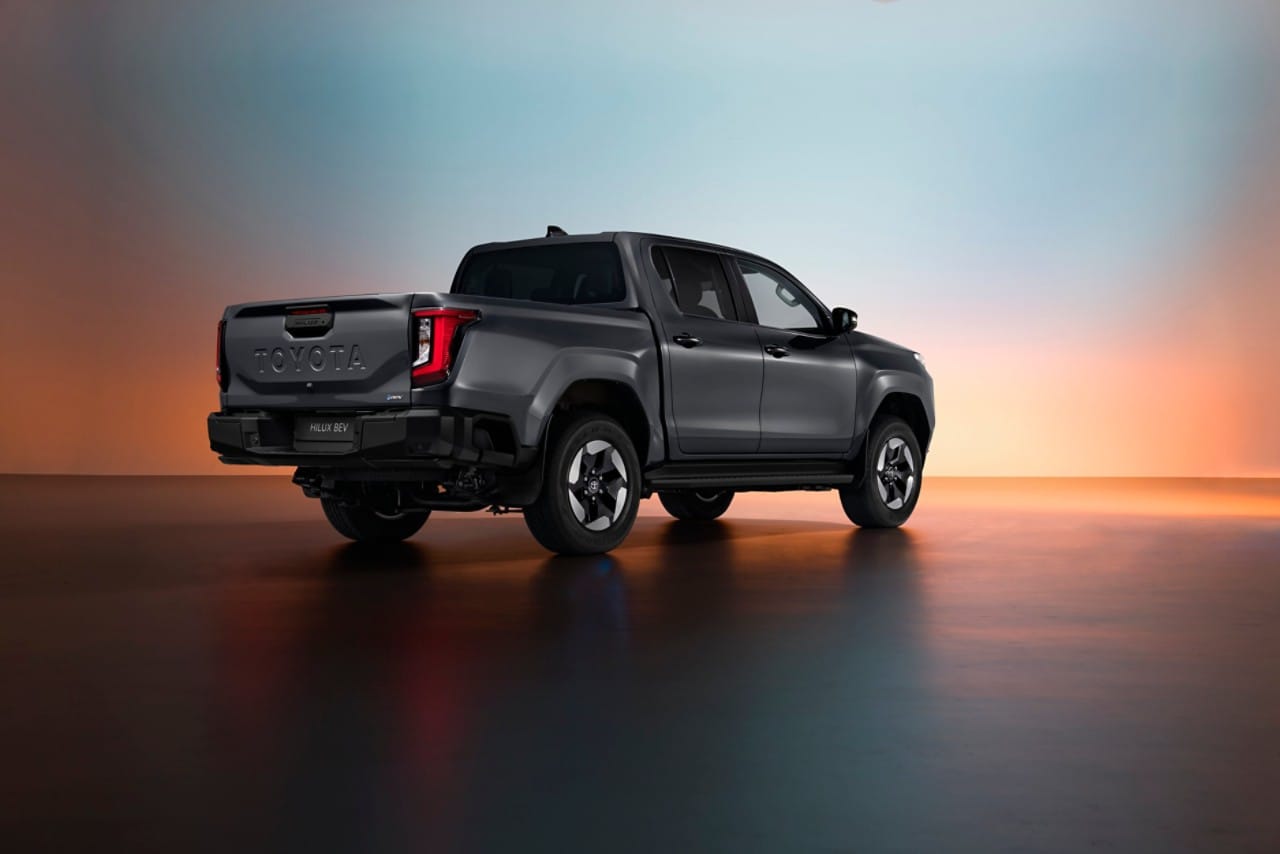 There are two permanent magnet motors, one at the front and one at the rear. With a combined 144 kW, that’s around 200 hp, which is slightly less than the 2.8‑litre diesel’s 204 hp. But you get different torque delivery, with electric motors hitting peak torque instantly. 473.6 Nm is available at zero rpm. On the other hand, the diesel engines require some time to spool up.
For city driving and light off‑road work, instant response helps, while for sustained highway cruising or heavy towing, diesel is better.
Toyota’s multi‑path strategy makes sense. The BEV targets urban fleet operators. The BEV is intended for use by government vehicles on short routes and delivery trucks operating within city limits, and benefits from the Public and Private Charging Network. The 240 km range works for these use cases. For buyers needing 800 km range and 3,500 kg towing? Diesel and 48V hybrids remain available. Different tools for different jobs.
Saudi Arabia’s Debut
Europe gets the BEV starting December 2025, followed by Australia by mid‑2026, while Japan gets diesel versions in mid‑2026. As far as GCC countries and Saudi Arabia, in particular, are concerned, there has been no official announcement. As a battery‑operated pickup, the Hilux EV is likely to be expensive, which is expected, and therefore it is not intended for mass market needs, at least in Saudi Arabia in the near future.
Moreover, Saudi Arabia’s EV infrastructure is still in its infancy and currently only extends to urban areas. And so for private buyers, here the diesel and petrol options still are the most suitable and preferred for their obvious benefits to accompany you on Weekend Road Trips from Riyadh or other rides across the city. They are proven, affordable, and now available. Backed by Toyota’s extensive service network and high in demand for resale values.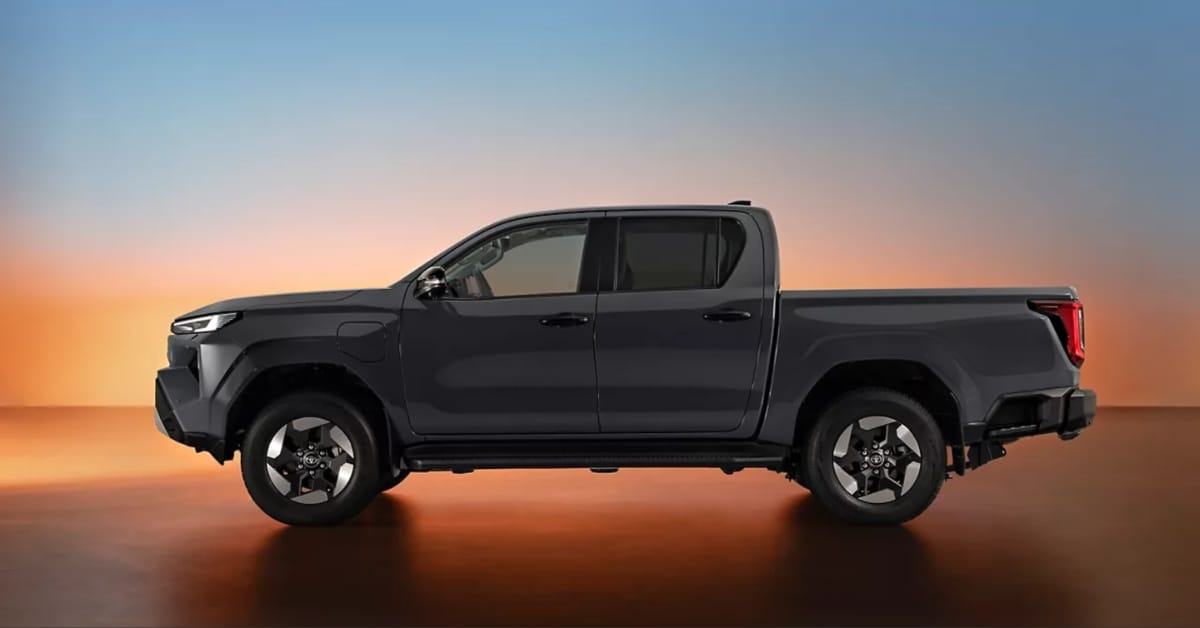
Conclusion
The Hilux BEV is Toyota’s big step towards moving its popular badges to electrification as the automotive industry makes this huge transition in its history. While the Japanese brand has no plan to slow down the Hilux success with the conventionally powered ones. They kept the body‑on‑frame construction and maintained water wading capability. The company safeguarded the battery with robust underbody armour. Preserved off‑road capability with Multi‑Terrain Select and permanent AWD, and requires little to no maintenance after Desert Trip. The BEV works for specific use cases in specific markets. However, if you are thinking of checking it out, then you have to wait until the EV Hilux reaches our shore, which is still quite some time away.
Dinesh Goluguri

With over 15 years of experience in the automotive world, Dinesh Goluguri bringing hands-on experience and deep market knowledge. Passionate about SUVs, sports cars and luxury vehicles, he combines enthusiasm with expertise in delivering insights that resonate with car buyers and enthusiasts alike. With a special interest in car modifications and upgrades, Dinesh offers a unique perspective that goes beyond standard reviews, highlighting both factory features and customization potential. His work helps readers navigate new launches, features and trends in the dynamic automotive market.
Read Full Bio-
Explore Toyota Hilux
-
-
Explore Toyota Hilux Single Cab
-




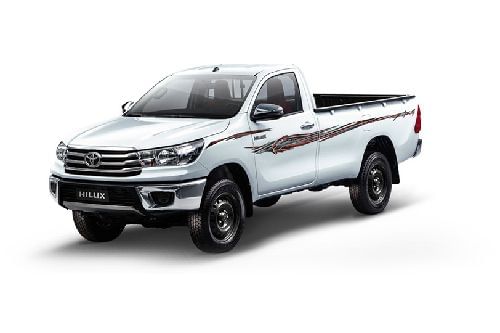
-
Toyota Raize -
Toyota Fortuner -
Toyota Yaris -
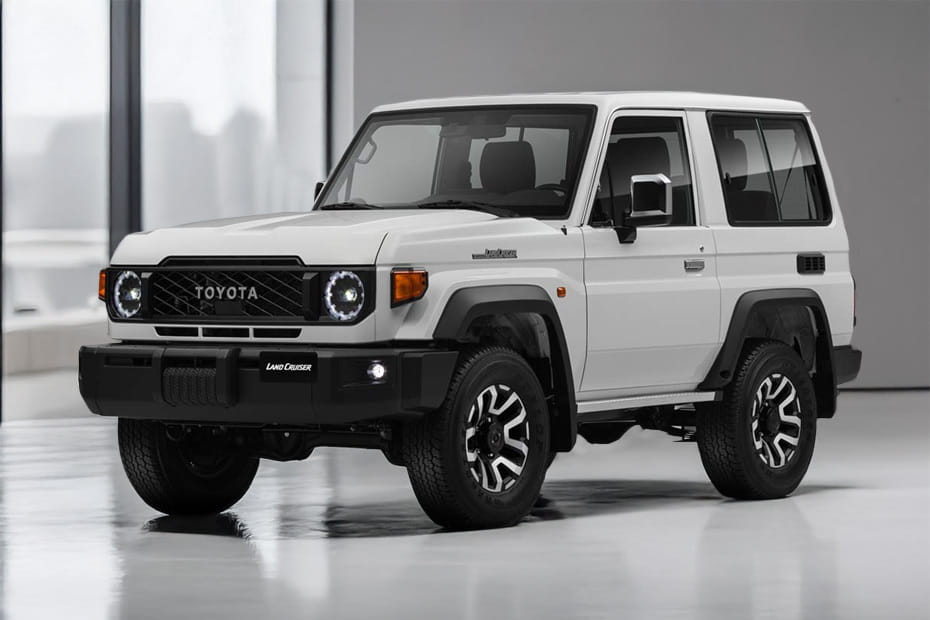
Toyota Land Cruiser 70 Hard Top -
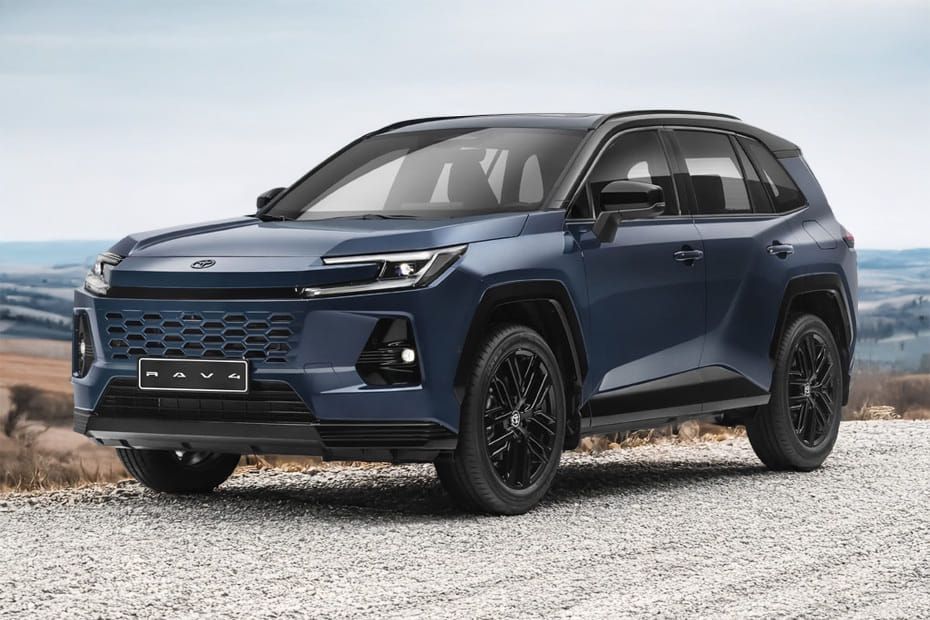
Toyota RAV4 2026 -
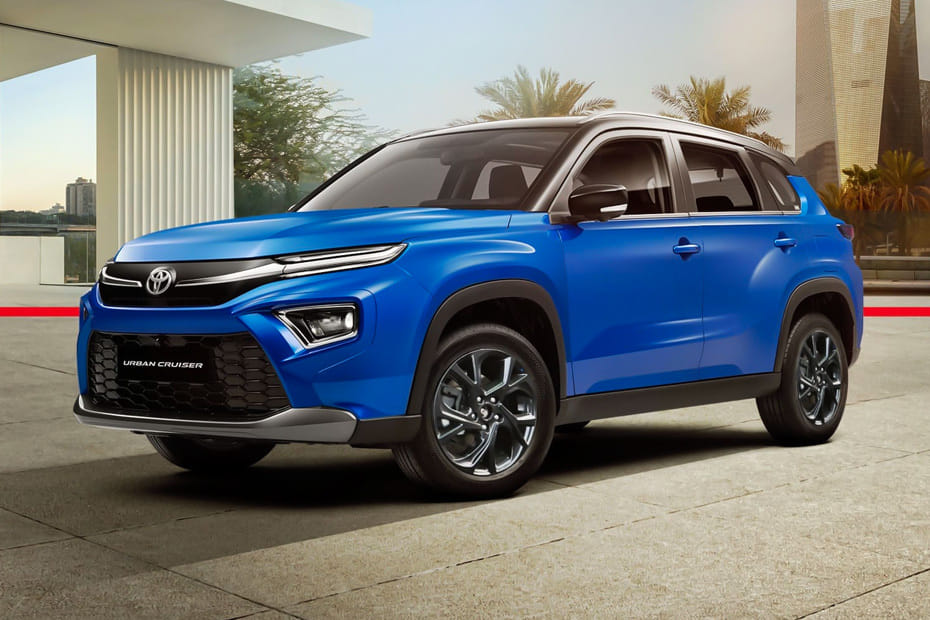
Toyota Urban Cruiser -
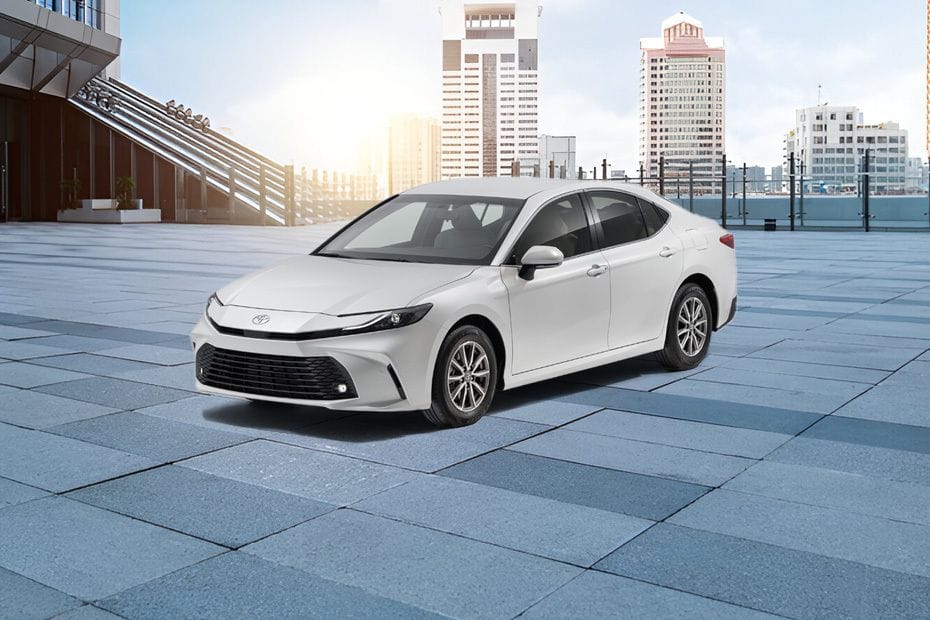
Toyota Camry -
Toyota Corolla -
Toyota Supra -
Toyota Land Cruiser Prado -
Toyota Land Cruiser 70 Pickup -
Toyota Land Cruiser HEV MAX
-
Diesel or Petrol: Which Hilux Engine Actually Survives Saudi Work Conditions?

-
Can the Toyota Hilux Handle Saudi Terrain?
-
What Does a Toyota Hilux Actually Cost a Saudi Pickup Buyer Over Five Years?
-
Can the Hilux Protect You on a Desert Track?
-
Do the Hilux's bed, body, and cabin truly meet the needs of Saudi pickup buyers?
- News

- Latest
- Popular
-
 Toyota CenturyPrice coming soon
 -
 Toyota TundraPrice coming soon
 -
 Toyota SequoiaPrice coming soon
 -
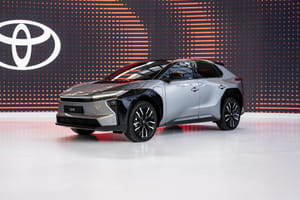 Toyota bZ4XPrice coming soon
 -
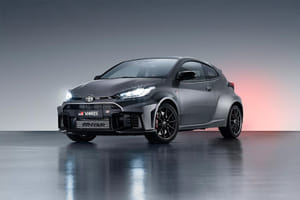 Toyota GR YarisPrice coming soon
 -
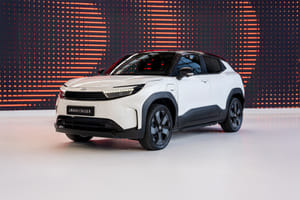 Toyota Urban Cruiser 2026Price coming soon
-
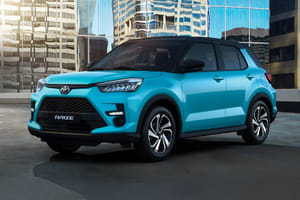 Toyota RaizeSAR 68,827 - 75,497
 -
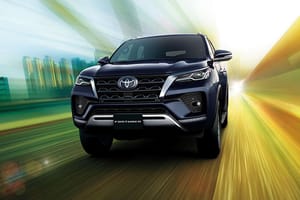 Toyota FortunerSAR 128,742 - 187,047
 -
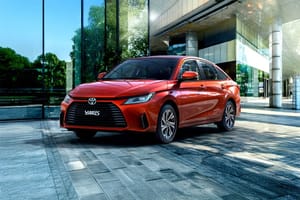 Toyota YarisSAR 66,700 - 78,832
 -
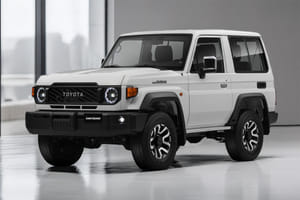 Toyota Land Cruiser 70 Hard TopSAR 158,240 - 201,192
 -
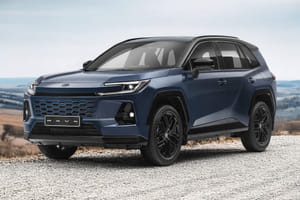 Toyota RAV4 2026SAR 106,662 - 165,542
 -
 Toyota Urban CruiserSAR 82,915 - 92,115
|
|
|
|
|
|
Transmission Type
Manual
|
Manual
|
Automatic
|
Automatic
|
Manual
|
|
Engine Displacement
2398
|
2198
|
2498
|
2298
|
1998
|
|
Power
147Hp@3400rpm
|
207Hp
|
181Hp
|
174Hp@3200rpm
|
161Hp
|
|
Torque
343Nm@1400-2800rpm
|
440Nm
|
480Nm
|
450Nm@1500-2400rpm
|
375Nm
|
|
|
- Latest
- Upcoming
- Popular
-
Toyota TundraPrice coming soon
-
 Nissan Frontier ProPrice coming soon
 -
 RAM 2500 2026Price coming soon
 -
 Chevrolet SilveradoPrice coming soon
 -
 GMC SIERRA EVPrice coming soon
 -
 Toyota Hilux BEVPrice coming soon
-
 Ford F 150SAR 171,063 - 299,058
 -
 Ford RangerSAR 190,000
 -
 GMC Sierra LDSAR 189,500 - 327,400
 -
 Isuzu D-MaxSAR 69,000 - 138,000
 -
 Mitsubishi L200SAR 72,890 - 141,755
 -
 Chevrolet Silverado HDSAR 220,800 - 278,500