Dakar Rally in Saudi Arabia: What It’s Done for Off-Road Culture

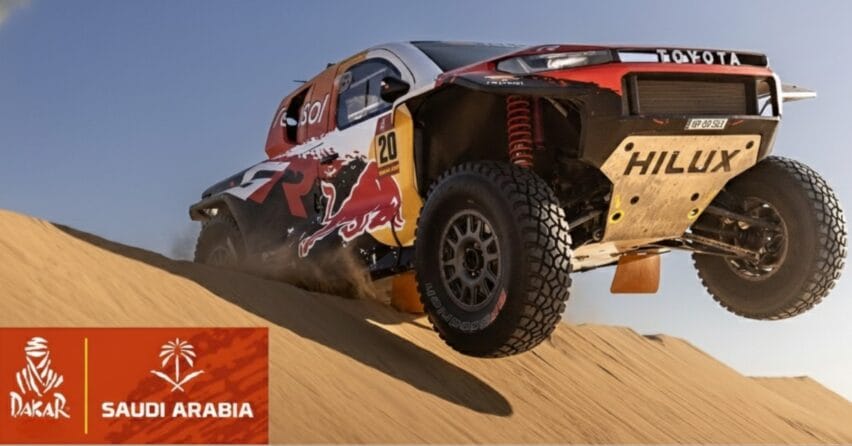
Saudi Arabia: Off-roading or dune bashing has been a national passion for most Saudi car owners. Driving 4x4 SUVs over massive Empty Quarter dunes for adrenaline rushes, which bonds families, social status, and weekend rituals, defines the local culture. The sport has received a huge boost from the famous and highly regarded Dakar Rally. But when the Dakar Rally moved to Saudi Arabia in 2020, not everyone was gung-ho about its success; rather, there were sceptics questioning whether the Kingdom could host the world's toughest motorsport event.
KEY TAKEAWAYS
How many Saudi drivers have competed in Dakar?
Over 30 Saudi drivers have participated since 2020, with Yazeed Al-Rajhi achieving podium finishes and stage victories.What's changed for regular off-road enthusiasts?
There are now more driving schools, better vehicle availability, organised events, and growing community support for the sport.Looking back five years later, the answer speaks for itself and is undeniable. Saudi Arabia hasn't just hosted Dakar; it has successfully transformed the entire off-road landscape across the region.
The decade-old, world-famous rally has brought global credibility to Saudi Arabia, a level of recognition that is difficult to achieve through money or influence. Over 450 competitors from dozens of countries participate in the rally, which makes it a marquee event. What Saudi Arabia has, known to the locals and now familiar to the world, includes the Empty Quarter dunes, the rocky Hail mountains, the coastal routes, and the most sought-after terrain that can easily rival any off-road destination worldwide. Beyond that, this event is a huge boost to local talent, especially young Saudis getting such global exposure that helps them embrace desert driving in ways that weren't possible before.
Dakar's Impact by Numbers (2020-2025)
|
Category |
Before Dakar (2019) |
After Dakar (2025) |
Growth |
|
Off-road driving schools |
handful |
Jump severalfold. |
Extremely high |
|
Rally events per year |
2-3 |
15 |
400% |
|
4x4 vehicle sales |
Baseline |
Strong double-digit growth |
Major increase |
|
Local rally teams |
8 |
32 |
300% |
|
Youth karting programs |
1 |
12 |
1100% |
Vehicle Market Transformation
The arrival of the Dakar Rally has had a huge impact on the overall Saudi automotive industry, off-roading, and the culture of fun and adventure driving. However, the single most positive aspect is the vehicle availability and specifications getting a huge boost. Before Dakar, buying a serious off-road vehicle in Saudi Arabia was not very easy, and not many options were available. To get a serious car, many owners had to import it independently or settle for basic trims. The scene has changed in a big way today, as every major dealer stocks performance-orientated desert packages; these have gained huge popularity and seen an uptick in volumes.
Some visible changes include brands taking some serious steps to capitalise on the newfound love for off-roading and adventure drives. Japanese automaker Toyota expanded its GR Sport lineup considerably; their official dealers, Abdul Latif Jameel outlets, now stock Land Cruiser and Hilux models with Dakar-inspired suspension, comprehensive underbody protection, and desert-specific tyres and models like the Toyota Hilux vs Isuzu D-Max are stretching boundaries in the off-roading sector. These options simply didn't exist five years ago, and the reasons are very well known now.
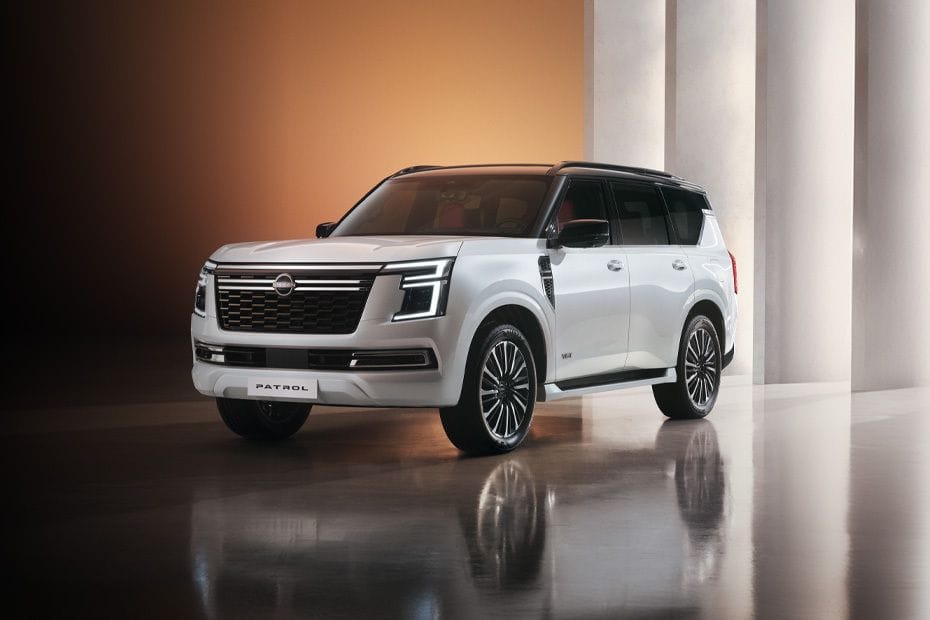
Similarly, Nissan introduced the Patrol Nismo, a variant of this famous off-road SUV, which clearly aligns with growing off-road performance SUV demand. The twin-turbo V6 powertrain and reinforced chassis directly highlight Dakar's influence. Many major mainstream dealers have enhanced their offerings by stocking proper recovery gear, satellite phones, and GPS units as standard accessories.
While they are making a big splash in the market, even Chinese manufacturers have adapted quickly. Jetour, Tank, and Haval, known for their off-road-capable SUVs, now offer models equipped with:
- High-quality, genuine mechanical differential locks
- Advanced crawl control systems
- Heavy-duty rock sliders on higher trims or as an optional package
- Off-road drive modes with proven capability that customers love
The price is key, and it plays a key role; for example, a well-equipped Toyota costs SAR 180,000-250,000. Comparatively, Chinese alternatives like the Tank 500 or Haval H9 are attractively priced, between SAR 140,000 and 160,000. This pricing gap makes serious off-road capability available to younger buyers sooner, without pricing them out of the market.
Professional Training Infrastructure
One more direct result of the Dakar Rally is a focus on establishing professional infrastructure in the country. A step in this regard has been taken by the Saudi Automobile and Motorcycle Federation, which launched the Saudi Next Gen Program following Dakar's arrival. The aim of the programme is to provide excellent professional training that goes beyond the basic driving techniques most people are familiar with.
The training curriculum consists of some advanced training:
- Advanced sand driving techniques beyond simple tyre deflation
- For struck vehicles, high-recovery procedures
- Great navigation techniques without GPS availability
- How to maintain vehicles for extreme desert conditions
- Safer and highly organised convoy coordination
- If remote breakdown happens, how to fix the vehicle through emergency protocols
To make them available to a wider audience, these courses are conducted monthly in cities including Riyadh, Jeddah, and Dammam, at affordable price ranges of SAR 2,000–5,000. Before the country hosted the Dakar Rally, families primarily acquired desert driving skills through informal means. There's now standardised professional instruction with a proper syllabus.
All of this has had an impressive overall impact, which is now visible. Before such professional training, earlier weekend trips to the Empty Quarter often required rescue operations. Not anymore, because highly trained drivers now understand sand reading, momentum maintenance, and differential lock engagement, which make driving risk-free most of the time, making desert driving safer and more accessible.
As a direct result of the Dakar or Racing World Rally, which was organised a few weeks ago, the off-road modification industry is evolving rapidly, aligning with training as well. Today, most performance outlets in Riyadh and Jeddah now offer:
- Custom long-travel suspension at SAR 15,000-40,000
- Extended-range auxiliary fuel systems
- Competition-grade roll cages
- Professional underbody armor packages
- Engine remapping for low-end torque delivery
Many such outlets have also built relationships with Dakar support teams, which bring professional-level skills and expertise to consumer modifications.
Community Development
This has grown huge, as Saudi Arabia's off-road community has evolved from scattered weekend groups to highly organised clubs with rising membership. Today, in almost every major city, you can find a dedicated off-road organisation. They primarily host monthly events, including navigation challenges, recovery workshops, and family desert expeditions, fostering a thriving community of shared interest. Some of the biggest clubs reportedly have memberships that exceed 3,000 participants. This was unheard of just a few years ago, clearly underlining the huge love for off-roading and a growing community.
Yazeed Al-Rajhi's participation and success also inspired a huge boost to Saudi drivers who can compete at the highest international level. His success has inspired thousands of young Saudis to take off-road driving seriously, even as a career.
Perhaps the biggest effect is something nobody really considered before. The participation of female drivers has significantly increased. Today, more than ever, Saudi women are enrolling in off-road courses, participating in mixed desert expeditions, and competing in local rally events. This underscores their interest in traditionally male-dominated sports. This represents substantial cultural progress from 2019 baseline levels.
Economic Implications
Beyond the fun and passion of racing and training, the arrival of Dakar has huge financial impacts on the overall economy. The event generates direct revenue through team expenditures on accommodation, logistics, and equipment. And this creates lasting economic impact through a well-established permanent off-road industry in the country, which shows record growth across the board.
Market segments
- Vehicle modifications estimated suggest over SAR 500 million revenues
- Spare parts and recovery equipment records huge annual growth
- Driving schools and training are other economic benefits of the rally.
- Boost to competition events, which have now been counted for over 15 annually, which see a lot of commercial activity at the local level.
- Off-road tourism growth with international visitor segment
Benefits for Mainstream Buyers
Beyond the core community and fans of the event, regular buyers with no off-road connection benefit from the indirect influence of the Dakar Rally. This bolsters the overall automotive market of the Kingdom. For example, most dealers today stock genuine all-terrain and mud-terrain tyre options and not just regular highway-only rubber. The sales staff at these outlets are very well trained on the technical specifications, like underbody clearance and low-range gearing ratios.
Another unintended consequence is the adjustment in used vehicle valuations. The market value of a well-maintained off-road spec, especially for Patrol and Land Cruiser models, has risen, which are high in demand and retain value more effectively than before. Buyers now know well the value a proper desert spec makes.
Entry barriers have also come down significantly; aspiring off-roaders can easily join established clubs, complete professional training courses, and rent vehicles for initial expeditions. Looking back at 2019, the typical path was buying a pricy SAR 150,000 truck without prior experience. Today, anyone can test the activity for approximately SAR 5,000, making it much more affordable.
Some Challenges
Nothing comes without some unintended consequences, and the Dakar Rally brings some challenges as well. This includes huge visitor volumes near major cities; near popular areas, maintaining natural areas is a huge challenge. Also, environmental damage, despite full care and focus, can occur when inexperienced drivers venture off designated trails.
There have been several steps to address these issues, like the National Center for Wildlife establishing protected areas with marked zones, designated off-road areas, and increased patrol presence. Education remains more effective than enforcement. Most environmental damage results from ignorance rather than deliberate disregard.
Conclusion
It is fair to say that the Dakar Rally has fundamentally changed Saudi Arabia's off-road culture and helped build an industry. This global event has driven overall improvements that go way beyond the two-week race duration, boosting many activities around it. Many young Saudis now grow up watching local drivers compete internationally, expanding their exposure and inspiring them to see what is achievable. For car buyers, this means more choices, informed dealers, and easier access to a hobby that once needed significant money and connections. Overall, the whole automotive industry gains from such an international event, and this positive trend is likely to continue in the near future.
Dinesh Goluguri

With over 15 years of experience in the automotive world, Dinesh Goluguri bringing hands-on experience and deep market knowledge. Passionate about SUVs, sports cars and luxury vehicles, he combines enthusiasm with expertise in delivering insights that resonate with car buyers and enthusiasts alike. With a special interest in car modifications and upgrades, Dinesh offers a unique perspective that goes beyond standard reviews, highlighting both factory features and customization potential. His work helps readers navigate new launches, features and trends in the dynamic automotive market.
Read Full Bio-
Nissan X-Trail -
Nissan Patrol -
Nissan Pathfinder -
Nissan Altima -
Nissan Xterra -
Nissan Z -
Nissan N7 -
Nissan Kicks -
Nissan Leaf -
Nissan Magnite -
Nissan Juke EV -
Nissan Micra EV
- News
- Latest
- Upcoming
- Popular
-
 Nissan Frontier ProPrice coming soon
 -
 Nissan Juke EVPrice coming soon
 -
 Nissan LeafPrice coming soon
 -
 Nissan Micra EVPrice coming soon
 -
 Nissan TektonPrice coming soon
 -
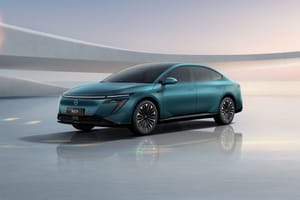 Nissan N7Price coming soon
-
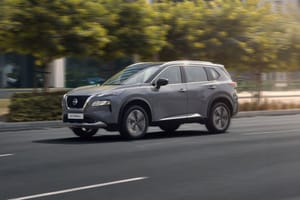 Nissan X-TrailSAR 104,999 - 156,999
 -
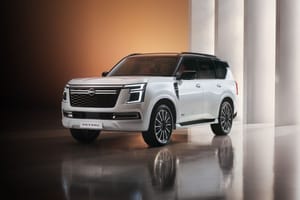 Nissan PatrolSAR 261,000 - 422,999
 -
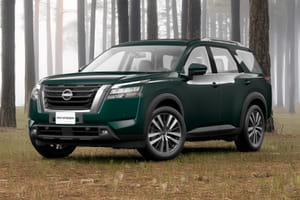 Nissan PathfinderSAR 164,999 - 227,999
 -
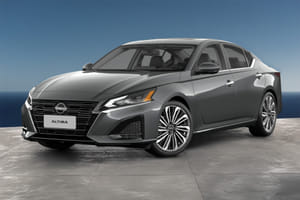 Nissan AltimaSAR 112,700 - 141,500
 -
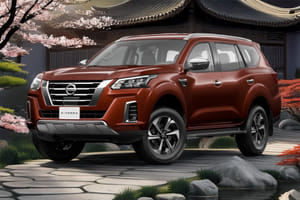 Nissan XterraSAR 118,999 - 163,999
 -
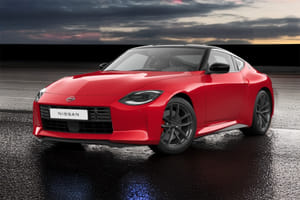 Nissan ZSAR 261,999

-
 Nissan X-Trail29 Apr, 2026 .
 -
 patrol NISMO 2022Crafted To Conquer29 Apr, 2026 .
 -
 Nissan Pathfinder29 Apr, 2026 .
 -
 The new Nissan Altima | Challenging the norm29 Apr, 2026 .
 -
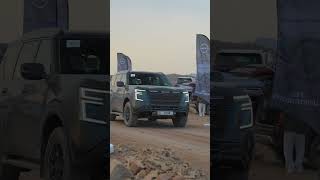 Nissan Patrol PRO-4X Ride & Drive29 Apr, 2026 .
 -
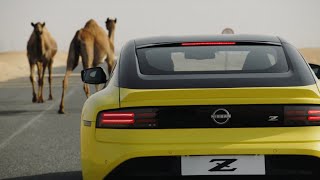 New Nissan Z 2023 - Middle East Premiere29 Apr, 2026 .
 -
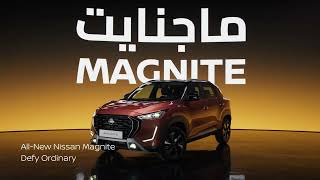 All-New Nissan Magnite - 202529 Apr, 2026 .
 -
 The all-new Nissan KICKS | Challenging the norm29 Apr, 2026 .
 -
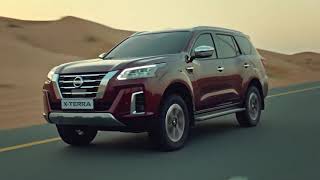 Nissan X-Terra - Specifications and Features29 Apr, 2026 .