Toyota Hilux vs Isuzu D-Max: Which Pickup Is Better for Saudi Roads in 2025?

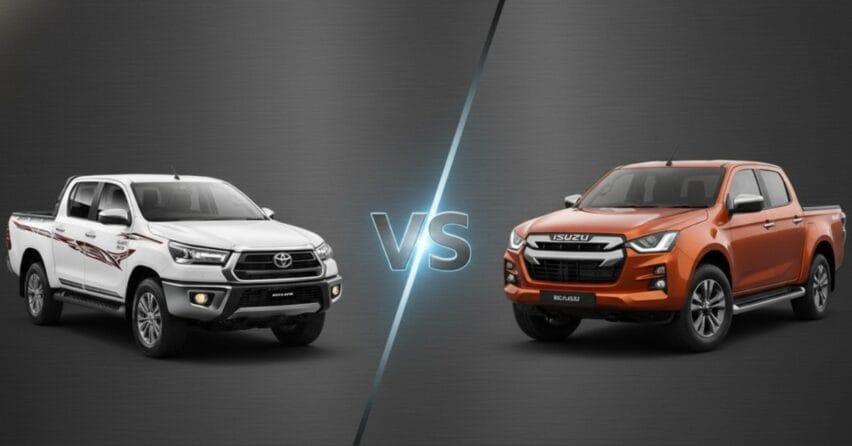
Saudi Arabia: The pickup truck market in Saudi Arabia has been maintaining a steady growth over the last few years. Primarily driven by growing activities such as e‑commerce, last‑mile delivery, construction, logistics, lifestyle, and as a preferred family vehicle. Making it quite a competitive segment within the overall auto market for good reason. These highly capable workhorses serve dual usage of commercial applications and also as a personal vehicle, carrying the family on weekends. Increasingly, professionals and adventure seekers are looking for reliable trucks that won't give up in Saudi Arabia's harsh climate and demanding conditions. This has made pickup trucks one of the most important vehicle segments in the region. Hence, the sales volume growth indicates the popularity of pickups is hardly slowing down. In fact, the segment is attracting a new set of buyers who want a rugged truck as an alternative to SUVs, valuing the open cargo bed and genuine off-road capability.
KEY TAKEAWAYS
What are the top five highlights of the Toyota Hilux?
Proven durability, higher reliability, multiple spacious double-cab options, advanced safety, and off-road features.What are the top five highlights of the Isuzu D-Max?
Powerful 3.0L diesel engine, modern infotainment technology, excellent ground clearance and approach angles, and proven global reliability.In the KSA pickup market, two names are synonymous with pickups; both come from Japanese heritage and have defined the segment for decades. The first is the world-famous Toyota Hilux, a dominating force, and the second is the Isuzu D-Max, another legendary pickup that has been ruling for decades. It is hard to miss out on both these names when you’re shopping for new or old, with little to no maintenance even after Desert Trip. This is certainly for valid reasons as they are the most ubiquitous by their presence, proven for their performance, reliability, and hassle-free ownership. 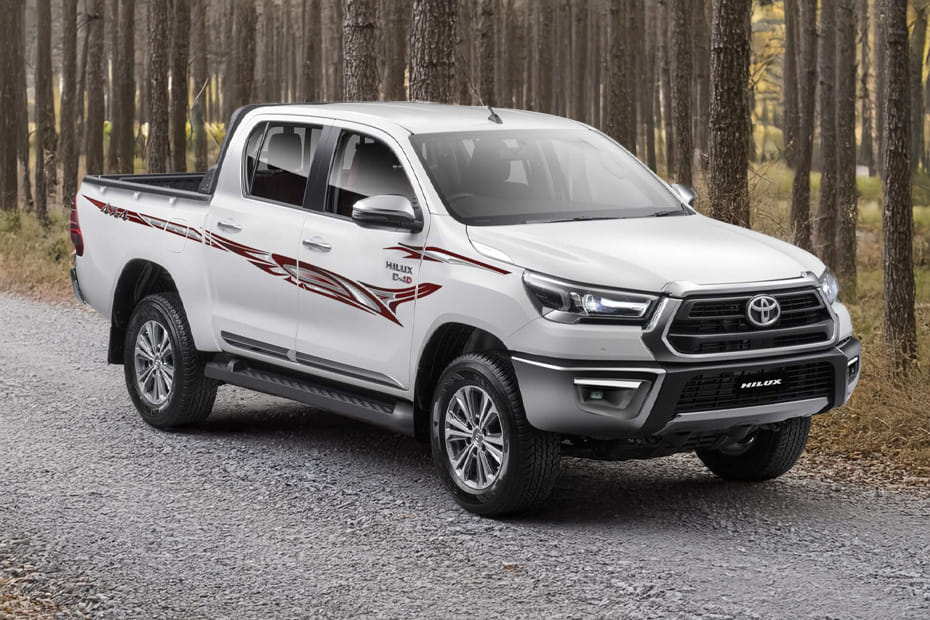
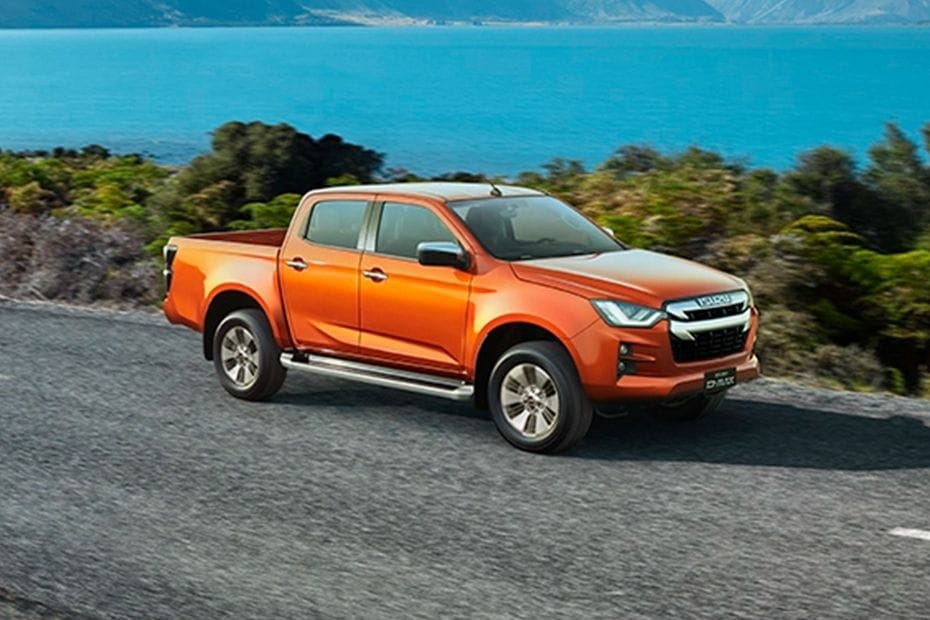
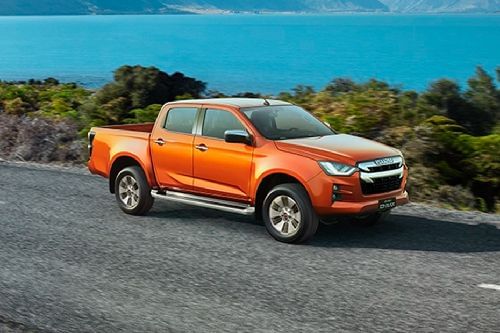
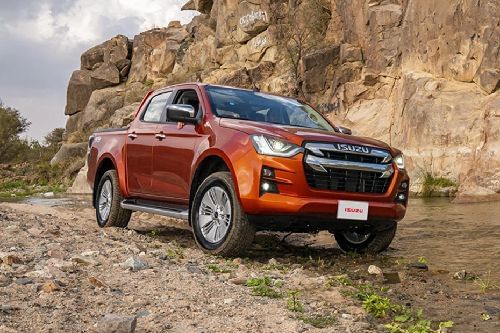
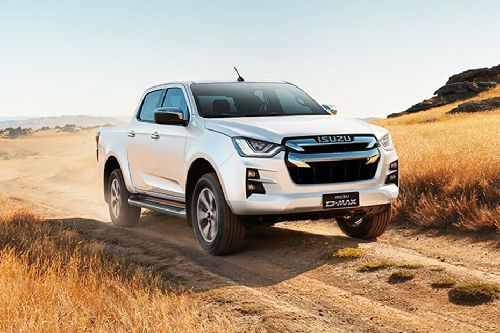
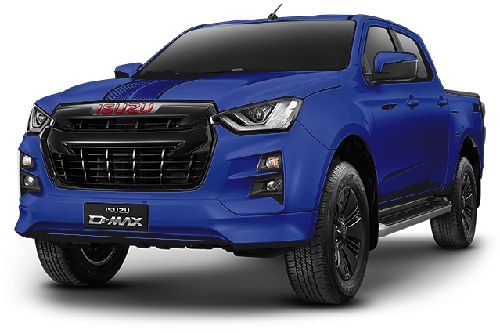
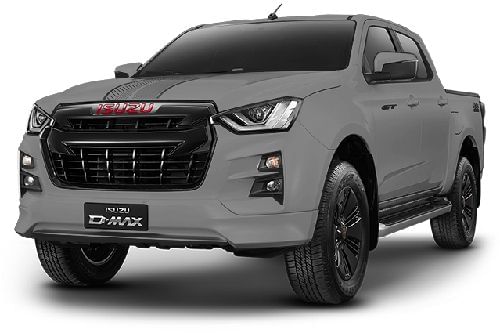
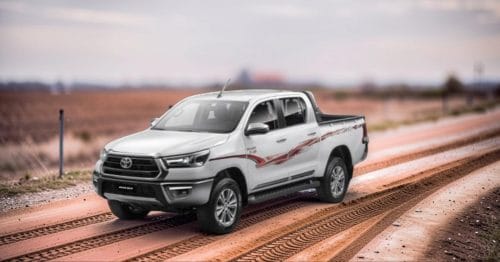
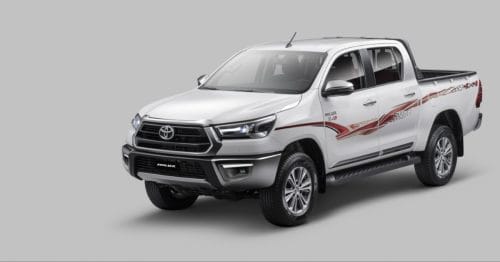
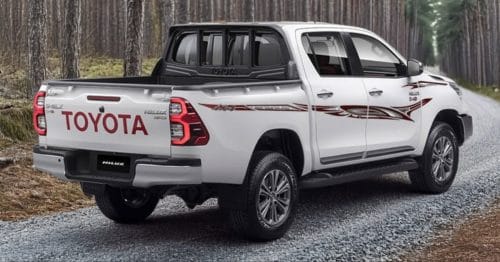
For many decades now, the Hilux has been the benchmark pickup in Saudi Arabia for years, among the Best Pickups for Saudi Businesses based on Fuel Economy, Payload & Dealer Support. Everyone, businesses, families trust it, and the used market remains strong. To make it even more appealing by giving it a modern persona, in 2025, Toyota redesigned it with the latest generation. It now comes with highly refined engine options, a more appealing interior, and the latest tech. The D-Max, comparatively new to the buyers in KSA, has been a global best-seller in over 100 markets. This underlines its key strength, reliability, and superior built quality at a reasonable price point. Isuzu too has given the D-Max a modern facelift, which now looks far more refined than previous generations, with modern tech and genuine capability that rivals the Hilux.
If you're serious about buying a pickup truck in 2025, these two should be on your shortlist. We’re here to tell you exactly that with this extensive comparison of key parameters.
Price Comparison
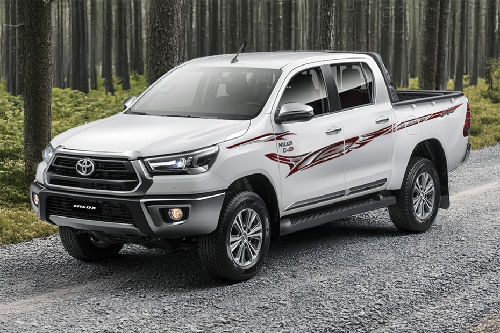
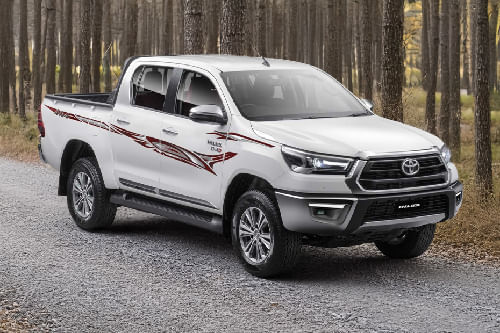
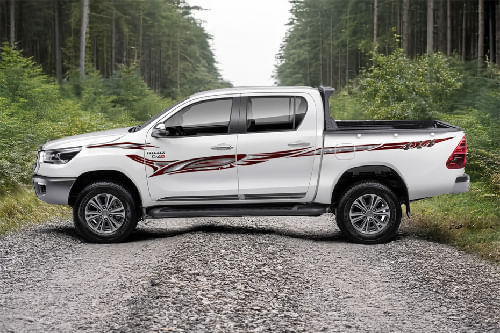
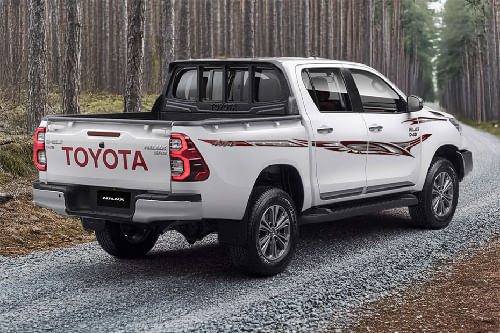
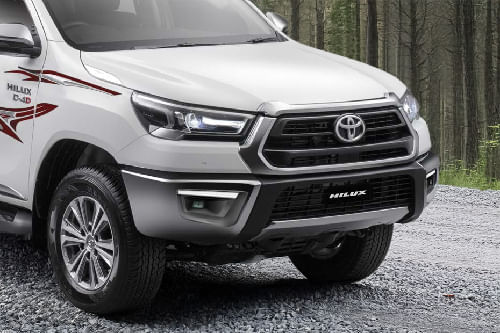
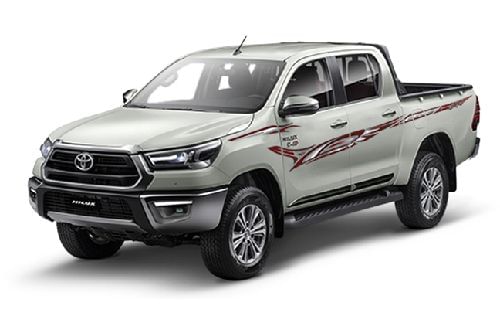
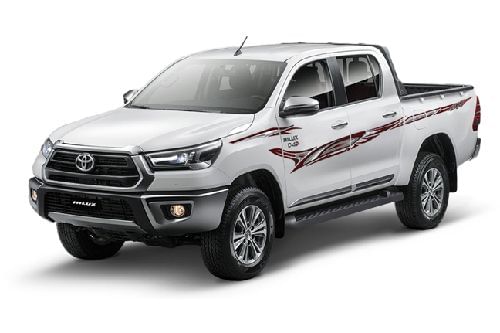
The Toyota Hilux double-cab variants start at SAR 109,020 for base models and climb to SAR 186,875 for the fully equipped 2.8TD or 4.0L Adventure and GR Sport versions. You're basically paying for the Hilux brand, best warranty backing, and established dealer network.
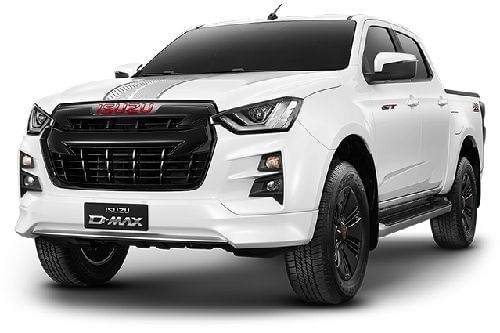
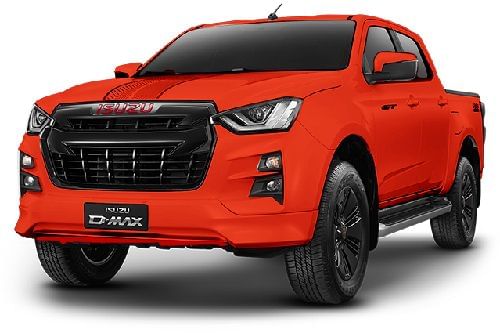
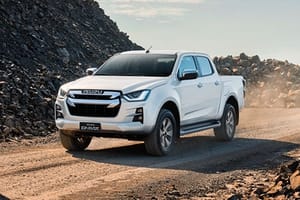
The Isuzu D-Max pricing starts lower at SAR 69,000 for base single-cab models. The double-cab variants with 3.0L automatic transmission begin around SAR 121,900 and reach SAR 144,900 for the top GT 4x4 variant. That's SAR 40,000 cheaper at the high end compared to the Hilux.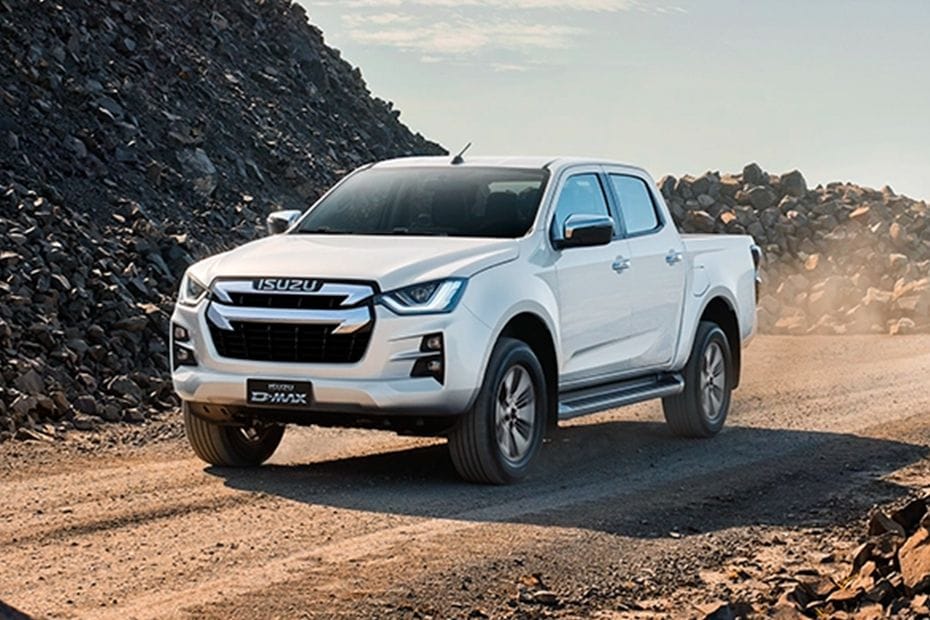
So what do the prices tell us? Clearly, the Hilux is known for its obvious attributes, costs significantly for its overall status in the market, and superior Toyota service and warranty. The D-Max caters to those buyers who want more features and power at a much more affordable price point. Neither pickup offers extended warranties at these prices, but both provide standard coverage adequate for Saudi conditions.
|
Model |
Starting Price (SAR) |
Top Price (SAR) |
Warranty |
Seating |
|
Toyota Hilux Double Cab |
1,09,020 |
1,86,875 |
Toyota Standard |
5 seats |
|
Isuzu D-Max Double Cab |
85,100 |
1,44,900 |
Isuzu Standard |
4-5 seats |
Powertrain Comparison
When it comes to powertrain, Hilux has been around for a long time, and its wide appeal means Toyota offers you choices. Right at the base level is a 2.7-liter petrol engine (165hp/245NM). The diesel options include a 2.4L (150hp), a 2.8L ( 201hp and 500 Nm). At the top-end, this massive 4.0L V6 offers 235 hp and 376 Nm. That's serious flexibility. Most come with a manual transmission, though automatic options exist on higher trims.
The D-Max is rather simpler, where the powertrain consists of a 1.9L diesel producing 150 hp at the base variants. The higher trims get a 3.0L diesel, with 190hp and 450 Nm of torque. Most come with a 6-speed manual, though the top GT trim uses a 6-speed automatic. It is good to know that the focus of the D-Max is on proven diesel reliability rather than petrol alternatives.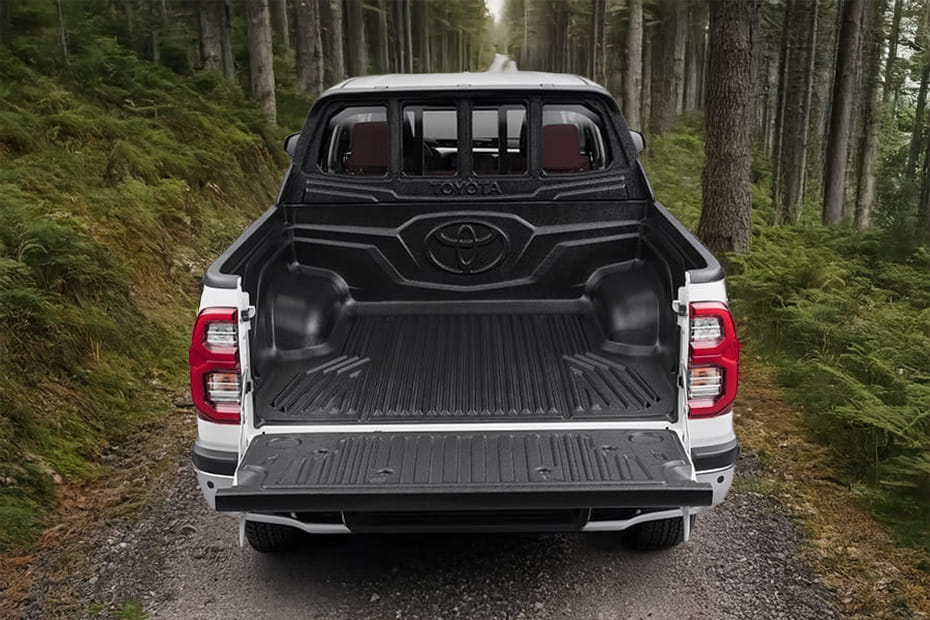
As far as the mileage goes, it all depends on driving conditions, terrains, and applications. So it is now common, but there are some numbers to assume based on what we experience. Because the real-world fuel economy matters in Saudi Arabia, where fuel costs are considerable for anyone using the pickup. The Hilux 2.7L petrol manages around 10 km/l. Diesel versions deliver 14-15 km/l. The D-Max 3.0L diesel offers similar figures, around 12-14 km/l depending on driving style. The Hilux's 4.0L V6 is big, and so expect the mileage to be conservative. For pure efficiency, the smaller Hilux diesels and D-Max are comparable. For ultimate power, the Hilux 2.8TD edges ahead with maximum torque.
|
Specification |
Toyota Hilux |
Isuzu D-Max |
|
Engine Options |
2.7L Petrol, 2.4L/2.8L/4.0L Diesel |
1.9L/3.0L Diesel |
|
Top Power |
235 HP (4.0L) |
190 HP (3.0L) |
|
Top Torque |
500 Nm (2.8L) |
450 Nm (3.0L) |
|
Transmission |
Manual/Automatic |
Manual/Automatic |
|
Drive Type |
4x2/4x4 options |
4x2/4x4 options |
|
Fuel Economy |
9-15 km/L depending on the engine |
12-14 km/L |
|
Towing Capacity |
3,500 kg |
3,000 kg |
Dimensions and Practicality
Two key aspects for any comparison, especially for pickups, are practicality aspects and the dimensions. And so, both these pickups are full-size workhorses built for Saudi roads and conditions, and not typical compact city vehicles, but big-sized trucks that find applications in serious use.
The Hilux is available in single-cab and double-cab versions; the double-cab is 5,320mm in length with a 3,085mm wheelbase. The ground clearance sits at 225mm standard on both, while the longer wheelbase provides stability on highways and rougher terrain.
The D-Max double-cab reaches 5,265mm in length with a 3,095mm wheelbase, and ground clearance is 218mm. Dimensions are nearly identical to the Hilux, making them comparable in parking difficulty and highway driving.
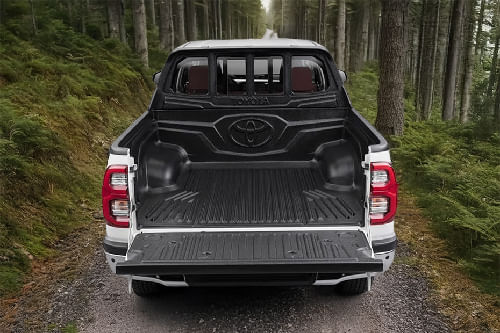
Another key differentiator that matters to the pickup buyers is the cargo deck for their obvious commercial or cargo applications. Here you will find both have generous bed space for cargo. The Hilux payload capacity ranges from 800-1,100 kg depending on configuration. The D-Max manages a similar capacity, around 930 kg on the 3.0L models.
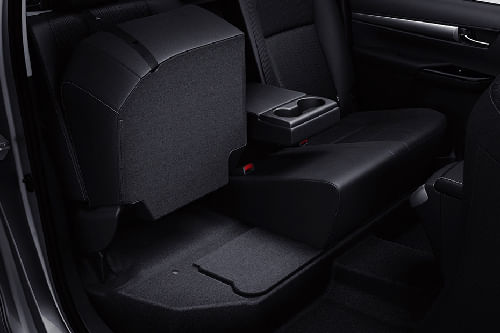
Seating differs slightly: the Hilux double-cab seats five, while the D-Max typically seats four in comfort with a center jump seat option. For off-road work, the Hilux offers higher towing capacity (3,500 kg vs 3,000 kg) and slightly better ground clearance. The D-Max compensates with excellent approach and departure angles that help in extreme terrain.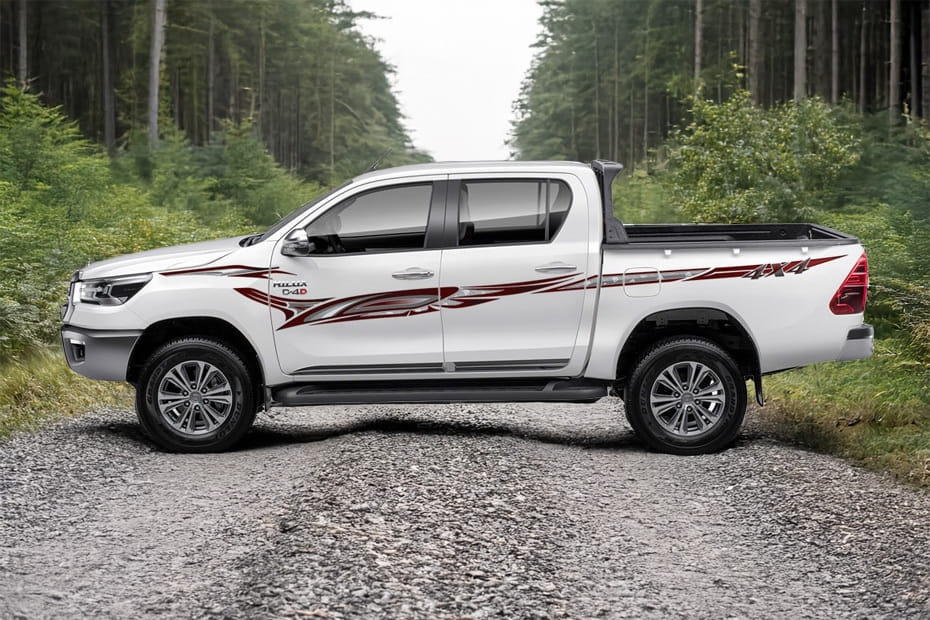
|
Dimension |
Toyota Hilux |
Isuzu D-Max |
|
Length (Double Cab) |
5,320 mm |
5,265 mm |
|
Wheelbase |
3,085 mm |
3,095 mm |
|
Ground Clearance |
225 mm |
218 mm |
|
Payload Capacity |
800-1,100 kg |
930 kg |
|
Bed Length |
1,555 mm |
1,560 mm |
|
Towing Capacity |
3,500 kg |
3,000 kg |
|
Seating Comfort |
5 seats |
4-5 seats |
Interior and Technology
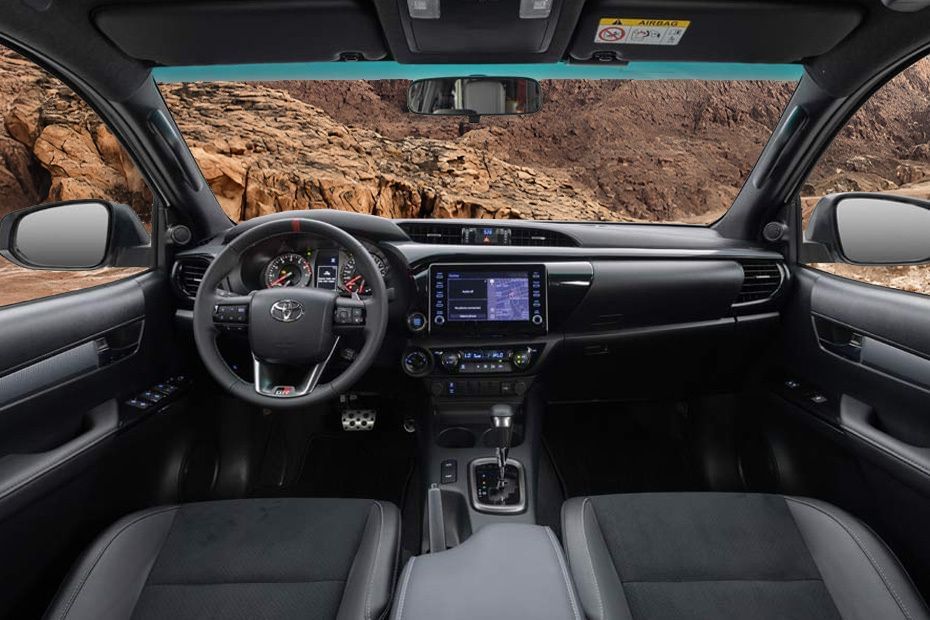
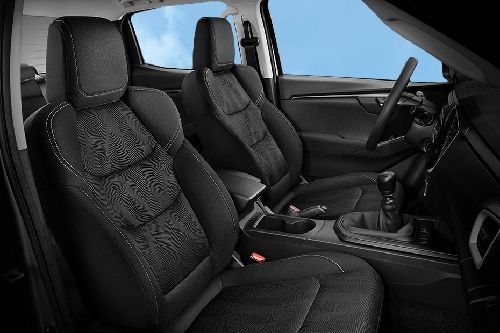
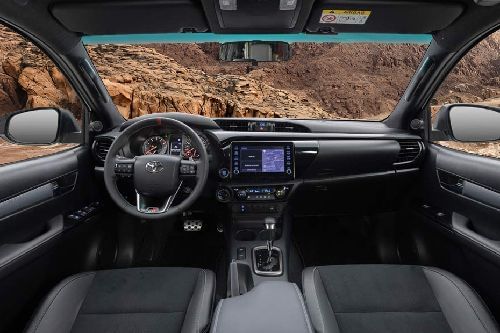
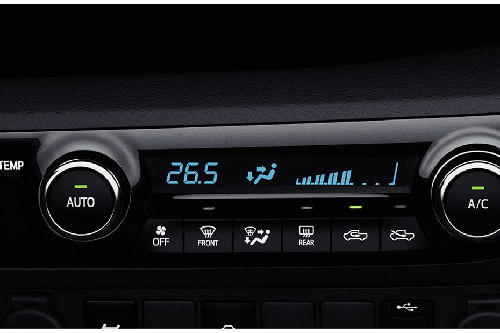
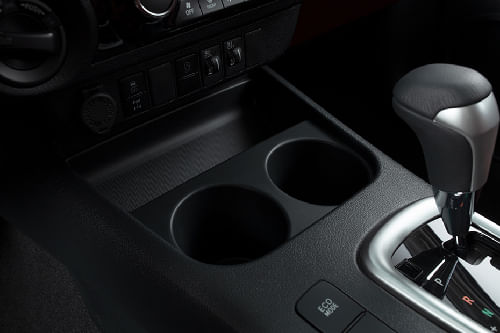
The Hilux interior now gets a new focus from Toyota, making it more appealing with some changes, with a focus on comfort. Given the applications, hard plastics still dominate, designed to shrug off sand and dust. Overall, you can make out quickly that the cabin is straightforward, comfortable, but not luxurious, which is just fine with the buyers. In terms of features, the higher trims get a 9-inch touchscreen with Apple CarPlay and Android Auto. The AC is manual on the base but auto on the higher one.
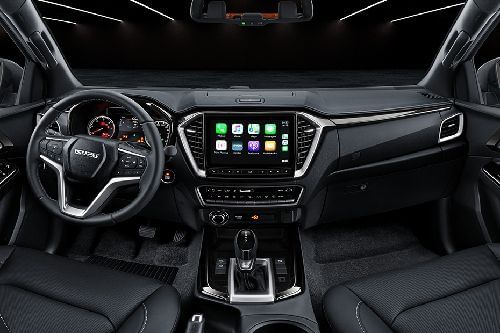
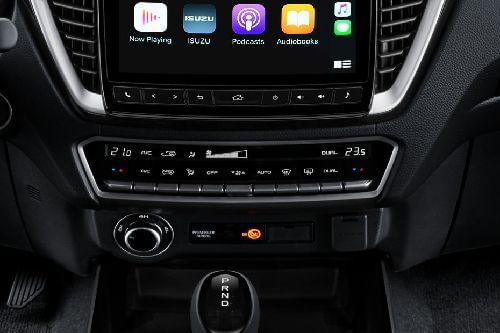
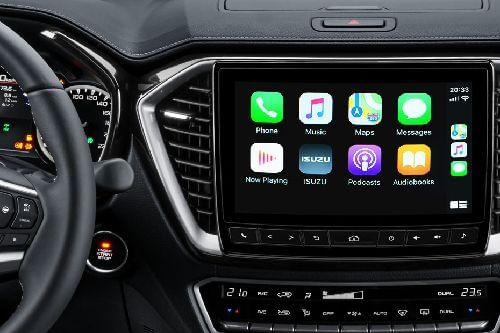
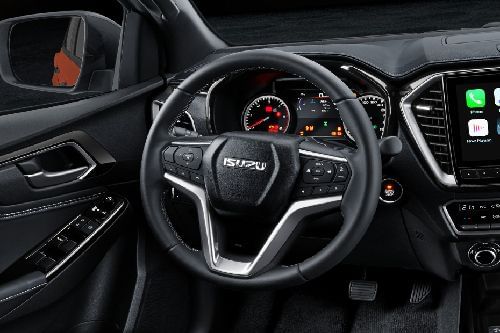
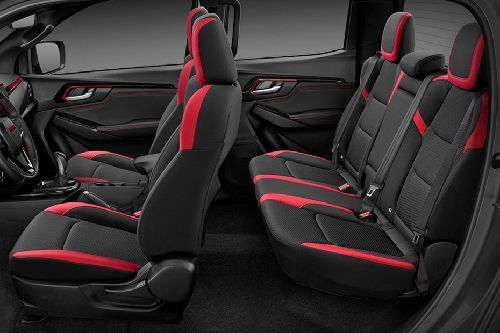
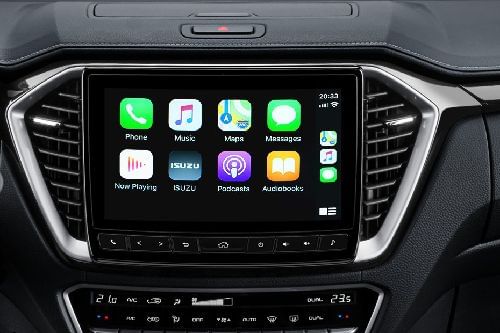
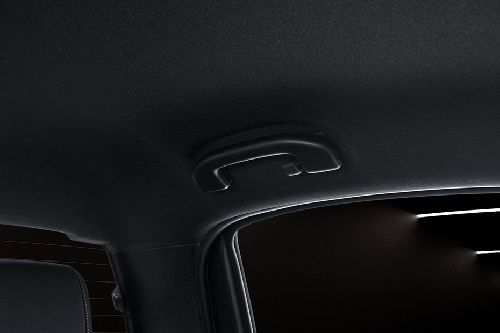
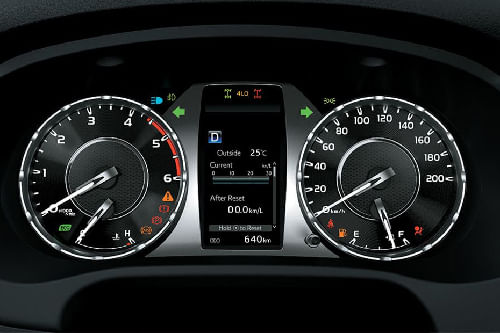
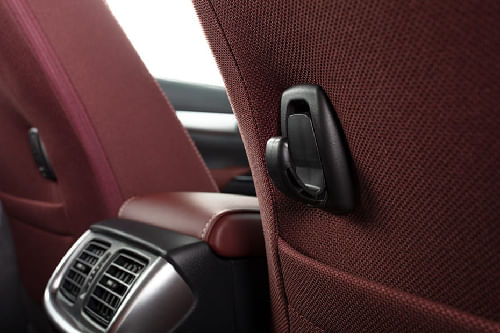
The D-Max cabin is more refined, surprisingly, as Isuzu also focuses on lifestyle users. The GT trim is offered with an 8-inch touchscreen with Apple CarPlay and Android Auto. Interestingly, there is sporty red-stitched seating and a digital driver display. Even base models include manual air conditioning, and you get the overall feel of modernness. On both the cabins, you get decent storage, making them practical everyday use pickups. 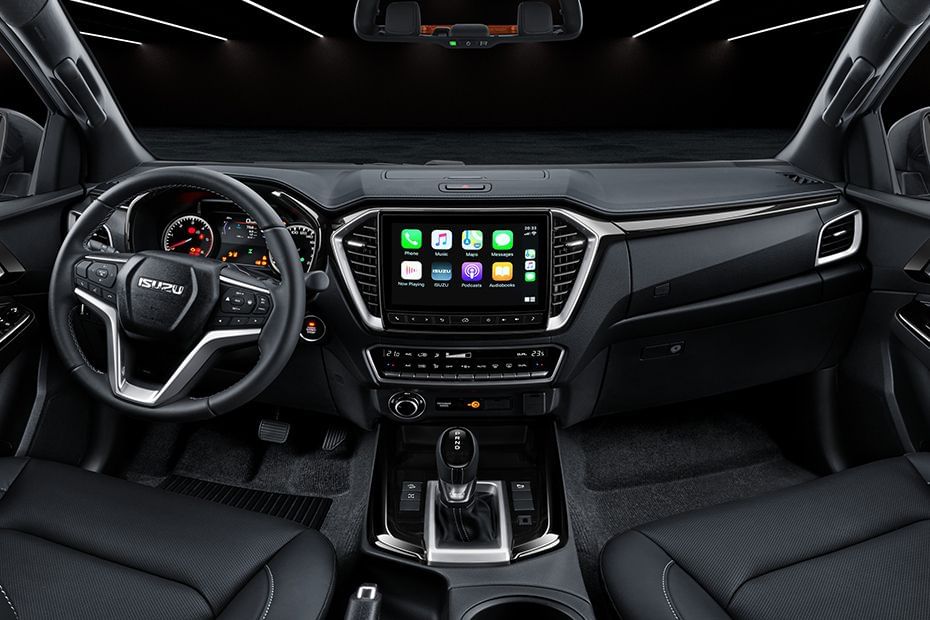
Taking them to a test drive to experience the cabin, we find the Hilux cabin gets noisy on rough roads, the price of focusing on durability over sound insulation. The D-Max offers better noise isolation, making longer journeys more delightful. For business use where durability matters most, the Hilux scores well. For buyers who spend significant time driving, the D-Max's refinement gives a better vibe.
|
Feature |
Toyota Hilux |
Isuzu D-Max |
|
Display Size |
9-inch |
8-inch |
|
Connectivity |
Apple CarPlay/Android Auto |
Apple CarPlay/Android Auto |
|
Climate Control |
Manual/Automatic |
Manual/Automatic |
|
Steering |
Manual adjustments |
Power adjustments (GT) |
|
Audio System |
Standard |
Standard to premium |
|
Interior Focus |
Durability |
Comfort and refinement |
|
Soundproofing |
Basic |
Better insulation |
Off-Road Capability and Safety
Most pickup buyers in Saudi Arabia like to have it more off-road capable, given the driving and terrain conditions we generally face. Hence, you will know that both these Japanese brands well understand what buyers want. And so both the Hilux and D-Max are genuinely capable off-road vehicles. The Hilux has multiple terrain modes on higher trim, electronic and mechanical differential locks on select versions, and hill descent control. Especially, the 2.8L diesel variant is known for its exceptional torque for climbing and towing.
The D-Max isn’t any less in these areas; it has an electronically limited-slip differential with lock function, hill descent control standard on top trims, and all-terrain suspension tuning. The 3.0L engine provides you with excellent performance on rough terrain. Both pickups easily handle Saudi Arabia's desert tracks and mountain passes competently, something quite necessary.
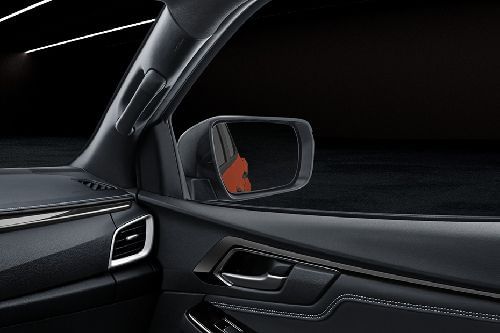
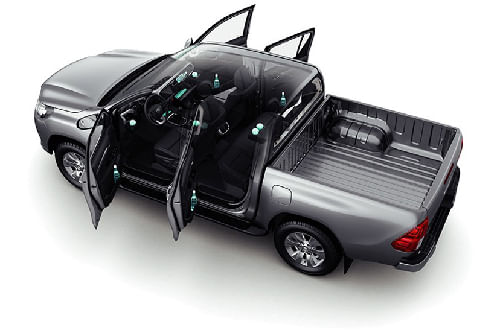
In terms of safety, there is no big concern as you will notice they are well-equipped with all the standard features. The Hilux offers 6-8 airbags depending on trim, ABS, electronic stability control, and hill-start assist standard. Higher variants add blind-spot monitoring and 360-degree cameras.
The D-Max gets 6 airbags standard, ABS, electronic stability control, and hill-start assist. The GT trim adds a 360-degree camera system and active understeer control. Both vehicles provide solid protection, though the Hilux's longer warranty offers better long-term peace of mind.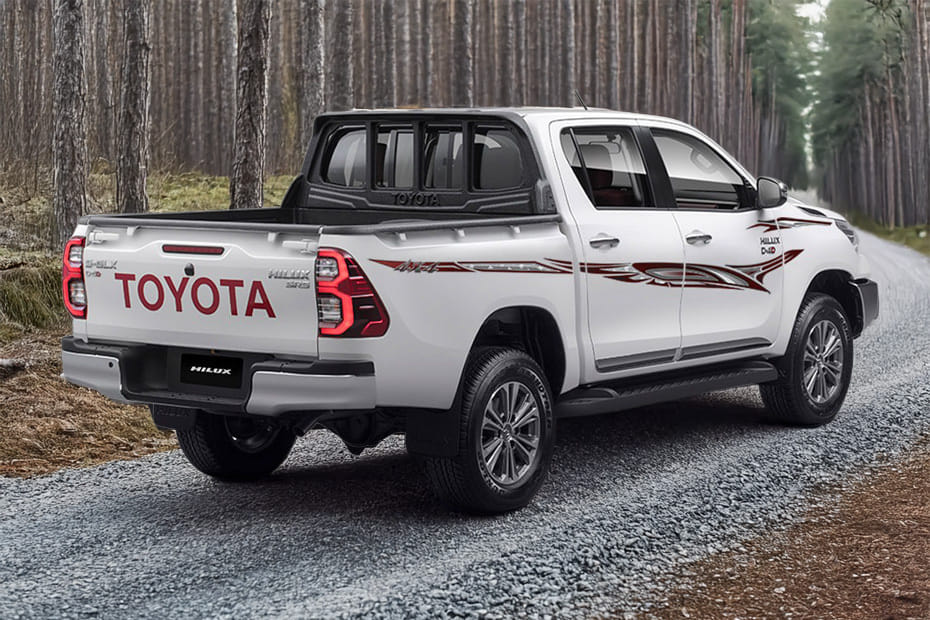
|
Safety Feature |
Toyota Hilux |
Isuzu D-Max |
|
Airbags |
6-8 depending on trim |
6 standard |
|
ABS |
Standard |
Standard |
|
Electronic Stability |
Standard |
Standard |
|
Hill-Start Assist |
Standard |
Standard |
|
360-Degree Camera |
Available |
GT standard |
|
Blind-Spot Monitor |
Available |
Optional |
|
Off-Road Modes |
Available |
Limited |
Real-World Driving Experience
While these are not everyday driving SUVs or cars but their performance does matter. And so on our regular highway, you will find the Hilux more robust, largely owing to its longer wheelbase and higher towing capacity. The overall driving experience is quite uncomplicated; it feels like a truck designed to work.
The D-Max feels slightly more refined on highways, something you will like to know in your buying consideration. The suspension absorbs any bumps rather well, and the wind and engine noise are far less. What also comes to your rescue is that the smaller turning radius makes city parking easier. For buyers spending more time commuting than working, the D-Max offers a smoother experience.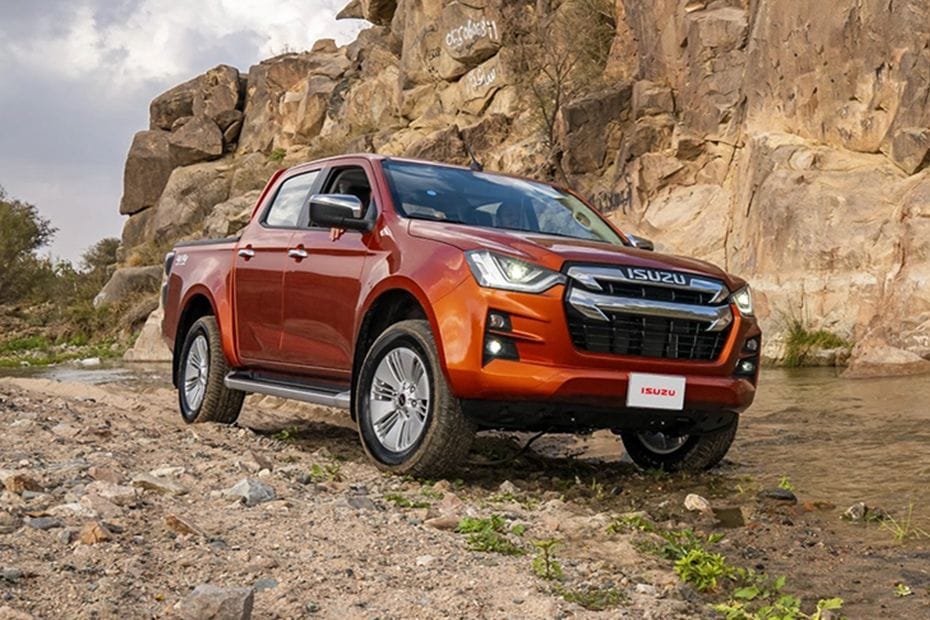
Which One Suits You?
So, finally, which is the pickup that you would like to take home? The right answer depends on several factors, but each pickup comes with its own characteristics, has strengths, and is perfect for a job. It’s not hard to pick up a Hilux if you want legendary reliability, have a requirement for maximum towing capacity, plan to keep the vehicle long-term, or use it primarily for work. You’re definitely assured of great resale value. Toyota is known for its warranty support and also superior service, both of which determine your ownership experience.
Now, the D-Max could be your choice if you prefer powerful performance at a more affordable price point, with a focus on a refined driving experience, and latest tech. It is also a great option if you are going to use it for mixed personal and light commercial use. Isuzu’s competitive pricing and growing service network make it increasingly attractive.
Conclusion
Comparing two strong contenders in the category of popular pickup trucks is a truly delightful experience. And, we find Hilux and D-Max are both excellent pickups for Saudi Arabia. Both are reliable; the final decision depends on your priorities, budget, and use case. We recommend you check them out in person, explore every aspect, and clarify any doubts, if any, at the showroom, before taking a test drive across all driving conditions for a real-world experience.
Related Article: Best Pickups for Saudi Businesses – Fuel Economy, Payload & Dealer Support
Dinesh Goluguri

With over 15 years of experience in the automotive world, Dinesh Goluguri bringing hands-on experience and deep market knowledge. Passionate about SUVs, sports cars and luxury vehicles, he combines enthusiasm with expertise in delivering insights that resonate with car buyers and enthusiasts alike. With a special interest in car modifications and upgrades, Dinesh offers a unique perspective that goes beyond standard reviews, highlighting both factory features and customization potential. His work helps readers navigate new launches, features and trends in the dynamic automotive market.
Read Full Bio-
Explore Isuzu D-Max
-
-
Explore Toyota Hilux
-




-
Toyota Raize -
Toyota Fortuner -
Toyota Yaris -
Toyota Land Cruiser 70 Hard Top -
Toyota RAV4 2026 -
Toyota Urban Cruiser -
Toyota Camry -
Toyota Corolla -
Toyota Supra -
Toyota Land Cruiser Prado -
Toyota Land Cruiser 70 Pickup -
Toyota Land Cruiser HEV MAX
-
Diesel or Petrol: Which Hilux Engine Actually Survives Saudi Work Conditions?

-
Can the Toyota Hilux Handle Saudi Terrain?
-
What Does a Toyota Hilux Actually Cost a Saudi Pickup Buyer Over Five Years?
-
Can the Hilux Protect You on a Desert Track?
-
Do the Hilux's bed, body, and cabin truly meet the needs of Saudi pickup buyers?
- News

- Latest
- Popular
-
 Toyota CenturyPrice coming soon
 -
 Toyota TundraPrice coming soon
 -
 Toyota SequoiaPrice coming soon
 -
 Toyota bZ4XPrice coming soon
 -
 Toyota GR YarisPrice coming soon
 -
 Toyota Urban Cruiser 2026Price coming soon
-
 Toyota RaizeSAR 68,827 - 75,497
 -
 Toyota FortunerSAR 128,742 - 187,047
 -
 Toyota YarisSAR 66,700 - 78,832
 -
 Toyota Land Cruiser 70 Hard TopSAR 158,240 - 201,192
 -
 Toyota RAV4 2026SAR 106,662 - 165,542
 -
 Toyota Urban CruiserSAR 82,915 - 92,115
|
|
|
|
|
|
Transmission Type
Manual
|
Manual
|
Automatic
|
Automatic
|
Manual
|
|
Engine Displacement
2398
|
2198
|
2498
|
2298
|
1998
|
|
Power
147Hp@3400rpm
|
207Hp
|
181Hp
|
174Hp@3200rpm
|
161Hp
|
|
Torque
343Nm@1400-2800rpm
|
440Nm
|
480Nm
|
450Nm@1500-2400rpm
|
375Nm
|
|
|
- Latest
- Upcoming
- Popular
-
Toyota TundraPrice coming soon
-
 Nissan Frontier ProPrice coming soon
 -
 RAM 2500 2026Price coming soon
 -
 Chevrolet SilveradoPrice coming soon
 -
 GMC SIERRA EVPrice coming soon
 -
 Toyota Hilux BEVPrice coming soon
-
 Ford F 150SAR 171,063 - 299,058
 -
 Ford RangerSAR 190,000
 -
 GMC Sierra LDSAR 189,500 - 327,400
 -
 Isuzu D-MaxSAR 69,000 - 138,000
 -
 Mitsubishi L200SAR 72,890 - 141,755
 -
 Chevrolet Silverado HDSAR 220,800 - 278,500