Saudi Arabia's EV Policy Explained: What It Means for Carmakers & Buyers

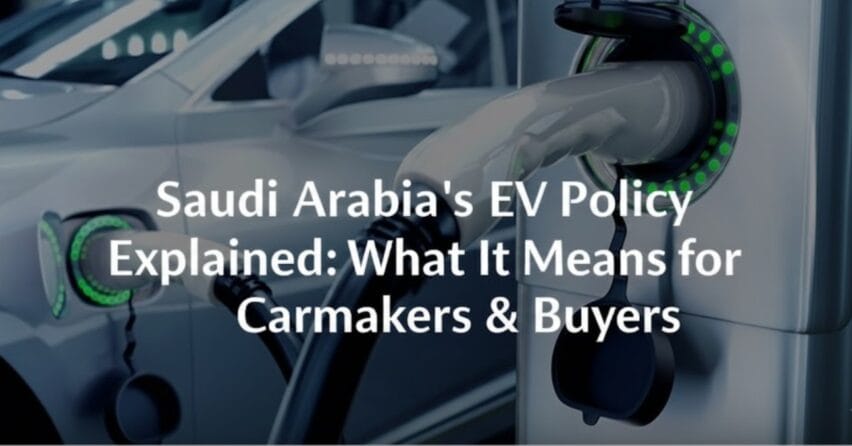
Despite being among the top global oil producers, Saudi Arabia is making a serious move towards sustainable transportation in the country by encouraging electric vehicle growth. Indeed, Saudi Arabia, a country that exports more oil than almost anyone else, is concentrating on constructing EV factories and establishing a robust charging network by installing thousands of them in key cities to charge an EV in Saudi Arabia. Not just that, but backing this huge transformation with serious financial commitment with over $50 billion in investments. The government’s ambitious Vision 2030 goal aims to achieve a monumental target: 30% of vehicles in Riyadh should be electric by 2030. That's massive for a market where EVs were almost non-existent barely three years ago.
KEY TAKEAWAYS
What are the main EV incentives for Saudi buyers?
Lower customs duties, significant discounts on registration fees, and some tax exemptions on electric vehicles.What's the biggest challenge for EV adoption in Saudi Arabia?
Low fuel prices make conventional cars cheaper to run, reducing EV financial appeal.With this renewed focus, the policies behind this shift impact both carmakers and buyers, as both are the key aspects of EV growth. Manufacturers get substantial incentives to build factories in the Kingdom, whereas buyers are offered reduced fees and tax breaks. But the story is not exactly that simple, as there are many details beyond the headlines. To understand them is what gives you the complete picture and intent of the government objective, and we try to unpack the EV policy of Saudi Arabia to offer you greater knowledge to help separate real opportunities from empty promises.
Saudi Arabia's EV Policy Structure
|
Policy Area |
Current Status |
Target/Goal |
Implementation |
|
Charging stations |
More than 600 operational |
5,000 by 2030 |
Reasonable progress |
|
EV share in Riyadh |
2-3% |
30% by 2030 |
Early stage |
|
Local manufacturing |
2 plants building |
300,000 cars/year by 2030 |
Construction phase |
|
Customs duties |
Reduced rates |
Full exemption under review |
Partially implemented |
|
Registration fees |
Lower than ICE |
Further reductions planned |
Active |
What the Government Is Actually Doing
The Saudi Standards, Metrology and Quality Organization (SASO) updated technical regulations for EVs in 2020. These rules set safety standards, charging connector requirements, and vehicle performance specifications across the country. Every EV entering into Saudi Arabia, whether it is imported or locally manufactured, must meet these standards.
For buyers, this matters, which somehow protects them and also maintains certain quality. This is especially true with the apprehension regarding the Chinese EVs flooding the Saudi market, and they can’t simply get in without the necessary approval. These regulations can't allow them to bypass safety requirements. There is also one key layer, which ensures charging connectors are compatible across brands. This ensures uniformity of standards across the country. So if a buyer gets an all-new BYD, there is no chance he won’t charge at a Lucid station.
The government focus on building charging infrastructure through various ways
- Saudi Electricity Company putting up public chargers
- Private companies operating commercial charging networks
- Shopping malls and hotels establish chargers for their clients
- Highway charging corridors connecting major cities
As of the end of 2025, there are about 2800 charging stations across the country, and the aim is to take this to over 5,000 fast-charging stations by 2030. This seems quite an aggressive growth, but considering the low base, this is not a big number actually.
What Buyers Actually Get
In all of this, what really matters is what EV buyers get out of it. There are many things, starting from the incentives for Saudi EV buyers. These are real but compared to some of the top EV markets like China or Europe, they appear quite modest.
Lower customs duties: all the EVs imported to Saudi Arabia are allowed lower customs duties than conventional vehicles. The precise reduction varies by vehicle classification, but it typically saves buyers 5-10% on import costs, which is not bad to start with.
Concession on registration fees: Another key incentive is the registration cost, as EV registration costs less than comparable conventional vehicles. On a SAR 150,000 vehicle, this benefit could save as much as SAR 2,000-3,000.
Tax exemptions: While some EVs receive straightforward tax exemptions, the specific details remain unclear at present. This is actually work in progress before the real benefits start to show up.
Free public charging: Another big relief, where some public charging stations offer free charging, but it is for a limited period,, not something that could stay in the longer term.
What buyers don't get
- Direct purchase subsidies, unlike markets like China where the government offers substantial rebates.
- Significant fuel price increases to level the playing field
- Assured free home charging installation
- Exemptions from road tolls or parking fees
The contrast with fuel prices is stark. Petrol costs around SAR 2.18 per litre in Saudi Arabia, a lot cheaper by global standards. A conventional SUV costs roughly SAR 300-400 monthly in fuel, while an EV's electricity cost might be SAR 150-200 monthly if charging at home, if you Set up Home EV Charging in KSA. That means the savings are not very substantial for any buyer to pay the premium for an EV when he can buy a petrol car.
For a buyer considering a BYD Atto 3 at SAR 99,900 versus a petrol equivalent at SAR 85,000, the SAR 14,900 premium takes years to recover through fuel savings alone. The financial case for EVs in Saudi Arabia is not very strong compared to markets with expensive fuel or large purchase subsidies.
What Carmakers Are Getting
The incentives for automotive manufacturers are again substantially larger than consumer incentives. The Public Investment Fund (PIF) is investing a huge sum of money to build an automotive industry.
Lucid Motors: PIF owns nearly 63% of Lucid Motors, and this auto brand is currently setting up a huge manufacturing facility in King Abdullah Economic City with a capacity for 150,000 vehicles annually. The Saudi government has made a commitment to purchasing 100,000 Lucid vehicles over 10 years. That's a guaranteed customer worth billions.
The factory is getting up to $3.4 billion in financing and investment incentives over a 15-year period. Looking at the progress, the construction is nearing completion, with production targeted for late early 2026. The factory will be the first to produce electric vehicles locally in Saudi Arabia.
Ceer (Saudi Arabia's first EV brand): This joint venture between PIF and Foxconn represents Saudi Arabia's attempt at a homegrown automotive brand. Hyundai supplies the electric drivetrain systems through a $2.18 billion agreement. Foxconn provides software and electronics.
Ceer plans, once they start to roll out the car, aim to target MENA markets. The vehicles will essentially be Hyundai EVs assembled in Saudi Arabia with local branding. This is a unique experiment, and it will be an interesting development to watch. Whether buyers find Ceer exciting enough and accept it as a genuine Saudi brand or see it as a rebadged Hyundai remains to be tested.
Manufacturing incentives: Many overseas automotive brands are looking at Saudi factories to get some benefits, like:
- Discounted land or subsidies or maybe outright free land in economic cities
- Exemption of tax on imported manufacturing equipment
- Lower energy prices for factories
- Streamlined permitting through digital platforms
- Access to PIF financing for joint ventures or any sort of tie-up
These incentives are substantial, and that certainly makes it quite clear why the government could attract many players. Like Hyundai, Lucid, and Chinese brands like BYD, MG & Zeekr that are winning the Saudi Arabia are seriously considering local manufacturing.
The Missing Pieces
However, the Saudi EV policy, like any other policy, is not infallible and leaves much to be desired. There are certain key gaps in the policy that need serious consideration for faster EV adoption:
Consumer subsidies: Saudi Arabia has still not fully announced direct purchase discounts; this could have a huge impact on consumer behaviour. A SAR 20,000–30,000 subsidy per EV would dramatically change buyer calculations. There are markets like China and Europe, where such subsidies are very prevalent. Saudi Arabia could afford them but still has not fully committed.
Fuel price reform: This is one big aspect of the whole policy. Because until the petrol prices rise, EVs continue to struggle to compete financially. The ideal solution will be looking at options to gradually increase fuel prices but finding ways to protect low-income citizens through targeted support, which would strengthen the EV business case.
Used EV import rules: The policy should also consider lifting some restrictions on regulations for importing used EVs. It is often found out that age limits and compliance requirements make used EV imports challenging. This prevents a secondary market from developing that keeps EV ownership expensive.
Resale value concerns: There is no established used EV market, which means buyers fear poor resale values, a key overall element in car ownership. A three-year-old EV perhaps finds it challenging to get in the market. This is one big hindrance for buyers who generally own a car for 4-5 years before deciding to sell.
Climate challenges: This is just a natural reality of being a Gulf country, where summer temperatures exceed 50°C, which stresses battery performance and longevity. The policy actually seemed unable to address these issues head-on.
What This Means for Buyers
If you're looking to go full electric or plan to buy your first EV that could be your secondary car. Consider the below scenario before you make a decision.
Go for an EV if you:
- Your house allows easy home charging installation
- If your usage is limited within major cities Riyadh, Jeddah, Dammam
- If you don’t mind paying the premium upfront
- If you love evaluating new new technology and environmental benefits
Don’t consider EVs if you:
- You solely depend on public charging
- If you use car extensively, frequently going over 500 km plus
- Need guaranteed resale value
- Operate on tight budget where every riyal counts
- Park in apartment buildings without charging access
Conclusion
Saudi Arabia's EV policies clearly show a huge commitment to developing an automotive industry and reducing oil dependency. The $50 billion investment and Vision 2030 targets are definitely serious policy initiatives; as a result, factories are under construction and charging networks are expanding. However, the policies favour manufacturers over buyers; without a real focus on consumer incentives, fuel price reforms, or a reconsideration of subsidies, electric vehicles will take time to gain popularity and may not meet the government's intended targets. For buyers in the Kingdom right now, EVs are not yet the regular choice but a premium one.
Dinesh Goluguri

With over 15 years of experience in the automotive world, Dinesh Goluguri bringing hands-on experience and deep market knowledge. Passionate about SUVs, sports cars and luxury vehicles, he combines enthusiasm with expertise in delivering insights that resonate with car buyers and enthusiasts alike. With a special interest in car modifications and upgrades, Dinesh offers a unique perspective that goes beyond standard reviews, highlighting both factory features and customization potential. His work helps readers navigate new launches, features and trends in the dynamic automotive market.
Read Full Bio-
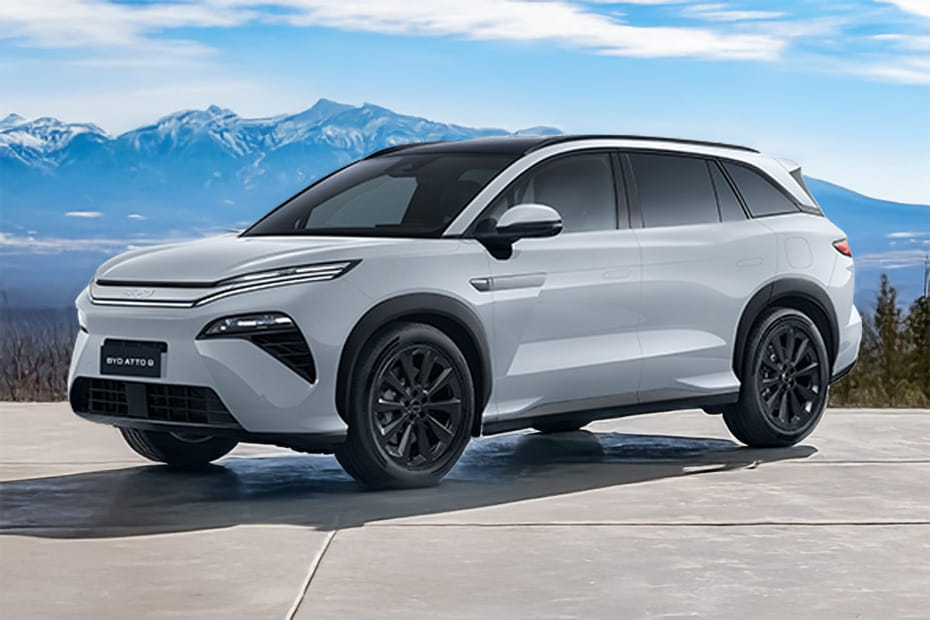
BYD Atto 8 -
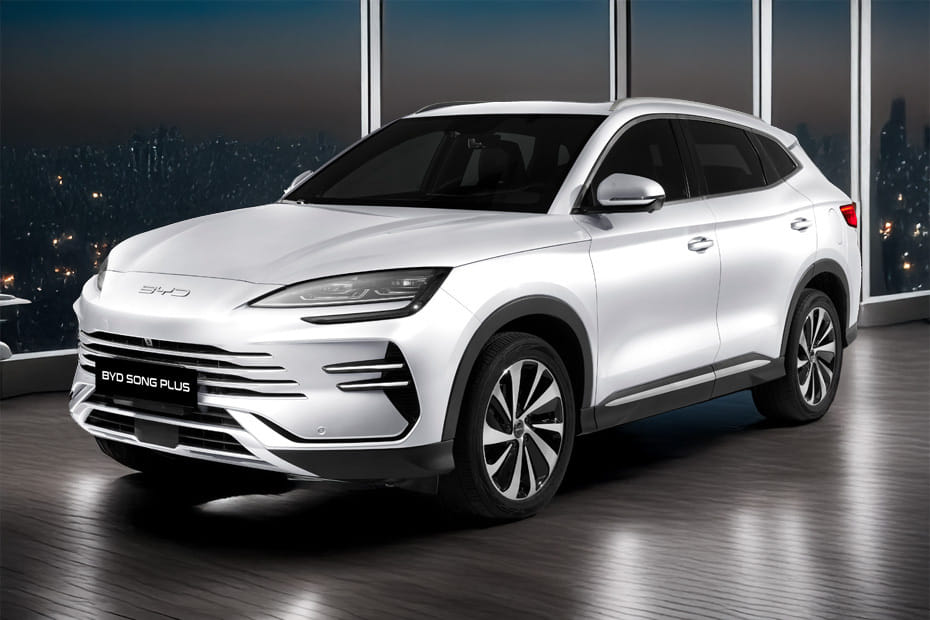
BYD Song Plus -
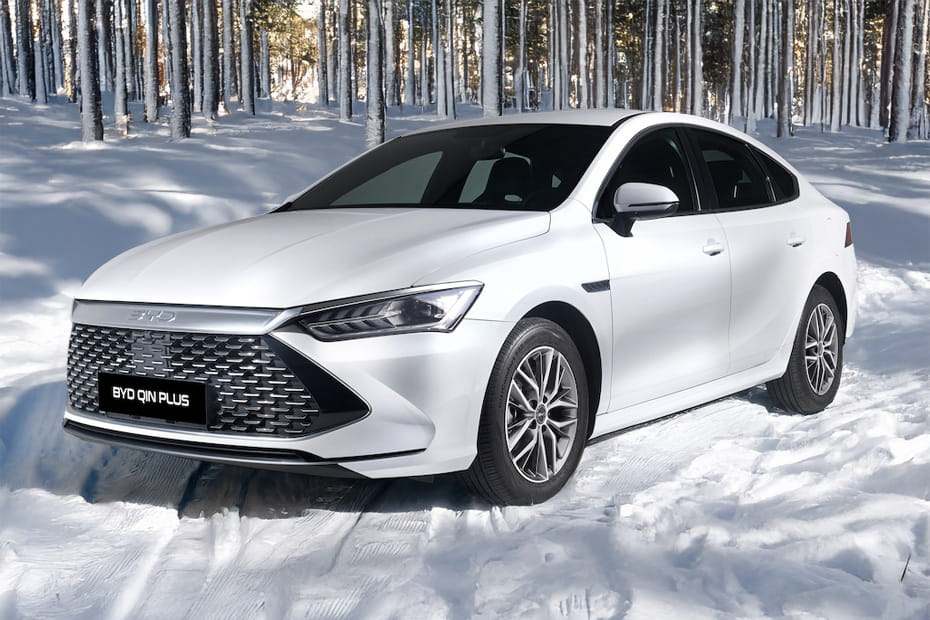
BYD QIN Plus -
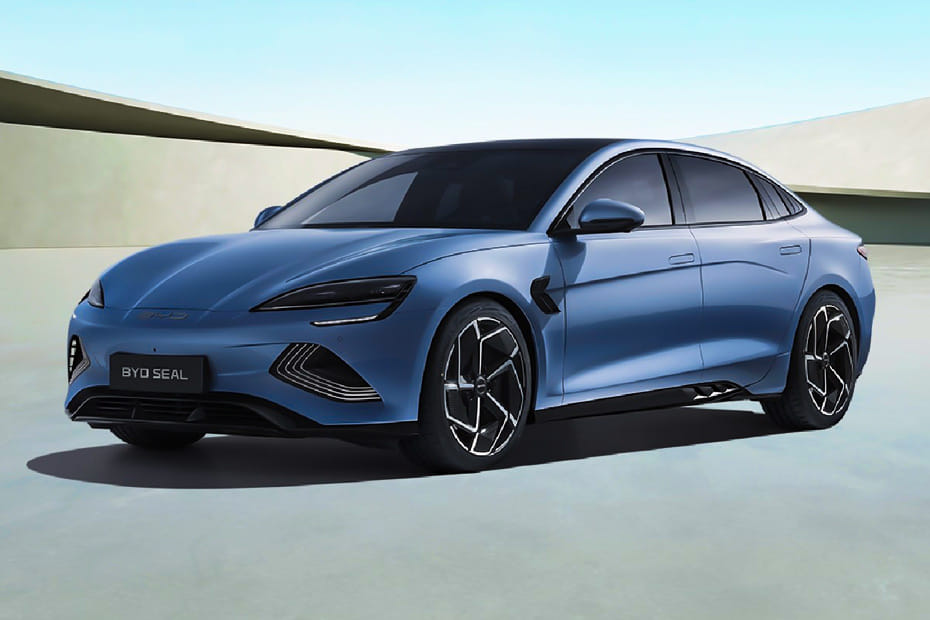
BYD Seal -
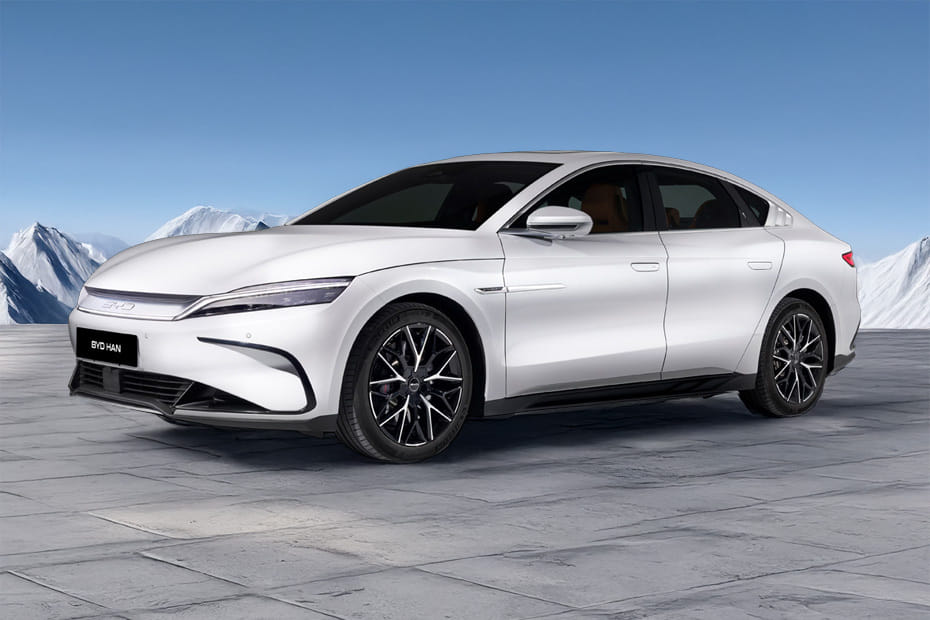
BYD HAN -
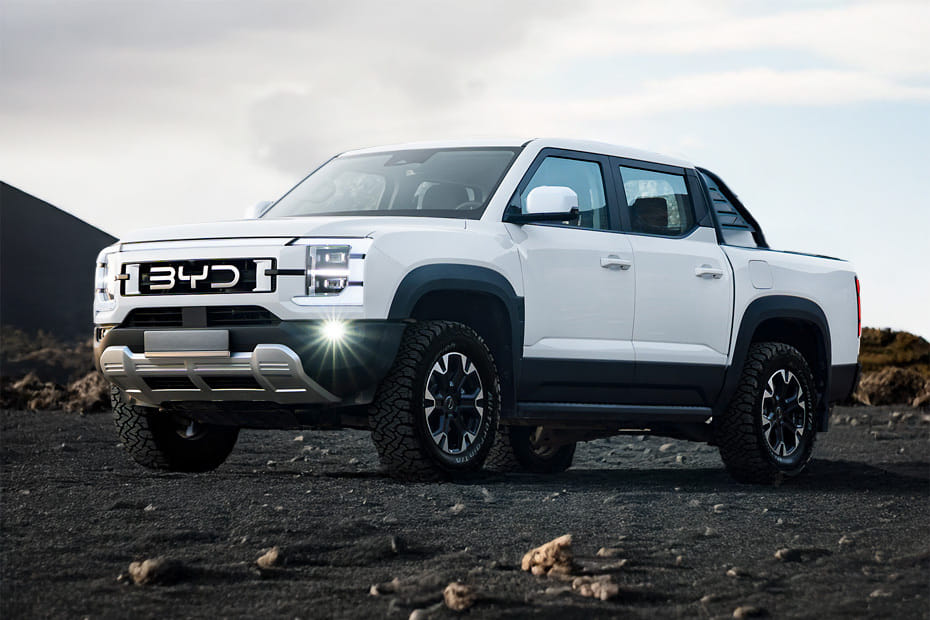
BYD Shark 6 -
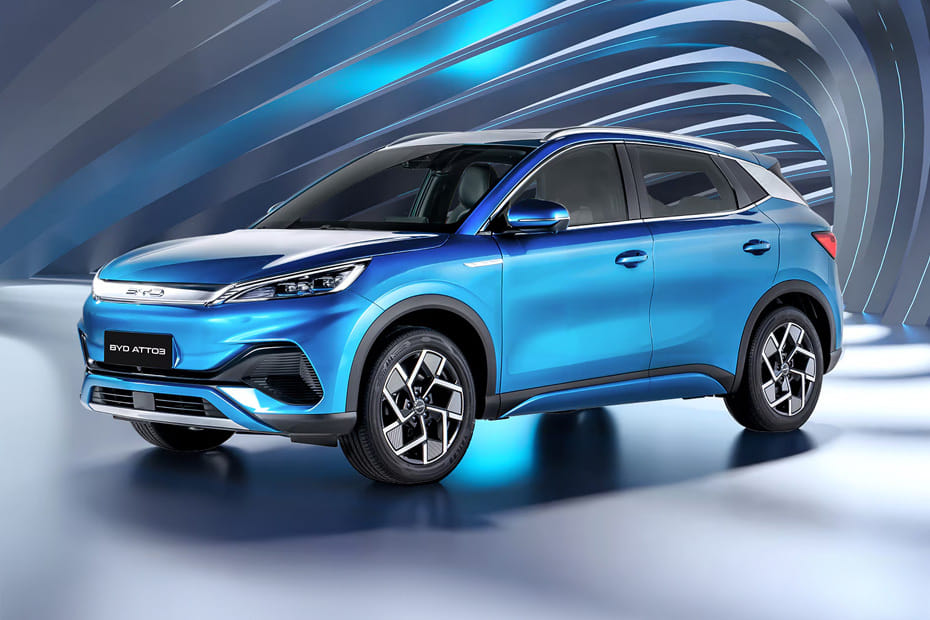
BYD ATTO 3 -
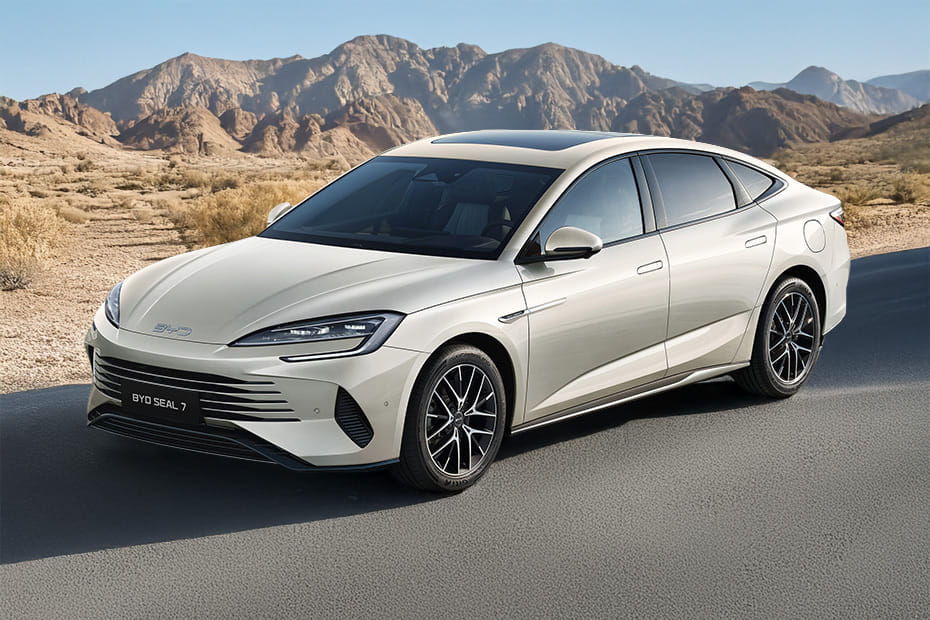
BYD Seal 7 -
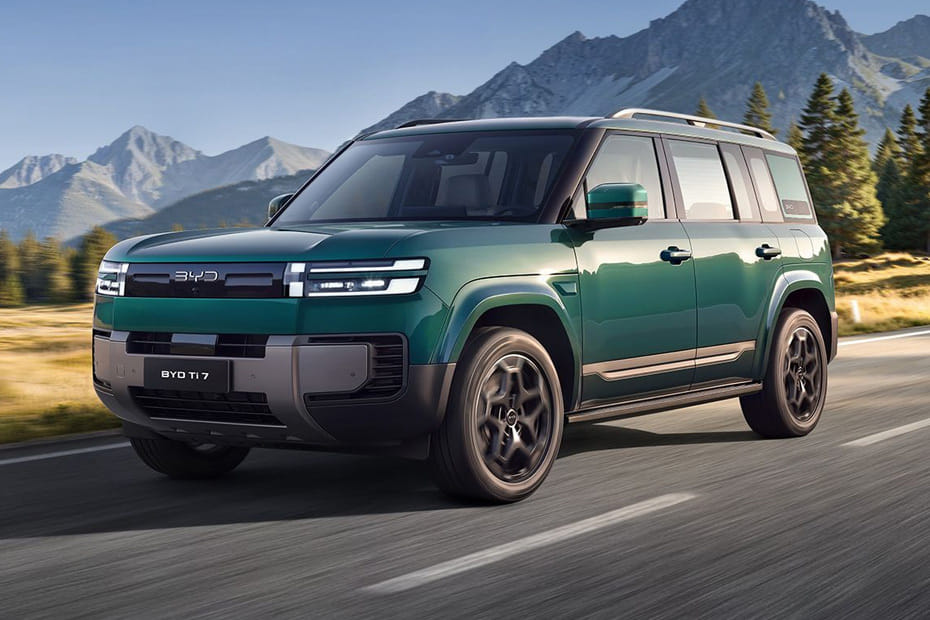
BYD Ti 7 -
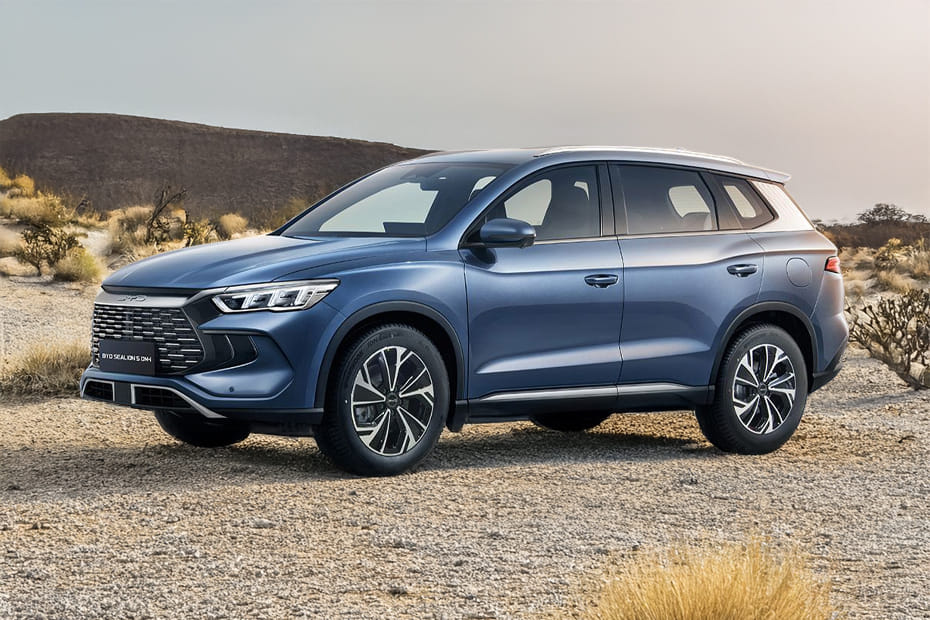
BYD Sealion 5 -
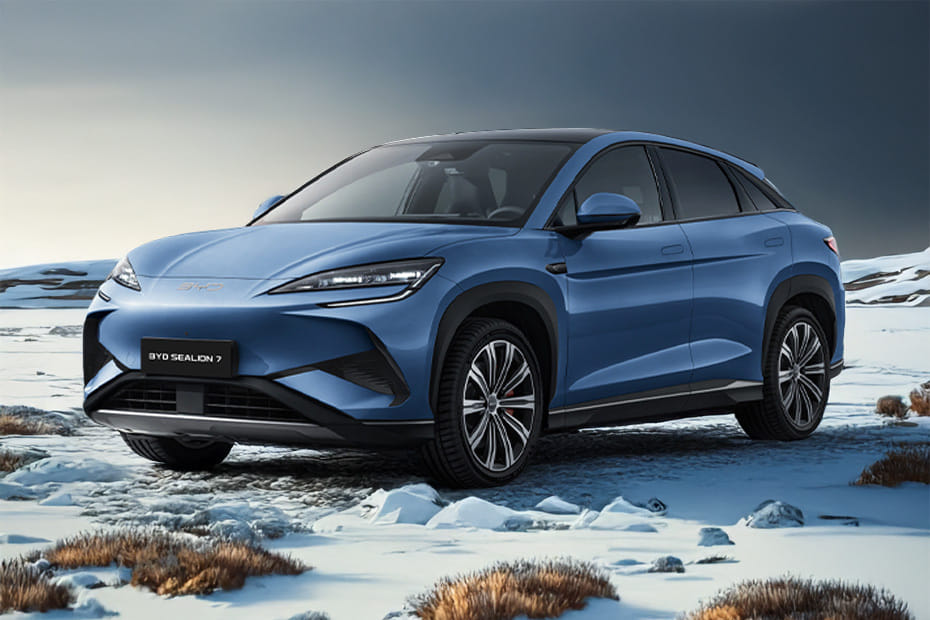
BYD Sealion 7
- News
- Latest
- Upcoming
- Popular
-
 BYD Ti 7SAR 147,900 - 159,900
 -
 BYD Sealion 5SAR 79,900 - 88,900
 -
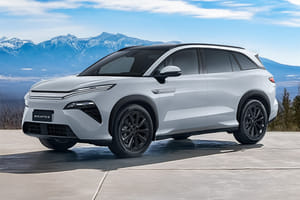 BYD Atto 8SAR 156,900 - 179,900
-
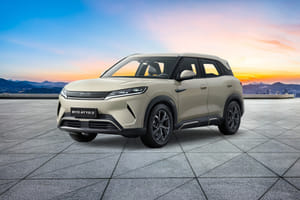
BYD Atto 8SAR 156,900 - 179,900
-
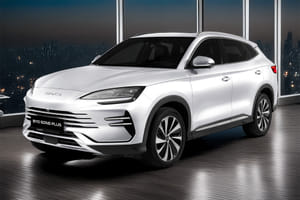 BYD Song PlusSAR 104,900 - 134,900
 -
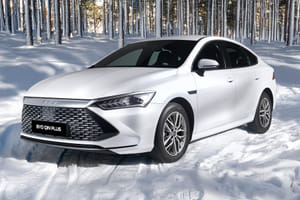 BYD QIN PlusSAR 69,900 - 72,900
 -
 BYD SealSAR 120,900 - 146,400
 -
 BYD HANSAR 145,660 - 169,160
 -
 BYD Shark 6SAR 165,900