Best Pickups for Saudi Businesses: Fuel Economy, Payload & Dealer Support

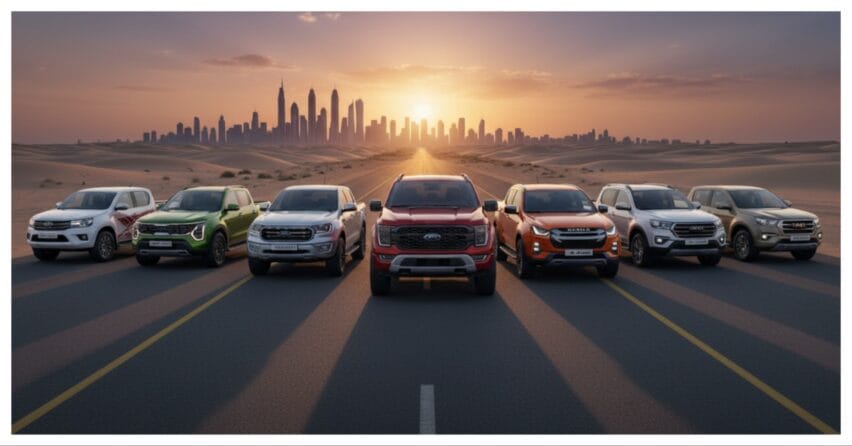
Saudi Arabia: Pickup trucks are highly multifaceted vehicles that play a vital role in shipping cargo and goods across cities, towns, and various business locations. E-commerce, construction, logistics, farming, courier services, and many other sectors need pickups every single day to run their operations. With the Kingdom’s rapidly growing economy, pickup trucks are a key segment that is witnessing soaring demand.
KEY TAKEAWAYS
What makes pickup trucks essential for businesses in Saudi Arabia?
Their ability to carry heavy loads, rugged build quality, higher durability, and multi-purpose use make pickups essential for business.Which are the top brands that offer popular pickups in Saudi Arabia in 2025?
Toyota, Isuzu, Mitsubishi, Changan, and Kia are some of the top pickup brands in KSA.To cater to this rising demand, all top global brands offer world-class pickup trucks for KSA buyers. Any business looking for a pickup in 2025 has many choices to consider. However, when buying a pickup truck, unlike a passenger car, what matters most is the total cost of ownership, superior reliability, and extensive after-sales support. Recent reports highlighted that the Saudi pickup truck market reached a high value of SAR 7.5 billion in 2024 and is expected to grow rapidly over the next 5-7 years to reach SAR 10.99 billion.
If you’re in the market looking for the most suitable pickup truck for your business, we tell you where to look. By focusing on key parameters like fuel consumption, cargo capacity, maintenance costs, and dealer networks that matter the most to businesses.
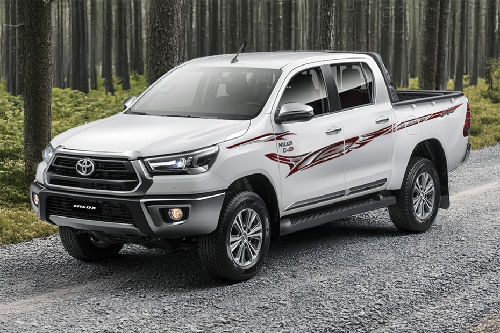
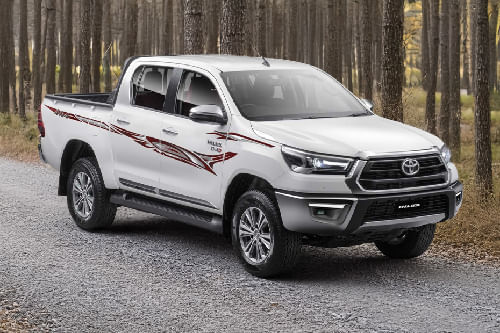
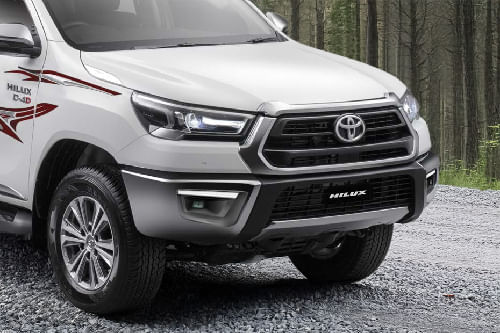
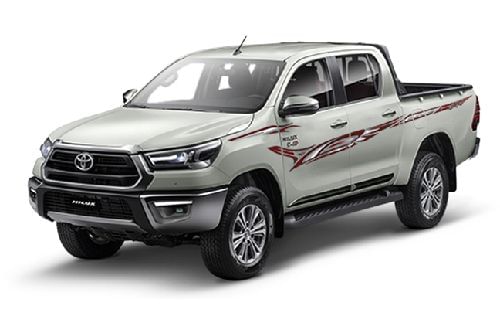
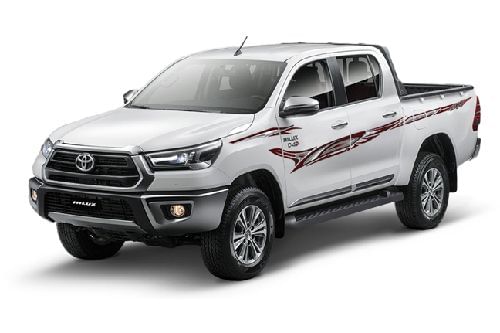
Toyota Hilux: The Market Leader
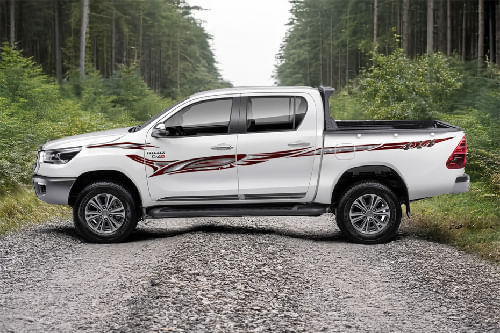
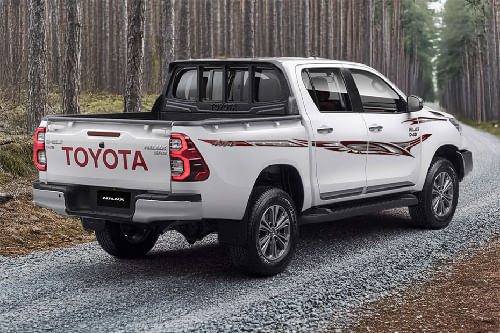
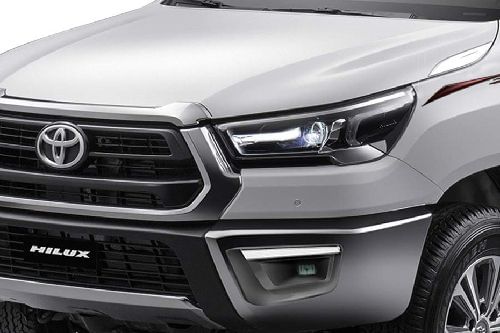
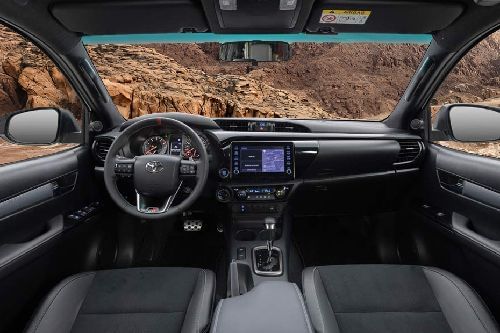
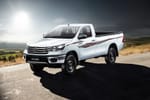
No surprise that the Hilux tops the list, as it is the most popular, trusted, and highly regarded pickup from Japanese automaker Toyota. Almost everyone is familiar with this pickup, which literally dominates Saudi business fleets across industries and operations. Abdul Latif Jameel Motors operates a network of 34 showrooms across 21 cities. With 140,000 parts stocked nationally, breakdown support is immediate from Tabuk to Najran.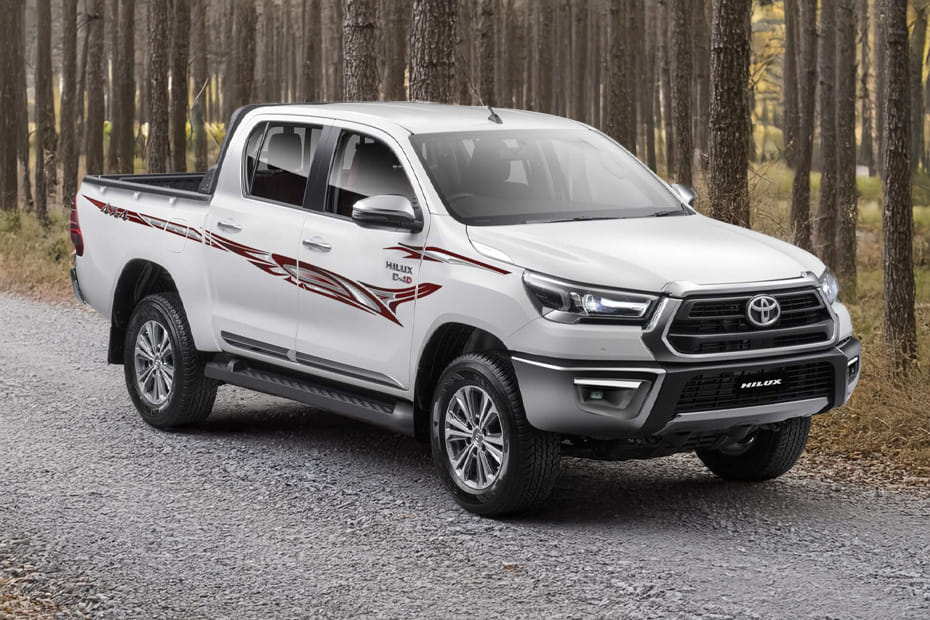
Pricing & Fuel Economy: Considering the high demand, its popularity, and its leadership, the Hilux commands a premium in pricing. It starts at SAR 109,020 for the base variant. The 2.4L diesel averages 8-9 L/100 km, which turns out to be SAR 0.13-0.15 per kilometer cost. You can roughly estimate annual fuel costs for 40,000 km to reach SAR 5,200-6,000.
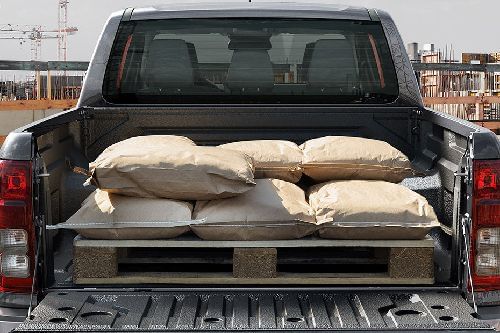
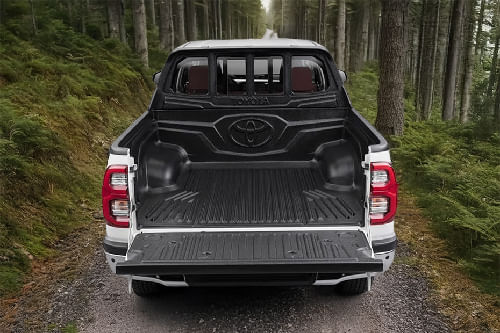
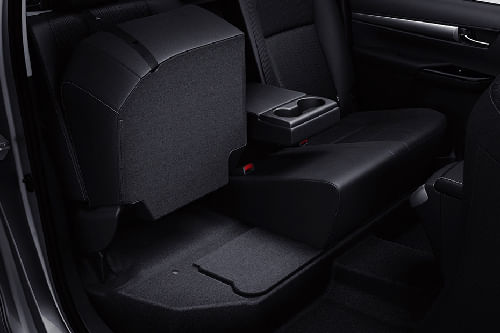
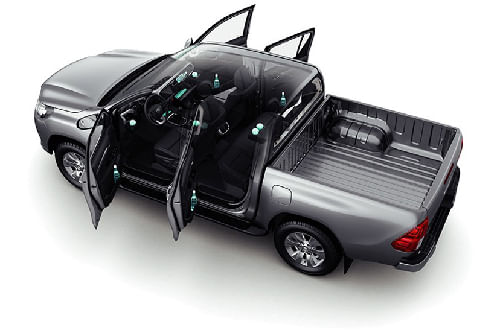
Payload & Capacity: The double cab variant has a rated payload capacity of 1,030 kg, quite sufficient for most operations. The cargo deck, 1520 × 1645 mm, is considered large enough to carry all types of cargo, including construction materials and equipment, comfortably. The higher 400 Nm torque at 1,600 rpm of the diesel engines allows carrying relatively heavy cargo with ease. Moreover, the pickup is well-built to handle all types of terrain across Saudi Arabia with ease.
Service & Resale: Toyota offers standard 10,000 km service for SAR 500-700; the price may go up for a major 40,000 km service, which costs SAR 1,200-1,500. In addition to providing a superior ownership experience, the Hilux also ensures efficient operations. What makes the Hilux stand out is the higher value in the used markets. A three-year-old model retains 60-65% of its original value, which makes a huge difference for fleet operators cycling vehicles every 3-5 years.
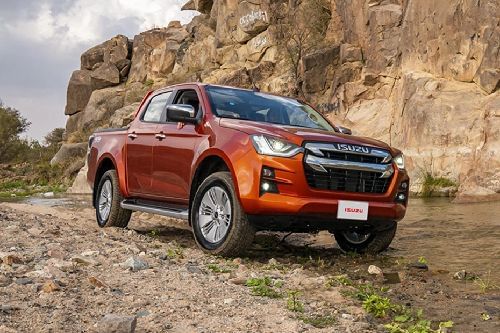
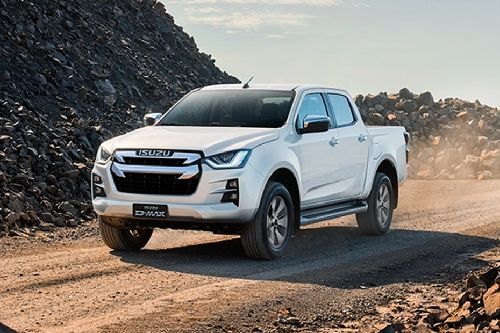
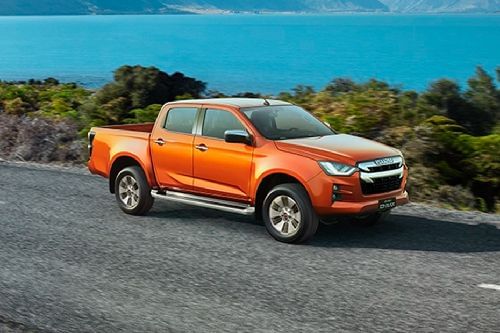
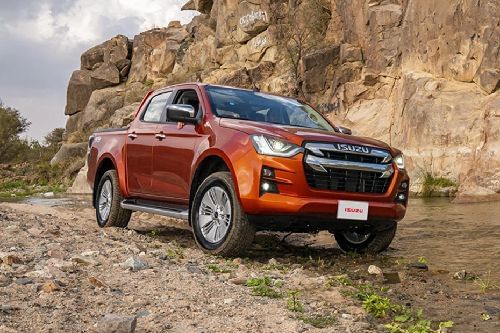
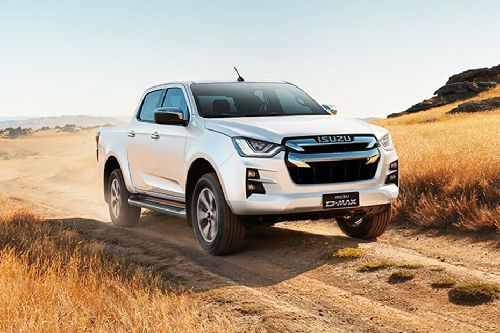
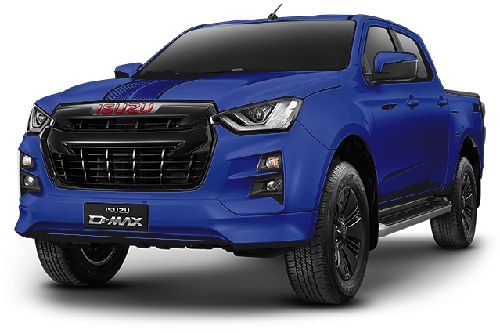
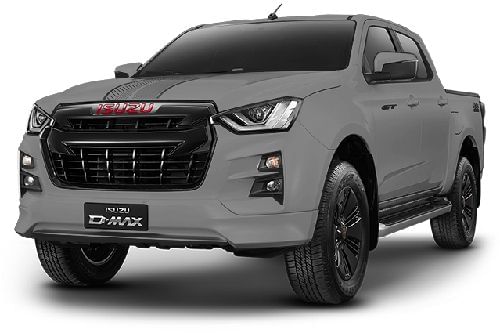
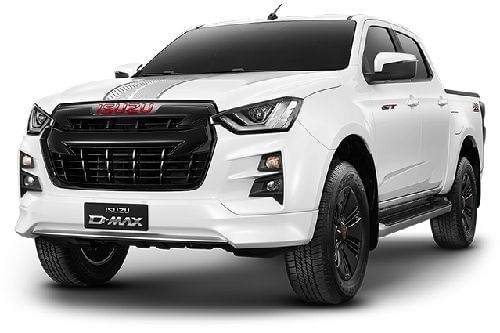
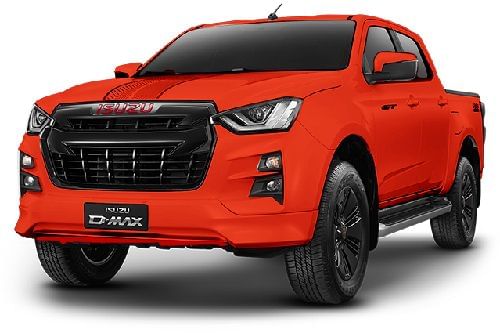
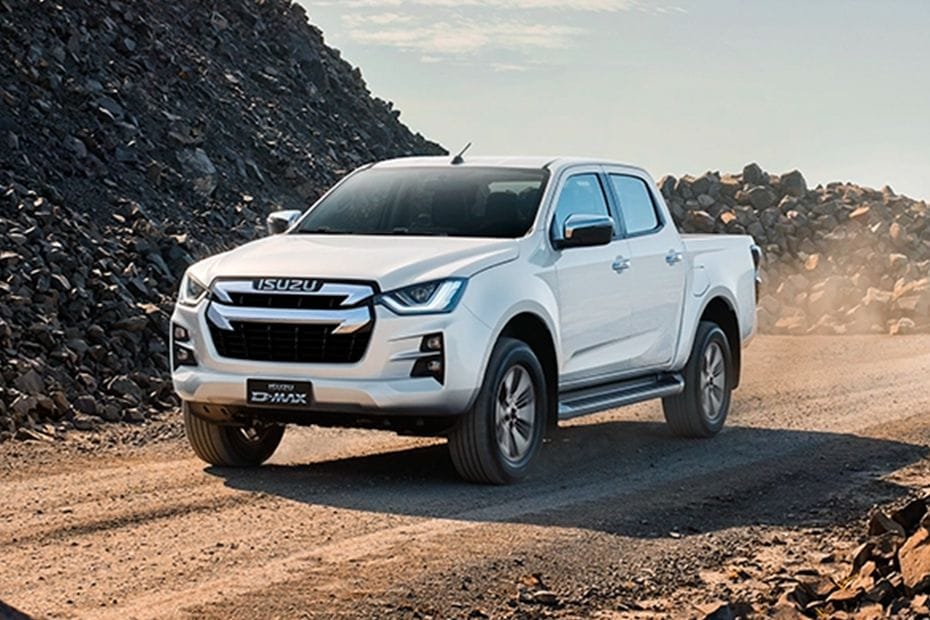
Isuzu D-Max: Heavy-Duty Performer
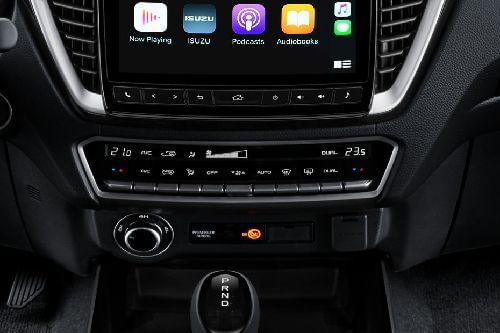
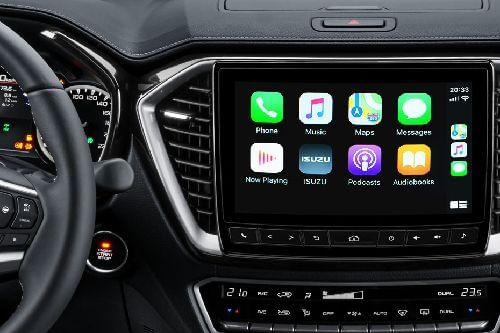
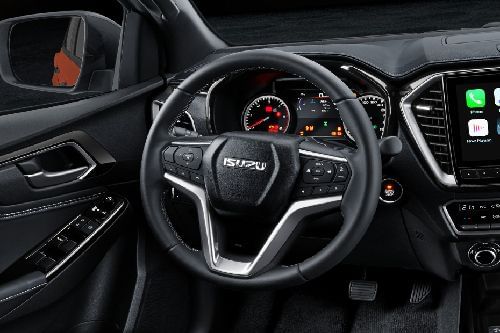
This equally promising pickup comes from the Japanese automaker, which is known for its performance not just in Saudi Arabia but around the world. It is designed and manufactured for commercial truck engineering; the D-Max emphasizes durability over comfort.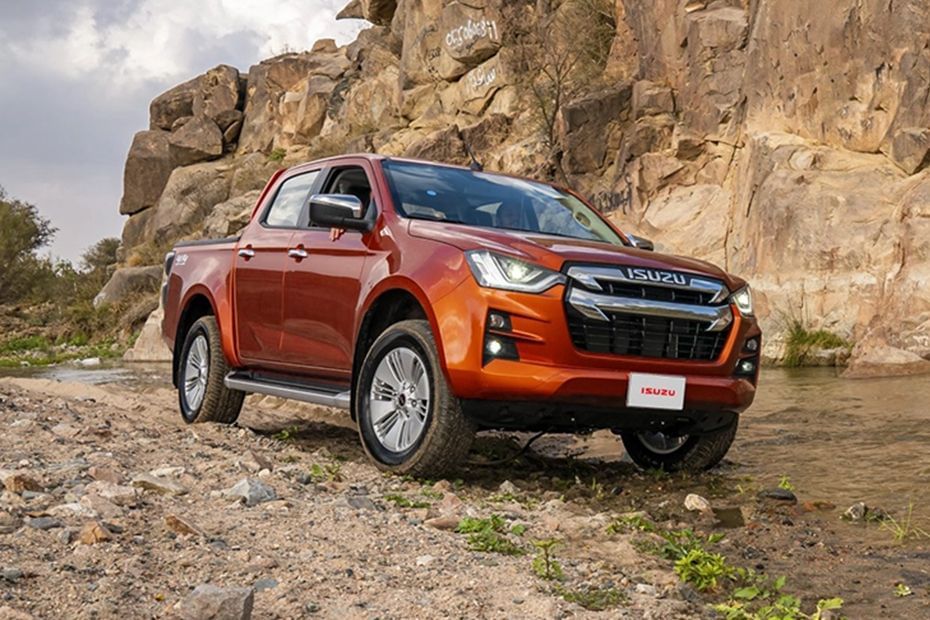
Pricing & Fuel Economy: Priced lower than the Hilux, it starts at an affordable sticker price of SAR 69,000 for the single-cab manual gearbox variants. For the high-end variant, the price jumps up to SAR 138,000, which comes with a 3.0L engine and an automatic gearbox. The 3.0L diesel engines offer 190 HP and 450 Nm torque, more than the Hilux. Fuel consumption matches the Hilux at 8-9 L/100 km despite the bigger engine size.
Payload & Capacity: It comes with a rated payload of 1,000 kg and a 3,500 kg towing capacity. The cargo bed measures 1,470 x 1,645 mm, slightly shorter but equally wide, which enables you to carry a variety of cargo.
Dealer Support: Isuzu is not exactly well-spread like Toyota in KSA, and so you can expect limited coverage of dealers. Mostly to major cities: Riyadh, Jeddah, Dammam, and Makkah. The availability of parts is not on par with Toyota, especially in remote areas, and across the country, it lags considerably. But Isuzu is committed to offering the best customer support, which is expanding rapidly.
Service & Resale: The standard maintenance costs are between SAR 450 and 600; major services could go up to SAR 1,000-1,300. In resale value, the D-Max is not bad. You can expect the resale value to reach nearly 50–55% after three years, which is not bad for a brand that is starting to grow in the market and also challenges the segment leader.
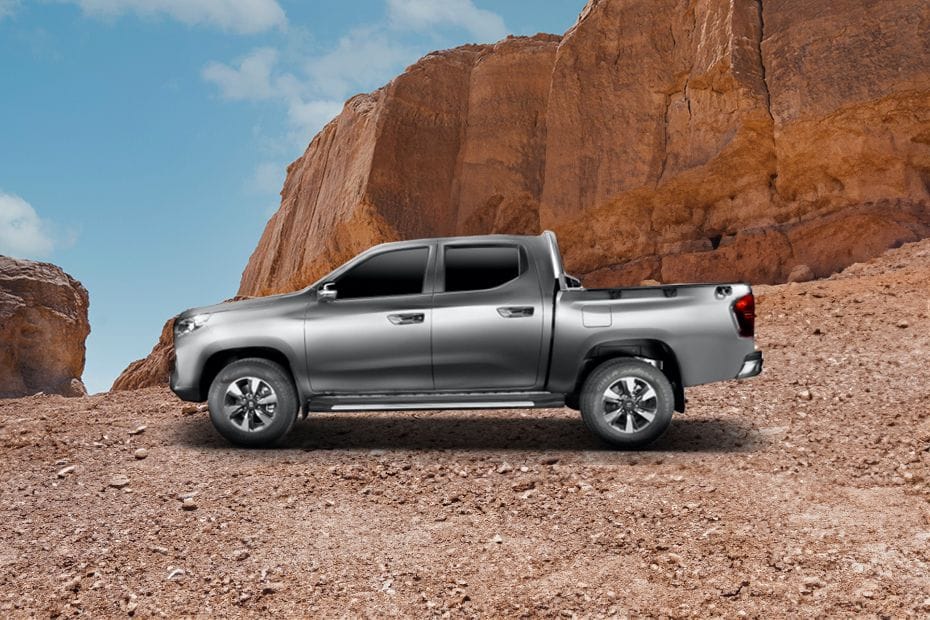
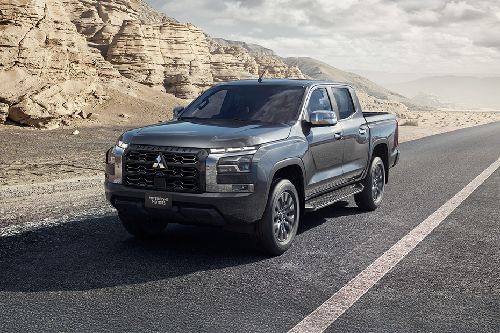
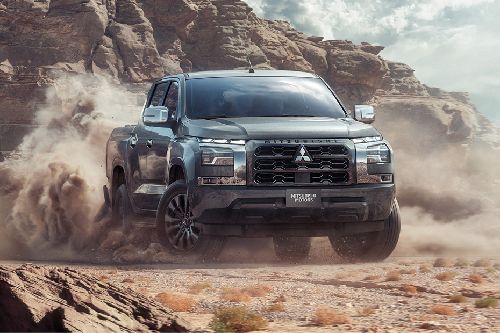
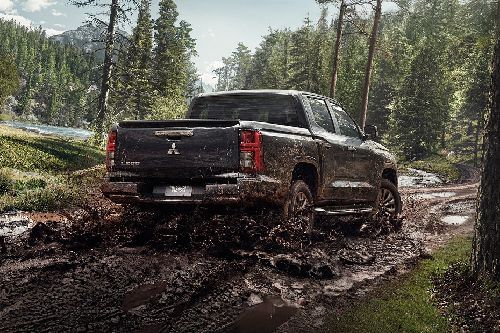
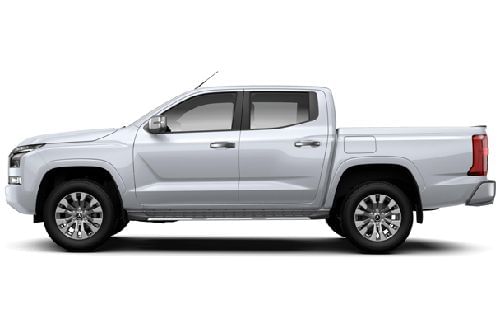
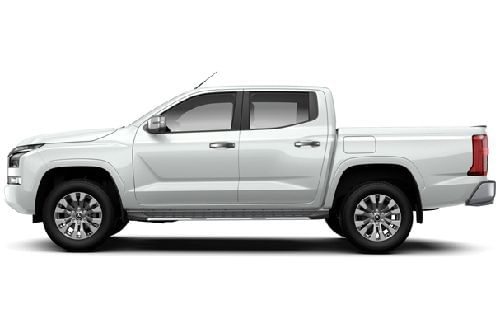
Mitsubishi L200: Middle-Ground Option
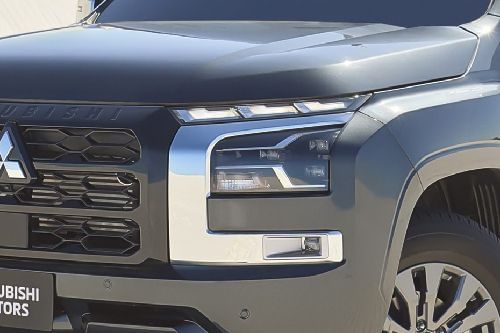
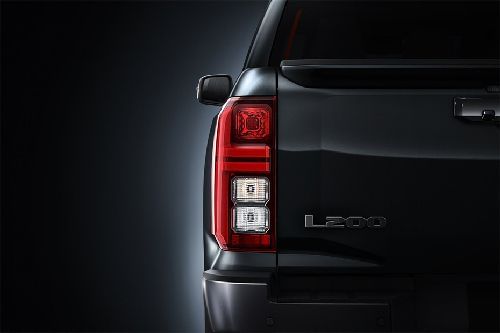
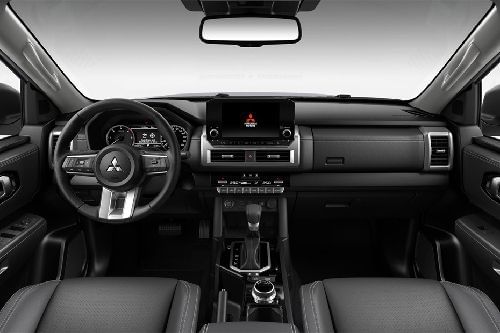
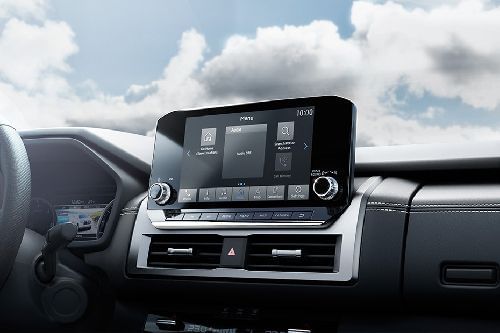
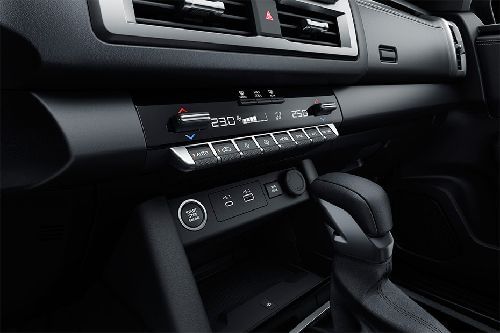
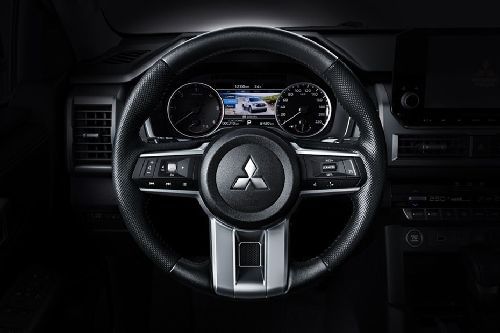
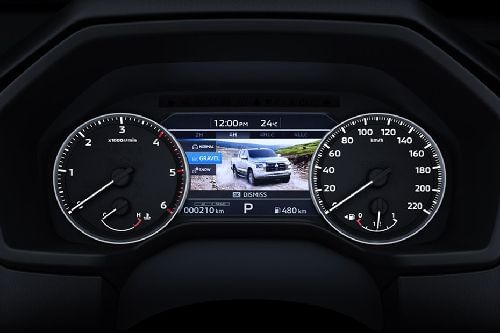
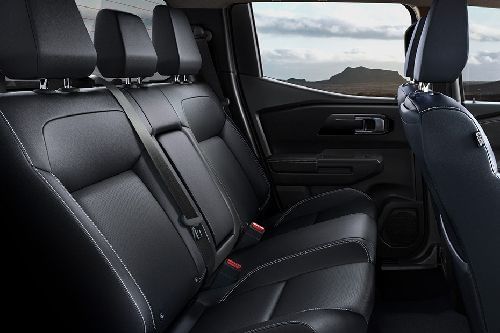
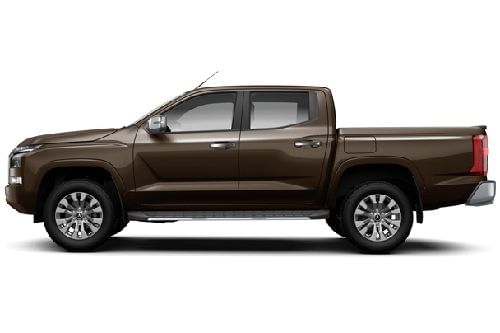
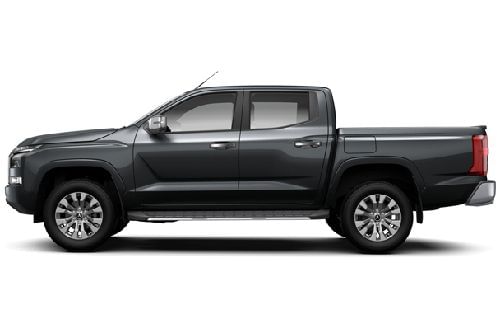
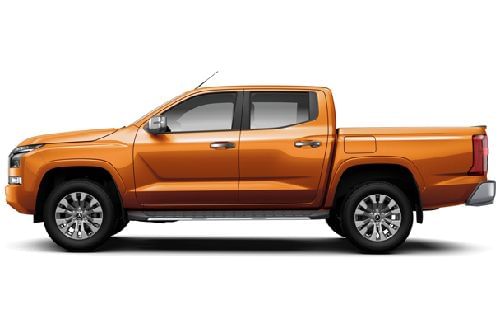
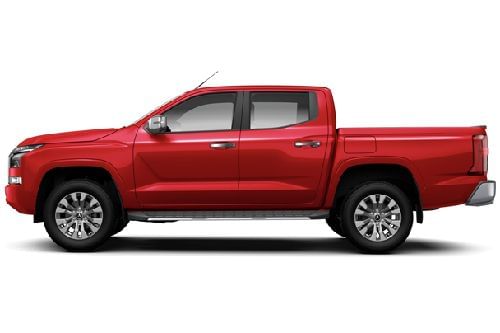
Beyond the top two options in the pickup segment, the L200 occupies a middle position. It bridges premium Japanese brands and budget Chinese alternatives; the price ranges between SAR 72,890 and SAR 141,755.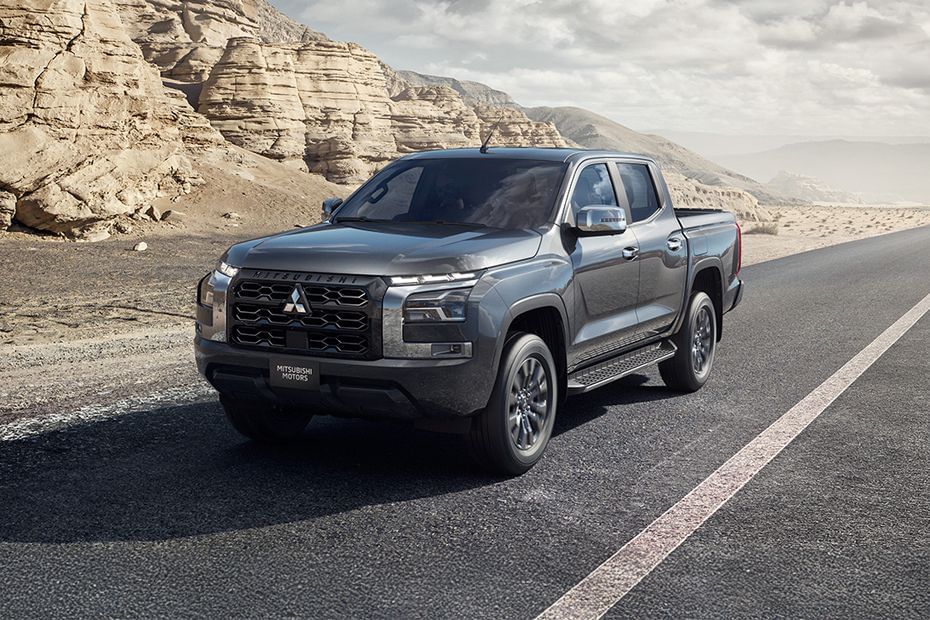
Fuel Economy: The 2.4L diesel averages 9-10 L/100 km, a little higher than its main competitors. The annual fuel cost for 40,000 km reaches SAR 6,000-6,600, which is moderate, not very high.
Payload & Capacity: The payload capacity of 1,005 kg and towing capacity of 3,100 kg are similar to most pickups in the segment. Both the payload capacity and towing capacity are adequate for the types of operations in which this vehicle is used. The cargo bed size is 1,520 x 1,470 mm, which allows you to use it for all types of load-carrying needs.
Dealer Support: The Mitsubishi dealer network covers most major cities through authorized distributors. The quality of service may vary by location, but parts availability is fine in cities; in rural areas, there could be some delay.
Service & Resale: The cost of standard service comes around SAR 500-650; the major ones rise up to SAR 1,100-1,400. As far as the resale market is concerned, it is behind Toyota and Isuzu, and so you can expect fluctuation in price. Let's say a three-year-old truck can give you between 50% and 55% value.
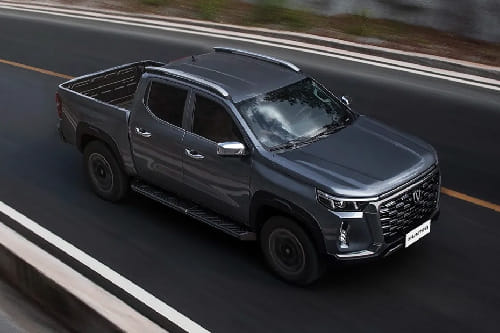
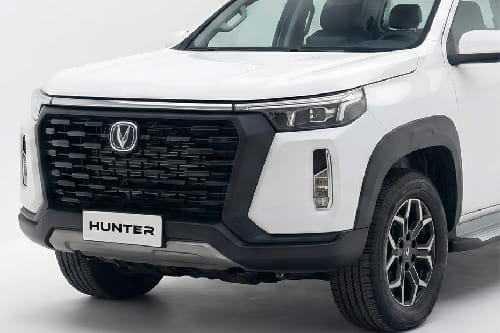
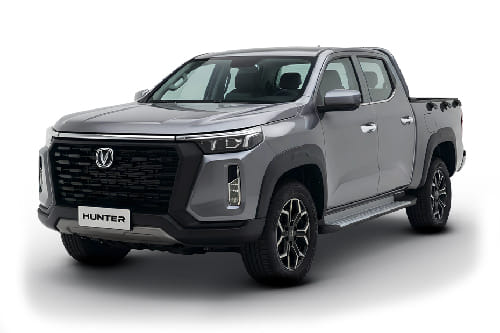
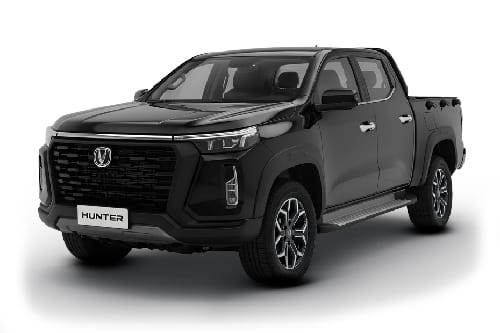
Changan Hunter: Budget Alternative
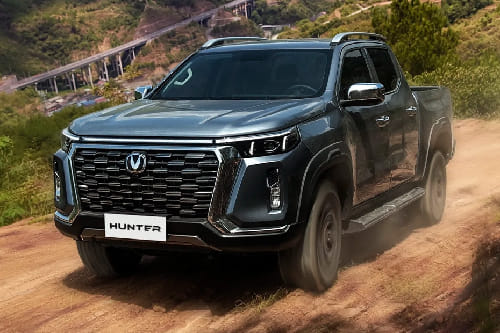
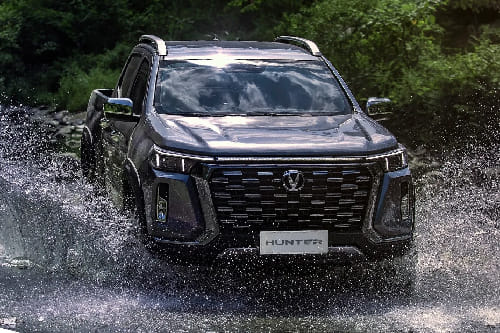
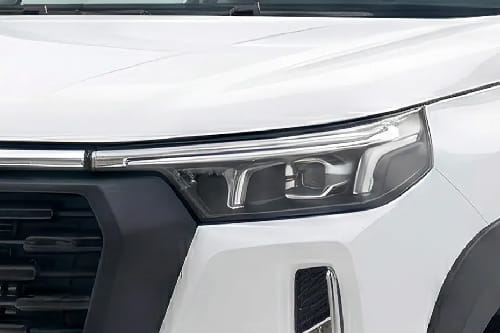
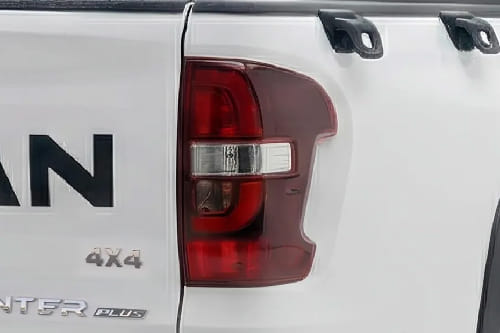
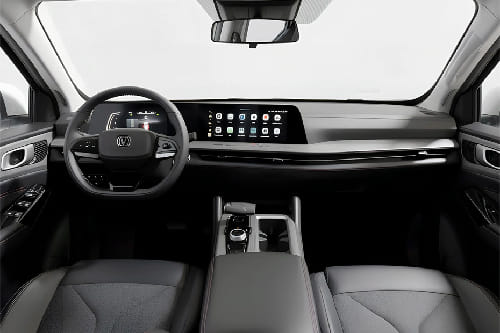
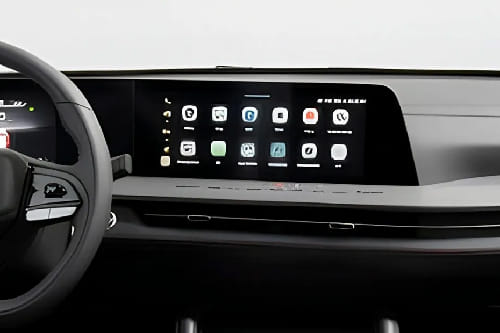
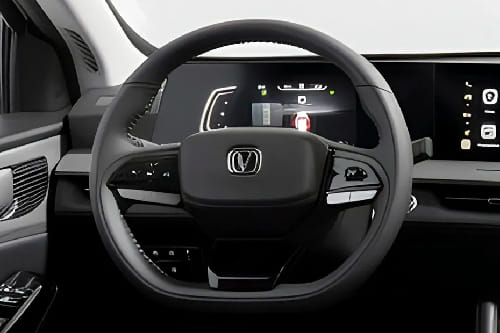
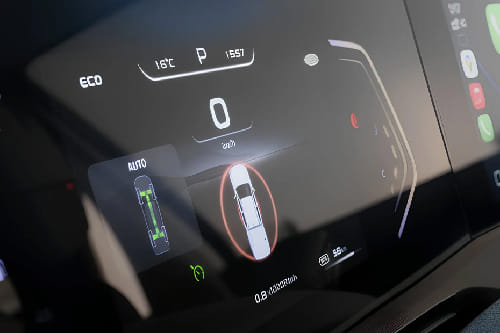
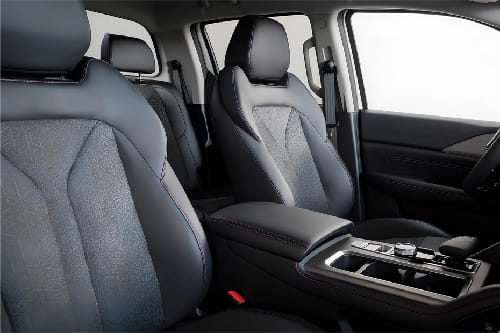
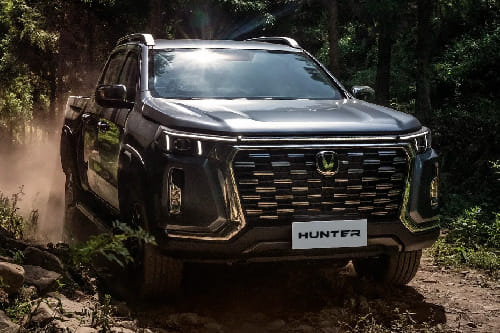
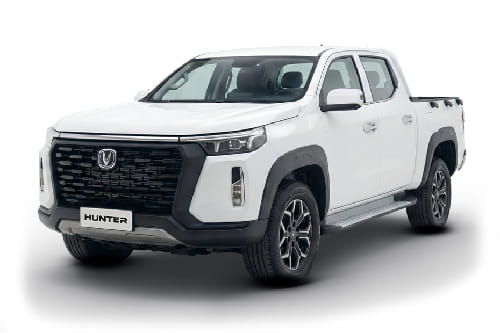
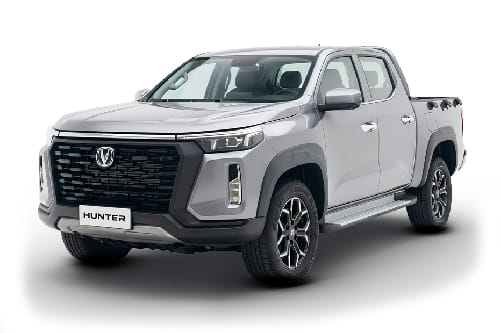
For pickup buyers, there is now an option beyond the traditional Japanese brands. Changan Hunter automaker offers a capable pickup at an aggressive price, starting at SAR 76,475 to SAR 98,325.
Fuel Economy: The Hunter gets a 1.9L diesel powertrain, which promises 10.6 km/L, which is quite good for a pickup of this size, although it is considered less efficient compared to Japanese rivals in the segment.
Payload & Capacity: The rated payload is 1,000 kg, and the towing capacity is 3,000 kg, with a standard cargo bed measuring 1,520 x 1,560 mm. This pickup is not exceptional by any standard, but it is certainly a reliable one that promises a lot of practicality. 
Dealer Support: Being a comparatively new brand, the dealer network is not extensive, but restricted to a few major cities like Riyadh, Jeddah, and Dammam. You can expect the availability of parts to be inconsistent, with weeks-long lead times for specialized components. The buyers who wish to buy Hunter should keep these things in mind, but this should improve overtime.
Service & Resale:Standard service costs SAR 350-450, which looks inexpensive initially. However, resale value is where it gets a big dent; you can expect a drop of 35-40% after three years, severely impacting total ownership costs.
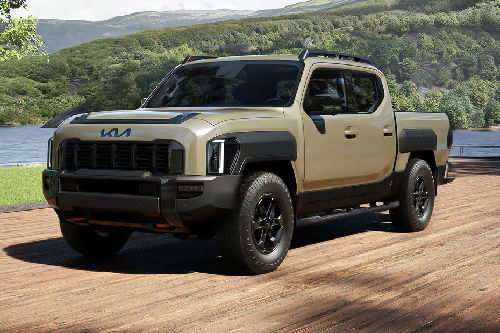
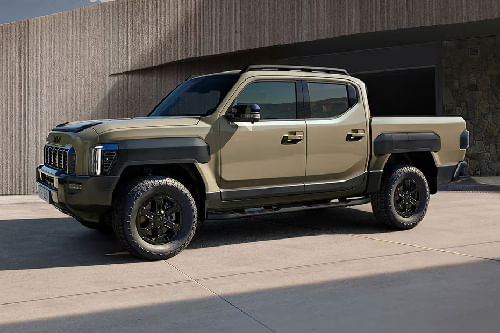
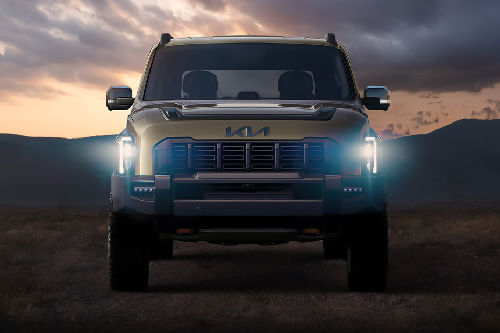
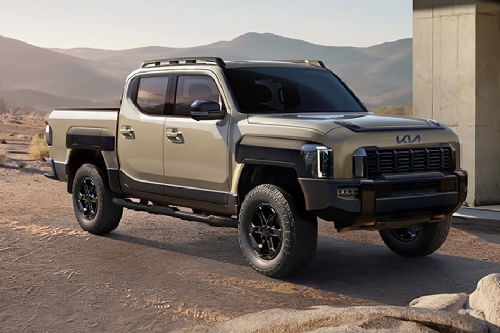
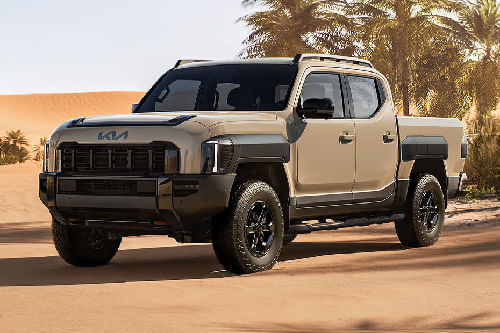
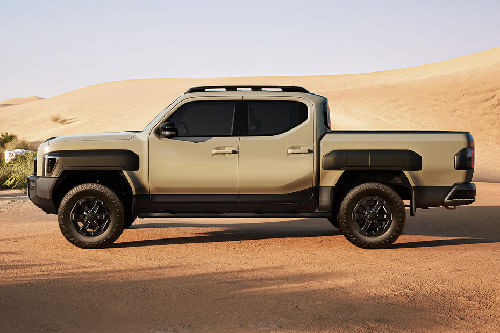
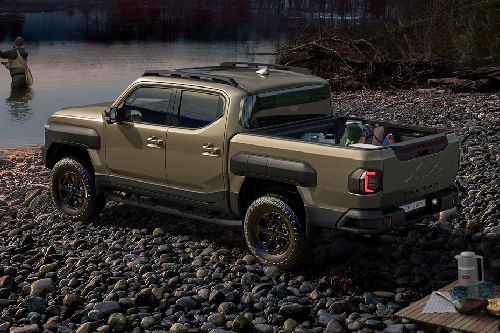
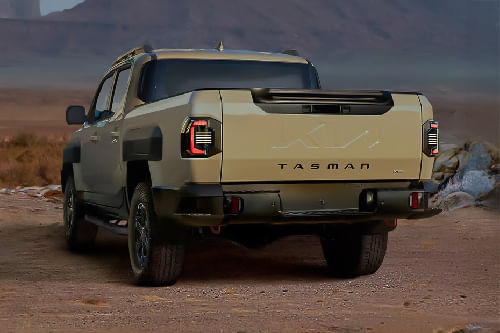
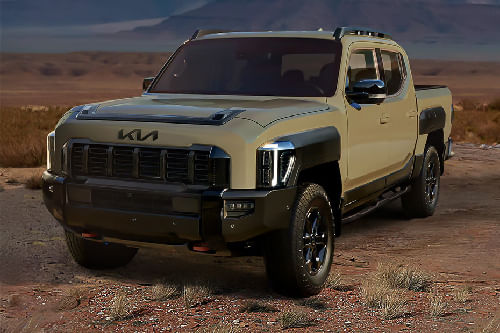
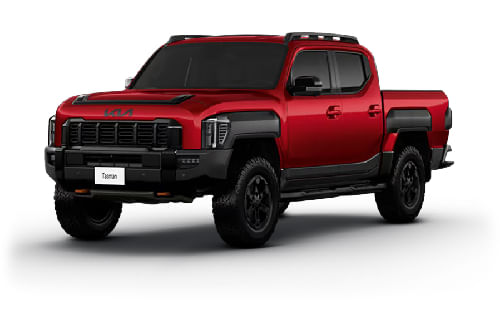
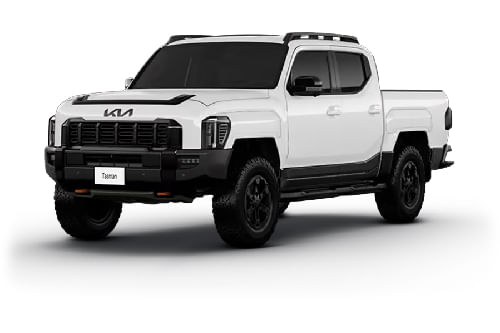
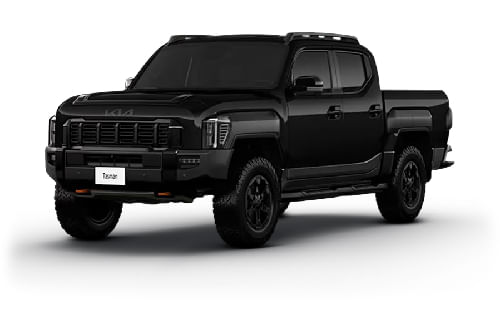
KIA Tasman: New Market Entry
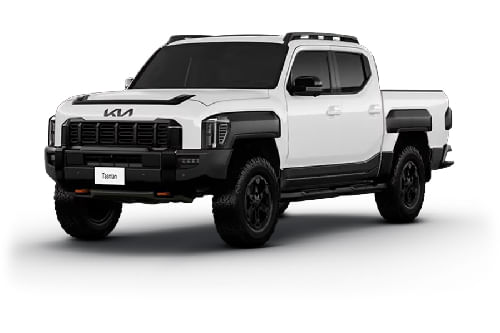
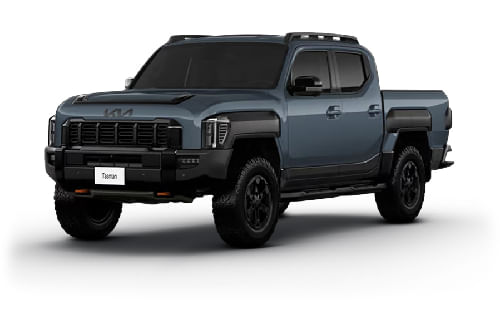
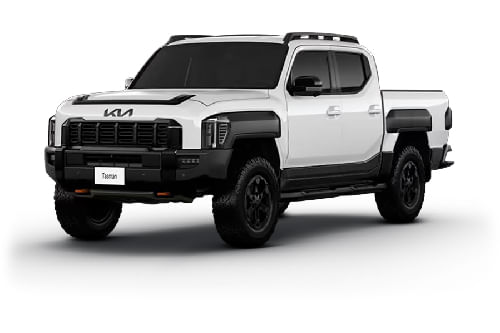
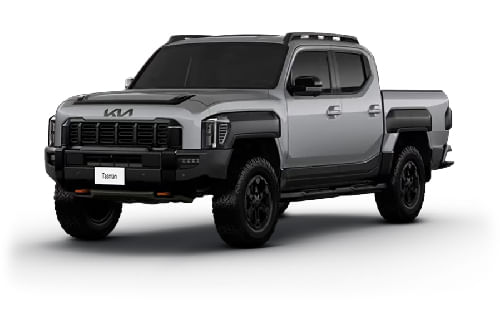
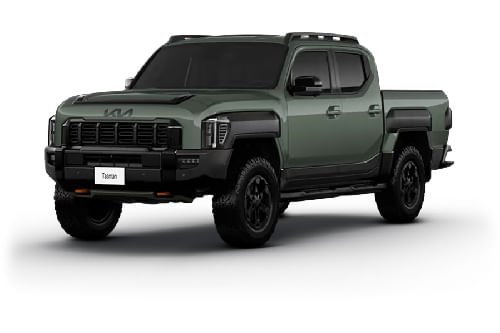
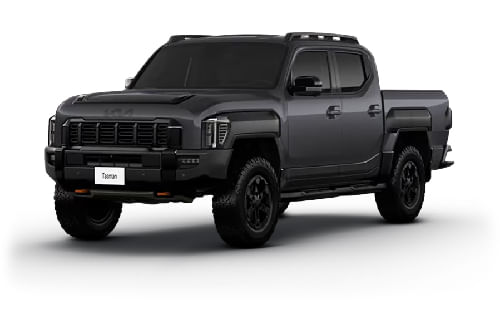
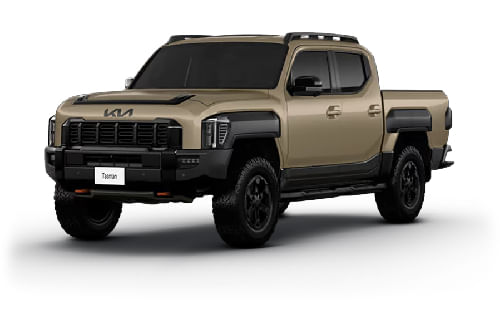
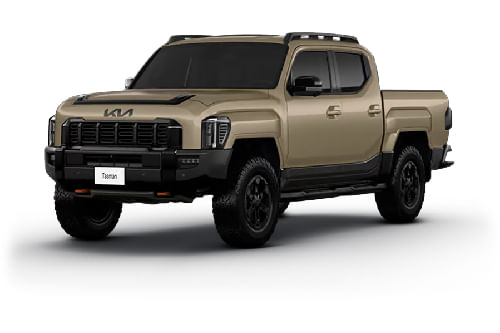
The launch of Tasman in late 2024 marks the Korean brand's entry into the pickup truck market. Given the growing demand, Kia wanted to grab a piece of this market. The Tasman is on the premium side, with prices ranging between SAR 127,900 and SAR 203,390. It comes in both petrol and diesel options.
Fuel Economy: The highly powerful 2.2L diesel gives 8-9 L/100 km mileage, expectedly, as you get more power but less efficiency. The payload capacity is 1,000 kg, and it can tow up to 3,500 kg.
Dealer Support: Kia is a well-recognized brand in KSA and also has an extensive network of dealers across major and mid-size cities. Similarly, the availability of parts is excellent for Kia's car lineup, but Tasman-specific inventory is still being built, which is likely to get better.
Service: This is a premium pickup, and so you can expect an average cost of SAR 400-600 for standard maintenance with a competitive 5-year/100,000 km warranty.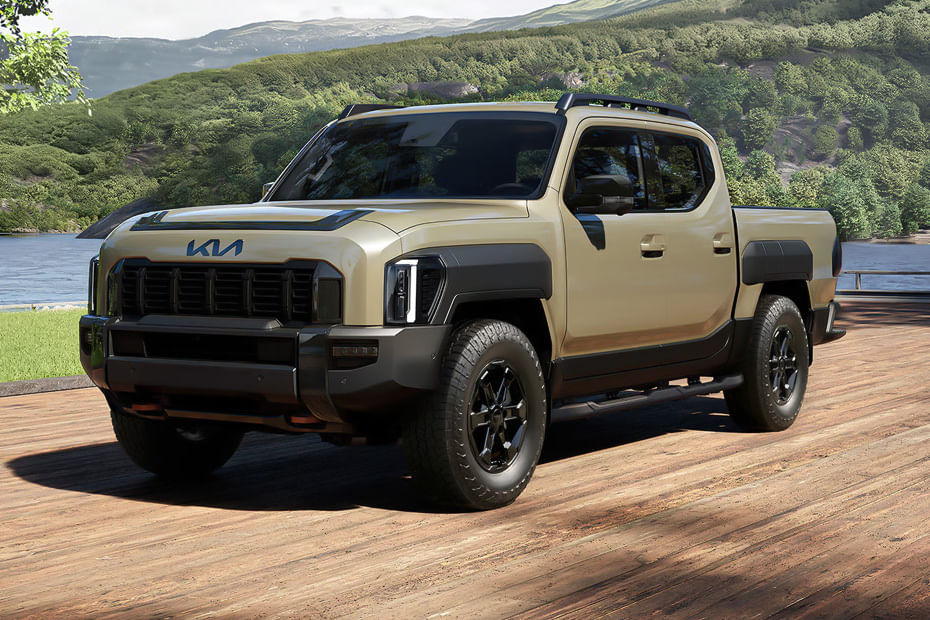
Unknown Factors: Long-term reliability is unproven since it has just been a year in the market. Also, it's brand new and KIA's first pickup, so the resale value is yet to be established in the market.
Here is a quick comparison between the Two Best Pickups for Saudi Roads in 2025: Toyota Hilux vs Isuzu D-Max.
Fuel Economy Comparison
|
Model |
Engine |
Claimed Fuel Economy |
Real-World Business Use |
Annual Fuel Cost (40,000 km) |
|
2.4L Diesel |
8.0 L/100km |
8-9 L/100km |
SAR 5,300-6,000 |
|
|
3.0L Diesel |
8.5 L/100km |
8-9 L/100km |
SAR 5,300-6,000 |
|
|
2.4L Diesel |
8.8 L/100km |
9-10 L/100km |
SAR 6,000-6,600 |
|
|
1.9L Diesel |
9.4 L/100km |
10-11 L/100km |
SAR 6,600-7,300 |
|
|
2.2L Diesel |
8.5 L/100km |
8-9 L/100km |
SAR 5,300-6,000 |
Based on the diesel price of SAR 1.66 per liter
Dealer Network
|
Brand |
National Coverage |
Parts Availability |
Service Quality Consistency |
Fleet Service Programs |
|
34 locations across 21 cities |
140,000+ parts stocked nationally |
Standardized training nationwide |
Dedicated fleet services, discounts |
|
|
Major cities are adequately covered |
Acceptable, slower in remote areas |
Varies by location |
Moderate infrastructure |
|
|
Major cities are adequately covered |
Acceptable availability |
Varies by location |
Limited programs |
|
|
Limited to primary markets |
Acceptable, slower remotely |
Varies more in smaller cities |
Dedicated fleet services, advisors |
|
|
Limited to primary markets |
Struggles with supply chains |
Higher variation |
No proper infrastructure |
Special Considerations for Different Business Types
Construction and mining: The ideal choices are the Hilux and D-Max due to their durability. These pickups are capable of handling tough jobs at demanding sites. A stronger dealer network allows for quick repairs and minimizes downtime. The extra 5,000-10,000 SAR purchase premium is not a big deal considering their assured performance, especially when looked at from the point of view of avoiding one week of rental vehicle costs.
Agricultural operations: In these operations, what matters most is payload and reliability rather than refinement. And the best choices are the D-Max and L200, as both offer greater value. The lower initial purchase costs free capital for other equipment. Fuel economy matters less for short-distance farm use.
Service and maintenance companies: These are mostly city-centric operations, and so the Hunter or Tasman could be a better choice. Lower acquisition costs help when building fleets, and the closely located service proximity in major cities reduces support concerns.
Logistics and delivery: These operations often cover longer distances, making fuel economy and reliability crucial. The daily high-mileage use enhances cost differences. Here you can select either Hilux or D-Max, as both excel in these operating requirements. The fuel savings and reduced downtime justify higher purchase prices.
Mixed-use fleets: Businesses with varied applications benefit from Toyota's resale value.
Conclusion
For most Saudi businesses, the Toyota Hilux remains the safest choice despite higher purchase costs. It has been around for decades and has a proven track record of performance in the industry. The trust factor automatically works in its favor. Hence, it is no surprise to find that it dominates the segment with undisputed leadership without any serious challenge. However, in recent years, the pickup segment has expanded with some worthy options; they may not be better than the Hilux, but they certainly come with their own advantages. Before you make a decision, carefully consider all the options against your cost and operational needs, including factors like purchase price against fuel costs, maintenance predictability, dealer proximity, and resale value over your planned ownership period. Check out the Car Maintenance Guide for Saudi Drivers.
Dinesh Goluguri

With over 15 years of experience in the automotive world, Dinesh Goluguri bringing hands-on experience and deep market knowledge. Passionate about SUVs, sports cars and luxury vehicles, he combines enthusiasm with expertise in delivering insights that resonate with car buyers and enthusiasts alike. With a special interest in car modifications and upgrades, Dinesh offers a unique perspective that goes beyond standard reviews, highlighting both factory features and customization potential. His work helps readers navigate new launches, features and trends in the dynamic automotive market.
Read Full Bio-
Explore Changan Hunter
-
-
Explore Isuzu D-Max
-
-
Explore KIA Tasman
-
-
Explore Mitsubishi L200
-
-
Explore Toyota Hilux
-









-
Isuzu D-Max -
Isuzu Mu-X
- News

- Popular
-
 Isuzu Mu-XSAR 123,050 - 145,000
|
|
|
|
|
|
Transmission Type
Manual
|
Manual
|
Manual
|
Manual
|
Manual
|
|
Engine Displacement
2498
|
2500
|
2398
|
1498
|
2798
|
|
Power
136Hp@3400Rpm
|
140Hp
|
147Hp@3400rpm
|
95Hp@5600rpm
|
201Hp@3400rpm
|
|
Torque
-
|
315Nm
|
343Nm@1400-2800rpm
|
135Nm@4400rpm
|
450Nm@2400-3000rpm
|
|
|
- Latest
- Upcoming
- Popular
-
 Toyota TundraPrice coming soon
 -
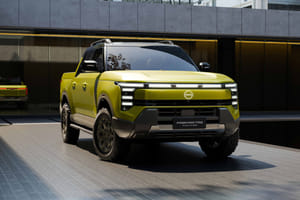 Nissan Frontier ProPrice coming soon
 -
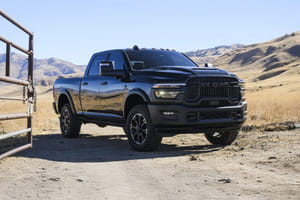 RAM 2500 2026Price coming soon
 -
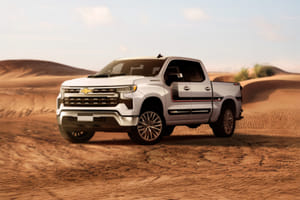 Chevrolet SilveradoPrice coming soon
 -
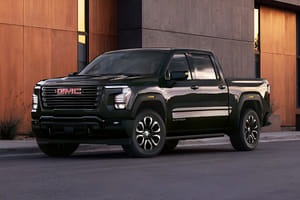
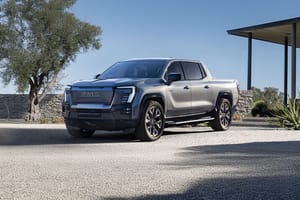 GMC SIERRA EVPrice coming soon
 -
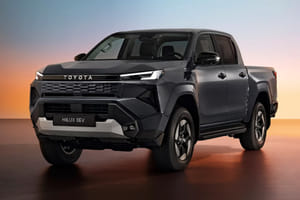 Toyota Hilux BEVPrice coming soon
-
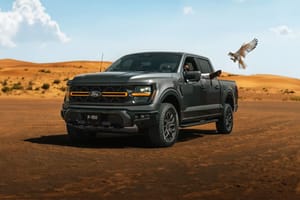 Ford F 150SAR 171,063 - 299,058
 -
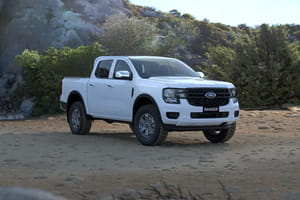 Ford RangerSAR 190,000
 -
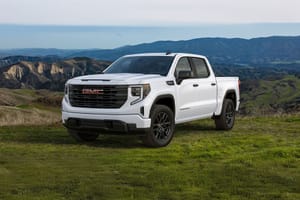 GMC Sierra LDSAR 189,500 - 327,400
 -
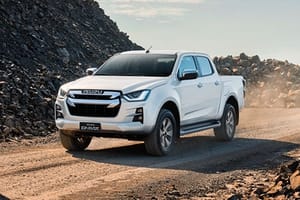 Isuzu D-MaxSAR 69,000 - 138,000
 -
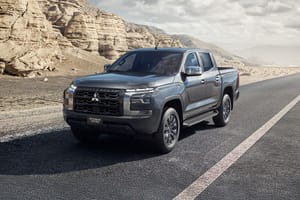 Mitsubishi L200SAR 72,890 - 141,755
 -
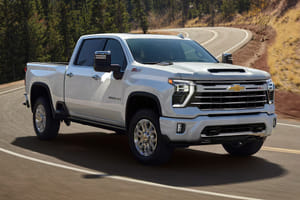 Chevrolet Silverado HDSAR 220,800 - 278,500