Chevrolet Captiva 2026: What's Changed for Chevrolet's Compact SUV in Saudi Market

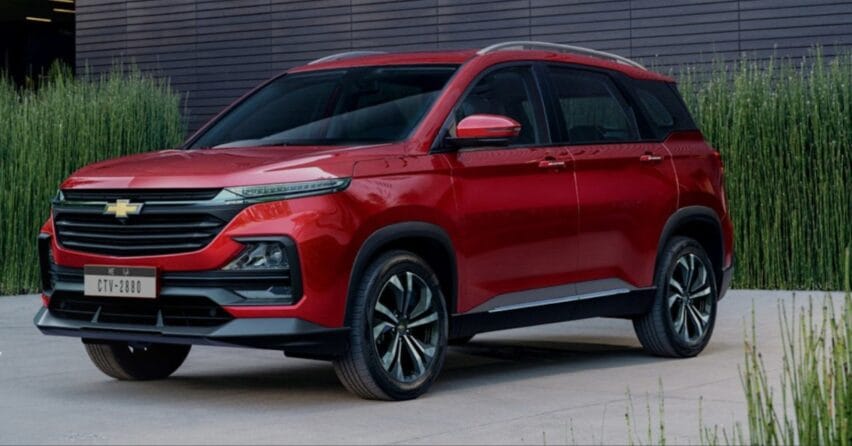
The Chevrolet Captiva continues into the 2026 model year as a familiar, value-focused option in Saudi Arabia’s highly crowded and fiercely competitive compact SUV segment. While it is not a complete redesign, it has been given some key updates compared with earlier Captiva versions in the 2026 Chevrolet Lineup. Designed with a focus on family, it has a spacious cabin, an upmarket interior, seating flexibility, and hassle-free ownership over high performance or premium features in the segment. Even with this minor facelift, the overall value remains largely unchanged, with the Captiva mainly promising practicality, simple technology, and compelling pricing to attract buyers upgrading from smaller cars.
KEY TAKEAWAYS
What are the top three highlights of the Captiva 2026?
It has seven seats, a low starting price, and a new 5-year/150,000 km warranty.What powertrain does the Captiva use?
A 1.5-litre turbo petrol engine with CVT, front-wheel drive, and 144 hp output.Chevrolet has made some much-needed updates to enhance ownership confidence rather than reinventing the vehicle. To take on highly popular rivals in the segment, the Captiva’s appeal hinges on whether its affordability and spaciousness outweigh its lack of exciting features or long-term resale concerns. Here is what you need to know about this latest SUV if you’re considering one.
What Actually Changed for 2026
Looking at the general industry standard for facelifts or upgrades, it is notable that the 2026 Captiva is essentially the same vehicle as the 2024–2025 model, with one meaningful update and some trim adjustments.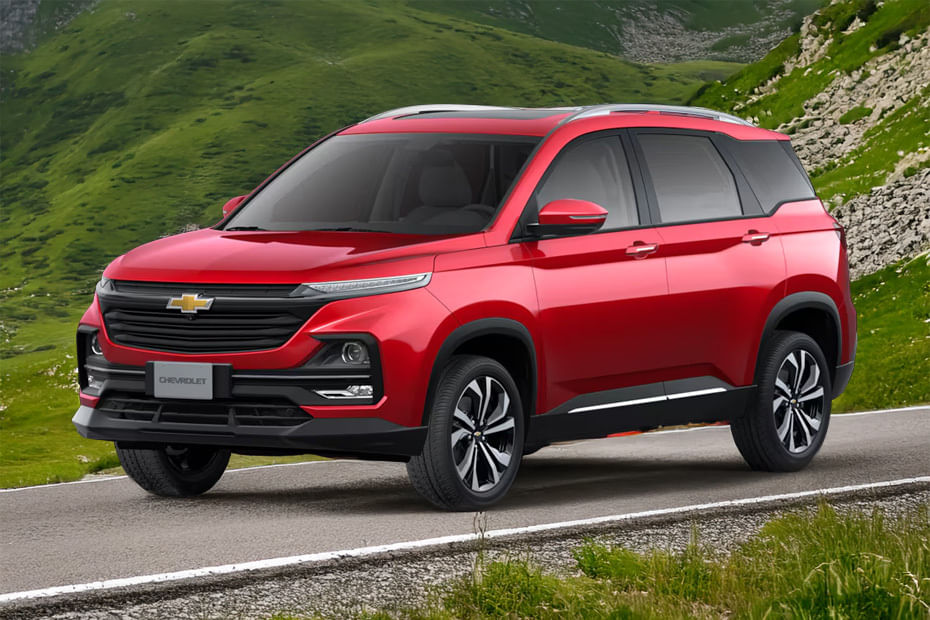
5‑year warranty: This is the big news for most buyers in this segment. Chevrolet now offers a 5‑year/150,000 km warranty and 5‑year roadside assistance. Previously, it was 3 years/100,000 km, and comparatively, this is a big boost, making buyers trust the brand more for hassle‑free ownership. A longer warranty certainly helps offset depreciation concerns, but only if you’re keeping the car long‑term.
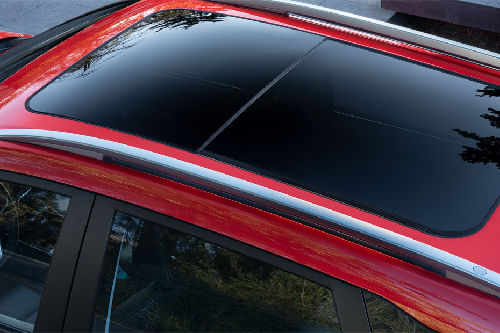
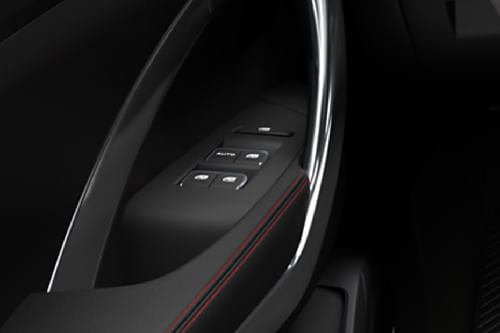
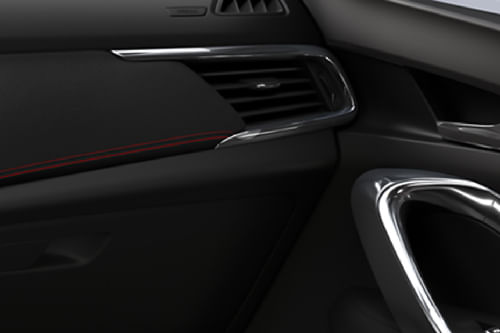
Midnight Edition continues: The Premier Midnight Edition remains available with its black grille, two‑tone roof, red accents, and black leatherette interior with red stitching. It’s purely cosmetic but looks better than the standard Premier.
Same, unchanged: The pricing structure stayed roughly flat. LS starts at SAR 76,300, LT at SAR 92,100, and Premier at SAR 88,200. The Midnight Edition adds a premium on top of Premier pricing.
No mechanical changes: The SUV has the same 1.5L turbo engine, the same CVT, and the same chassis. If you drove a 2024 Captiva, the 2026 feels identical.
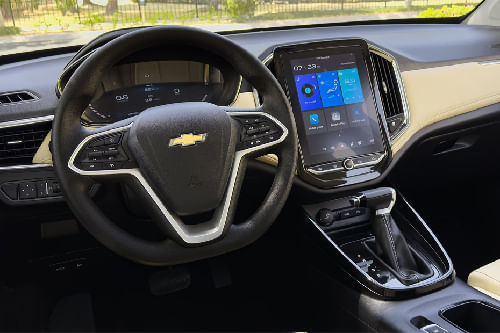
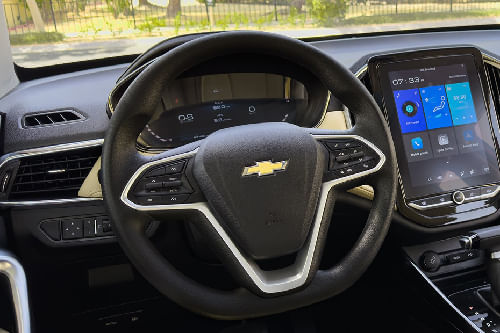
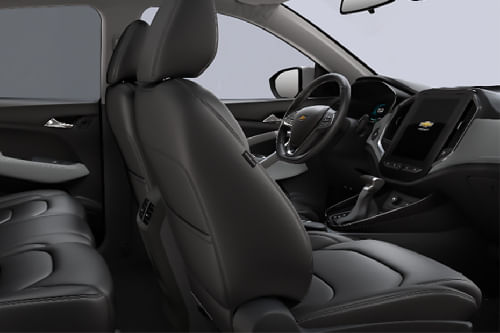
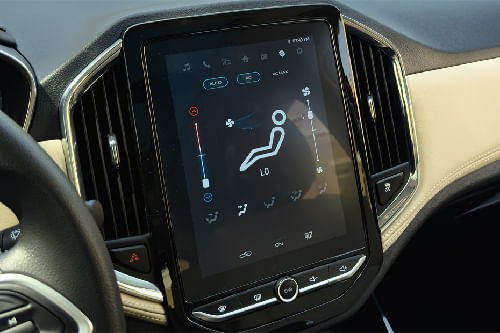
Interior tech is the same: it still uses the 10.4‑inch touchscreen system from 2024. There are no software updates or new features. Apple CarPlay and Android Auto work fine, but the interface feels dated compared to newer systems from Hyundai and Kia.
Exterior
- Gentle and friendly design that blends easily into traffic
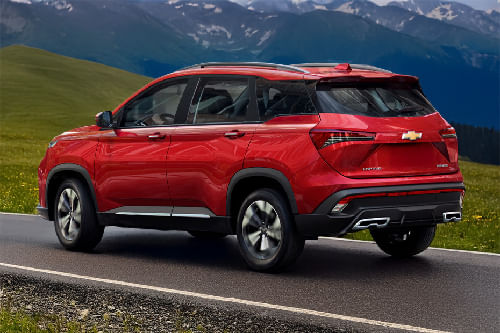
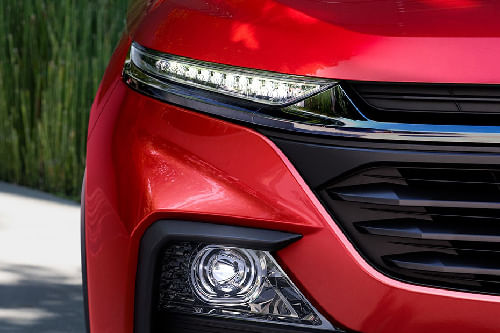
- Honeycomb front grille with light chrome detailing
- LED daytime running lights standard across the range
- Mix of halogen and LED headlights
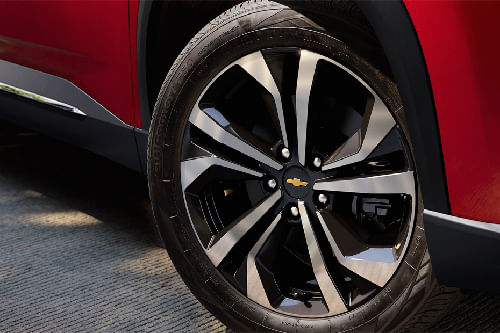
- Standard alloy wheels that look fine but not sporty
- Body lines are clean and functional, without strong visual character
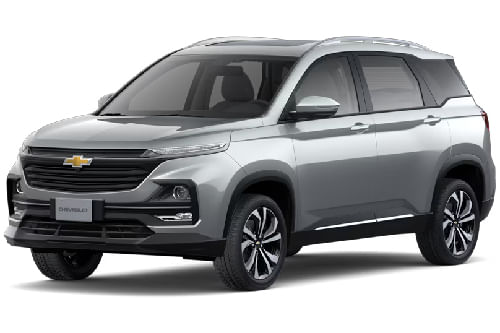
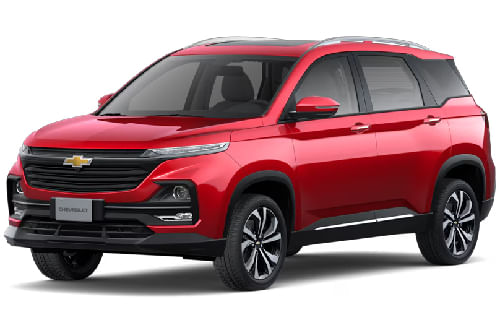
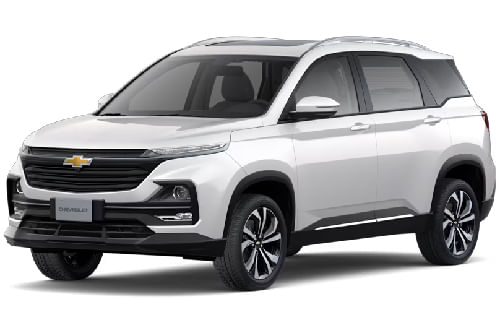
- Multiple colour choices available to suit family‑focused buyers
- The optional Midnight Edition provides darker exterior elements and contrasting accents, giving the Captiva a more distinctive road presence

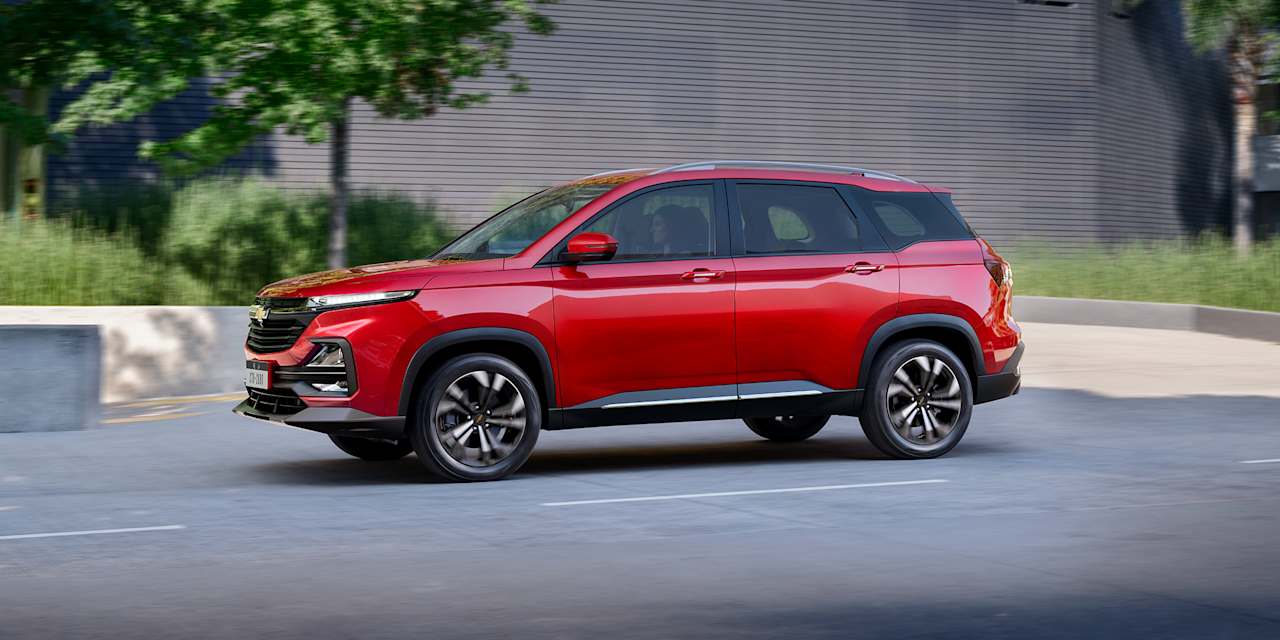
It is quite noticeable that the Captiva’s overall build quality appears quite reasonable for the price. Although some may feel it, the materials and finishes appear less premium than key Japanese and Korean rivals.
Interior
- Cabin emphasis on space and practicality over design flair
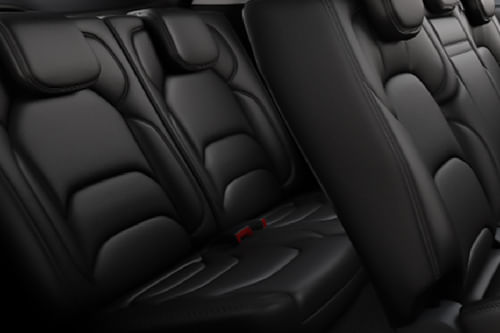
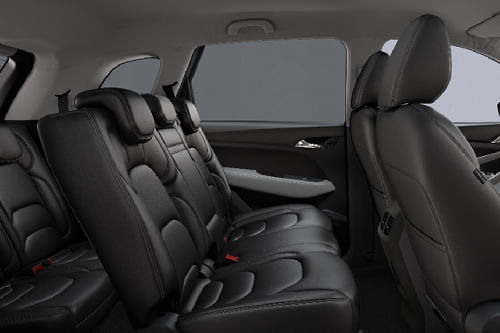
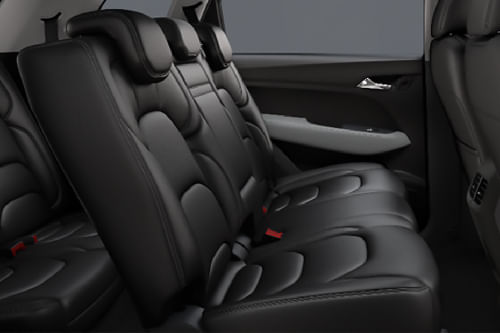
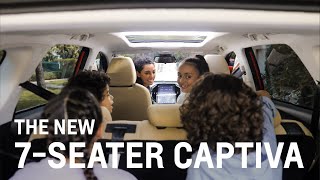
- The seven‑seat layout is standard, which makes it perfect for families
- The second row has generous space for adult comfort; the third row works best for children or short journeys
- Flexible seating enhances cargo space when rear rows are folded
- Materials are functional rather than luxurious, with durability taking priority
- Higher‑spec versions improve the cabin ambience with better finishes and leatherette upholstery
- Leatherette seating in darker themes is more practical for hot climates
- Storage options and ergonomics are acceptable, though not class‑leading
Once you are inside, you get a fresh vibe of a spacious cabin with decent material quality and upscale comfort, with an absolute focus on usability and value rather than a premium feel.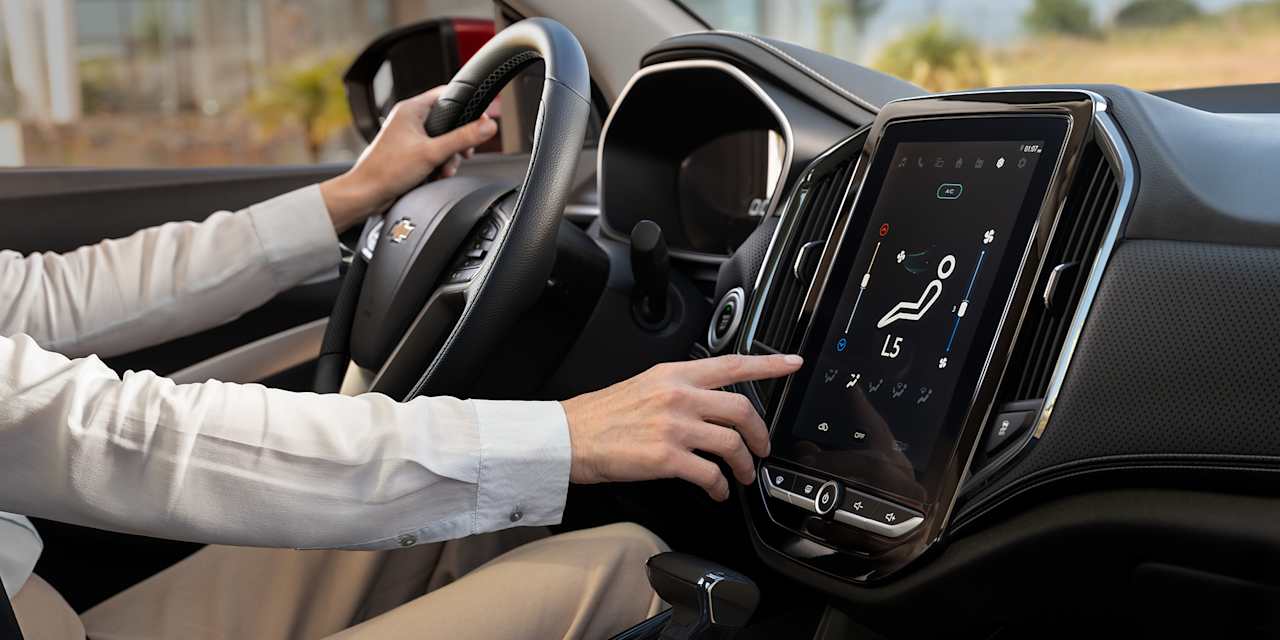
Interior tech breakdown
- 10.4‑inch touchscreen in all variants, which is responsive but may confuse some with the menu layout. The brand needs to make it easier and more seamless.
- Apple CarPlay and Android Auto standard: wireless on LT and Premier, wired on LS
- USB ports: one in front, one in the second row, none in the third row
- Climate control: manual on LS, automatic on Premier
- Audio: 4 speakers on LS, 6 speakers on LT and Premier
Many families will find the space inside the cabin and in the boot of this SUV just fine. Frankly, the centre console is shallow, the door pockets are narrow, and the cupholders are positioned awkwardly. These small ergonomic issues are likely to be noticed by most buyers.
|
Feature |
LS |
LT |
Premier |
|
Seats |
Cloth (Black) |
Cloth (Black) |
Fabric (Beige) |
|
Infotainment |
10.4-inch screen |
10.4-inch screen |
10.4-inch screen |
|
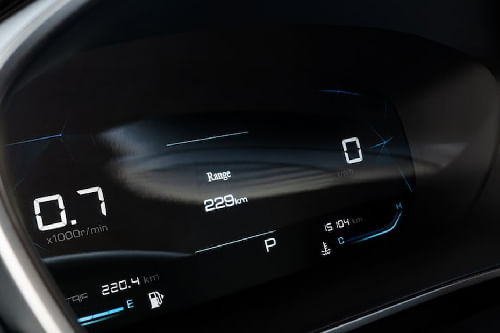
Driver Display |
3.5-inch |
3.5-inch |
7-inch |
|
Sunroof |
No |
Yes |
Yes |
|
Start Button |
No |
Yes |
Yes |
|
Climate |
Manual |
Manual |
Automatic |
|
Speakers |
4 |
6 |
6 |
|
Airbags |
4 |
6 |
6 |
Safety
- Safety is covered by basic requirements rather than advanced systems.
- Four airbags standard on entry versions, focused on front occupant protection
- Higher variants get more airbag coverage (side and curtain)
- Rear camera, cruise control, stability control, ABS, and tyre pressure monitoring are included
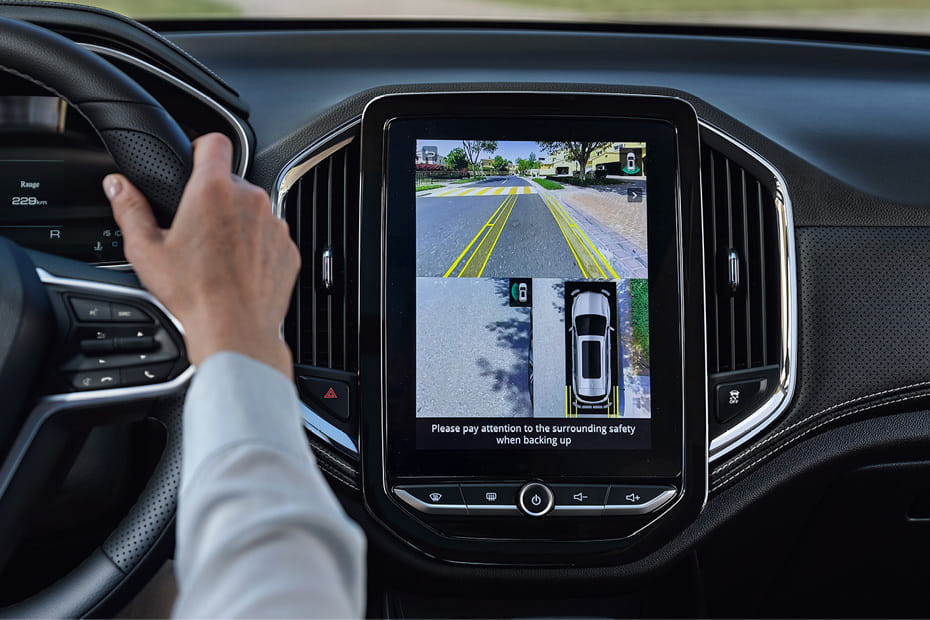
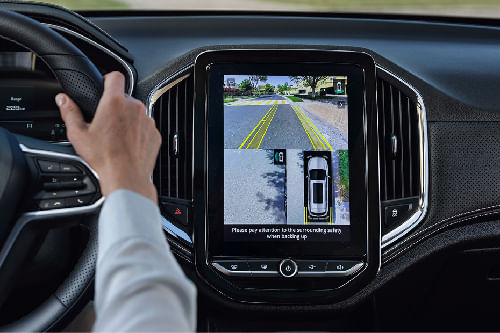
- Top variants add parking assistance features, including a surround‑view camera and front sensors
- Advanced driver‑assistance systems are not offered, a big miss for many buyers:
- No blind‑spot monitoring, lane‑keeping assist, adaptive cruise control, or automatic emergency braking
- Rear cross‑traffic alert is also not available
- The body structure is marketed as high‑strength steel, but official crash test ratings for the Saudi market are not published.
- No independent crash performance data is currently available.
- ISOFIX child‑seat anchors are provided in the second row.
- Third‑row seating does not offer ISOFIX, limiting flexibility for families with multiple child seats.
Powertrain
The 1.5L turbocharged four‑cylinder engine promises enough power for family duties in the Captiva, but it falls short on excitement. At this price point, you can’t really expect everything. Acceleration feels easy at around 12 seconds for 0–100 km/h and feels slow compared to what you are used to these days. The CVT transmission suits gentle cruising yet drones unpleasantly under hard acceleration, with well‑known durability concerns compared to traditional automatics.
|
Details |
Performance Details |
Comparisons |
|
Power & Torque |
144 hp, 230 Nm |
Enough for daily use; rivals like Creta offer more punch |
|
Acceleration |
0-100 km/h in ~12 seconds |
Leisurely; modern rivals hit 9-10 sec |
|
Fuel Economy |
14-15 km/L (mixed, per owners) |
Competitive but not class-leading |
|
Transmission |
CVT (FWD only) |
Droney under load; less durable than torque converters |
You will feel that the Captiva’s ride quality leans soft for highway comfort, though it gets shaky in corners with numb, light steering; this is a family SUV that is not your typical driver’s car. Front‑wheel drive works fine on most of Saudi Arabia’s city roads and urban highways, but skip it for regular desert off‑roading; no AWD option limits versatility there.
What Buyers Need to Consider
If you’re buying for 5+ years: The Captiva makes financial sense. Monthly payments will be lower than a Tucson or X‑Trail, which are slightly premium options. The warranty covers most issues, and depreciation matters less if you’re driving it into the ground.
If you’re buying for 2–3 years: Depreciation is a key factor that is going to cost you a lot, losing nearly SAR 10,000–15,000 more than you would with a Japanese competitor. Take a closer look at the numbers before you make a final decision.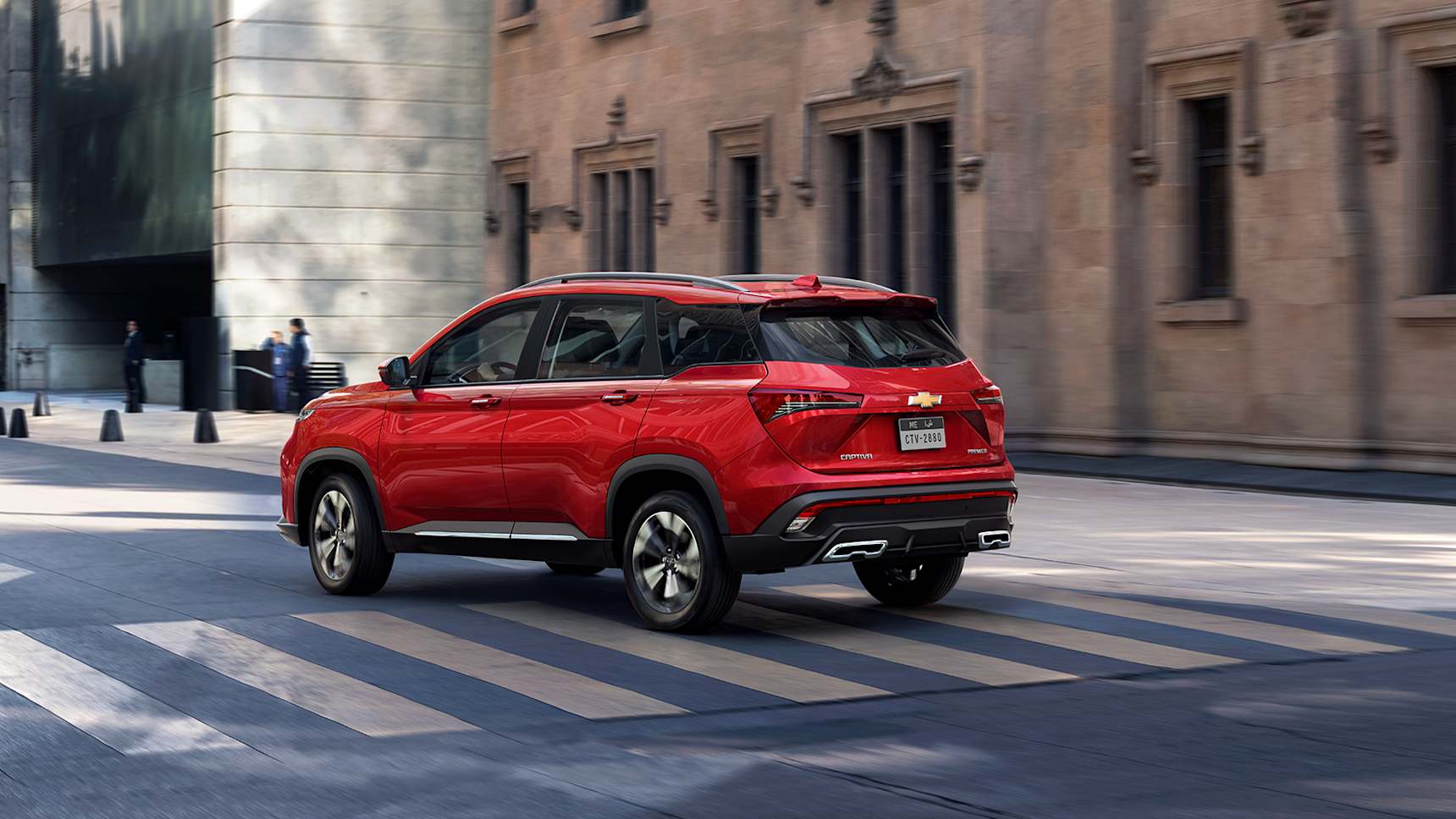
If you have small kids: Seven seats are genuinely useful. The Captiva offers ample space for its price. But the third row isn’t comfortable for extended trips and lacks ISOFIX.
If you live outside major cities: Factor in service accessibility. A warranty is only valuable if you can actually go to a service centre when it breaks.
If resale value matters: Buy Japanese or Korean options; they may cost you more upfront but pay off when you sell.
Conclusion
A deep dive on the 2026 Captiva reveals that this three‑row SUV has some cosmetic changes but not a complete overhaul from its 2024 model. The 5‑year warranty is the only substantial change. Everything else, be it engine, transmission, tech, or styling, was just the same and carried over.
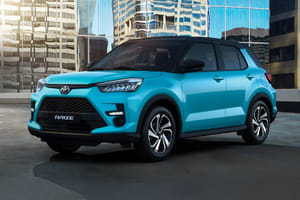
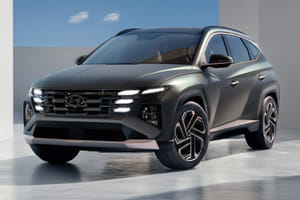
With a price range of SAR 76,300 to SAR 92,200, it provides more space than most competitors at similar prices, even New upcoming Chinese SUVs. For families who want seven seats on a budget, it serves that purpose. But it’s not a better vehicle than the X‑Trail or Tucson, or the more affordable options like the Nissan Kicks or Toyota Raize. Buyers who prefer a spacious, three‑row car that is reliable and has a longer warranty and want to own it long‑term may find it the best choice on a budget without spending a lot.
Dinesh Goluguri

With over 15 years of experience in the automotive world, Dinesh Goluguri bringing hands-on experience and deep market knowledge. Passionate about SUVs, sports cars and luxury vehicles, he combines enthusiasm with expertise in delivering insights that resonate with car buyers and enthusiasts alike. With a special interest in car modifications and upgrades, Dinesh offers a unique perspective that goes beyond standard reviews, highlighting both factory features and customization potential. His work helps readers navigate new launches, features and trends in the dynamic automotive market.
Read Full Bio-
Explore Chevrolet Captiva
-

-
Chevrolet Groove -
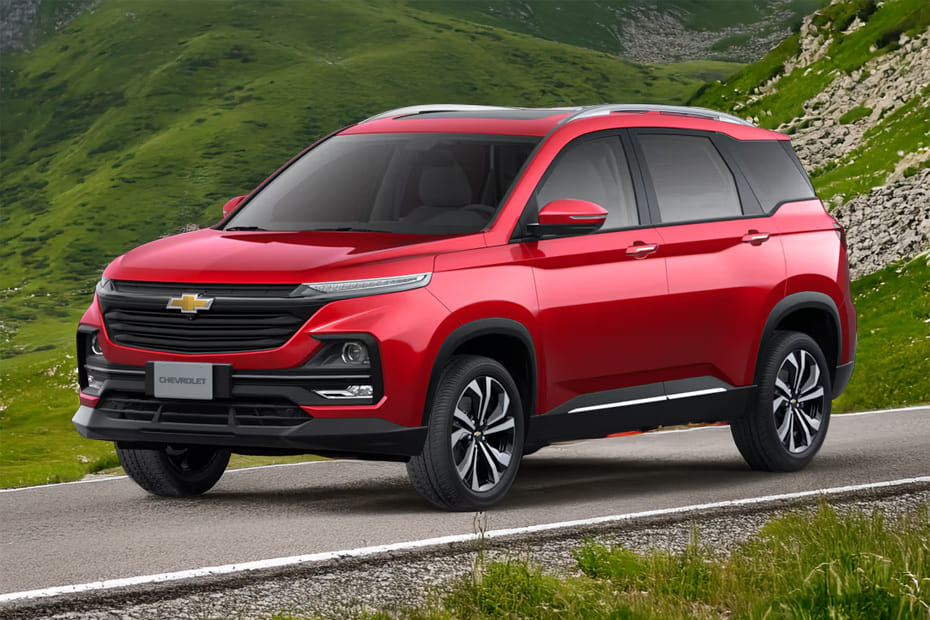
Chevrolet Captiva -
Chevrolet Silverado HD -
Chevrolet Suburban -
Chevrolet Corvette ZR1 -
Chevrolet Captiva PHEV -
Chevrolet Captiva EV -
Chevrolet Cruze -
Chevrolet Corvette Zora -
Chevrolet Corvette Stingray -
Chevrolet Corvette Z06 2026 -
Chevrolet Silverado
- News
- Latest
- Popular
-
 Chevrolet SilveradoPrice coming soon
 -
 Chevrolet Corvette ZoraPrice coming soon
 -
 Chevrolet Corvette StingrayPrice coming soon
 -
 Chevrolet Corvette Z06 2026Price coming soon
 -
 Chevrolet Corvette ZR1SAR 972,100 - 1.01 Million
 -
 Chevrolet Captiva EVSAR 113,000 - 122,100
-
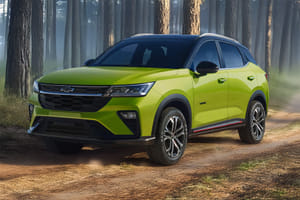 Chevrolet GrooveSAR 73,700 - 85,200
 -
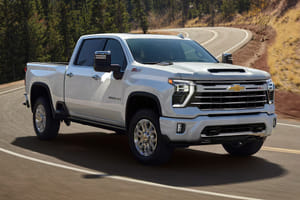 Chevrolet Silverado HDSAR 220,800 - 278,500
 -
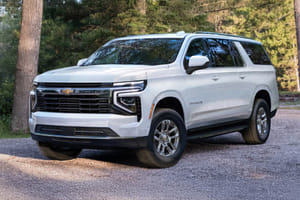 Chevrolet SuburbanSAR 266,400 - 370,600
 -
Chevrolet Corvette ZR1SAR 972,100 - 1.01 Million
-
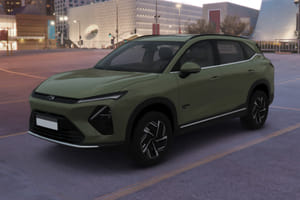 Chevrolet Captiva PHEVSAR 104,900 - 109,900

-
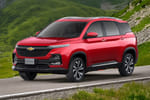
 Chevrolet Captiva11 May, 2026 .
|
|

|
|

|
|
Transmission Type
Automatic
|
Automatic
|
Automatic
|
Automatic
|
Automatic
|
|
Engine Displacement
1498
|
1490
|
1498
|
1498
|
1498
|
|
Power
144Hp
|
168Hp
|
154hp@5500rpm
|
104Hp@6000rpm
|
159Hp
|
|
Torque
-
|
285Nm
|
230Nm@1750-4000rpm
|
138Nm@4200rpm
|
-
|
|
|
- Latest
- Upcoming
- Popular
-
 KIA EV2SAR 148,000
 -
 Toyota CenturyPrice coming soon
 -
 Jeep Grand Cherokee 2026Price coming soon
 -
 ZEEKR 9XPrice coming soon
 -
 Mitsubishi PajeroPrice coming soon
 -
 Hyundai Ioniq 9Price coming soon
-
 Land Rover Range RoverSAR 591,500 - 1.3 Million
 -
 GMC HUMMER EVSAR 579,200 - 725,500
 -
 Hyundai PalisadeSAR 242,305 - 242,368
 -
 Changan UNI-KSAR 141,335
 -
 Toyota RaizeSAR 68,827 - 75,497
 -
 Hyundai TucsonSAR 103,500 - 162,552