Exploring Toyota Corolla 2026's Powertrains

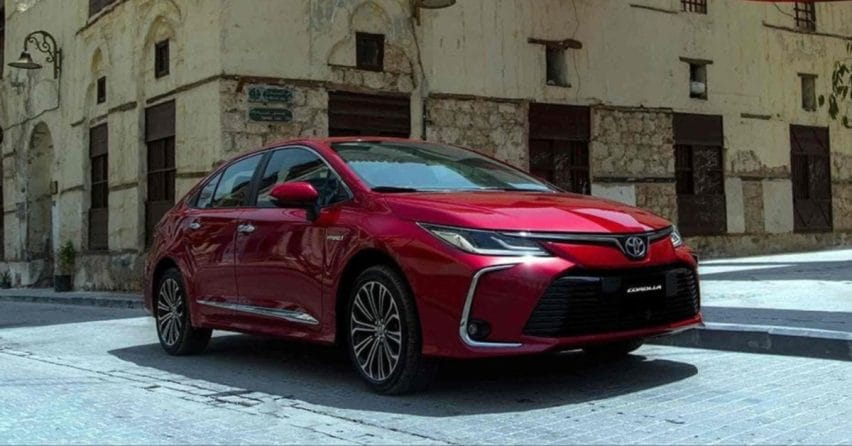
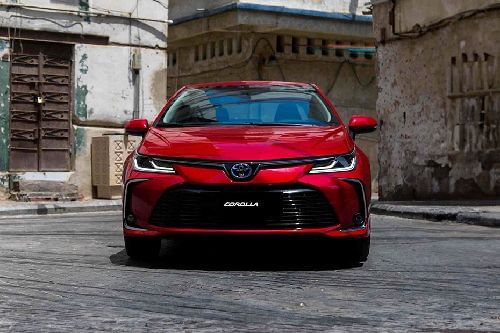
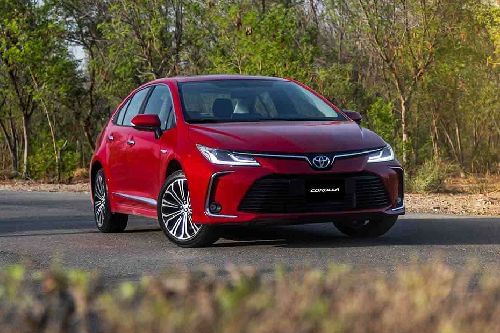
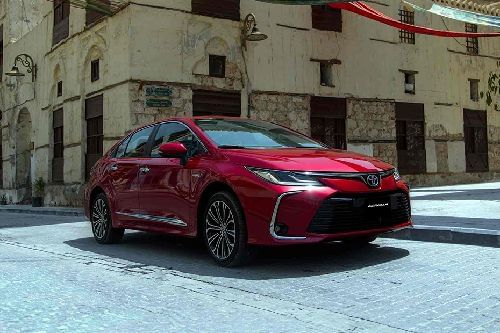
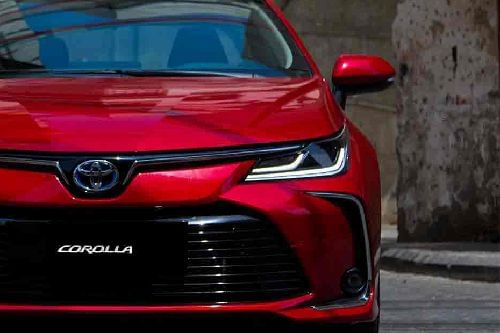
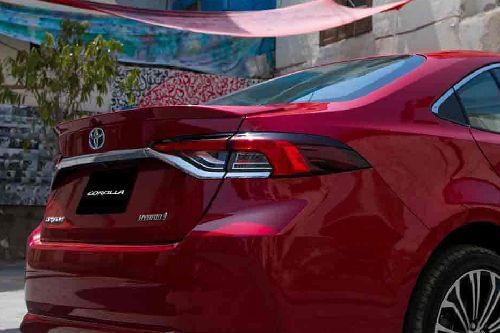
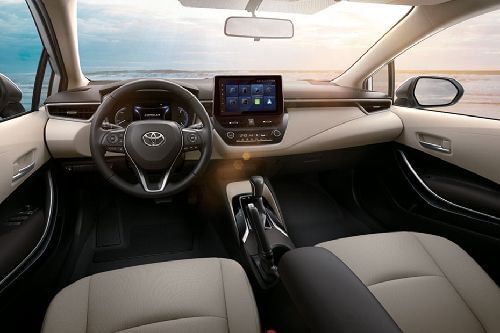
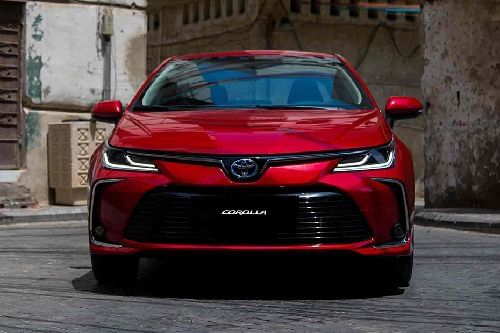
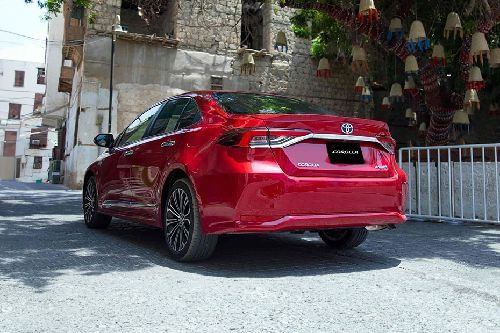
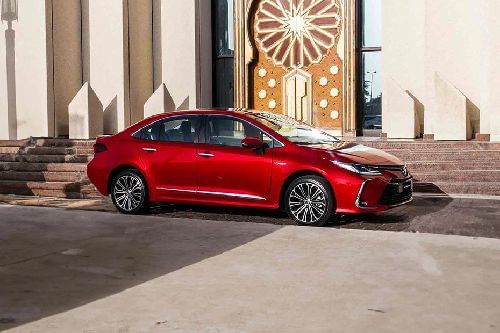
Saudi Arabia: The Toyota Corolla compact sedan is one of the most recognised cars on Saudi roads. This reliable family sedan i is available in three engine choices in the different variants and three engine choices: 1.5L, 1.8L Hybrid, and 2.0L.
KEY TAKEAWAYS
What are the engine options for the Toyota Corolla 2026?
The Corolla 2026 offers 1.5L (119 hp), 2.0L (168 hp), and 1.8L Hybrid (121 hp combined) engines.Is the Corolla Hybrid worth it in KSA?
Yes, the hybrid saves SAR 10,200 yearly in fuel costs, recovering the premium in 5-6 months for city drivers.The Engine Breakdown
- 1.5L 3-cylinder: 119 hp, 148 Nm, 19.3 km/l
- 2.0L 4-cylinder: 168 hp, 200 Nm, 20.3 km/l
- 1.8L Hybrid: 121 hp combined, 142 Nm, 30.3 km/l
The power numbers are not necessarily the full or important story of this sedan, but the fuel economy is. At SAR 2.33/litre for 91 octane, the hybrid's 30.3 km/l versus the 2.0L's 20.3 km/l creates an SAR 850-1,100 monthly saving for a driver covering 2,500 km. That's SAR 10,200-13,200 yearly, which is a significant amount of money. 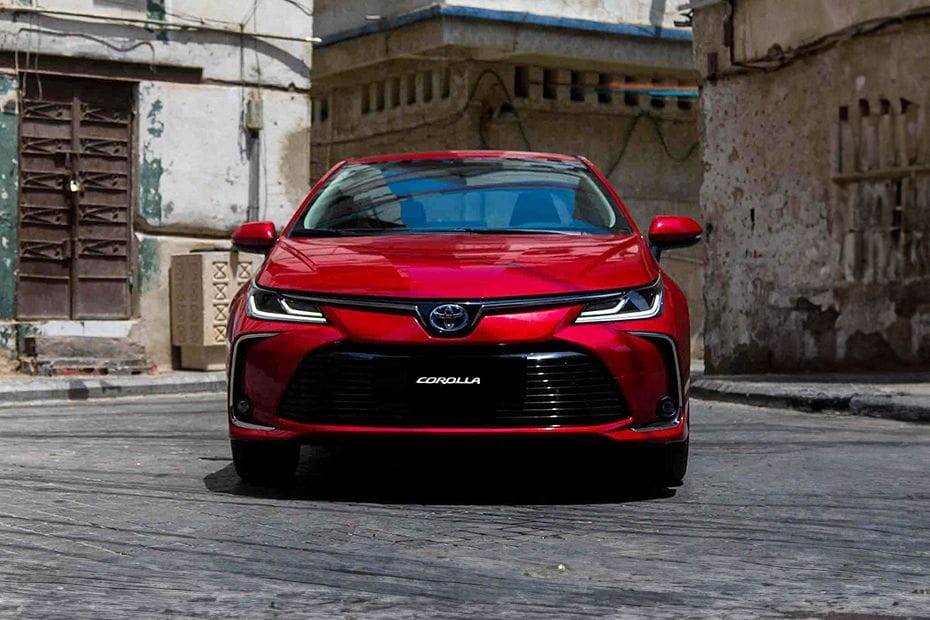
The Hybrid
The 1.8L Hybrid costs SAR 88,780, and the 2.0L XLI costs SAR 83,605. You pay SAR 5,175 more for hybrid. With SAR 11,000 in yearly fuel savings, you recover the hybrid premium in 5–6 months. Every month after that is pure savings. This calculation assumes real-world city driving. The highway-only drivers see smaller gaps. But how many Riyadh or Jeddah drivers spend their days on highways? The stop-and-go reality favors the hybrid dramatically.
How the Hybrid Works
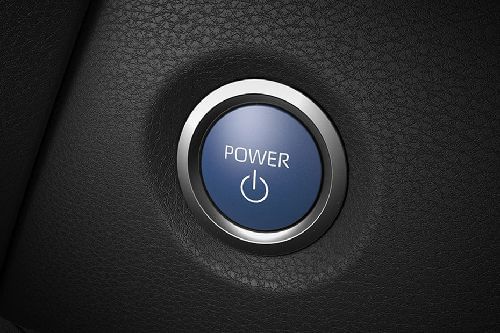
The 1.8L uses Toyota's proven E-CVT system and has a petrol engine, electric motor, and small battery. At low speeds or when stopped in traffic, the electric motor runs alone. It offers zero fuel consumption and emissions, with silent operation.
When you need power, merging onto highways or overtaking, both the petrol engine and electric motor work together. The transition is seamless, and there is hardly any noticeable switch. The battery charges during braking and deceleration; that means no plug-in charging or range anxiety. You drive it like any normal car.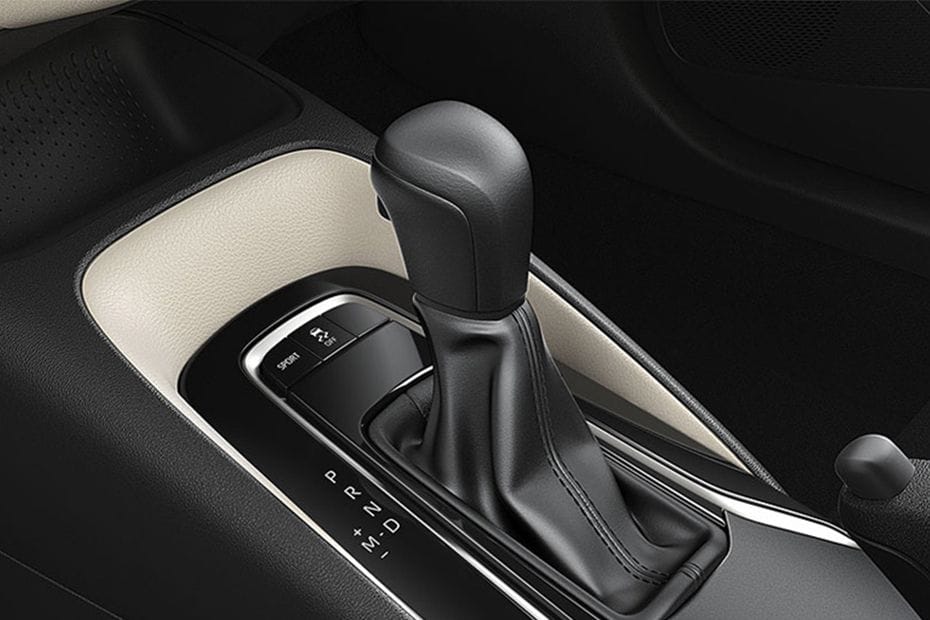
The CVT Transmissions
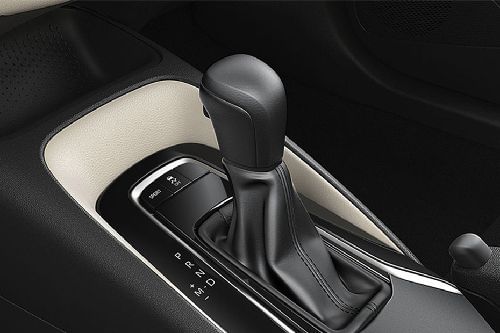
The 1.5L and 2.0L use regular CVT with 10-speed manual sequential mode. These work fine for daily driving. Smooth and responsive enough, not exciting but not terrible either. Nothing exciting, nothing terrible. The hybrid's E-CVT is different. It's simpler mechanically with fewer parts to fail. The power delivery feels more linear, and some drivers find it more refined.
Real-World Performance
The 1.5L with 119 hp feels indeed adequate in the city but underpowered on highway overtakes. The 2.0L with 168 hp provides better acceleration but won't thrill anyone. The hybrid with 121 hp combined sits between them on paper but delivers instant electric torque at low speeds, making city driving feel more responsive.
If you drive under 1,500 km monthly or mostly on highways, skip the hybrid; the math doesn't work. But for typical Saudi city drivers covering 2,000-3,000 km monthly, the 1.8L Hybrid pays for itself fast and keeps saving money. The power difference? Negligible in daily driving.
Also Read: The Nissan Pathfinder's Performance in Saudi Arabia
Dinesh Goluguri

With over 15 years of experience in the automotive world, Dinesh Goluguri bringing hands-on experience and deep market knowledge. Passionate about SUVs, sports cars and luxury vehicles, he combines enthusiasm with expertise in delivering insights that resonate with car buyers and enthusiasts alike. With a special interest in car modifications and upgrades, Dinesh offers a unique perspective that goes beyond standard reviews, highlighting both factory features and customization potential. His work helps readers navigate new launches, features and trends in the dynamic automotive market.
Read Full Bio-
Explore Toyota Corolla
-


-
Toyota Raize -
Toyota Fortuner -
Toyota Yaris -
Toyota Land Cruiser 70 Hard Top -
Toyota RAV4 2026 -
Toyota Urban Cruiser -
Toyota Camry -
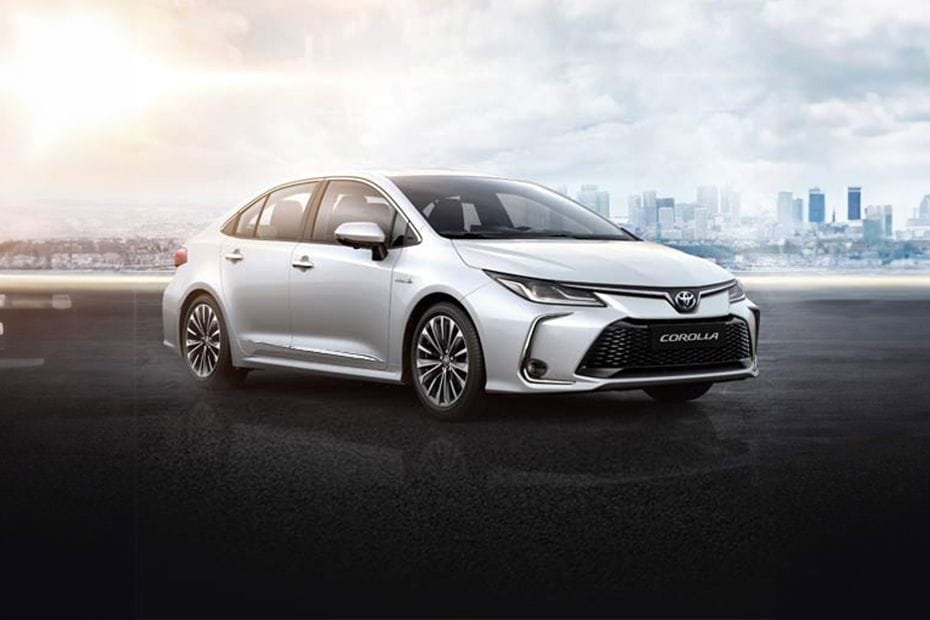
Toyota Corolla -
Toyota Supra -
Toyota Land Cruiser Prado -
Toyota Land Cruiser 70 Pickup -
Toyota Land Cruiser HEV MAX
-
Does the Changan Eado Plus Engine Have What It Takes for Saudi Roads and Saudi Wallets?

-
Is Owning a Changan Eado Plus in Saudi Arabia a Smart Long-Term Decision?
-
Does the Changan Eado Plus Offer Good Value for Its Price in Saudi Arabia?
-
Which Changan Eado Plus Variant Is Actually Worth Your Money in Saudi Arabia?
-
How Well Does the Eado Plus Compete Against Rivals Like the Corolla, Elantra, Civic in KSA?
- News

- Latest
- Popular
-
 Toyota CenturyPrice coming soon
 -
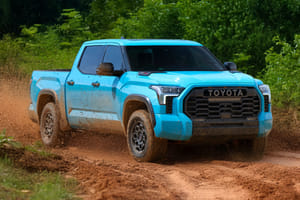 Toyota TundraPrice coming soon
 -
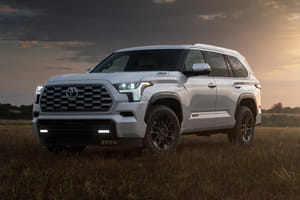 Toyota SequoiaPrice coming soon
 -
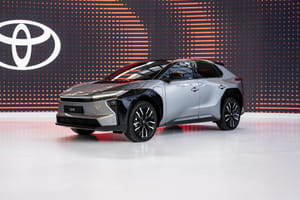 Toyota bZ4XPrice coming soon
 -
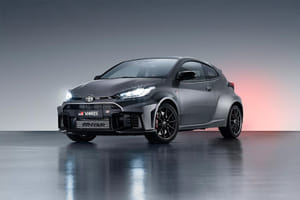 Toyota GR YarisPrice coming soon
 -
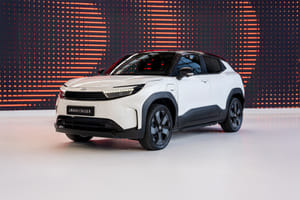 Toyota Urban Cruiser 2026Price coming soon
-
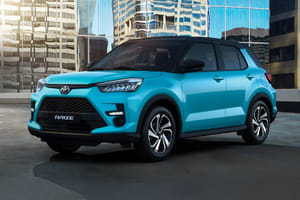 Toyota RaizeSAR 68,827 - 75,497
 -
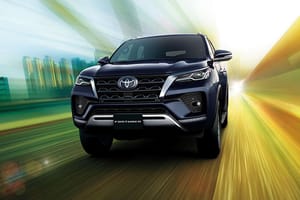 Toyota FortunerSAR 128,742 - 187,047
 -
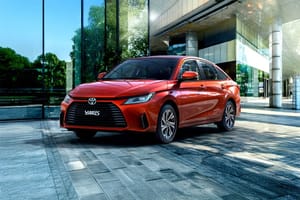 Toyota YarisSAR 66,700 - 78,832
 -
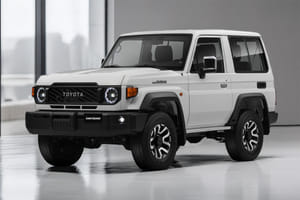 Toyota Land Cruiser 70 Hard TopSAR 158,240 - 201,192
 -
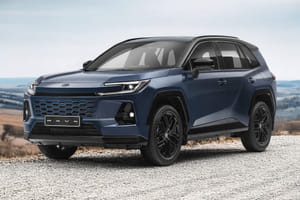 Toyota RAV4 2026SAR 106,662 - 165,542
 -
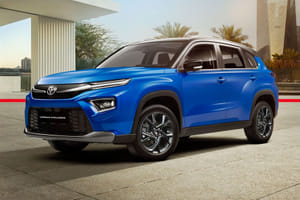 Toyota Urban CruiserSAR 82,915 - 92,115

|
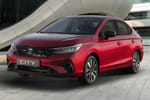
|
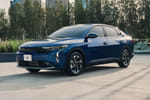
|
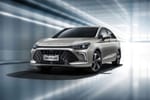
|

|
|
Transmission Type
CVT
|
Automatic
|
Automatic
|
Automatic
|
CVT
|
|
Engine Displacement
1498
|
1498
|
1598
|
1499
|
1298
|
|
Power
119Hp@6500/6600
|
119Hp@6600rpm
|
123Hp
|
111Hp
|
97Hp@6000rpm
|
|
Torque
148Nm@4600/5000
|
145Nm@4300rpm
|
-
|
142
|
122Nm@4200rpm
|
|
|
- Latest
- Upcoming
- Popular
-
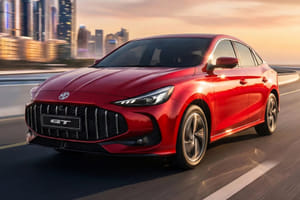 MG GT 2026Price coming soon
 -
 Mercedes-Benz AMG EQEPrice coming soon
 -
 BAIC EU5Price coming soon
 -
 Volvo ES90Price coming soon
 -
 Audi A6 AvantPrice coming soon
 -
 Mercedes-Benz CLA ElectricPrice coming soon
-
 Land Rover Range RoverSAR 591,500 - 1.3 Million
 -
 MG 5SAR 53,990
 -
Toyota YarisSAR 66,700 - 78,832
-
 MG 7SAR 88,375
 -
 Genesis G90Price coming soon
 -
 Hyundai AccentSAR 74,209 - 92,373