Nissan Altima vs Toyota Corolla: Sedan Battle for Saudi Daily Drivers

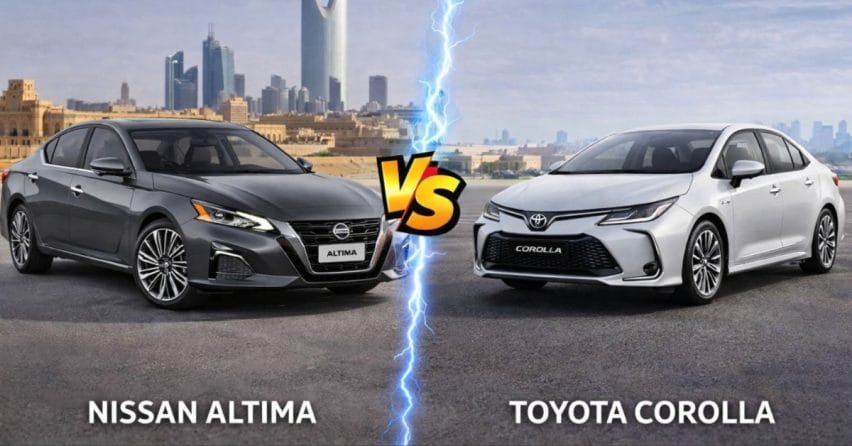
In Saudi Arabia, while the SUVs are climbing the sales charts, the sedan continues to attract buyers who still look for value, comfort, greater efficiency, and long-distance ease over power and performance. All the top brands continue to bring exciting SUVs and other options to Saudi Arabia; they are also refreshing and enhancing their sedan offerings. In the mid- to compact-sedan segment, two leading Japanese brands, Toyota and Nissan, have two special cars: the legendary Corolla and the equally promising Altima. Both of the highlights show two different approaches to daily driving. The Corolla is clearly known for its focus on affordability, reliability, and low ownership stress, while the Altima is spacious, has a stronger road presence, and offers a more relaxed highway experience.
KEY TAKEAWAYS
What is the price of the 2026 Nissan Altima in Saudi Arabia?
The Altima starts at SAR 112,700 and goes up to SAR 141,500.What is the price of the 2026 Toyota Corolla in Saudi Arabia?
The Corolla ranges from SAR 79,350 to SAR 99,015.Both sedans serve as excellent daily drivers, and the decision often hinges on personal preferences or brand loyalty. The Corolla is ideal for easy city use, predictable running costs, and proven durability. The Altima, on the other hand, appeals to those who spend more time on highways, carry passengers regularly, and want a smoother, more spacious cabin. Understanding these differences helps you choose the sedan that truly fits their everyday needs. We do an in-depth comparison to help you make the right decision.
The Nissan Altima and Toyota Corolla sit in completely different segments, but Saudi buyers still compare them anyway. Why? The reason is simple: because both promise reliable Japanese engineering, good resale value, and low ownership costs. That’s what they share. But it pretty much ends there.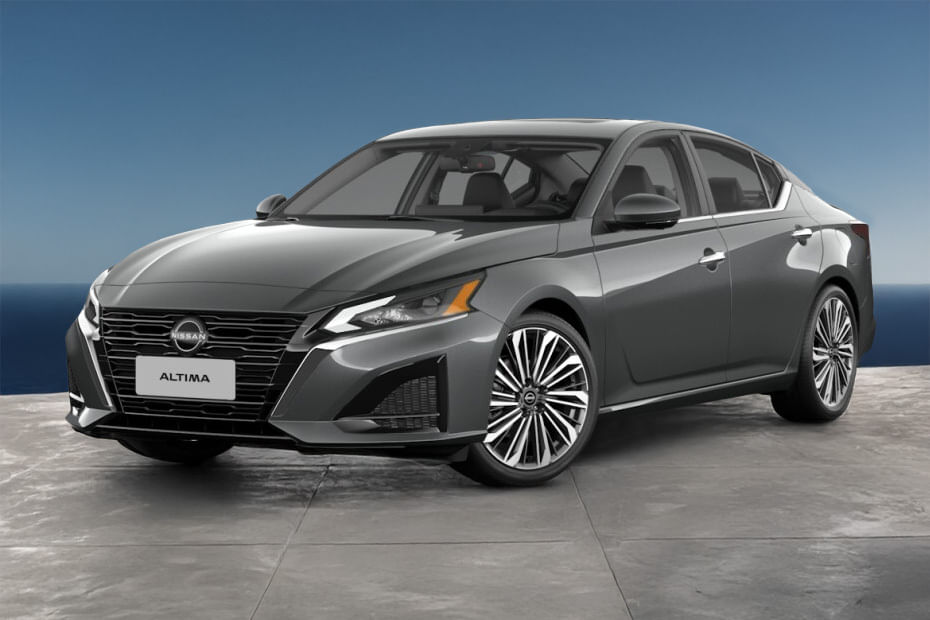
Here is what makes them different: the Altima is a mid-size sedan. It is bigger, more powerful, and positioned as a step up from compact sedans. The Corolla remains the world's most popular compact sedan, smaller but far more affordable.
As a buyer, here's what matters: if you are deciding between these two, you are essentially exploring the difference between size and cost. The Altima gives you a bigger, more powerful car; the Corolla gives you lower bills. Everything else follows from that decision.
What Makes Each Sedan Different
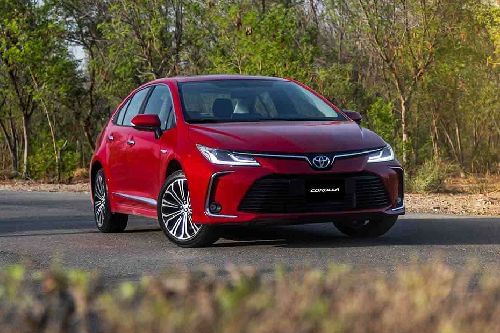
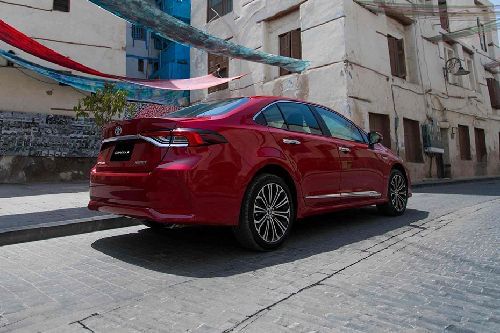
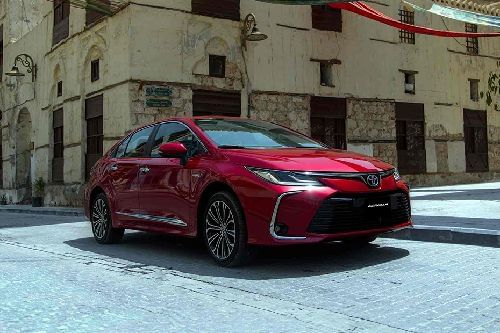
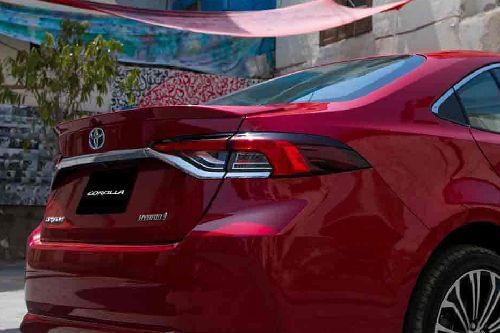
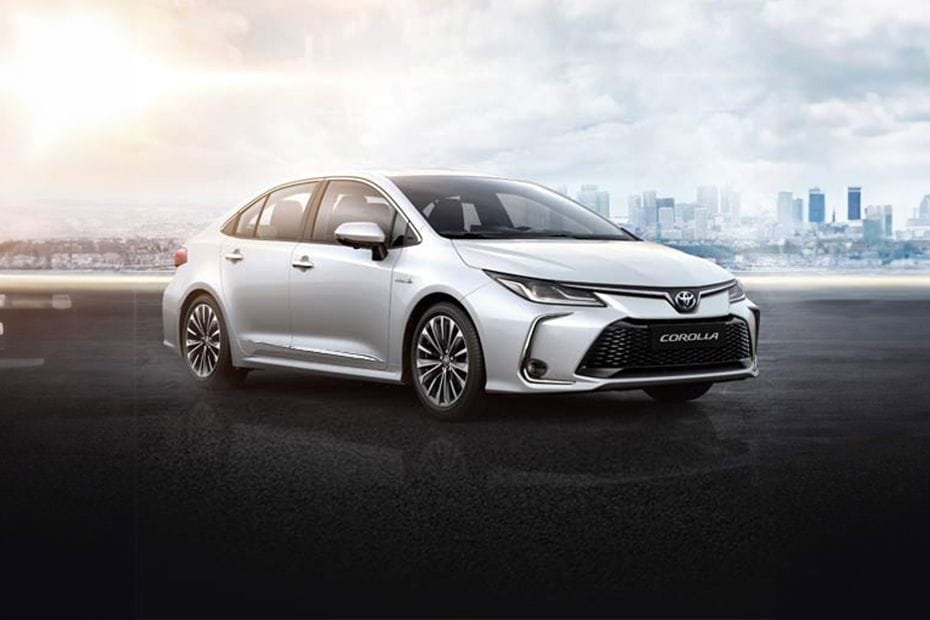
The Corolla has been around forever, yes, literally for decades. In Saudi Arabia, you see them everywhere because they work, and that’s why they’re so popular. The latest 12th‑generation Corolla continues what Toyota does best: it’s a car built to run 300,000 km without major drama. This shows in its conservative styling but proven, no‑nonsense engineering. As a result, resale value holds up strongly because everyone trusts it.
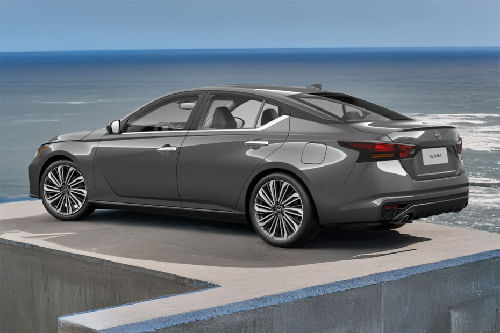
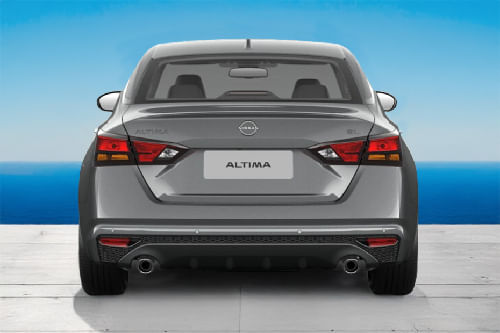
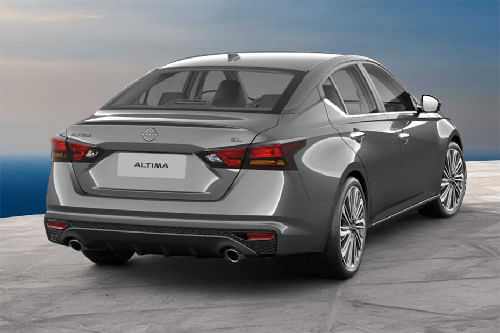
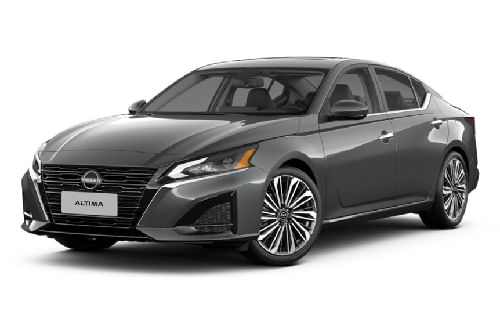
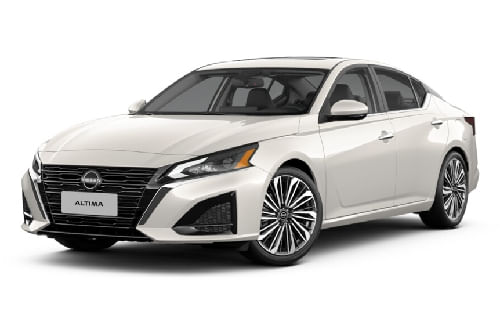
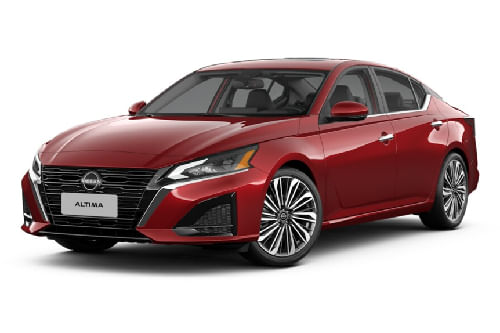
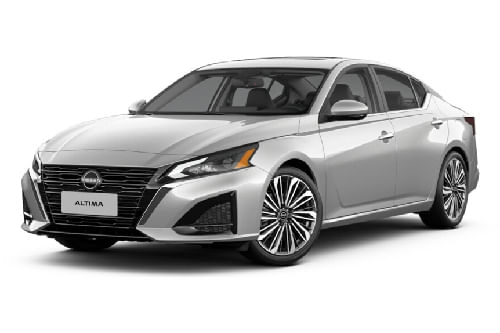
The Altima runs in its own lane with a clear strength: it’s Nissan’s answer to buyers who find the Corolla too small but don’t want to step up to a luxury brand. It’s positioned between compact and premium sedans. The current seventh‑generation Altima focuses on modern tech, a sportier drive, and a lot more interior room. Nissan wants you to feel like you’re getting a near‑premium experience without premium pricing.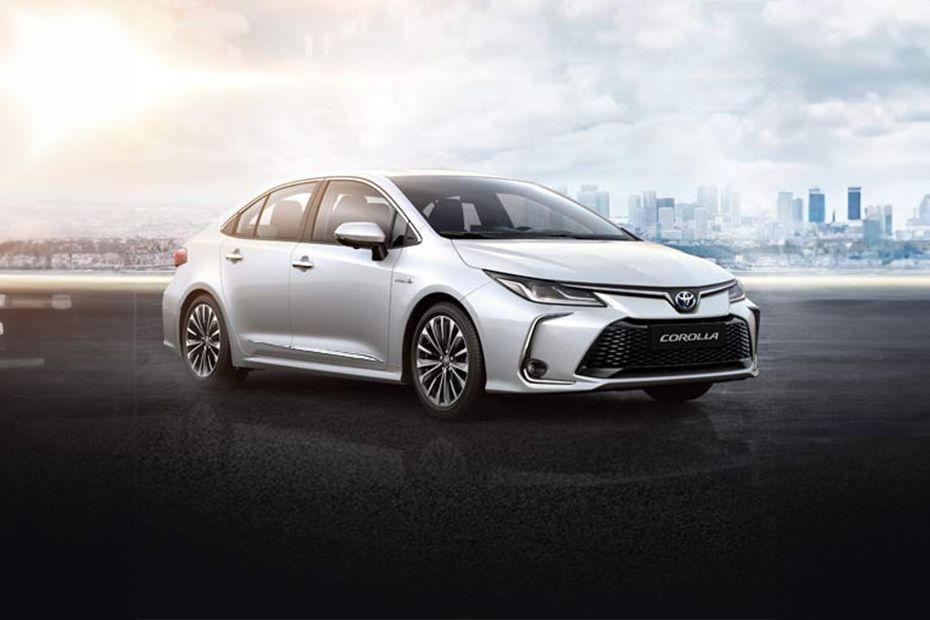
Both sedans share that Japanese reliability DNA, but they serve very different needs. The Corolla is practical transport; the Altima is closer to a statement about comfort and space priorities.
Look at the sales figures, and the story is clear: the Corolla dominates in numbers because it fits more budgets, while the Altima sells to a smaller but consistent group – families needing space, drivers wanting more power, and buyers who see the price gap as worth it for the extra space and comfort they get.
Price and Variants Comparison
The Altima keeps things simple with four variants, while the Corolla offers seven configurations, including a hybrid. This reveals each brand's strategy.
Nissan Altima Variants
|
Variant |
Price (SAR) |
Key Features |
|
S |
112,700 |
Base model, 188 hp 2.5L engine, LED headlights, 12.3-inch touchscreen, Apple CarPlay, rear camera |
|
Sport |
118,235 |
Sport styling, 19-inch wheels |
|
SV |
127,500 |
ProPilot assist, moonroof, wireless charging, better audio |
|
SL |
141,500 |
Bose audio (9 speakers), premium features |
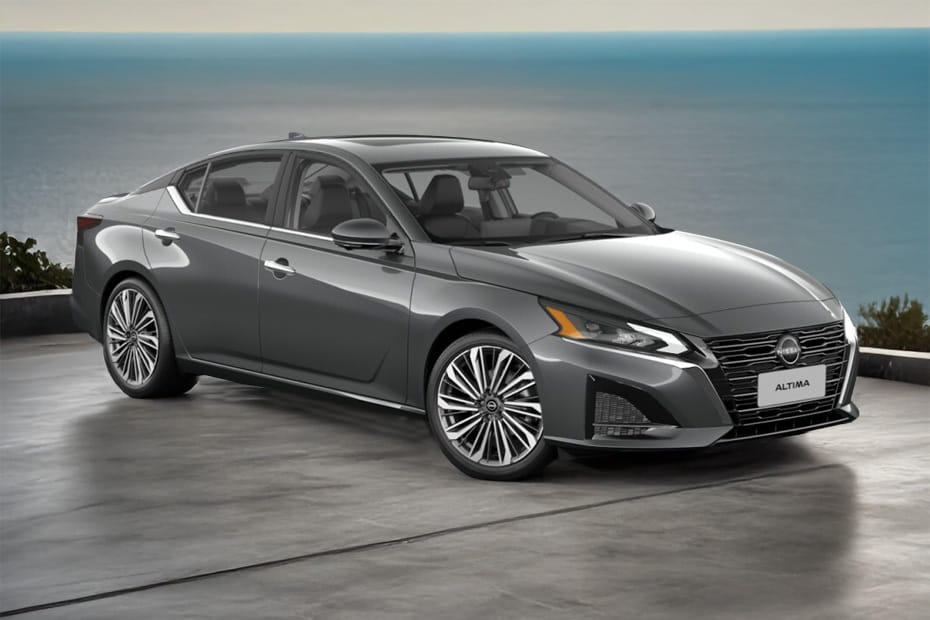 Every Altima uses the same 2.5L engine, so you’re choosing between features, not power levels. The base S is actually quite well‑equipped: LED lights, a 12.3‑inch touchscreen, Apple CarPlay, and a rear camera. The Sport trim is mostly a styling package, worth it only if looks matter to you. The SV at SAR 127,500 is where the Altima makes the most sense; ProPilot adds real value for highway driving, and it’s the variant most buyers should consider. The SL at SAR 141,500 moves into Camry Hybrid territory and becomes harder to justify for many buyers.
Toyota Corolla Variants
|
Variant |
Price (SAR) |
Key Features |
|
1.5L XLI |
79,350 |
Entry point, 119 hp, basic but functional |
|
1.5L XLI Executive |
83,030 |
Adds 16" alloys, parking sensors |
|
2.0L XLI |
83,605 |
Sweet spot—168 hp, better acceleration |
|
2.0L XLI Executive |
87,055 |
Same engine, more features |
|
1.8L XLI Hybrid |
88,780 |
Efficiency champion, 121 hp combined |
|
2.0L XLI Executive MR |
94,300 |
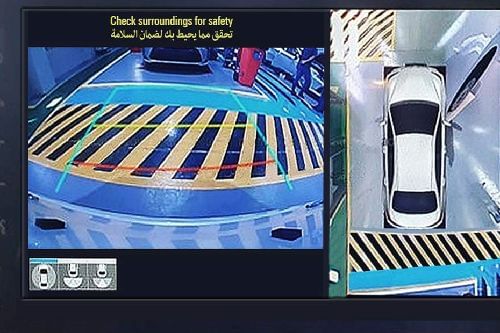
Moonroof, 17" wheels, panoramic camera |
|
2.0L GLI MR |
99,015 |
Top trim, leather steering, multi-info display |
The Corolla’s strategy is different: you choose between three powertrains, then pick your feature level. The 1.5L models are affordable but feel underpowered; as expected, the 119 hp engine struggles with highway overtaking and driving fully loaded. The SAR 3,680 step up to the 2.0L XLI is worth every riyal.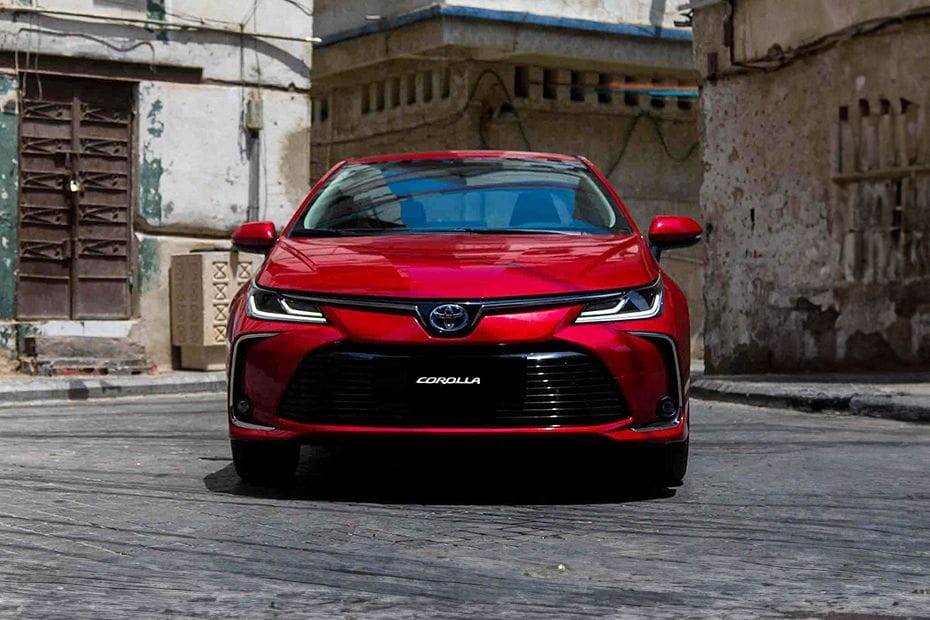
The 2.0L XLI at SAR 83,605 is the real value champion in this comparison. You get 168 hp, real‑world fuel economy of around 20.3 km/L, and all the core daily‑driving features. For most buyers, this Corolla is all they actually need.
The 1.8L XLI Hybrid at SAR 88,780 costs SAR 5,175 more than the 2.0L base. It jumps from 20.3 km/L to 30.3 km/L – a big saving. Driving 20,000 km per year, you save about 333 litres annually. At SAR 2.50 per litre, that’s around SAR 833 per year. On fuel alone, you break even in about six years. If you drive 30,000 km per year, that payback time shortens significantly. On top of that, resale value for Corolla Hybrids in KSA continues to improve.
The top Corolla at SAR 99,015 still costs SAR 13,685 less than the base Altima. That’s a significant difference, and it’s a number worth thinking about.
Variant Value Breakdown
The Altima S (SAR 112,700) is compared to the Corolla 2.0L GLI MR (SAR 99,015). The Corolla saves you SAR 13,685 upfront. The Altima gives you more space and 20 hp extra, but it’s crucial to decide: do you actually need the extra size every day, or are you paying for something you’ll rarely use?
The Altima SV at SAR 127,500 is in a different price zone; there’s nothing directly comparable in the Corolla range. At that point, you should also consider the Camry 2.5L Hybrid (around SAR 105,340), which sits closer to the Altima in positioning.
The variant spread reveals something important: Nissan positions the Altima as a clear step up from the compact segment into near‑premium territory. Toyota positions the Corolla as the best value in the compact segment. These are not the same strategy, and knowing that helps you pick the right car for your driving style and budget.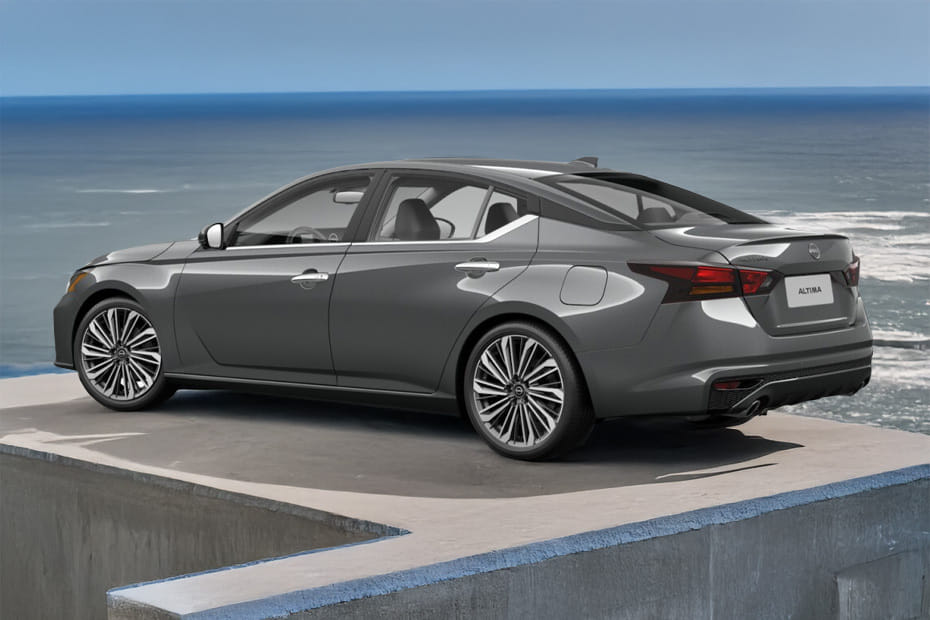
Dimension Comparison
The Altima is simply bigger, which is clearly visible looking at the table.
|
Dimension |
Nissan Altima (mm) |
Toyota Corolla (mm) |
|
Length |
4,897 |
4,630 |
|
Width |
1,850 |
1,780 |
|
Height |
1,450 |
1,435 |
|
Wheelbase |
2,825 |
2,700 |
|
Ground Clearance |
155 |
160 |
|
Fuel Tank Capacity |
56L |
47-50L |
|
Boot Space |
437L |
470L |
|
Wheel Size |
16-19 inches |
15-17 inches |
The Altima gives you 267 mm more length and 70 mm more width. That translates to actual interior space. Rear seat passengers feel it immediately; the Altima's wheelbase is 125 mm longer, which means more legroom for backseat passengers without cramping the front.
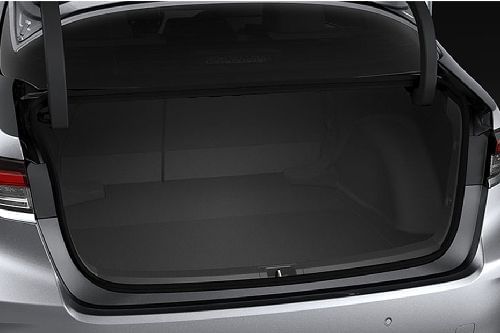
But the Corolla has slightly more ground clearance and, surprisingly, more boot space. The 470 L trunk beats the Altima's 437 L; for families who carry groceries, luggage, or shopping regularly, this matters.
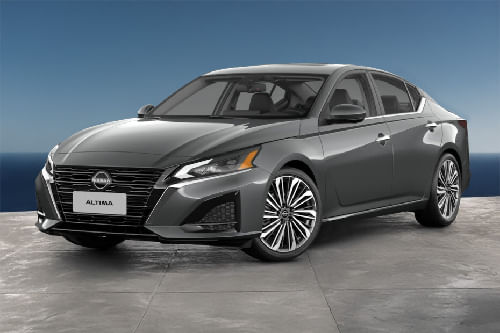
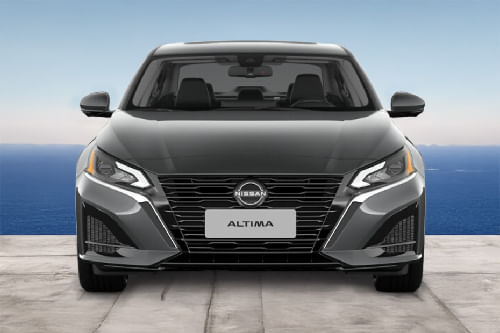
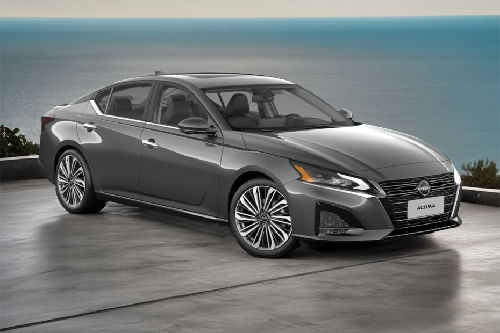
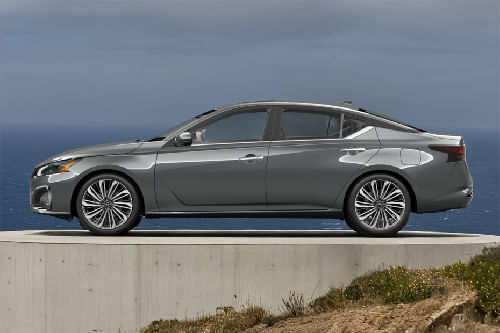
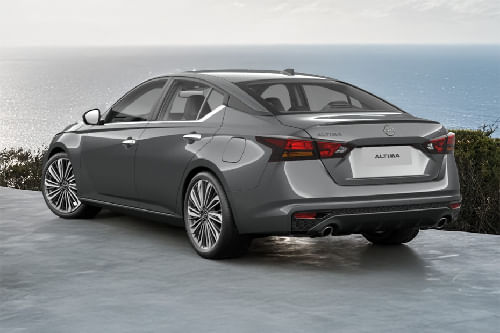
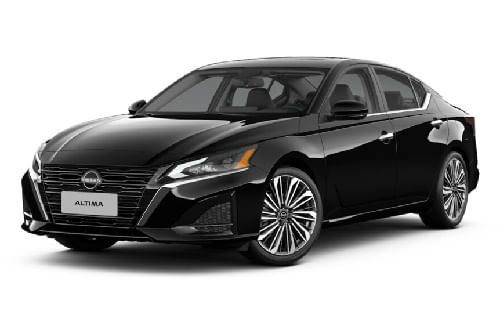
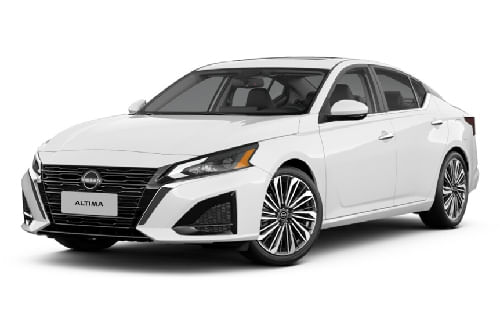
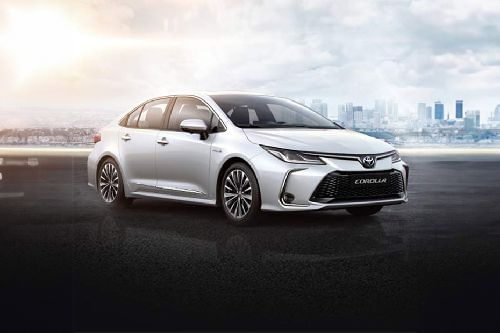
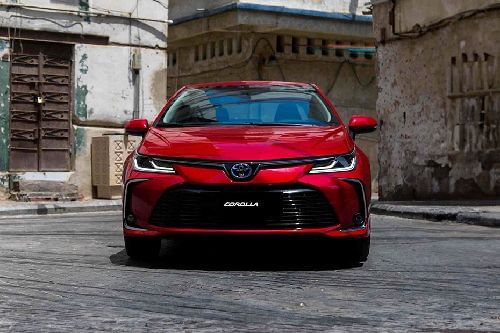
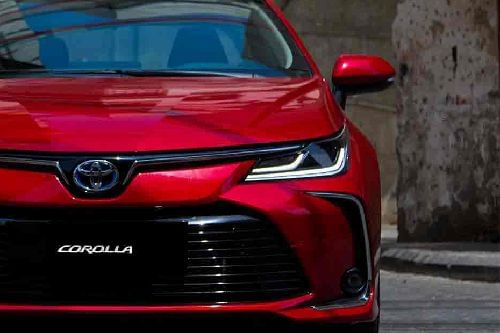
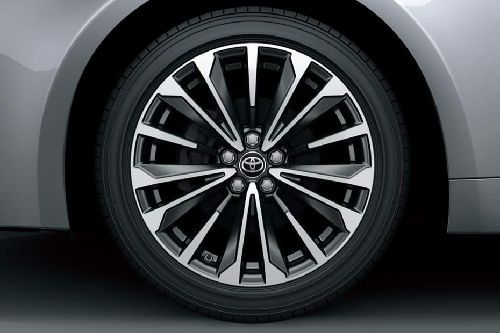
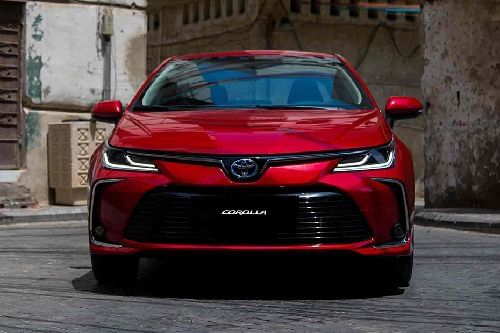
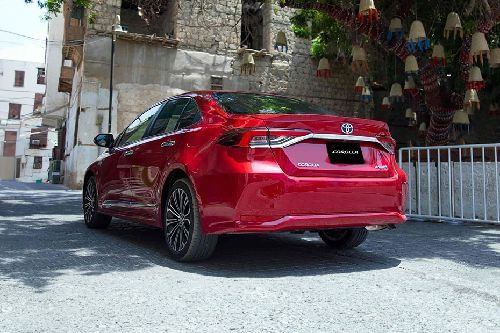
Exterior design highlights the market positioning. The Altima uses Nissan's V‑Motion grille, aggressive LED lighting, and flowing body lines as it aims to look upscale and expensive. The Corolla keeps things clean and simple. The Corolla is not boring, but it also avoids making a bold statement. Both sedans come with LED headlights on higher trims. Both offer alloy wheels; the Altima goes up to 19‑inch wheels on the Sport/SR variant, which looks good but rides a bit harsher on Saudi roads. The Corolla's 17‑inch maximum keeps comfort as a priority.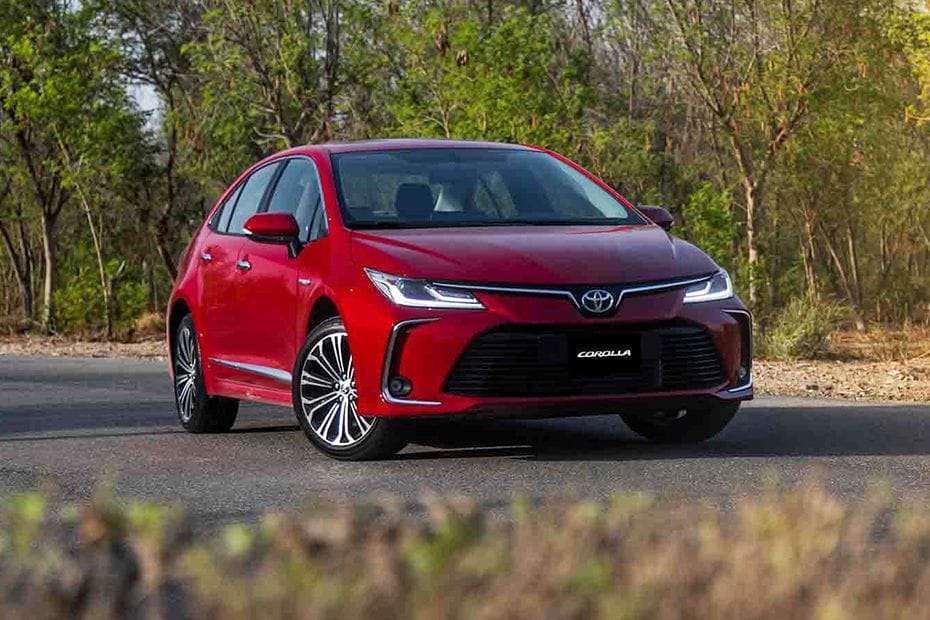
Powertrain Comparison
This is where the Altima justifies its higher price, at least on paper.
|
Engine Type |
Nissan Altima |
Toyota Corolla |
|
Engine Displacement |
2.5L 4-cylinder |
1.5L 3-cylinder / 2.0L 4-cylinder / 1.8L Hybrid |
|
Power Output |
188 hp |
119 hp / 168 hp / 121 hp (hybrid) |
|
Torque |
244 Nm |
148 Nm / 200 Nm / 142 Nm (hybrid) |
|
Transmission |
CVT |
CVT / E-CVT (hybrid) |
|
Fuel Economy |
16.6-17.6 km/L |
18.6-30.3 km/L |
The Altima's 2.5L engine produces 188 hp; every Altima variant gets this same engine, which keeps things simple. It's smooth, responsive, and noticeably quicker than any Corolla variant. For highway passing, merging in traffic, or just feeling like you have power when you need it, the Altima has real power, and it delivers.
The Corolla offers three choices; the 1.5L 3-cylinder makes 119 hp and is frankly underpowered. It works for city driving but struggles with a full load of passengers on highways. The 2.0L with 168 hp is the sweet spot, with enough power and reasonable fuel economy. The 1.8L hybrid combines 121 hp with exceptional fuel efficiency of 30.3 km/L, so it has its special place, something Toyota is known for.
This is where things stand differently and flip the script entirely. The Altima's 16.6-17.6 km/L is decent for a midsize sedan, but the Corolla's 2.0L gets 20.3 km/L. And the hybrid's 30.3 km/L is remarkable. 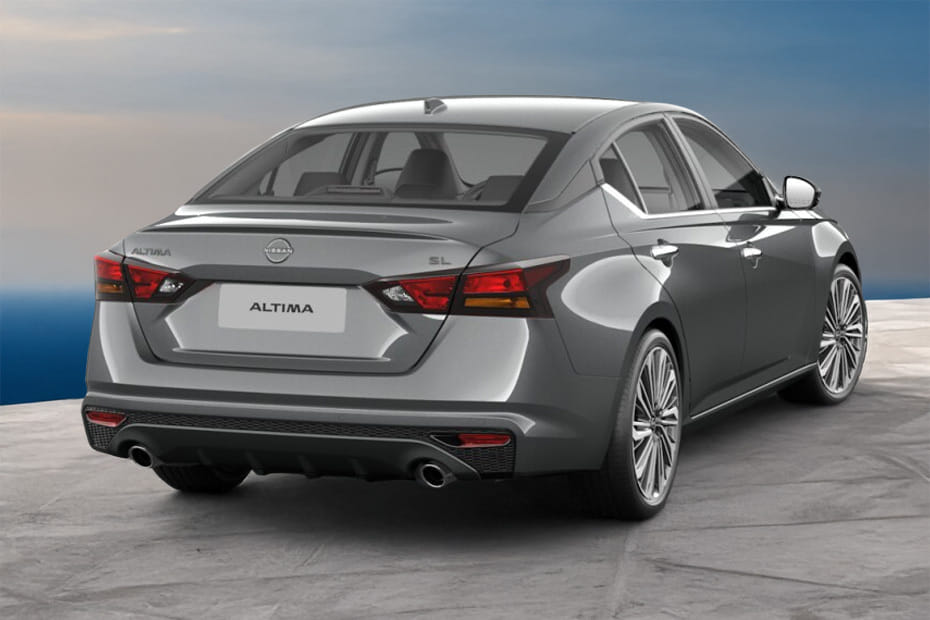
So look how this appears for one at 20,000 km per year run
- Altima at 17 km/L: 1,176 liters
- Corolla 2.0L at 20 km/L: 1,000 liters
- Corolla Hybrid at 30 km/L: 667 liters
At current fuel prices, the Corolla hybrid saves you thousands of riyals annually compared to the Altima. Over five years of ownership, that makes a considerable difference.
Both use CVT transmissions, and truth be told, they are not exciting to drive, but both focus on smoothness and efficiency over sporty shifting. The Altima's CVT handles the higher torque better. The Corolla feels more refined in daily use. These are everyday sedans; neither offers all-wheel drive. Front‑wheel drive suits Saudi roads perfectly fine because, as things stand, you are not off‑roading in these cars.
Features Comparison
Both sedans come loaded with features, but they take different approaches.
Exterior
|
Feature |
Nissan Altima |
Toyota Corolla |
|
Headlights |
LED with DRLs |
LED projector / Halogen |
|
Wheels |
16-19-inches alloy |
15-17-inches alloy/steel |
|
Design |
Sporty, modern |
Clean, conservative |
The Altima looks more expensive; the LED headlights are standard even on base models. The grille, the lighting signature, and the overall proportions give it a more premium look. The Corolla keeps things functional, with lower variants getting halogen headlights and higher ones getting LED projectors, while the design is proven, functional, and ages well.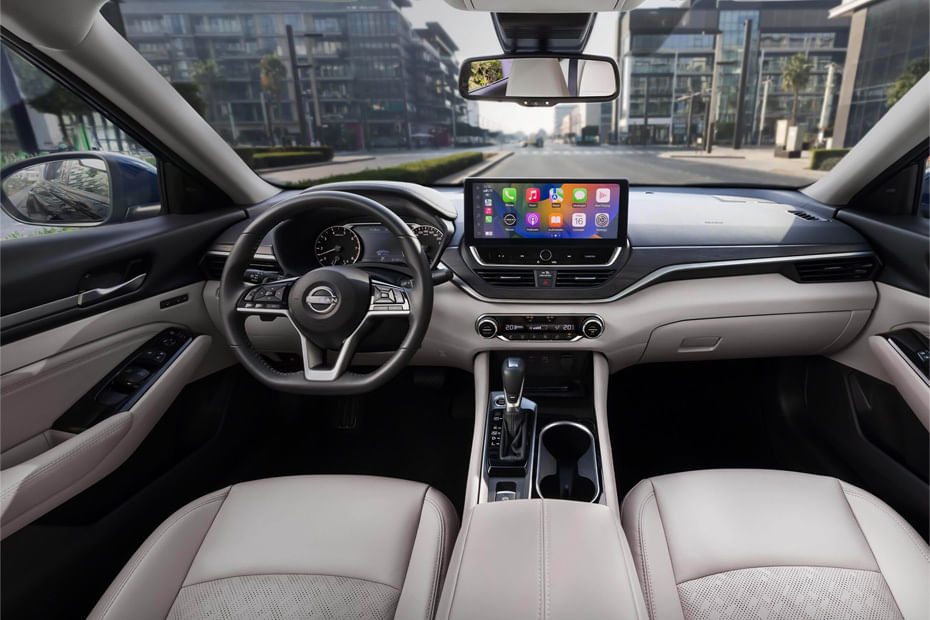
Interior
|
Feature |
Nissan Altima |
Toyota Corolla |
|
Seats |
Leather-appointed |
Fabric / Leather |
|
Climate Control |
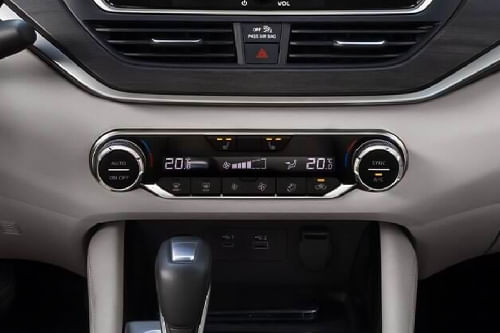
Dual-zone |
Single-zone / Dual-zone |
|
Space |
Spacious, especially rear |
Adequate for compact |
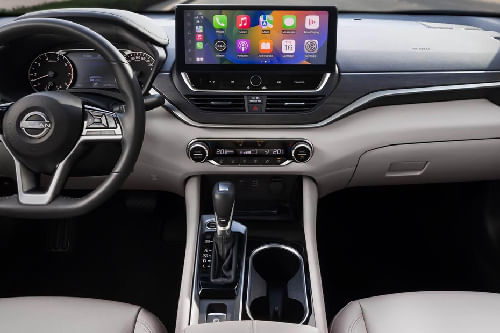
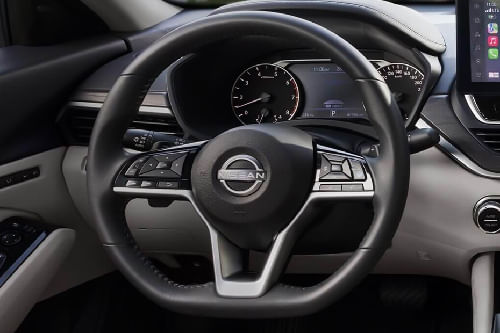
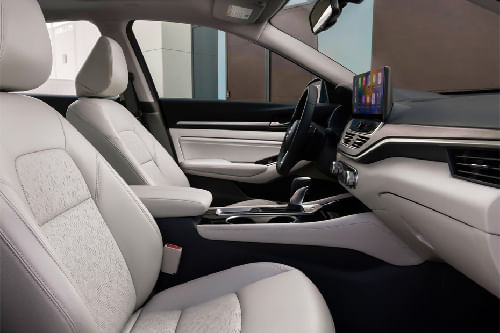
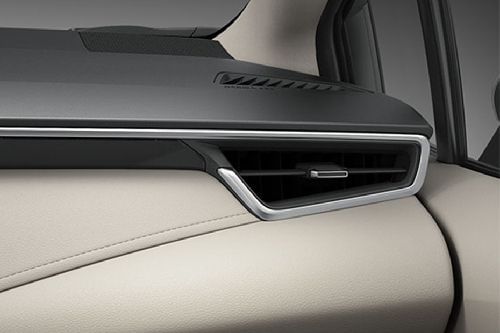
The Altima's size advantage is most evident in its interior space. Rear seat legroom is genuinely better. Three adults can sit in the back without feeling cramped. The Corolla's rear seat works for kids or two adults; three adults on a long trip get uncomfortable. Material quality? Both use a mix of soft-touch and hard plastics. The Altima aims slightly upmarket. The Corolla focuses on durability. In five years, the Corolla's interior will likely look newer because Toyota uses harder-wearing materials.
Safety
|
Feature |
Nissan Altima |
Toyota Corolla |
|
Airbags |
Multiple (7+) |
6+ airbags |
|
Driver Assist |
ProPilot available |
Basic on lower trims |
|
Brakes |
ABS, stability control |
ABS, stability control |
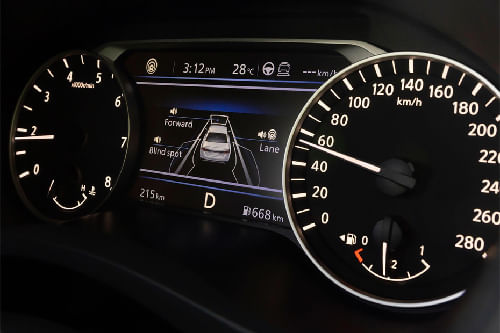
The Altima offers ProPilot on SV and SL trims. This is Nissan's semi-autonomous driving tech: adaptive cruise control, lane centring, and automatic braking. It works well on highways but requires attention.
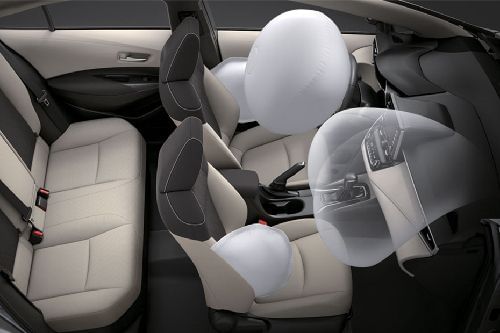
Basic safety features are standard across the Corolla's range, while advanced driver assists are exclusive to higher trims. Both sedans score well in crash tests. Both use high-strength steel. Both will protect occupants in an accident.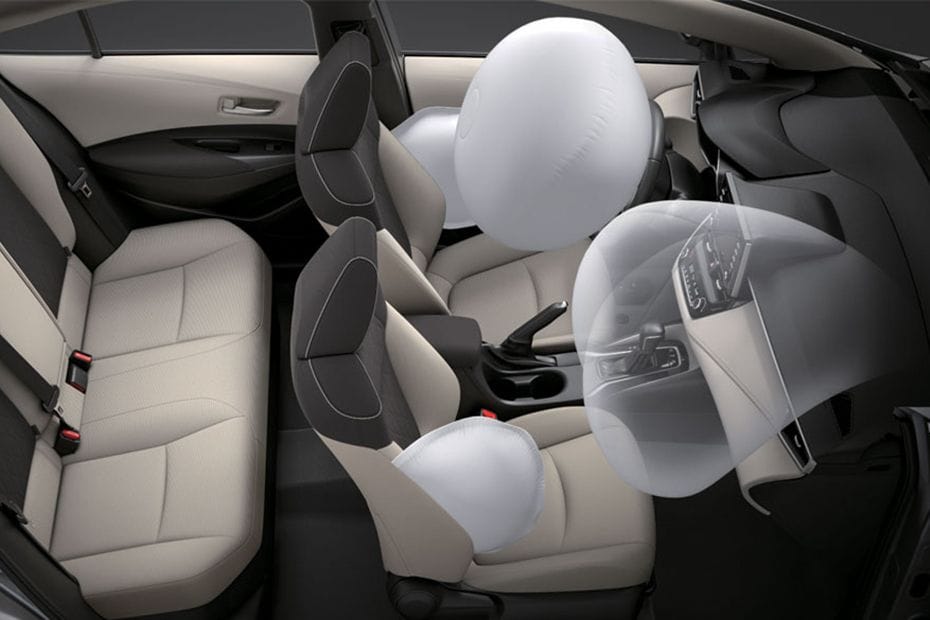
Infotainment
|
Feature |
Nissan Altima |
Toyota Corolla |
|
Screen |
12.3-inch touchscreen |
8-9 inch touchscreen |
|
Connectivity |
Apple CarPlay, Android Auto |
Apple CarPlay, Android Auto |
|
Audio |
Bose available (9 speakers) |
4-6 speakers |
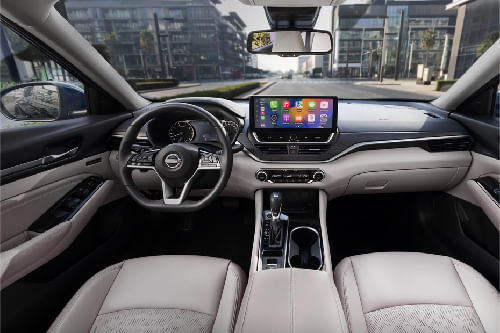
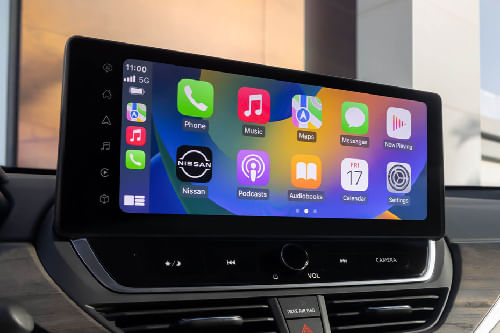
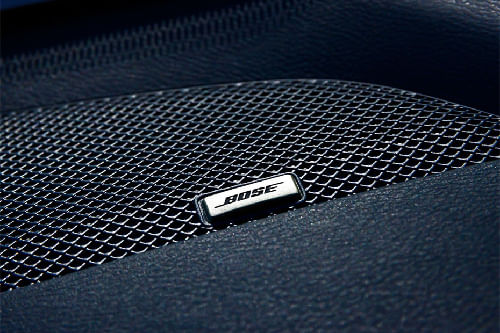
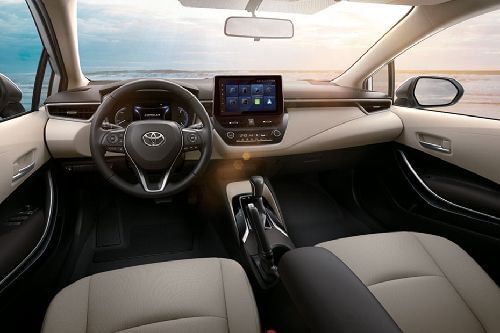
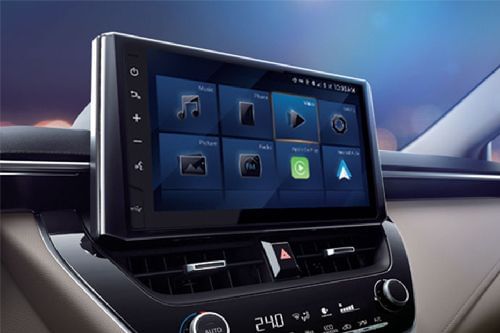
The Altima's 12.3-inch screen is bigger, and the interface feels more modern. Wireless Apple CarPlay and Android Auto work seamlessly. The available Bose system with 9 speakers and active noise cancellation genuinely improves the experience. The Corolla's 8- or 9-inch screen works fine. It's not exciting, but it's functional. The audio systems are adequate; the premium options are not as excellent as the Altima's Bose setup.
Comfort & Convenience
|
Feature |
Nissan Altima |
Toyota Corolla |
|
Entry |
Smart entry, push start |
Keyless entry, push start |
|
Seats |
Power-adjustable |
Power-adjustable on higher trims |
|
Moonroof |
Available |
Available on higher trims |
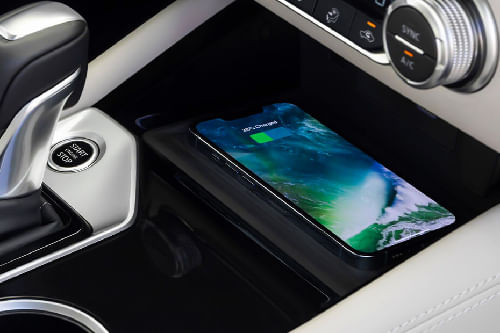
Both sedans offer similar convenience features. Remote start is available on higher Altima trims. The Corolla offers them in select variants. Wireless charging appears on both. The Altima includes a moonroof on more variants, while the Corolla limits it to top variants.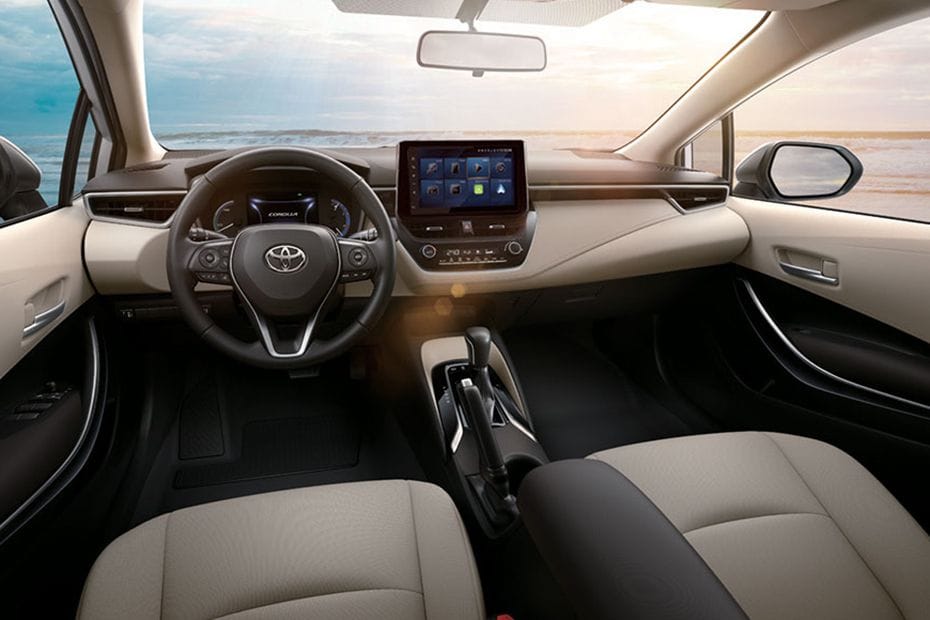
What Makes Them Work in Saudi Arabia
Looking at both sedans together, the Corolla scores well for one big reason, one overwhelming reason: resale value. You can buy a Corolla, drive it for three years, sell it, and recover 65–70% of what you paid. Try that with most other brands. This advantage is not always there; it’s because everyone knows Corollas run forever and parts are cheap. Service costs matter more in Saudi Arabia than in markets with shorter ownership cycles. Corolla service at any Toyota dealer is straightforward and affordable. Consumables like brake pads, oil filters, and tyres are all reasonably priced because there’s a massive scale.
The Altima’s 2.5L engine is proven and reliable. Nissan’s service network in Saudi Arabia is solid. But parts cost more than Toyota parts, simply because there are fewer Altimas than Corollas. This gap widens if you keep the car past warranty. Fuel efficiency is huge. With driving distances in Saudi Arabia and fuel prices rising, the Corolla hybrid’s 30 km/L changes ownership economics; the Altima’s 17 km/L is acceptable but not exceptional.
Both sedans handle heat well, so families or professionals here will like them. Both have strong air conditioning, and neither struggles with Saudi summers. The Altima’s advantage is real-world usability. The bigger cabin, the stronger engine, and the more upscale feel matter to families who need the extra space and are willing to pay for it.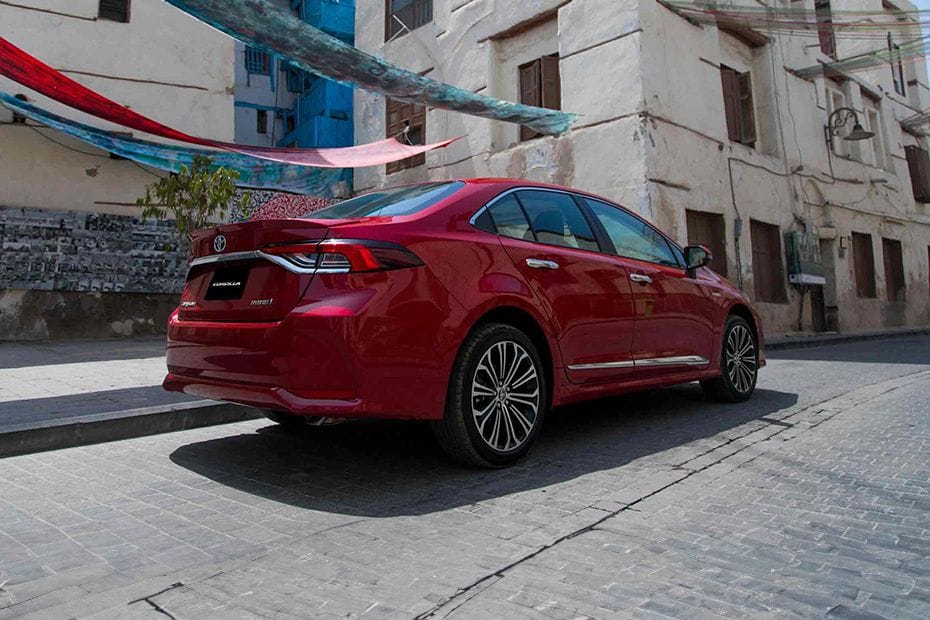
Conclusion
So what the detailed comparison tells us is that both are different sedans. And don’t buy the Nissan Altima because you think it’s a better Corolla; it is not, as it is a different category of car. Go for the Corolla only if you want the lowest total cost of ownership and the best resale value and don’t need the extra size. The 2.0L variant with some options gives you adequate power, good efficiency, and will still be worth decent money in five years. The hybrid is great if you drive a lot; in that case, the mileage matters.
Buy the Altima if you genuinely need the extra space, want more power, and value the upscale features. But negotiate hard. The Altima needs to be discounted to make sense versus the Camry. At list price, the Camry is the better buy in every way.
For most Saudi buyers? The Corolla is the answer. It’s not exciting, but it’s the right answer. It offers a lower purchase price, lower running costs, and better resale value in comparison to the Chinese car resale value or other alternatives. A value bargain works in its favour and keeps working for years. The Altima is a good car but too expensive versus the Corolla and not competitive enough versus the Camry.
Head to the respective brand’s showroom to test drive them; check them out in the real world. You get to experience them better, be it size, space, performance, or driving experience.
Dinesh Goluguri

With over 15 years of experience in the automotive world, Dinesh Goluguri bringing hands-on experience and deep market knowledge. Passionate about SUVs, sports cars and luxury vehicles, he combines enthusiasm with expertise in delivering insights that resonate with car buyers and enthusiasts alike. With a special interest in car modifications and upgrades, Dinesh offers a unique perspective that goes beyond standard reviews, highlighting both factory features and customization potential. His work helps readers navigate new launches, features and trends in the dynamic automotive market.
Read Full Bio-
Explore Nissan Altima
-
-
Explore Toyota Corolla
-


-
Toyota Fortuner -
Toyota Urban Cruiser -
Toyota Raize -
Toyota Hiace -
Toyota Yaris -
Toyota Veloz -
Toyota RAV4 2026 -
Toyota Land Cruiser 70 Pickup -
Toyota Land Cruiser Prado -
Toyota Corolla -
Toyota Highlander -
Toyota Land Cruiser 70 Hard Top
-
Does the Changan Eado Plus Engine Have What It Takes for Saudi Roads and Saudi Wallets?

-
Is Owning a Changan Eado Plus in Saudi Arabia a Smart Long-Term Decision?
-
Does the Changan Eado Plus Offer Good Value for Its Price in Saudi Arabia?
-
Which Changan Eado Plus Variant Is Actually Worth Your Money in Saudi Arabia?
-
How Well Does the Eado Plus Compete Against Rivals Like the Corolla, Elantra, Civic in KSA?
- News


- Latest
- Upcoming
- Popular
-
 Toyota GR YarisPrice coming soon
 -
 Toyota Urban Cruiser 2026Price coming soon
 -
 Toyota C-HR PLUSPrice coming soon
 -
 Toyota PriusPrice coming soon
 -
 Toyota FJ CruiserPrice coming soon
 -
 Toyota Hilux BEVPrice coming soon
-
 Toyota FortunerSAR 128,742 - 187,047
 -
 Toyota Urban CruiserSAR 82,915 - 92,115
 -
 Toyota RaizeSAR 68,827 - 75,497
 -
 Toyota HiaceSAR 122,360 - 170,890
 -
 Toyota YarisSAR 66,700 - 78,832
 -
 Toyota VelozSAR 84,007
|
|
|

|

|
|
Transmission Type
CVT
|
Automatic
|
Automatic
|
Automatic
|
CVT
|
|
Engine Displacement
1498
|
1498
|
1598
|
1499
|
1298
|
|
Power
119Hp@6500/6600
|
119Hp@6600rpm
|
123Hp
|
111Hp
|
97Hp@6000rpm
|
|
Torque
148Nm@4600/5000
|
145Nm@4300rpm
|
-
|
142
|
122Nm@4200rpm
|
|
|
- Latest
- Upcoming
- Popular
-
 Voyah PassionPrice coming soon
 -
 Honda City 2026Price coming soon
 -
 Polestar 5SAR 147,231
 -
 Polestar 2SAR 153,182
 -
 Mercedes-Benz CLA 2026Price coming soon
 -
 BMW 3 Series 2026Price coming soon
-
 Land Rover Range RoverSAR 591,500 - 1.3 Million
 -
 MG 5SAR 53,990
 -
Toyota YarisSAR 66,700 - 78,832
-
 MG 8SAR 107,005
 -
 Honda CIVIC TYPE RSAR 206,885
 -
 Ford TaurusSAR 119,132 - 146,913