Nissan X-Trail 5-Seat vs 7-Seat: Which Configuration Works Better in Saudi Arabia?

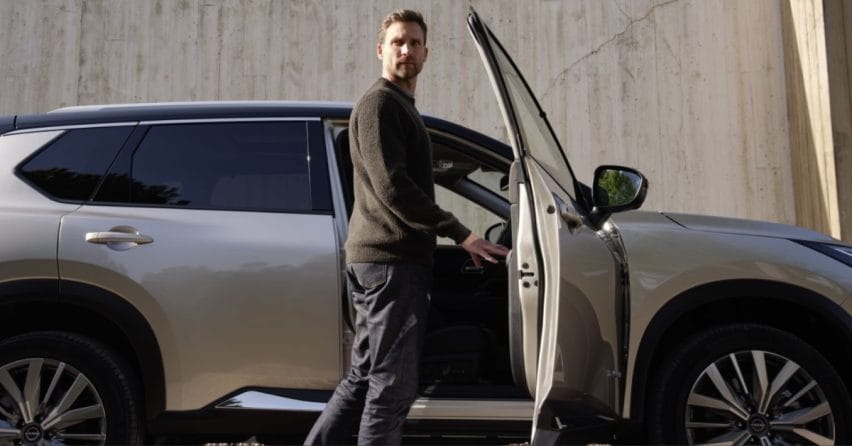
Saudi Arabia: In the mid-size SUV segment in KSA, whether to pick the Nissan X-Trail 5-seat vs 7-seat is becoming increasingly common at Saudi showrooms. If you drop in at any Nissan dealer in either Riyadh or Jeddah, it is easy to hear that buyers are always grappling with the decision of whether they really need seven seats. With only an SAR 3,000 price gap between the two, the choice is not just about money. While most families rarely use the third row, the idea of extra space feels reassuring as long as you own the SUV. We compare both configurations in terms of practicality, comfort, and real-world usability to see which suits Saudi buyers better.
KEY TAKEAWAYS
What are the top three competitors of the Nissan X-Trail in Saudi Arabia?
The top three competitors of the Nissan X-Trail in Saudi Arabia are the Toyota RAV4, Honda CR-V, and Hyundai Tucson.What are the powertrain details of the Nissan X-Trail in 2026?
The powertrain is 2.5-litre petrol engine with automatic transmission.The Numbers That Actually Matter
The seven-seater costs more across every trim, always seeing the Nissan X-Trail 2026 Line-Up. And the gap widens as you climb up the range. By the time you reach the 4WD models, you are paying SAR 6,500 extra for those two additional seats in the S 4WD variants.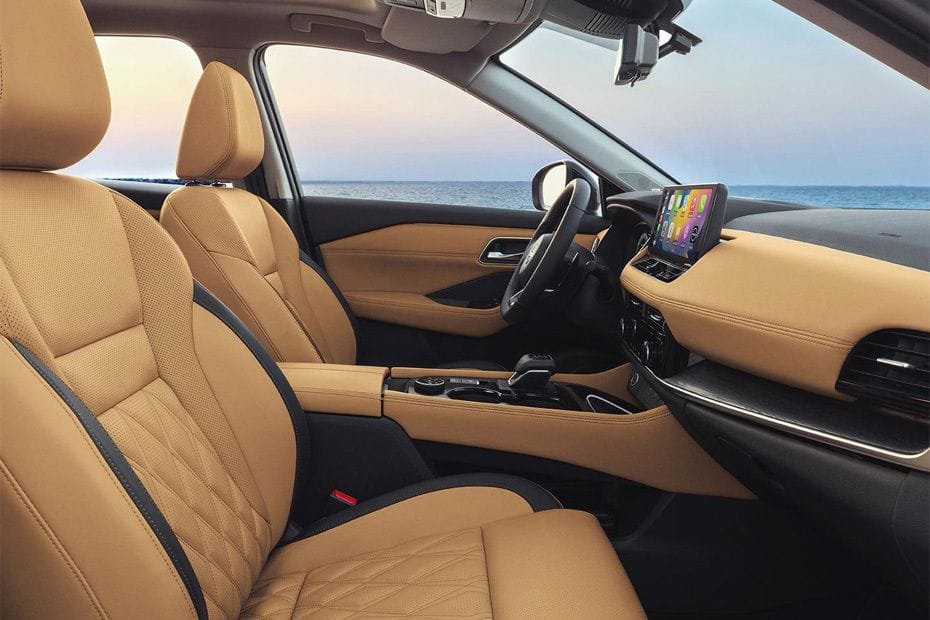
Price and Variants Comparison
|
Configuration |
Drive Type |
Price (SAR) |
Price Difference |
|
S 2WD 5 Seats |
Front-Wheel Drive |
104,999 |
Base Price |
|
S 2WD 7 Seats |
Front-Wheel Drive |
107,999 |
3,000 |
|
S 4WD 5 Seats |
All-Wheel Drive |
109,999 |
5,000 |
|
S 4WD 7 Seats |
All-Wheel Drive |
116,499 |
11,500 |
The Real Cost
That SAR 3,000 gap? You would be better off ignoring it simply because it is not a true representation when you consider several other factors. The real cost shows up in your daily driving. The seven-seater gives you 135 litres of cargo space with all seats up, and that's not really big. A large shopping trip from a mall, school bags or a long trip is going to be a squeeze.
The five-seater gives you 585 litres. That's four times more space, and you can use it every single day. Those extra seats in the back, you will use them maybe twice a month. Truthfully, most Saudi families buying the seven-seater don't actually need seven seats regularly. They think they need them, which is a big difference.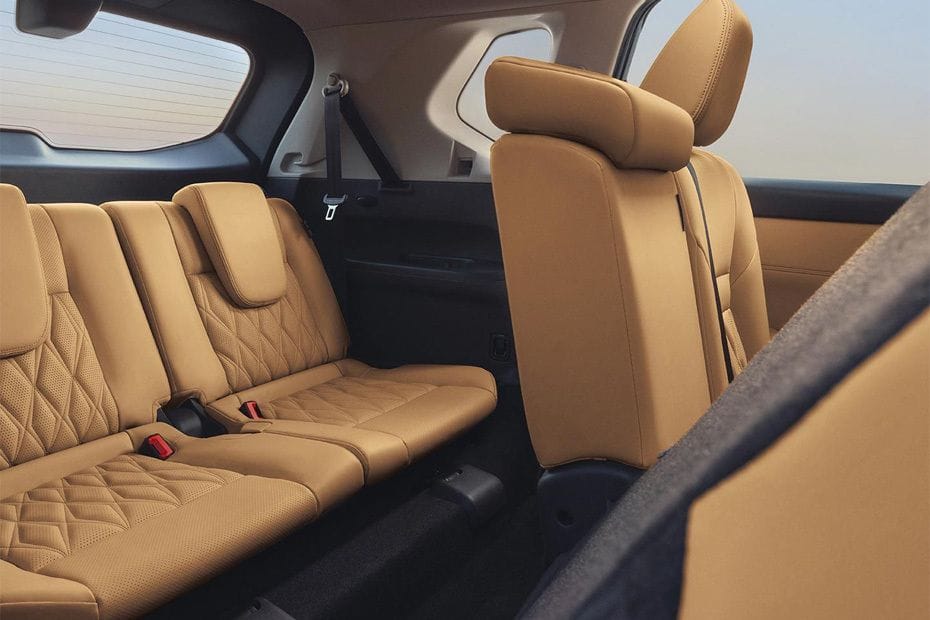
When The Seven-Seater Makes Sense
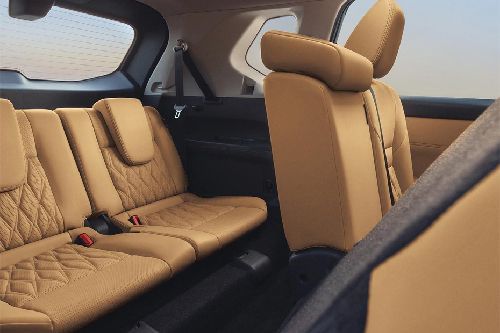
The seven-seater works when you genuinely carry seven people weekly, not occasionally. If your parents visit from out of town every Thursday, or you drive your kids plus their cousins to school regularly, those third-row seats earn their keep.
You have three or more children. Even if they are small now, they grow. Two kids in the second row, one in the third row – and suddenly that configuration makes sense. Better than squeezing three across the middle.
If you live in a city with good roads. In Riyadh, Jeddah, and Dammam, the X-Trail handles fine with seven people. But if you're doing desert trips with a full load, the suspension works harder. The 212 mm of ground clearance is the same regardless of seating configuration, but weight distribution changes.
For extended family gatherings that are your life, Saudi culture means family time matters. If you're the designated driver for group outings, the seven-seater pays off. That third row becomes valuable real estate.
The Five-Seater Fact
Most buyers should get the five-seater to use it for their daily commute and not necessarily need seven seats. Neither does your grocery run; school pickup works fine with all five. Are you planning a weekend trip to Taif or Abha? The extra cargo space beats cramped third-row seats every time.
The boot floor sits lower in the five-seater, and so loading heavy items becomes easier. Ever tried lifting a 20 kg rice bag into a seven-seater boot? That raised floor is annoying. The rear AC vents work better when they are not competing with a third row, which improves air circulation. In Saudi summer heat, this matters more than you think.
You get better weight distribution without the third row. The suspension doesn't work as hard. On long highway drives, this result translates to slightly better comfort. Not massive, but noticeable.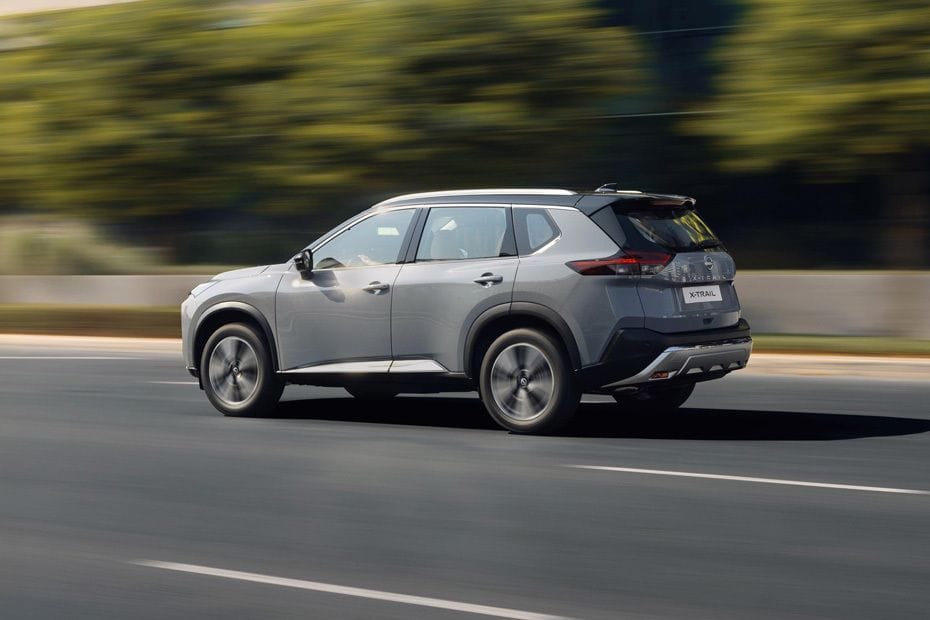
Key Features Comparison
|
Feature |
5-Seater Configuration |
7-Seater Configuration |
|
Seating Capacity |
5 passengers |
7 passengers |
|
Cargo Space (Seats Up) |
585 liters |
135 liters (3rd row up) |
|
Cargo Space (Max) |
1,396 liters |
1,396 liters (all seats folded) |
|
Second Row Legroom |
34.5 inches |
34.5 inches |
|
Third Row Access |
Not applicable |
Via sliding second row |
|
Boot Floor |
Flat, low loading height |
Stepped, higher threshold |
|
Engine & Performance |
2.5L, 181 hp, 244 Nm |
2.5L, 181 hp, 244 Nm |
|
Fuel Economy |
15.4 - 16.1 km/l |
15.4 - 16.1 km/l |
|
Standard Features |
Same across all variants |
Same across all variants |
Common Specs
When it comes to specs, both variants share the same 2.5-litre engine. The engine produces the same 181 hp and 244 Nm of torque in both configurations. The CVT transmission is identical. Fuel economy numbers are the same on paper; in reality, they might differ slightly depending on how often you fill all seven seats.
The handling changes with the seven-seater, though. While the changes are not significant, they do exist. More weight in the rear affects how the car settles over bumps. The X-Trail is not a sports car, so these changes won't ruin your driving experience. Both get the same safety features: brake assist, traction control, hill-start assist, and multiple airbags. The seven-seater doesn't compromise safety for extra seats. That's good.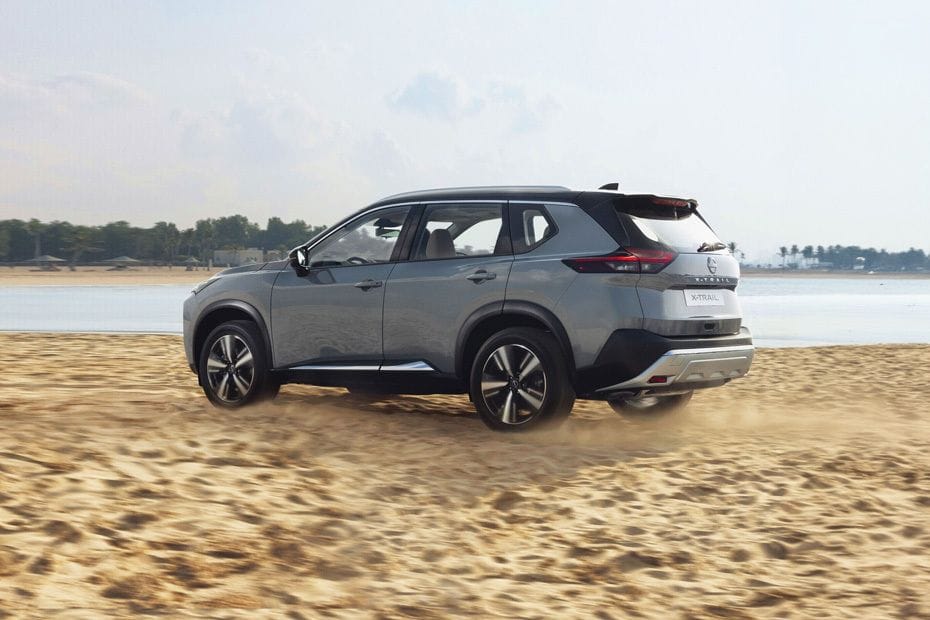
The Saudi Arabia Factor
Here's what matters specifically for KSA buyers:
Desert trips are common here, and if you do weekend escapes to the sand dunes, cargo space beats extra seats. You need room for tents, coolers, recovery gear, and supplies. The five-seater handles these requirements better. The extended warranty coverage is the same for both; parts availability is identical, and there's no special maintenance for the seven-seater configuration.
The dealer network across Saudi Arabia treats both variants equally. Service costs don't change based on seating. Summer heat affects both the same way, but the five-seater's better air circulation is a minor win.
The Decision Point
If you have to think hard about needing seven seats, you probably don't need them. People who genuinely need seven seats know it immediately. No hesitation or any confusion; they need it. Everyone else benefits more from the five-seater's practicality. Having more cargo space every day is more beneficial than having seats that are only occasionally used.
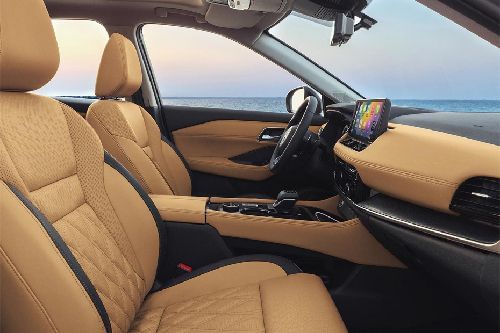
What is quite clear from the comparison is that the X-Trail is a solid family SUV regardless of configuration, and the 2.5L engine provides adequate power. The CVT transmission is smooth enough. The cabin quality in all variants matches the price point. The tech features work well. None of this changes between five or seven seats.
What changes is how you use the space. And for most Saudi families, that extra cargo room in the five-seater delivers more value than third-row seats that sit empty most of the time.
Also Read: Nissan X-Trail vs the Segment: The Compact SUV Battle in KSA
Dinesh Goluguri

With over 15 years of experience in the automotive world, Dinesh Goluguri bringing hands-on experience and deep market knowledge. Passionate about SUVs, sports cars and luxury vehicles, he combines enthusiasm with expertise in delivering insights that resonate with car buyers and enthusiasts alike. With a special interest in car modifications and upgrades, Dinesh offers a unique perspective that goes beyond standard reviews, highlighting both factory features and customization potential. His work helps readers navigate new launches, features and trends in the dynamic automotive market.
Read Full Bio-
Explore Nissan X-Trail
-
-
Nissan X-Trail -
Nissan Patrol -
Nissan Altima -
Nissan Magnite -
Nissan Kicks -
Nissan Patrol Nismo -
Nissan Tekton -
Nissan N7 -
Nissan Frontier Pro -
Nissan Juke EV -
Nissan Micra EV -
Nissan Leaf
-
Mitsubishi Outlander vs Nissan X-Trail and Kia Sorento: KSA's Best Midsize Family SUVs?

-
Peugeot Saudi Arabia Lineup Explained: Prices, SUVs, Sedans & Commercial Vehicles Guide
-
Nissan X-Terra SE vs. Titanium: Which Variant Should Saudi Buyers Choose?
-
Ford’s Big Move to Saudi Arabia: A New Era for the Brand in the Middle East
-
Latest Peugeot Price Guide in Saudi Arabia: Updated Costs for SUVs and Vans

- News

- Latest
- Upcoming
- Popular
-
 Nissan Frontier ProPrice coming soon
 -
 Nissan Juke EVPrice coming soon
 -
 Nissan LeafPrice coming soon
 -
 Nissan Micra EVPrice coming soon
 -
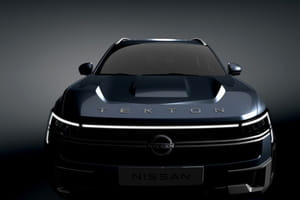 Nissan TektonPrice coming soon
 -
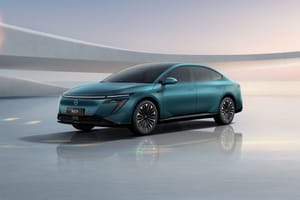 Nissan N7Price coming soon
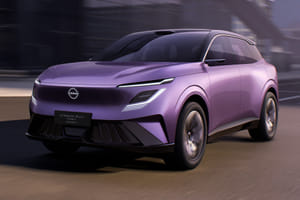
-
 Nissan PatrolSAR 261,000 - 422,999
 -
 Nissan PathfinderSAR 164,999 - 227,999
 -
 Nissan AltimaSAR 112,700 - 141,500
 -
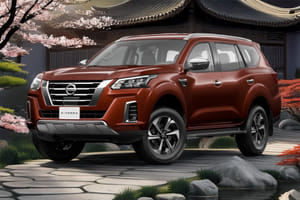 Nissan XterraSAR 118,999 - 163,999
 -
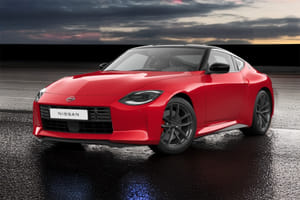 Nissan ZSAR 261,999

-
 Nissan X-Trail29 Apr, 2026 .
|
|
|
|
|
|
Transmission Type
Automatic
|
Automatic
|
Automatic
|
Automatic
|
Automatic
|
|
Engine Displacement
2498
|
1997
|
-
|
1498
|
1798
|
|
Power
181Hp@6000rpm
|
142Hp@6000rpm
|
165hp@6000rpm
|
147Hp@5500rpm
|
190Hp
|
|
Torque
244Nm@4000rpm
|
190Nm@4000rpm
|
241Nm@4000rpm
|
250Nm@2000-3500rpm
|
320Nm
|
|
|
- Latest
- Upcoming
- Popular
-
 KIA EV2SAR 148,000
 -
 Toyota CenturyPrice coming soon
 -
 Jeep Grand Cherokee 2026Price coming soon
 -
 ZEEKR 9XPrice coming soon
 -
 Mitsubishi PajeroPrice coming soon
 -
 Hyundai Ioniq 9Price coming soon
-
 Land Rover Range RoverSAR 591,500 - 1.3 Million
 -
 GMC HUMMER EVSAR 579,200 - 725,500
 -
 Hyundai PalisadeSAR 242,305 - 242,368
 -
 Changan UNI-KSAR 141,335
 -
 Toyota RaizeSAR 68,827 - 75,497
 -
 Hyundai TucsonSAR 103,500 - 162,552