SUV vs Sedan Ownership Cost in KSA: What Buyers Often Miss

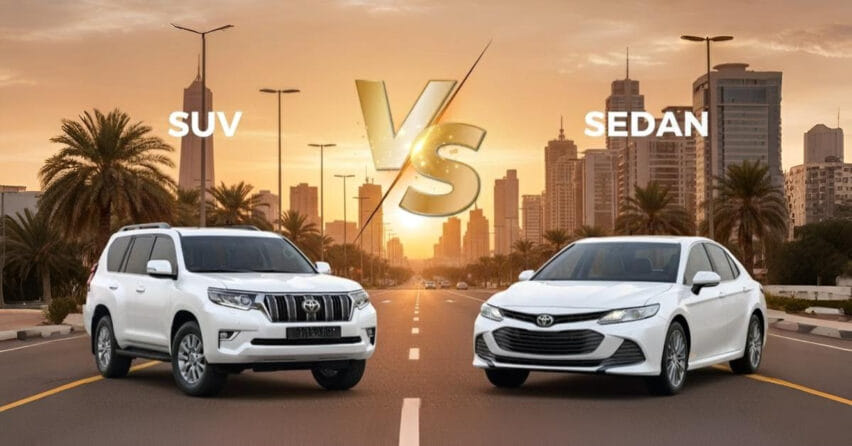
Saudi Arabia: As we enter the new year, the Saudi Arabian automobile market is clearly growing and thriving. And the obvious visible trend is hard to miss. SUVs are slowly taking over the market more than ever. And as a new buyer or market observer, just walk into any Saudi car showroom; it's not what you see, but the sales pitch is predictable. SUVs dominate the floor space, the conversation and the sales numbers. The reason is quite simple: SUVs are tough, sit high, and feel capable for almost every need. As a result, once the most popular choice, sedans are fast getting pushed to the corners. Therefore, the message is clear: SUVs are what everyone wants.
KEY TAKEAWAYS
Do SUVs actually cost more to own than sedans in KSA?
Yes. Insurance, fuel, tyres, and maintenance costs run 15-25% higher on average for SUVs.What's the biggest hidden cost difference?
Insurance. SUVs cost 3.5-7% of vehicle value yearly; sedans cost 3.5-7%—on expensive vehicles, that's substantial.There is nothing wrong with what buyers choose when it comes to their own personal mobility. If you're also looking to buy your first SUV or upgrade an older car to a new one, it is not hard to see an SUV is what occupies your mind. But it's not just the purchase price alone but the running and total ownership cost that matters the most, and you should consider everything before you arrive at a decision. Before you walk into a showroom, keep in mind what dealers don't mention during those smooth sales presentations. The real cost of owning an SUV in Saudi Arabia is 15–25% higher than a comparable sedan. And most buyers don't realise how much more they're paying until the bills start arriving. There are several layers of cost, including insurance, fuel, tyres, and regular maintenance for KSA Buyers. Roughly, over five years, these differences add up to SAR 20,000-35,000.
Let's look at the cost implications of owning an SUV against a sedan. There are several aspects that we highlight to help you make the right decision. During your buying decision, these costs may not be a significant topic of discussion, but if you examine them closely, it becomes clear what their overall impact is and how they can influence your decision.
Insurance: The Gap Nobody Talks About
The first mandatory cost by law is Car Insurance in Saudi Arabia; there is no way around this. The cost is calculated as a percentage of the vehicle's value. This may sound simple, but it is not always; it comes with a catch. SUVs cost more to buy, which means higher insurance premiums from day one. A SAR 120,000 SUV pays SAR 4,200-6,000 yearly for comprehensive coverage (3.5-7% of value). A comparable SAR 90,000 sedan pays SAR 2,700-3,600. That's SAR 1,500-2,400 more per year just for insurance.
Over five years, the insurance alone costs SAR 7,500-12,000 extra. That's a used car's worth of money spent just on insurance premiums. And insurance rates have been rising consistently, and they have gone up 20-100% in recent years due to higher accident rates and spare parts costs. SUVs, with their higher values and more expensive parts, feel this increase harder than sedans. Third-party liability insurance costs less but still follows the same pattern. SUVs pay more because their potential damage costs more.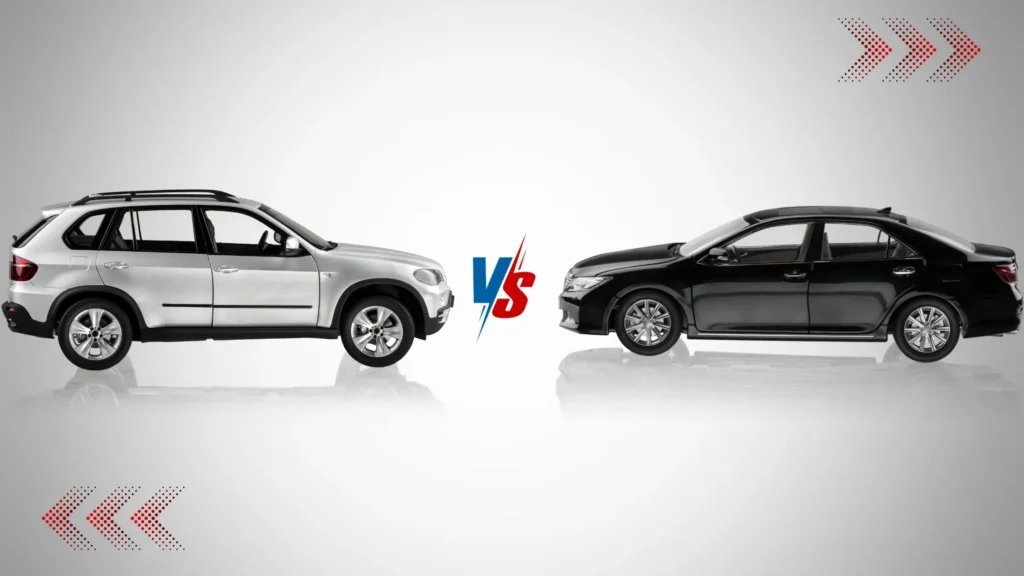
Annual Ownership Cost Comparison (5-Year Period)
|
Cost Category |
Mid-Size Sedan (SAR 90,000) |
Mid-Size SUV (SAR 120,000) |
Difference |
|
Insurance (annual) |
SAR 2,700-3,600 |
SAR 4,200-6,000 |
+SAR 1,500-2,400 |
|
Fuel (20,000 km/year) |
SAR 4,800-5,500 |
SAR 7,200-9,000 |
+SAR 2,400-3,500 |
|
Tyres (every 2 years) |
SAR 1,200-1,800 |
SAR 2,400-3,600 |
+SAR 1,200-1,800 |
|
Maintenance (annual) |
SAR 1,500-2,000 |
SAR 2,200-3,000 |
+SAR 700-1,000 |
|
Total Annual Extra Cost |
- |
- |
+SAR 5,800-8,700 |
|
5-Year Total Extra Cost |
- |
- |
+SAR 29,000-43,500 |
Fuel Consumption: The Running Cost
Fuel prices in Saudi Arabia remain lower than in the rest of the world, but the regular consumption adds up fast when you're driving 20,000-30,000 km yearly.
SUVs are heavier, they push more air, and their engines work harder, all of which impact fuel efficiency. A typical mid-size sedan achieves 14-18 km/L in real-world Saudi driving conditions, and a comparable SUV gets 8-10 km/L.
Run the numbers for 20,000 kilometres a year:
|
Vehicle |
Efficiency |
Fuel Needed |
Cost @ SAR 3.10/L |
|
Sedan |
13 km/L |
1,538 liters |
SAR 4,768 |
|
SUV |
9 km/L |
2,222 liters |
SAR 6,888 |
Annual difference: SAR 2,120
Over five years: SAR 8,140 extra for the SUV.
Now keep in mind that's before considering city driving, which expands the gap further. SUVs in Riyadh or Jeddah traffic can drop to 6-7 km/L, but sedans maintain 10-11 km/L even in stop-and-go conditions.
Tyres: May not feel big, but it is.
Tyre replacement happens every 40,000–60,000 km in Saudi conditions. The heat and road surfaces are tough on rubber, and it is wise to budget for new tyres every 2 years or if you drive normally.
|
Tyre Type |
Width |
Good Quality Set |
Premium Brands |
|
Sedan |
195-205mm |
SAR 1,200-1,800 |
SAR 2,000-2,500 |
|
SUV |
225-265mm |
SAR 2,400-3,600 |
SAR 4,000-5,500 |
The difference comes in size, as SUV tyres are wider, taller, and designed for heavier loads. They cost double what sedan tyres cost, and if you run an SUV with proper off-road capabilities, the tyres cost even more.
It is often found that many buyers don't factor this in. They see the purchase price difference and think that's it. Then, two years later, they're paying SAR 3,000 for a set of tyres instead of SAR 1,500.
Maintenance and Parts
This is another key aspect of car ownership, which is compulsory and regular. A scheduled maintenance follows manufacturer intervals, usually 10,000 km for both sedans and SUVs, but the costs differ significantly.
|
Service Item |
Sedan |
SUV |
|
Oil changes |
4-5 liters |
6-8 liters |
|
Brake pads/rotors |
Standard |
Larger (20-50% more) |
|
Filters/Wipers |
Standard size |
Physically larger |
Labour costs more as SUVs have heavier components.
Annual maintenance for a mid-size sedan runs SAR 1,500-2,000, as compared to a similar SUV, except SAR 2,200-3,000. That's an SAR 700-1,000 yearly difference, or SAR 3,500-5,000 over five years.
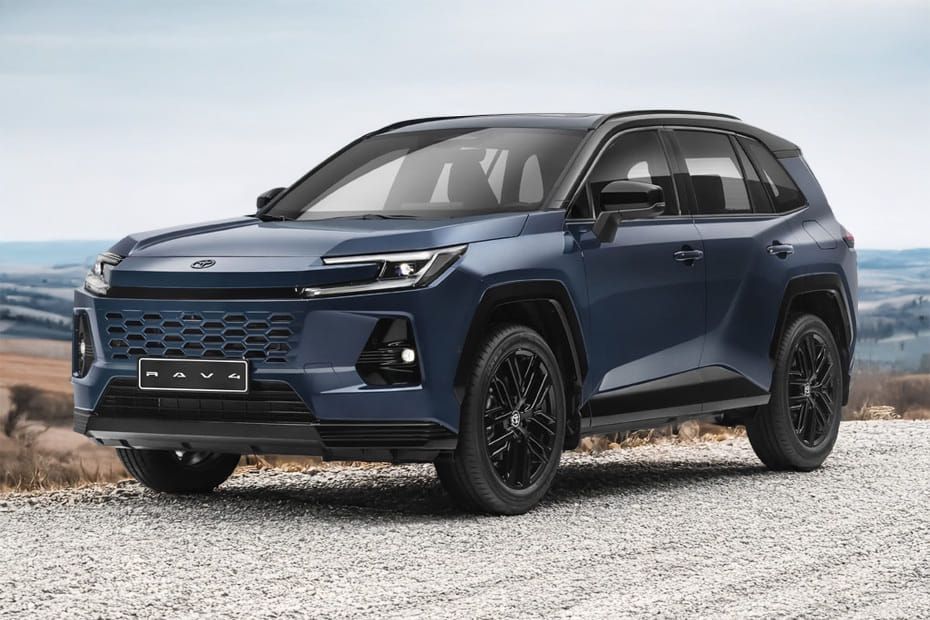
This is assuming everything works just fine, and nothing breaks. If something fails outside warranty, SUV parts cost more. A replacement door on a Camry costs less than a replacement door on a RAV4. Same manufacturer, same dealership, but the SUV part is simply bigger and more expensive.
The Depreciation Factor
Both SUVs and sedans depreciate, but here again the patterns are different, which is worth considering for every buyer.
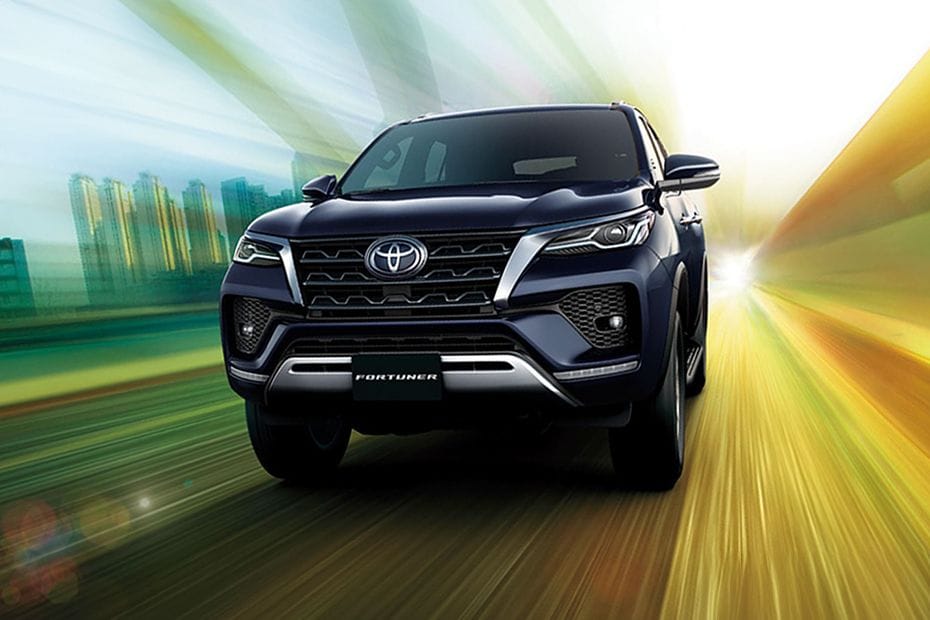
SUVs in Saudi Arabia hold value better than sedans because demand remains high. A five-year-old Toyota Fortuner sells for 65–75% of its original price. A five-year-old Camry sells for 50–60%.
But this is not that straightforward, and it is not very difficult to see why. While buying an SUV, you are already paying a higher price as a premium upfront. A SAR 120,000 SUV worth 65-75% after five years is worth SAR 78,000-90,000. You lost SAR 30,000-42,000. A SAR 90,000 sedan worth 50-60% is worth SAR 45,000-54,000. You lost SAR 36,000-45,000. The SUV holds better percentage-wise, but you still lose more actual money because you started higher. This is rather pretty simple math.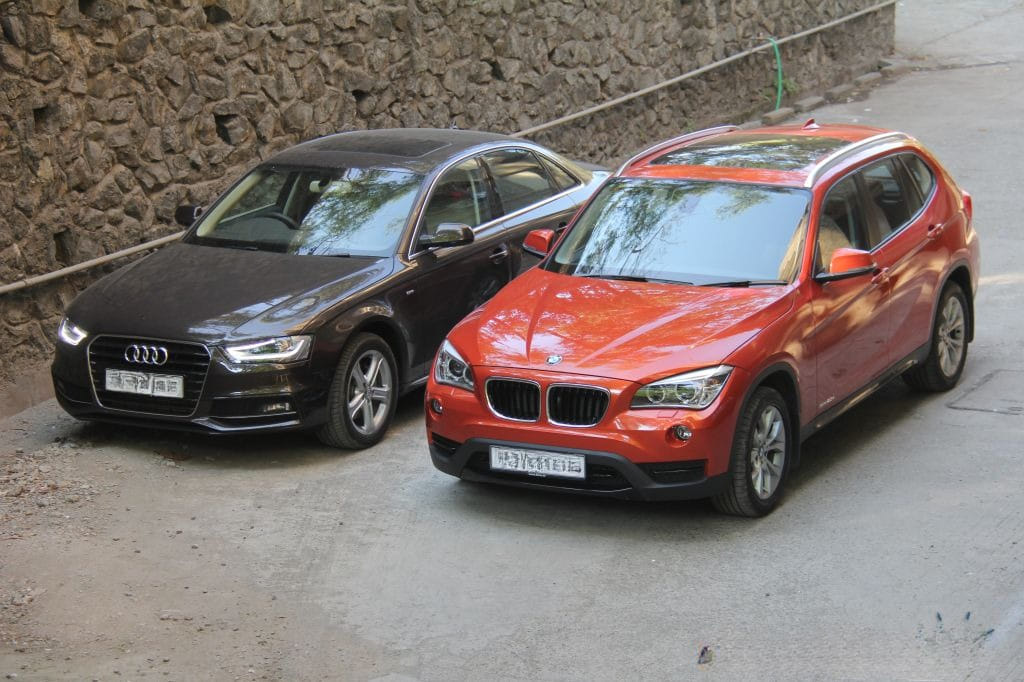
What Buyers Actually Get
This is not to say that SUVs are impractical or undesirable choices. Not at all; there are certain advantages and benefits that make buyers consider them in the first place and even be ready to pay a premium. They provide real benefits:
- Ground clearance: Matters for unpaved roads, speed bumps, and flooded streets after rain
- Cargo space: More vertical room for moving furniture or large items
- Seating position: Better visibility in traffic
- Towing capacity: If you need to tow a trailer or boat
- Desert capability: If you actually go off-road
But be honest about whether you need these features. Most SUVs in Riyadh never leave paved roads. SUVs in Riyadh sit in traffic like sedans, but they consume more fuel while doing so.
Advantages of sedans
- Lower running costs: Across every category
- Better handling: Lower center of gravity means more stable cornering
- Easier parking: Smaller footprint in tight spaces
- Quieter ride: Less wind noise at highway speeds
- Better fuel efficiency: Saves money every single day
The sedan does the job for 90% of daily driving needs. School runs, commuting, weekend trips to Dammam or Jeddah—sedans handle all of this efficiently.
What Should You Do
Is there even a real decision? Frankly, there is no right or wrong answer here. It is just a matter of personal choices and preference, and the financial commitment comes with car ownership. The SUV vs sedan choice isn't about which is better. It basically is about understanding what you're actually paying for.
If you need the space and capability, the extra SAR 29,000-43,500 over five years is money well spent. You're buying functionality you actually use, because sedans always have limited space; you can't have three-row sedans, right?
However, if your decision to buy an SUV is based on factors like the look or driving dynamic or only because everyone else is buying them, in that case your decision comes with a potentially heavy financial commitment, spending at least tens of thousands extra for perception rather than performance. This is something you won't hear from dealers; they will sell what suits their bottom line, as it is what makes them the most money. Their commission is higher on more expensive vehicles. They're motivated to sell you the SUV whether you need it or not, contributing to the SUVs winning over sedans in Saudi Arabia.
Conclusion
Looking purely from an ownership cost perspective, there is a noticeable difference across the board, and it is not hard to notice. SUV ownership in Saudi Arabia costs 15–25% more than sedan ownership when you account for insurance, fuel, tyres, and maintenance. Over five years, that cost looks ever wider, ranging between SAR 29,000 and 43,500 in extra expenses. But those are just numbers that tell half the story. If you are someone who really needs an SUV for a specific purpose, like having a bigger family, needing that extra space and also the higher capability of an SUV, then it is worth it. Ultimately, SUVs have come with their advantages, and many buyers find them exactly what they need. There is just a minor aspect of real utility and just following the trend, and you end up spending more than you actually need or have to. Now you understand what dealers often fail to mention to choose the Best Car Deals in Saudi Arabia Right Now (SUVs, Sedans & EVs).
Dinesh Goluguri

With over 15 years of experience in the automotive world, Dinesh Goluguri bringing hands-on experience and deep market knowledge. Passionate about SUVs, sports cars and luxury vehicles, he combines enthusiasm with expertise in delivering insights that resonate with car buyers and enthusiasts alike. With a special interest in car modifications and upgrades, Dinesh offers a unique perspective that goes beyond standard reviews, highlighting both factory features and customization potential. His work helps readers navigate new launches, features and trends in the dynamic automotive market.
Read Full Bio-
Toyota Raize -
Toyota Fortuner -
Toyota Yaris -
Toyota Land Cruiser 70 Hard Top -
Toyota RAV4 2026 -
Toyota Urban Cruiser -
Toyota Camry -
Toyota Corolla -
Toyota Supra -
Toyota Land Cruiser Prado -
Toyota Land Cruiser 70 Pickup -
Toyota Land Cruiser HEV MAX
- News
- Latest
- Popular
-
 Toyota CenturyPrice coming soon
 -
 Toyota TundraPrice coming soon
 -
 Toyota SequoiaPrice coming soon
 -
 Toyota bZ4XPrice coming soon
 -
 Toyota GR YarisPrice coming soon
 -
 Toyota Urban Cruiser 2026Price coming soon
-
 Toyota RaizeSAR 68,827 - 75,497
 -
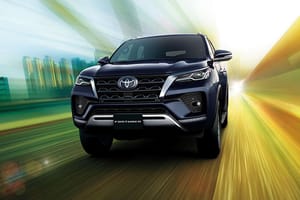 Toyota FortunerSAR 128,742 - 187,047
 -
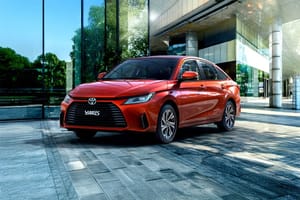 Toyota YarisSAR 66,700 - 78,832
 -
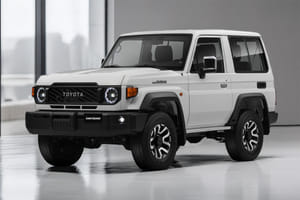 Toyota Land Cruiser 70 Hard TopSAR 158,240 - 201,192
 -
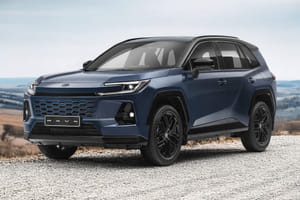 Toyota RAV4 2026SAR 106,662 - 165,542
 -
 Toyota Urban CruiserSAR 82,915 - 92,115

-
 Designed for the City06 May, 2026 .
 -
 Toyota Yaris06 May, 2026 .
 -
 It shines with a completely new style06 May, 2026 .
 -
 Toyota Crown06 May, 2026 .
 -
 the most amazing of its generation06 May, 2026 .
 -
 Toyota Corolla Cross06 May, 2026 .
 -
 Toyota Rav406 May, 2026 .
 -
 2026 Toyota Supra Track Edition06 May, 2026 .