Why Sedans Are Losing Ground to Compact SUVs in KSA

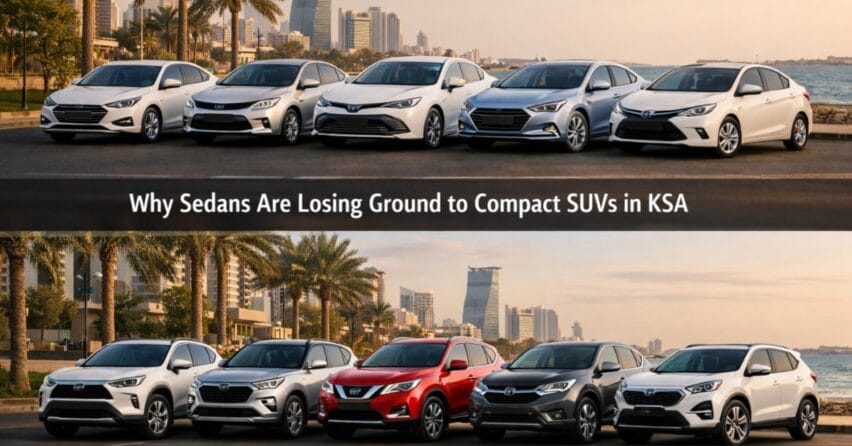
Saudi car buyers are increasingly choosing SUVs over sedans, marking a rapid change in market trends. This accelerating change over the last few years is more visible in 2026 than before, as the presence of SUVs is surpassing that of sedans on roads across cities and towns. You can observe this phenomenon by strolling through any mall parking lot in Riyadh or Jeddah, where SUVs are a common sight. And sales trends confirm this, as the compact SUVs now outnumber sedans in premium spots. In the retail space, showrooms dedicate more floor space to high-riding vehicles than traditional four-door saloons.
KEY TAKEAWAYS
What are the top five popular sedans in KSA in 2025?
Toyota Camry, Hyundai Accent, Toyota Yaris, Kia K5, Nissan Altima.What are the top five popular SUVs in the KSA in 2025?
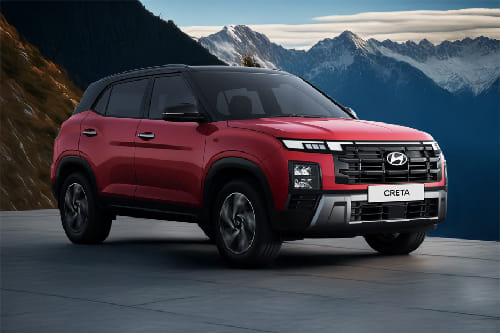
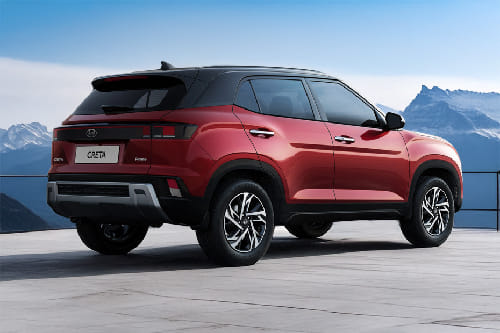
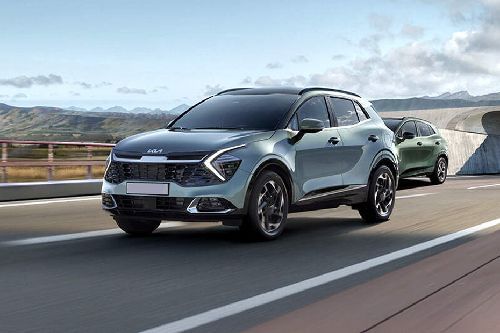
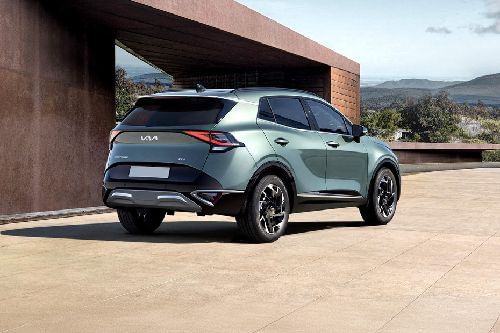
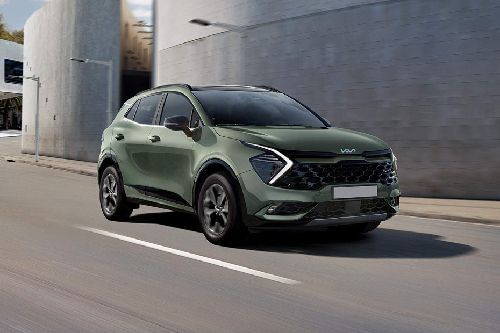
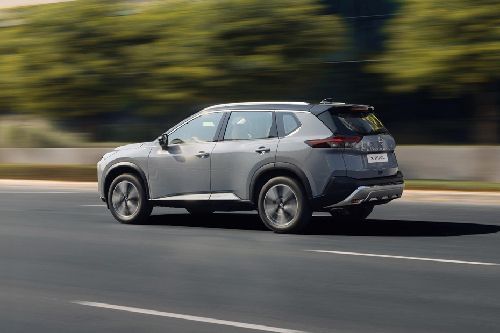
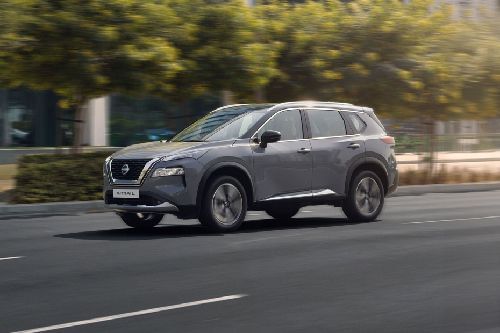
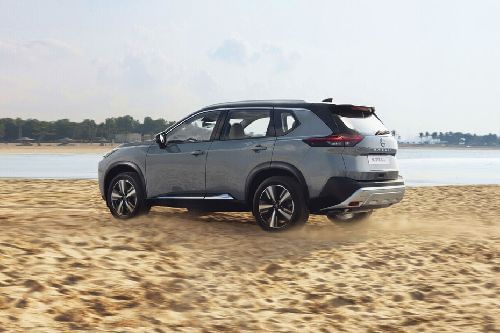
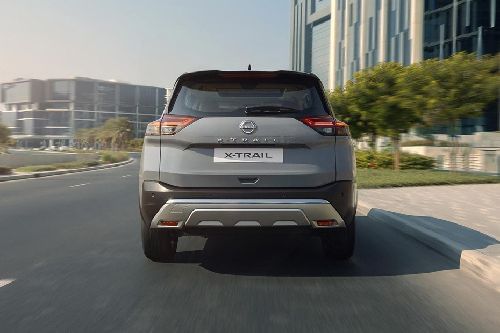
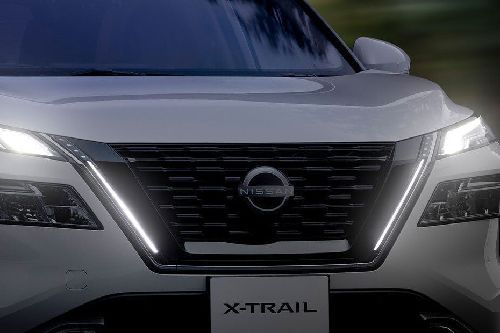
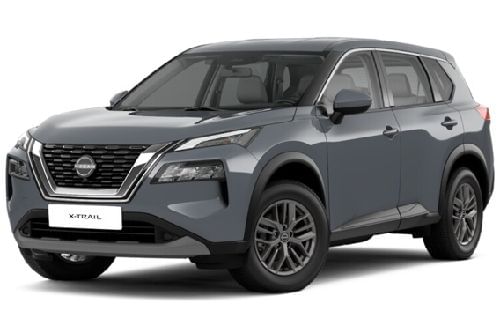
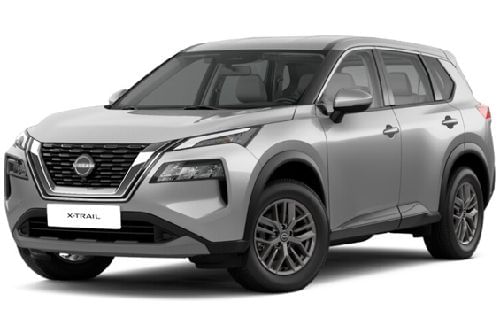
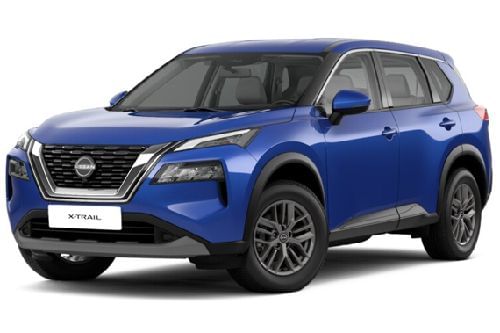
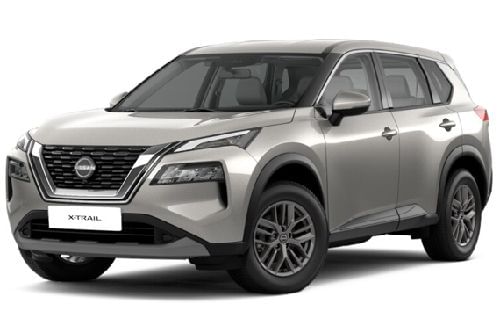
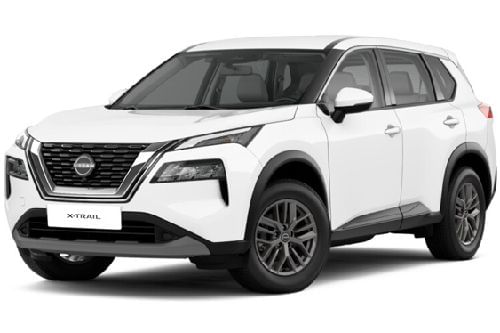
Toyota RAV4, Hyundai Creta, Toyota Corolla Cross, Kia Sportage, Nissan X-Trail.Just five years ago, sedans dominated Saudi roads. Models such as the Toyota Camry, Honda Accord, and Nissan Altima were the most preferred choices for families and professionals. Today, their popularity has rapidly shifted in favour of RAV4, CR-V, and X-Trail instead. This transformation is not merely a passing fad or trend; it underlines a deep-rooted market shift that is fundamentally transforming the automotive landscape. Understanding why sedans are losing ground points to several aspects, including changing Saudi lifestyles, cultural preferences, and practical considerations that make compact SUVs the new standard.
Market Scenario
Saudi Arabia's vehicle sales hit around 827,000 units in 2024. Compact SUVs cornered over 30–35% share, up from 20–25% in 2020. During the same period, the share of sedans decreased from 60% to 45–50%. The shift speeds up every passing year.
Best-Selling Vehicles Comparison (KSA 2024)
|
Top Sedans |
Top Compact SUVs |
It is worth noting that affordable cars still lead overall sales, but compact SUVs dominate the SAR 100,000+ segment, where automakers near higher profits, and dealerships push crossovers because they generate better returns.
Why Buyers Choose Compact SUVs Over Sedans
The Practical Advantages
|
Factor |
Compact SUV |
Sedan |
Winner |
|
Ground Clearance |
180-220mm |
130-160mm |
SUV |
|
Cargo Space |
450-600 L |
400-500 L |
SUV |
|
Seating Position |
High, commanding |
Low, traditional |
SUV |
|
Entry/Exit |
Easy, step-in |
Lower, bend down |
SUV |
|
Towing Capacity |
1,500-2,000kg |
500-1,000kg |
SUV |
|
Fuel Economy |
12-15 km/l |
14-18 km/l |
Sedan |
Ground Clearance Matters
This is rather a practical aspect wherein we often find that Saudi roads vary dramatically in quality. Main highways are easy to drive due to their good quality; residential streets and rural areas present challenges. The speed bumps are literally everywhere; some are marked, but many are not. Similarly, unpaved roads are quite common outside major cities, and weekend desert trips are part of Saudi culture.
Under such driving conditions, compact SUVs with their 180–220 mm ground clearance make a lot of practical sense compared to sedans' 130–160 mm. This extra height makes a huge difference in preventing any possible scraping on speed bumps, handles rough roads better, and allows light off-road driving. Most owners find fewer undercarriage repairs and more confidence driving anywhere.
Cargo Flexibility
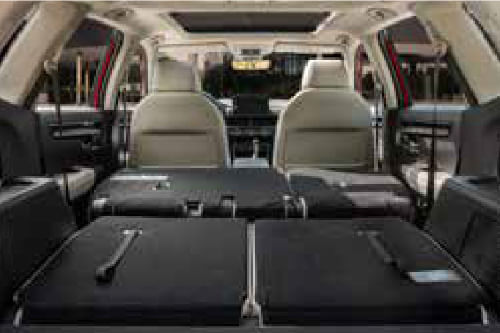
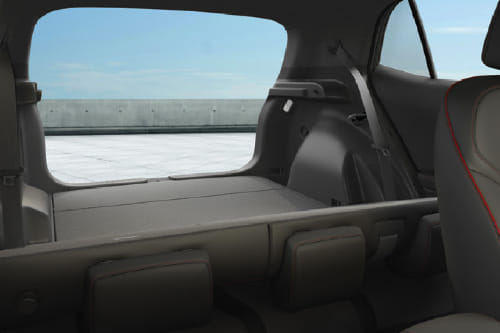
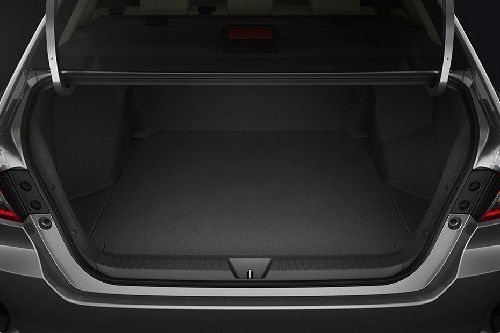
Sedans are known to have bigger boot space; however, if you load tall items, it is not simple due to the fixed roofline limits on what fits. On the other hand, compact SUVs provide vertical space that matters when carrying shopping, luggage, or equipment. The hatchback design allows larger items, and folding rear seats create flat cargo floors that sedans hardly match.
For most families returning from hypermarkets with bulk purchases, the difference is significant. Baby strollers, camping gear, and sports equipment all fit easier in SUVs. The practical advantage is real, not perceived.
Commanding Seating Position
Saudi drivers regularly identify better visibility as a key SUV advantage. The higher seating position makes it easier to see the front while driving. This boosts your confidence, as you can easily look at the traffic, spot any risks quickly, and get better control. This benefit matters even if actual safety differences are minimal.
Parking becomes easier despite the larger size, as you see kerbs and obstacles better. Backing up feels more confident. The commanding position creates a sense of security that sedan drivers describe missing once they switch to SUVs.
Easy Entry and Exit
This matters more than most people realise, especially for older family members. Stepping into an SUV feels more natural than lowering yourself into a sedan. Exiting is simpler; step out rather than hoist yourself up. For families with elderly parents or young children, this everyday convenience accumulates.
Women wearing abayas report easier movement in SUVs. The higher roofline provides more headroom. The wider door openings help. These small factors influence daily satisfaction significantly.
Cultural and Social Factors
Family Size and Structure
Saudi families average 5–6 members, which is larger than global norms. Multi-generational travel is common; parents, children, and grandparents often travel together. Compact SUVs accommodate such families better than sedans.
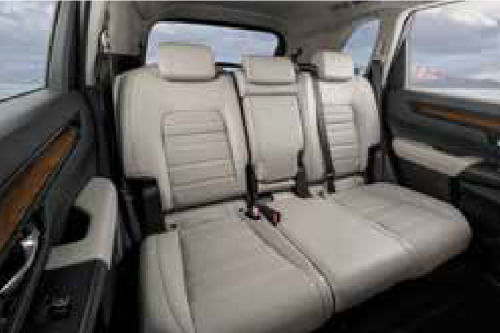
The rear seat space in quality compact SUVs matches or exceeds midsize sedans. Three adults fit more comfortably because SUVs offer more shoulder room and headroom. Long trips to Taif, Abha, or family gatherings in other cities require comfortable rear seating. SUVs deliver these amenities better. Here is the quick comparison between two of the best Mid-Size SUVs: Mazda CX-5 vs Hyundai Tucson.
Status and Perception
In Saudi culture, car ownership reveals much about a person, particularly regarding their hierarchical status and overall success. It is quite common to feel SUVs are a signal of greater affordability than sedans at similar price points. For example, the RAV4 is considered far more popular due to its body style than an Accord, while both come at the same price and carry similar quality and performance.
This perception often plays out in automobile purchase decisions and professional purchases. Like company cars, SUVs are increasingly preferred, and business owners choose them for client meetings. The image factor is genuinely real and impacts buying decisions, even when buyers understand it's partly psychological.
Outdoor Lifestyle
This is another factor in Saudi Arabia's landscape that bolsters outdoor activities. Desert camping, wadi visits, and mountain trips – such events and activities suit SUVs better. The Red Sea coast, northern highlands, and Empty Quarter attract weekend adventurers. Even light off-road capability matters.
Economic Considerations
Resale Value Comparison
|
Vehicle Type |
3-Year Resale Value |
5-Year Resale Value |
|
Compact SUVs |
60-65% |
45-50% |
|
Sedans |
52-58% |
38-43% |
In Saudi Arabia's used car market, compact SUVs outperform sedans in terms of value retention, a crucial factor for any car buyer. A three-year-old RAV4 can easily retain 65% of its value compared to 55% for an Accord. This 10% difference matters when selling or trading with most buyers, which works in favour of SUVs. Buyers understand this changing trend, and so naturally buying an SUV seems to be a safer investment. And the higher demand in the resale market actually pushes them to pay more at the purchase and for high running costs.
Insurance and maintenance.
Insurance premiums run 5–10% higher for SUVs due to higher replacement values. Maintenance expenses are comparable, sometimes slightly higher for SUVs due to larger parts. Tyre replacement costs are higher because SUVs use bigger, often specialised tyres.
Fuel prices favour sedans significantly, yet buyers mostly accept these higher costs because of their inherent benefits. The value equation shifted in SUVs' favour, despite economic disadvantages, which may not seem like very practical things, but that is what makes the market forces so dynamic.
What Sedans Still Do Better?
Driving Dynamics: Sedans handle better with lower centres of gravity, improving cornering. Lighter weight enhances acceleration and braking, and highway stability is superior, with less wind buffeting, quieter cabins, and a more planted feel at high speeds.
Fuel Efficiency: More practically, sedans offer nearly 14–18 km/l versus SUVs' 12–15 km/l; they have better aerodynamics, which save thousands yearly for high-mileage drivers. If you consider hybrid sedans, then the gap widens significantly; a Camry hybrid hits 23–24 km/l, and an Accord hybrid reaches 24.9 km/l, with no real match by a compact SUV in this.
Lower Operating Costs: Overall, taking into account smaller tyres, cheaper parts, and simpler systems (if calculated over 150,000 km), sedans save SAR 10,000–15,000 versus equivalent SUVs. This feature explains why Camrys dominate taxi fleets.
Price Advantage: Entry sedans start at SAR 70,000–80,000 versus SUVs at SAR 90,000–100,000. Even with higher trims, sedans cost SAR 10,000–20,000 less. A Camry tops out at SAR 149,500, while a RAV4 reaches SAR 151,800 – similar quality for less money.
The Market Realities
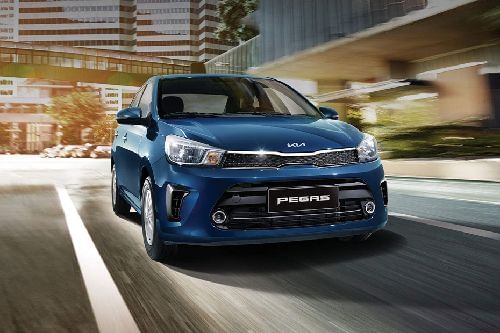
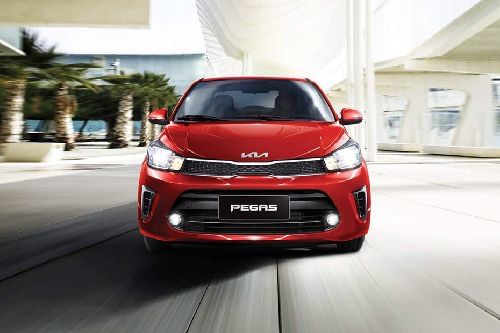
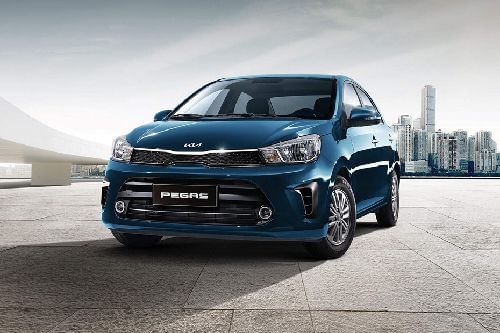
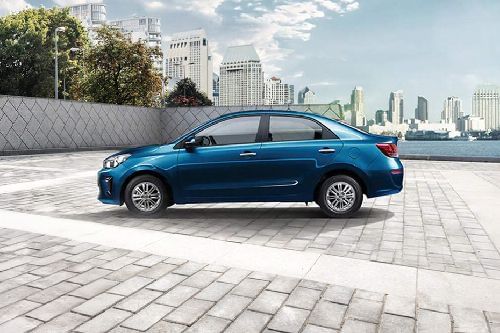
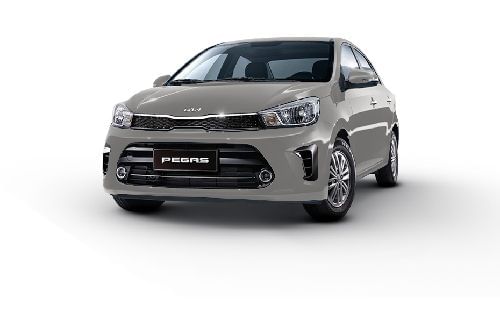
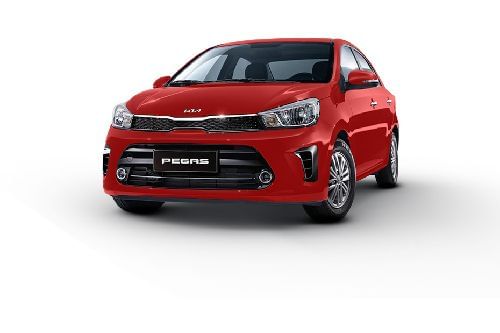
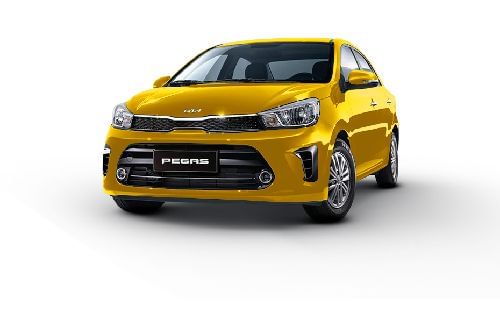
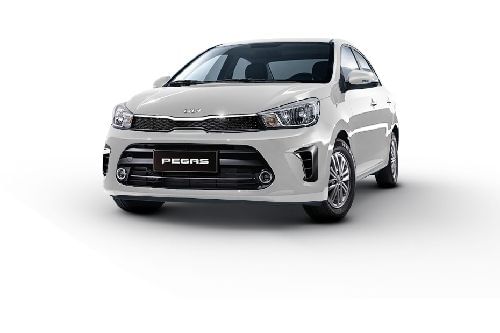
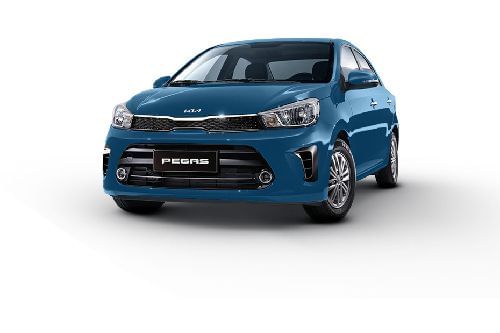
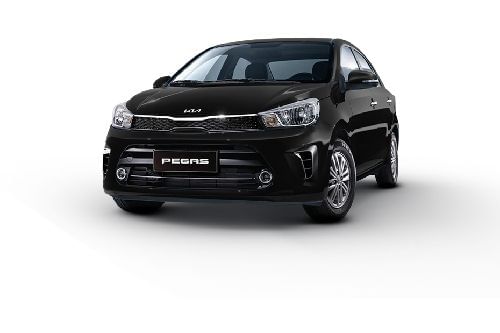
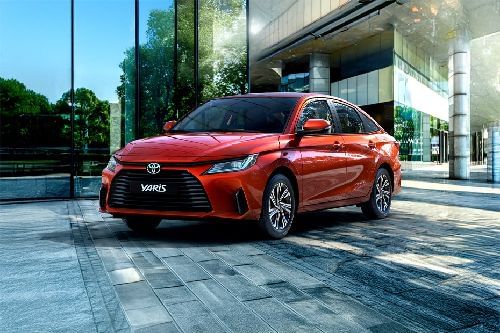
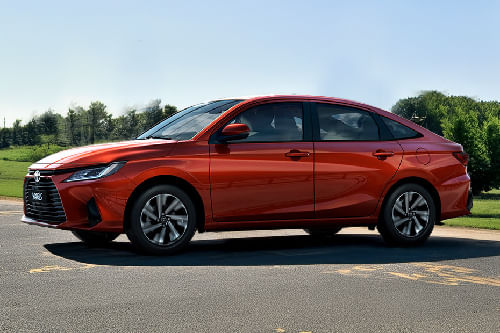
Economy Segment (Under SAR 100,000): In this entry-level segment, sedans continue to maintain the lead, with popular models like the Hyundai Accent, Kia Pegas, and Toyota Yaris because they're affordable and efficient. Budget buyers choose sedans; SUVs compromise too much at these prices.
Mid-Range (SAR 100,000–150,000): The battle intensifies in this segment: Camry vs RAV4, Accord vs CR-V. SUVs increasingly win as buyers focus on versatility and image over sedan efficiency.
Premium (above SAR 150,000): In this pricey segment, SUVs totally dominate; the BMW X5, Mercedes GLE, and Lexus RX far outsell sedan equivalents.
Future Outlook: Sedans will serve niches, budget buyers, high-mileage drivers, and enthusiasts. It is expected that compact SUVs will capture over 40% of the market share in Saudi Arabia over the next two years. Here are the best Chinese SUVs for Saudi Roads in 2026.
Conclusion
Buyers in Saudi Arabia clearly prefer SUVs over sedans due to a combination of practical advantages. This includes better ground clearance, more cargo space, commanding visibility, and easier access. SUVs come with their advantages, but they are also expensive and cost more to run, but still most car buyers choosing them consider all the factors; that is how the market is seeing a clear change in pattern. Sedans, on the other hand, have been popular for decades, still appeal to buyers, and have a large share of the overall volume in Saudi Arabia. With a strong alternative to buyers, their sales seem to be slower today than in the past, but they are not going anywhere. Ultimately, the choice clearly favours SUVs among car buyers.
Dinesh Goluguri

With over 15 years of experience in the automotive world, Dinesh Goluguri bringing hands-on experience and deep market knowledge. Passionate about SUVs, sports cars and luxury vehicles, he combines enthusiasm with expertise in delivering insights that resonate with car buyers and enthusiasts alike. With a special interest in car modifications and upgrades, Dinesh offers a unique perspective that goes beyond standard reviews, highlighting both factory features and customization potential. His work helps readers navigate new launches, features and trends in the dynamic automotive market.
Read Full Bio-
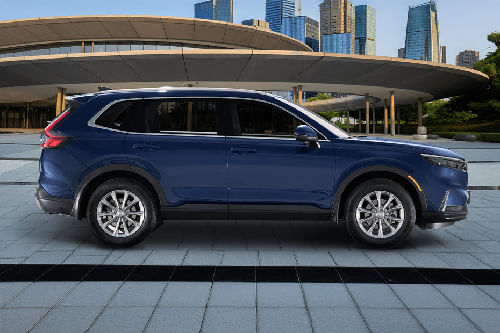
Explore Honda CR-V
-
-
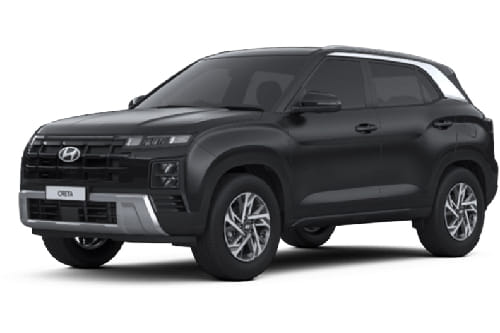
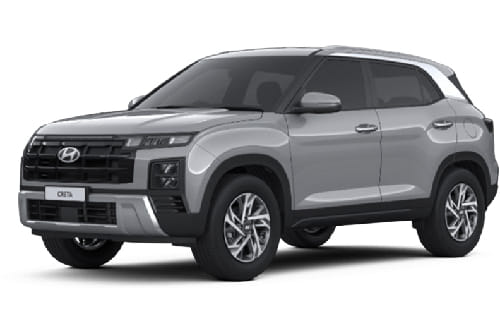
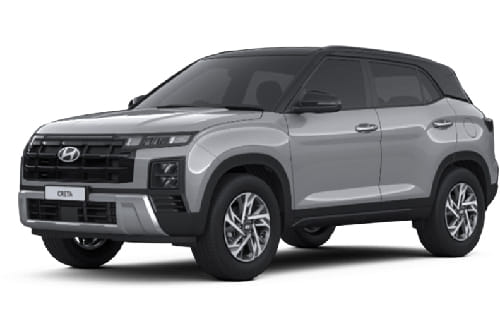
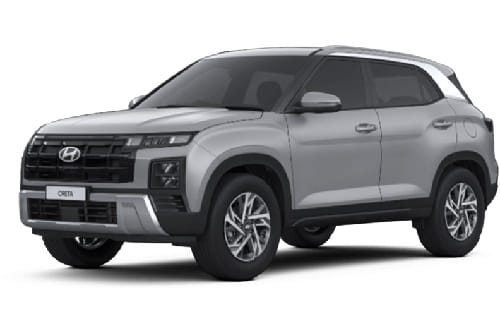
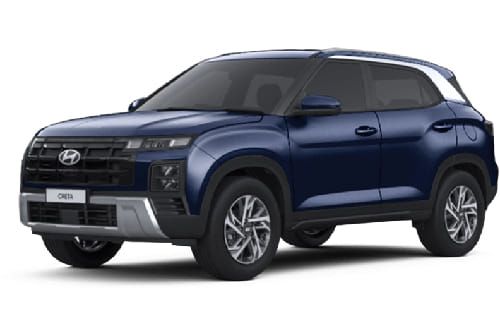
Explore Hyundai Creta
-
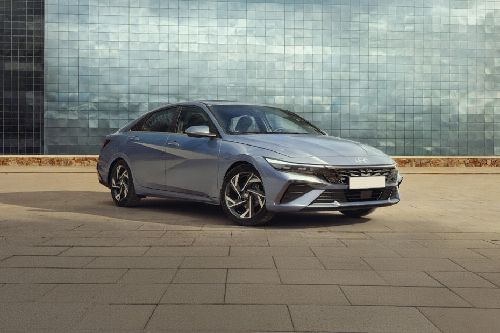
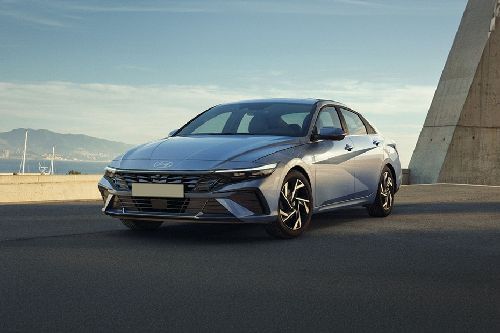
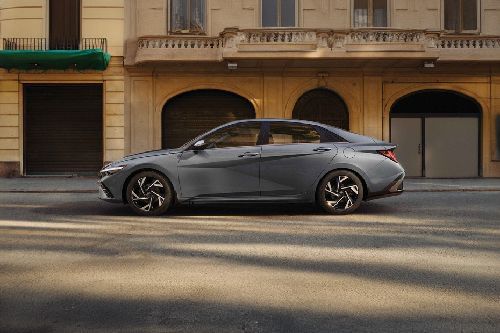
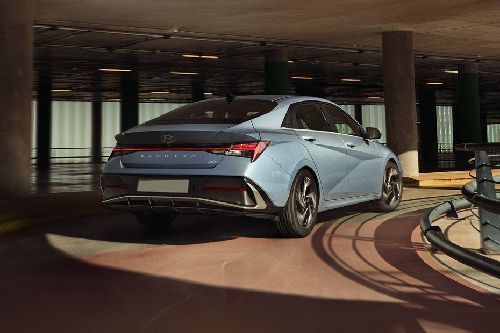
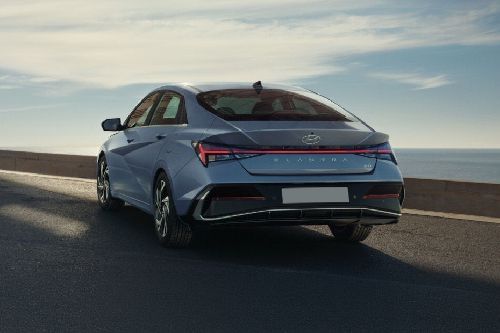
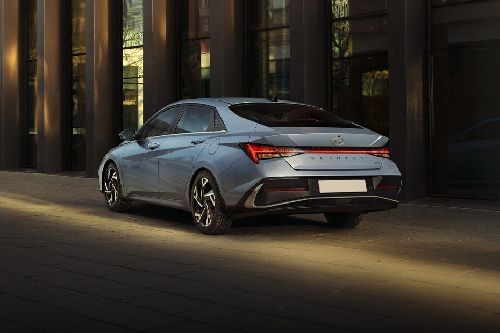
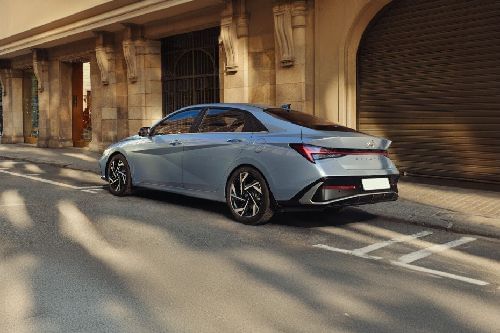
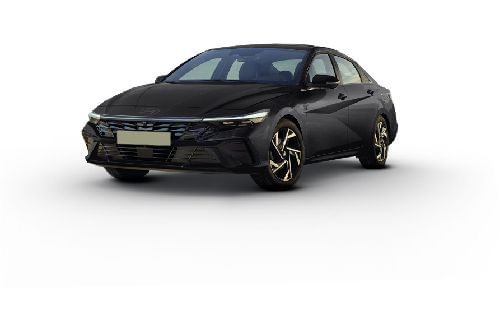
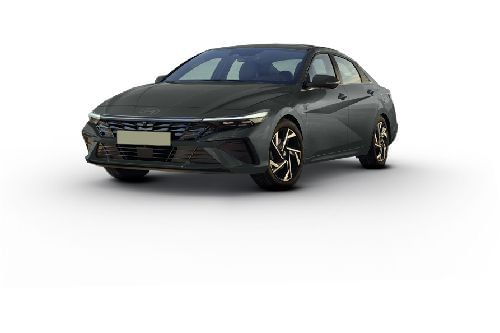
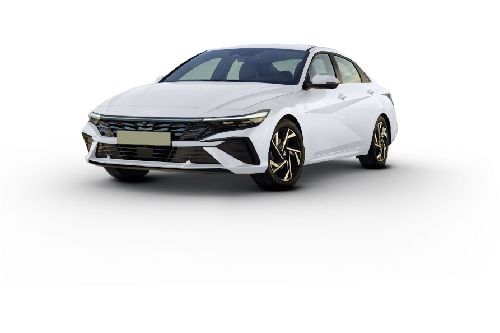
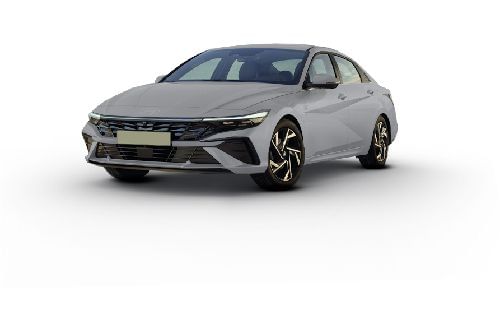
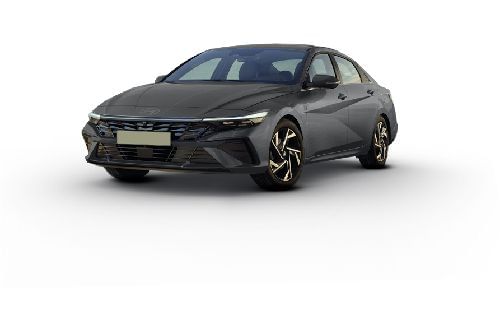
Explore Hyundai Elantra
-
-
Explore KIA Sportage
-
-
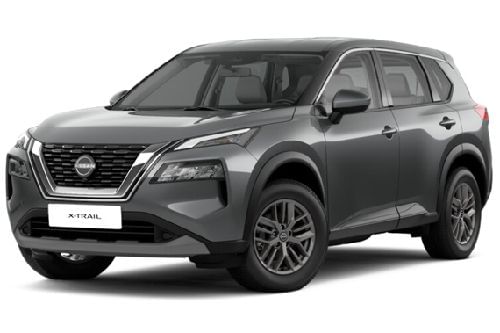
Explore Nissan X-Trail
-
-
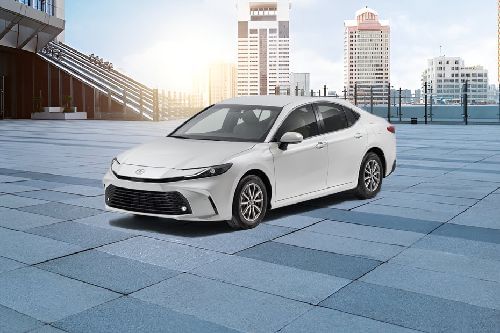
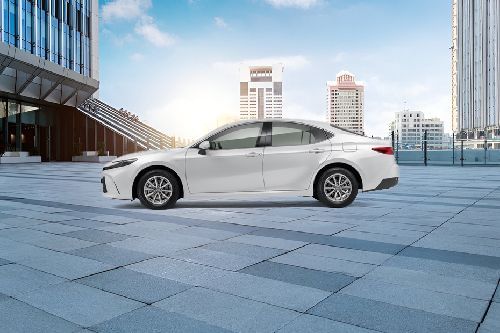
Explore Toyota Camry
-
-
Explore Toyota RAV4 2026
-
-
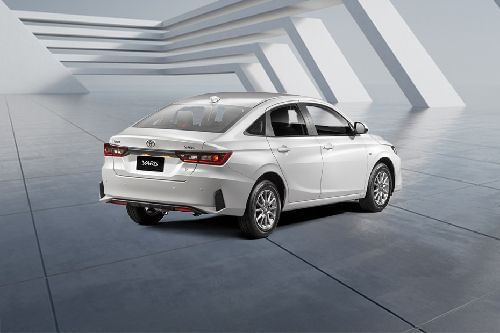
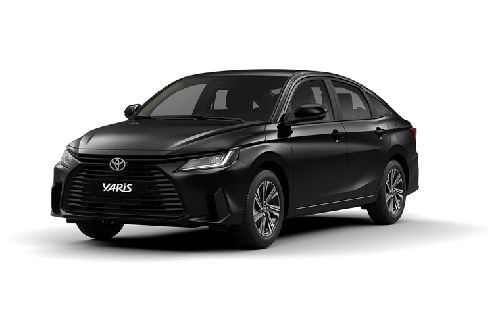
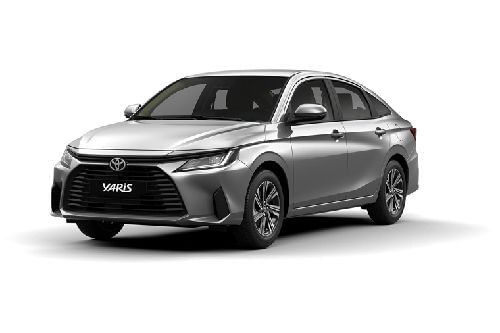
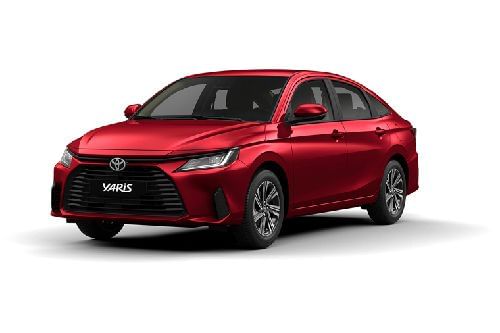
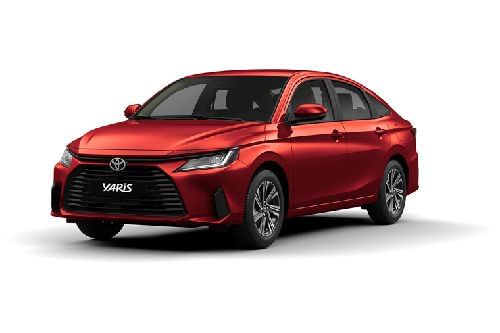
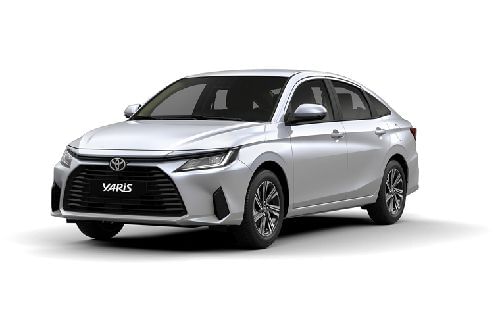
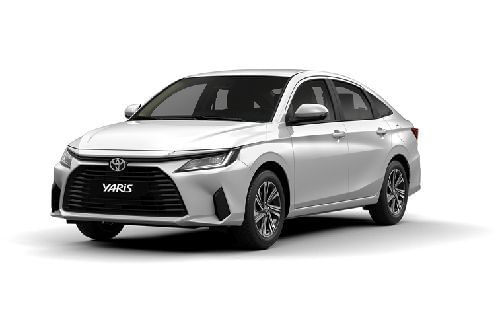
Explore Toyota Yaris
-


















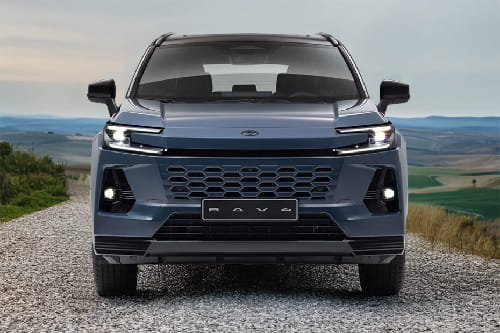
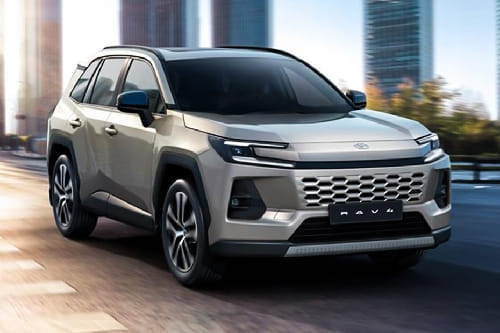
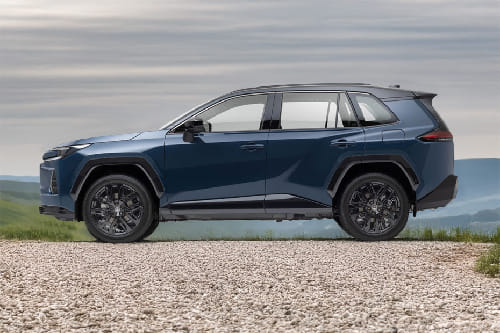
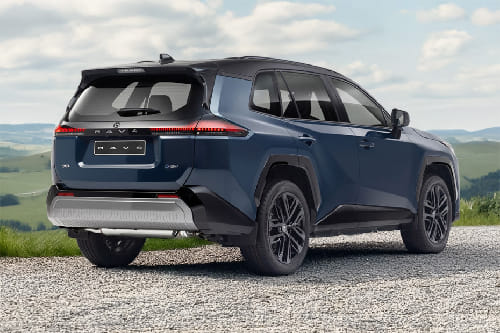
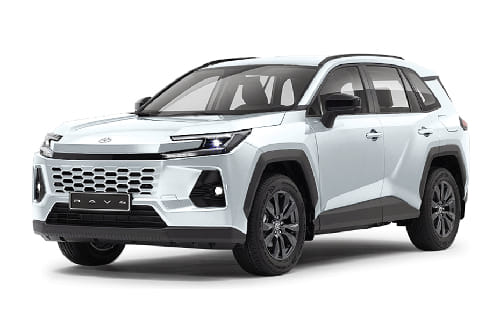
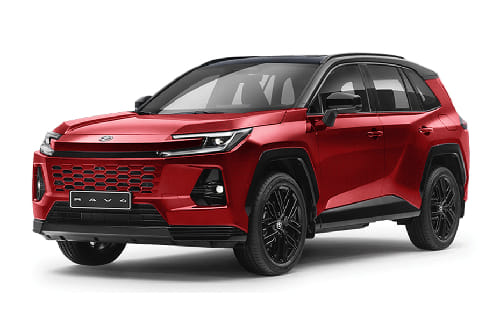
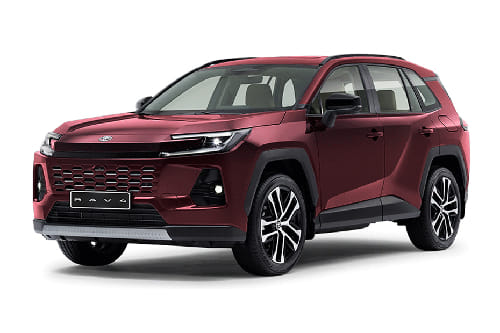
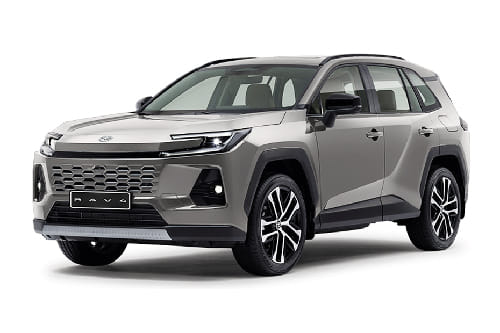


-
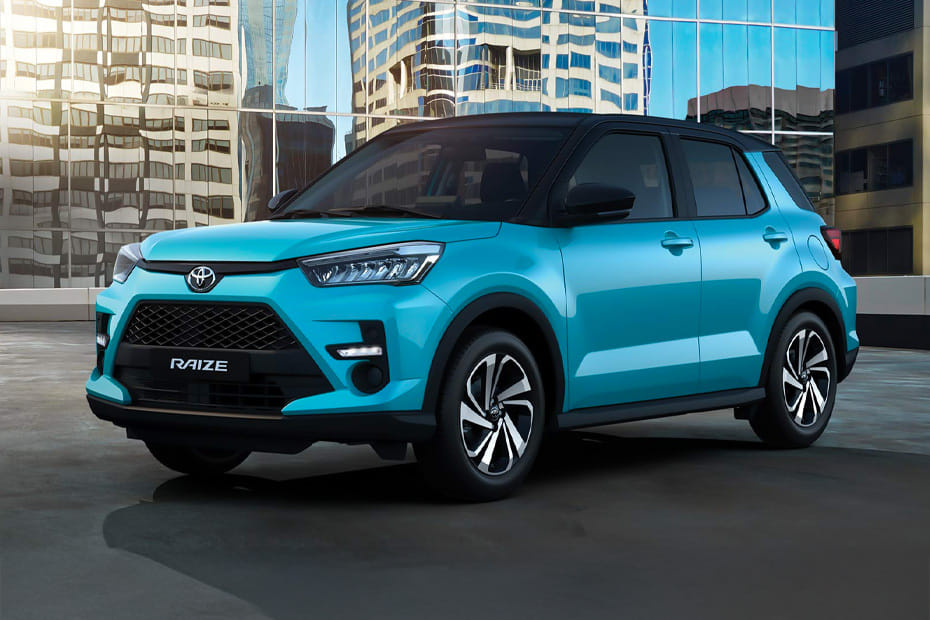
Toyota Raize -
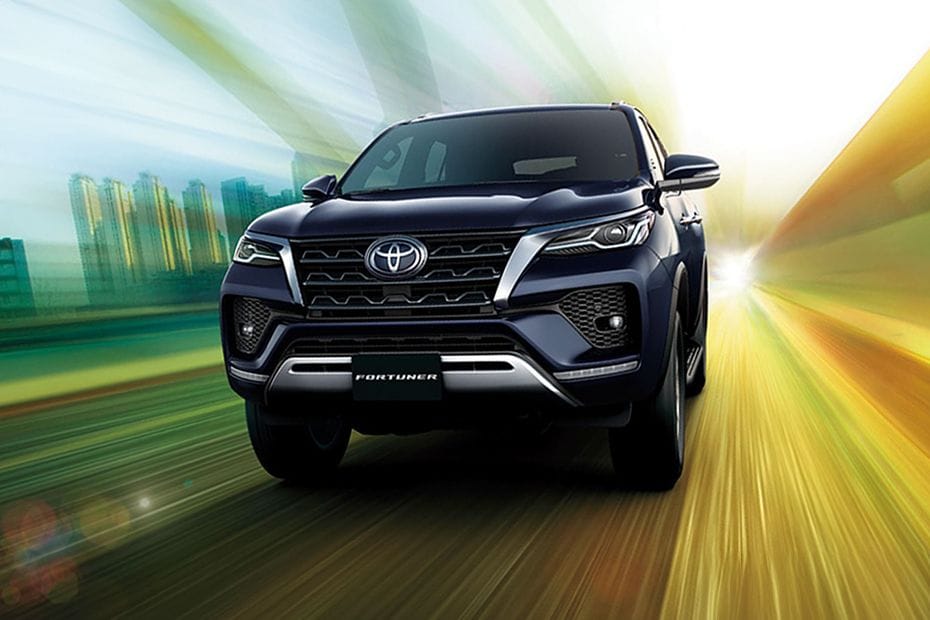
Toyota Fortuner -
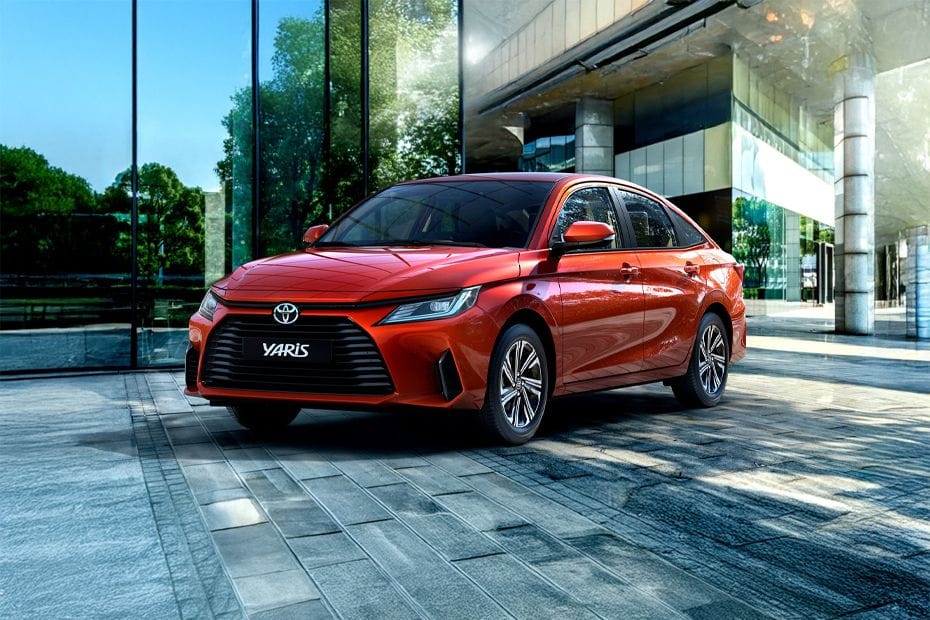
Toyota Yaris -
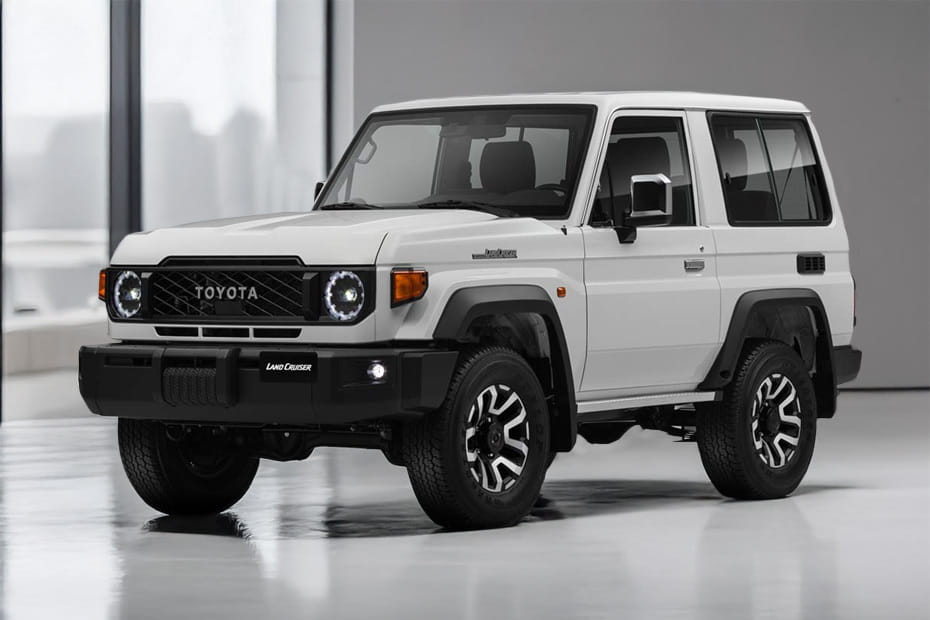
Toyota Land Cruiser 70 Hard Top -
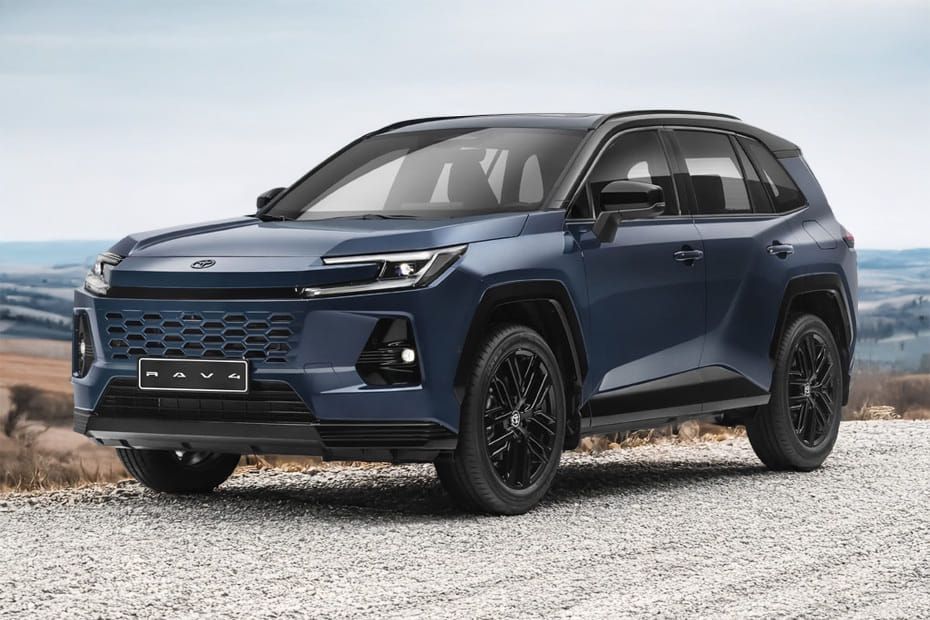
Toyota RAV4 2026 -
Toyota Urban Cruiser -
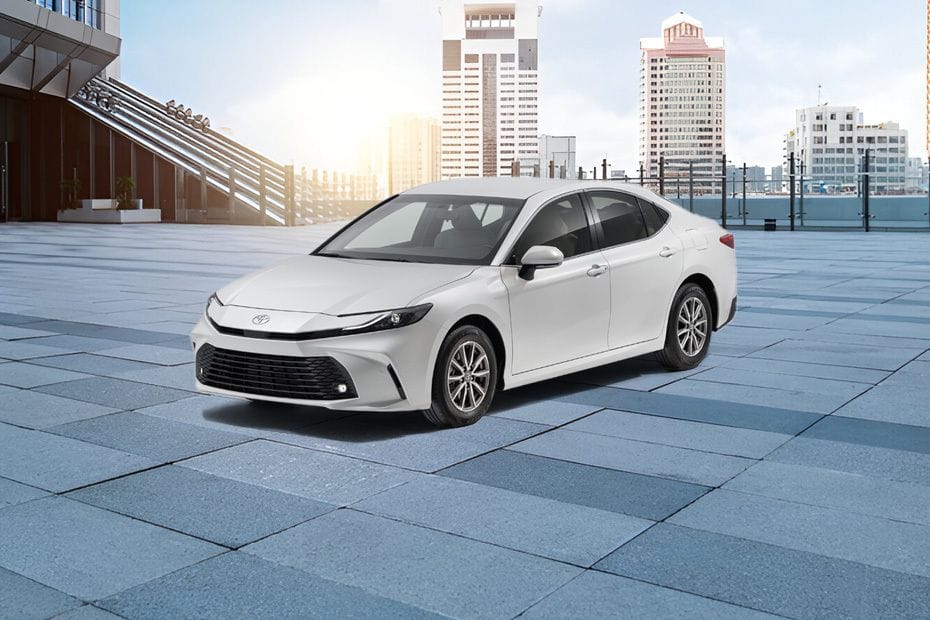
Toyota Camry -
Toyota Corolla -
Toyota Supra -
Toyota Land Cruiser Prado -
Toyota Land Cruiser 70 Pickup -
Toyota Land Cruiser HEV MAX
-
Chery Arrizo 8 Pro vs MG 7: Luxury Sedan or Sporty Fastback for KSA Buyers?

-
Peugeot Saudi Arabia Lineup Explained: Prices, SUVs, Sedans & Commercial Vehicles Guide
-
Hyundai Sonata for Families in Saudi Arabia: Practical Choice or Better Options Available?
-
Hyundai Sonata Resale in KSA: Smart Investment or Costly Depreciation?
-
What Are the Hyundai Sonata's Variants, and Which One Should You Actually Buy in Saudi Arabia?
- News
- Latest
- Popular
-
 Toyota CenturyPrice coming soon
 -
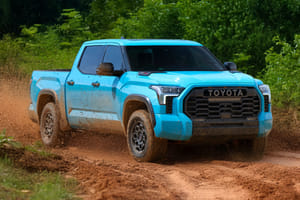 Toyota TundraPrice coming soon
 -
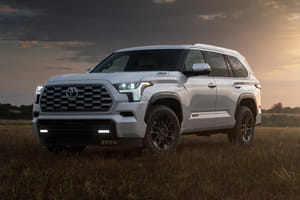 Toyota SequoiaPrice coming soon
 -
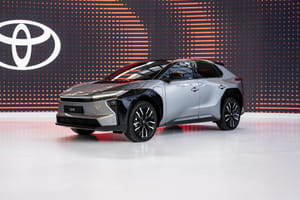 Toyota bZ4XPrice coming soon
 -
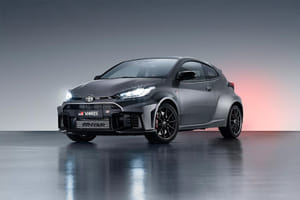 Toyota GR YarisPrice coming soon
 -
 Toyota Urban Cruiser 2026Price coming soon
-
 Toyota RaizeSAR 68,827 - 75,497
 -
 Toyota FortunerSAR 128,742 - 187,047
 -
 Toyota YarisSAR 66,700 - 78,832
 -
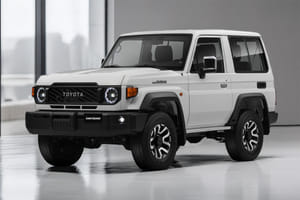 Toyota Land Cruiser 70 Hard TopSAR 158,240 - 201,192
 -
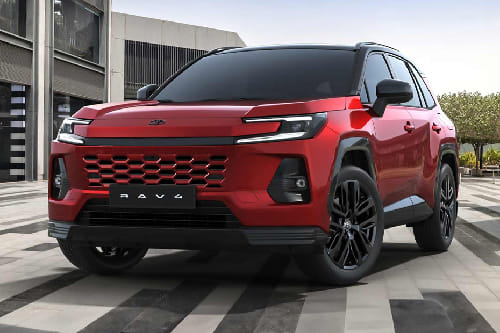
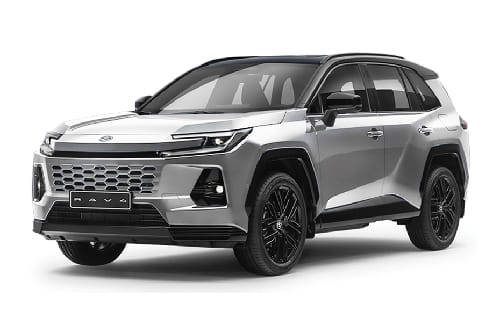
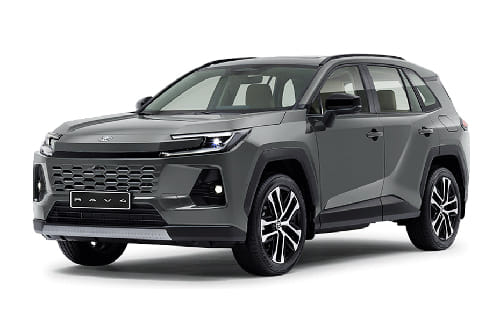
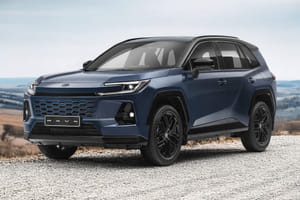 Toyota RAV4 2026SAR 106,662 - 165,542
 -
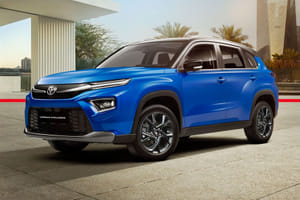 Toyota Urban CruiserSAR 82,915 - 92,115

-
 the most amazing of its generation06 May, 2026 .

|
|
|

|
|
|
Transmission Type
Automatic
|
Automatic
|
Automatic
|
Automatic
|
Automatic
|
|
Engine Displacement
2498
|
1598
|
2498
|
2498
|
1998
|
|
Power
201Hp@6600rpm
|
215Hp
|
188HP@6000RPM
|
191Hp
|
241Hp@5500rpm
|
|
Torque
240Nm@4000-5000rpm
|
-
|
244Nm@3600rpm
|
-
|
390Nm
|
|
|
- Latest
- Upcoming
- Popular
-
 MG GT 2026Price coming soon
 -
 Mercedes-Benz AMG EQEPrice coming soon
 -
 BAIC EU5Price coming soon
 -
 Volvo ES90Price coming soon
 -
 Audi A6 AvantPrice coming soon
 -
 Mercedes-Benz CLA ElectricPrice coming soon
-
 Land Rover Range RoverSAR 591,500 - 1.3 Million
 -
 MG 5SAR 53,990
 -
Toyota YarisSAR 66,700 - 78,832
-
 MG 7SAR 88,375
 -
 Genesis G90Price coming soon
 -
 Hyundai AccentSAR 74,209 - 92,373