
Omoda C7 PHEV Explained: Hybrid Tech, Electric Range and Saudi Suitability

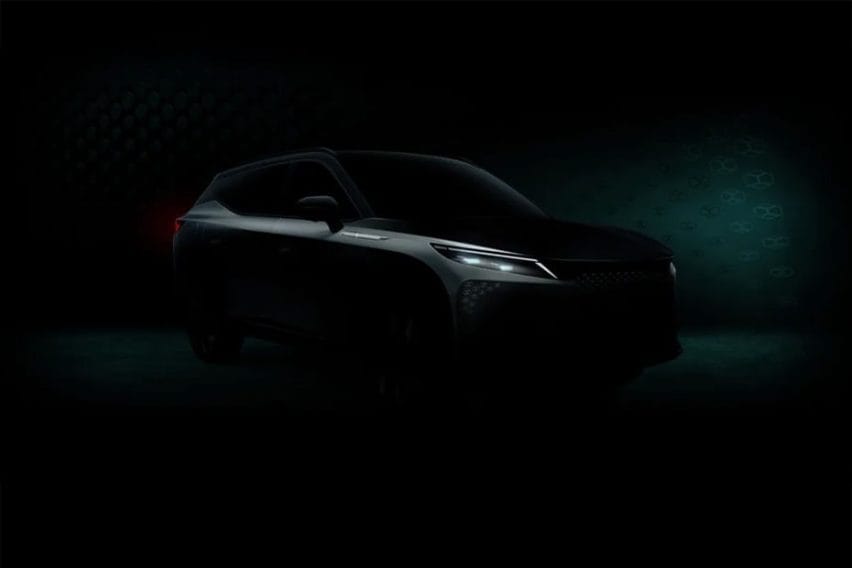
Saudi Arabia: In December 2025, Chinese brand Omoda showcased its C7 PHEV SUV at the Riyadh Motor Show. It was a rather quiet display but nonetheless made a noticeable impression on the crowd for its distinctive design and technology. It is a modern plug-in hybrid SUV that combines electric driving with daily city driving for buyers who are curious about electrification but not ready to go fully electric. That balance is exactly what has caught attention in Saudi Arabia, not only with the C7 but also regarding hybrid vehicles in general.
KEY TAKEAWAYS
What are the powertrain details of the C7 PHEV?
It comes with a 1.5L turbocharged petrol engine (115 kW/154 hp, 220 Nm) + electric motor for a combined 342 hp of power and 525 Nm of torque.Is the C7's 105 km electric range realistic in Saudi summers?
Yes, but expect 80-90 km in real conditions with AC running constantly.Will parts availability be an issue if something goes wrong?
Currently uncertain—Omoda has warehouses in Dammam, but long-term support remains unproven here.For local buyers, the appeal truly is in flexibility, as the C7 PHEV promises electric-only driving for short daily trips while retaining a petrol engine for long highway runs and weekend travel. Currently, Saudi Arabia has an uneven charging network access, making hybrid cars feel quite realistic. The big question now is how well it handles heat, service support, and long-term ownership once it reaches showrooms. While the brand has not made any launch announcement yet, we try to give a little peek of this SUV before you see it in the showroom.
C7 PHEV Unboxed
The C7 Super Hybrid System is not a mild hybrid pretending to be green. It’s a proper plug‑in with an 18.4 kWh lithium iron phosphate (LFP) battery. That’s big enough to matter. The setup pairs a 1.5‑litre turbocharged engine with a 150 kW electric motor. The combined output sits at about 342 hp and 525 Nm of torque. On paper, that’s hugely competitive. In practice, it means the car does not feel underpowered when the AC is maxed out and you are carrying four adults on a Riyadh–Dammam highway.
The electric motor does most of the work below 40 km/h – typical city driving. The petrol engine kicks in above 80 km/h, which is where Saudi driving actually happens. The system switches between pure electric, series hybrid, and parallel hybrid modes depending on what makes sense.
But here’s what matters more than the technical details: charging infrastructure in Saudi Arabia is still patchy. If you can’t charge at home, this becomes an expensive petrol car with extra weight.
Omoda claims 105 km of pure electric range (WLTP); in Saudi summers with AC, you may get 80 km or even less, but it all depends on the conditions. Total hybrid range is listed at 1,200 km, and it is achievable if you’re gentle on the throttle. But again, real‑world mixed driving with Saudi traffic patterns and constant AC usage suggests closer to 950–1,000 km per tank and full charge. Still respectable.
Fuel consumption when the battery is depleted is officially 5.0 L/100 km (20 kmpl), according to Omoda; realistically, it could be between 15 and 16 kmpl, depending on driving style and AC load. Compare that to a Toyota RAV4 Hybrid at 17 kmpl, and the efficiency advantage shrinks. The RAV4 has a proven service network, whereas for the C7, it still has a long way to go.
Here's the table that actually matters:
|
Specification |
C7 SHS PHEV |
|
Electric Range |
105 km |
|
Total Range |
1,200 km |
|
Battery Capacity |
18.4 kWh |
|
Fuel Consumption (Battery Depleted) |
5.0 L/100 km |
|
DC Fast Charge Time (30-80%) |
20 minutes |
|
System Power Output |
255 kW / 525 Nm |
The Saudi Context
The C7 supports DC fast charging, and it can go from 30% to 80% in 20 minutes at a 40 kW station. A full charge on a 6.6 kW home charger takes about three hours.
That sounds convenient, but how many 40 kW public chargers exist between Riyadh and Jeddah? Certainly not many. If you live in a villa with dedicated parking, you can install a charger. If you’re in an apartment or shared housing, you have to find a way around. Without regular charging, you’re actually moving around a ‑200 kg battery for no benefit, which affects fuel economy and performance drops.
Saudi buyers care about specific things like
Air conditioning performance under load: The C7 has dual‑zone climate control. Unlike some rivals, the hybrid system doesn’t slow down when the AC is maxed out in August. The electric motor helps with the AC load without hurting acceleration.
Resale value uncertainty: Toyota and Lexus hybrids hold value because the market trusts them. Chinese PHEVs are not that widespread, and you could see a big drop in price, but the market is evolving rather fast. Even Chinese brands are catching up with the resale value.
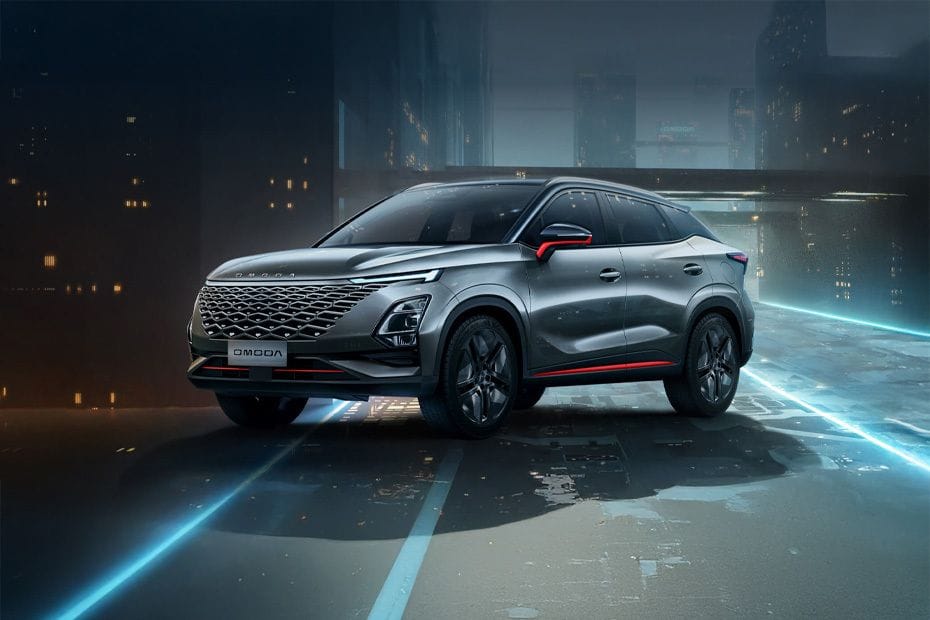
Service network gaps: Omoda promises a 10‑year/unlimited‑km battery warranty for the first owner on all models, including the New OMODA C5 2026. That warranty also means the brand is underscoring the quality of its product and giving comfort to buyers. They have a parts warehouse in Dammam with 2,000+ parts.
Government incentives: Saudi Arabia offers customs duty exemptions for EVs and PHEVs. That might make the C7 cheaper than a comparable petrol SUV. Or it might not, depending on how dealers price it. The official Saudi launch pricing hasn’t been announced yet.
What It Competes Against
The C7 sits in the compact SUV segment, where it has established rivals like the Toyota RAV4, Mazda CX‑5, and Nissan X‑Trail. Comparatively, the C7 offers more power, more tech, and will probably launch at a lower price point (we don’t know exactly yet). But it lacks their proven reliability record and widespread service infrastructure.
As far as its rivals are concerned, the RAV4 Hybrid is proven, reliable, and holds value well. The CX‑5 handles better but offers no hybrid option yet. The X‑Trail has a troubled reliability history even in conventional form.
The C7 is the risky option, if you really see it, but it may not be “too risky”. If Omoda’s service network holds up and parts availability stays consistent, early adopters might get a genuinely competitive vehicle at a discount. If not, they’re stuck with a depreciating hybrid that nobody is confident to service.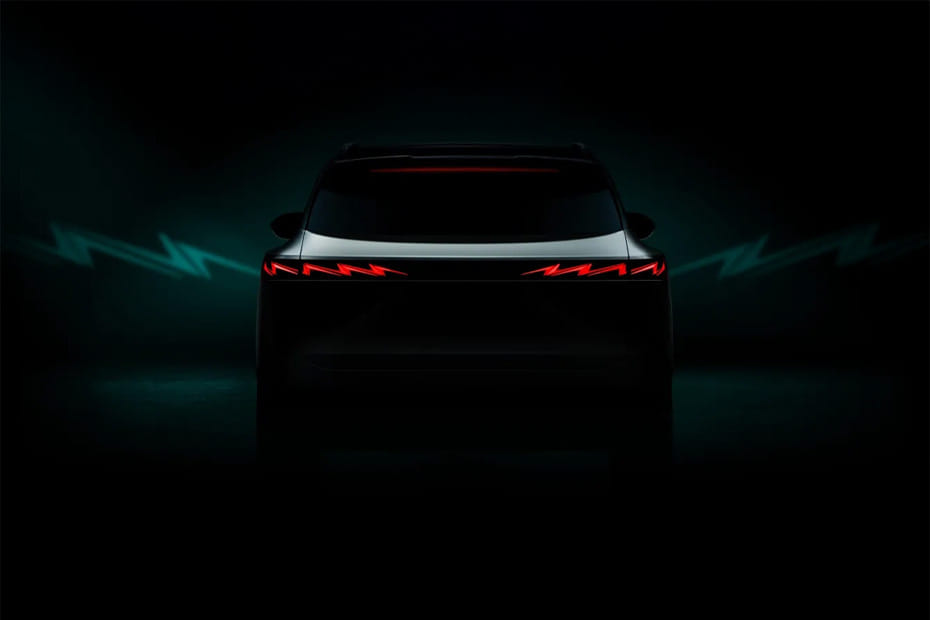
Factors to Consider
Anyone considering the car should think before making the switch to hybrid:
- Do you drive mostly in the city or on highways? City driving maximises electric use. Highway driving means you're running the petrol engine most of the time, which makes the added complexity and weight harder to justify.
- What's your risk tolerance on resale value? If losing 50-60% in three years would hurt, buy the RAV4. If you're okay with uncertainty for the sake of features and lower initial cost, the C7 makes sense.
Bottom Line
The Omoda C7 PHEV is a competent vehicle on paper, with an excellent hybrid system that works well. The electric range is real if you can charge regularly, and the warranty coverage is extensive. The price will probably undercut established competitors.
For early adopters with home charging who want modern tech at a discount and can tolerate some uncertainty, the C7 makes sense. For everyone else, the RAV4 Hybrid is still the safer bet. Not as exciting, but definitely more predictable.
Conclusion
The C7 PHEV offers genuine plug-in hybrid capability with solid specs; if the price is aggressive, it can generate considerable interest among Saudi buyers. Over the last year or so, hybrids have been making an aggressive push in the market, as most brands are introducing newer cars. The reason is simple: worldwide, hybrids are making a comeback as an interim or more suitable technology before the world moves fully electric, as infrastructure continues to take shape. So, Saudi Arabia is not different, where brands are trying out hybrid tech, and buyers are also considering it, unlike in the past, when the choice was mostly petrol or diesel.
The C7 PHEV is one such option for buyers who are exploring hybrid technology. However, since the commercial launch is not announced yet, the car is still some time away from actually reaching the showroom near you.
Dinesh Goluguri

With over 15 years of experience in the automotive world, Dinesh Goluguri bringing hands-on experience and deep market knowledge. Passionate about SUVs, sports cars and luxury vehicles, he combines enthusiasm with expertise in delivering insights that resonate with car buyers and enthusiasts alike. With a special interest in car modifications and upgrades, Dinesh offers a unique perspective that goes beyond standard reviews, highlighting both factory features and customization potential. His work helps readers navigate new launches, features and trends in the dynamic automotive market.
Read Full Bio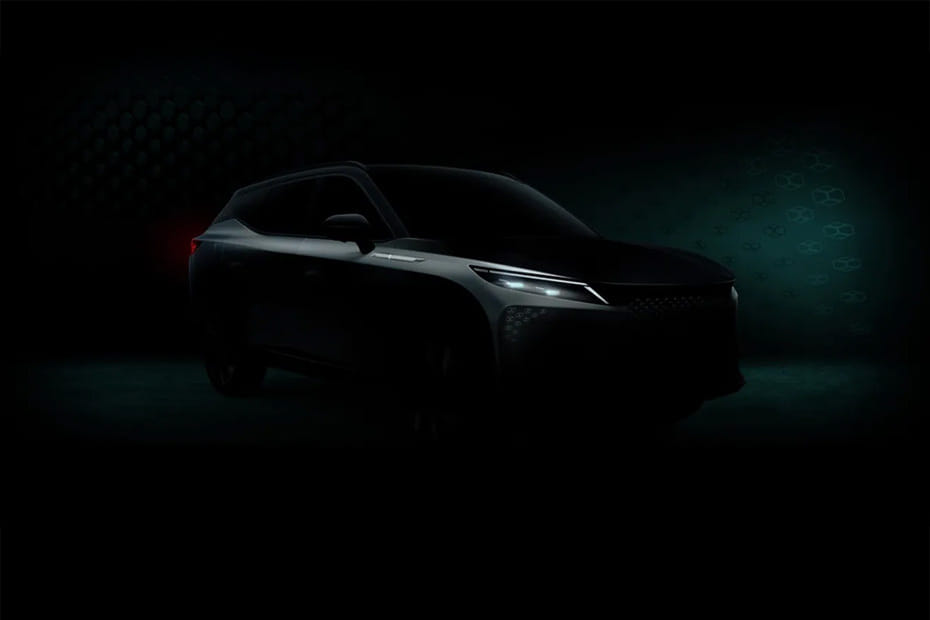
-
OMODA C5 -
OMODA 4 -
OMODA 7
- News
- Latest
- Upcoming
- Popular
-
 ZEEKR 009Price coming soon
 -
 Voyah PassionPrice coming soon
 -
 Honda City 2026Price coming soon
 -
 Lexus TZPrice coming soon
 -
 Mercedes-Benz AMG EQE SUVPrice coming soon
-
 Land Rover Range RoverSAR 591,500 - 1.3 Million
 -
 Toyota FortunerSAR 128,742 - 187,047
 -
 Ford MustangPrice coming soon
 -
 Renault DusterSAR 72,900 - 79,900
 -
 Nissan PathfinderSAR 164,999 - 227,999
- Latest
- Upcoming
- Popular
-
Lexus TZPrice coming soon
-
Mercedes-Benz AMG EQE SUVPrice coming soon
-
 Mercedes-Benz GLS 2026Price coming soon
 -
 Mercedes-Benz AMG GLEPrice coming soon
 -
 OMODA 4Price coming soon
 -
 Geely AzkarraPrice coming soon
-
Land Rover Range RoverSAR 591,500 - 1.3 Million
-
Toyota FortunerSAR 128,742 - 187,047
-
Renault DusterSAR 72,900 - 79,900
-
Nissan PathfinderSAR 164,999 - 227,999
-
 BMW X5SAR 419,750
 -
 Nissan X-TrailSAR 104,999 - 156,999
- Brand
- Model
- Variant

-
 Link your google account
 -
 Link your facebook account