Resale Value of Chinese Cars in KSA – Myths vs Reality

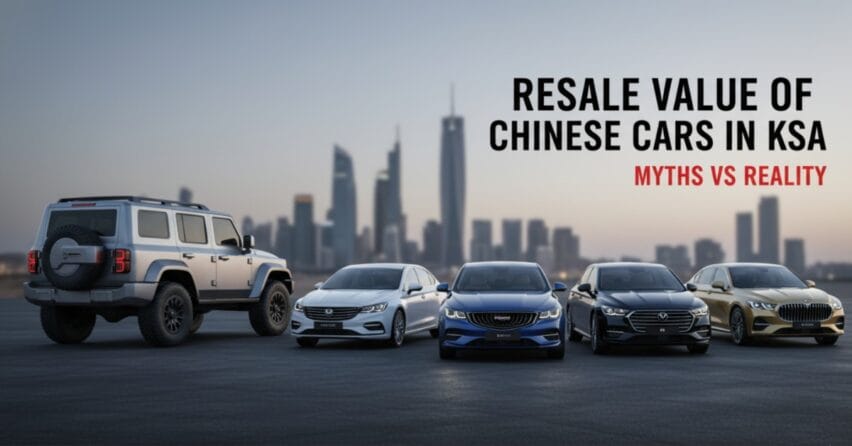
Saudi Arabia: Chinese cars have become a new normal in Saudi Arabia. Their growing sales numbers and visibility across cities and towns indicate a higher market share. Saudi buyers are far more open to buying a Chinese car today than they were before Japanese or American brands. Within a span of five years, Chinese brands have gone mainstream.
KEY TAKEAWAYS
What resale value is vital for new car buyers in Saudi Arabia?
Resale value is vital for new car buyers in Saudi Arabia as it protects their investment by minimising depreciation losses and ensuring better returns when selling or upgrading.What factors determine a car's value when selling it in the used market?
Factors determining a car's value in the used market include brand reputation, vehicle age and mileage, overall condition, market demand, fuel efficiency, service history, and colour preferences.But often car buying is not just determined by the look, price or features. Resale value is a huge factor for most Saudi buyers. So how do Chinese brands fare when it comes to their resale value? Are they gaining in value, or are buyers just not trusting them? If yes, how much value can one realistically expect? Has the perception changed? There are still a lot of divided views and a lot of myths rather than reality. We try to find out.
The Assumption Everyone Makes
When you buy a Chinese car, a lot of the time, you don't really get approval from people around you. Because there are still a substantial number of them who believe buying a new Chinese car means you will lose everything when you resell it. That is assumed truth because historically, that was the conventional wisdom, which says Chinese cars depreciate to nothing. This also means you lose a lot of your value, but this isn’t the reality, far from it, if you test the argument against hard data. Yet, the myth persists. Reality has moved on.
Myth 1:Depreciate faster
It is viewed that Chinese cars lose 40-50% value in three years, and so you’re throwing money away. They are not worth it. 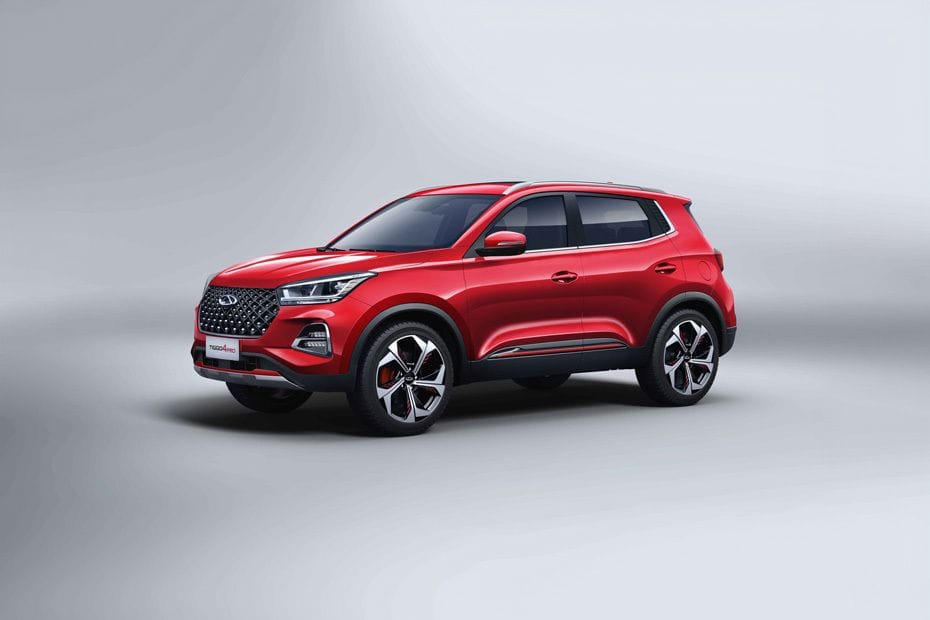
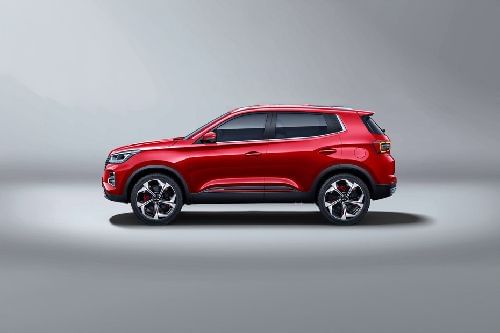
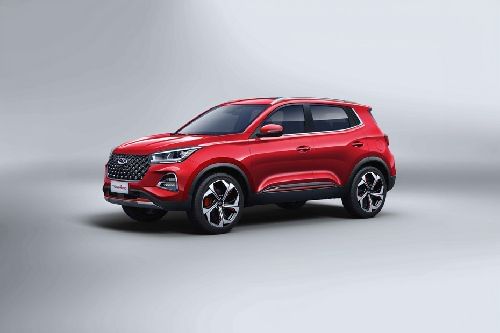
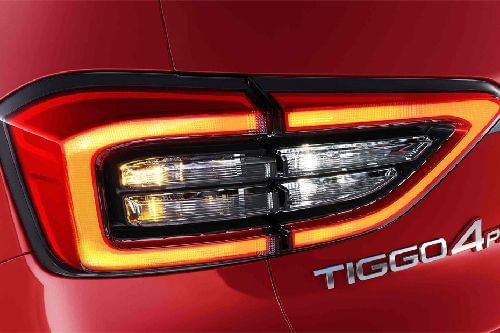
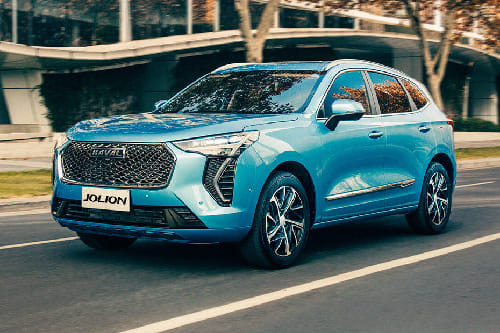
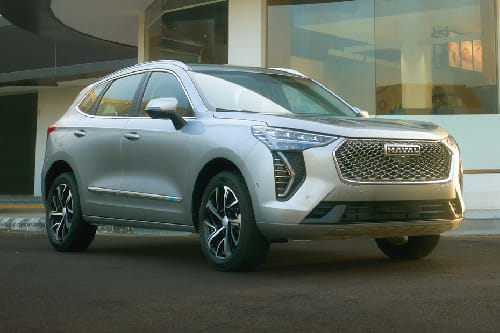
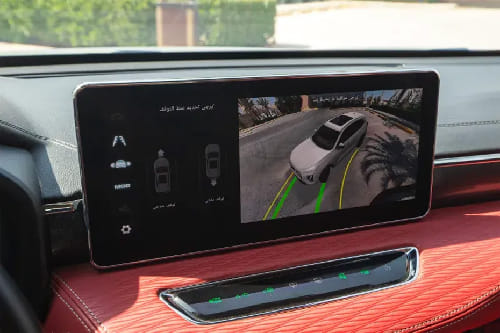
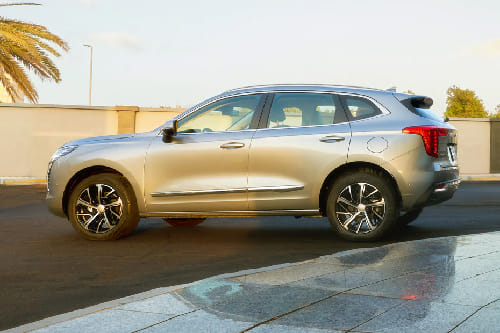
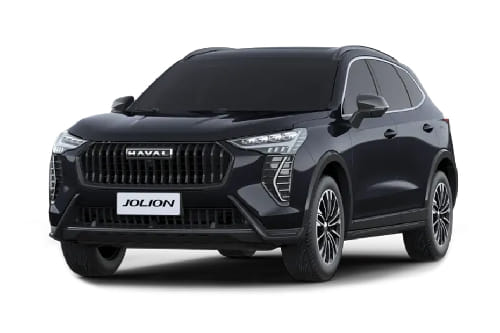
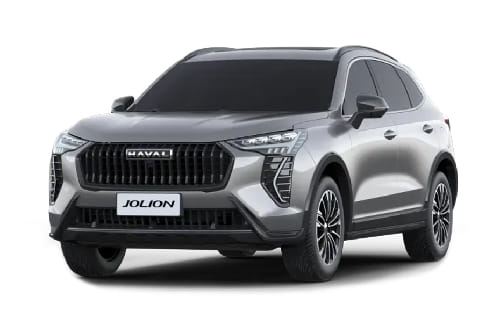
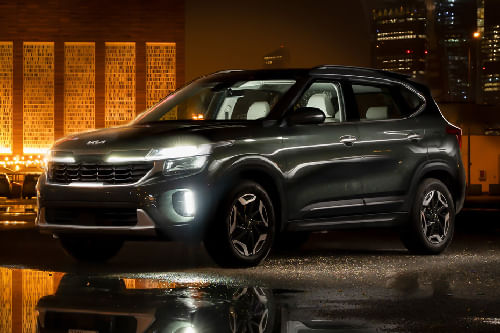
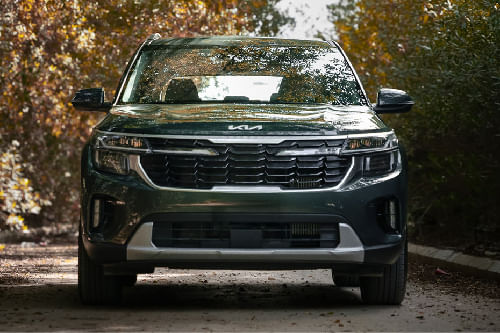
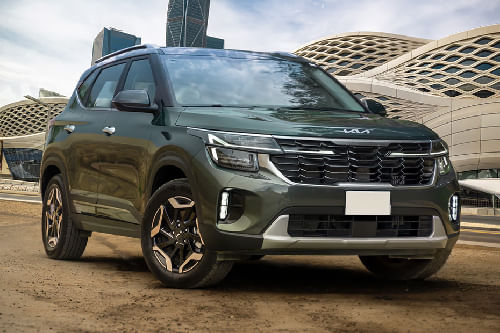
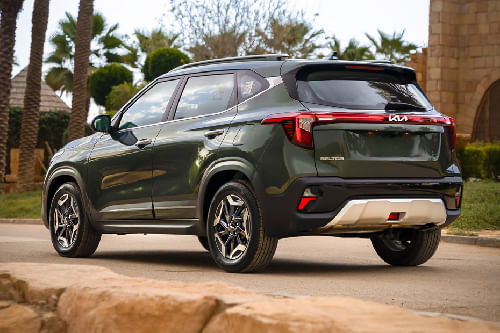
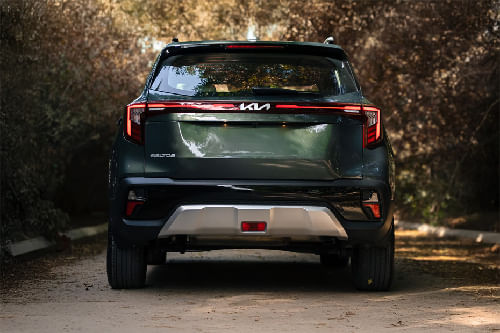
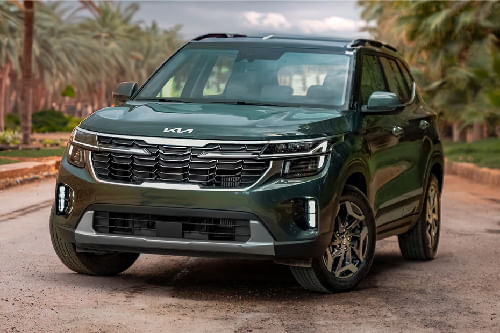
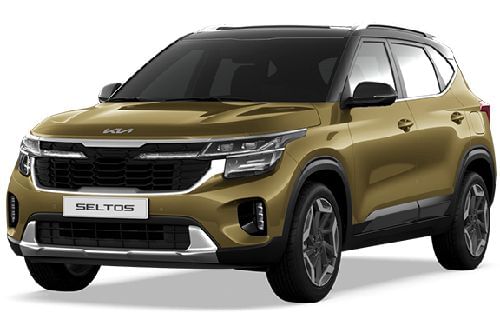
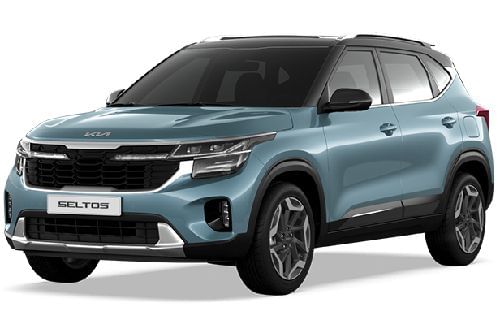
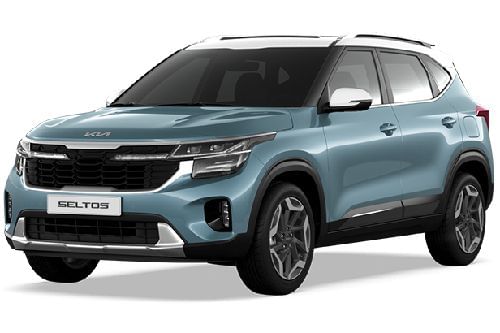
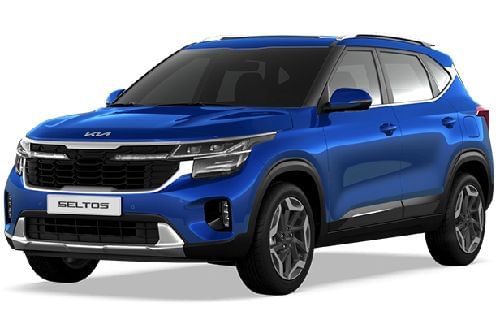
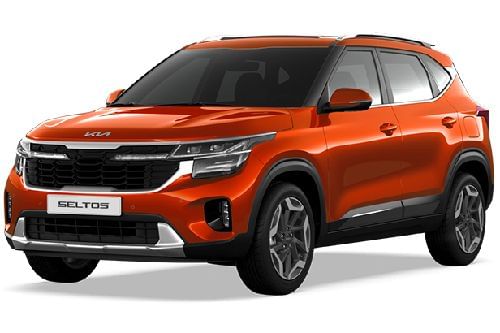
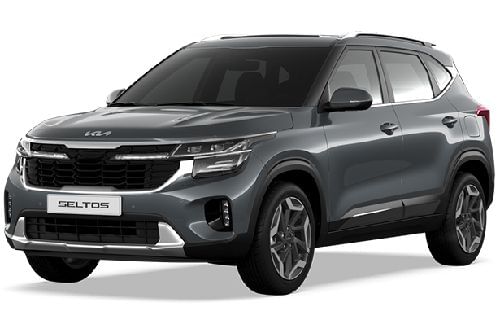
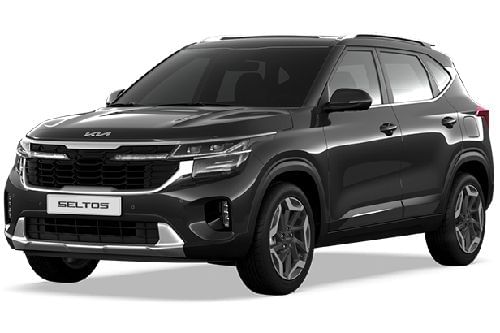
What actually happens is models like the Chery Tiggo 4 Pro and Haval Jolion depreciate well under 30% over 3 years and retain 70%+ value. Compare this to competitors like the Renault Duster, Kia Seltos, Mazda CX-3, and Hyundai Creta, which lose nearly as much as them or in some cases even more than Chinese alternatives.
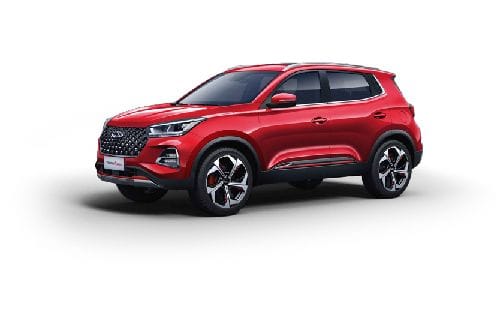
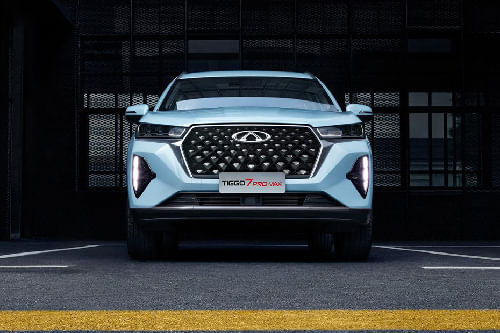
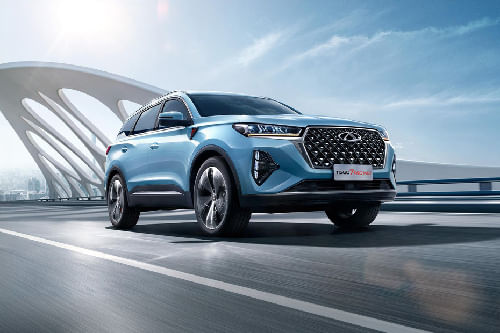
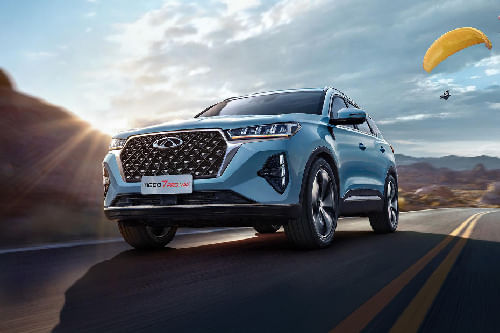
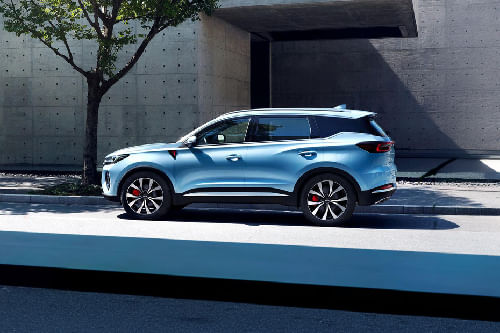
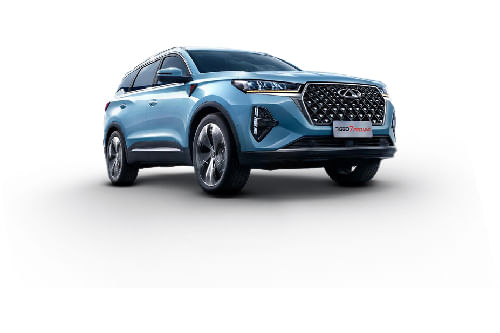
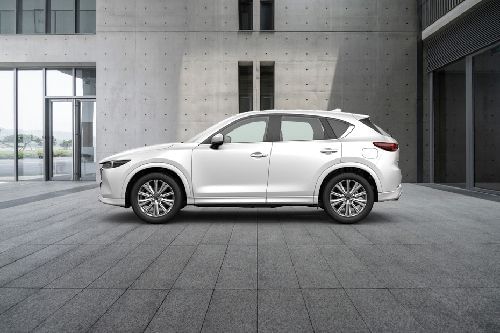
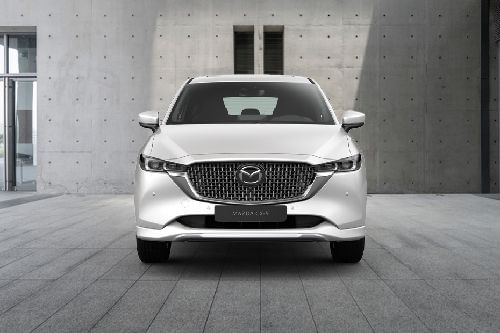
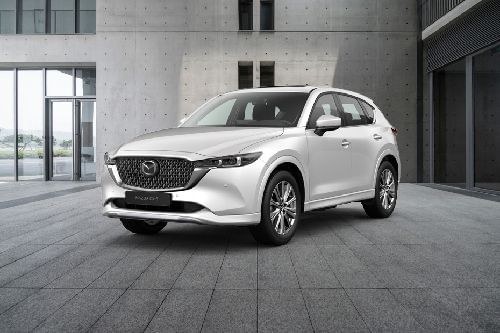
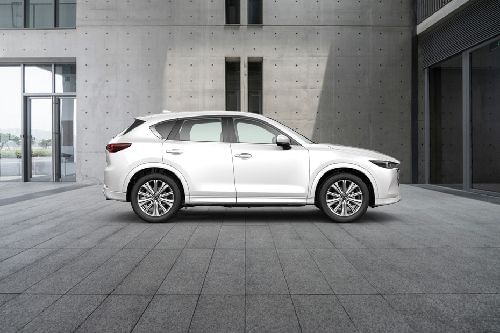
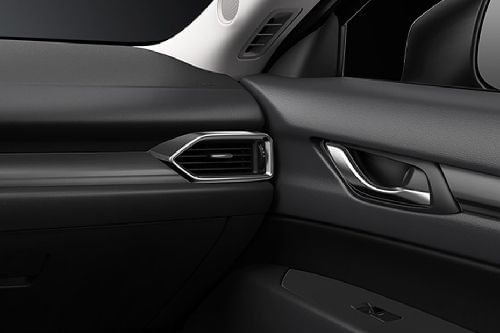
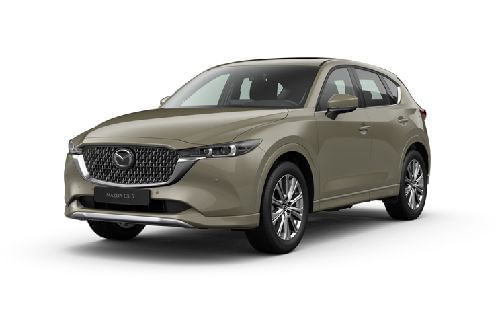
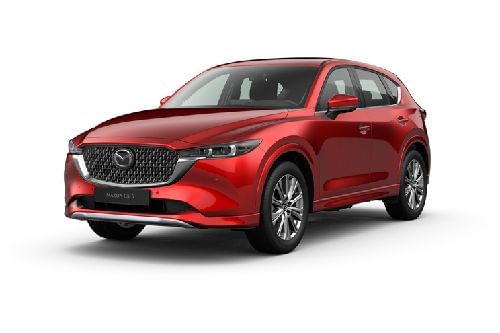
The data indicates that the Chery Tiggo 7 placed 3rd in the family-crossover class in regional markets, displaying a 3-year depreciation of around 25%, outperforming models like the Kia Sportage, Mazda CX-5, and Hyundai Tucson.
This isn't just an analogy, but market-tracked pricing across multiple dealers and platforms.
To avoid depreciation, you can also consider leasing by analysing the Leasing vs Buying – What Works Better for Saudi Professionals.
Myth 2: No buyers
People think the used market is dead as there aren’t buyers for Chinese cars.
What actually happens here again is that the demand is substantial and continues to grow. Data suggests that Chinese brands have a huge jump in demand in the used car market in June 2024 compared to 2023, primarily in the SUV category. That surge in demand underlines that used inventory moves quickly.
The reason is quite simple, not hard to understand. Used Chinese cars are still affordable. For example, a three-year-old Haval Jolion that retains 70% value still costs less than a new Korean sedan. That value proposition drives second-hand sales.
Many new online platforms and old-school dealers have been used to Chinese inventory. Buyers are shopping, and prices are clearing. The Saudi used car market grew significantly last year, and is expected to retain this growth. Chinese vehicles are capturing a meaningful share of that market. Here is the complete guide to teach you How to Buy a Used Car Safely in Saudi Arabia – Checklist & Red Flags.
Myth 3: No Genuine sale
What people think: Dealers will deceive, and you won’t get the value you deserve
What actually happens: gone are the days when the market was dishonest; today, used market prices are transparent. Platforms show recent sales for comparable vehicles. That transparency protects sellers. Dealers know this and offers come closer to real value.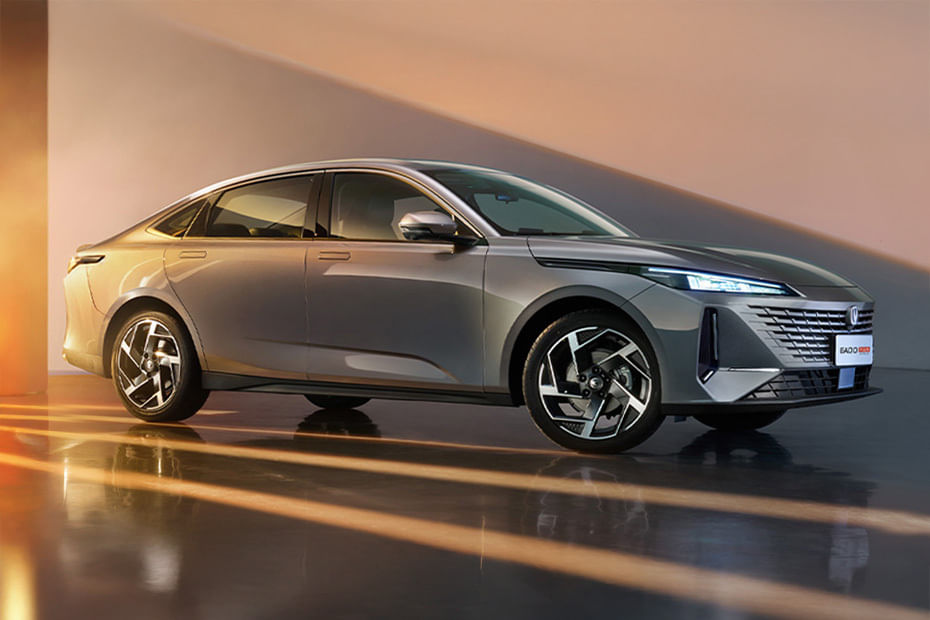
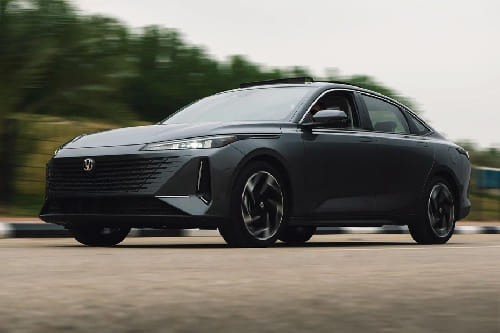
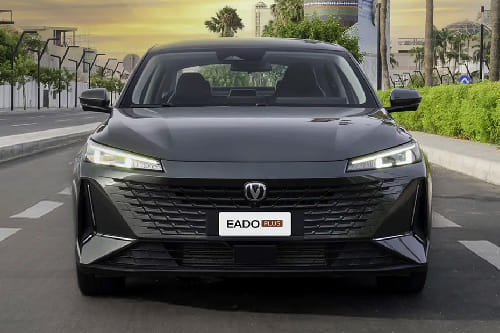
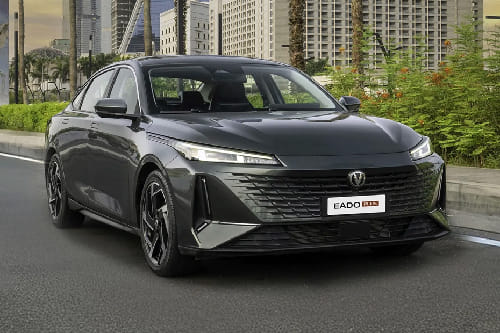
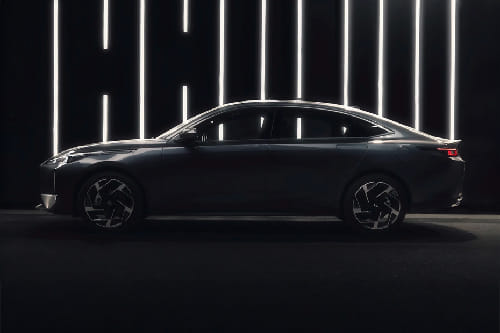
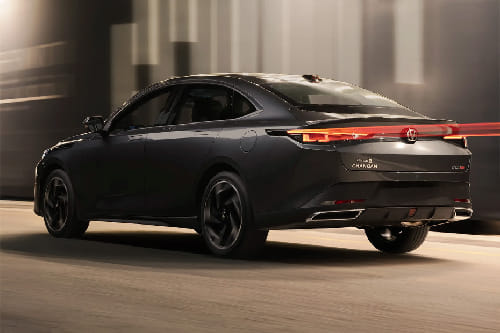
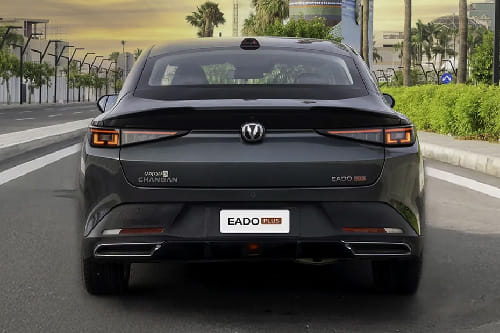
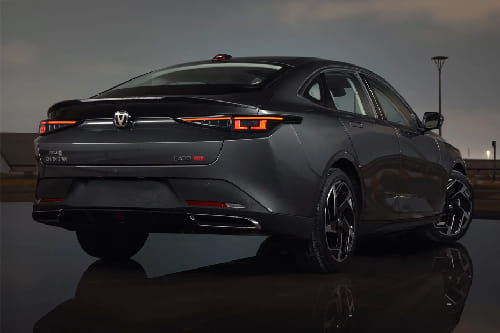
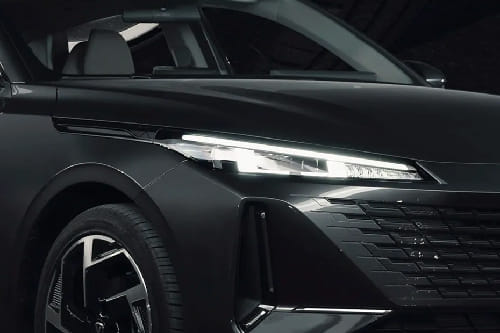
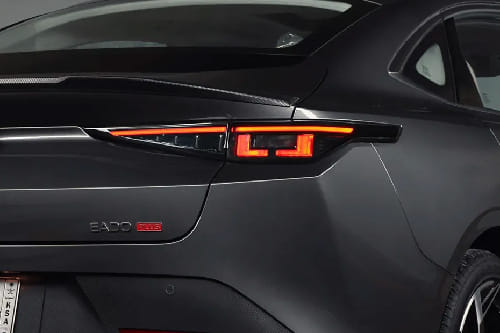
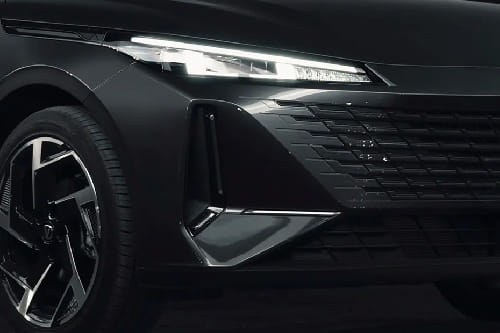
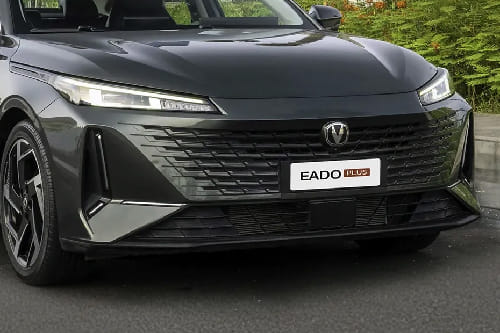
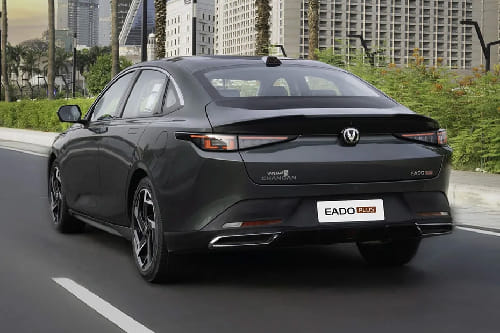
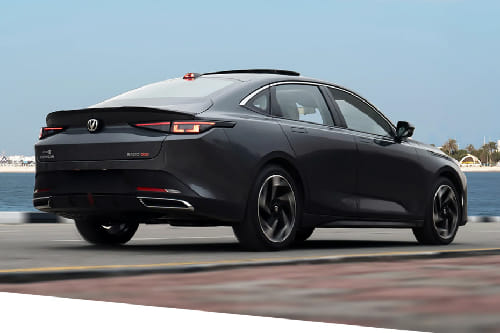
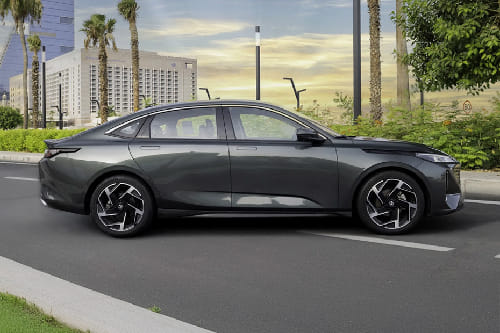
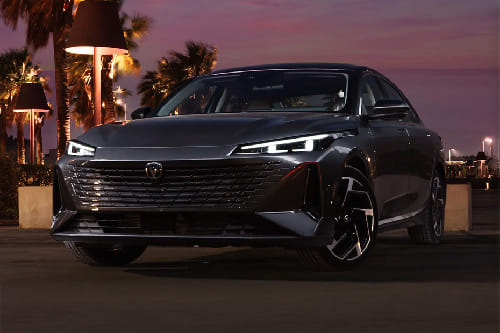
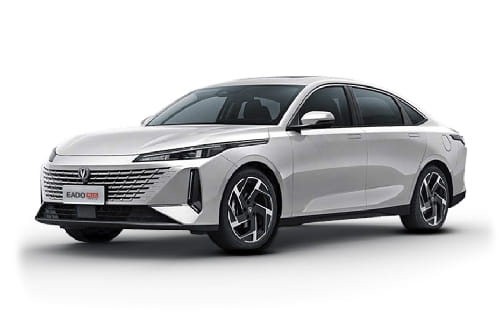
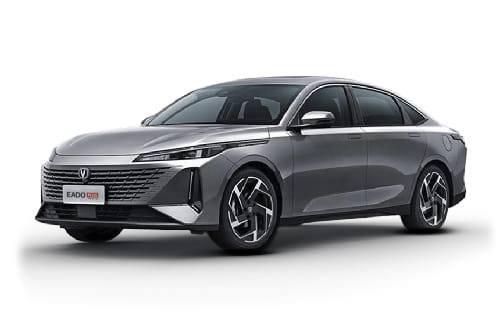
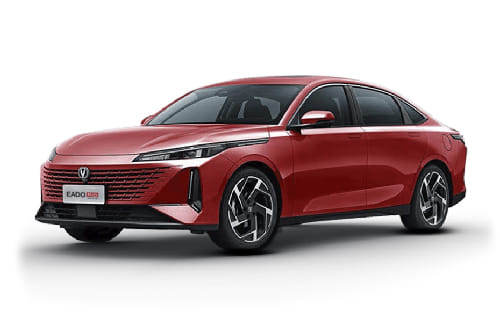
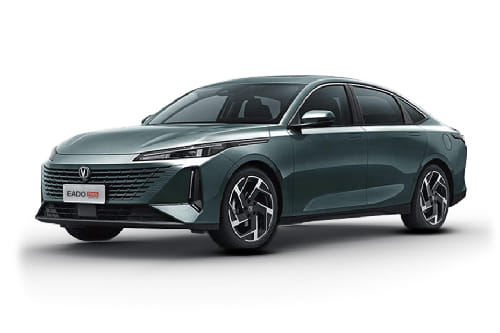
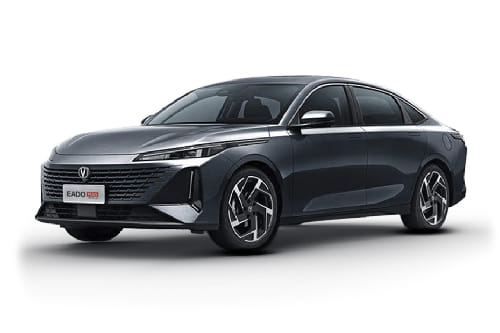
Let's take an example of a three-year-old Changan Eado Plus that sold for SAR 67,275, but typically trades around SAR 47,000-50,000. That's real data, and no guesswork. Not dealer manipulation or predictable depreciation.
Certified pre-owned (CPO) programs have become a real thing; they bring another layer of protection. CPO vehicles typically command a 12-15% premium over standard used vehicles. Most buyers consider that premium insurance against unexpected repairs. For Chinese cars, this credibility mechanism has become established in the market, boosting their value.
Myth 4: Lack of service
What people think: Chinese cars are hard to service, and also, limited service presence destroys resale value.
What actually happens: Service networks have expanded considerably over the last few years, and it is something Chinese brands are investing heavily in. The spare parts for popular Chinese models are readily available in the market, ensuring ease of maintenance and repairs.
Geely has Volvo backing, MG has established dealer networks, and Haval and Jetour have expanded service centres. Changan improved technician training, and the service concern from 2021 doesn't apply anymore. Buyers know this, and that knowledge shows in resale prices.
The Saudi market now has over 20 certified service centres for major Chinese brands. That network removes a primary concern that previous buyers had.
Myth 5: No differentiator
What people think: All Chinese brands are treated equally, and so their depreciation and value are nearly the same.
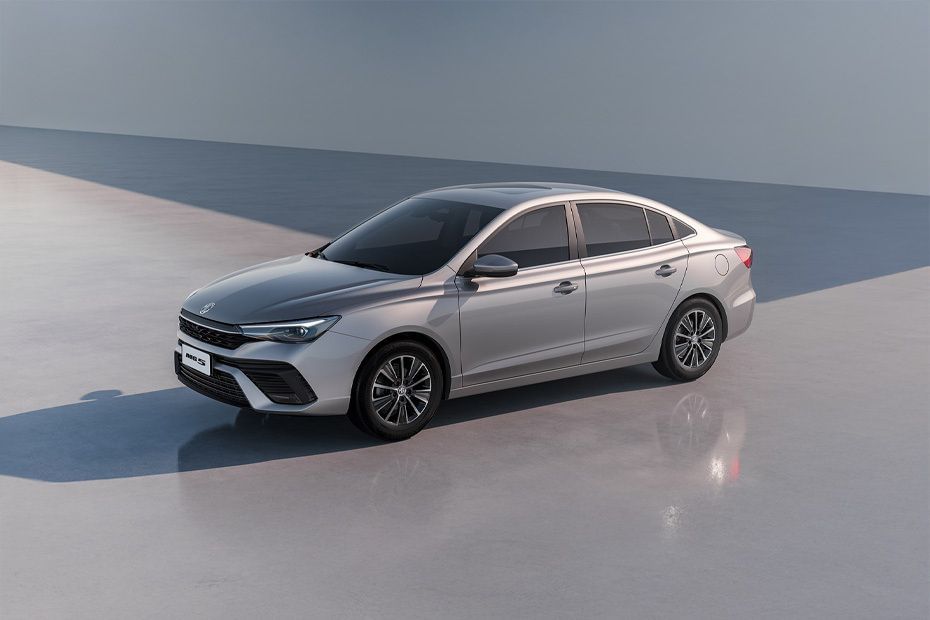
In reality, Saudi buyers clearly recognise the difference between brands. Some of the more visible and well-established ones, including Geely, Chery, and MG, have built a strong reputation in the Middle East, and this is true in the KSA market as well.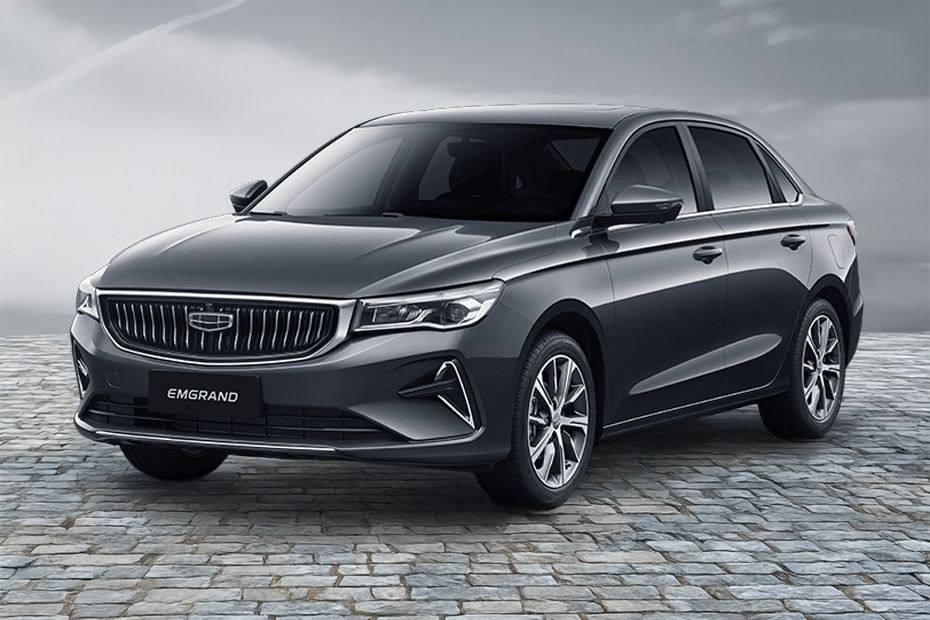
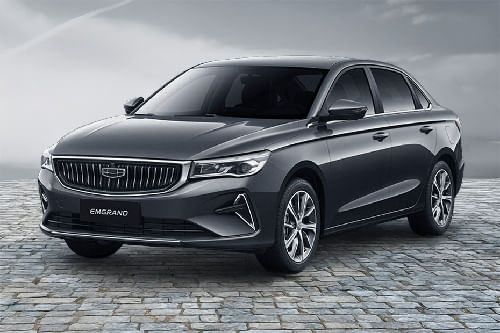
For example, Geely is a global brand, and it also has Volvo and Zeekr in its portfolio, which means it is technologically advanced with the help of these marquee brands. Besides, Geely cars are considered highly modern and elegant in design, expanding globally and benefiting from Volvo's heritage. Similarly, MG is formally a British brand, which still commands respect for its history. Haval has earned a great deal of reputation from its SUVs. In the Saudi market data, Chery and Haval consistently outperform newer entries in depreciation metrics.
Myth 6: EVs command lower values
There is a perception that Chinese EVs don’t age well, and holding their value is hard, especially considering the battery life.
This is another unfounded fear, as modern Chinese EVs have earned technological superiority. They are tested for stringent quality control and crash testing, making them more reliable and safer. This directly impacts resale value, as buyers look for durable vehicles.
Take BYD's Blade Battery technology, which clearly addresses longevity doubts. The real-world data shows battery degradation is slower than people think. Eight-year battery warranties provide genuine peace of mind to second-hand buyers, and that support translates to stronger used prices.
EV demand is growing. Supply of used Chinese EVs is limited, but that supply-demand imbalance actually supports prices. And early EV adopters are seeing better resale results than expected.
The Saudi used car market report indicates that the used EVs are growing as first owners upgrade to newer models with longer range. This creates inventory for mainstream buyers.
Myth 7: Unreliable data
People think Chinese cars haven't been around long enough, and often data is unreliable.
What actually happens: Chinese brands have been selling in Saudi Arabia for 5+ years now. There are plenty of vehicles that have cycled through the used market to establish patterns, and this is getting better strong to trust.
Three-year-old Changan, Chery, Haval, and MG vehicles are trading regularly. Market prices for these vehicles are well established, and depreciation is predictable. With trends showing value stabilisation, not continued collapse. The above-mentioned points explain why Chinese cars are selling like hotcakes and why Chinese Cars Are Winning Saudi Hearts.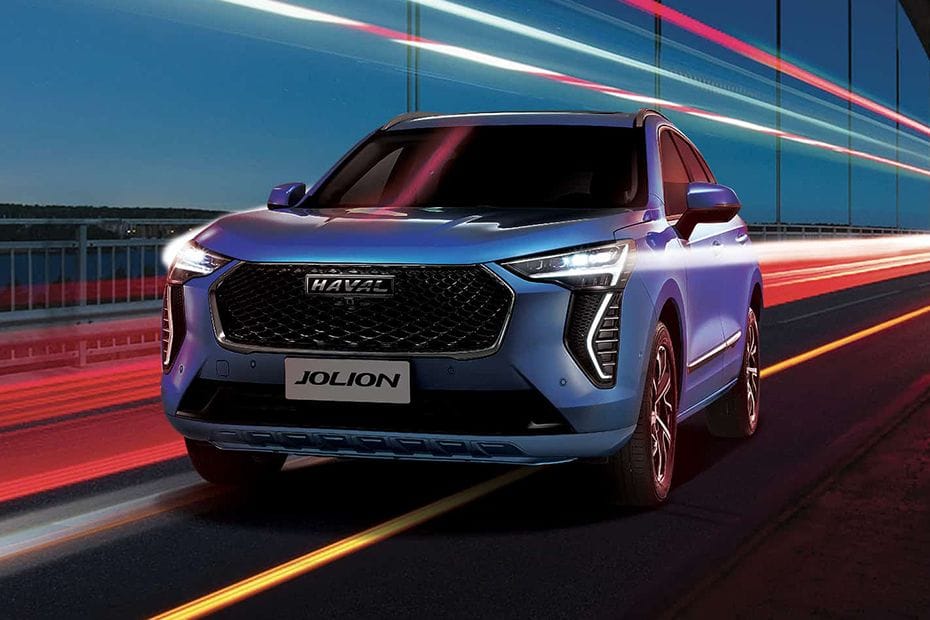
The Real Factors
Brand choice: Geely, MG, Chery, and Haval hold value better. Newer or lesser-known Chinese brands face headwinds, and you should choose established brands if you really have resale concerns.
Maintenance history: Regular service improves resale value. Documented maintenance matters, as most of the time, buyers want to see proof that the vehicle was maintained properly.
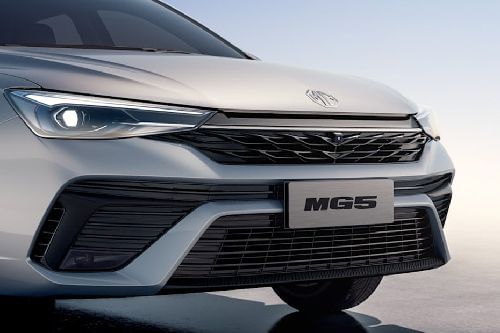
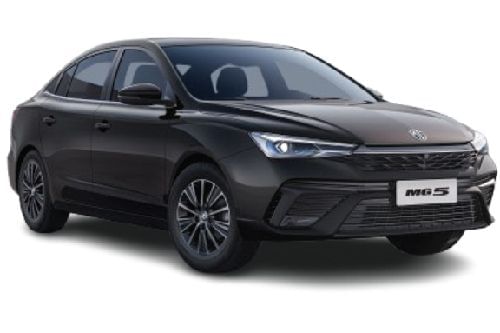
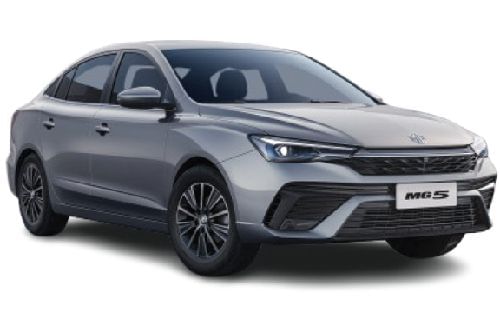
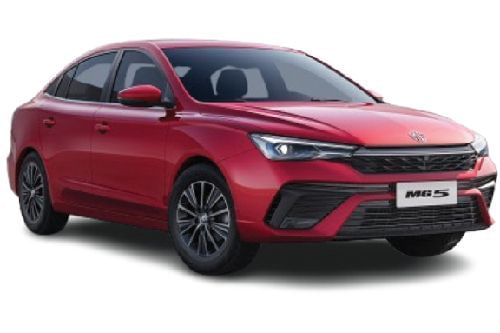
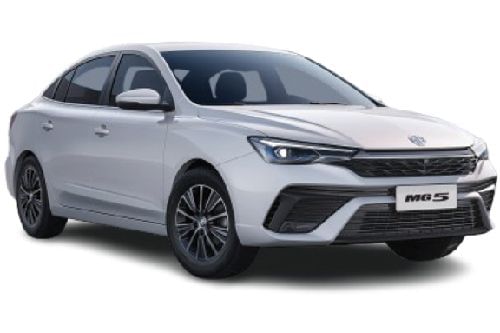
Market demand: It goes without saying that popular models hold value better. Models like Haval Jolion, MG 5, and Changan Eado Plus, sell in high volumes. And so their used inventory is available, as buyers are shopping, and higher demand pushes prices up.
Condition: This matters across all vehicles, the Paint, interior, and mechanical condition and these factors apply equally to Chinese cars. A well-maintained Chinese car even well outsells a more established brand.
Mileage: High-mileage vehicles depreciate more, and this is universal. Not Chinese-specific.
Resale Value Comparison Table
|
Model |
Depreciation (3 years) |
Retained Value |
Market Demand |
|
Chery Tiggo 4 Pro |
~28% |
72% |
High |
|
Haval Jolion |
~28% |
72% |
High |
|
Chery Tiggo 7 |
~25% |
75% |
Very High |
|
Changan Eado Plus |
~26% |
74% |
High |
|
~24% |
76% |
High |
|
|
~27% |
73% |
High |
|
|
~32% |
68% |
High |
|
|
Kia Seltos |
~34% |
66% |
Medium |
|
Hyundai Creta |
~35% |
65% |
Medium |
Conclusion
The resale value of Chinese cars is improving as manufacturers are working intensively on their quality and reputation. While they may not yet match the resale strength of Japanese or German brands, believe it or not, the gap is narrowing significantly. That gap narrowing is real, historical Chinese depreciation was real. Poor quality justified it, but modern Chinese cars have fixed the quality issue, and hence, resale values have gained as a result.
So if you’re thinking of buying a Chinese car, then go ahead, it is no longer a financial sacrifice on resale. It's a calculated choice that holds value reasonably. Not perfectly. Reasonably. For budget-conscious buyers, that's enough. The myth persists because the old reality was real. Five years ago, Chinese cars depreciated heavily. That's no longer true, and the new data with updated information hasn't caught up to market reality yet.
If resale value matters to you, buy an established Chinese brand, maintain it properly. Expect 68-75% retained value after three years, and it's not bad; if that's realistic. That's what the market shows.
Dinesh Goluguri

With over 15 years of experience in the automotive world, Dinesh Goluguri bringing hands-on experience and deep market knowledge. Passionate about SUVs, sports cars and luxury vehicles, he combines enthusiasm with expertise in delivering insights that resonate with car buyers and enthusiasts alike. With a special interest in car modifications and upgrades, Dinesh offers a unique perspective that goes beyond standard reviews, highlighting both factory features and customization potential. His work helps readers navigate new launches, features and trends in the dynamic automotive market.
Read Full Bio-
Explore Changan Eado Plus
-
-
Explore Chery Tiggo 4 Pro
-
-
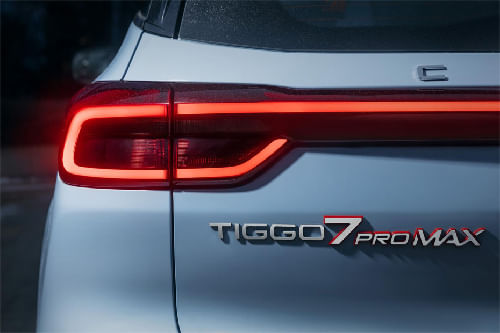
Explore Chery Tiggo 7 Pro Max
-
-
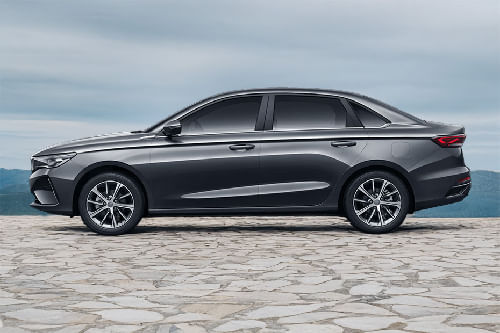
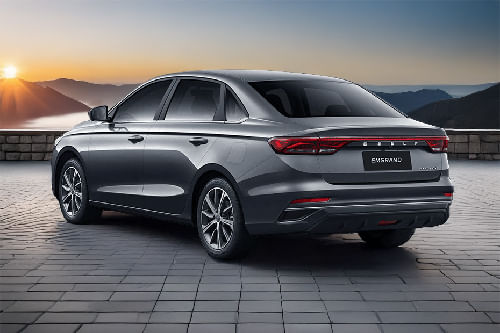
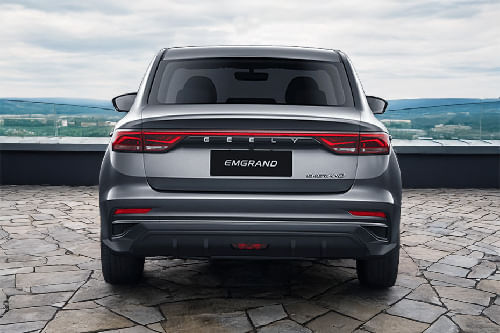
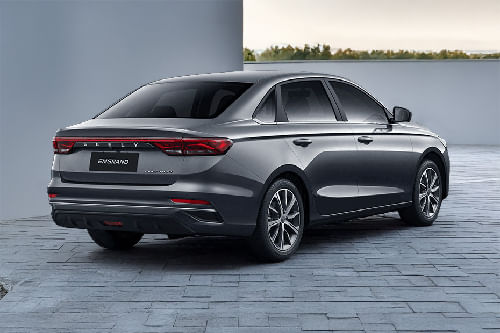
Explore Geely Emgrand
-
-
Explore Haval Jolion
-
-
Explore KIA Seltos
-
-
Explore Mazda CX-5
-














-
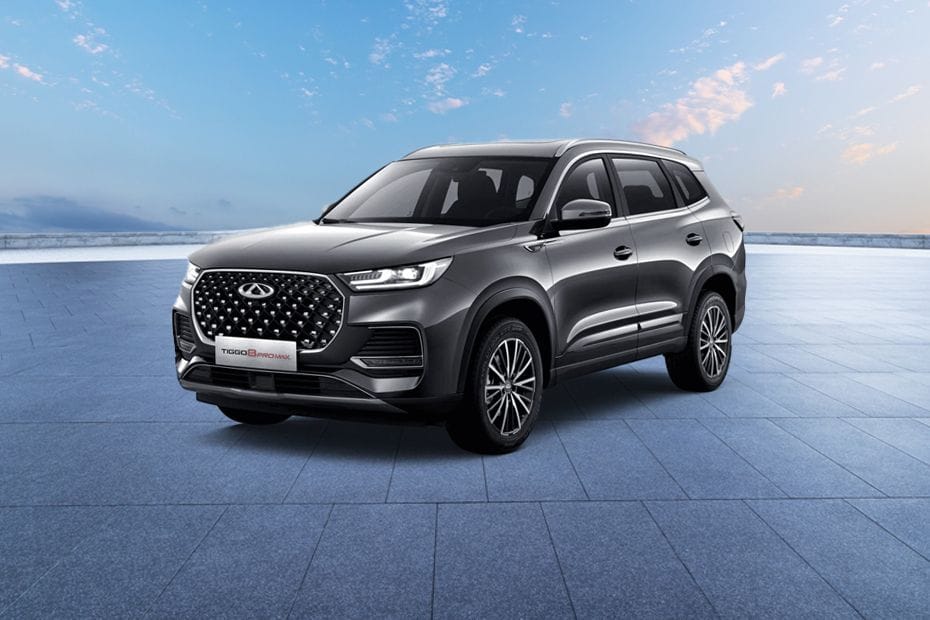
Chery Tiggo 8 Pro Max -
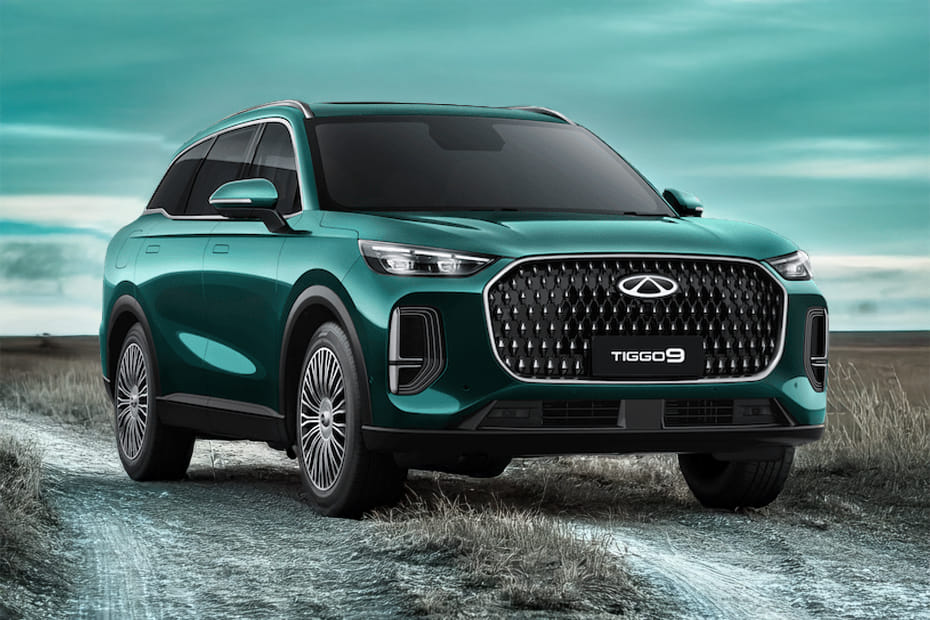
Chery Tiggo 9 -
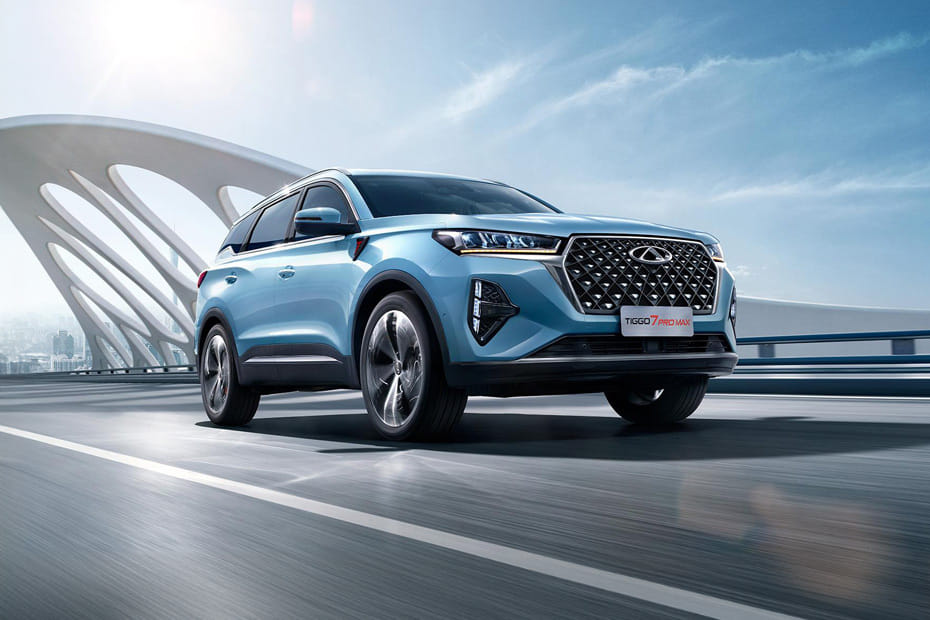
Chery Tiggo 7 Pro Max -
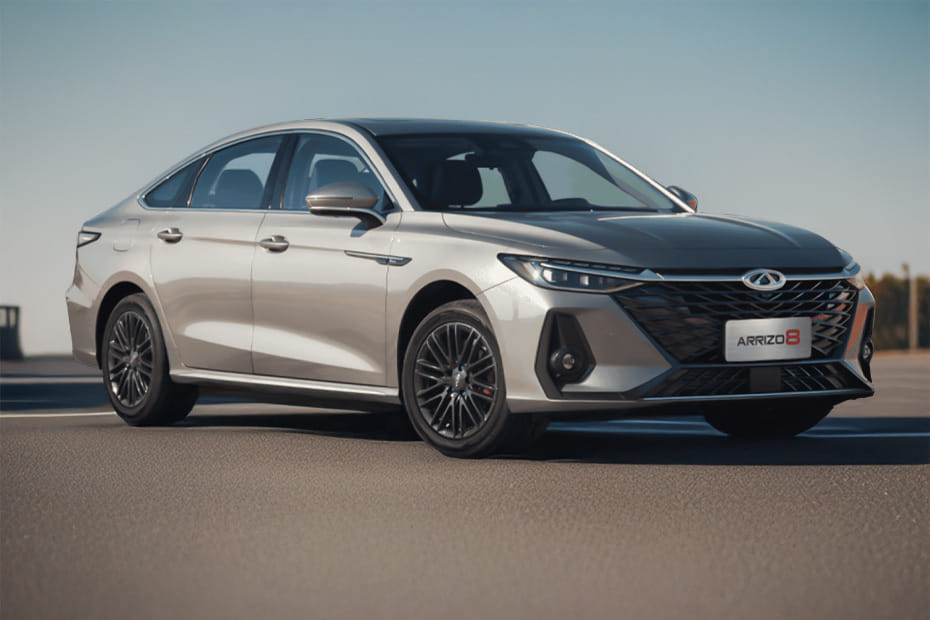
Chery Arrizo 8 Pro -
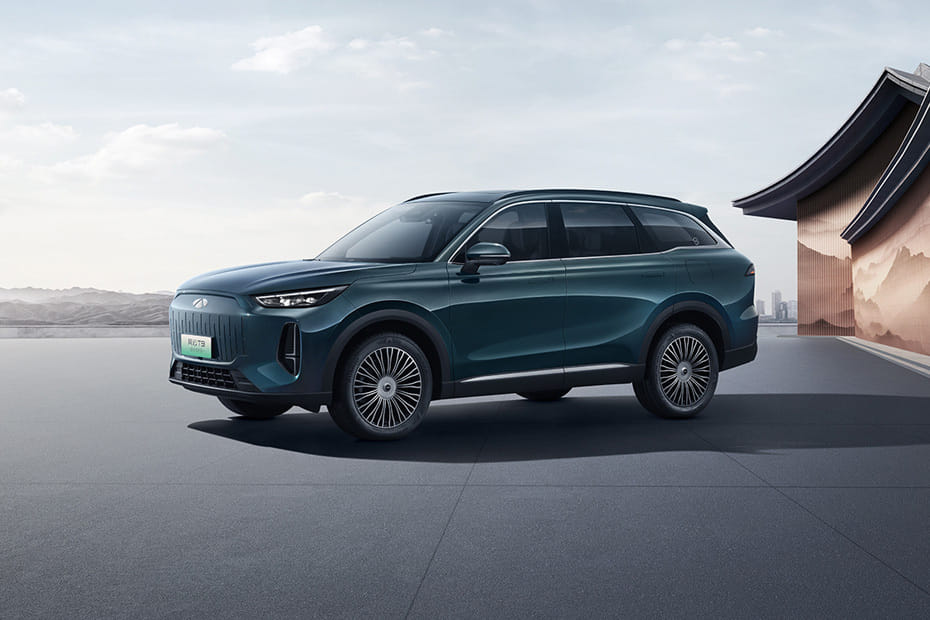
Chery Fengyun T9 -
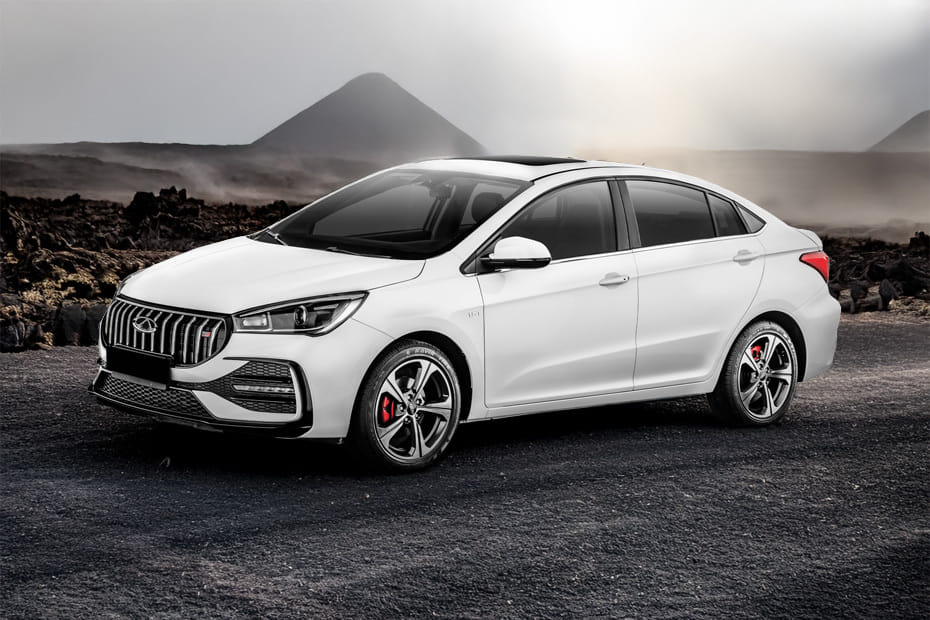
Chery Arrizo 5 Pro -
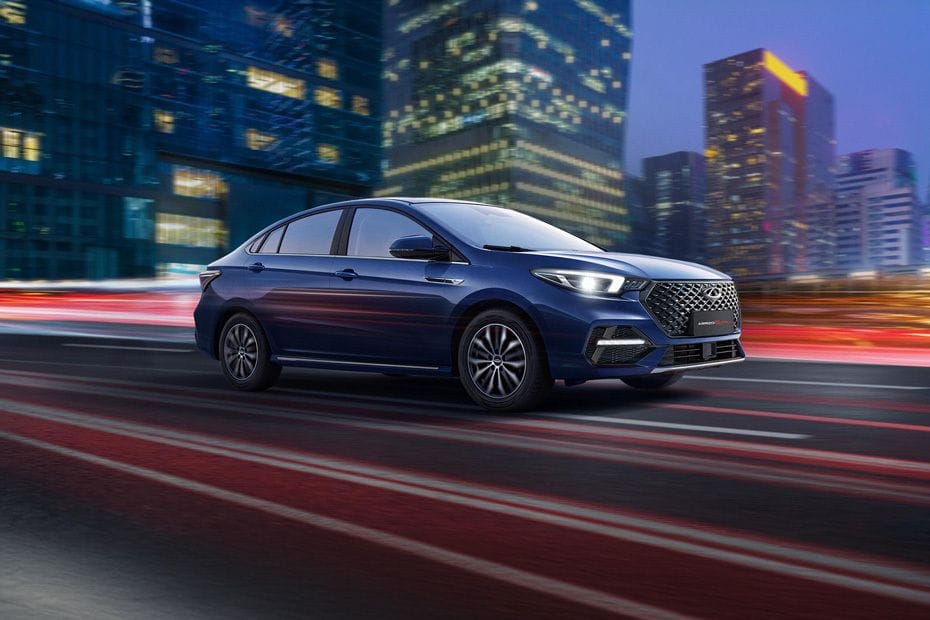
Chery Arrizo 6 Pro -
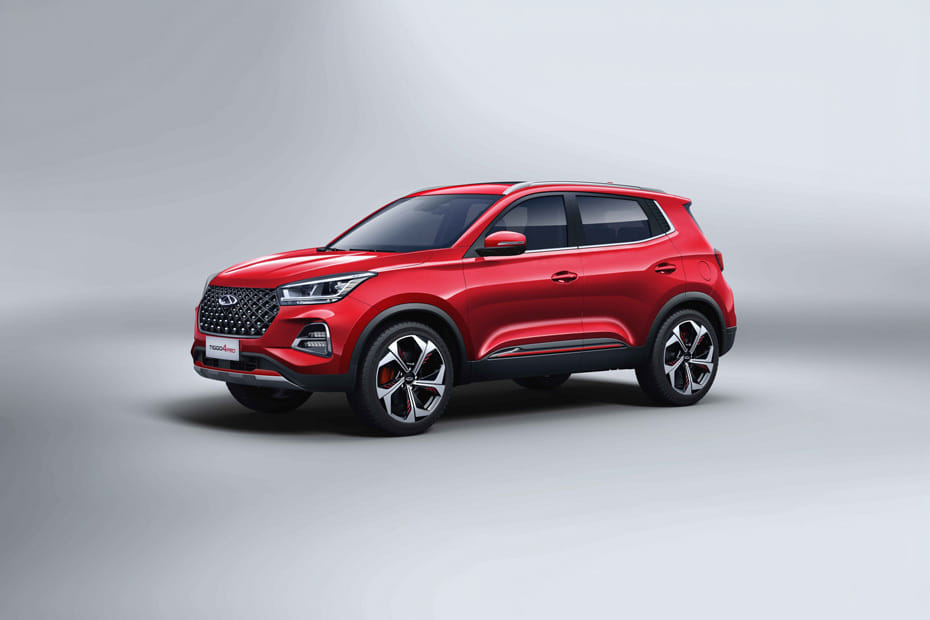
Chery Tiggo 4 Pro -
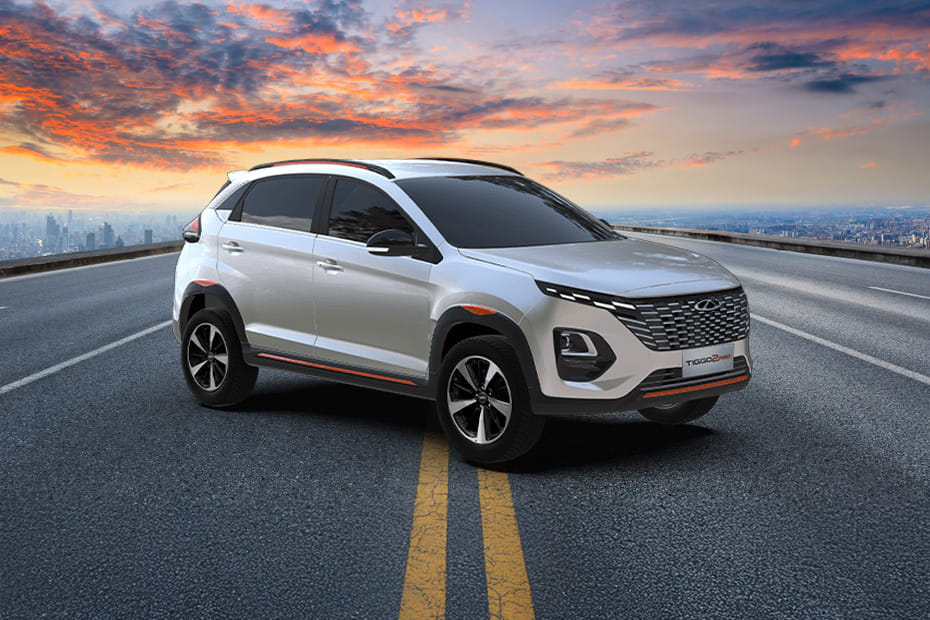
Chery Tiggo 2 Pro
- News

- Latest
- Popular
-
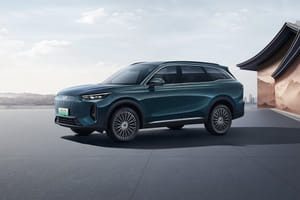 Chery Fengyun T9SAR 51,638
-
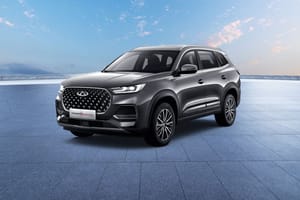 Chery Tiggo 8 Pro MaxSAR 110,630
 -
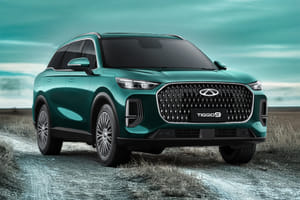 Chery Tiggo 9SAR 128,225 - 154,675
 -
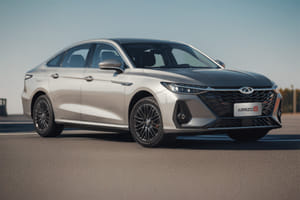 Chery Arrizo 8 ProSAR 90,801 - 103,270
 -
Chery Fengyun T9SAR 51,638
-
 Chery Arrizo 5 ProSAR 44,275
|
|
|
|
|
|
Engine Displacement
1598
|
1998
|
1462
|
1498
|
1333
|
|
Transmission Type
-
|
Automatic
|
Automatic
|
Automatic
|
Automatic
|
|
Power
-
|
218Hp
|
102hp@6000rpm
|
174Hp
|
153Hp@5250rpm
|
|
Torque
-
|
325Nm
|
136Nm@4400rpm
|
275Nm
|
270Nm@1800-3250rpm
|
|
|
- Latest
- Upcoming
- Popular
-
 KIA EV2SAR 148,000
 -
 Toyota CenturyPrice coming soon
 -
 Jeep Grand Cherokee 2026Price coming soon
 -
 ZEEKR 9XPrice coming soon
 -
 Mitsubishi PajeroPrice coming soon
 -
 Hyundai Ioniq 9Price coming soon
-
 Land Rover Range RoverSAR 591,500 - 1.3 Million
 -
 GMC HUMMER EVSAR 579,200 - 725,500
 -
 Hyundai PalisadeSAR 242,305 - 242,368
 -
 Changan UNI-KSAR 141,335
 -
 Toyota RaizeSAR 68,827 - 75,497
 -
 Hyundai TucsonSAR 103,500 - 162,552