BYD Atto 3 Review: Living With an Electric SUV in Saudi Conditions


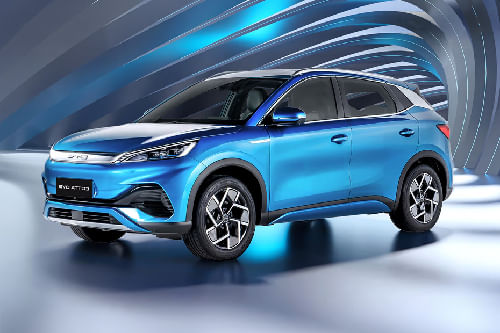
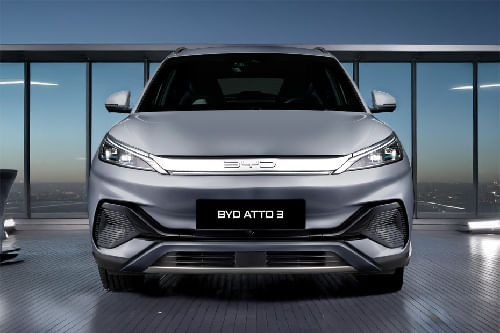
The BYD Atto 3, a compact electric SUV, is making quite a stir globally and now brings Chinese electric vehicle technology to Saudi Arabia's demanding environment. The market dynamics for buying an EV in Saudi Arabia are very different from those in markets like Europe or China, especially due to the challenging weather, with temperatures reaching 50°C in summer, and the developing infrastructure.
KEY TAKEAWAYS
What is the price of the BYD Atto 3 in KSA?
Three variants: Dynamic, Premium, and Superior, ranging from SAR 120,000 to SAR 139,900.What are the powertrain details of the BYD Atto 3 in KSA?
A single electric motor producing 204 hp and 310 Nm, a 60.48 kWh blade battery, and 420 km of claimed range.BYD, the world's largest EV maker, says the Atto 3 Blade Battery maintains 95% capacity at 45°C, taking care of the main concern about EVs in extreme heat. Additionally, the company's heat pump technology works across a temperature range to preserve range. But many consumers might not be persuaded by paper specs alone, as opposed to everyday reality. In this detailed review, we go over what it's actually like living with the Atto 3 in Saudi Arabia, the real-world range, the charging experience, the summer performance, and whether electric mobility makes sense here yet.
What You Get: Variants and Pricing
|
Variant |
Price (SAR) |
Key Features |
|
Dynamic |
120,000 |
Base features, full electric capability |
|
Premium |
129,900 |
Enhanced tech and comfort |
|
Superior |
139,900 |
Top features, full equipment |
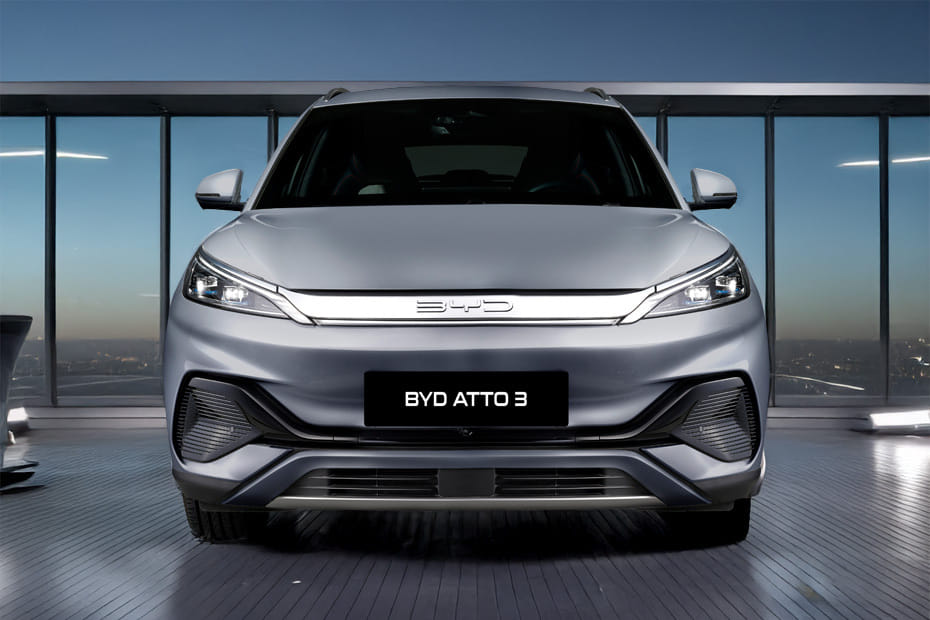 All three variants nearly come with identical powertrain and battery specifications. The only major differences come down to features and comfort equipment.
Power and Performance Specs
|
Specification |
Details |
|
Motor |
Single electric, 204 hp, 310 Nm |
|
Battery |
60.48 kWh Blade Battery (LFP) |
|
0-100 km/h |
7.3 seconds |
|
Claimed Range |
420 km |
|
Real-World Range |
330-370 km (with AC) |
|
Fast Charging |
29 minutes to 80% |
The electric motor gives an instant torque the moment you press the accelerator; this is different than a regular IC engine car, with a real difference with an EV. For the Atto 3, the zero to 100 km/h happens in 7.3 seconds, which feels quicker than the number suggests because all the power hits immediately. So, essentially, there is no waiting for turbos to spool or gears to shift, which you are so accustomed to. 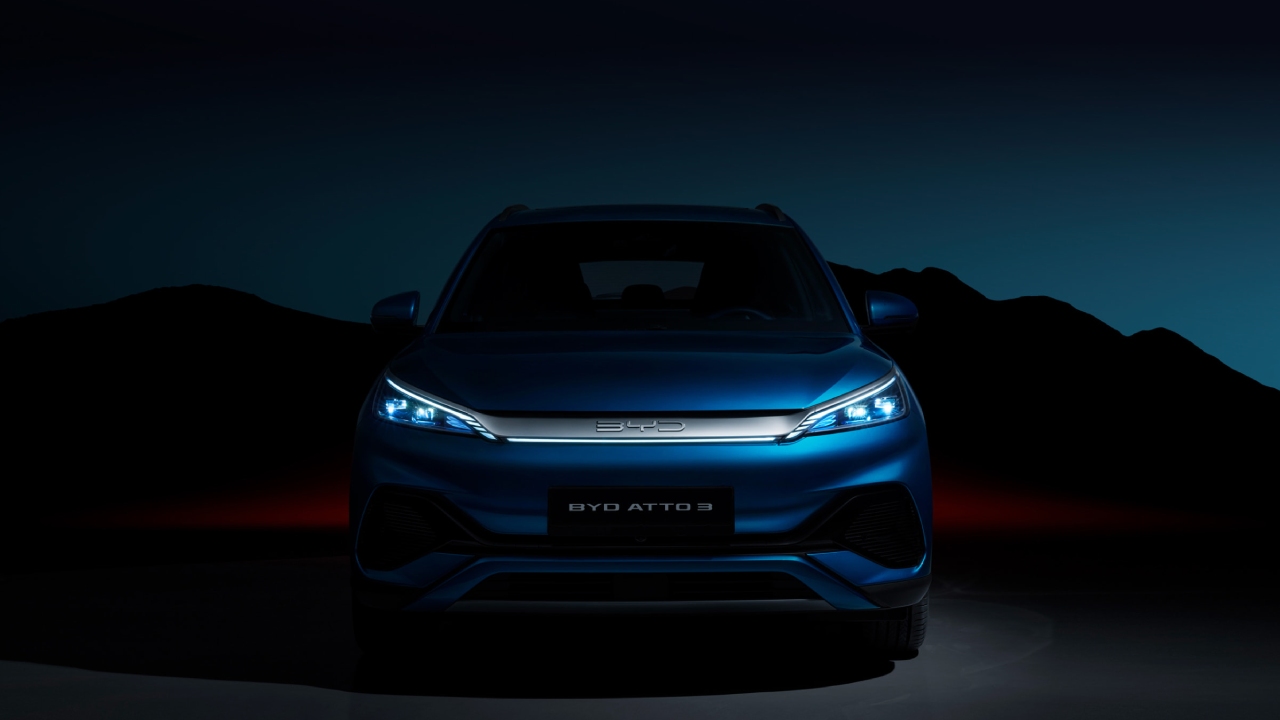
Where Does the Atto 3 Really Score High?
BYD in Saudi Arabia is positioning the Atto 3 as an affordable entry into electric mobility for most buyers. You can easily make out that the price undercuts premium EVs while offering a much more competitive range and features. BYD is trying to entice buyers with a combination of price and features that are much better than rivals. The Blade Battery uses lithium iron phosphate, which generates less heat than conventional lithium-ion cells. This matters in Saudi summers.
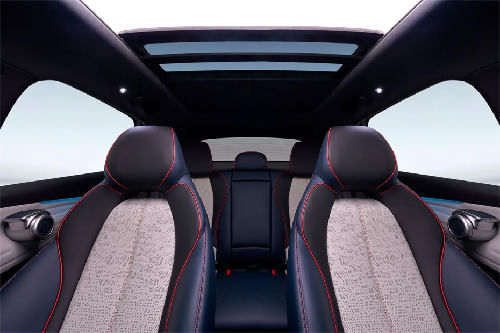
The Chinese automaker is at the forefront of EV technology and has learnt a lot over time. Its thermal management system actively cools or heats the battery to maintain optimal temperature. So in the very intense but normal Riyadh summers, this system works overtime. Most owners report AC's impact on range is noticeable, but it is manageable. With the AC running full, it reduces range roughly 15-20% compared to mild weather, but ventilated seats help reduce AC dependence.
It is quite interesting to observe the smooth and quiet driving feel, something you can only experience in an EV, and a huge difference from a normal car, as there is no engine. Wind noise stays minimal at highway speeds, and the regenerative braking takes adjustment as it slows the car when you lift off the throttle, but you will become used to it quickly.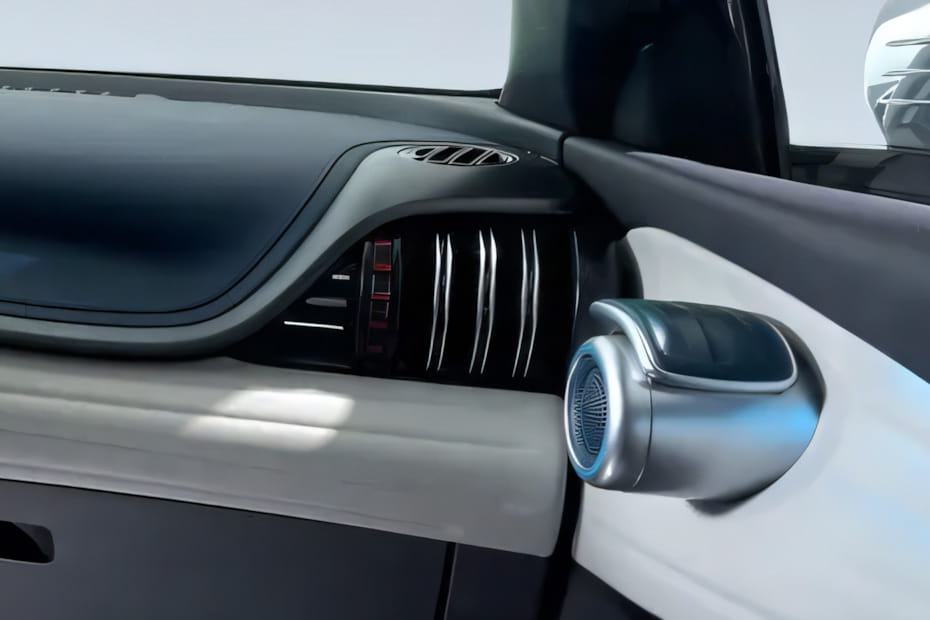
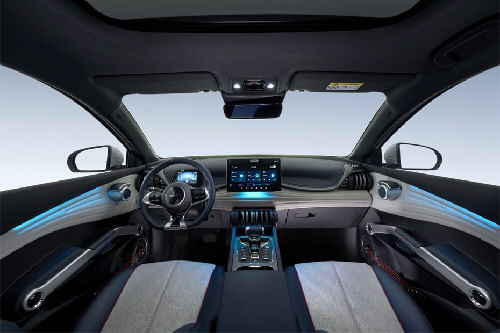
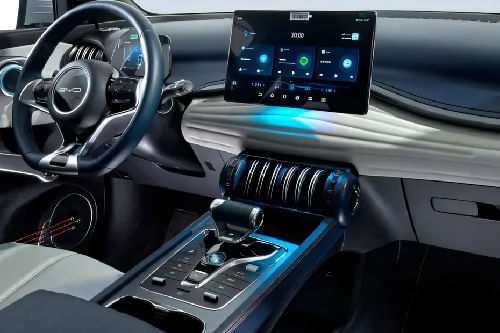
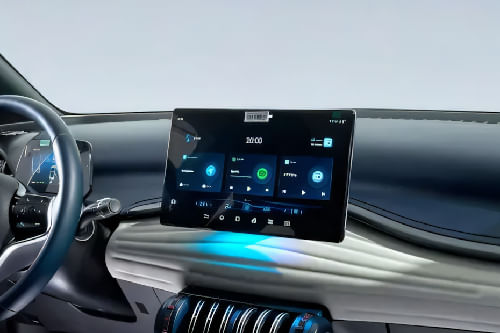
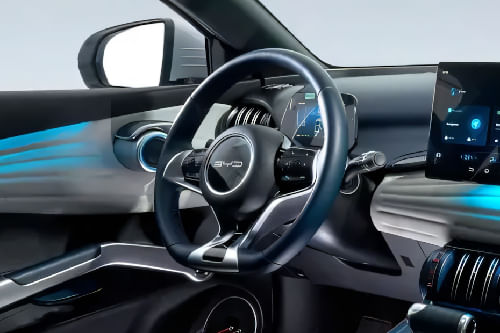
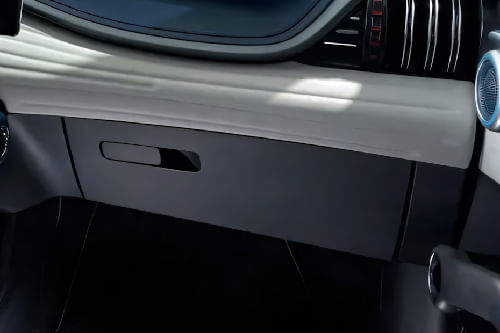
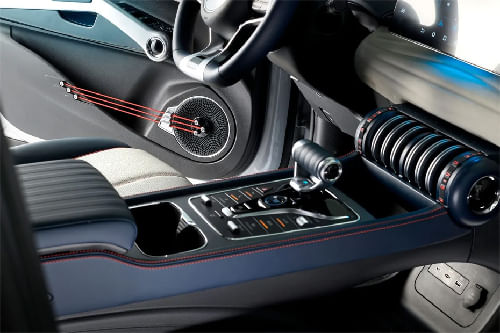
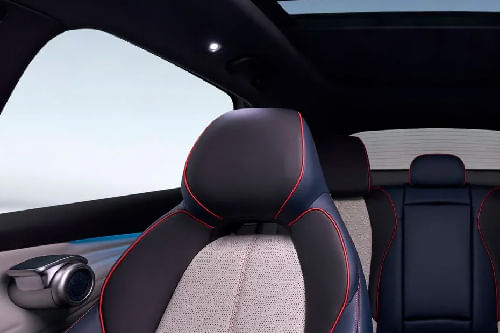
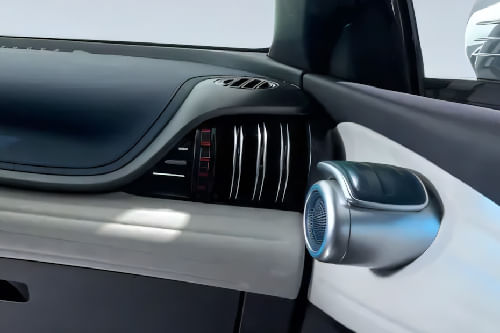
Regarding the interior, opinions vary widely, often leading to disagreements. The guitar string door pulls are playful but impractical; the foam-textured dashboard feels unique but collects dust. The rotating screen is genuinely useful; switching between portrait and landscape and voice control works in Arabic and English, which is welcome.
On a more practical aspect, charging at home requires installing a wall box. BYD offers an 11 kW unit; empty to full takes about six hours. The fast charging to 80% takes 29 minutes. While the public charging through EVIQ stations is expanding, in Riyadh there are about 20 stations, in Jeddah seven, and in Dammam five.
Currently, most Saudi buyers are experiencing electric vehicles, and we have reached a point where range anxiety is a significant concern. The 420 km claim drops to 330–350 km with AC running, and highway driving at 120 km/h drains batteries faster. Therefore, planning trips beyond major cities requires checking charger locations. In this case, you can get help from the app, which lets you pre-cool the cabin before entering. You can check charge status, lock doors, and monitor battery health remotely. OTA updates add features over time.
Living With an EV in Saudi Conditions
Nothing is more important for an EV than the charging infrastructure. The charging infrastructure is more fundamental for daily EV life than the vehicle itself. Here's what owners need to know: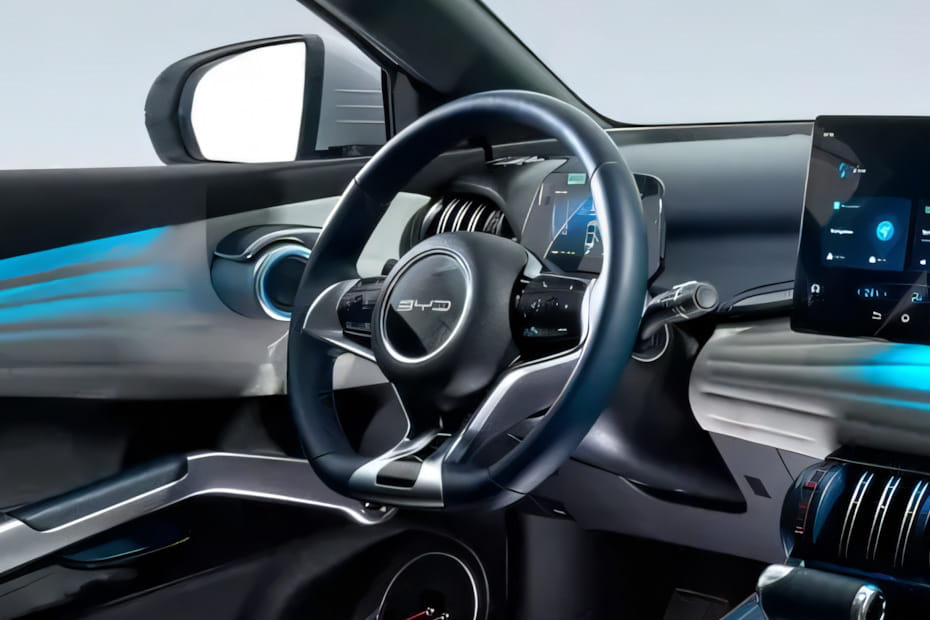
Charging Infrastructure Reality
|
Location |
Public Charging Stations (2025) |
Planned by 2026 |
|
Riyadh |
20 operational |
40+ planned |
|
Jeddah |
7 operational |
25+ planned |
|
Dammam |
5 operational |
15+ planned |
|
Highway network |
Limited |
Focus of 2026 expansion |
The national fast charging network, EVIQ, aims for 60 stations by the end of 2025, mostly in major cities. Highway coverage is likely to follow later, which may be a constraint in intercity travel initially. But overall, as per the government projection, the Kingdom is targeting 5,000 charging points by 2026 and 50,000 by 2030. The current reality is roughly 1,200 public chargers nationwide.
But keep in mind, for most EV buyers, home charging works the best, as personal cars are stationary at night. The electricity costs about SAR 0.04 per kWh, making home charging very cheap. A full charge costs approximately SAR 2.40; now compare that to SAR 150-180 to fill a similar-sized gasoline SUV. Over a year, fuel savings can exceed SAR 8,000 for drivers covering 20,000 km, which is significant. Here is the extensive Saudi charging network to help you Where to Charge an EV in Saudi Arabia – Locations, Costs & How Fast Charging Works. 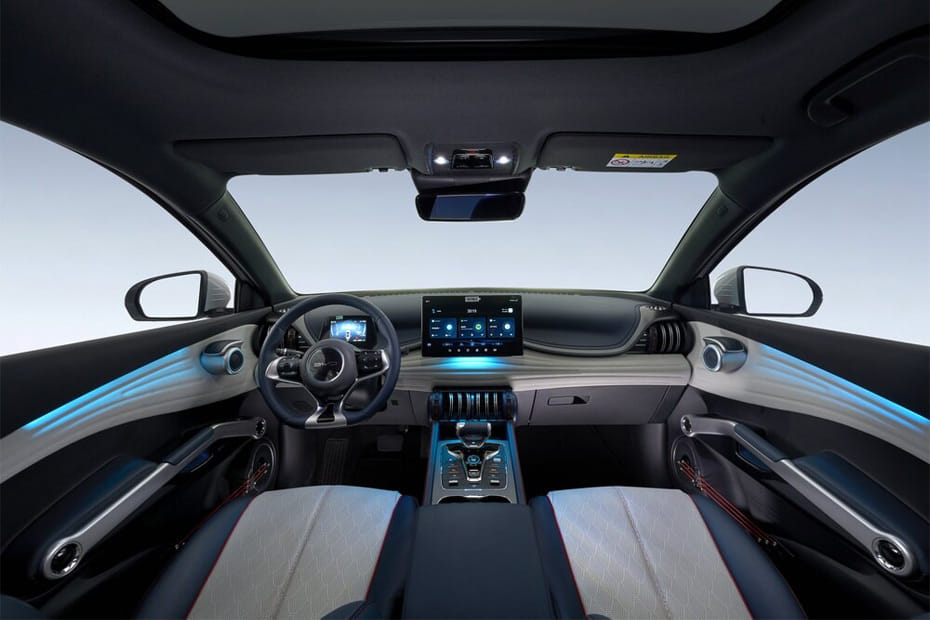
Summer Heat Performance
This is what makes Saudi Arabia, or the Gulf as a whole, such a challenging geography. Hence, summers here test EV batteries severely, and the reason is simple: temperatures regularly exceed 45°C from June through September. But according to BYD, the Atto 3 owners won’t face any issue. This is due to the Blade Battery's ability to maintain 95% capacity at 45°C, a level that some competitors drop to between 85 and 90 per cent.
The heat pump system works bidirectionally, cooling in the summer and heating during rare cold spells. It pulls heat from the tank, motor, and cabin to improve efficiency.
Now one unavoidable fact is that tan loss in summer is inevitable. Running AC continuously cuts range by 60-80 km compared to mild weather. Morning drives before peak temperatures maximise efficiency, and parking in the shade helps. Remote pre-cooling cools the cabin while plugged in, preserving the battery for driving.
Cost Comparison (5 Years)
|
Expense Type |
BYD Atto 3 (EV) |
Equivalent Petrol SUV |
|
Purchase price |
SAR 139,900 |
SAR 125,000 |
|
Fuel/electricity |
SAR 10,000 |
SAR 50,000 |
|
Maintenance |
SAR 5,000 |
SAR 15,000 |
|
Insurance |
SAR 12,000 |
SAR 11,000 |
|
Total 5-year cost |
SAR 166,900 |
SAR 201,000 |
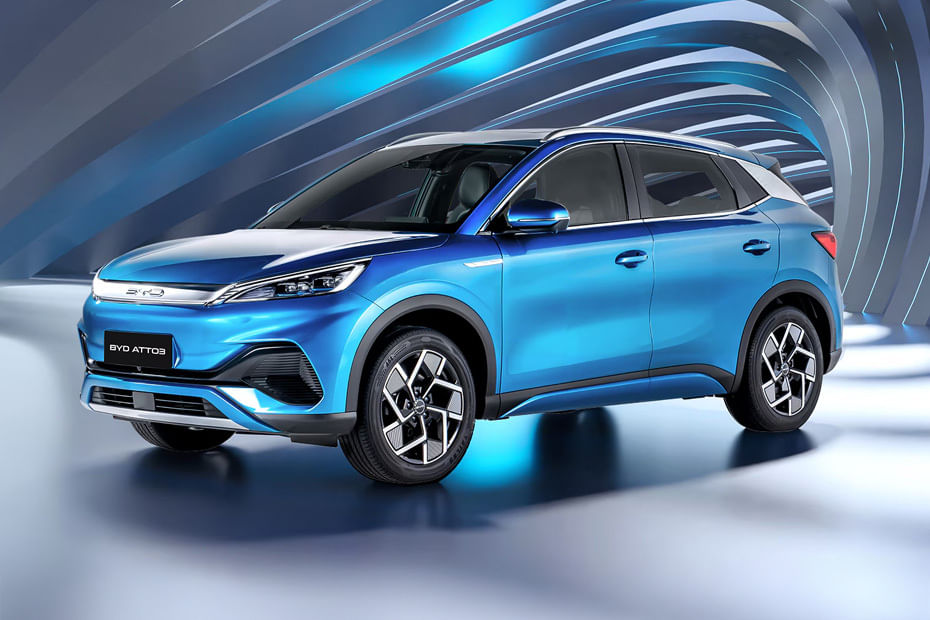
Now EVs are expensive compared to the conventional car; this is a widely known fact as the technology is maturing. And so the Atto 3 costs more upfront, but the owner can save significantly on running costs. The fuel savings of SAR 40,000 over five years offset the higher purchase price. Maintenance is simpler, as there are no oil changes, fewer brake replacements due to regen, and no exhaust system repairs.
Daily Use Reality
It is likely that most buyers of the Atto 3 are going to use it for their everyday city needs, and here it is a perfect option. The stop-and-go traffic works to its advantage; the instant torque makes merging effortless. Regen recovers energy when slowing, and most commutes stay within real-world range.
On the highway, the performance is not an issue, but the trips require planning. Riyadh to Jeddah is 950 km; that means you can’t do it on just one charge. It is not possible. Presently, limited highway charging makes such travel impractical for now, but most owners limit trips to within 150 km of home until infrastructure improves.
Here is another boost: the 6-year/150,000 km vehicle warranty. An 8-year/200,000 km battery warranty provides peace of mind. Al-Futtaim Electric Mobility handles service. Parts availability improves as sales grow.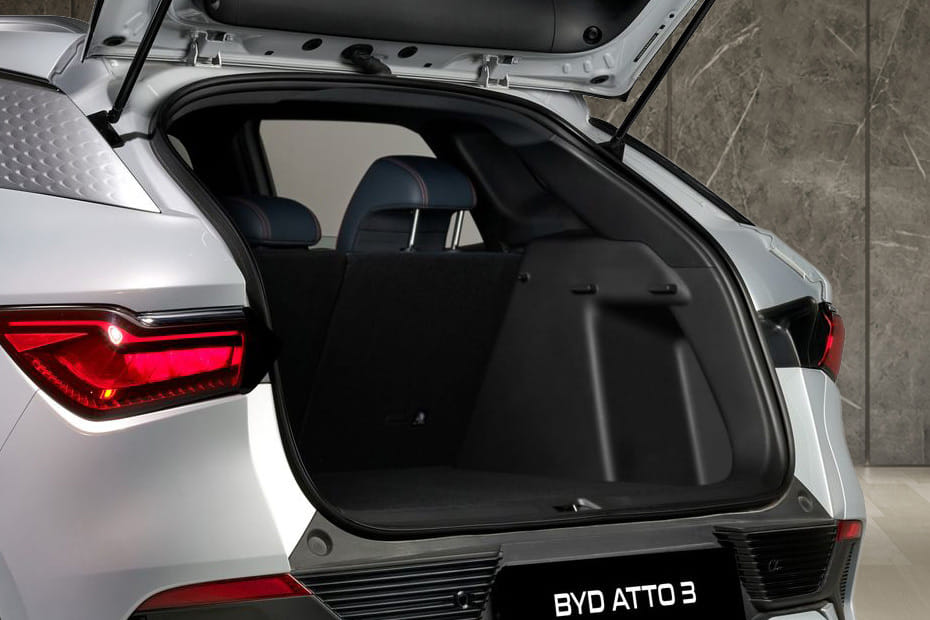
Environmental Impact
What made EVs popular is this: their environmental impact, as they produce zero tailpipe emissions. Our country’s Vision 2030 targets 30% EV adoption by 2030, and that means a lot of focus on EVs and reducing pollution. The Atto 3 helps reduce urban air pollution, and the electricity grid increasingly incorporates renewable sources.
But another fact is battery production has a significant carbon footprint. It takes roughly 50,000 km before an EV's lifecycle emissions fall below a petrol vehicle's. Saudi Arabia's low electricity costs and high driving distances mean this break-even happens faster than in many markets.
Should You Buy?
The question really is, can you buy this all-new, promising, all-electric compact crossover SUV in 2025? The Atto 3 makes sense for certain buyers; if daily driving stays within cities and under 200 km, it is the best option and works just fine. Home charging access is essential, and families who have a city vehicle find it practical.
And for an average buyer, savings of SAR 40,000 over five years in fuel certainly appeal to high-mileage commuters. In other key areas, the Atto 3 scores well, be it the smooth driving, which feels premium, or the cabin, which is nicely equipped with the latest tech.
But there definitely are valid concerns, such as range anxiety being real given limited charging. The road trips remain complicated, and resale value is uncertain, simply because EVs are too new to establish depreciation patterns.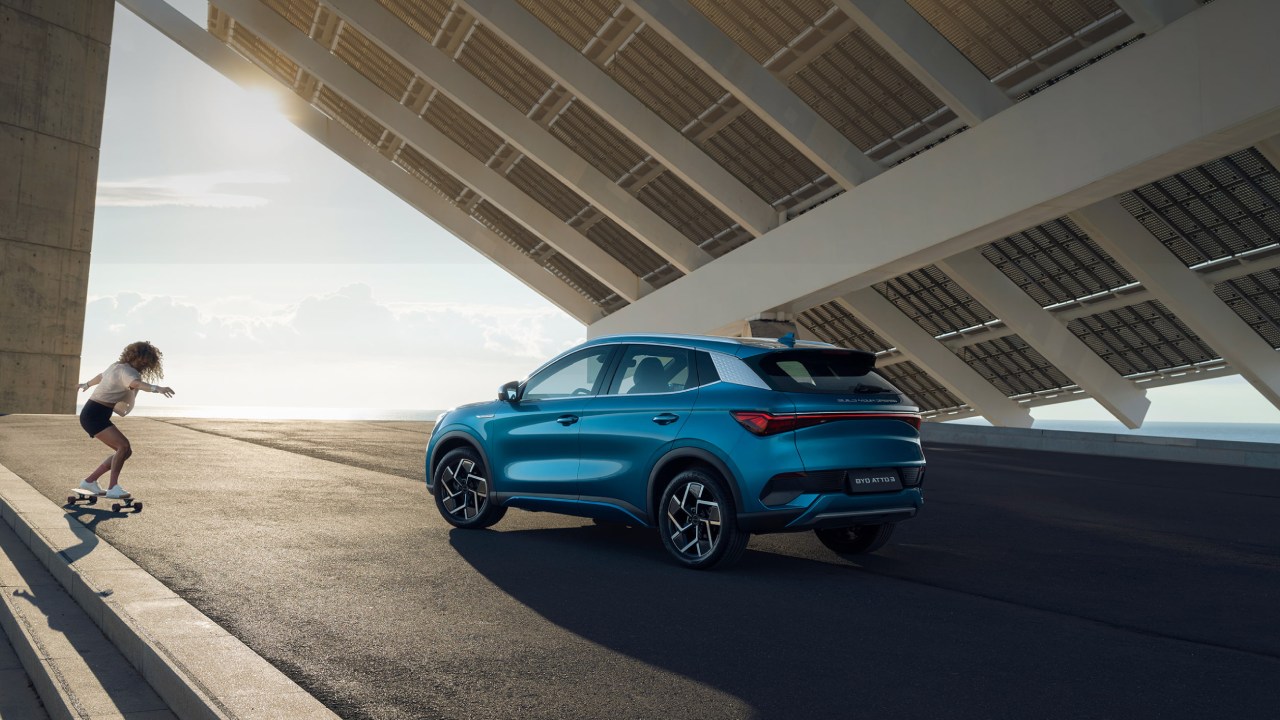
Some conservative buyers may want to wait for infrastructure to mature. Additionally, the funky interior design may not appeal to everyone. The low seating position feels less commanding than typical SUVs, and build quality is solid but not luxury-level. If your preferences are tilting towards Saudi Arabi electric cars, then you can check out Home EV Charging in KSA – Installation Cost, Permits & Setup Guide for more convenience.
Conclusion
But honestly, living with the BYD Atto 3 in Saudi Arabia is surprisingly practical for the right buyer, and it handles extreme heat well. A realistic 330–370 km range is enough to cover most everyday driving in Saudi Arabia. Charging coverage is growing, with around 60 public stations expected by late 2025 and aggressive build-out plans toward 2030, and the Atto 3 already shows that EVs can cope with local heat and usage patterns.
Dinesh Goluguri

With over 15 years of experience in the automotive world, Dinesh Goluguri bringing hands-on experience and deep market knowledge. Passionate about SUVs, sports cars and luxury vehicles, he combines enthusiasm with expertise in delivering insights that resonate with car buyers and enthusiasts alike. With a special interest in car modifications and upgrades, Dinesh offers a unique perspective that goes beyond standard reviews, highlighting both factory features and customization potential. His work helps readers navigate new launches, features and trends in the dynamic automotive market.
Read Full Bio-
Explore BYD ATTO 3
-

-
BYD Seal -
BYD Sealion 7 -
BYD Seal 7 -
BYD ATTO 3 -
BYD Song Plus -
BYD Shark 6 -
BYD QIN Plus -
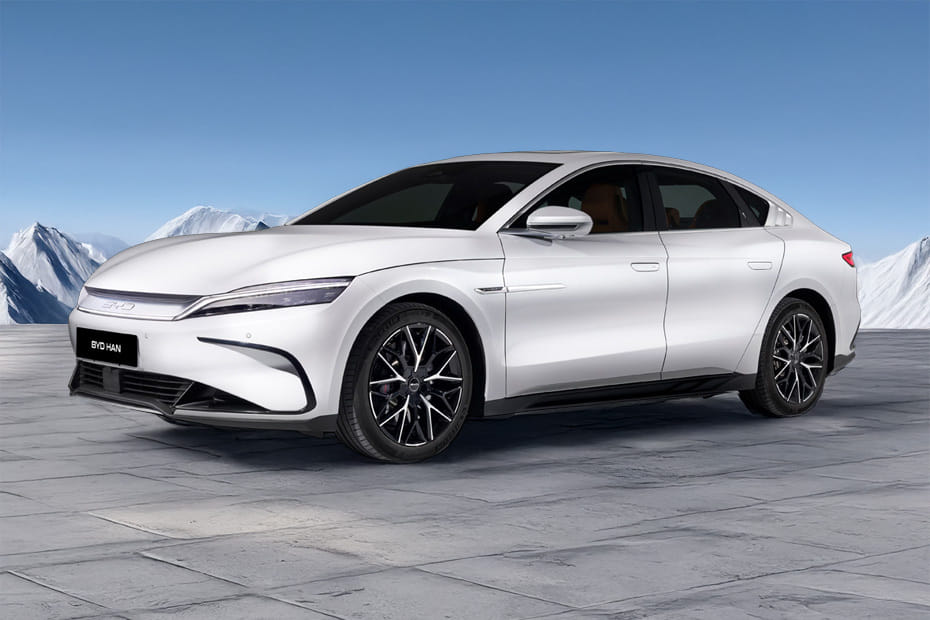
BYD HAN -
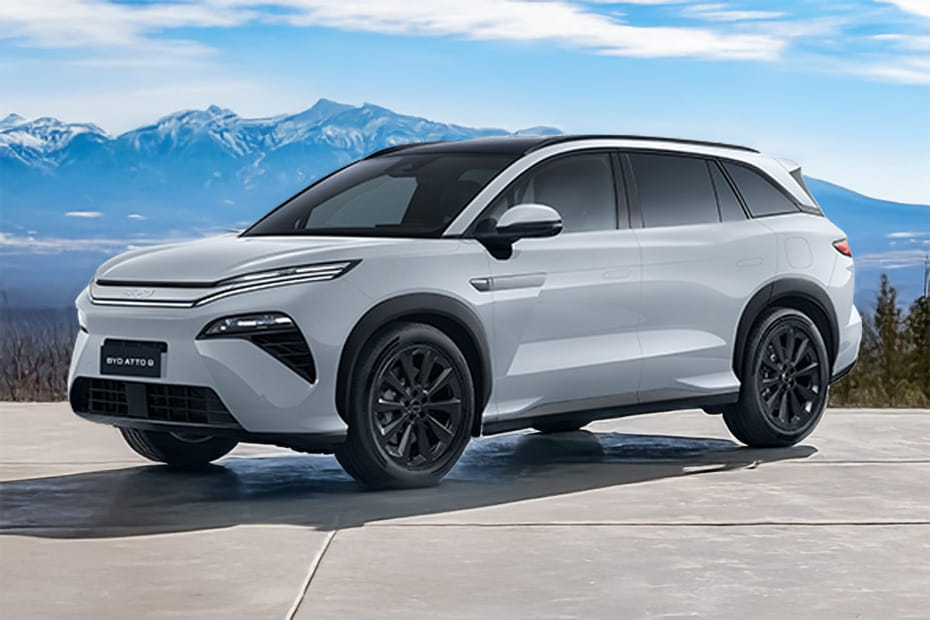
BYD Atto 8 -
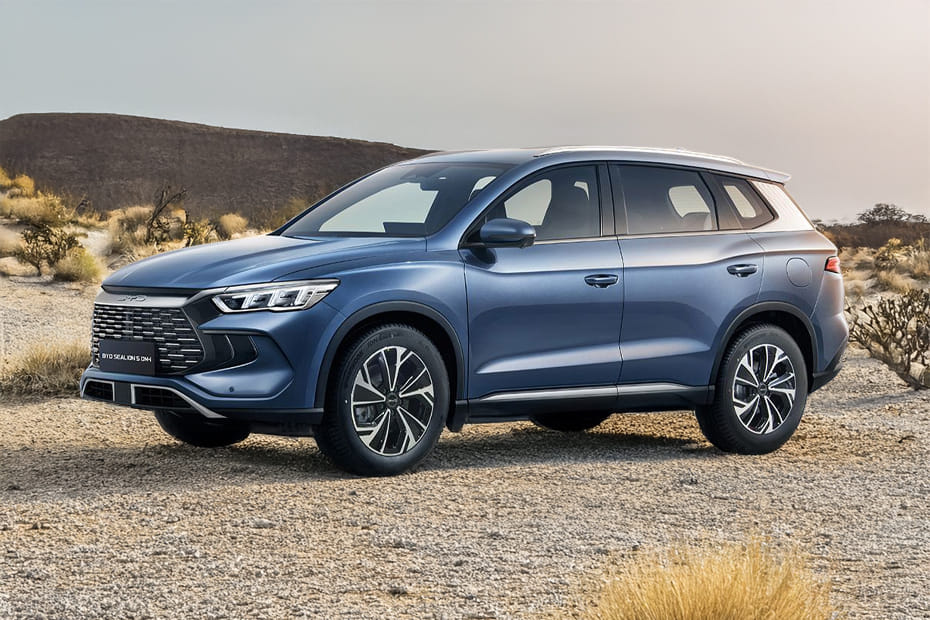
BYD Sealion 5 -
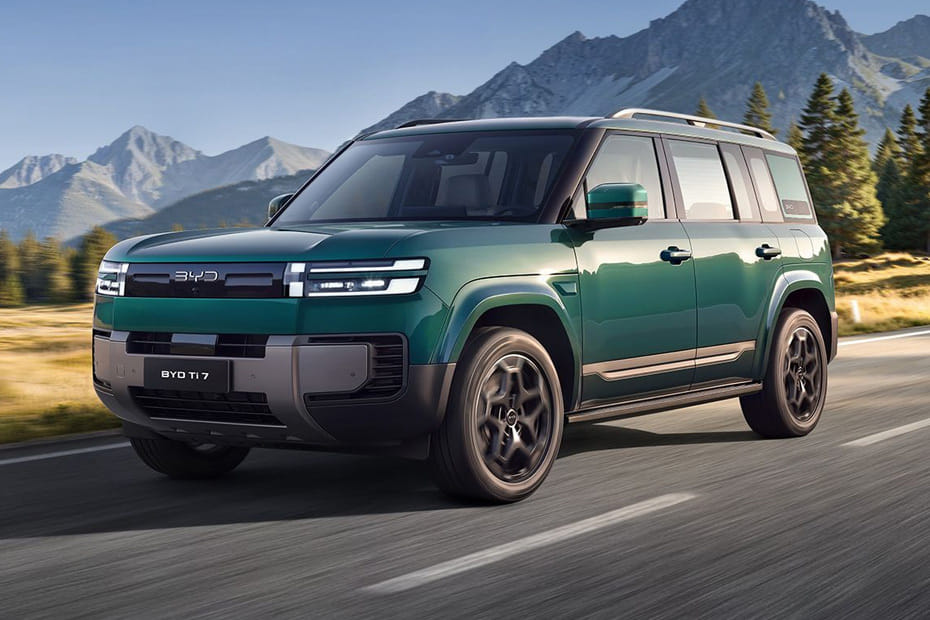
BYD Ti 7

- News

- Latest
- Upcoming
- Popular
-
 BYD Ti 7SAR 147,900 - 159,900
 -
 BYD Sealion 5SAR 79,900 - 88,900
 -
 BYD Atto 8SAR 156,900 - 179,900
-
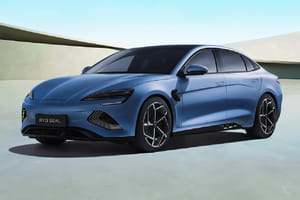 BYD SealSAR 120,900 - 146,400
 -
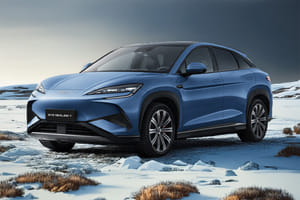 BYD Sealion 7SAR 179,900 - 199,900
 -
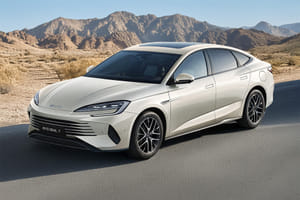 BYD Seal 7SAR 104,900 - 124,900
 -
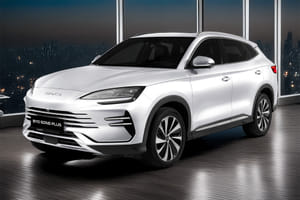 BYD Song PlusSAR 104,900 - 134,900
 -
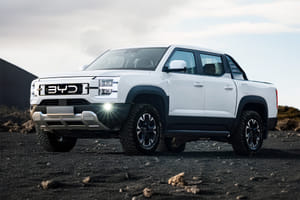 BYD Shark 6SAR 165,900

|
|
|

|

|
|
Transmission Type
Automatic
|
Automtic
|
Automatic
|
Automatic
|
Automatic
|
|
Power
200Hp
|
201Hp
|
214Hp
|
349Hp
|
102hp@6000rpm
|
|
Torque
310Nm
|
310Nm
|
310Nm
|
500Nm
|
136Nm@4400rpm
|
|
Engine Displacement
-
|
-
|
-
|
-
|
1462
|
|
|
- Latest
- Upcoming
- Popular
-
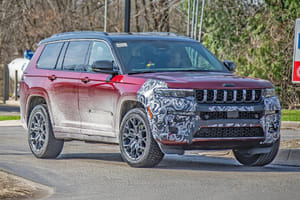 Jeep Grand Cherokee 2026Price coming soon
 -
 Toyota CenturyPrice coming soon
 -
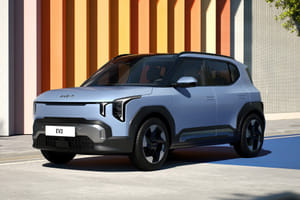 KIA EV2SAR 148,000
 -
 ZEEKR 9XPrice coming soon
 -
 Hyundai Ioniq 9Price coming soon
 -
 Mitsubishi PajeroPrice coming soon



-
 Land Rover Range RoverSAR 591,500 - 1.3 Million
 -
 GMC HUMMER EVSAR 579,200 - 725,500
 -
 Hyundai PalisadeSAR 242,305 - 242,368
 -
 Toyota RaizeSAR 68,827 - 75,497
 -
 Changan UNI-KSAR 141,335
 -
 Hyundai TucsonSAR 103,500 - 162,552