Formula E in Saudi Arabia: Is Electric Racing Changing Perceptions?

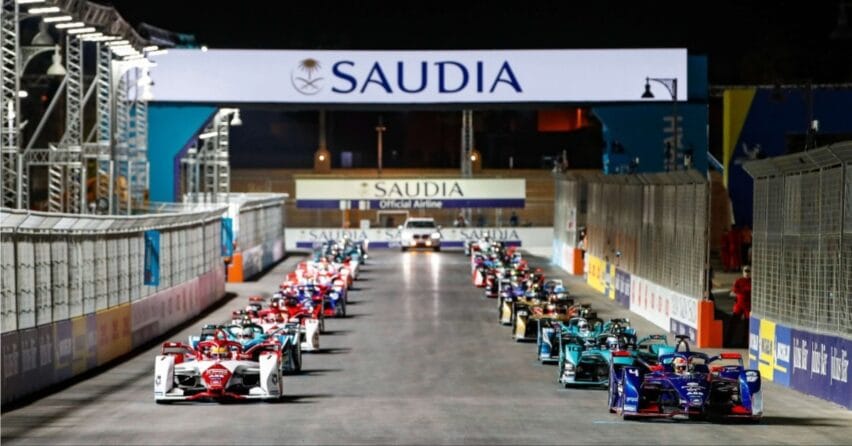
Saudi Arabia: Formula E, the premier all-electric single-seater racing series launched in 2014, announced a multi-year hosting agreement with Saudi Arabia starting in 2018 and received a mixed response. It was viewed as ironic, as one of the world's leading oil producers was promoting the world's leading electric racing series. Observers saw clear irony in the pairing. What started without much foresight as to what the future holds looks entirely different seven years later, as the partnership has evolved beyond anyone’s expectations. Saudi Arabia has become one of Formula E’s longest-running and most consistent host venues.
KEY TAKEAWAYS
How long has Formula E raced in Saudi Arabia?
Since 2018, making it one of Formula E’s longest-running Middle Eastern hosts.What's the new GEN3 Evo race car's acceleration?
0-60 mph in 1.82 seconds, among the fastest-accelerating single-seaters globally.The successful hosting of the Formula E in Saudi has worked remarkably well. This makes the question of whether the partnership works irrelevant; it's whether electric racing is actually changing how Saudis view electric vehicles. Look at the number, and you get the full picture. EV sales in Saudi Arabia grew by roughly 50–65% in 2024, depending on classification. Public charging infrastructure expanded from a few hundred to several hundred locations with full government support; ambitious targets have been set for 2030. On the ground, today major dealers now stock electric models that were not available three years ago.
Many global auto brands are introducing their latest EVs into the country with a clear focus on future growth. This huge momentum towards EVs is something that points towards Formula E. It may not totally deserve credit for this shift, but the timing is hard to ignore.
Formula E's Saudi Arabia Evolution (2018-2025)
|
Category |
2018 Start |
2025 Current |
Change |
|
Race location |
Diriyah (Riyadh) |
Jeddah Corniche |
Moved in 2025 |
|
Race format |
Single day |
Double-header weekends |
Expanded |
|
Car generation |
Gen2 (0-60 in 3.0 sec) |
GEN3 Evo (0-60 in 1.82 sec) |
approximately 35–40% quicker |
|
EV sales growth |
Baseline |
+62% annually |
Major increase |
|
Public charging stations |
~200 |
600 |
Triple growth |
|
Local female participation |
Limited |
Growing presence |
Cultural shift |

The Diriyah Legacy
Exactly six years ago, Formula E racing arrived in Diriyah, a UNESCO World Heritage site on the outskirts of the capital city, Riyadh. The historic venue provided an exceptional backdrop of ancient architecture transforming with advanced and sophisticated electric race cars. What added to the glory and overall enhancement of the event was the night race format, which not only made it distinctive on the calendar but also emerged as one of several night E-Prix events.
Without many expectations, it turned out the races attracted quite surprisingly strong attendance in the first instance. The first edition attracted a mixed crowd, consisting of motorsport enthusiasts curious about electric racing, EV lovers, and, in general, automobile fans. But within a short period, by the third and fourth years, the popularity grew with leaps and bounds, with families in large numbers starting to attend, taking the popularity way beyond the hardcore racing fans. Quite literally, the Fan Village turned into a destination itself, with several fun activities for the crowd, like children’s areas, EV exhibitions from major manufacturers, and live music performances.
Naturally, the historic city of Diriyah successfully hosted it, and its fast-growing popularity demanded much bigger, more accessible locations, which pushed organisers to consider moving the event to Jeddah in 2025. As a result, this whole venue is now undergoing a large-scale multi-billion-dollar redevelopment project, which also requires the race circuit space. There were several alternative options that were explored by Formula E officials in Riyadh locations; however, capacity requirements of 15,000–20,000 spectators proved challenging. Whereas Jeddah's existing Corniche Circuit, which is already known to be hosting Formula 1, was a natural choice.
Jeddah: A New Venue
The relocation of the 2025 Jeddah E-Prix (from Season 11) turned out to be a significant shift in the event's progress. The highly established and permanent circuit infrastructure is quite ready, rather a perfect choice, which makes operations substantially more effortless than Diriyah's temporary street circuit. Interestingly, the track is a relatively shortened version of the Formula 1 configuration, making it a technical challenge distinct from races that have happened in Saudi Arabia before.
Its uniqueness is visible by the high interest among the audience; one big indicator is the high ticket sales. According to a report from the race promoter Carlo Boutagy, the response has been incredible, as tickets showed strong advance demand ahead of the February 14–15 races. It is worth noting that the whole Formula E event showcases a stronger commercial performance, much more than several European rounds on the calendar.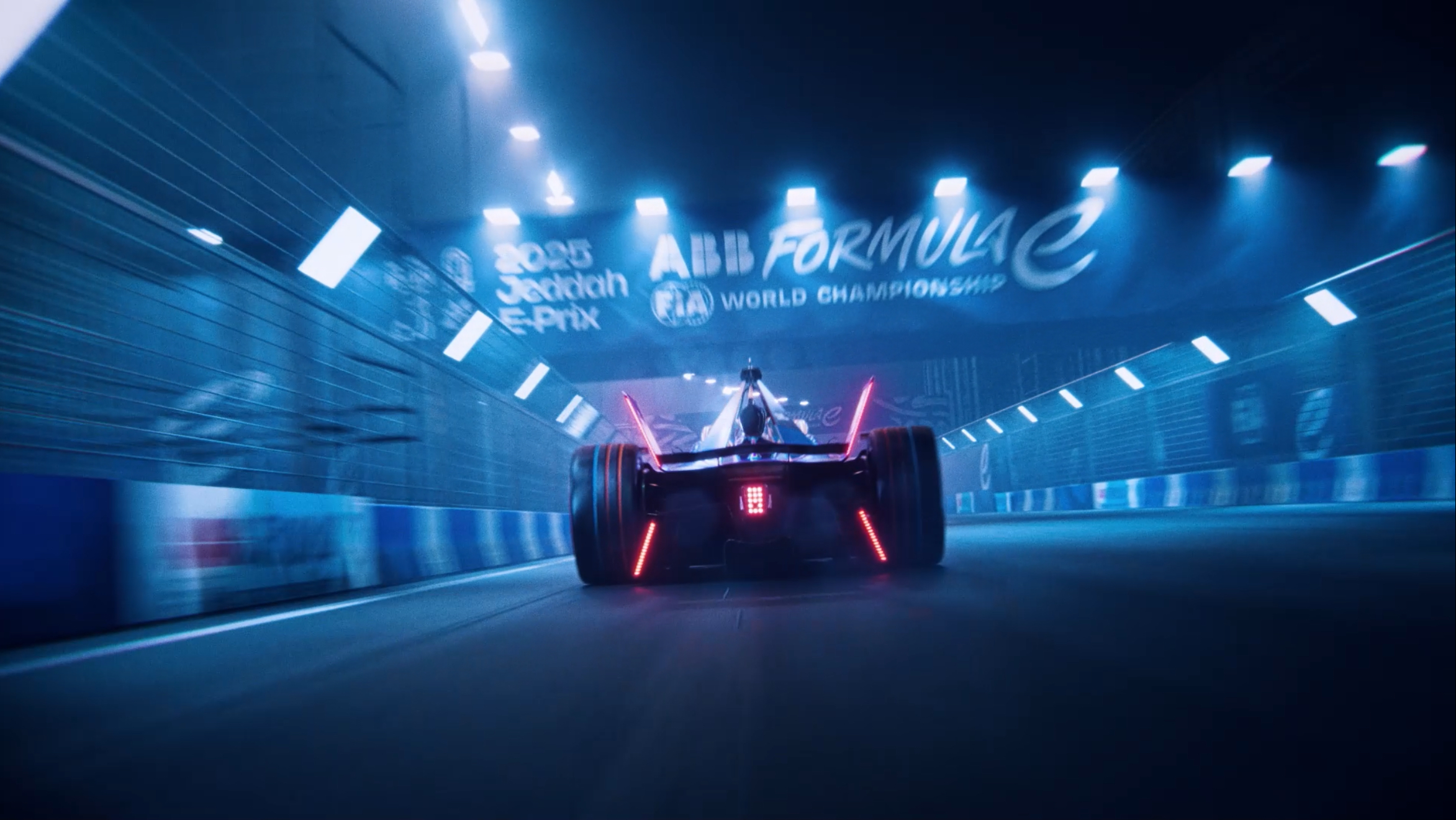
The Jeddah format includes
- Double-header weekend (two races, two days)
- First night races on the Jeddah Corniche Circuit
- Modified 3.001 km, 19-turn layout
- Fan Village with exhibitions and entertainment
- Pit lane walks and driver meet-and-greets
- Live performances (Akon headlined 2025 event)
Technology Advancement
This season's debut of the GEN3 Evo race car is a key highlight of how rapidly the event has progressed with advanced technology. The 0–60 mph acceleration time of 1.82 seconds, claimed to be 30% quicker than current Formula 1 cars, makes it one of the world's fastest-accelerating single-seaters on paper. With the maximum speed touching approximately 200 mph.
One big impact of this technological advancement is that it translates directly into real-world cars that the actual consumer uses over time. Formula E's spec chassis with manufacturer-developed powertrains means teams compete on electric drivetrain efficiency and energy management. These innovations generally seem to influence commercial EV development over several years; these high-intensity events are testing grounds which make it possible for technologies to become commercially viable.
As a direct result, many global manufacturers and dealers have noticed this huge progress. Brands like Jaguar, Porsche, Nissan, and Mahindra, all Formula E participants, now stock electric models in Saudi showrooms. The connection is not just coincidental but rather a fact of an overall shift in the market. As Formula E offers brand visibility and credibility that are hard to accomplish purely from a marketing campaign.
Consumer Market Impact
It is interesting to measure the impact of Formula E's presence on the overall Saudi Arabian automotive market. There has been huge growth in annual EV sales, but it is not entirely due to the presence of the race. There are several factors combining to make an impact on the rapid adoption of EVs in the country.
Government incentives
- The temporary reductions or exemptions on certain EV import duties
- limited free or subsidised public charging during pilot phases
- non-monetary incentives such as parking or access benefits in select locations
- Vision 2030 sustainability targets
Infrastructure development
- 600+ public charging stations (up from 200)
- Fast-charging corridors on major highways
- Home charging installation services expanding
- Charging stations at malls and commercial centers
Vehicle availability
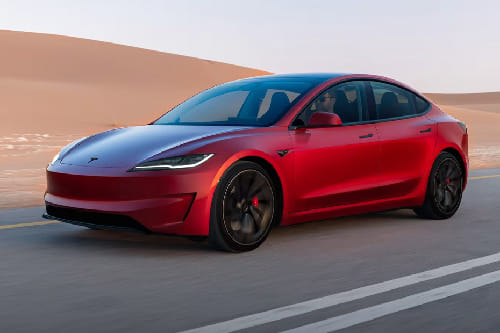
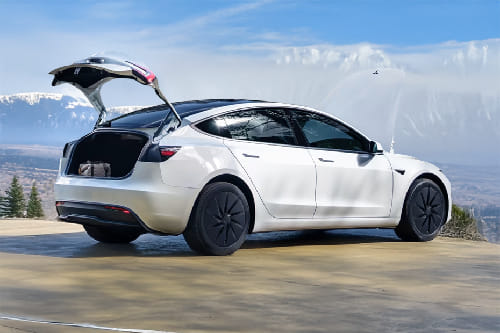
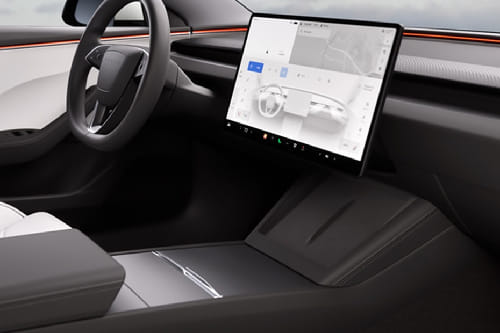
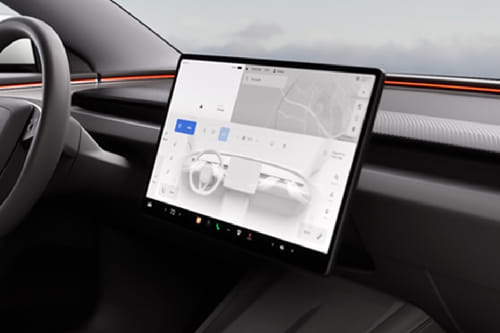
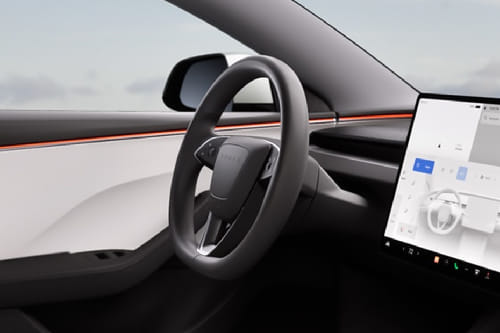
- Tesla Model 3 and Model Y now readily available
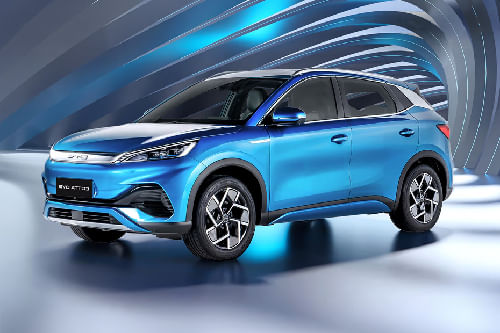
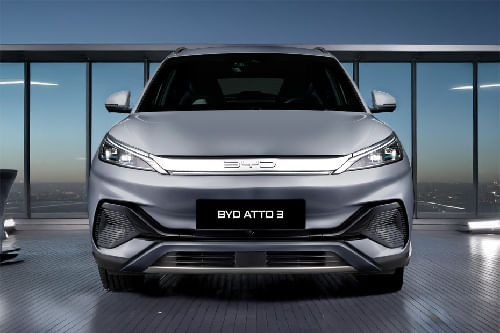
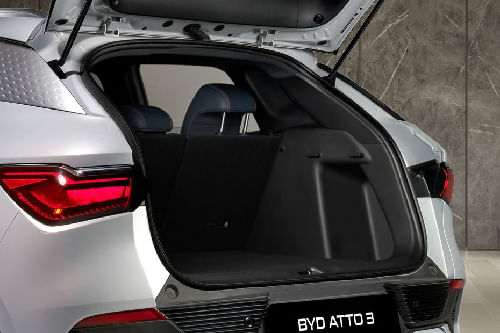
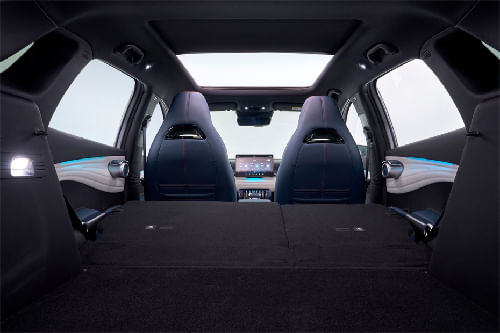
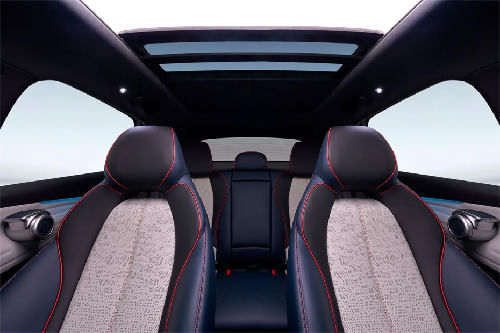
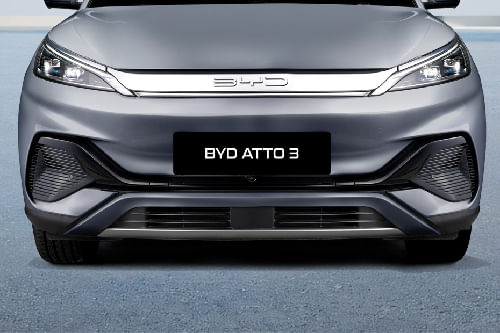
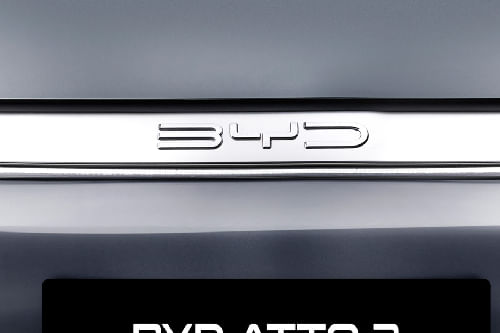
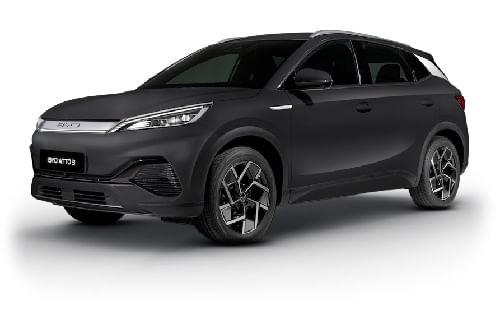
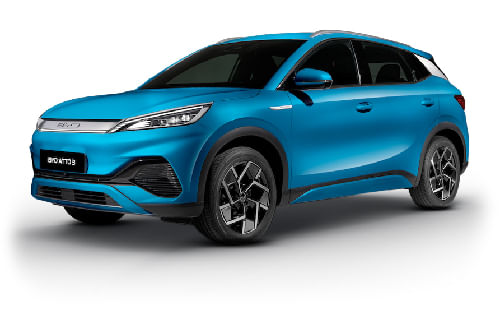
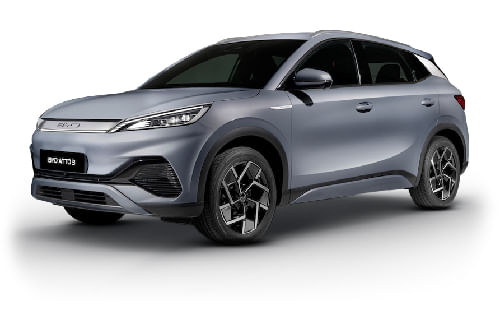
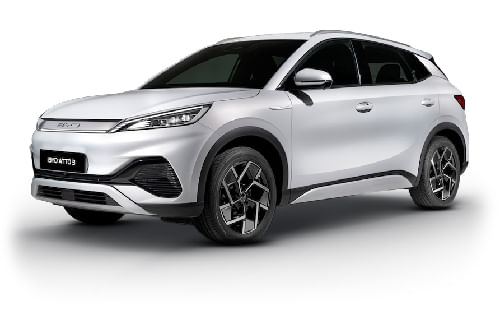
- BYD Atto 3 positioned well above SAR 150,000 depending on specification
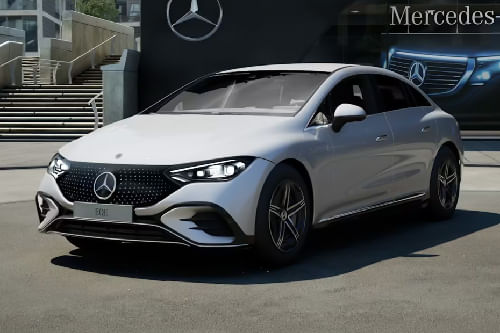
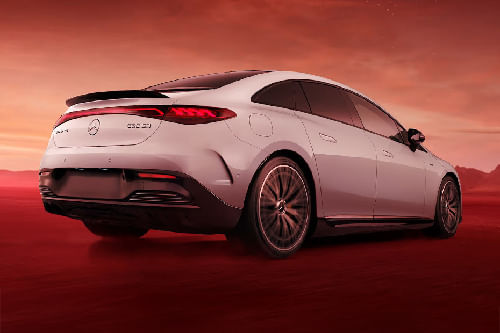
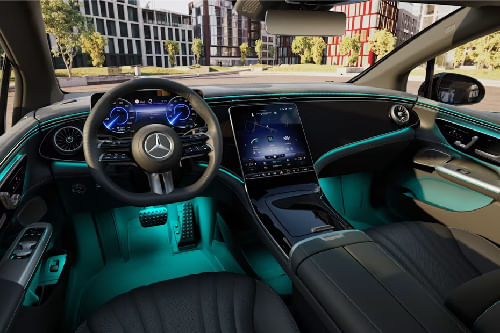
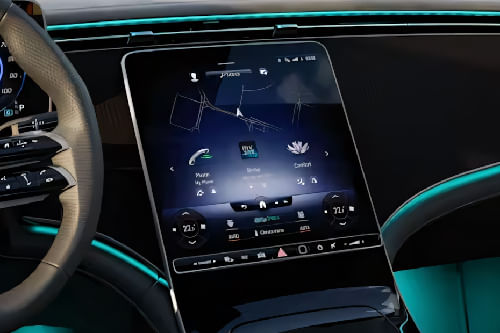
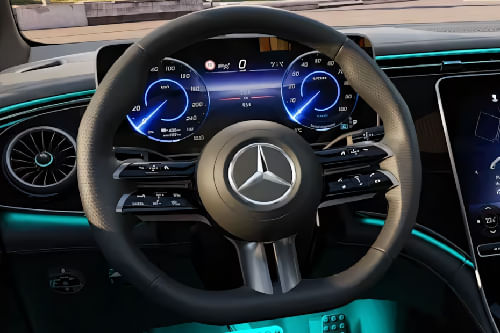
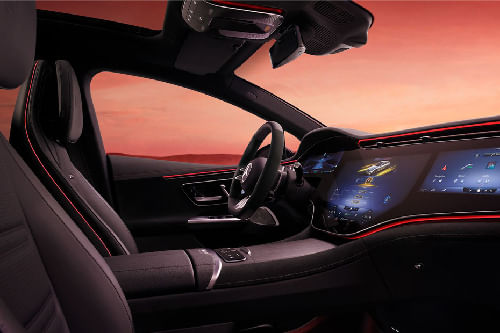
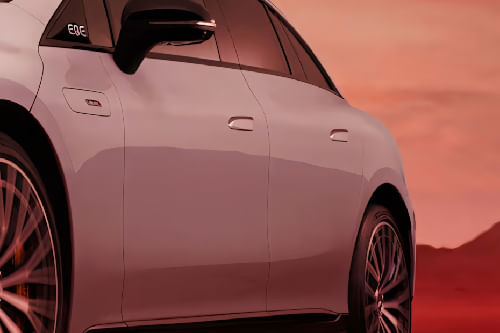
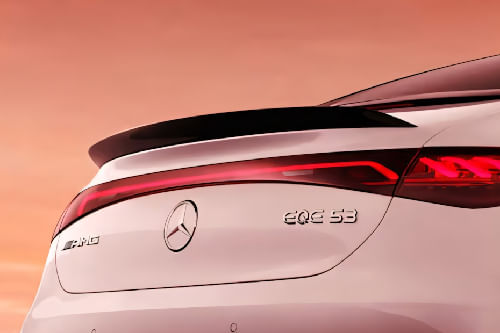
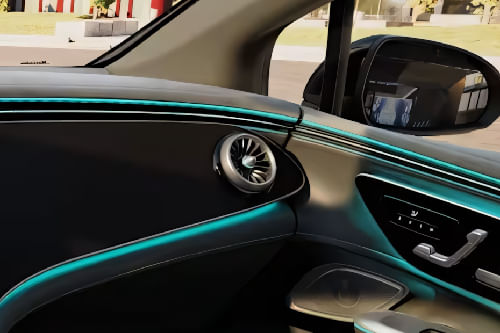
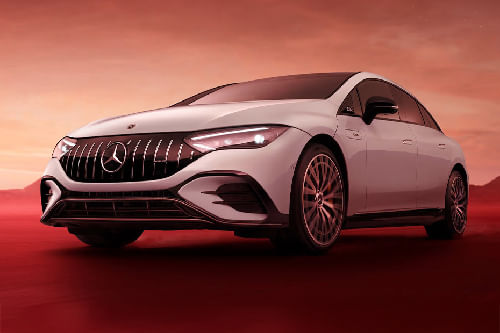
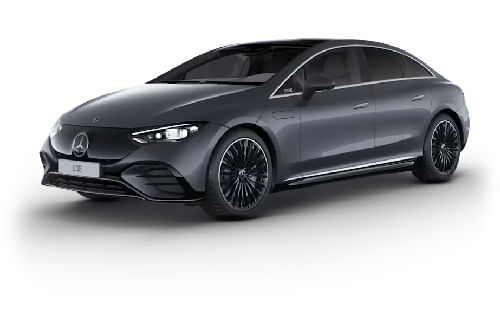
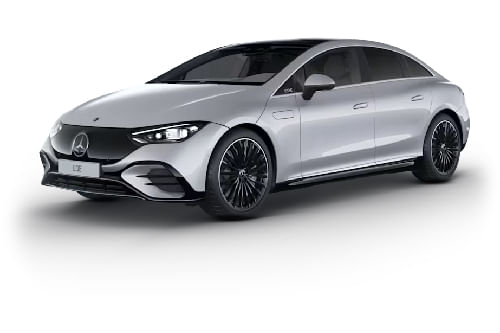
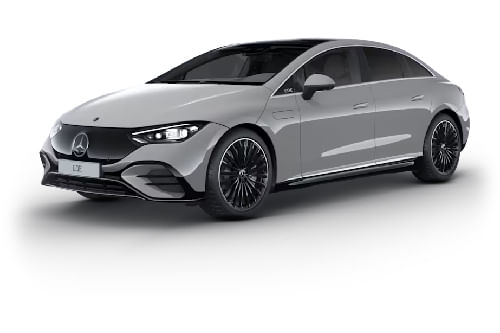
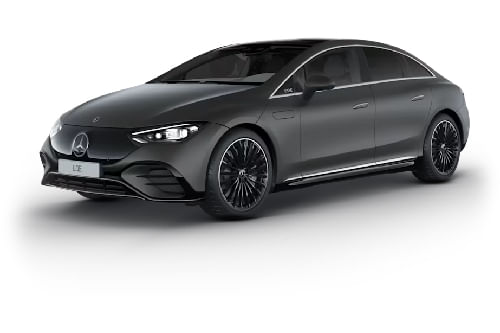
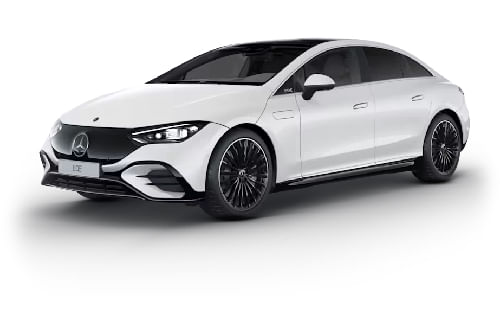
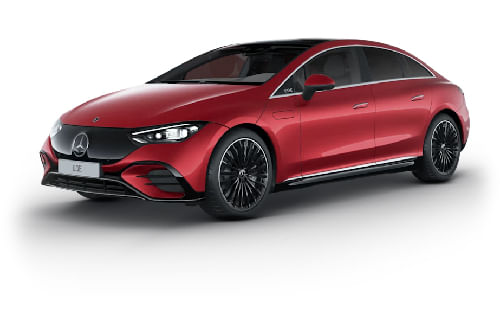
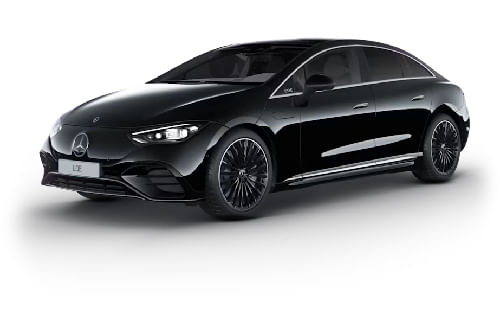
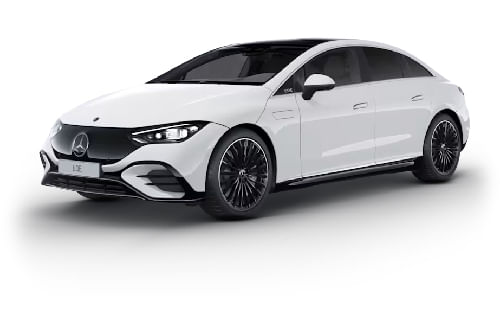
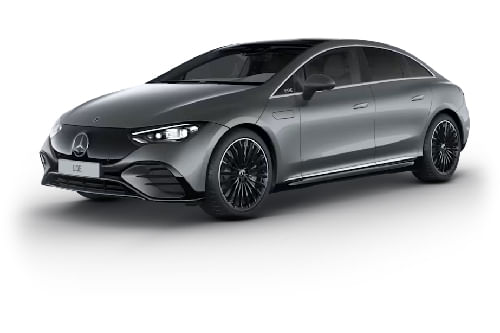
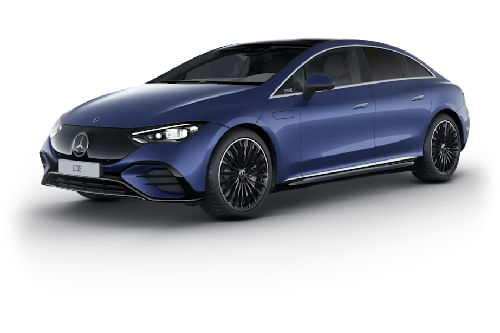
- Mercedes EQS and EQE in premium segment
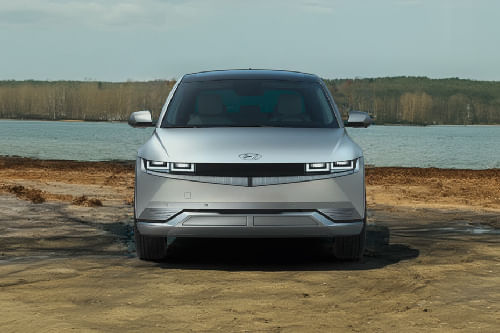
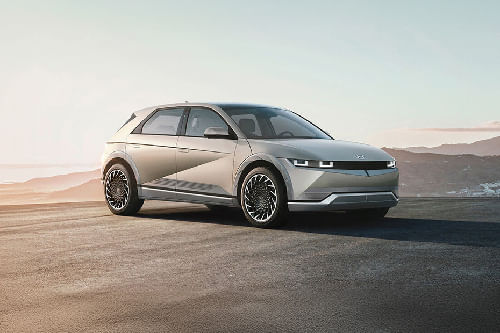
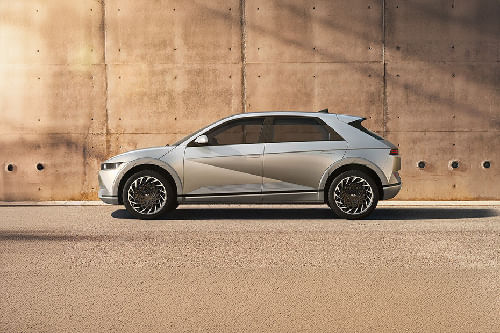
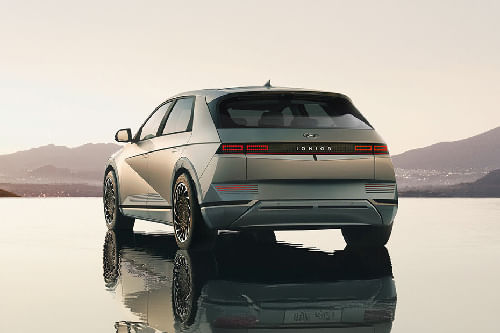
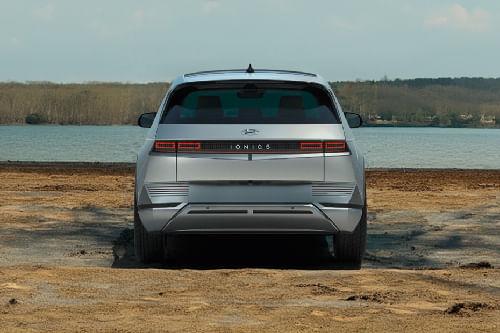
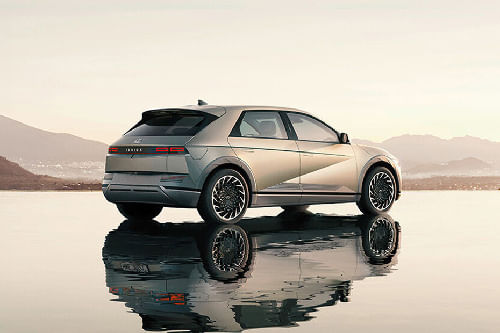
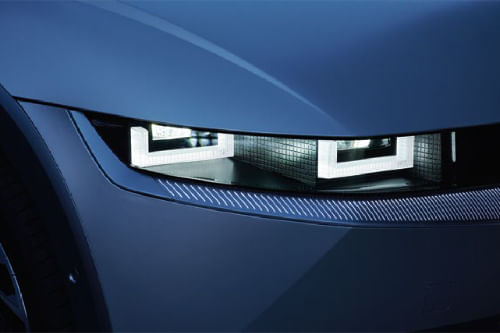
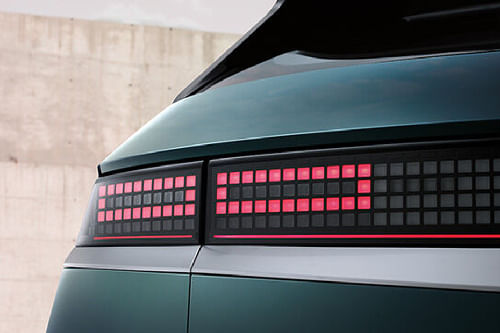
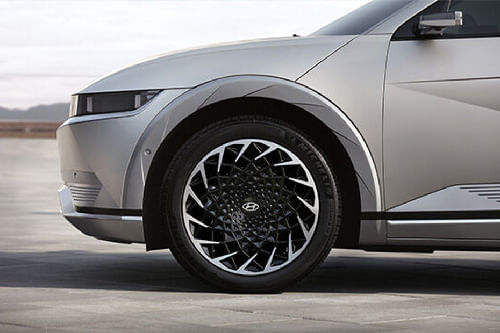
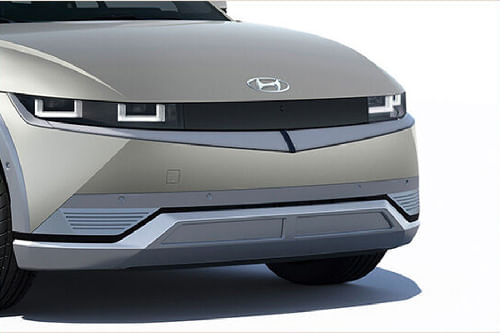
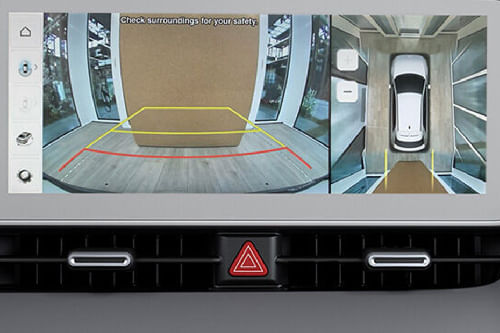
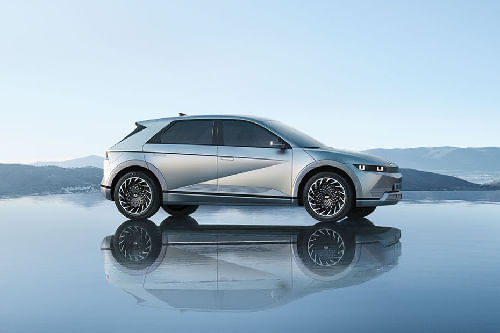
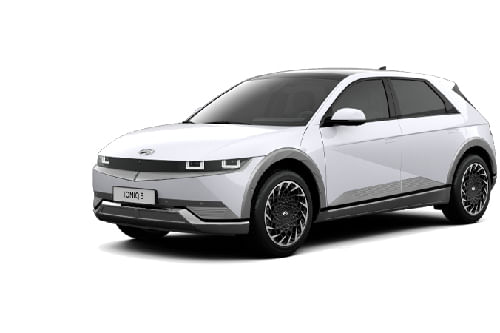
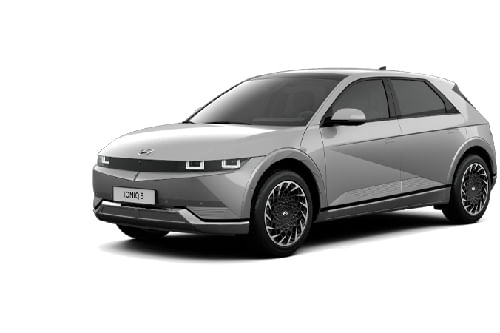
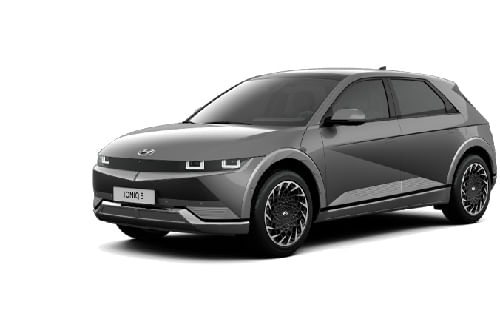
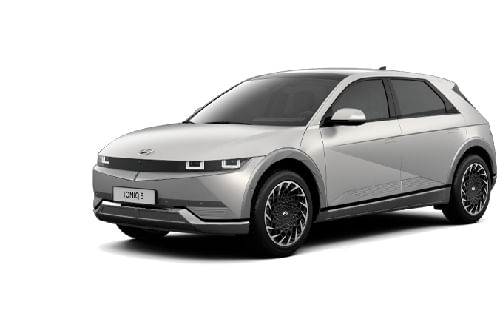
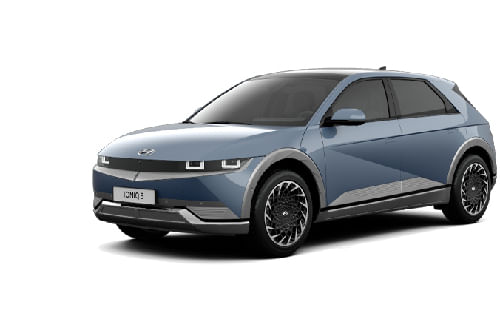
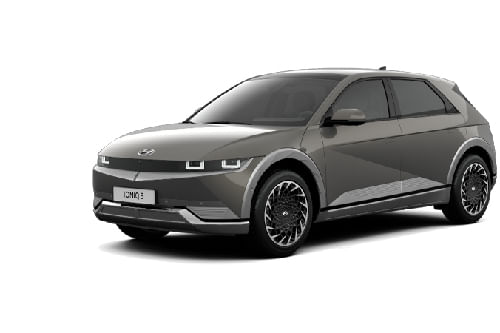
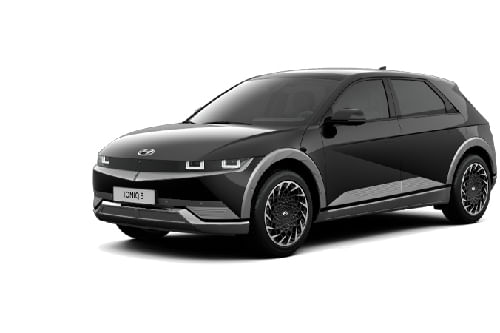
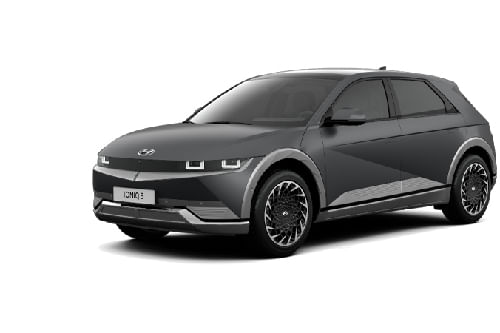
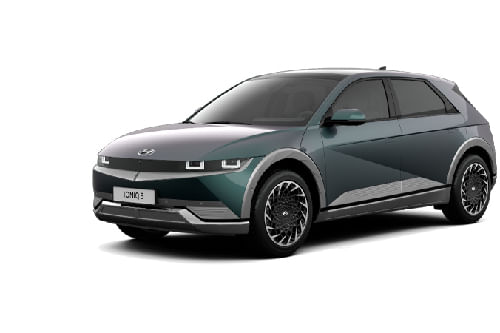
- Nissan Ariya and Hyundai Ioniq 5 as mainstream options
Formula E influence
- Brand credibility for participating manufacturers
- Public EV demonstrations at race weekends
- Educational exhibits about electric technology
- Media coverage normalising electric vehicles
Dealers have started to see the positive impact among consumers about EVs due to Formula E. Many buyers are now curious enough to ask about EV brands, cars like the Jaguar I-PACE or Porsche Taycan, reliability, overall performance, etc. This is certainly huge progress, and it is way more effective than traditional promotion and advertising in a market sceptical of new technology.
Cultural Perception Shift
The most important contribution of Formula E has been much more than sales numbers; it has actually helped shape opinion and openness towards electric vehicles and decide the new Saudi Arabia's EV Policy for the future. This has a huge cultural perspective and perception about EVs. When the race first arrived in 2018, electric cars were considered compromised city vehicles with limited range and questionable reliability. The Formula E cars racing through Diriyah at 200+ km/h challenged those assumptions in a very big way; people could see for themselves what EVs are capable of.
Especially the young Saudis, particularly those under 30, have been greatly impacted, and they have started showing different EV attitudes than older generations. Which is natural, as younger people are more open and willing to give a chance to new tech. They see electric vehicles as modern and high-tech rather than compromised. Formula E's presence makes this mindset mainstream.
Another phenomenon is the participation of women, which represents a new cultural dimension. Formula E actively promotes gender diversity in motorsport. There have been many Saudi female drivers who took active interest and participated in exhibition events. Women are increasingly attending races as fans, and this visibility matters in a society undergoing rapid social change.
The Business Model
There has been a huge commercial aspect for the organisation of Formula E, which actually extends beyond racing to hosting benefits for Saudi Arabia. The Public Investment Fund holds a minority stake in Formula E and 50% ownership in Extreme E, the off-road electric racing series. Saudi Arabia is a series airline partner; NEOM, the futuristic city project, also previously sponsored a team.
This partnership and integrated approach allow long-term commitment that goes beyond race hosting agreements. The economic impact also helps local businesses in a big way with a short period of duration. For example, hotels, restaurants, and tourism services gain additional business opportunities by serving over 5,000 international visitors each race weekend and other races like the Racing World Rally, contributing more to the overall business aspect. The event creates temporary employment and provides Saudi youth exposure to international motorsport operations.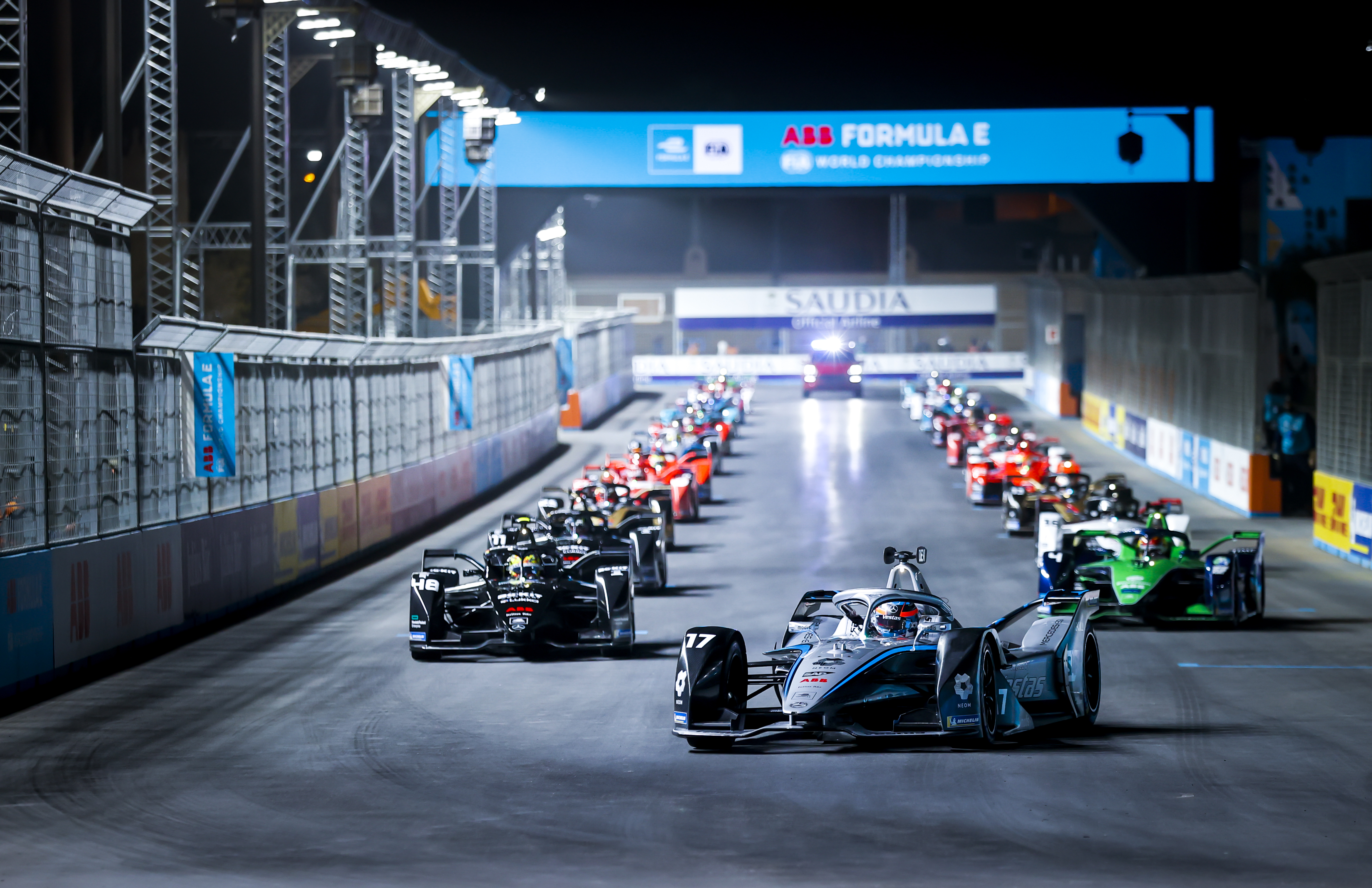
Remaining Skepticism
Despite all the benefits to the automobile industry and the country as a whole, not everyone seems aligned with the Formula E narrative. There are some views that Saudi Arabia remains the world's largest oil exporter, and hosting electric racing may not really change the Kingdom's fundamental economic reliance on petroleum.
Practical concerns also can’t be ignored about EV adoption in Saudi Arabia, for example, the climate challenges battery performance, with temperatures surpassing over 50°C during summer. Long distances between cities create rangArabia;ty among buyers, and the charging infrastructure, while improving, remains concentrated in urban areas, and semi-urban and beyond will take a long time or require a Home Charging Installation in KSA. Also, used EVs have a minimal resale market, which may restrict the growth and potentially create financial risk for those tech enthusiasts who buy expensive EVs.
These are some genuine apprehensions that Formula E cannot directly address. However, the event certainly offers a platform for showcasing that electric technology can perform under extreme conditions, arguably more valuable than marketing campaigns claiming the same.
Conclusion
It is an undeniable fact that Formula E has emerged as much more than a sporting event in Saudi Arabia; it is actually now a huge impetus and boost for more inclusive, open discussion of EVs. Whether the series deserves full credit for changing perceptions is not really that relevant; what matters more is the correlation between Formula E's presence and growing EV acceptance is clear and infrastructure like the Charging Stations in Saudi Arabia. The partnership works to enable and accelerate Saudi’s Vision 2030, which aims to expand the economy while giving Formula E a committed Middle Eastern presence. Within seven years, electric racing is not just accepted in Saudi Arabia; it's becoming a key part of the country's motorsport culture.
Dinesh Goluguri

With over 15 years of experience in the automotive world, Dinesh Goluguri bringing hands-on experience and deep market knowledge. Passionate about SUVs, sports cars and luxury vehicles, he combines enthusiasm with expertise in delivering insights that resonate with car buyers and enthusiasts alike. With a special interest in car modifications and upgrades, Dinesh offers a unique perspective that goes beyond standard reviews, highlighting both factory features and customization potential. His work helps readers navigate new launches, features and trends in the dynamic automotive market.
Read Full Bio-
Explore BYD ATTO 3
-
-
Explore Hyundai Ioniq 5
-
-
Explore Mercedes-Benz EQE
-
-
Explore Tesla Model 3
-


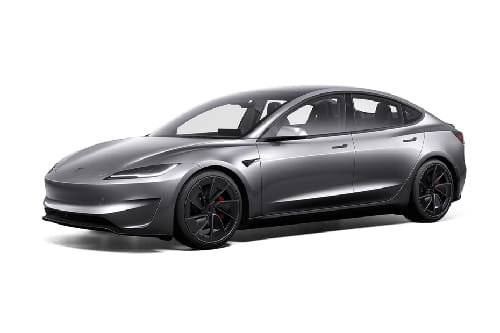
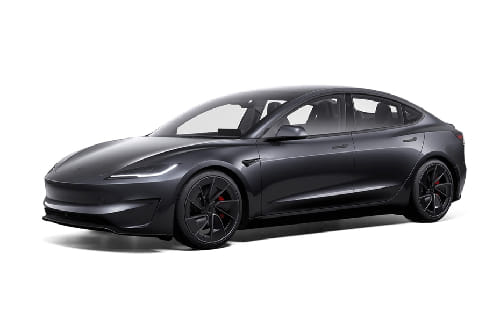
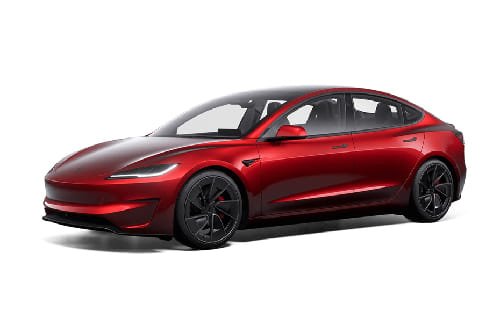
-
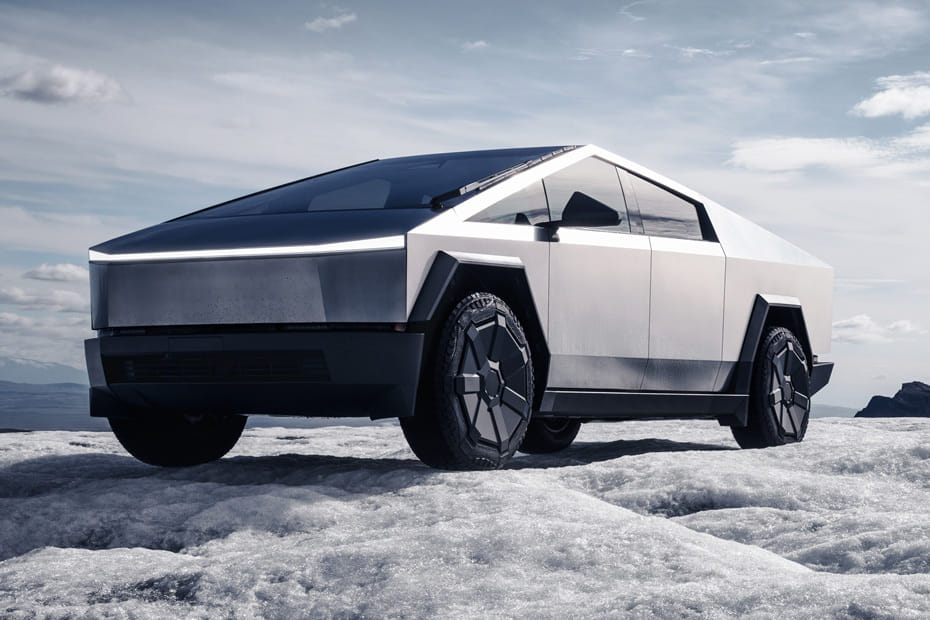
Tesla Cybertruck -
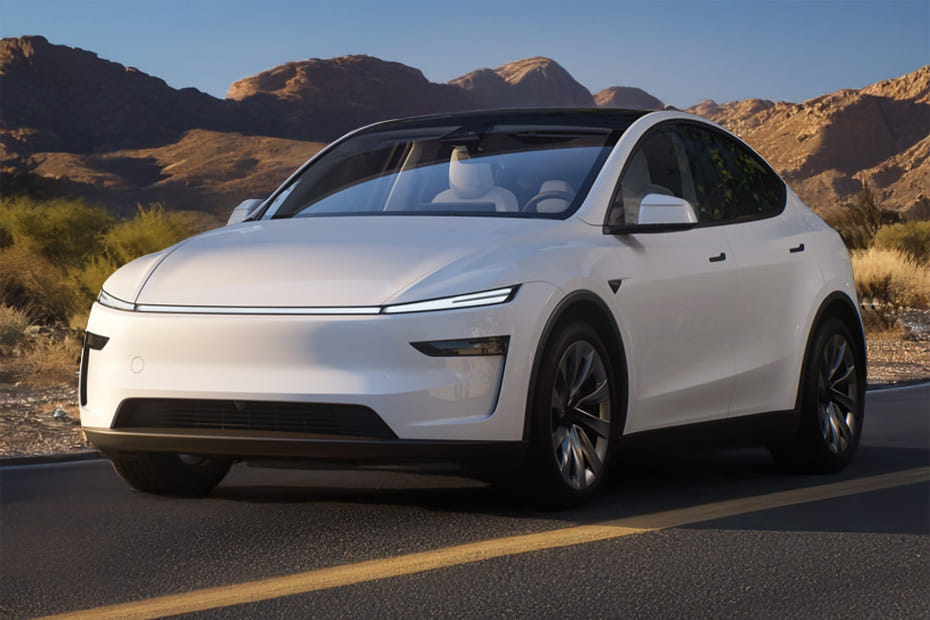
Tesla Model Y -
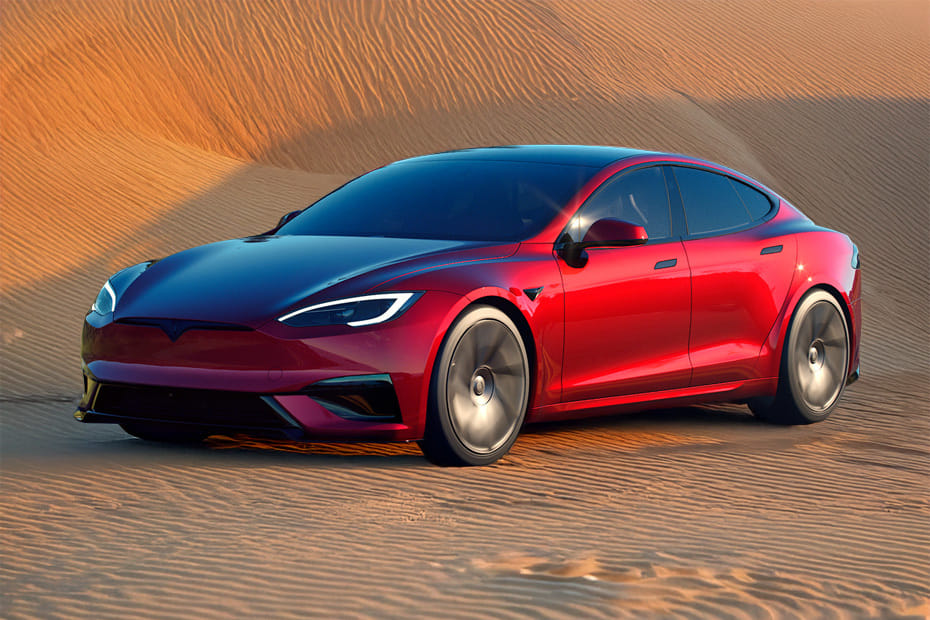
Tesla Model S -
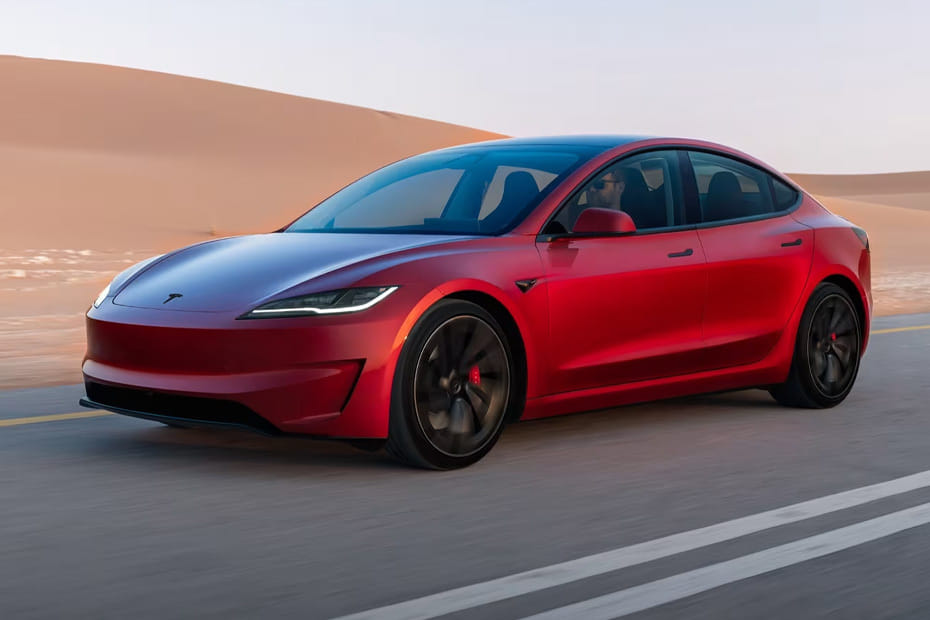
Tesla Model 3 -
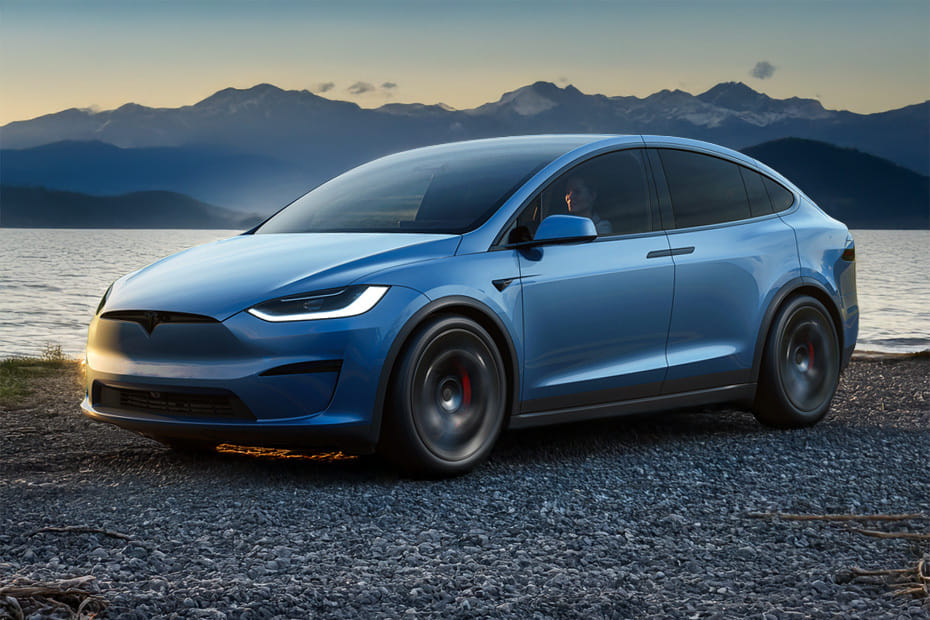
Tesla Model X
- News
- Popular
-
 Tesla CybertruckSAR 438,490 - 488,490
 -
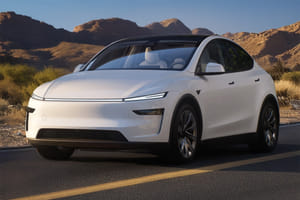 Tesla Model YSAR 193,490 - 223,490
 -
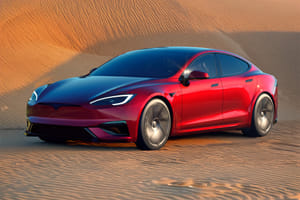 Tesla Model SSAR 329,870 - 386,042
 -
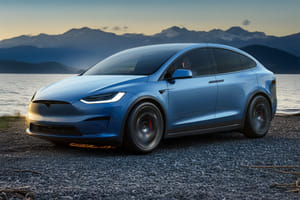 Tesla Model XSAR 350,297 - 406,468
|
|
|
|
|
|
Transmission Type
Automatic
|
Automatic
|
Automatic
|
Automatic
|
Automtic
|
|
Power
-
|
308Hp
|
241Hp
|
673Hp
|
261Hp
|
|
Torque
-
|
670Nm
|
350Nm
|
838Nm
|
370Nm
|
|
Engine Displacement
-
|
-
|
-
|
-
|
1998
|
|
|
- Latest
- Upcoming
- Popular
-
 MG GT 2026Price coming soon
 -
 BAIC EU5Price coming soon
 -
 Mercedes-Benz AMG EQEPrice coming soon
 -
 Volvo ES90Price coming soon
 -
 Audi A6 AvantPrice coming soon
 -
 Mercedes-Benz CLA ElectricPrice coming soon
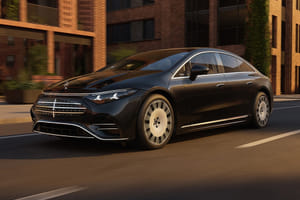
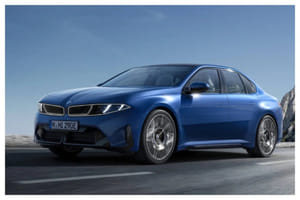
-
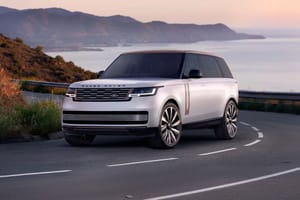 Land Rover Range RoverSAR 591,500 - 1.3 Million
 -
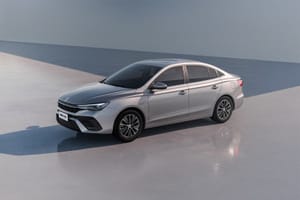 MG 5SAR 53,990
 -
 Toyota YarisSAR 66,700 - 78,832
 -
 MG 7SAR 88,375
 -
 Genesis G90Price coming soon
 -
 Hyundai AccentSAR 74,209 - 92,373