Chevrolet Captiva EV: What to Expect Ahead of Its Saudi Arabia Launch

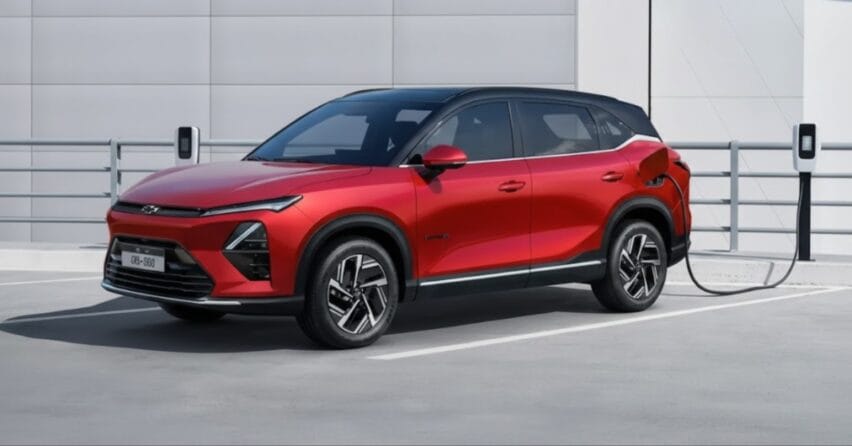
Chevrolet is gearing up to expand its Saudi Arabian portfolio with the addition of the all‑electric version of the compact SUV Captiva. The American brand revealed the cars in the middle of last year with their plug‑in hybrid sibling. The official launch of the Chevrolet 2026 Lineup is expected anytime in the coming months, when the brand will unveil prices, which will most likely be higher than the regular petrol model. The electric version targets city‑focused buyers who prioritise quieter driving and lower running costs over maximum space or long‑distance convenience.
KEY TAKEAWAYS
What is the expected price of the Captiva EV in Saudi Arabia?
The expected price range is likely to be between SAR 110,000 and 125,000.What are the power, real-life range and charging details of the Captiva EV?
It gets a 60 kWh battery and claims 415 km of range, but expect 300–350 km in the real world.Unlike the standard Chevrolet Captiva 2026, the EV drops the third‑row seating and positions itself as a five‑seat family SUV with a more premium interior and some modern tech. It will compete directly with popular electric SUVs from Chinese and Korean brands already on sale. The key question for buyers is whether the Captiva EV’s electric appeal and Chevrolet badge justify the higher price in a value‑conscious market. If you are looking for an all‑electric compact, then read on to find out what the Captiva EV is all about.
What Makes the Captiva EV Different
The Captiva EV shares its platform with the PHEV, obviously without the petrol engine. Here’s what actually changed when it is in its full electric vehicle form.
Full electric powertrain: It has a single motor which produces 201 hp of power and a solid 310 Nm of torque. That’s the same output as the PHEV’s combined system but without the complexity of dual powertrains. It comes only in front‑wheel drive.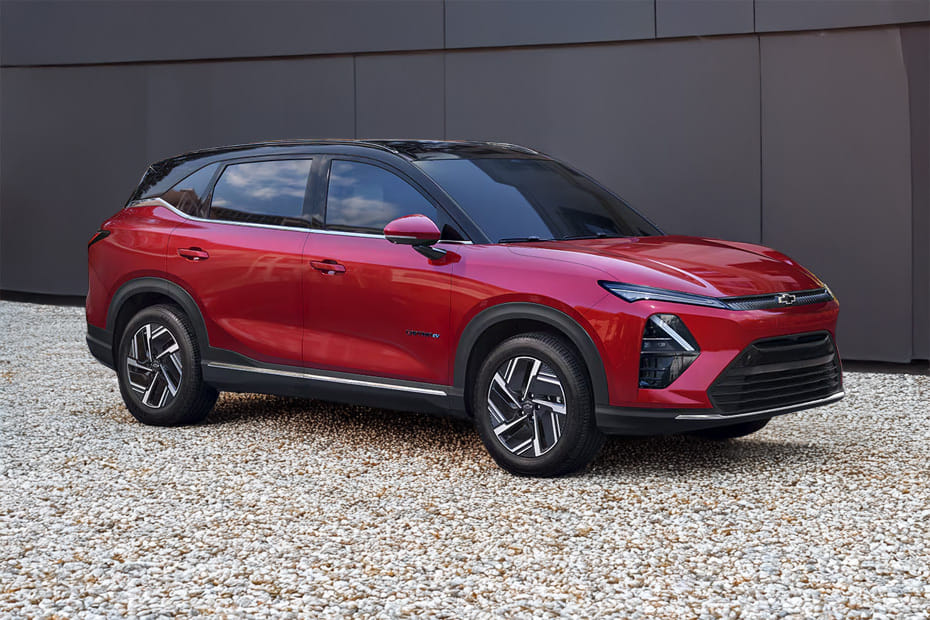
60 kWh battery: Chevrolet says it has a 415 km range under NEDC testing. NEDC is highly generous, but owners can expect the real‑world range in Saudi conditions with air conditioning running constantly to be 300–350 km maximum. Maybe even 280 km in peak summer heat, to be absolutely clear.
Five seats only: Just like the PHEV, the battery pack reduces the size, and so the third row is not available.
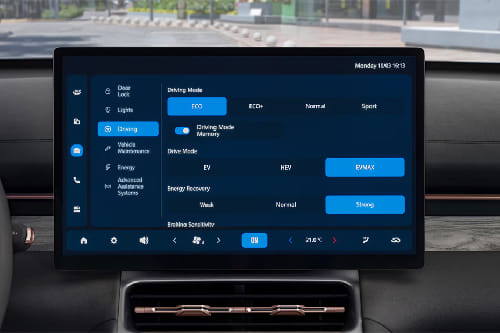
Regenerative braking modes: There are levels – strong, normal, and weak. These recapture energy when decelerating. A strong mode provides noticeable deceleration without touching the brake pedal.
Four drive modes: ECO, ECO+, Standard, and Sport – are available to use based on driving needs. The ECO modes limit power and AC intensity to stretch range. Sport mode gives full power but drains the battery faster.
Exterior
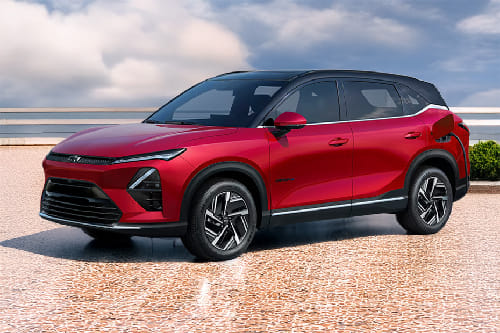
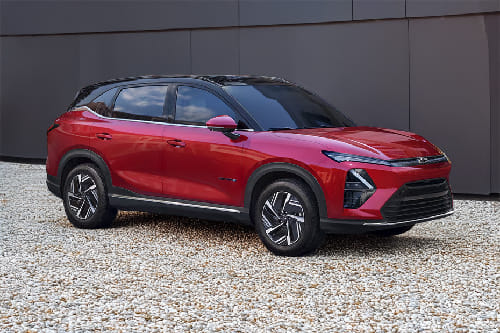
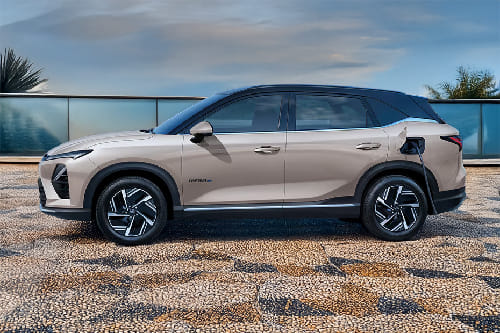
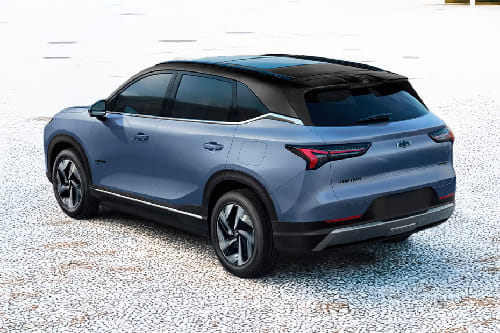
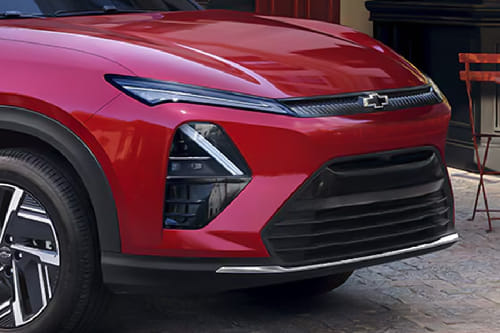
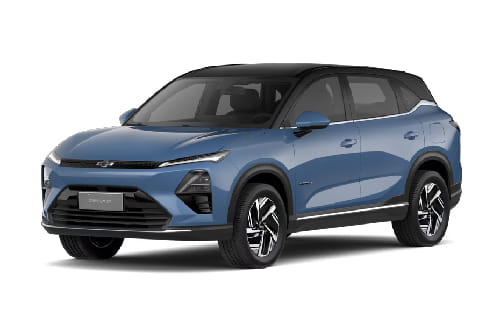
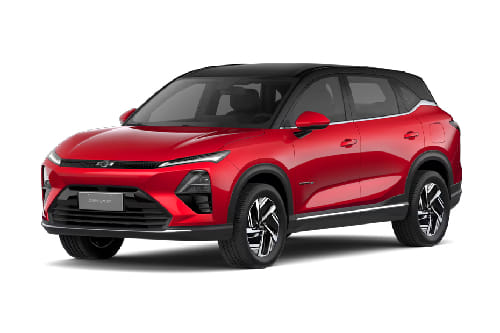
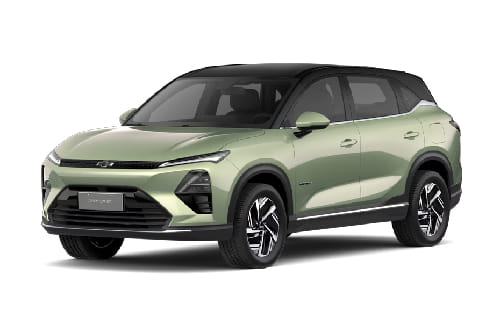
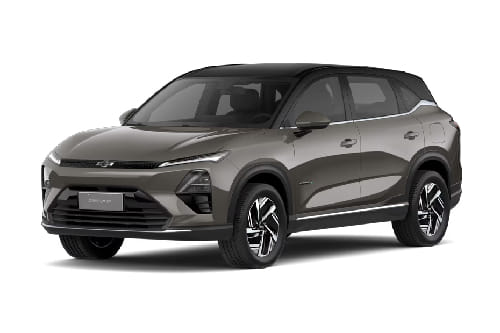
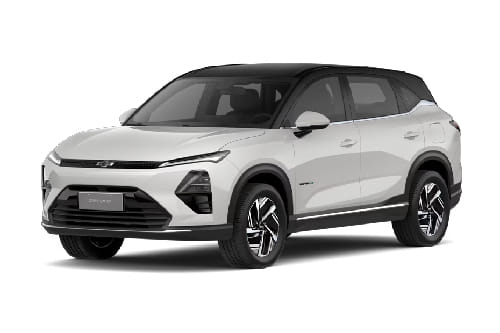
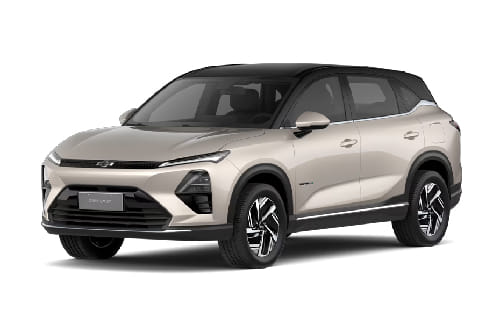
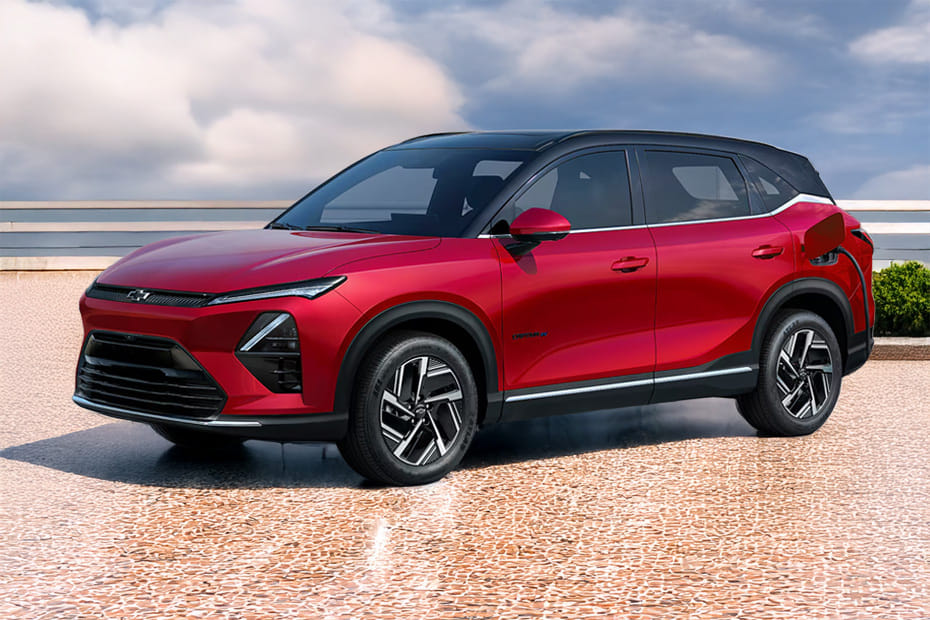
The Captiva EV looks sharper than the regular model, thanks to the mandatory two‑tone roof with Star Twinkle Black in all colours.
This styling breaks up the boxy proportions, making it appear less budget‑orientated.
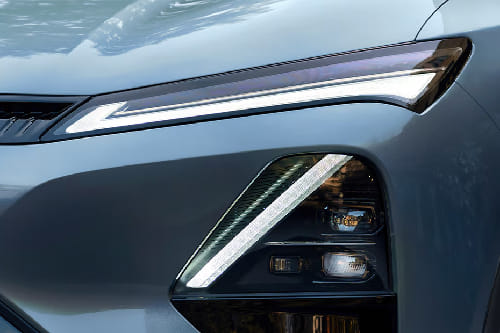
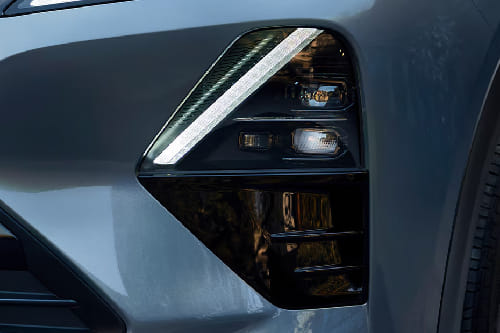
- LED headlights and daytime running lights come standard across all variants.
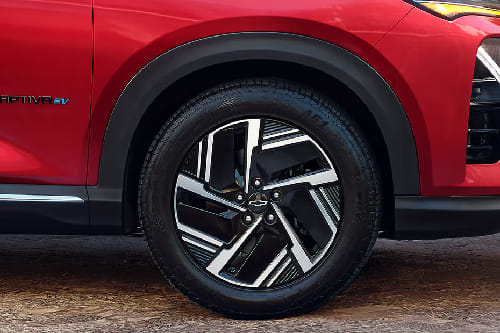
- It is offered with 18‑inch alloy wheels with aero covers that reduce drag efficiency.
- The front grille is mostly closed, as cooling is not needed for the electric motors.
- Identified by small EV badges on fenders and tailgate.
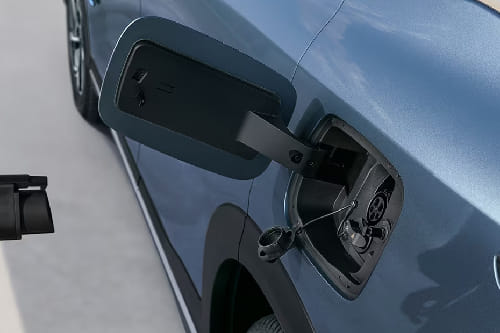
- The charging port is located on the driver’s side front fender and supports AC Level 1/2 and DC fast charging up to 120 kW.

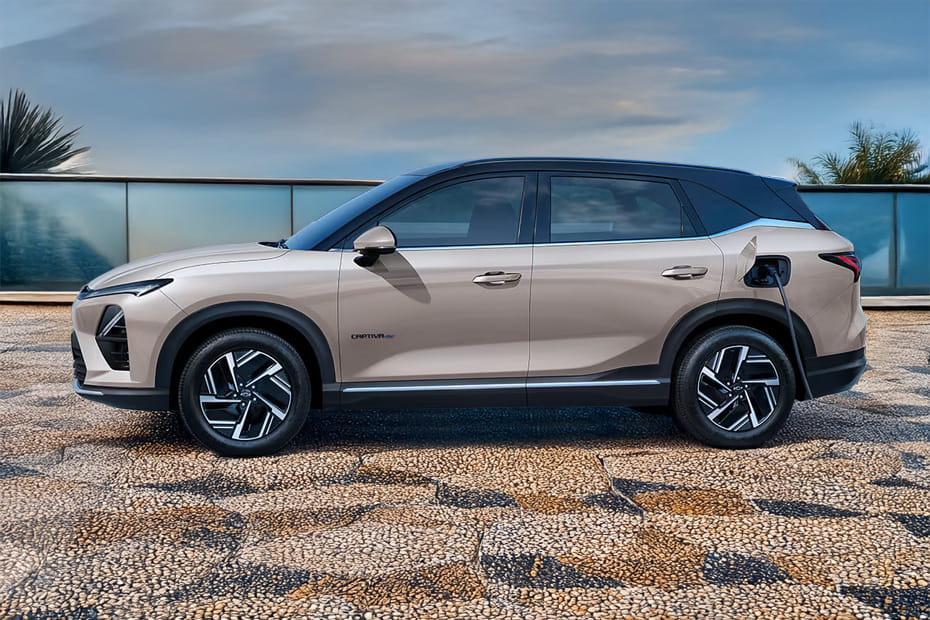
Overall styling stays functional, with emphasis on interior space over kerb appeal despite the two‑tone enhancement.
Interior
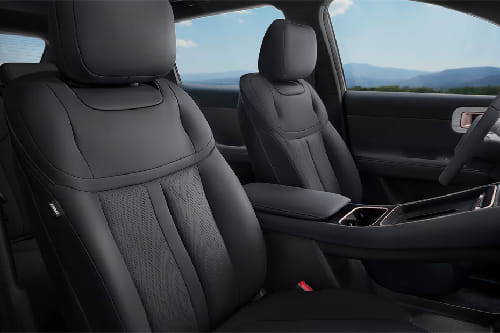
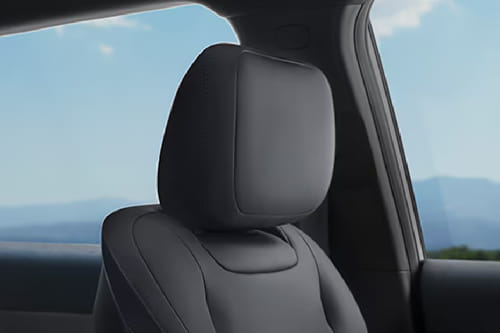
The interior layout matches the PHEV with two variants with different screen sizes.
|
Feature |
LT Trim |
Premier Trim |
|
Infotainment Screen |
10.1-inch touchscreen |
15.6-inch touchscreen |
|
Driver Display |
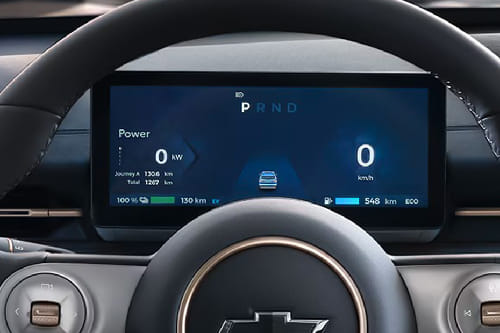
8.8-inch information center |
8.8-inch information center |
|
Seating |
Black/Sandy leatherette, 6-way power driver |
Black/Sandy leatherette, 6-way power driver |
|
Convenience |
Keyless entry, push-button start |
Power tailgate, keyless entry, push-button start |
|
Climate |
Dual-zone control |
Dual-zone control |
|
Audio |
6-speaker system |
6-speaker system |
|
Steering Wheel |
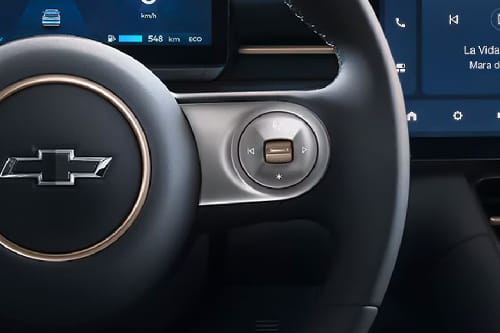
Leather-wrapped |
Leather-wrapped |
|
Exterior |
Roof rack |
Panoramic sunroof, roof rack |
|
Safety |
4 airbags |
4 airbags + AEB, forward collision alert, lane departure warning/keep assist |
|
Driver Assistance |
- |
Adaptive cruise control (with curves), 360° camera |
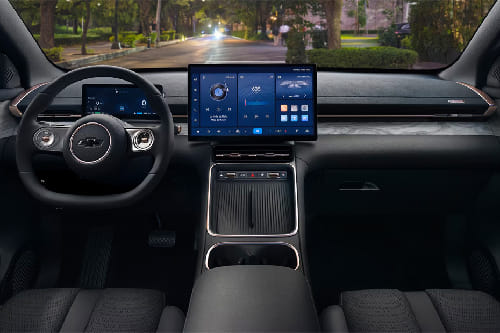
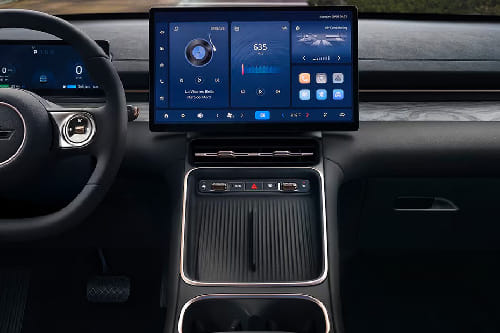
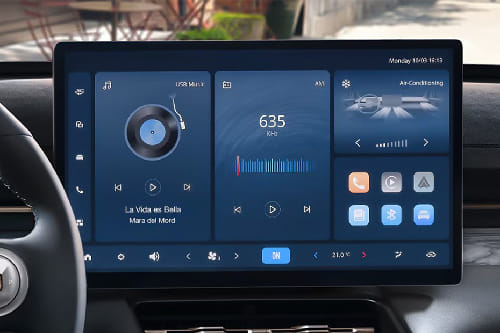
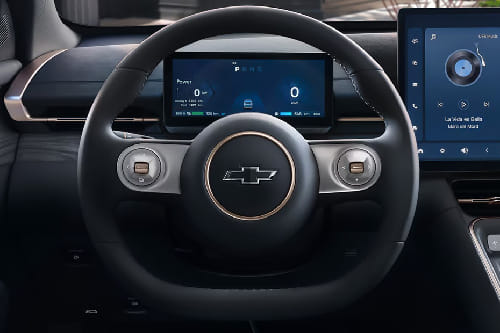
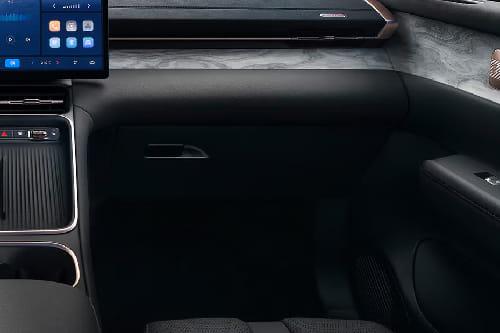
The 15.6‑inch screen in the Premier variant is huge and dominates the dashboard, a clear highlight of the cockpit. Apple CarPlay and Android Auto work wirelessly. The interface is responsive, but the menu layout feels a little cluttered.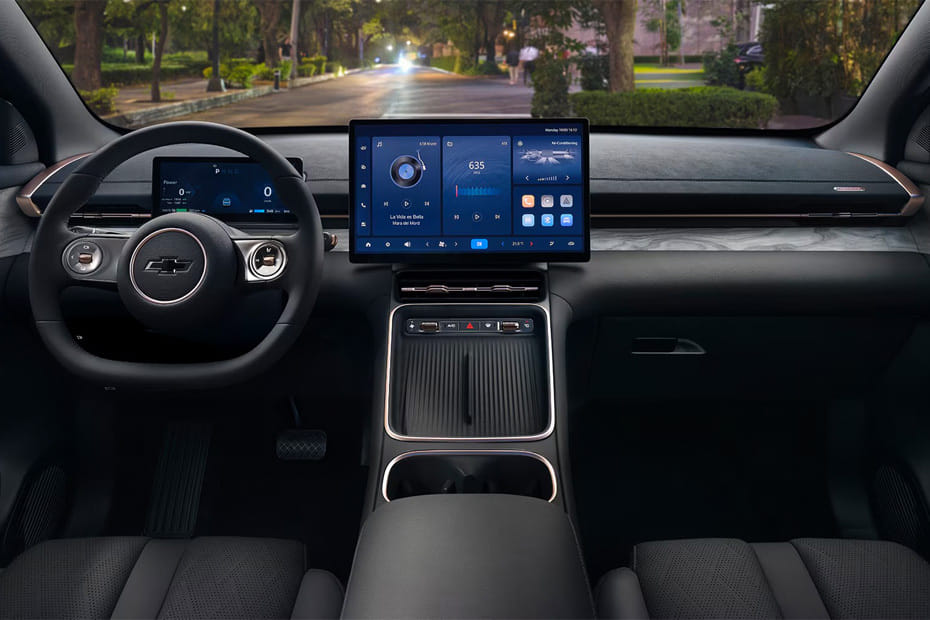
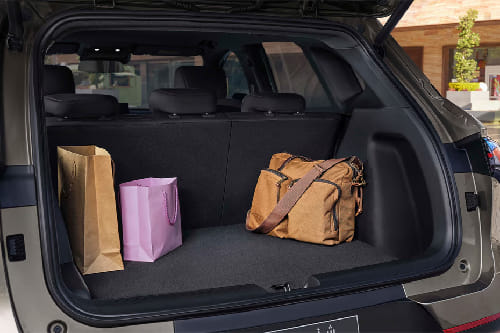
The boot space is 532 litres with the second row up. That should be enough for weekly shopping but not family road trips with luggage. If you choose to fold the second row, you get more space.
|
Feature |
LT (Expected SAR 110,000) |
Premier (Expected SAR 120,000) |
|
Screen Size |
10.1-inch |
15.6-inch |
|
Camera |
Rear + sensors |
360° |
|
Sunroof |
No |
Panoramic |
|
Tailgate |
Manual |
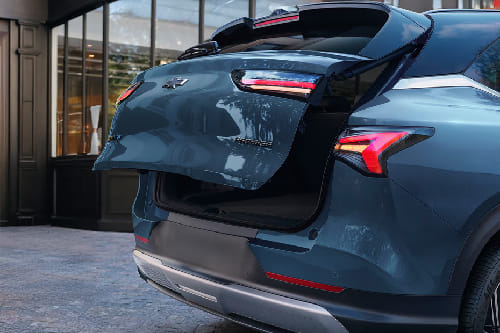
Power |
|
Adaptive Cruise |
No |
Yes |
|
Emergency Braking |
No |
Yes |
|
Lane Assist |
No |
Yes |
The Premier’s expected premium gets you safety tech that should be standard in a six‑figure vehicle. Automatic emergency braking honestly should not be optional in 2026.
Safety
The LT gets four airbags (front only), a rear camera, parking sensors, stability control, and tyre pressure monitoring. That’s minimal for the expected price point.
Premier comes with a 360‑degree camera, adaptive cruise, automatic emergency braking, forward collision alert, lane keep assist, and lane departure warning. This should all be standard equipment.
The battery pack provides structural rigidity in side impacts. But without independent crash test data, our analysis is based on marketing claims.
ISOFIX child seat anchors are present in the second row. Child safety locks on rear doors. The basics are covered.
Powertrain and Range
The Captiva EV comes with a single electric motor producing 201 hp and 310 Nm of torque, mounted to a front‑wheel‑drive setup. This output offers sufficient performance for family use, with 0–100 km/h acceleration around 9–10 seconds based on similar power‑to‑weight ratios.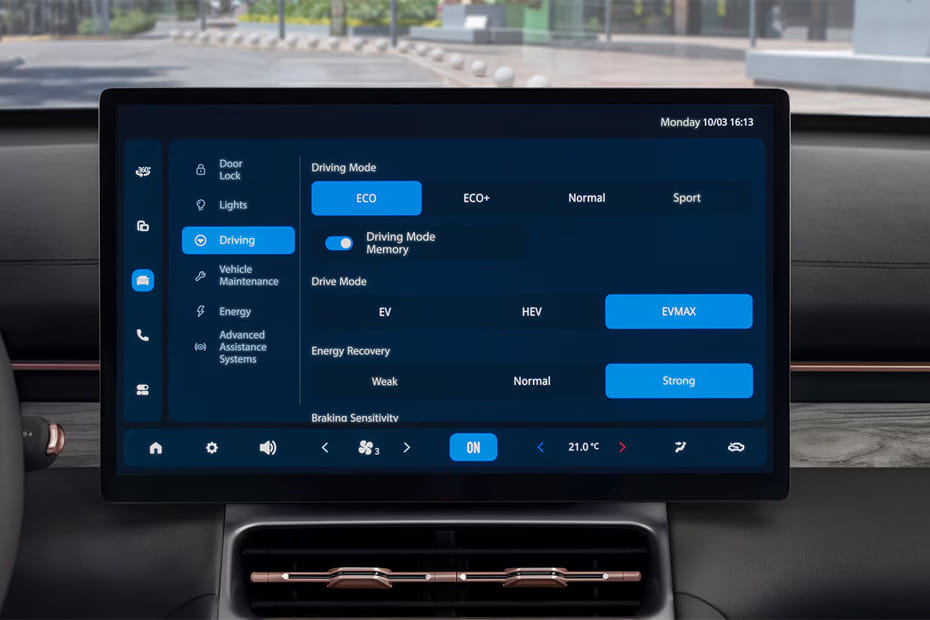
The 60 kWh battery sits under the floor, contributing to a spacious cabin while delivering a claimed 415 km range under NEDC testing.
Real-World Range Expectations
|
Driving Condition |
Estimated Range |
|
Highway (120 km/h + AC) |
280–300 km |
|
City (with AC) |
320–350 km |
|
Mixed (with AC) |
300–330 km |
|
Mixed (without AC) |
380–400 km |
Peak summer heat in Riyadh or Jeddah cuts range by 10–15%, which means you get a realistic 250–280 km with full AC at 45°C.
Charging times: the range
- Level 1 with a portable 2.1 kW charger: it will take 25 hours for a full charge.
- Level 2 with home wallbox, 6.6 kW speed: it will take 8 hours for a full charge.
- DC fast with 120 kW will need just 45 minutes to 80% and 10 minutes for 75 km.
Level 1 charging is impractical for the most part, while Level 2 home charging is the most suitable for real buyers by utilising the nighttime when the car is idle. The DC fast charging is for road trips.
Charging Infrastructure: Growing But Limited
We are all aware of Saudi Arabia’s limited yet expanding public charging infrastructure network. Right now, all the major cities have some DC fast chargers. On the highways between Riyadh and Jeddah and Riyadh and Dammam, they have started adding stations.
But coverage remains far from ideal, and so taking the Captiva EV on a road trip from Riyadh to Abha or Tabuk requires careful planning to avoid range anxiety.
Home EV charging is essential, and you can get a Level 2 wallbox installed. Installation costs SAR 2,000–8,000, depending on your electrical setup. Add this to the ownership cost.
If you park on the street or in a shared building without assigned charging, the Captiva EV becomes impractical.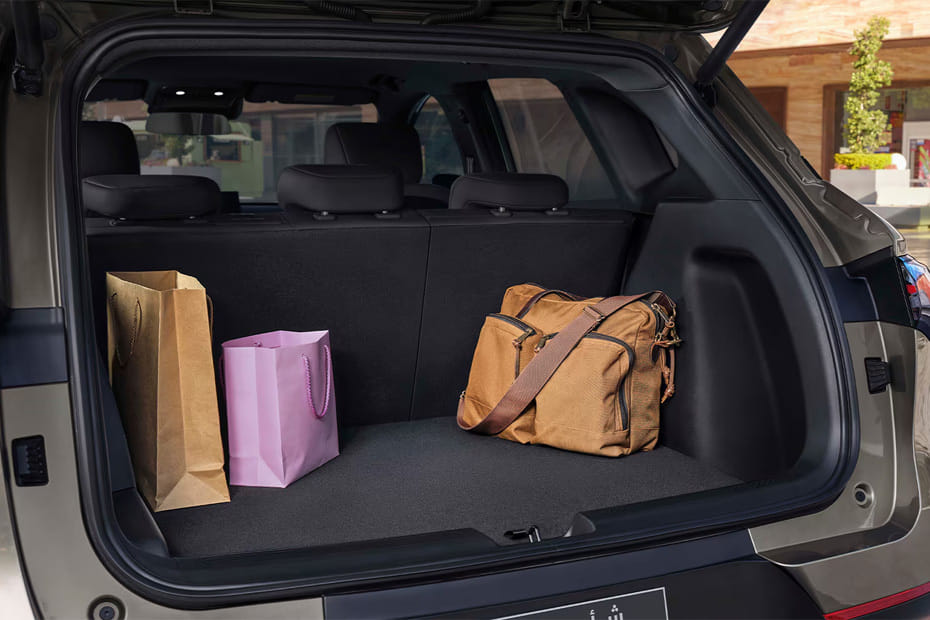
Competition
In the same category, if you look at the EV market in Saudi Arabia, there are several compelling alternatives available to consider.
- BYD Atto 3, which is priced in the SAR 99,900–129,900 range. With this Chinese brand, which happens to be the world’s number one, you get a range of 420–480. Not only that, but it also scores well in tech and has proven reliability in the Middle East climate. Chinese brand but established EV reputation.
- The KIA EV5 starts at SAR 112,000. You get a similar expected price to the Captiva EV LT. But you get a better warranty, a more extensive dealer network, and better resale value, and Korean reliability is highly regarded.
- The MG ZS EV is available at a lower price point, but the range is lower, but it is a lot cheaper. Same Chinese manufacturing, but the SAIC brand has a better Middle East presence.
The Captiva EV feels somewhat odd, as it is expected to be priced like established EV brands but carries the depreciation risk of a Chinese‑built Chevrolet. The regular Captiva’s resale problems don’t inspire confidence in the EV’s future value.
Conclusion
The Captiva EV is Chevrolet’s attempt to enter the electric SUV segment without developing ground‑up EV architecture. It’s a converted platform that shares components with the PHEV. At an expected SAR 110,000–125,000, it competes directly with purpose‑built EVs from BYD, MG & Zeekr and other Chinese alternatives that offer better range, better warranties, and more established reputations in electric vehicles.
Once commercially launched, the Captiva EV expands Chevrolet’s portfolio but frankly hardly has a chance of huge volume given the fierce rivals with highly promising cars. However, the final pricing, once announced, will determine whether the Captiva EV has what it takes to make a significant impact.
Dinesh Goluguri

With over 15 years of experience in the automotive world, Dinesh Goluguri bringing hands-on experience and deep market knowledge. Passionate about SUVs, sports cars and luxury vehicles, he combines enthusiasm with expertise in delivering insights that resonate with car buyers and enthusiasts alike. With a special interest in car modifications and upgrades, Dinesh offers a unique perspective that goes beyond standard reviews, highlighting both factory features and customization potential. His work helps readers navigate new launches, features and trends in the dynamic automotive market.
Read Full Bio-
Explore Chevrolet Captiva EV
-

-
Chevrolet Groove -
Chevrolet Captiva -
Chevrolet Silverado HD -
Chevrolet Suburban -
Chevrolet Corvette ZR1 -
Chevrolet Captiva PHEV -
Chevrolet Captiva EV -
Chevrolet Cruze -
Chevrolet Corvette Zora -
Chevrolet Corvette Stingray -
Chevrolet Corvette Z06 2026 -
Chevrolet Silverado
- News
- Latest
- Popular
-
 Chevrolet SilveradoPrice coming soon
 -
 Chevrolet Corvette ZoraPrice coming soon
 -
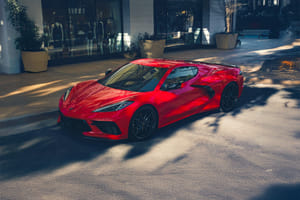 Chevrolet Corvette StingrayPrice coming soon
 -
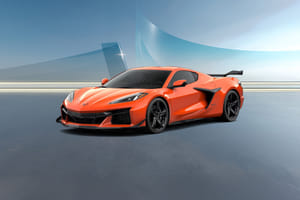 Chevrolet Corvette Z06 2026Price coming soon
 -
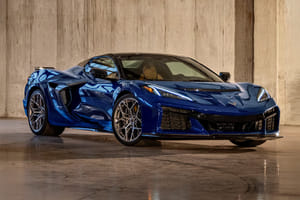 Chevrolet Corvette ZR1SAR 972,100 - 1.01 Million
-
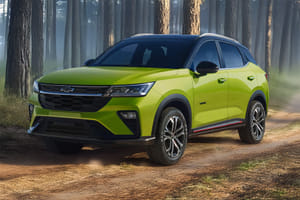 Chevrolet GrooveSAR 73,700 - 85,200
 -
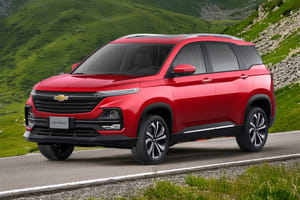 Chevrolet CaptivaSAR 76,300 - 92,100
 -
 Chevrolet Silverado HDSAR 220,800 - 278,500
 -
 Chevrolet SuburbanSAR 266,400 - 370,600
 -
Chevrolet Corvette ZR1SAR 972,100 - 1.01 Million
-
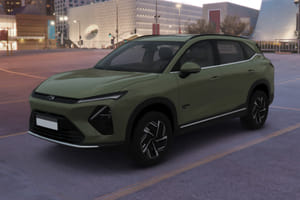 Chevrolet Captiva PHEVSAR 104,900 - 109,900

-
 Chevrolet Captiva EV06 May, 2026 .
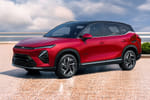
|
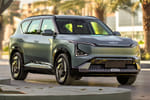
|
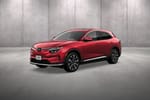
|
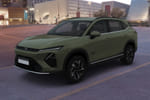
|
|
|
Transmission Type
Automtic
|
Automatic
|
Automatic
|
Automtic
|
Automatic
|
|
Power
201Hp
|
214Hp
|
349Hp
|
201Hp
|
-
|
|
Torque
310Nm
|
310Nm
|
500Nm
|
310Nm
|
-
|
|
Engine Displacement
-
|
-
|
-
|
1498
|
-
|
|
|
- Latest
- Upcoming
- Popular
-
 KIA EV2SAR 148,000
 -
 Toyota CenturyPrice coming soon
 -
 Jeep Grand Cherokee 2026Price coming soon
 -
 ZEEKR 9XPrice coming soon
 -
 Mitsubishi PajeroPrice coming soon
 -
 Hyundai Ioniq 9Price coming soon
-
 Land Rover Range RoverSAR 591,500 - 1.3 Million
 -
 GMC HUMMER EVSAR 579,200 - 725,500
 -
 Hyundai PalisadeSAR 242,305 - 242,368
 -
 Changan UNI-KSAR 141,335
 -
 Toyota RaizeSAR 68,827 - 75,497
 -
 Hyundai TucsonSAR 103,500 - 162,552