Chinese Auto Brands Hiring in KSA: What It Means for the Market

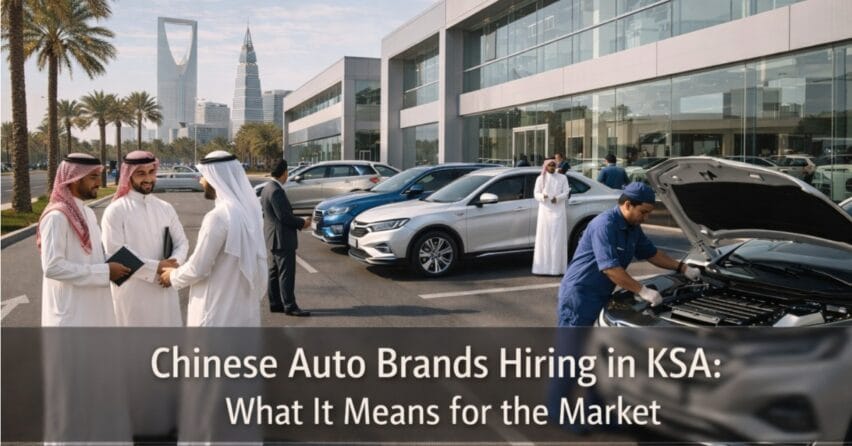
The growing visibility of Chinese cars on Saudi roads is one major theme of the industry over the last three years. These brands are likely to accelerate their presence through aggressive expansion, including new product launches, network growth, and high promotion to achieve high Chinese Car Sales Growth in Saudi Arabia and win Saudi Hearts. If you randomly walk into any major shopping mall in Riyadh or Jeddah today, you will find something interestingly new. Between the familiar Toyota and Nissan outlets, most likely there will be either a BYD, Geely, Changan, or Haval and other Chinese brands taking over KSA roads. These brands are also hiring local talent to sell, service, and support their cars.
KEY TAKEAWAYS
Why are Chinese brands hiring so many locals in Saudi Arabia?
They are expanding rapidly in the country with vision 2030 requirements and a genuine long-term market commitment.What jobs are Chinese automakers creating?
Sales consultants, service technicians, parts specialists, managers, and customer service roles across Saudi Arabia.And this hiring spree is quite significant and matters more than merely sales numbers. It's quite natural that when a brand commits to a local market with high employment, it indicates long-term investment plans and a commitment to be around. The number of new hires surged in 2025 and will continue to rise in 2026 with the opening of new dealerships and expanding service networks. And this growth hardly looks like a short-term trend; rather, these brands are preparing to build infrastructure that will last for decades.
Chinese Brand Employment Growth in Saudi Arabia (2023-2025)
|
Brand |
Dealerships 2023 |
Dealerships 2025 |
Service Centers |
Saudi Employees |
Key Distributor |
|
BYD |
8 |
25 |
18 |
600 |
Al-Futtaim |
|
Geely |
12 |
30 |
22 |
500 |
Al Wallan |
|
Changan |
10 |
28 |
20 |
450 |
Almajdouie Motors |
|
Haval |
15 |
35 |
25 |
550 |
Independent dealers |
|
Chery |
18 |
40 |
30 |
700 |
Various partners |
Source: market research
Why Local Hiring Matters
To answer this question, we need to know a little bit of history. Actually, Chinese brands learned from their past mistakes as well as from their rivals. When Japanese and Korean brands first entered the Saudi market, which was decades ago, their approach was to hire local talent heavily and nurture them. This built loyalty not through their product quality but through employment and community presence, which in turn helped expand sales.
In the past, Chinese brands were not that open to hiring local talent, but they have quickly learned, mostly by studying the Korean and Japanese playbook. For example, BYD, while entering the market, joined hands with Al-Futtaim Electric Mobility, which immediately gave the brand credibility. Al-Futtaim already employs thousands of Saudis across its automotive portfolio, and adding BYD essentially means getting Saudi staff, not importing Chinese managers.
Similarly, another major Chinese brand, Geely, decided to work with Al Wallan, another established Saudi distributor. Changan collaborated with Almajdouie Motors, which has decades of experience, as it has operated in the Kingdom since 1946. The biggest benefit of teaming with local businesses is that they understand Saudi labour culture deeply, the complexity of local laws, how to navigate bureaucracies, and what precise training is needed.
The jobs being created spread across the entire automotive value chain:
Dealership roles:
- Sales consultants to explain EV technology
- Finance experts are arranging Sharia-compliant loans
- Customer service support handling sales inquiries
- Showroom managers running daily operations
- Marketing and promotion skilled people to building brand awareness
Service Centre positions:
- Trained technicians to diagnose EV powertrains
- Parts experts managing inventory
- Service advisors to help schedule maintenance
- Workshop supervisors to offer quality service
- Warranty coordinators process claims and help customers with faster service.
Regional management:
- Regional sales directors setting targets
- Training managers developing staff skills
- After-sales managers monitoring satisfaction
- Supply chain coordinators managing parts flow
There are several aspects that make these jobs highly attractive, one of which is their training. Chinese brands are sending Saudi employees to China for intensive technical courses to make them truly expert in their products and technologies. BYD trains technicians for three months on Blade Battery technology, electric drivetrains, and diagnostic systems. Geely has a two-month training programme in Hangzhou that covers its highly popular, widely available hybrid systems and connected vehicle technology.
This investment in training and other skills development also plays a role in improving real expertise. As technicians gain experience and training firsthand, those who gain deeper knowledge of BYD's battery management system or Geely's plug-in hybrid system become highly in demand across other brands, which makes them highly valuable due to their skills. This expands into the industry, thus offering great value to Saudi Arabia's automotive sector beyond just those specific brands.
Market Impact for Car Buyers
There are multiplier effects of local hiring that benefit the brands. The hiring boom directly affects purchase decisions; when buyers know local service exists, sales follow. But this did not come straight to the Chinese brands; they struggled earlier to convey the right messaging about their cars. Most of the time, buyers were worried about becoming stranded in the absence of a nearby service centre or trained technician. That barrier is disappearing.
Take Riyadh as an example. In 2022, the city had three Chinese brand service centres; by 2025, there will be 22. This is huge growth. Now coverage includes all major districts: North Riyadh, East Riyadh, South Riyadh, and West. The same pattern repeats in Jeddah, Dammam, Makkah, and Madinah.
Service availability changes the math for buyers; a Geely Emgrand at SAR 58,750 looks risky if the nearest service centre is 80 kilometres away. That same car looks smart when the service is 15 minutes from home with Saudi technicians who speak Arabic.
Another key factor is the availability of parts, which has seen significant improvement in availability. Chinese brands initially struggled with parts shortages, and repairs took weeks or even months because components were shipped from China; this has now changed with all major brands stocking parts locally. Regular consumables like brake pads, filters, and wear items are available the same day at most service centres.
For customers, warranty confidence is a huge factor that matters. Chinese brands offer 5-7 year warranties to compete with the Japanese reliability perception. Those warranties can be fulfilled if there is enough service infrastructure to honour them. Hiring local staff in these areas enables quick processing of warranty claims and prompt repairs.
Quality Control Concerns
Despite the rapid ramp-up and the implementation of all necessary measures, perfection is not achieved consistently. The faster expansion creates quality control challenges; some newly hired technicians lack experience. The training process requires time, and because Chinese EV technology differs significantly from traditional internal combustion engines, both the learning period and the acquisition of necessary experience are extended.
Most buyers and owners report mixed service experiences. Established service centres with experienced staff provide great service, and most car owners are satisfied with the results. However, newly opened centres sometimes struggle with complex repairs; on a positive note, this gap narrows as their staff gain experience, although it still persists.
The quality of parts also varies; some Chinese brands use locally sourced components to reduce costs and ensure faster deliveries. These parts don't always match original quality, and car owners need to verify whether service centres use genuine OEM parts or aftermarket alternatives.
Here are instances where language barriers also exist and persist in some locations. While major cities have Arabic-speaking staff, smaller cities sometimes rely on translators. This impacts the time it takes for diagnosis and repair discussions. These are real issues, and Chinese brands are taking effective measures to address such challenges through intensive Arabic language training for Chinese managers and technical experts.
Economic Multiplier Effect
This hiring impact is not limited to the direct jobs and goes much further. Each Chinese brand dealership employs 15–25 people directly, but there is a multiplier effect of indirect job creation, such as parts suppliers, logistics companies, training centres, marketing agencies, and facility maintenance contractors.
Geely's 30 dealerships employ roughly 500 people directly, and indirect employment may add another 300-400 jobs. That's nearly 1,000 jobs tied to one Chinese brand's Saudi operations.
This company also supports the country’s Vision 2030 employment goals, as Saudi Arabia wants private sector jobs for its young population. Employment in the automotive sector helps achieve this target while diversifying beyond oil.
Chinese brands also help local businesses grow with their active support, as several of them use Saudi-owned facilities for showrooms and service centres. They take help from local companies in various areas for their business, for example, construction, marketing, and logistics. This keeps money circulating within the local economy rather than flowing back to China.
Training Programs and Skill Development
Chinese automakers have joined forces with Saudi technical colleges to develop training programmes; there are many such initiatives. Changan is working with the Technical and Vocational Training Corporation (TVTC), through which it offers certified courses in EV maintenance. Graduates receive acknowledged credentials, which are valuable beyond just Changan dealerships.
BYD has developed a dedicated training centre in Riyadh that offers courses for both its staff and third-party technicians. The curriculum covers:
- High-voltage safety know-how
- Battery diagnostics and management training
- Electric motor principles and troubleshooting
- Vehicle software updates and programming
- Charging infrastructure installation
An EV technician trained by BYD in skills like EV Charging installation in KSA and others can work on other Chinese EVs without much additional training. This helps develop career opportunities for Saudi workers beyond single-brand loyalty.
What It Means Long-Term
Chinese brands are no longer just testing the Saudi market; they are betting on the future growth potential of the country’s automotive market and committing for the longer term. This is clearly visible with the scale of local hiring, as brands don't hire 500—700 people for short-term goals.
This is positive news for car buyers as well, reducing risk when they consider buying a Chinese car today. The brand will likely still operate Saudi dealerships and service centres in 5–10 years; this was not the case three years ago.
The competitive pressure benefits everyone as Japanese and Korean brands also need to compete on service quality and competitive pricing as Chinese brands expand. This competition drives better service, longer warranties, and more attractive financing across all brands.
Saudi automotive talent is developing expertise in EV technology faster than many markets, positioning the Kingdom well in the longer term. This may also position the Kingdom as a regional hub for electric vehicles with high technical expertise and service capability ahead of many other key markets. That expertise will matter as more brands transition to electric powertrains.
Conclusion
A lot has changed in the Saudi automakers' landscape, and the Chinese presence is one big takeaway. As they continue to grow, their impact is going to be felt much more in the coming years, and the hiring of local Saudis is one major boost to employment as well as their commitment to the market. This whole new development is going to transform the market in more than one way. This works well for job creation and sustained economic activities and prepares brands to be ready to serve customers well and builds a local connection when buyers show up to their outlets to buy new cars. For car buyers, this means Chinese brands now offer the local support network that previously only Japanese and Korean manufacturers provided. With better training, more service centres, and a robust parts network, Chinese brands are legitimate alternatives for Saudi buyers who focus on value without compromising after-sales support.
Dinesh Goluguri

With over 15 years of experience in the automotive world, Dinesh Goluguri bringing hands-on experience and deep market knowledge. Passionate about SUVs, sports cars and luxury vehicles, he combines enthusiasm with expertise in delivering insights that resonate with car buyers and enthusiasts alike. With a special interest in car modifications and upgrades, Dinesh offers a unique perspective that goes beyond standard reviews, highlighting both factory features and customization potential. His work helps readers navigate new launches, features and trends in the dynamic automotive market.
Read Full Bio-
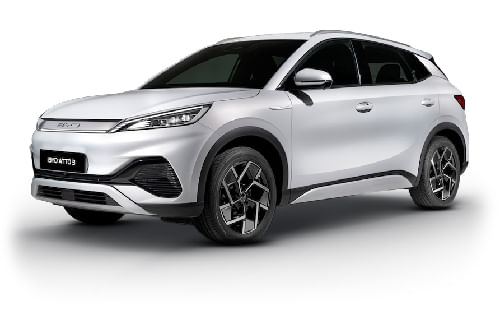
Explore BYD ATTO 3
-
-
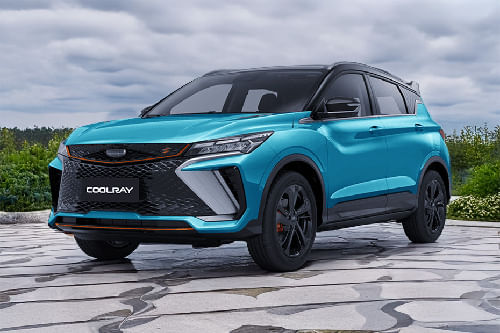
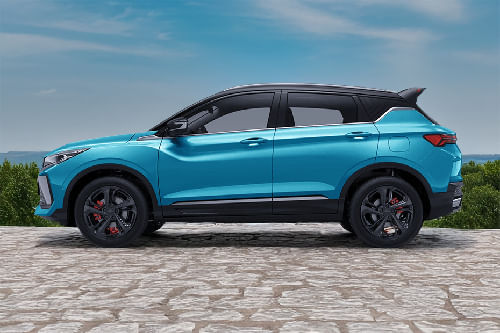
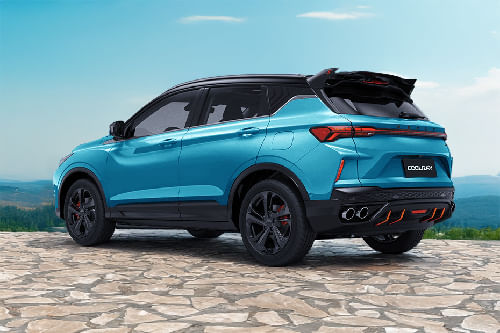
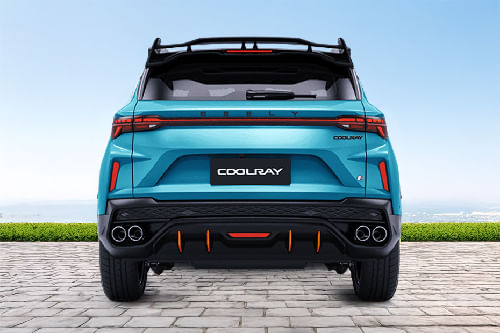
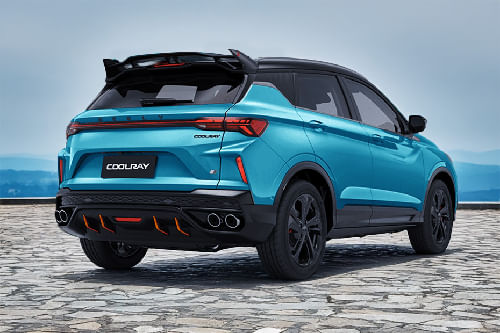
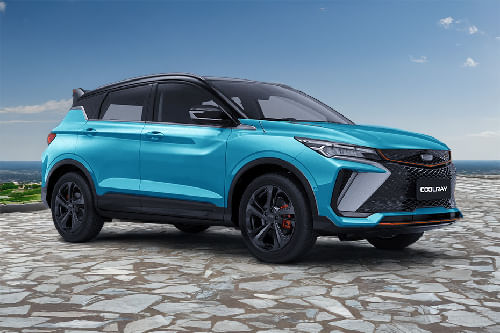
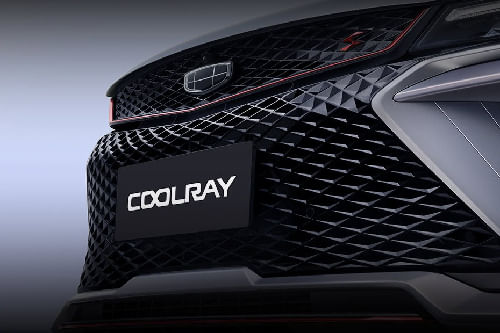
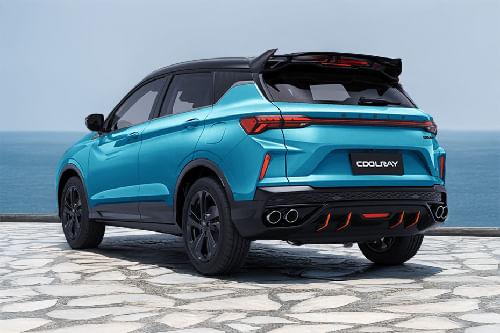
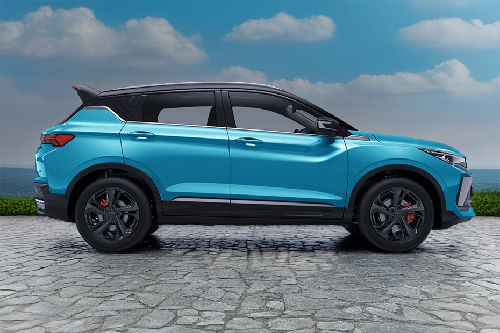
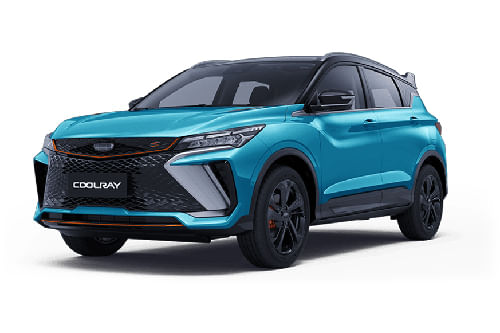
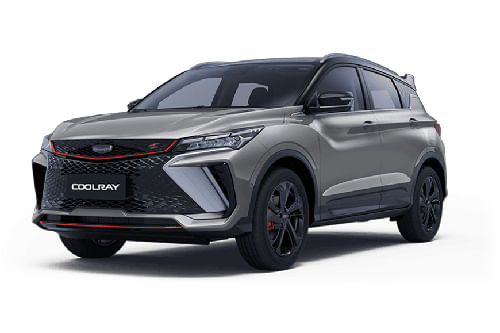
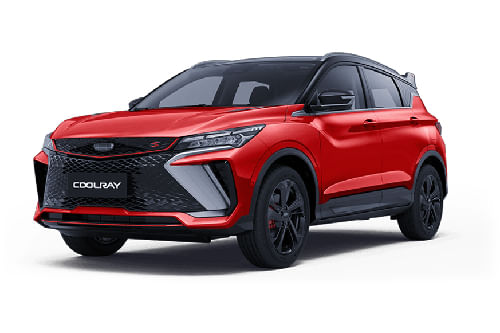
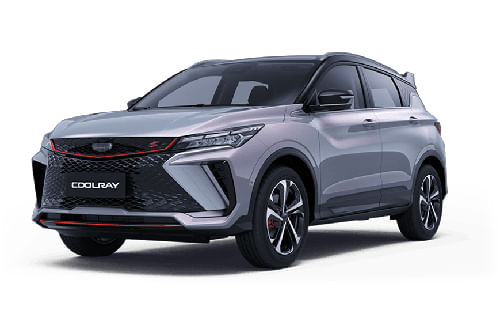
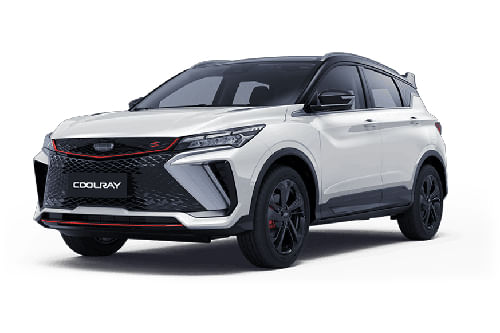
Explore Geely Coolray
-
-
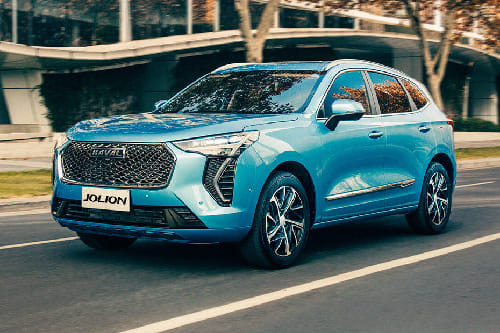
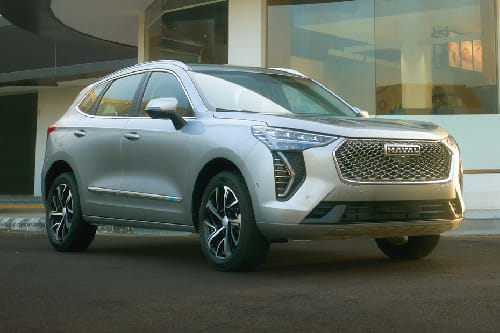
Explore Haval Jolion
-






-
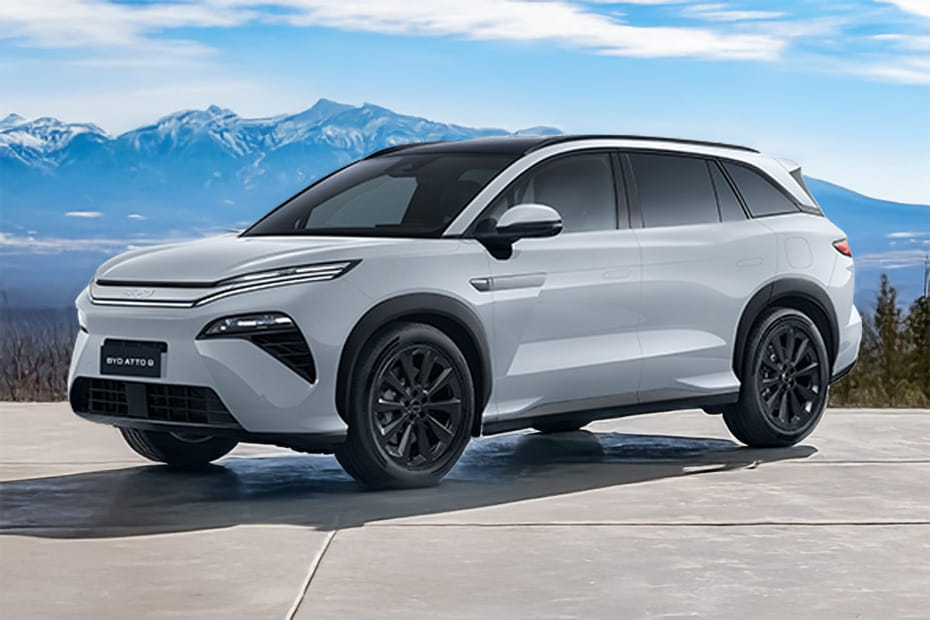
BYD Atto 8 -
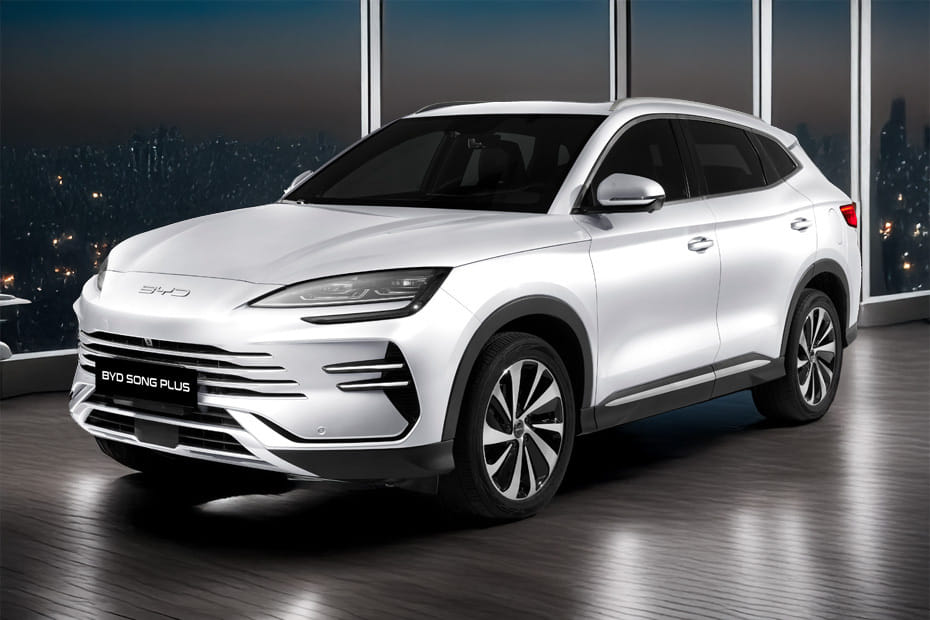
BYD Song Plus -
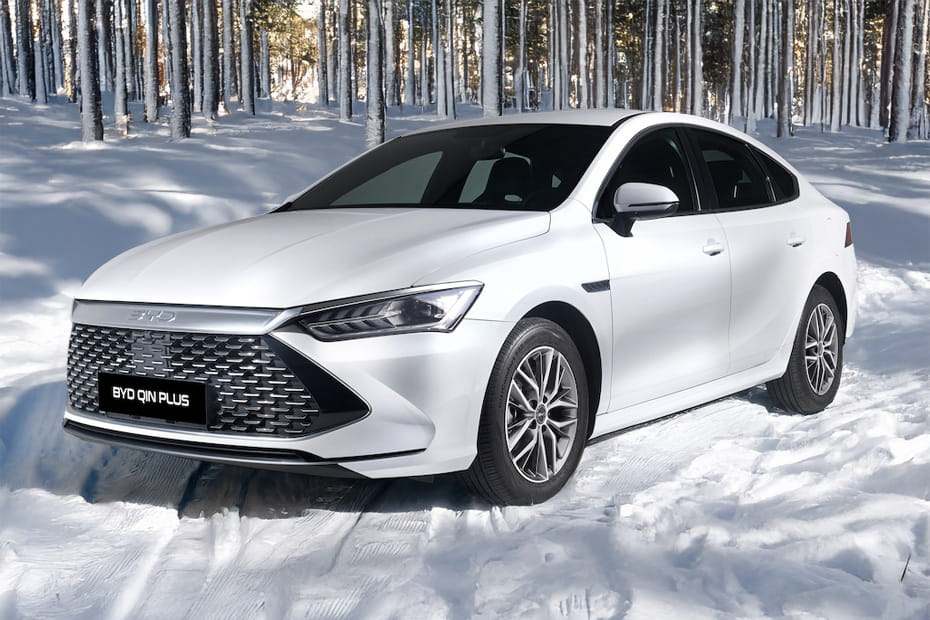
BYD QIN Plus -
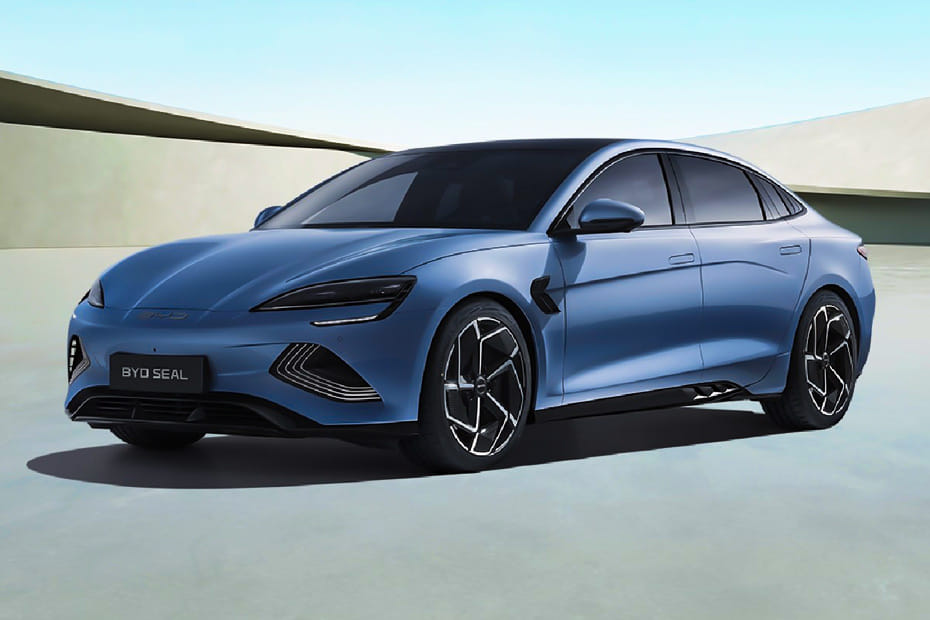
BYD Seal -
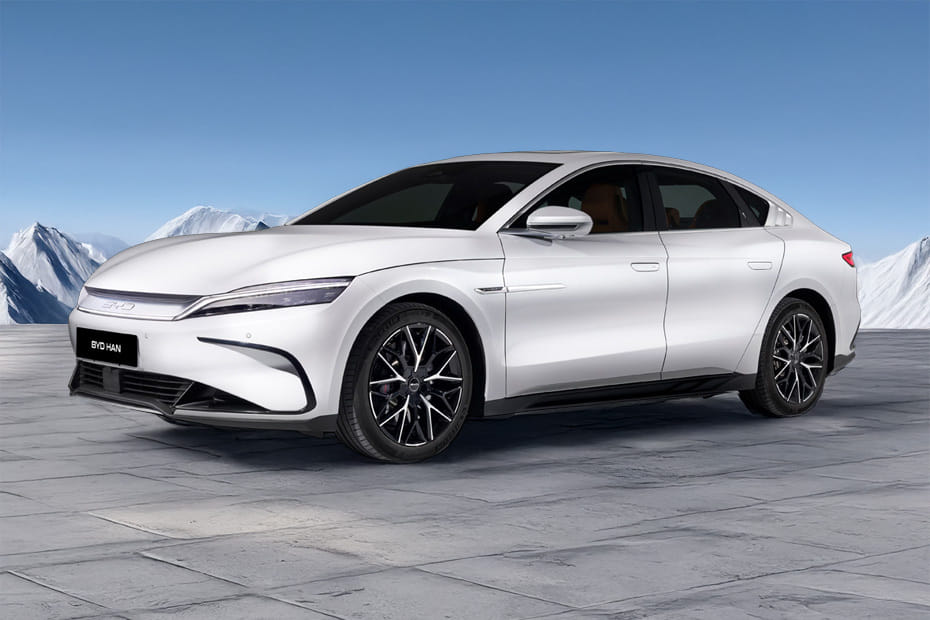
BYD HAN -
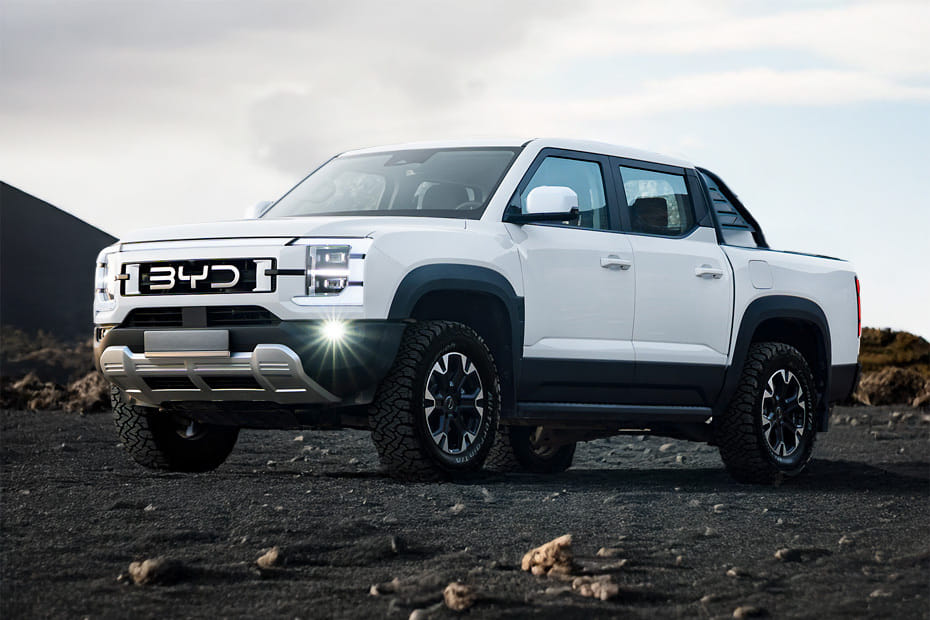
BYD Shark 6 -
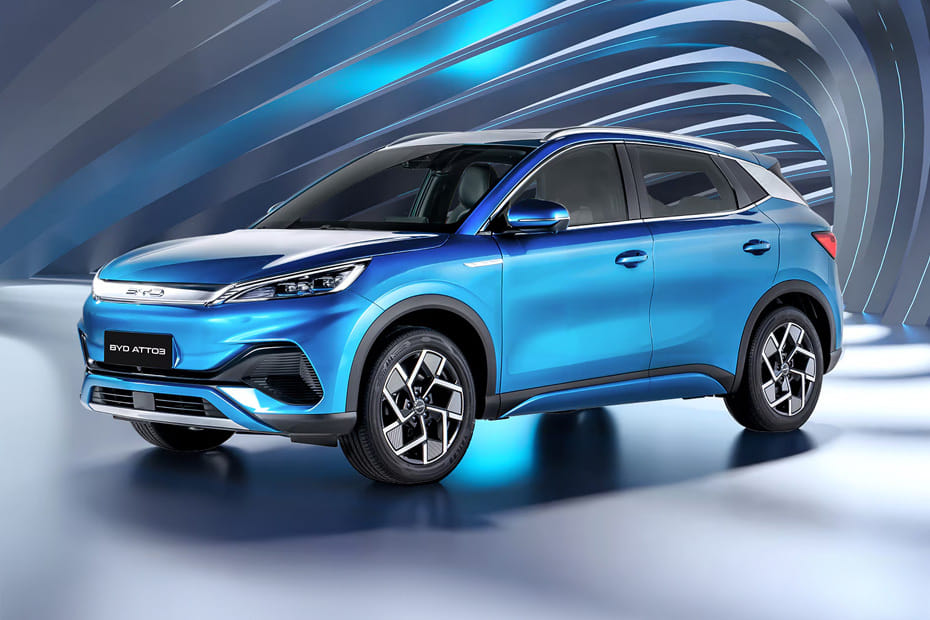
BYD ATTO 3 -
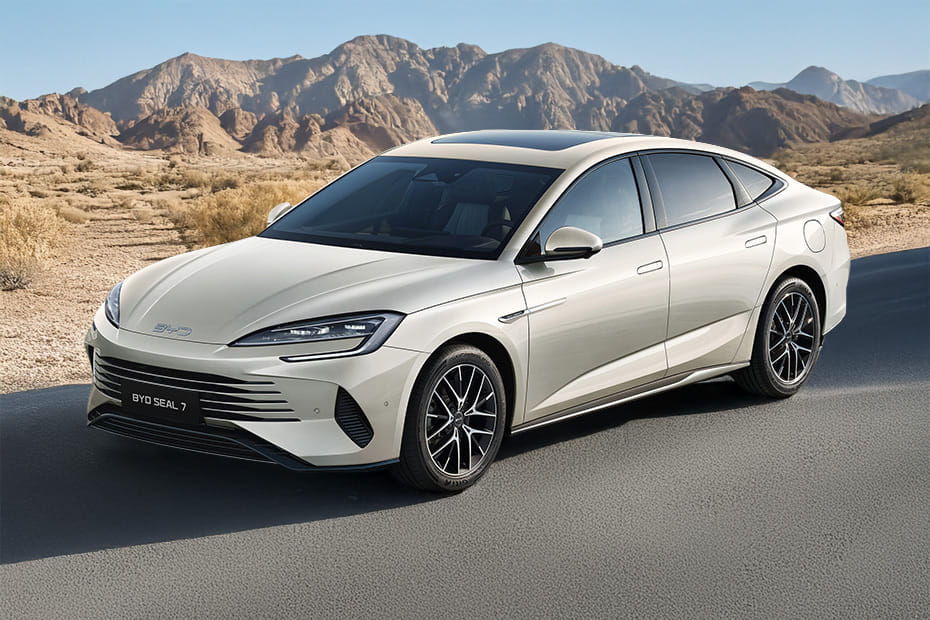
BYD Seal 7 -
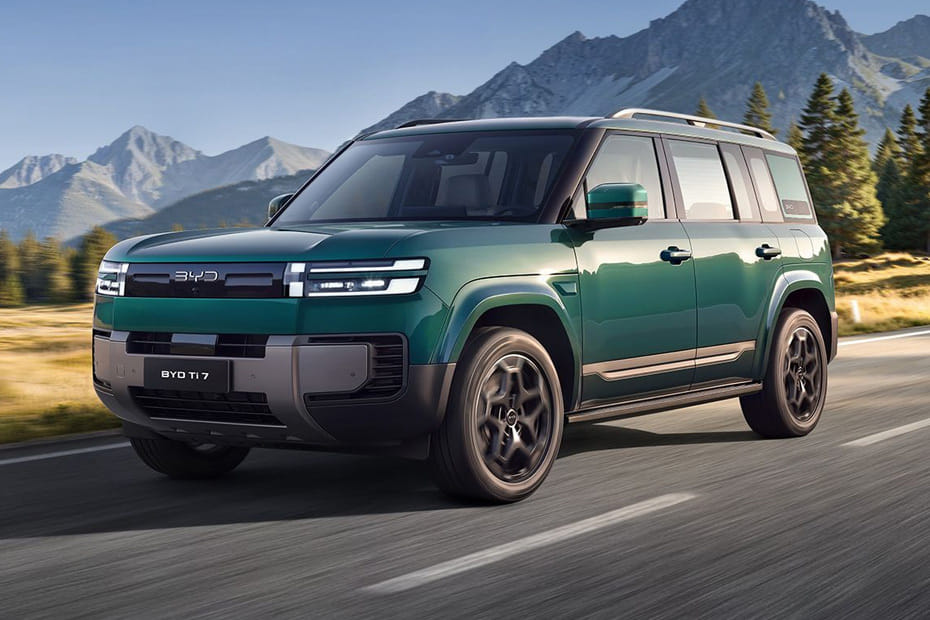
BYD Ti 7 -
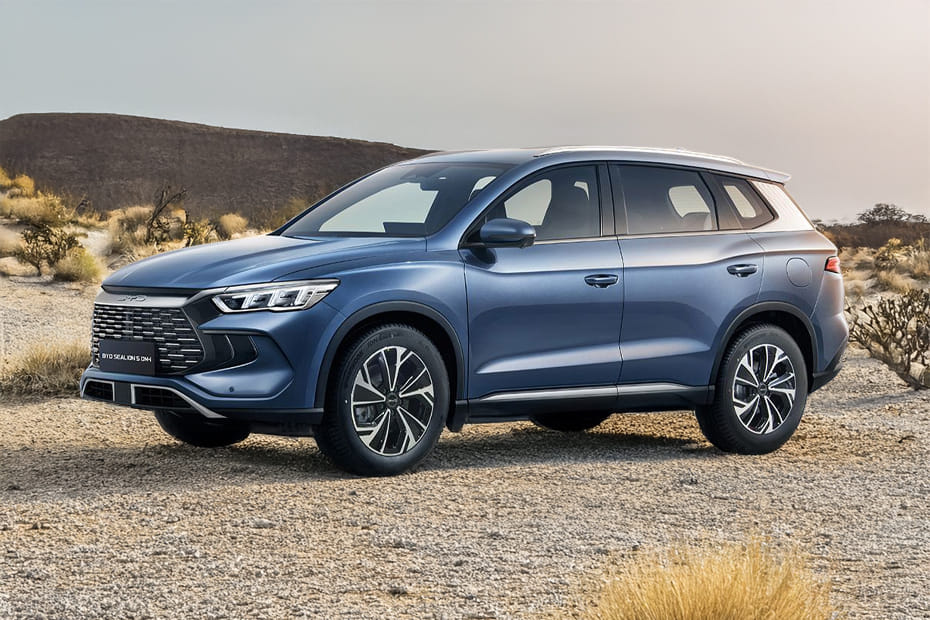
BYD Sealion 5 -
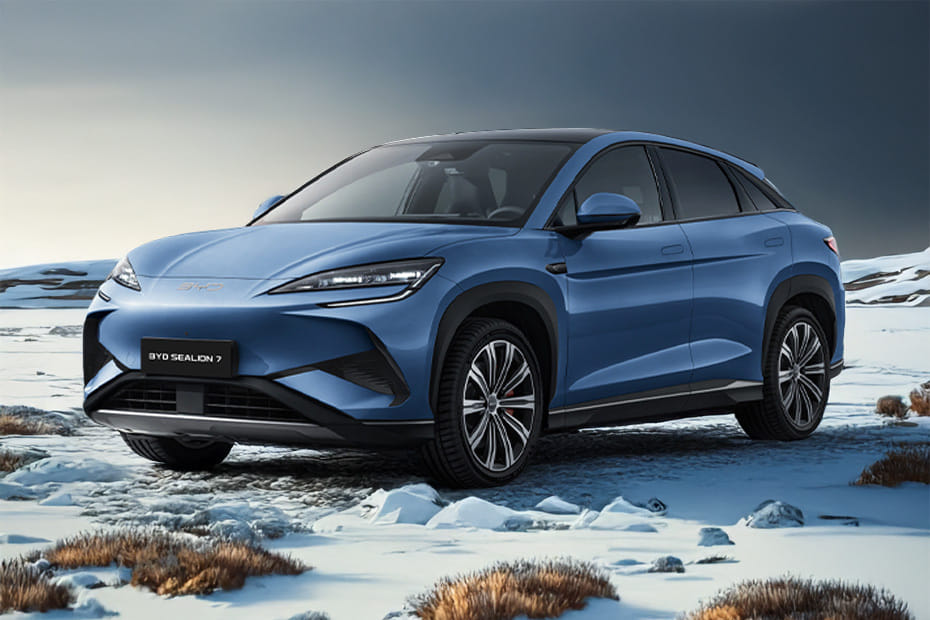
BYD Sealion 7
- News

- Latest
- Upcoming
- Popular
-
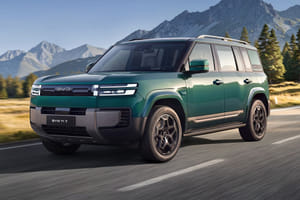 BYD Ti 7SAR 147,900 - 159,900
 -
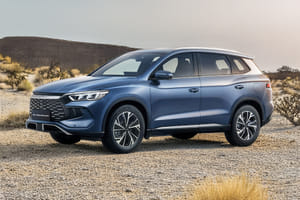 BYD Sealion 5SAR 79,900 - 88,900
 -
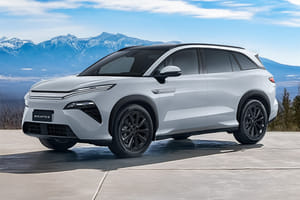 BYD Atto 8SAR 156,900 - 179,900
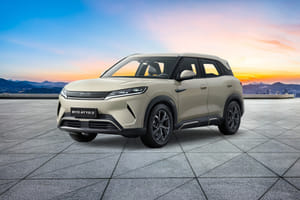
-
BYD Atto 8SAR 156,900 - 179,900
-
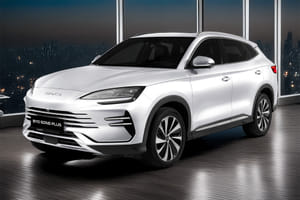 BYD Song PlusSAR 104,900 - 134,900
 -
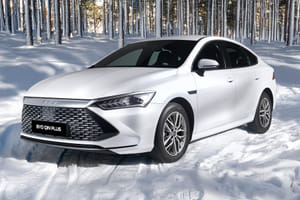 BYD QIN PlusSAR 69,900 - 72,900
 -
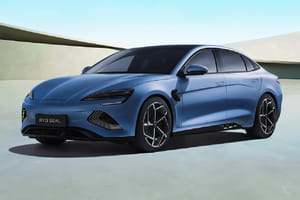 BYD SealSAR 120,900 - 146,400
 -
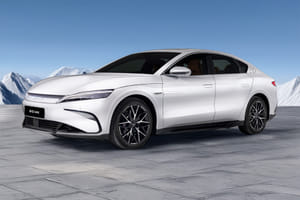 BYD HANSAR 145,660 - 169,160
 -
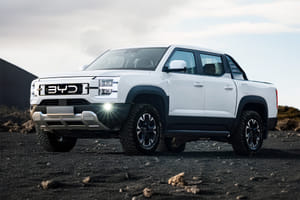 BYD Shark 6SAR 165,900

|
|
|

|
|
|
Transmission Type
Automatic
|
Automtic
|
Automatic
|
Automatic
|
Automatic
|
|
Power
200Hp
|
201Hp
|
214Hp
|
349Hp
|
102hp@6000rpm
|
|
Torque
310Nm
|
310Nm
|
310Nm
|
500Nm
|
136Nm@4400rpm
|
|
Engine Displacement
-
|
-
|
-
|
-
|
1462
|
|
|
- Latest
- Upcoming
- Popular
-
 KIA EV2SAR 148,000
 -
 Toyota CenturyPrice coming soon
 -
 Jeep Grand Cherokee 2026Price coming soon
 -
 ZEEKR 9XPrice coming soon
 -
 Mitsubishi PajeroPrice coming soon
 -
 Hyundai Ioniq 9Price coming soon


-
 Land Rover Range RoverSAR 591,500 - 1.3 Million
 -
 GMC HUMMER EVSAR 579,200 - 725,500
 -
 Hyundai PalisadeSAR 242,305 - 242,368
 -
 Changan UNI-KSAR 141,335
 -
 Toyota RaizeSAR 68,827 - 75,497
 -
 Hyundai TucsonSAR 103,500 - 162,552