Mazda CX-5 vs Hyundai Tucson: Best Mid-Size SUV Choice for Saudi Buyers

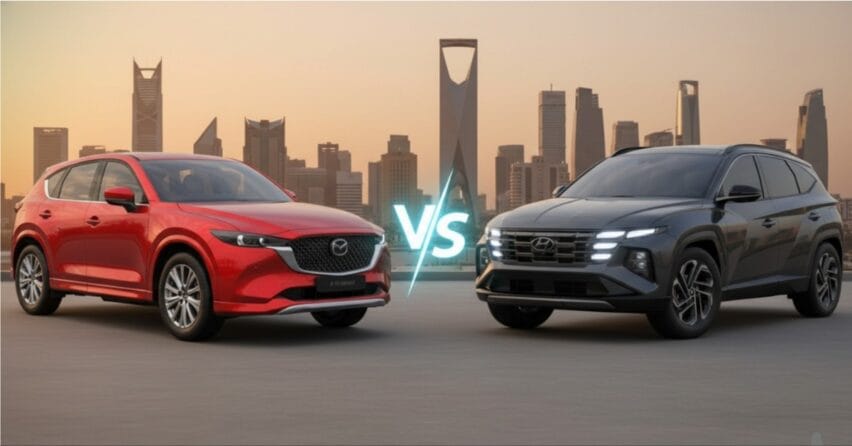
Saudi Arabia: The SUV segment in Saudi Arabia continues to dominate in the overall automotive sales as buyer preference has shifted towards space, higher ground clearance and suitability for desert conditions. The SUV segment itself is categorized into several sub-segments, and the premium mid-size segment is gathering a lot of interest among families and professionals. Buyers who look for a practical, family-friendly SUV worthy of every need and spoilt for choice. Two choices stand out right now in the market for anyone seriously looking to purchase their all-new premium mid-size SUV. But the following two names consistently stand out and demand serious consideration.
KEY TAKEAWAYS
What Are the Top Five Standout Features of the Mazda CX-5?
Premium cabin materials, refined driving dynamics, proven reliability reputation, excellent handling characteristics, and strong resale value in the Saudi market.What Are the Top Five Highlights of the Hyundai Tucson?
Modern dual-screen technology, hybrid powertrain option, advanced safety features standard, aggressive pricing, and latest generation design language.The Mazda CX-5 and Hyundai Tucson are two SUVs that define two very different approaches to what a mid-size SUV should be. One is a proven classic with genuine driving dynamics, while the other highlights modern technology and aggressive pricing to shake up the segment.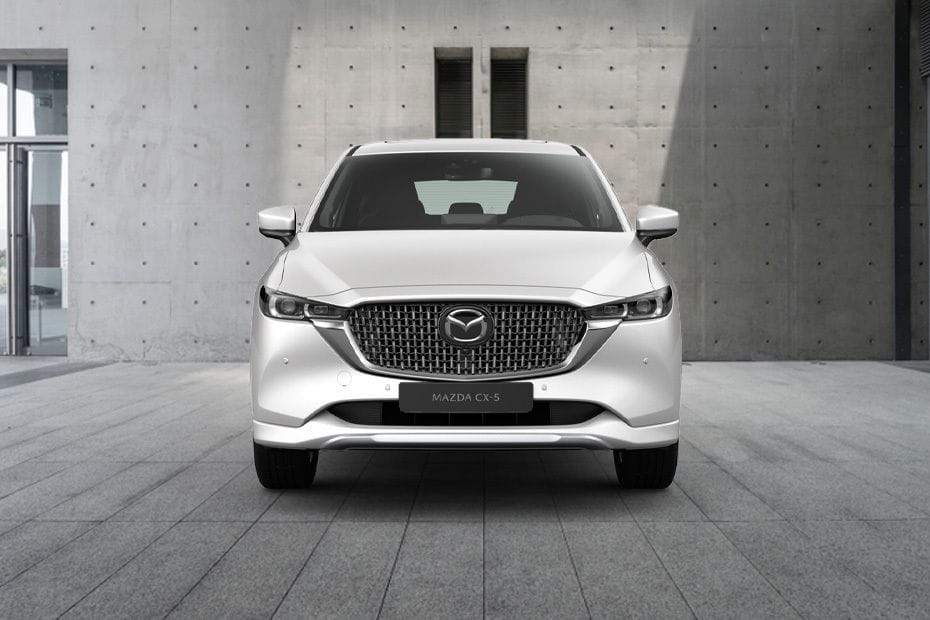
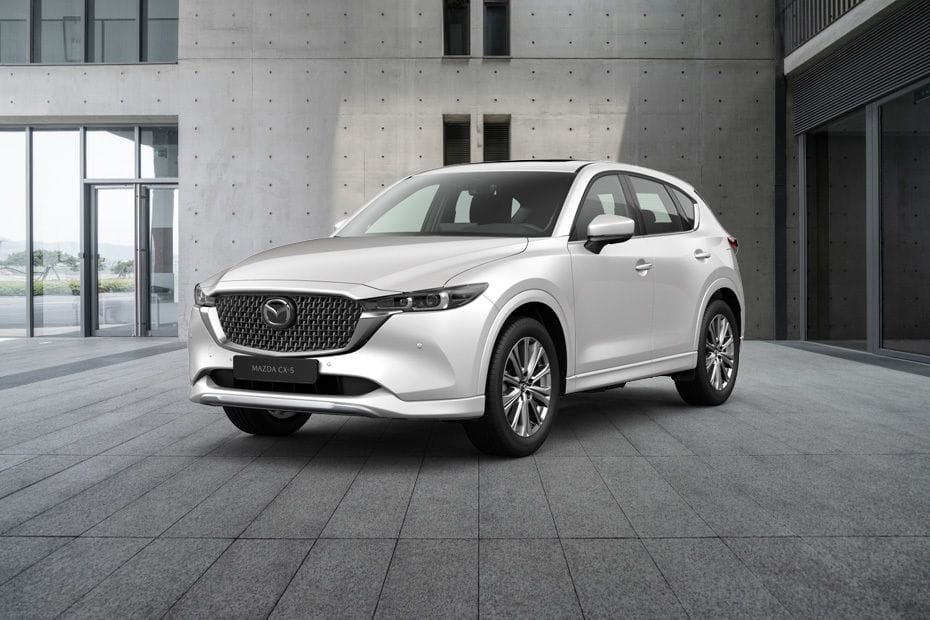
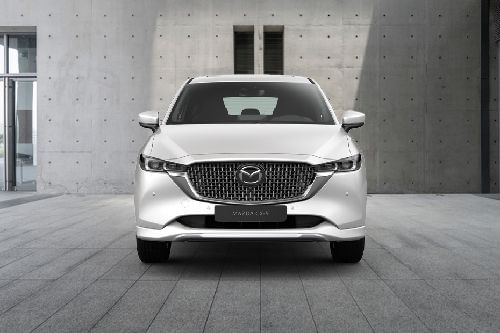
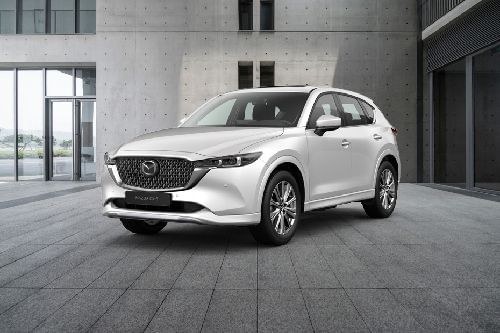
The Mazda CX-5 arrived over a decade ago in our market and has successfully built a strong reputation for reliability and a refined driving experience. It appeals to those buyers who want their SUV to feel the road and also want superior cabin quality and attention to detail. The CX-5 has gained a lot of respect from families and continues to be the trusted SUV for multiple generations.
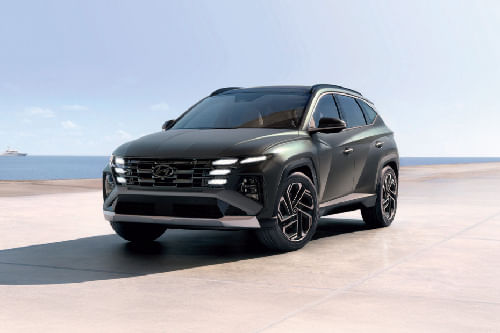
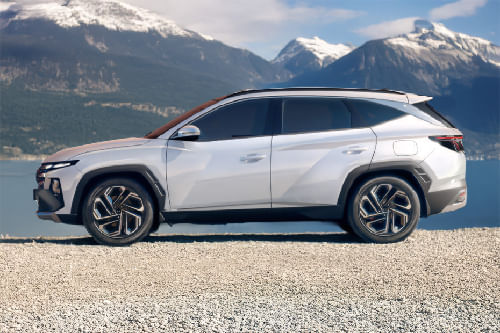
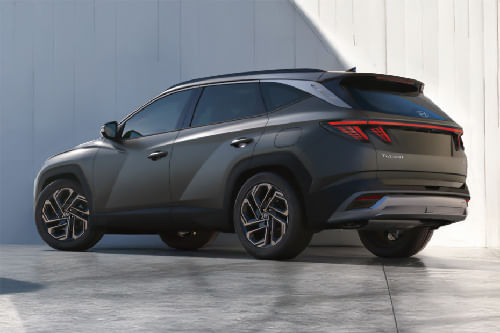
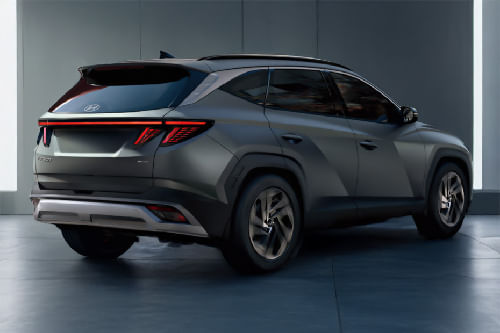
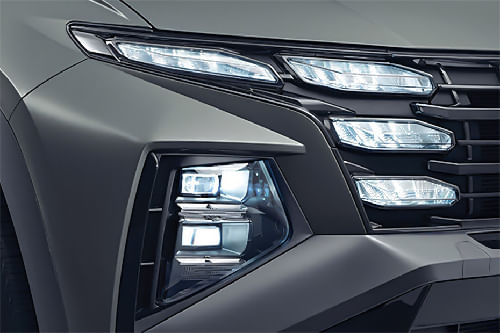
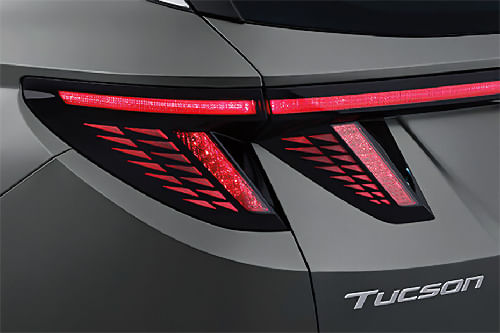
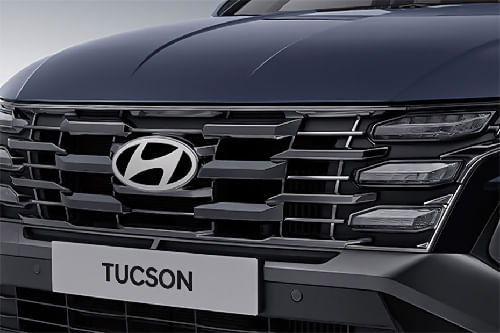
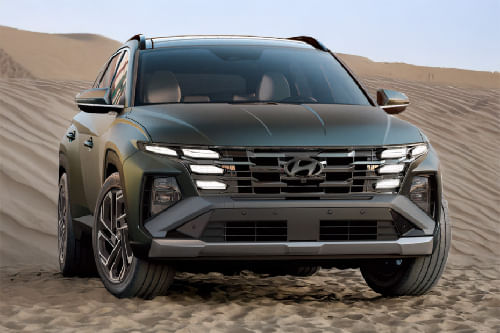
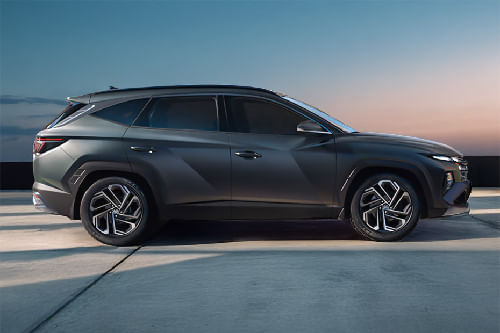
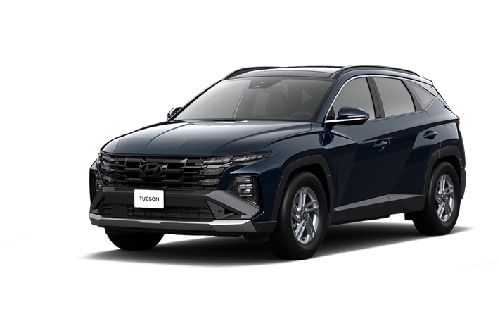
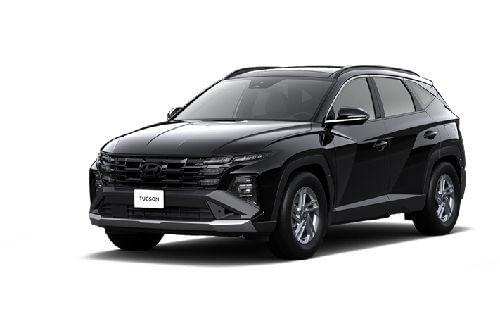
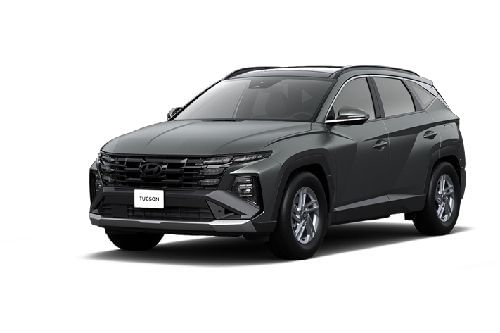
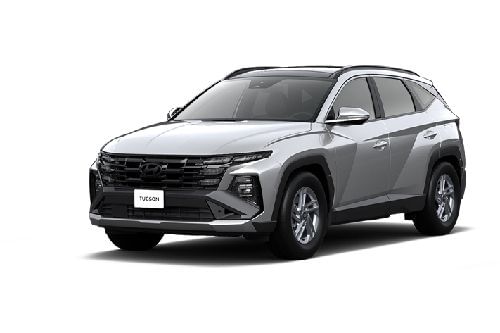
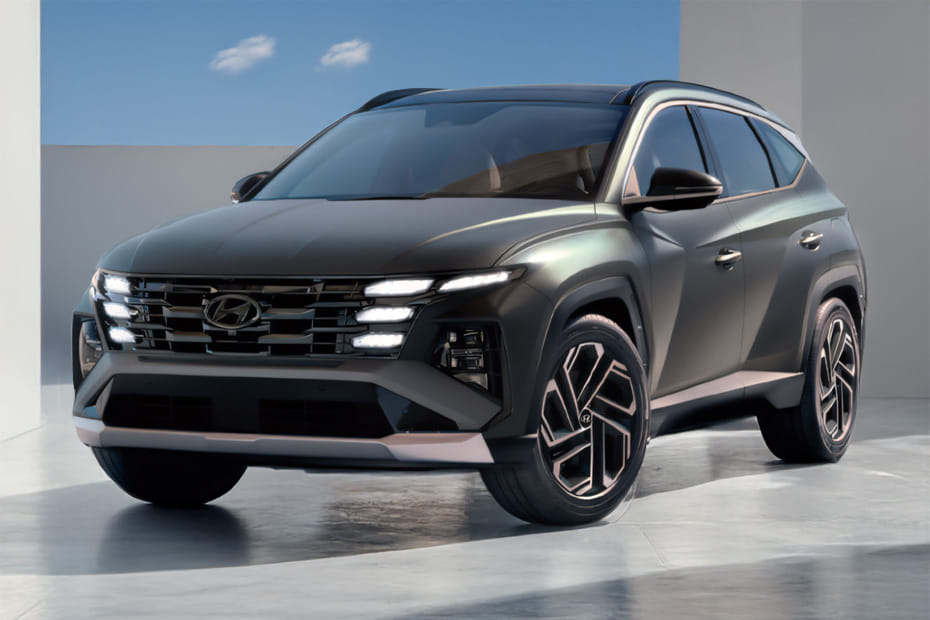
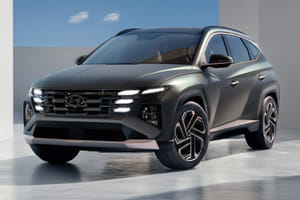
The Tucson is Hyundai's answer to the segment, first introduced this sleek SUV way back in 2005, and now retails its fourth-generation, which has just received a significant update with fresh styling, new dashboard technology, and modern connectivity features, trying to attract new buyers. It's positioning itself as the smart choice for buyers who want the latest technology without the premium price tag, combining features, competitive pricing, and solid reliability.
Both these excellent SUVs are built on proven ladder-frame or unibody construction, are five-seaters, and have multiple engine options. If you’re in the market looking for a premium mid-size SUV, which one suits you better? We try to answer that by comparing both of them to help you make an informed decision.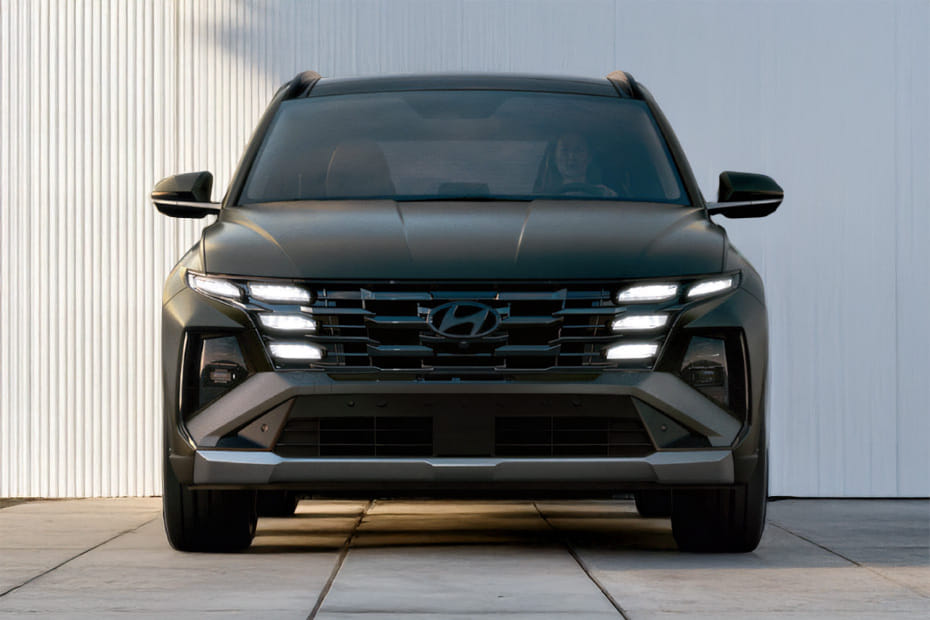
Price Comparison
The Mazda CX-5 starts at SAR 97,750 for the base variant and goes up to SAR 140,875 for the top-end AWD model. The price underlines Mazda's confidence in the SUV’s legacy and proven Japanese reliability. The Tucson, on the other hand, starts at a lower price of SAR 109,985 and tops out at SAR 135,285 for premium variants. It is clear that it starts at a slightly higher entry point but promises more technology and features. The pricing strategy is competitive, especially when you look at what Hyundai includes standard on each trim.
Looking at both the SUV's value proposition, the CX-5 is known for its quality-first approach. You're basically shelling out more for durability and refined materials. The Tucson tilts more towards feature-rich value, like any Hyundai car, and so gets more tech and modern conveniences. You should consider that the CX-5 comes with Mazda's established warranty and service network. The Tucson brings Hyundai's expanded 5-year/100,000 km warranty coverage, which is more generous than the CX-5's standard protection. This matters for buyers keeping vehicles long-term.
|
Model |
Starting Price (SAR) |
Top Price (SAR) |
Warranty |
|
Mazda CX-5 |
97,750 |
1,40,875 |
Mazda Standard (3 years/100,000 km) |
|
Hyundai Tucson |
1,09,985 |
1,35,285 |
Hyundai Extended (5 years/100,000 km) |
Powertrain Comparison
With the CX-5, you get a single proven option comprising a 2.5-liter four-cylinder petrol engine, churning out 190 hp and 256 Nm of torque, paired with a smooth 6-speed automatic transmission. Quite simple, and that is what defines Mazda's philosophy: just do one thing right, rather than confusing the buyer.
The Tucson scores differently here in terms of flexibility. You can get a 2.0-liter petrol engine in base models, producing 152hp of power. Hyundai also offers a hybrid on the Tucson, but right now it is not yet available in the region; the Korean brand is expected to launch soon. If you prefer a hybrid, which offers mileage benefits, then you can certainly wait for it to arrive.
Real-world fuel economy tells the story clearly, which is what matters to most buyers. The CX-5 manages around 10 km/l in mixed driving, with city driving bringing it down slightly. The Tucson petrol versions get similar numbers around 9-10 km/l depending on driving conditions.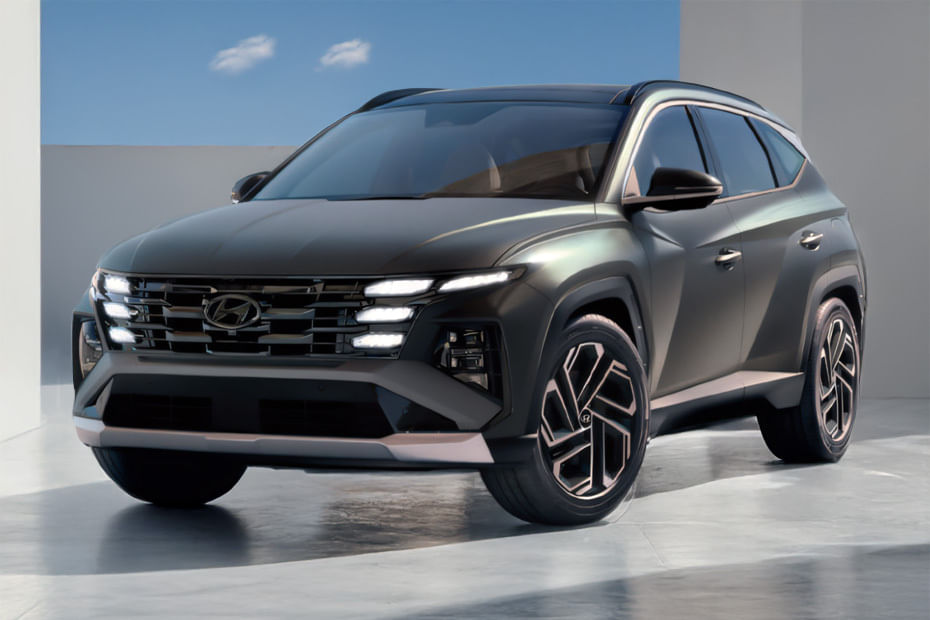
|
Specification |
Mazda CX-5 |
Hyundai Tucson (2.0L Petrol) |
|
Engine |
2.5L Petrol |
2.0L Petrol |
|
Power |
190 HP |
156 HP |
|
Torque |
252 Nm |
192 Nm |
|
Transmission |
6-Speed Automatic |
6-Speed Automatic |
|
Drive Type |
FWD/AWD options |
FWD/AWD options |
|
Fuel Economy |
10 km/L |
9-10 km/L |
|
Towing Capacity |
1,500 kg |
1,500 kg |
Interior: Different Philosophies
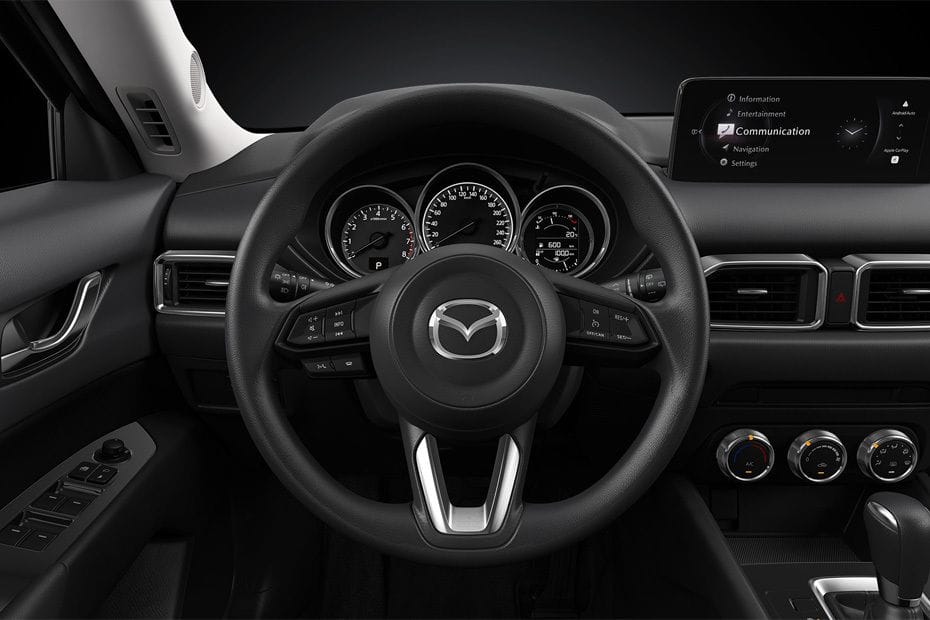
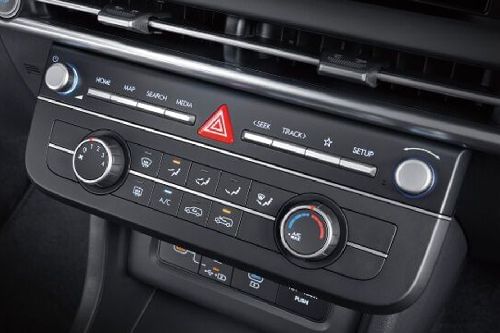
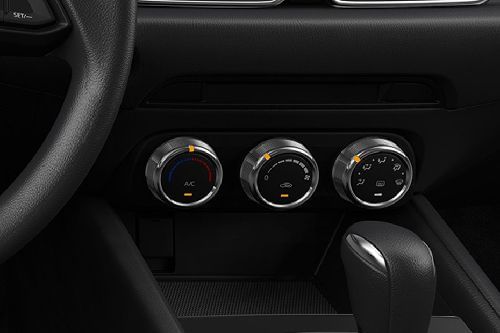
It is here you’ll find a major difference in the philosophies of both brands. The CX-5's cabin is where Mazda makes its stand, and everything feels purposeful. The materials are high-quality leather and soft-touch plastics in the right places. The layout is clean and uncluttered. The controls respond exactly as you want them to. You also get to choose between an 8 to 10-inch touchscreen, depending on trim level. The infotainment works seamlessly without requiring a manual. The AC system differs as per the trim level. The cabin is well-insulated, and we liked the overall feel of the cabin, which comes across as more upscale than what the price suggests.
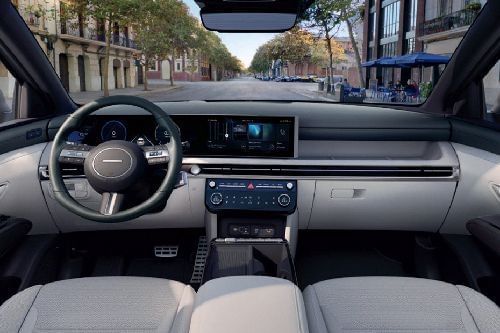
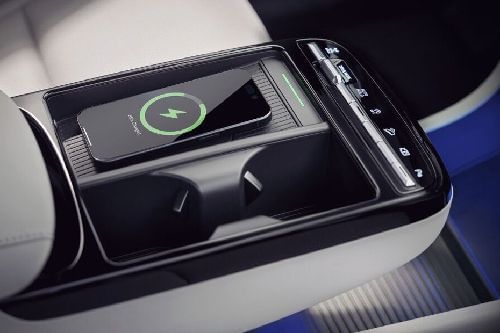
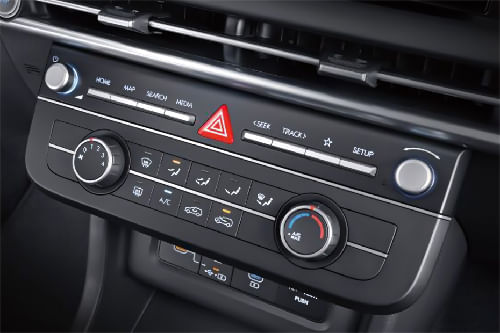
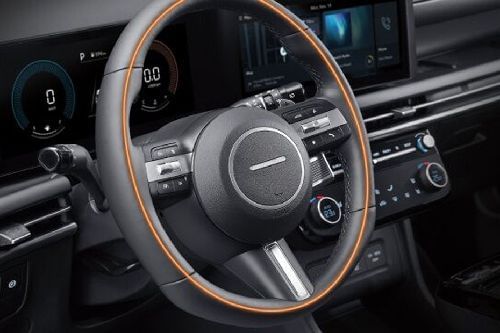
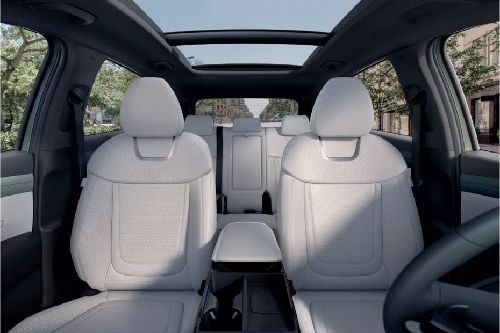
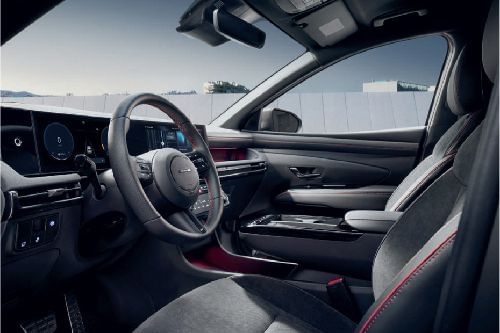
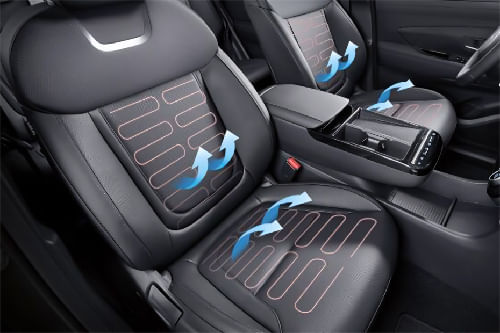
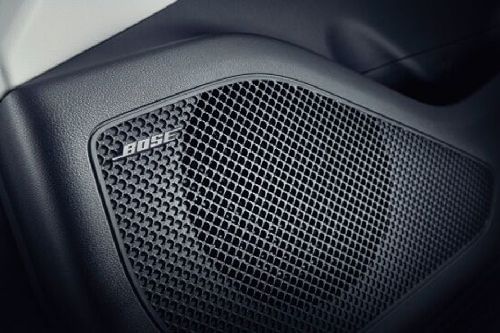
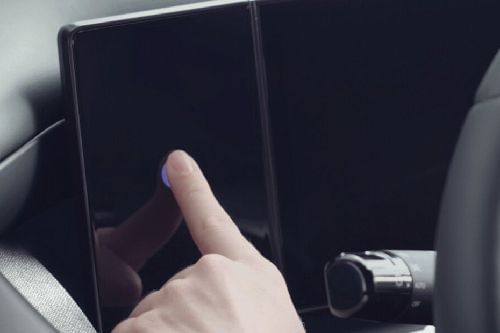
Tucson's 2025 update brings quite significant changes that buyers would really like in today's connectivity world. The highlight is that the dual 12.3-inch screens dominate the dashboard, one for the digital instrument cluster, one for infotainment. The design feels modern and highly latest, Hyundai also added wireless Apple CarPlay and Android Auto as standard on most trims. The dual-zone automatic climate control lets front and rear passengers choose their temperature independently, which is a premium feature. For the quality of sound for music, podcasts, or entertainment, the audio system is a 9-speaker unit with decent sound quality. Overall, Tucson emphasizes technology connectivity over material refinement.
So to be precise in our assessment, we would say for long highway drives in Saudi heat, the CX-5's refined interior and quality materials create a more comfortable environment. Tucson's modern screens and wireless connectivity appeal to younger buyers and tech-focused families.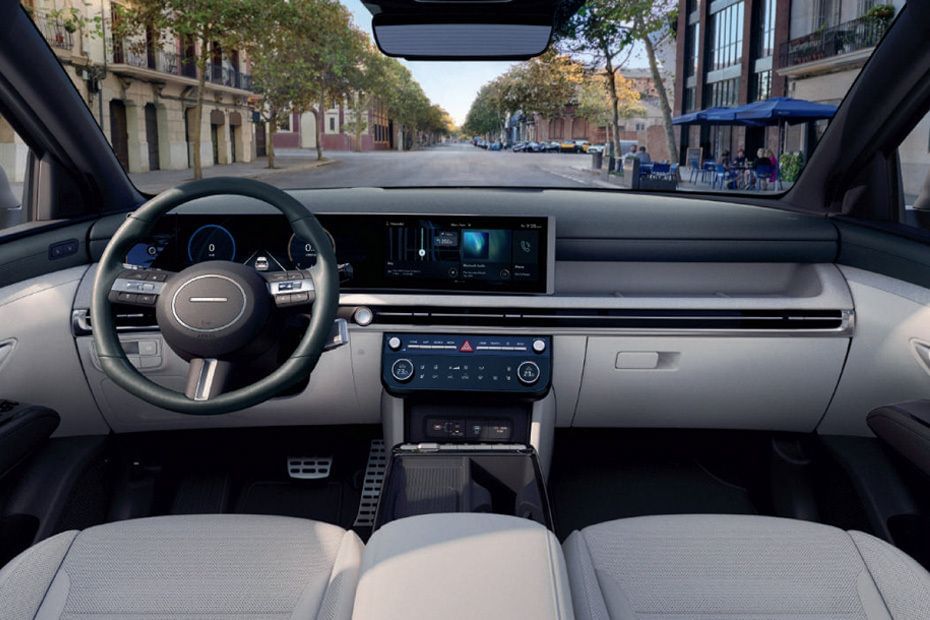
|
Feature |
Mazda CX-5 |
Hyundai Tucson |
|
Display |
8-10 inch touchscreen |
Dual 12.3-inch screens |
|
Infotainment System |
Intuitive interface |
Android Auto, Apple CarPlay (wireless) |
|
Seating Materials |
Premium leather (higher trims) |
Cloth/leather options |
|
Climate Control |
Single/Dual-zone |
Dual-zone automatic standard |
|
Audio System |
6-9 speakers |
9-speaker Bose system |
|
Steering Wheel |
Standard controls |
Multifunction wheel |
|
Interior Design Focus |
Premium material quality |
Modern technology emphasis |
|
Storage |
Practical cup holders, door bins |
Generous storage compartments |
Dimensions Comparison
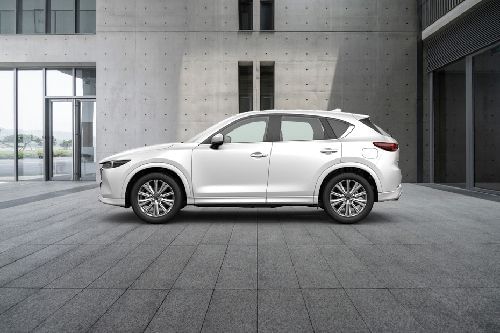
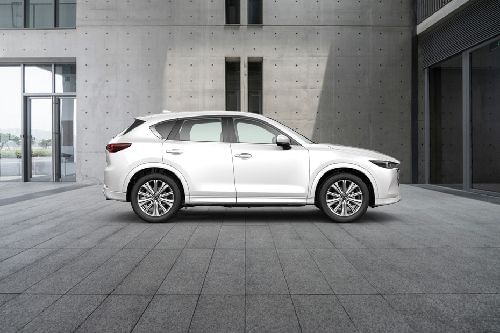
The CX-5 is 4.6 meters in length, 1.8 meters in width, and the wheelbase is 2,700mm, which is pretty standard. This makes it a properly sized family SUV, not too big for city navigation, substantial enough for highway comfort, and with luggage space.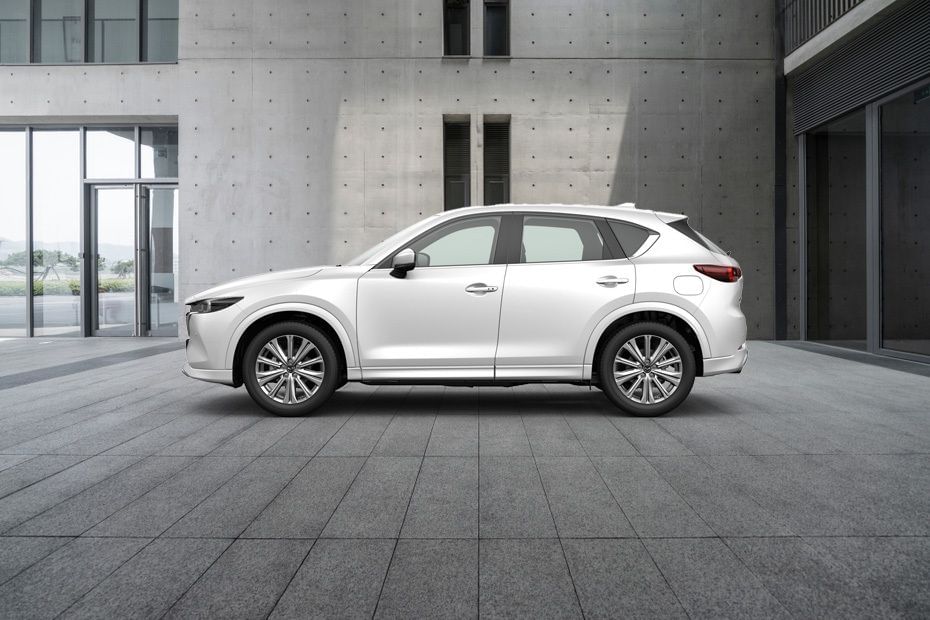
The Tucson comes in more or less the same, measuring 4.6 meters in length, 1.8 meters in width, and a slightly longer 2,765mm wheelbase. So it is not hard to guess that both the SUVs are nearly identical in overall dimensions, actually. And as you now already know, both have five-seater configurations with comparable legroom and headroom. The real difference comes in interior space utilization, where Tucson's more boxy shape means slightly more interior volume, while the CX-5's sculpted design prioritizes aesthetics.
Ground clearance is something most buyers will find sufficient for the Saudi driving conditions; the CX-5 has 200mm, while the Tucson gets 210mm. This also underlines the fact that neither is designed for serious off-roading, though both handle rough desert tracks competently. The CX-5 with AWD delivers better traction on varied terrain. The Tucson's standard features make it slightly more capable on challenging surfaces.
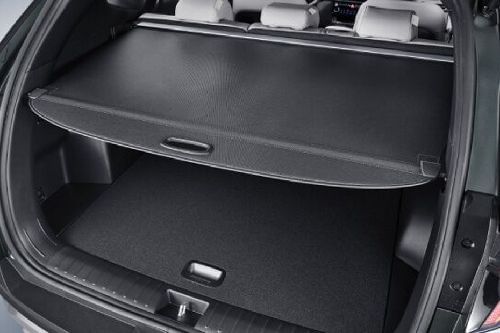
For cargo, both offers are again quite similar in the range of 500-600 liters with rear seats up. Fold the rear seats, and both expand significantly. There is no cavernous space like full-size SUVs, but adequate for families.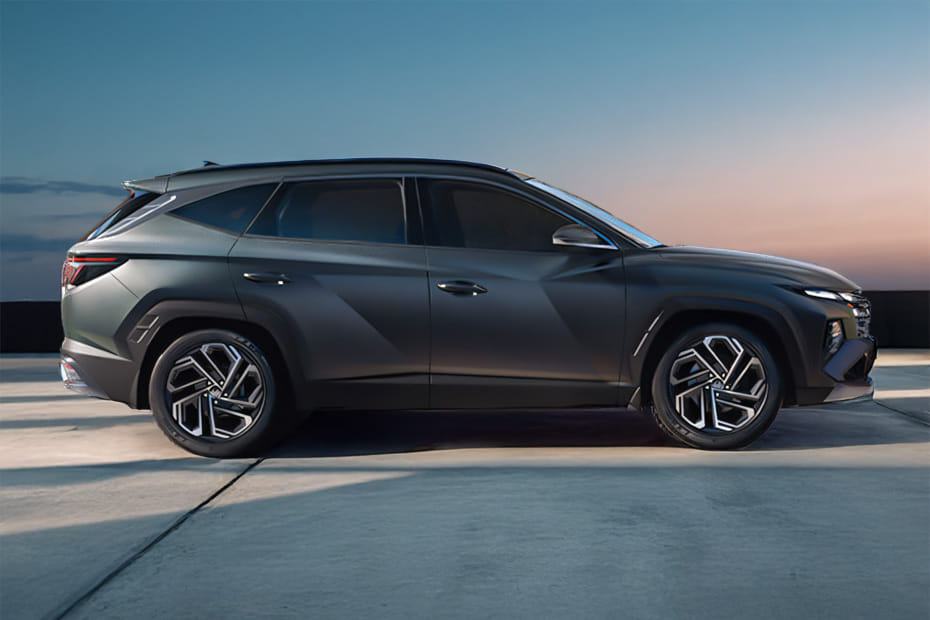
|
Dimension |
Mazda CX-5 |
Hyundai Tucson |
|
Length |
4,630 mm |
4,630 mm |
|
Width |
1,855 mm |
1,865 mm |
|
Height |
1,680 mm |
1,645 mm |
|
Wheelbase |
2,700 mm |
2,765 mm |
|
Ground Clearance |
200 mm (FWD) / 220 mm (AWD) |
210 mm |
|
Seating Capacity |
5 seats |
5 seats |
|
Cargo Space (seats up) |
580 liters |
620 liters |
|
Cargo Space (seats folded) |
1,750 liters |
1,800 liters |
|
Curb Weight |
1,620 kg (FWD) |
1,635 kg |
Safety
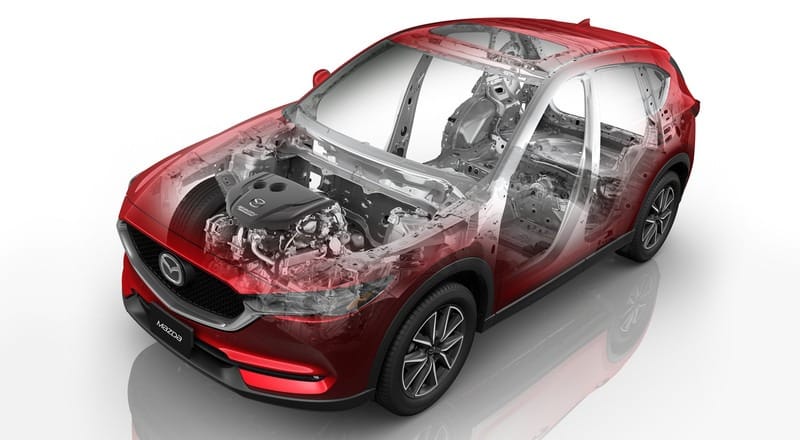
One area that both brands take literally seriously is safety, because Saudi buyers become quite keen to explore safety features, which turns out to be a key buying factor these days. The CX-5 has six airbags that cover the front, side, and curtain positions. Some standard safety features include anti-lock braking, electronic stability control, and hill-start assist. On top trim, there is blind-spot monitoring and rear cross-traffic alert. The SUV is designed in such a way that it takes care of occupants' protection, with a reinforced frame and well-engineered crumple zones.
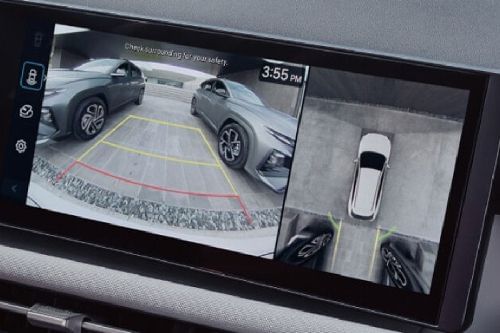
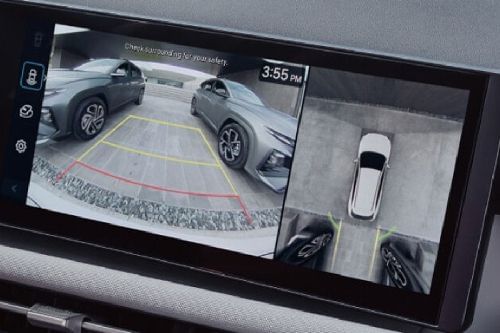
The Tucson matches and exceeds this with seven airbags, including a center airbag for side-impact protection. The 2025 model is provided with adaptive cruise control, lane-keeping assist, autonomous emergency braking with pedestrian detection, and rear cross-traffic alert as standard on most trims. You also get a 360-degree camera system with multiple angles that makes parking and tight maneuvers easier. Hyundai is loading more active safety technology as standard.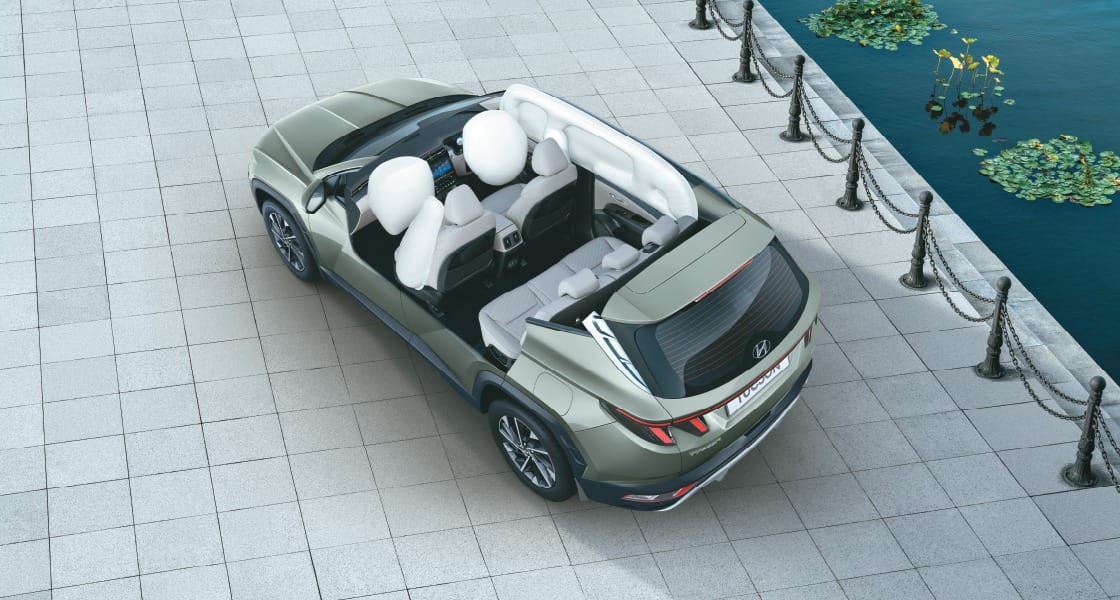
|
Safety Feature |
Mazda CX-5 |
Hyundai Tucson |
|
Airbags |
6-8 airbags |
7-9 airbags with a center airbag |
|
ABS & Stability Control |
Standard |
Standard |
|
Hill Start Assist |
Standard |
Standard |
|
Blind Spot Monitoring |
Optional |
Standard on most trims |
|
Rear Cross Traffic Alert |
Optional |
Standard |
|
Adaptive Cruise Control |
Optional |
Standard on most trims |
|
Lane Keeping Assist |
Optional |
Standard |
|
Autonomous Emergency Braking |
Optional |
Standard on most trims |
|
360-Degree Camera |
Optional |
Available |
|
Parking Sensors |
Optional |
Standard on most trims |
Off-Road Capability
Here's where both prove they're more than just city SUVs, each with distinct capabilities for rough terrain.
The CX-5 is not a serious off-roader, but AWD models handle uneven surfaces competently. If you face genuine dunes or rocky wadis regularly, the CX-5 is manageable but not the most perfect, as it focuses more on highway comfort over extreme terrain capability.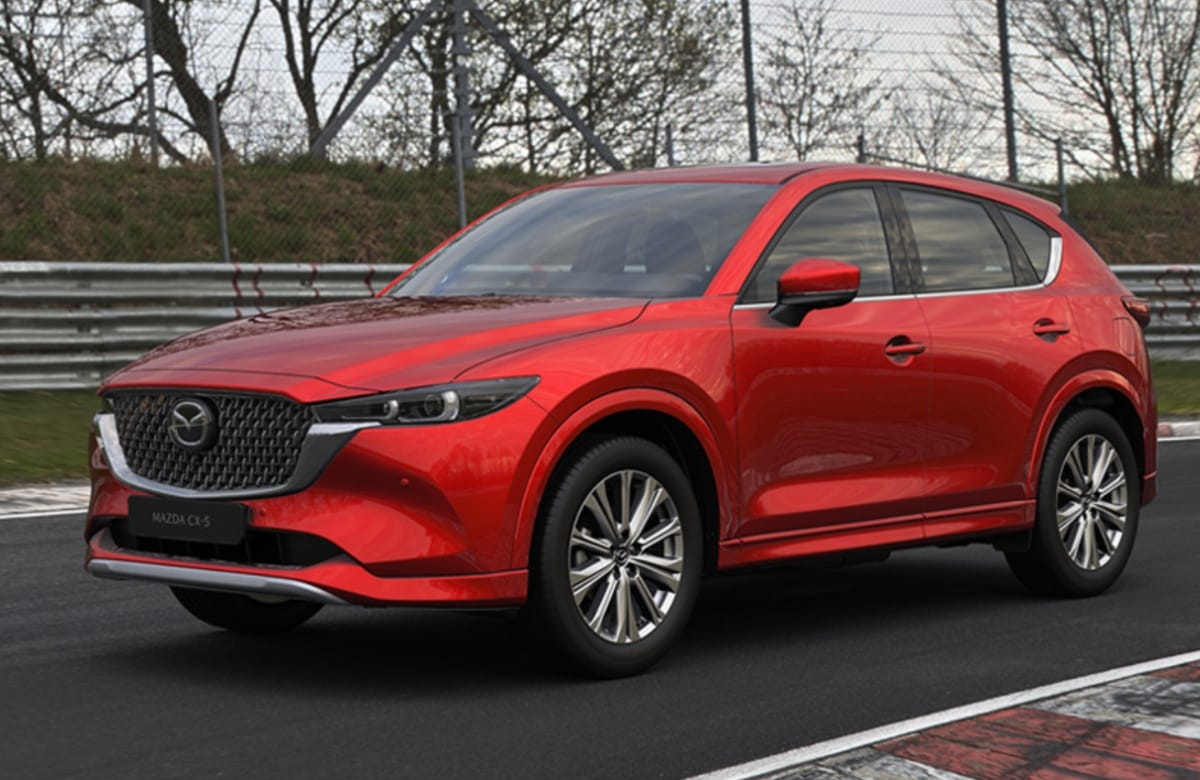
Likewise, Tucson is certainly engineered for hardcore off-roading. The AWD models have decent traction on mixed terrain. The slightly higher ground clearance helps with rougher tracks. For family adventures on established desert tracks and rural roads, the Tucson handles fine. Both SUVs are ideal for delightful nature and enjoying moderate off-road locations; neither has extreme terrain capability.
|
Off-Road Feature |
Mazda CX-5 |
Hyundai Tucson |
|
Drive Type |
FWD/AWD options |
FWD/AWD options |
|
Ground Clearance |
200-220 mm |
210 mm |
|
Approach Angle |
~18 degrees |
~20 degrees |
|
Departure Angle |
~23 degrees |
~25 degrees |
|
Terrain Modes |
None (traditional AWD) |
Terrain select (available models) |
|
Traction Control |
Yes |
Yes |
|
Hill Descent Control |
No |
Optional |
|
Water Fording Depth |
Not rated for water fording |
Not rated for water fording |
|
Off-Road Capability |
Moderate (family trails) |
Moderate (family trails) |
Real-World Driving Experience
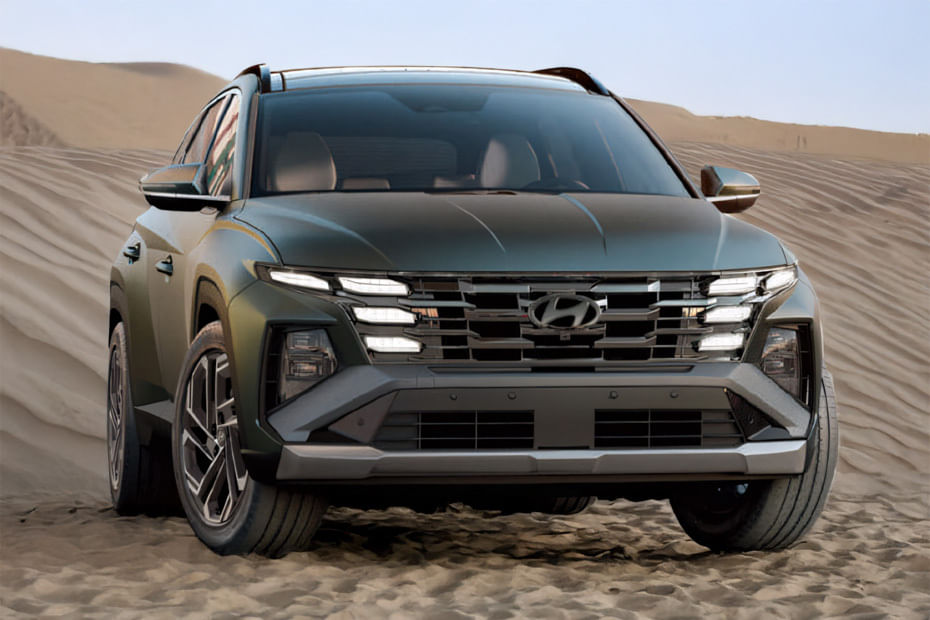
Our driving impression suggests that the CX-5 feels perfectly composed on Saudi roads, while Tucson impresses with its competence and comfort, though it feels more measured. On the highway, the CX-5 scores better with a refined interior, quality materials, and composed suspension that create a genuinely premium experience. While on city roads, we noticed Tucson is a superior choice with its easier-to-manage, lighter steering, and modern touchscreen features, making commuting less tedious.
Reliability and maintenance are core aspects of your ownership, and here both brands are well-known for their strong dealer networks across Saudi Arabia. You’ll get easy access to spare parts for both brands, and the overall service, repair, and ownership experience will be largely hassle-free. Purely on reliability, you will find Japanese brands are better, but honestly, Hyundai is equally good. Also, for both brands, service costs are comparable for petrol versions, with not much difference in standard maintenance intervals.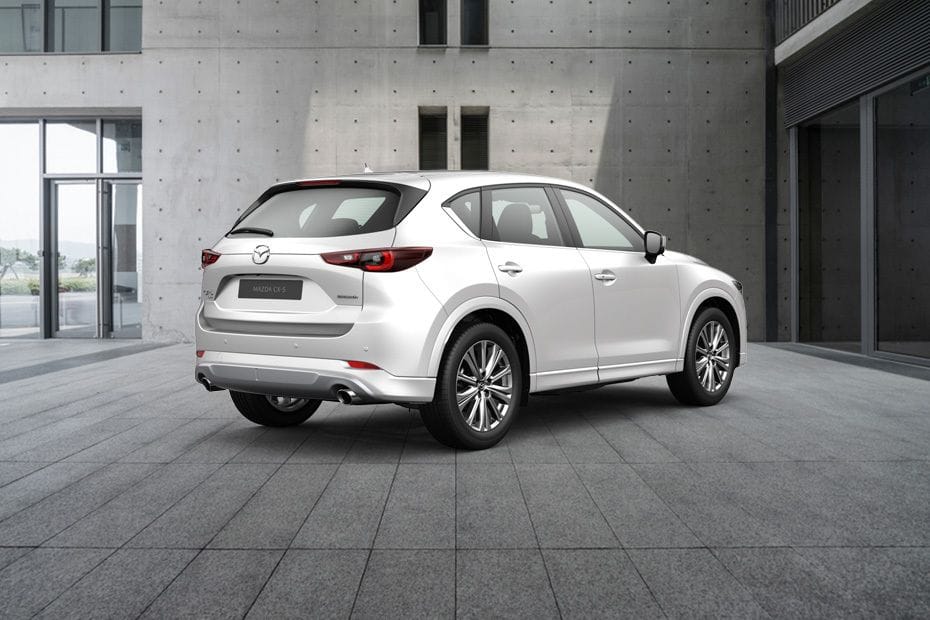
Which One to Choose
Not a simple answer because both the SUVs have their strengths and stand out in equal measures. You can go with the CX-5 if you care about driving quality and material refinement. Let's say you drive regularly, enjoy how an SUV feels on the road, and value a cabin that feels genuinely premium. The CX-5 is the right choice. The lower entry price compared to some competitors is a bonus.
But if you’re a tech and feature aficionado, it's easy to recommend the Tucson. If you enjoy wireless smartphone connectivity, an upright driving position, prefer generous warranty coverage, and value fuel efficiency options, the Tucson is the answer. The hybrid option is genuinely economical for heavy users, or you can check out the Best Chinese SUVs for Saudi Roads in 2025.
Conclusion
This is quite an interesting comparison between two equally strong contenders in the premium mid-size SUV segment in the Saudi Arabian market right now. The Mazda CX-5 and Hyundai Tucson are both solid mid-size SUV choices. Both are reliable, well-known brands and offer driving enjoyment or modern features. Visit both showrooms. Explore them in person, feel the material differences, and take both for test drives on Saudi highways, crowded city roads, and rough roads. How they handle it becomes obvious during real driving, and this will make your decision rather easy based on the experience.
Also, check out Why Sedans Are Losing Ground to Compact SUVs in KSA to choose the best SUV for you.
Dinesh Goluguri

With over 15 years of experience in the automotive world, Dinesh Goluguri bringing hands-on experience and deep market knowledge. Passionate about SUVs, sports cars and luxury vehicles, he combines enthusiasm with expertise in delivering insights that resonate with car buyers and enthusiasts alike. With a special interest in car modifications and upgrades, Dinesh offers a unique perspective that goes beyond standard reviews, highlighting both factory features and customization potential. His work helps readers navigate new launches, features and trends in the dynamic automotive market.
Read Full Bio-
Explore Hyundai Tucson
-
-
Explore Mazda CX-5
-







-
Hyundai Palisade -
Hyundai Tucson -
Hyundai Accent -
Hyundai Elantra -
Hyundai Grand i10 -
Hyundai Creta -
Hyundai Ioniq 3 -
Hyundai Creta Grand -
Hyundai Staria -
Hyundai Kona -
Hyundai Santa Fe -
Hyundai Sonata
-
Hyundai Introduces Exclusive Offers Across Its Lineup in Saudi Arabia

-
Is the Hyundai Tucson a Smart Long-Term Choice for Saudi Buyers?
-
What Is It Really Like to Own a Hyundai Tucson in Saudi Arabia?
-
Which Hyundai Tucson 2025 Variant Is the Best Buy for Saudi Buyers?
-
How Does the Hyundai Tucson Compare Against Its Biggest Rivals in Saudi Arabia?
- News
- Latest
- Popular
-
 Hyundai Ioniq 9Price coming soon
 -
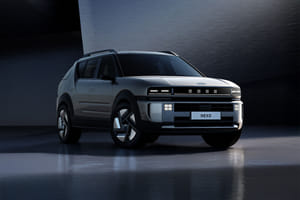 Hyundai NexoPrice coming soon
 -
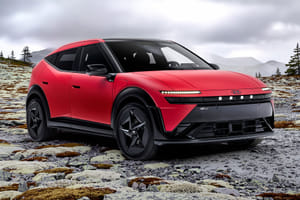 Hyundai Ioniq 3Price coming soon
 -
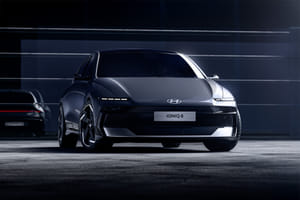 Hyundai Ioniq 6 2026Price coming soon
 -
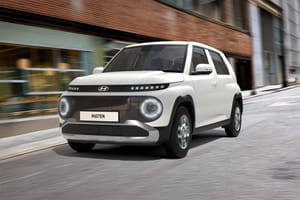 Hyundai InsterPrice coming soon
 -
 Hyundai Kona ElectricPrice coming soon
-
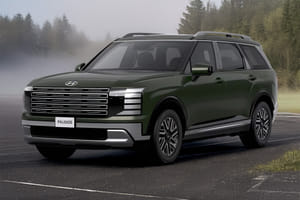 Hyundai PalisadeSAR 242,305 - 242,368
 -
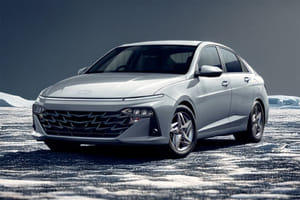 Hyundai AccentSAR 74,209 - 92,373
 -
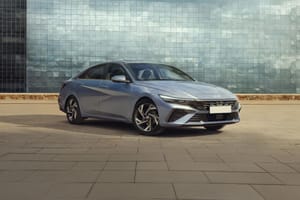 Hyundai ElantraSAR 97,750 - 108,419
 -
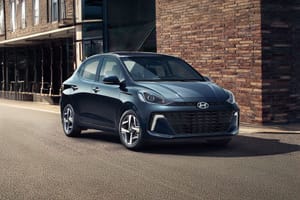 Hyundai Grand i10SAR 51,635 - 56,235
 -
 Hyundai CretaPrice coming soon
|
|
|
|
|
|
Transmission Type
Automatic
|
Automatic
|
Automatic
|
Automatic
|
-
|
|
Engine Displacement
1998
|
1598
|
1998
|
1998
|
-
|
|
Power
153Hp
|
-
|
228Hp
|
224Hp
|
-
|
|
Torque
-
|
-
|
380Nm
|
340Nm
|
-
|
|
|
- Latest
- Upcoming
- Popular
-
 Jeep Grand Cherokee 2026Price coming soon
 -
 Toyota CenturyPrice coming soon
 -
 KIA EV2SAR 148,000
 -
 ZEEKR 9XPrice coming soon
 -
Hyundai Ioniq 9Price coming soon
-
 Mitsubishi PajeroPrice coming soon
-
 Land Rover Range RoverSAR 591,500 - 1.3 Million
 -
 GMC HUMMER EVSAR 579,200 - 725,500
 -
Hyundai PalisadeSAR 242,305 - 242,368
-
 Toyota RaizeSAR 68,827 - 75,497
 -
 Changan UNI-KSAR 141,335
 -
 Hyundai TucsonSAR 103,500 - 162,552