Jetour T2 vs Jaecoo J7 SHS: Off-Road Image vs Urban Comfort Compared

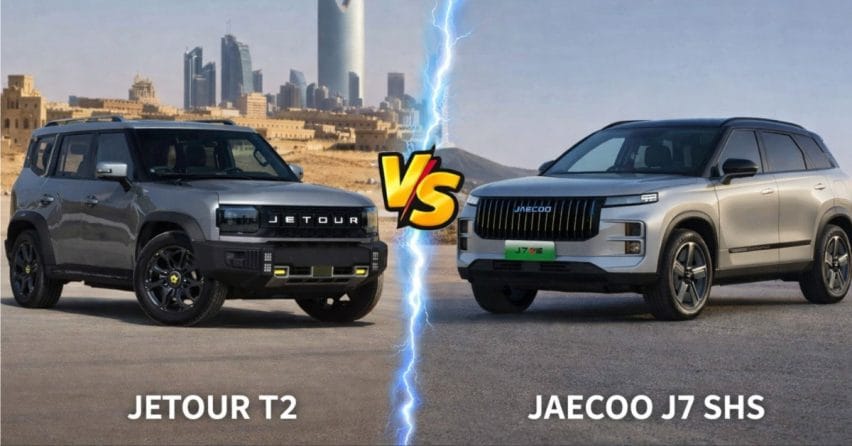
Saudi Arabia: In KSA, the SUV segment keeps expanding, with new players entering the market. Chinese brands have been making serious headway here, offering capable cars at prices that clearly make established names nervous. Two SUVs sitting right in this space are the Jetour T2 and the Jaecoo J7 SHS. Both come from Chery's extended family, but they are meant for very different buyers.
KEY TAKEAWAYS
What is the price of the 2026 Jetour T2 in Saudi Arabia?
The T2 starts at SAR 124,990 and goes up to SAR 139,999.What is the price of the 2026 Jaecoo J7 SHS in Saudi Arabia?
The J7 SHS ranges from SAR 103,385 to SAR 120,635.The T2 positions itself as a rugged, adventure-ready machine with higher ground clearance, a boxy design, and proper 4WD with multiple terrain modes. It suits your weekend trips to the Empty Quarter. The J7 SHS, on the other hand, is different. It's a plug-in hybrid that runs on batteries for your daily commute, then switches to petrol when you need range. The focus is efficiency, smoothness, and tech. It's built for someone who drives 80 km a day in Riyadh traffic and wants to cut fuel bills.
Both SUVs sell for a similar price and promise real value. But they address different needs. To choose between them, you need to understand which problem you actually have in this detailed comparison of key parameters.
The price difference is real; the J7 SHS undercuts the T2 by about SAR 20,000 at the entry point. This price gap is significant when you are considering financing options. Here's the thing, though, to keep in mind. You are not making a fair comparison. The T2 is a pure petrol SUV with 4WD and serious off-road capability. The J7 SHS is a front-wheel-drive plug-in hybrid built for efficiency. The cheaper price reflects the different mission.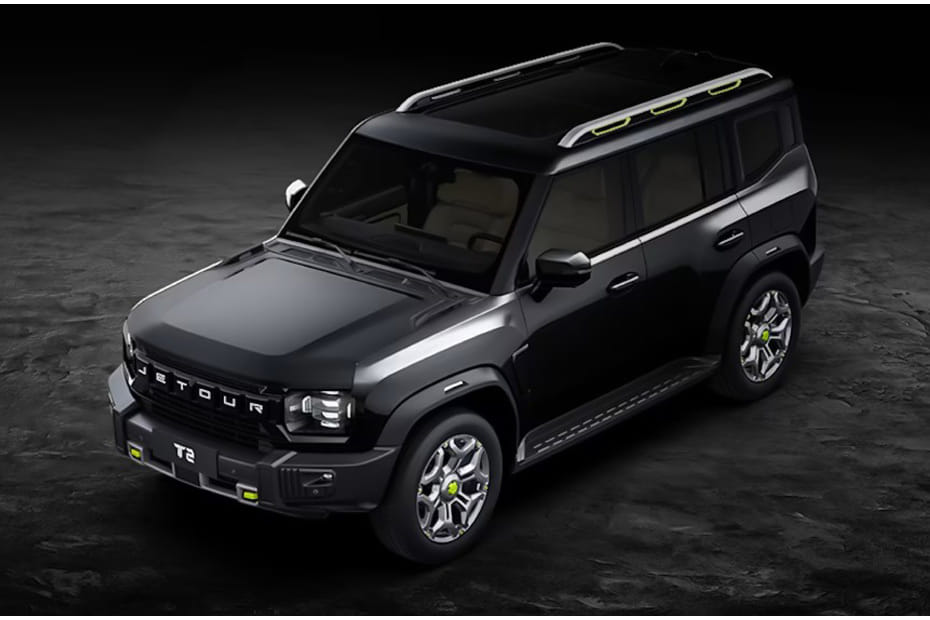
What Makes Each SUV Different
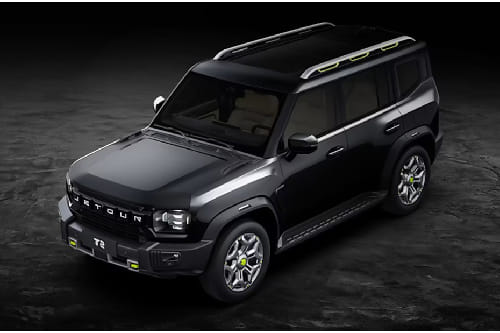
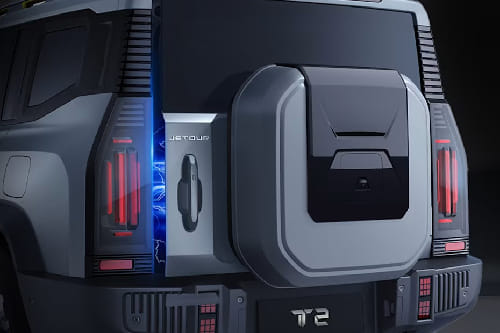
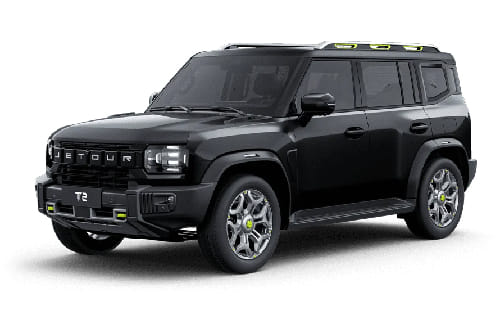
The T2 is all about presence, visible through boxy proportions, the 220 mm of ground clearance, and a rear-mounted spare wheel. It looks like something designed for rough use or those off-road driving adventures. The design language is purposeful, not necessarily attractive; it has sharp angles, a muscular stance, and numerous functional details.
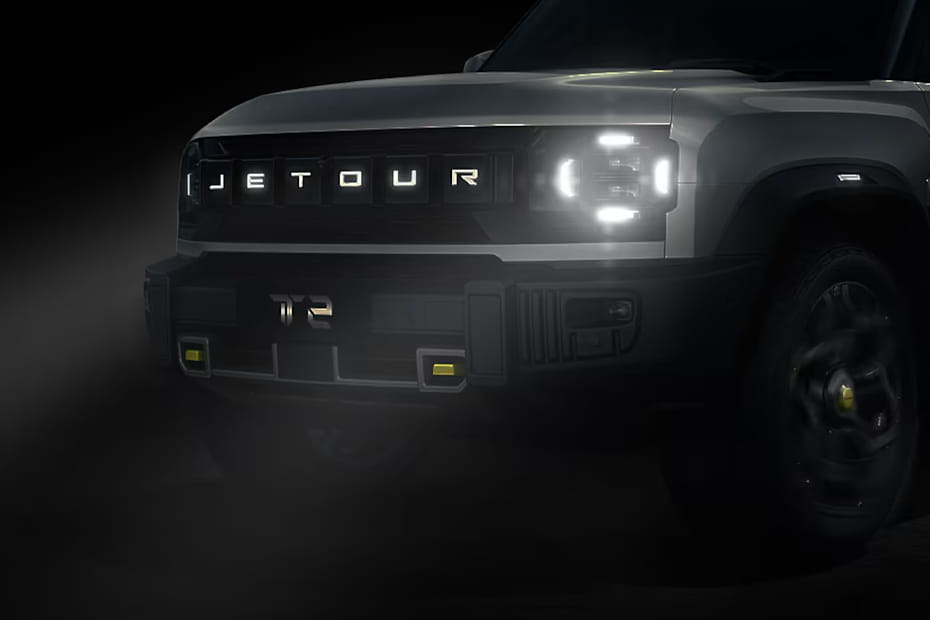
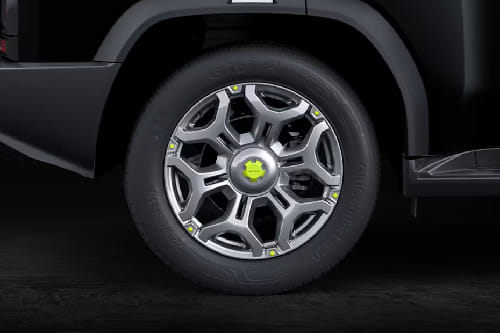
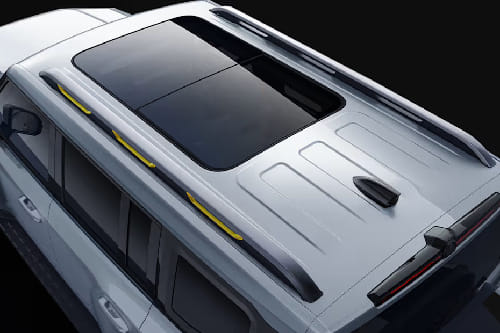
This is Jetour, built to leave pavement; the approach angle is 28 degrees, and the departure is 30 degrees. Those numbers mean something when you are navigating rough terrain or steep inclines. The T2 has roof rails, an expandable tailgate, and full LED lighting. It has 20-inch wheels as standard, and looking at the overall package, you kind of get the impression of superb capability.
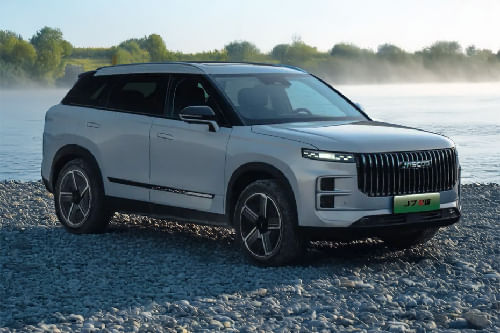
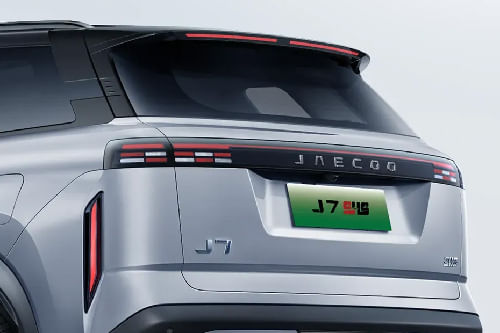
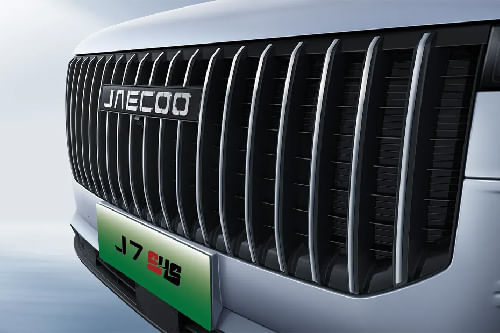
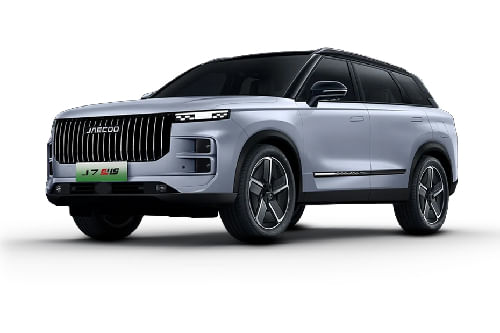
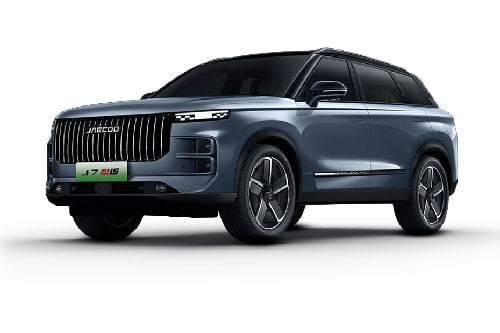
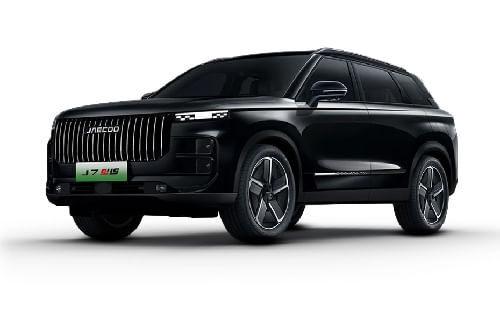
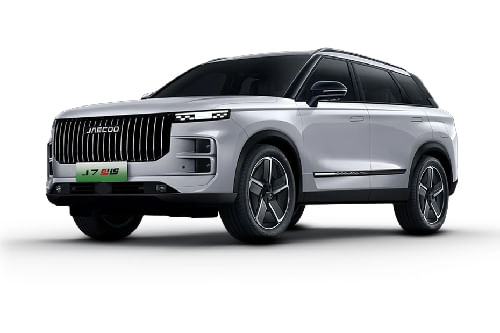
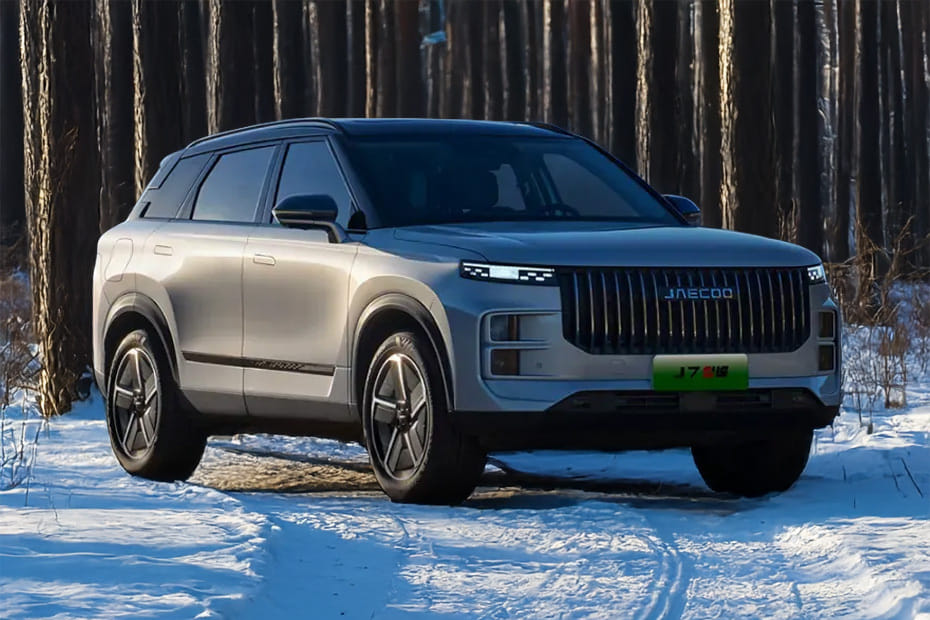
The J7 SHS takes a completely different approach because it is sleeker, more refined, and more urbane. The J7 SHS features a hexagonal waterfall grille, full-width crystal LED taillights, and hidden door handles. Everything is about looking modern and premium, and the J7 wants to fit in luxury parking lots, not stand out in desert camps.
Where the T2 is bold and functional, the J7 is elegant and sophisticated, which is quite clearly differentiated. The J7's design inspiration comes from nature, they say, with flowing lines and careful proportions. It's 200 mm of ground clearance versus 220 mm. That 20mm difference tells you everything about intent.
The T2 is for buyers who want adventure capability even if they rarely use it. The J7 SHS pulls in people who drive a lot, care about fuel costs, and want modern tech. Different crowds entirely.
Price and Variants Comparison
Jetour T2 Variants
|
Variant |
Price (SAR) |
Key Features |
|
Comfort |
124,990 |
2.0L turbo 254 hp, AWD, 15.6-inch screen, 360° camera, ventilated seats |
|
Luxury |
139,999 |
Adds panoramic sunroof, Sony 12-speaker audio, memory seats |
The T2 keeps it simple; there are two variants available, each with the same engine and drivetrain. You are choosing between feature levels. The Comfort at SAR 124,990 is already well-equipped. You get the full power, full 4WD capability, big touchscreen, 360-degree camera, and ventilated seats, and for most Saudi buyers, this package is enough.
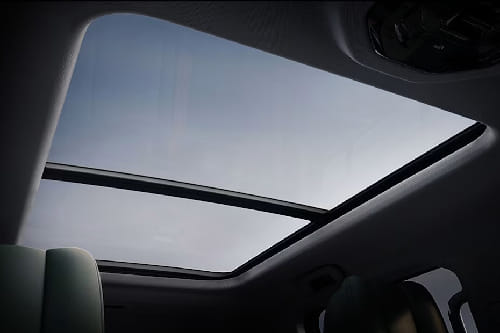
The Luxury at SAR 139,999 gives you additionally the panoramic roof, better audio with the Sony 12-channel system, and some convenience features, like memory seats. It's a SAR 15,000 premium for nice-to-haves, not need-to-haves.
Jaecoo J7 SHS Variants
|
Variant |
Price (SAR) |
Key Features |
|
Elite |
103,385 |
1.5L turbo hybrid, 255 kW combined, FWD, 14.8-inch screen, Sony audio, 90km EV range |
|
Adventure |
120,635 |
Adds panoramic sunroof, advanced ADAS, power tailgate |
The J7 SHS also has two variants. Elite at SAR 103,385 gives you the full hybrid system, the electric range, and the tech. It's remarkably well-equipped at this price. The 14.8-inch screen, Sony sound system, wireless charging, and HUD are all standard.
Adventure at SAR 120,635 steps up safety with more ADAS features like forward collision warning, lane departure warning, and adaptive cruise and extra convenience items like the power tailgate and panoramic sunroof. The SAR 17,250 difference buys you peace of mind and comfort.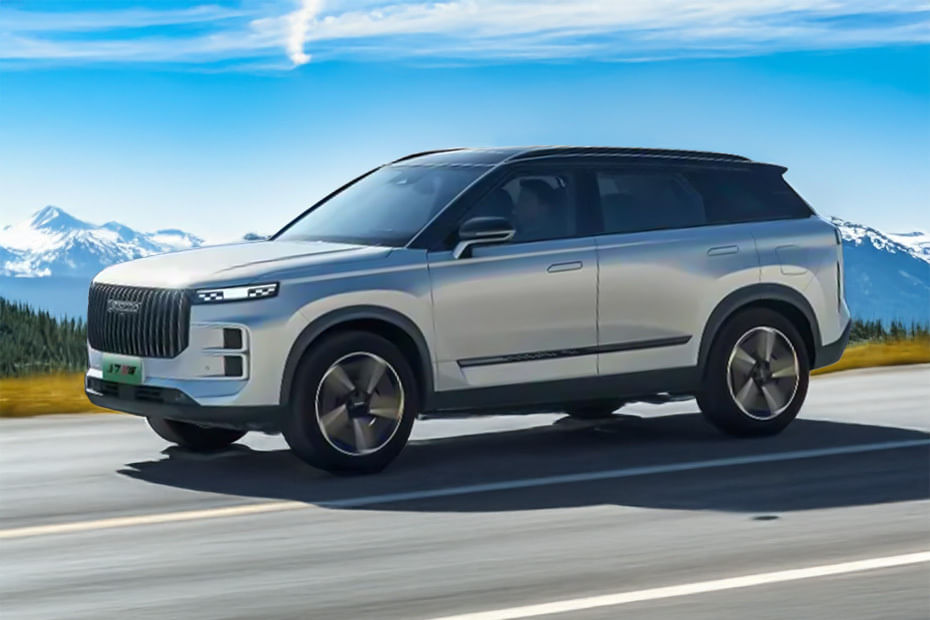
Value Breakdown
The T2 Comfort is priced at SAR 124,990, while the J7 SHS Elite costs SAR 103,385: the J7 saves you SAR 21,605 upfront. But you are trading 4WD for FWD, petrol for a hybrid, and capability for efficiency.
T2 Luxury at SAR 139,999 vs J7 SHS Adventure at SAR 120,635: The J7 still saves you SAR 19,364. At these prices, both are loaded with features. Your choice is really about what you need the vehicle to do.
Both variant structures are valid. The T2 focuses on capability over features. The J7 offers efficiency and tech first, with Adventure adding safety for families.
Dimensions Comparison
|
Dimension |
Jetour T2 (mm) |
Jaecoo J7 SHS (mm) |
|
Length |
4,785 |
4,500 |
|
Width |
1,906 |
1,865 |
|
Height |
1,880 |
1,680 |
|
Wheelbase |
2,800 |
2,672 |
|
Ground Clearance |
220 |
200 |
|
Boot Space |
550L |
455L |
The T2 is bigger in every dimension that matters. It's 285 mm longer, 141 mm wider, and 200 mm taller. That's a substantial size difference. On the road, you feel it; the T2 has more presence, takes up more space, and feels more substantial.
But 'bigger' actually means different things to different people. In tight Riyadh parking, the J7's smaller footprint is an advantage. The T2's extra length can be a hassle.
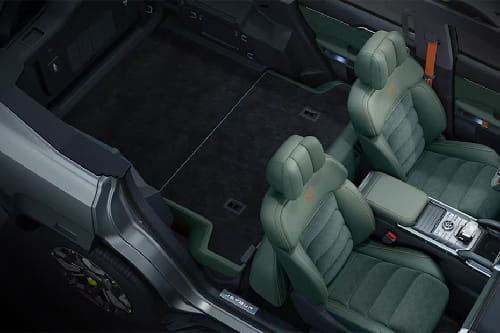
The wheelbase tells the interior space story. The T2's 2,800 mm wheelbase gives genuinely spacious rear seats. Three adults fit comfortably. The J7, with a wheelbase of 2,672 mm, is adequate but offers less space, tightening it for three adults seated across.
As far as ground clearance is concerned, this is where the T2 flexes. 220 mm versus 200 mm. That extra 20 mm matters when you are crawling over rocks or navigating deep sand. The J7 has enough clearance for rough roads and wadi crossings, but it's not designed for serious off-roading.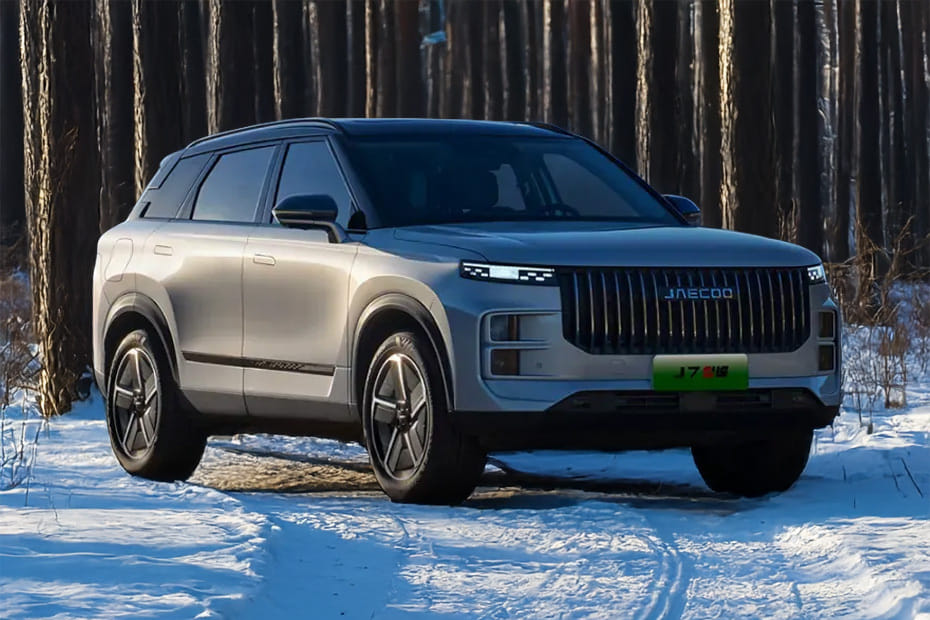
Bootspace favours the T2, at 550 litres. The J7's 455 litres can still handle family needs, but the difference is noticeable when you're packing for a weeklong trip. The J7's battery pack eats into cargo volume; there's no free lunch with hybrids.
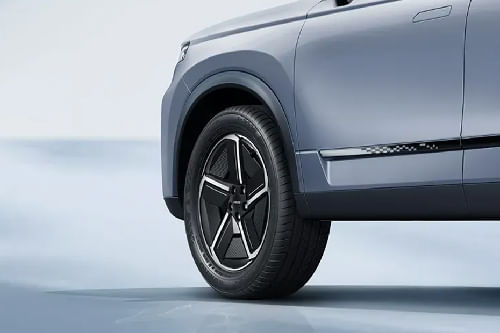
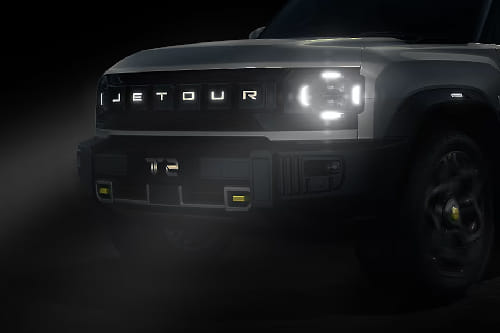
As far as exterior design goes, the T2's boxy shape maximises interior volume and gives it an adventurous look. The J7's flowing design is more aerodynamic, which helps efficiency, and LED lighting is standard on both. The T2 uses matrix LEDs; the J7 has those crystal array taillights. Both look modern, just in different ways.
Powertrain Comparison
This is where the fundamental difference lives.
|
Engine Type |
Jetour T2 |
Jaecoo J7 SHS |
|
Engine |
2.0L turbo 4-cyl |
1.5L turbo 4-cyl. + electric motor |
|
Power Output |
251 hp |
342 hp combined |
|
Torque |
390 Nm |
525 Nm combined |
|
Transmission |
7-speed DCT |
DHT (Dedicated Hybrid) |
|
Drivetrain |
AWD with terrain modes |
FWD |
|
Battery |
None |
18.3 kWh LFP |
|
EV Range |
N/A |
90 km |
|
Combined Range |
~750 km |
1,200 km |
|
Fuel Economy |
14.8 km/L |
30.3 km/L (NEDC) / 16.67 km/L engine-only (WLTC) |
The T2's 2.0-litre turbo makes 251 hp and 390 Nm. It pulls well and confidently handles highway speeds. The 7-speed dual-clutch shifts quickly; you feel the shifts, but it's responsive. Real-world fuel economy sits around 14.8 km/L mixed, 17 km/L highway, and 12 km/L city. The range is about 750 km.
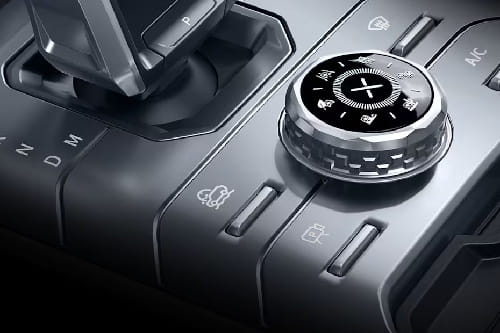
The big deal is the 4WD system. Selectable modes, Sand, Mud, and Snow, adjust throttle, transmission, and torque distribution. On sand, it works. The system manages wheel slips intelligently.
The J7 SHS is completely different. The plug-in hybrid combines a 1.5-litre turbo with 215 Nm and an electric motor (150 kW, 310 Nm). Combined output: 255 kW (342 hp) and 525 Nm. On paper, this combination is significantly more powerful.
But that power feels different; instant electric torque means the J7 jumps off the line, 0-100 km/h in 8.5 seconds. The DHT transmission is smooth, and there is no gear hunting and no shift shock.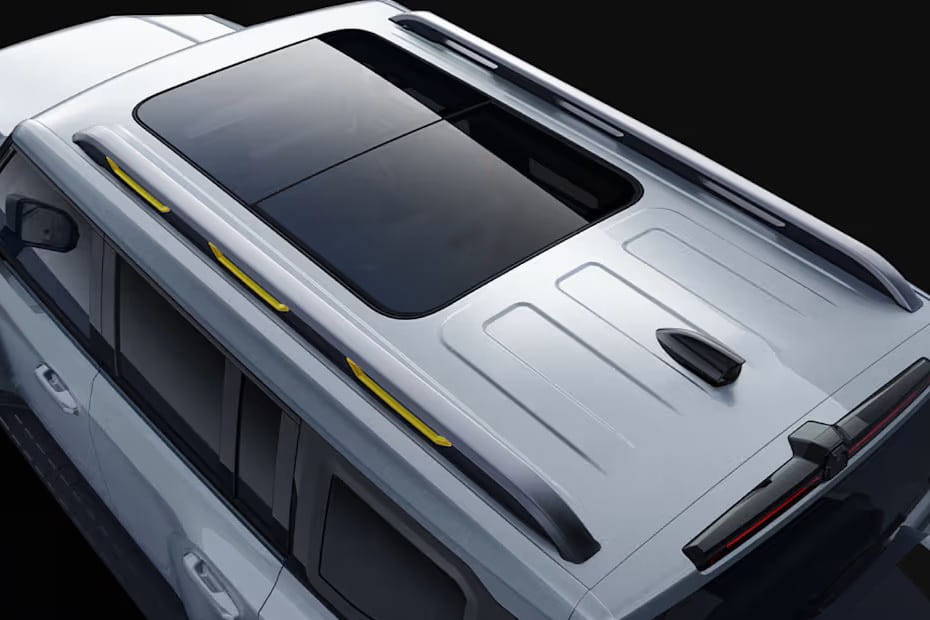
The 18.3 kWh battery gives 90 km of pure electric range. Your daily commute is covered without fuel. For someone driving 80 km daily in the city, you could run weeks between fuel stops. Plug in at night: 20 minutes on a fast charger, 4 hours on a regular outlet.
Engine-only driving claims ~16.7 km/L (real-world WLTC equiv.). The combined consumption is 30.3 km/L (NEDC), according to optimistic lab numbers, but real-world results hit 20–25 km/L. Total range with full battery and tank: 1,200 km — Riyadh to Jeddah and back without refuelling.
The catch, if you call it that, is that it has only front-wheel drive. For paved Saudi roads, FWD is fine. But if you want off-road use, even light trails, the J7 isn't the tool. The battery pack sits low, risking damage on rocks. No rear-wheel power means it will struggle in deep sand. The J7 handles dirt roads and light gravel, but that's the limit.
Features Comparison
Exterior
|
Feature |
Jetour T2 |
Jaecoo J7 SHS |
|
Headlights |
Matrix LED with DRLs |
Crystal LED with DRLs |
|
Wheels |
20-inch alloy |
18-inch alloy |
|
Design |
Boxy, rugged, adventure-oriented |
Flowing, refined, urban-oriented |
|
Special Elements |
Roof rails, spare wheel, expandable tailgate |
Hidden door handles, full-width LED taillights |
The T2 looks ready for adventure. The J7 looks ready for valet parking. Both are well executed for their respective missions.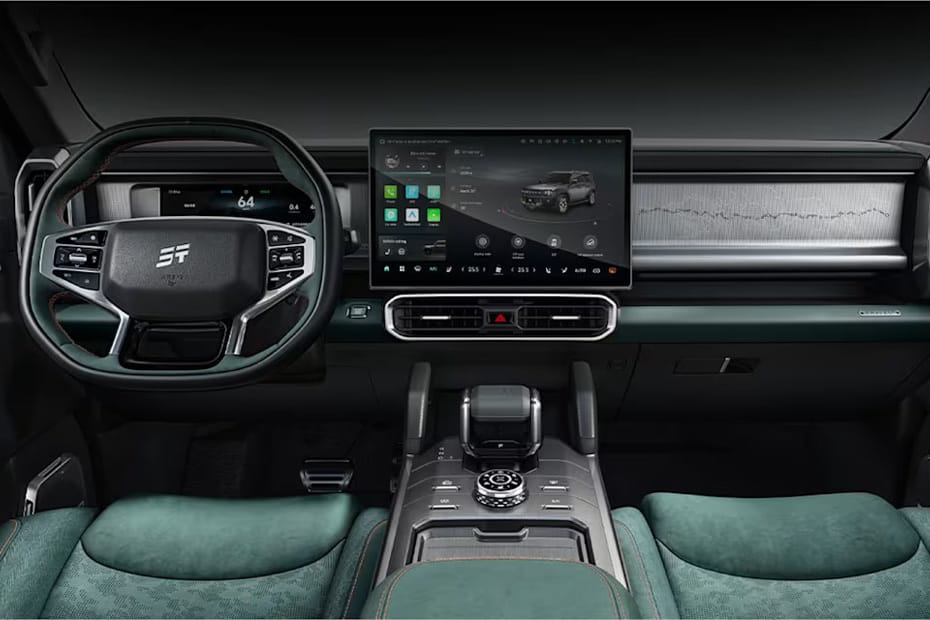
Interior
|
Feature |
Jetour T2 |
Jaecoo J7 SHS |
|
Seats |
Leather, ventilated front, 5-seater |
Leather, ventilated front, 5-seater |
|
Screen |
15.6-inch touchscreen |
14.8-inch touchscreen |
|
Instrument Cluster |
12.3-inch digital |
Digital cluster |
|
Climate Control |
Dual-zone automatic |
Dual-zone automatic |
|
Audio |
Sony 12-channel (Luxury) / 11-speaker (Comfort) |
Sony premium system |
|
Special Features |
Wireless charging, ambient lighting |
HUD, wireless charging, ambient lighting |
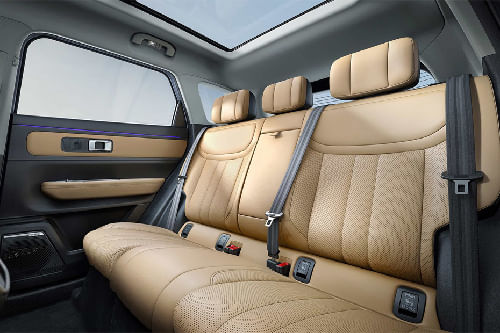
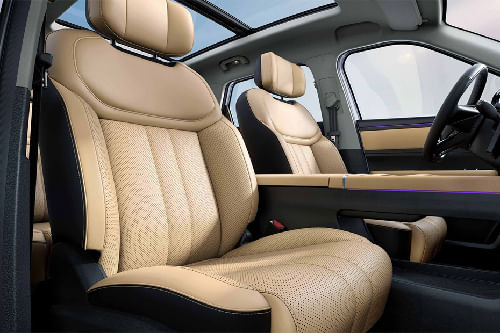
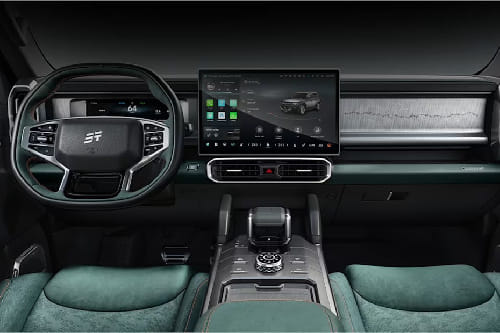
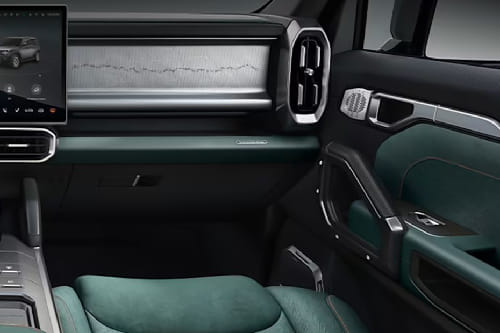
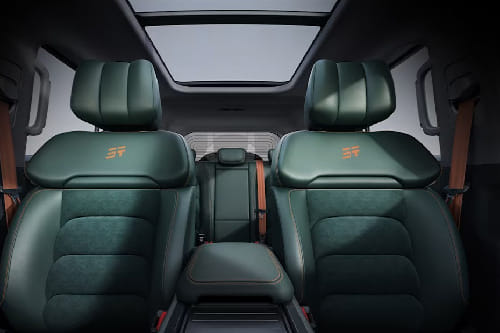
Interior quality is comparable; both use decent materials, have modern layouts, and both feel more upscale than their prices suggest. The T2's cabin is more spacious thanks to the larger dimensions. Rear legroom is genuinely better; the J7's cabin feels more premium in detailing, with better fit and finish.
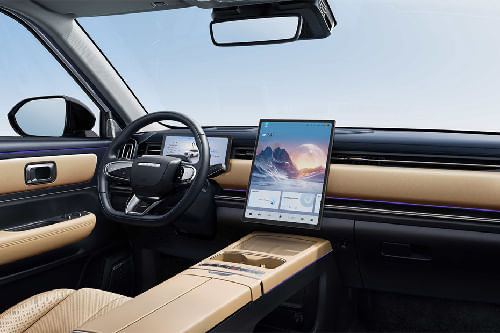
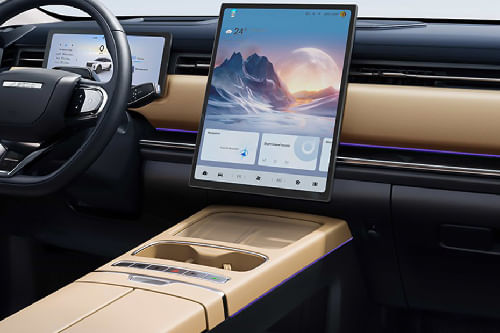
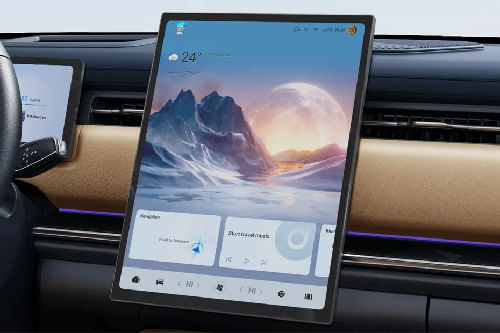
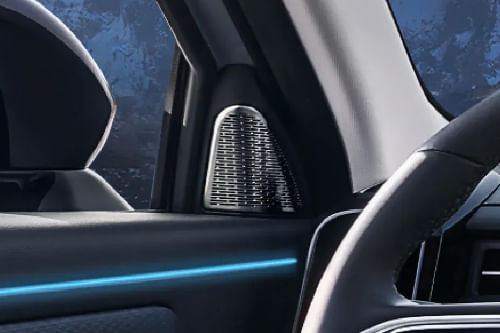
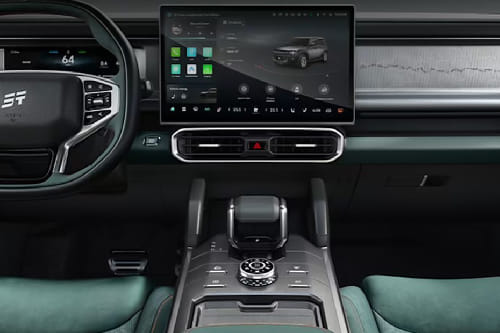
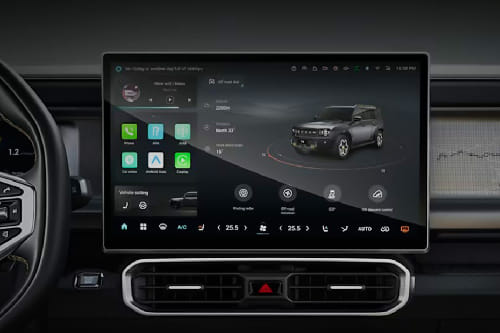
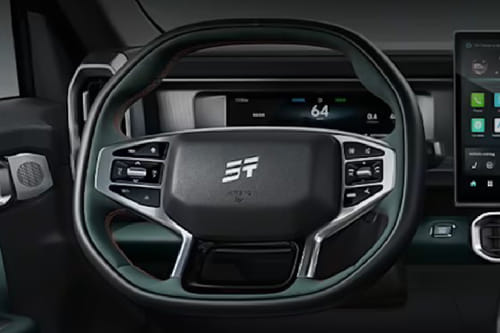
The T2's 15.6-inch screen is slightly larger. Both run on modern processors; the J7 uses Snapdragon 8155; the T2 uses a similar chipset. This makes the Chinese brands far more advanced and sophisticated. Both support Apple CarPlay and Android Auto. Both have decent voice control, though neither is brilliant.
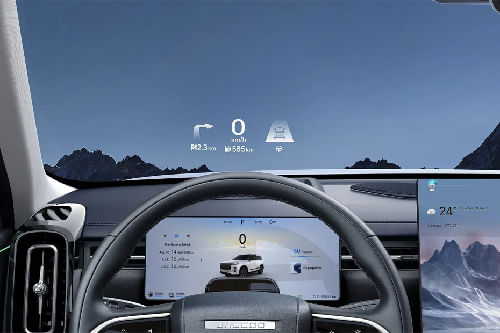
One big difference is that the J7 SHS includes a head-up display (HUD) standard, which the T2 doesn't offer even on the luxury variants. For highway driving, the HUD is genuinely useful and is slowly gaining favour in most brands' lineups in the Best Family Suv Segment.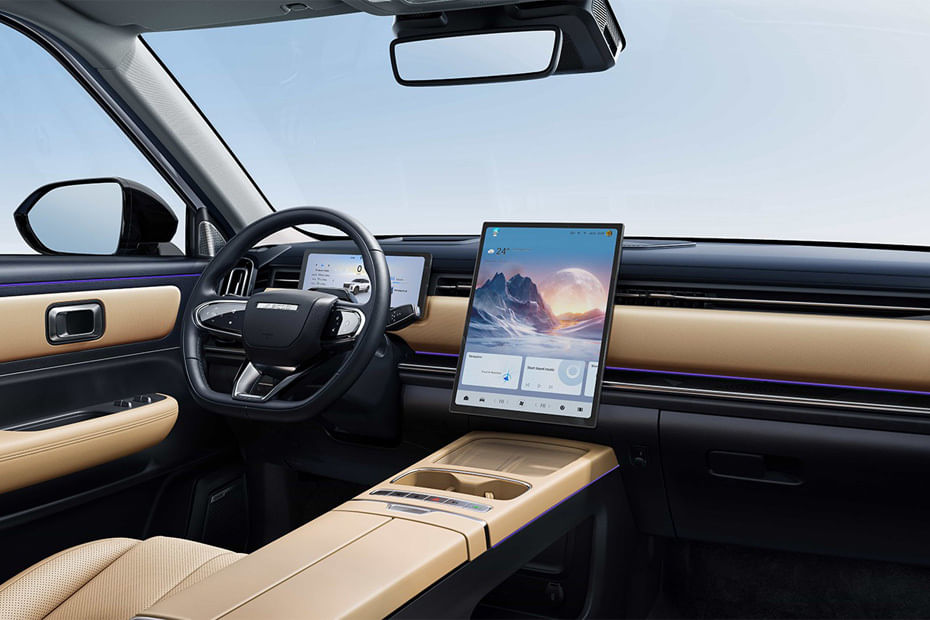
Safety
|
Feature |
Jetour T2 |
Jaecoo J7 SHS |
|
Airbags |
6 airbags |
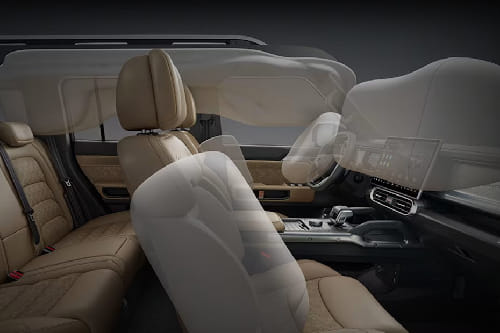
6+ airbags |
|
Active Safety |
ABS, ESC, traction control, hill hold, hill descent |
ABS, ESC, traction control, hill start assist |
|
Driver Assist |
360° camera, parking sensors |
360° camera, parking sensors, blind spot warning, rear cross traffic alert |
|
Advanced ADAS |
Basic (Comfort) / Available (Luxury) |
Elite has basics, and Adventure adds lane departure, collision warning, adaptive cruise |
Both meet GCC safety standards, and they scored well in internal testing. Neither has been independently crash-tested by Euro NCAP or similar bodies yet, which is typical for Chinese brands at this price point.
The T2's safety focus is on off-road scenarios. Hill descent control manages steep declines automatically. Hill hold prevents rollback. The 360-degree camera is vital when navigating tight trails.
The J7 SHS Adventure variant gets serious about active safety. It incorporates features such as forward collision warning, automatic emergency braking, lane departure warning, and adaptive cruise control. For families, these features matter more than terrain modes.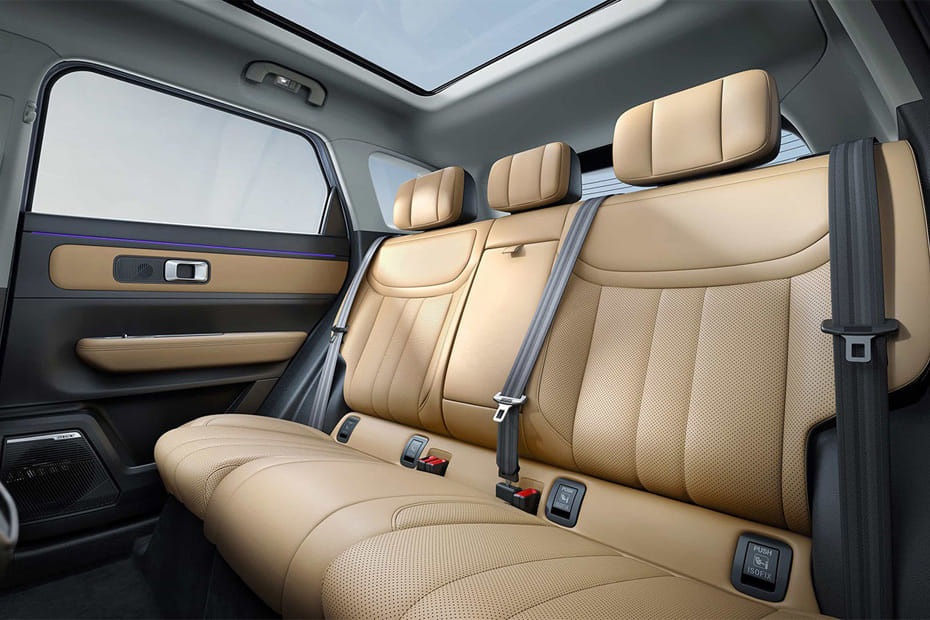
What Makes Them Work in Saudi Arabia
The T2 undercuts the Toyota Fortuner by SAR 20,000 while offering a similar size and more tech. But resale value matters here. Toyota holds 70–80% after three years. Do Chinese SUVs have strong resale in Gulf markets? Around 60-70%. That gap costs you real money when you sell.
Service networks are the other concern. Jetour has showrooms in Riyadh, Jeddah, and Khobar. The warranty is aggressive: 10 years or 1 million km. But a warranty works only if service centres exist when you need them. Parts cost more than Japanese equivalents because there's less scale. Still, owners report the T2 handles desert terrain well, the sand mode works, and the 4WD is exciting. It's not a Patrol, but it's competent for moderate off-roading.
The J7 SHS sells based on economics. At 25,000 km per year, typical for Riyadh commuters, the math is clear. The T2 burns SAR 4,223 in fuel annually. The J7 running mostly electric costs about SAR 3,500, saving SAR 723 yearly, or SAR 3,615 over five years. At 40,000 km annually, savings jump to SAR 1,960 yearly, nearly SAR 10,000 over five years. That's when the hybrid makes the most sense.
On more practical terms, both SUVs handle Saudi heat fine. The J7's battery has cooling for Gulf conditions. In Riyadh traffic, the electric mode beats a turbocharged engine. Silent, smooth, instant torque. The T2's advantage shows on weekends, camping trips, dune bashing, and wadi exploration. The J7 can't do any of that. Maintenance runs similarly to other Chinese car maintenance and Servicing; the routine service costs SAR 600-800 for both. The J7's regenerative braking saves on brake replacements. The battery has a 10-year warranty, and the insurance runs 5–7% of the value for both.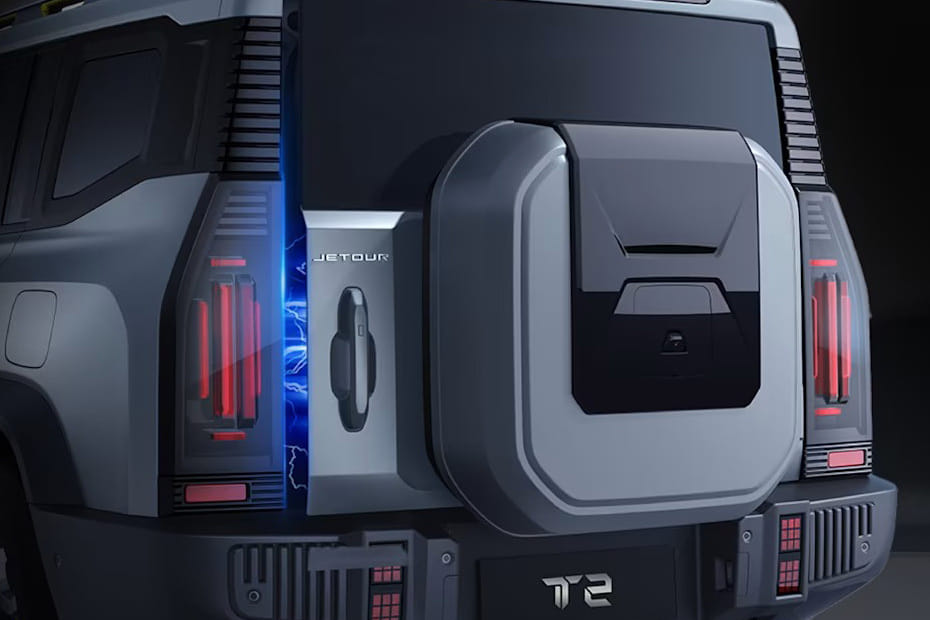
Conclusion
These are not cross-shopping SUVs unless you are not really sure what you need from your next SUV. So, consider the T2 if you actually want off-road capability, carry loads regularly, need the space, or want that rugged presence. The T2 Comfort at SAR 124,990 delivers full capability and good features. But be honest, if you never leave the pavement, the extra fuel costs over five years could fund a vacation instead.
The J7 SHS could be your pick if you drive a lot in the city, fuel costs bother you, you can charge at home, or you want smooth operation. The Elite at SAR 103,385 offers impressive value. But understand its limits. Front-wheel drive and a low-mounted battery mean the Elite is a pavement SUV. Light dirt roads work; serious trails don't.
The J7 SHS makes more financial sense for most Saudi buyers who do 90% of their driving in the city with occasional highway trips. The fuel savings are real, and so is the smoothness. The T2 is the better choice for buyers who truly need SUV capabilities, such as desert trips, towing, and 4WD peace of mind.
So here is basic personalisation; the T2 is about what you can do, while the J7 is about what you actually do daily. Neither is perfect, like anything in life. But they are different answers to different questions. Take a call based on your need, and head to the brand's showroom in your city to take them for a test drive, which should help you know them well after you read all the details through this review.
Dinesh Goluguri

With over 15 years of experience in the automotive world, Dinesh Goluguri bringing hands-on experience and deep market knowledge. Passionate about SUVs, sports cars and luxury vehicles, he combines enthusiasm with expertise in delivering insights that resonate with car buyers and enthusiasts alike. With a special interest in car modifications and upgrades, Dinesh offers a unique perspective that goes beyond standard reviews, highlighting both factory features and customization potential. His work helps readers navigate new launches, features and trends in the dynamic automotive market.
Read Full Bio










-
Jaecoo J7 SHS -
Jaecoo J5 -
Jaecoo J8 -
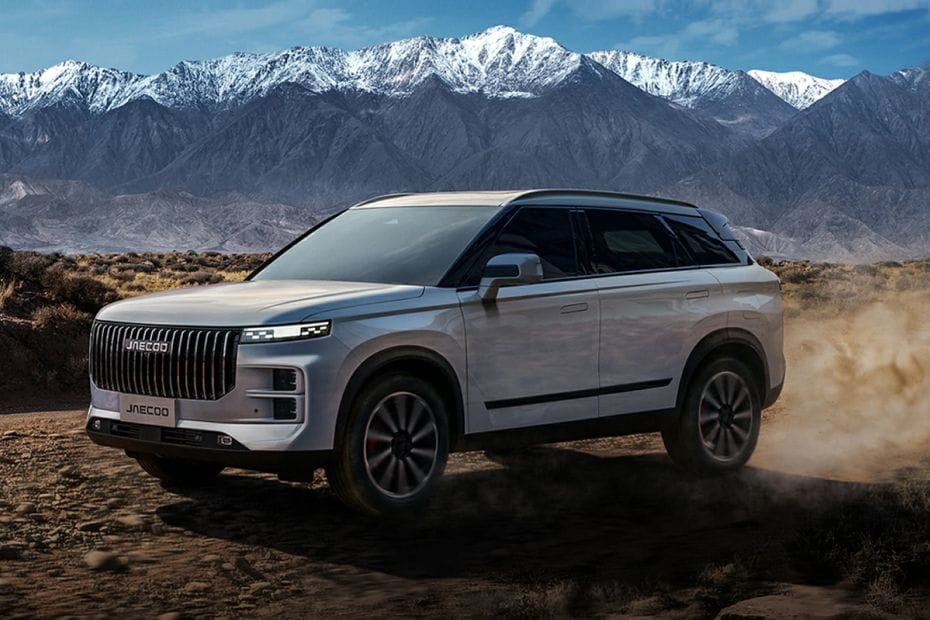
Jaecoo J7
- News
- Popular
|
|
|
|
|
|
Transmission Type
Automatic
|
Automtic
|
Automatic
|
Automtic
|
Automatic
|
|
Engine Displacement
1498
|
1498
|
1498
|
-
|
-
|
|
Power
-
|
201Hp
|
265
|
201Hp
|
214Hp
|
|
Torque
-
|
310Nm
|
-
|
310Nm
|
310Nm
|
|
|
- Latest
- Upcoming
- Popular
-
 Jeep Grand Cherokee 2026Price coming soon
 -
 Toyota CenturyPrice coming soon
 -
 KIA EV2SAR 148,000
 -
 ZEEKR 9XPrice coming soon
 -
 Hyundai Ioniq 9Price coming soon
 -
 Mitsubishi PajeroPrice coming soon
-
 Land Rover Range RoverSAR 591,500 - 1.3 Million
 -
 GMC HUMMER EVSAR 579,200 - 725,500
 -
 Hyundai PalisadeSAR 242,305 - 242,368
 -
 Toyota RaizeSAR 68,827 - 75,497
 -
 Changan UNI-KSAR 141,335
 -
 Hyundai TucsonSAR 103,500 - 162,552