Chevrolet Captiva PHEV 2026: Electrified Variant Expands Captiva Lineup in Saudi Arabia

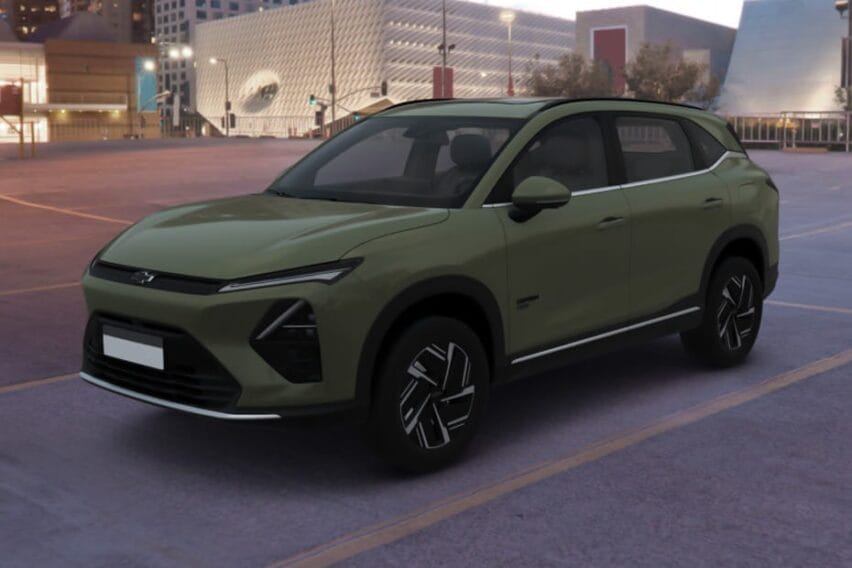
Taking advantage of the swift growth in Saudi Arabia’s hybrid and electric market, the American brand brings in its 2026 Chevrolet Captiva PHEV. A plug-in hybrid technology for Chevrolet’s compact SUV lineup, it combines a 1.5L petrol engine with a 20.5 kWh battery for 201 hp total output and promises an impressive 1,000‑plus km range. Right now available in two variants, LT and Premier, this five‑seater SUV has three drive modes (EV, HEV, and EV MAX). Prices are not yet officially revealed, but it may be an option for buyers looking at the Toyota RAV4 Prime, the BYD Song Plus DM‑I, and the Geely Emgrand X7 PHEV. The key standout element of this plug-in hybrid SUV is its flexibility to run on electric for city driving or petrol for longer trips.
KEY TAKEAWAYS
What are the powertrain details of the Captiva PHEV?
It gets a 1.5L petrol engine, electric motor, dual‑clutch gearbox, and 20.5 kWh battery, producing 201 hp and 310 Nm.Does the PHEV make financial sense over the regular Captiva in Saudi Arabia?
It depends on actual electricity costs and driving patterns.How will PHEV resale value compare to a regular Captiva?
The resale value of hybrids in Saudi Arabia is currently unknown and unproven, particularly for Chinese‑built Chevrolets.What's Different
The Captiva PHEV is not just the regular Captiva with a battery slapped on. Think of it as a complete SUV built on an updated platform.
Powertrain changes: The regular Captiva uses a 1.5L turbo with CVT making 144 hp. The PHEV combines a 1.5L engine with an electric motor and a 20.5 kWh battery for a combined output of 201 hp and 310 Nm torque. That means about 57 hp more power.
Seating configuration: Here is another big change. While the regular Captiva seats seven, the PHEV only seats five. If you need seven seats, this model is not the right choice. This should be clear upfront before you actually plan to explore a PHEV.
Electric‑only range: According to Chevrolet, it has approximately 100 km of electric‑only driving, though real‑world results will vary. That covers most daily commutes in Riyadh or Jeddah without using petrol. And this is a real deal for this car; it makes a lot of economic sense as well, and you don’t really have to get into range anxiety issues. Serving a dual purpose for regular Saudi car owners, perhaps every PHEV car has this advantage. If the usage is mostly city, or occasional Weekend Road Trips from Riyadh, it is a great choice.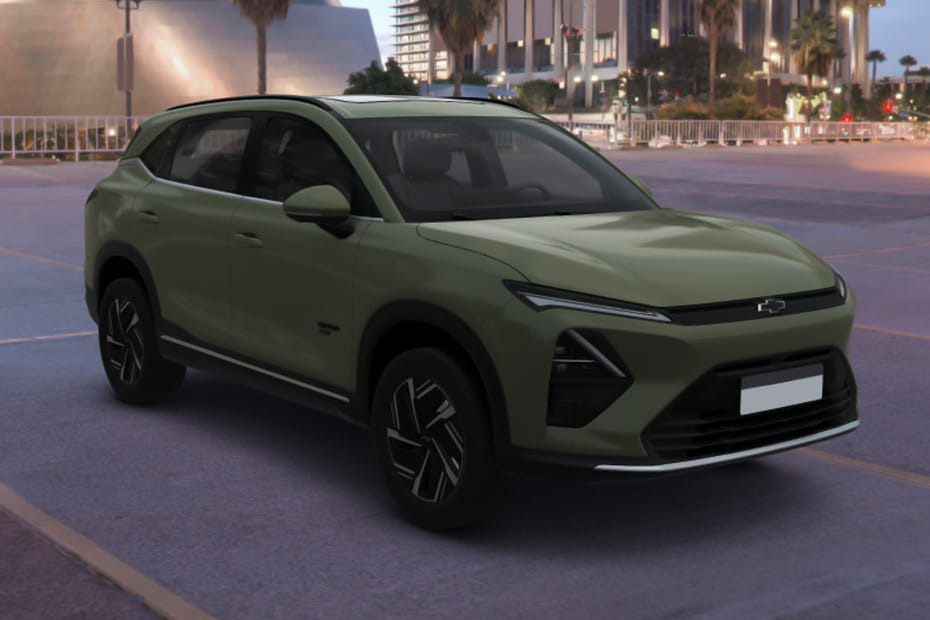
Charging options
- Level 1: Portable charger with 2.1 kW; takes about 6 hours from 30% to 100%.
- Level 2: At‑home or public charger with 3.3 kW, takes nearly 4 hours from 30% to 100%.
- DC fast charging: 24 kW, less than 45 minutes to 80% charge.
Drive modes: Three modes allow you to choose based on your driving needs:
- EV: Electric only, until battery power is available.
- HEV mode: Hybrid operation; the system decides when to use electric vs petrol.
- EV MAX mode: It prefers electric power and uses petrol only when necessary.
There are four performance settings you can take advantage of: ECO, ECO+, Standard, and Sport. That’s a lot of buttons to understand, but you can quickly get used to it.
Exterior
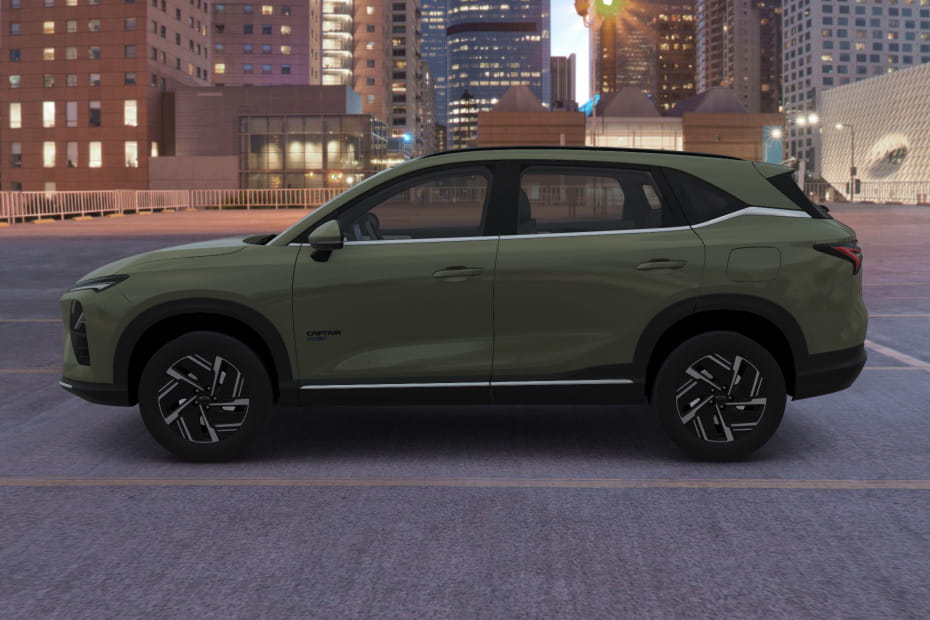
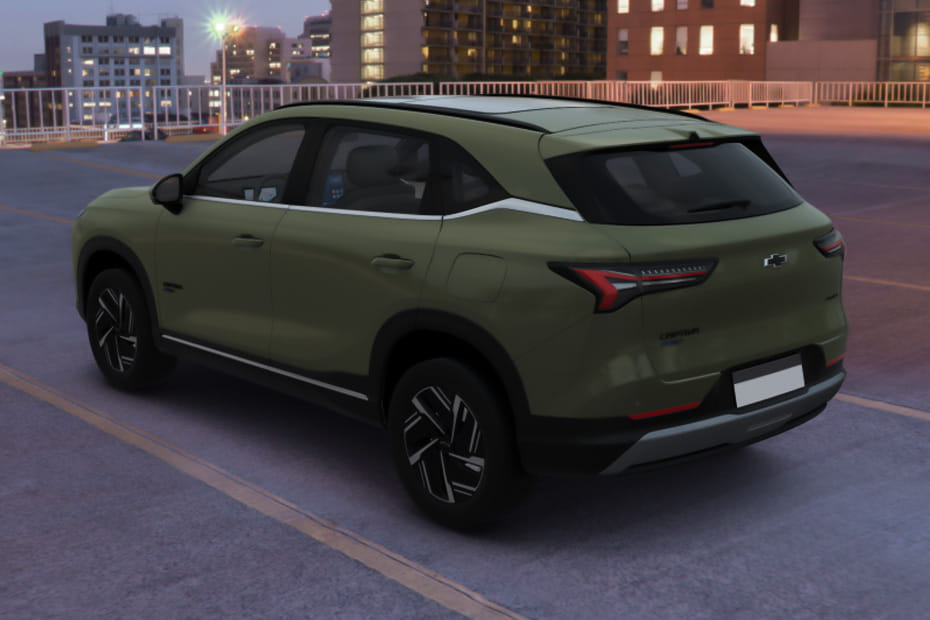
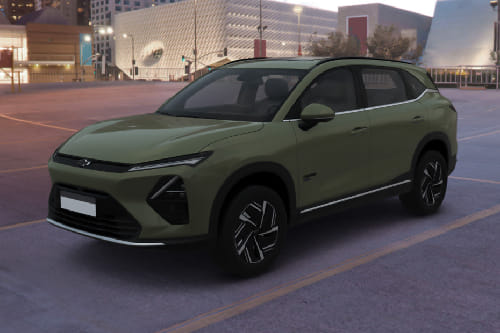
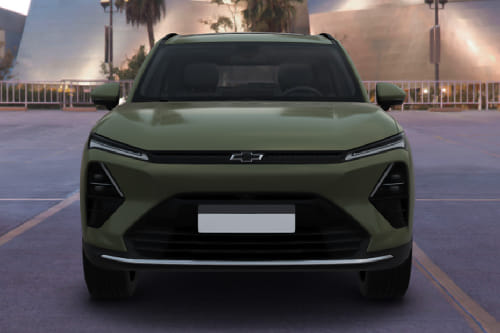
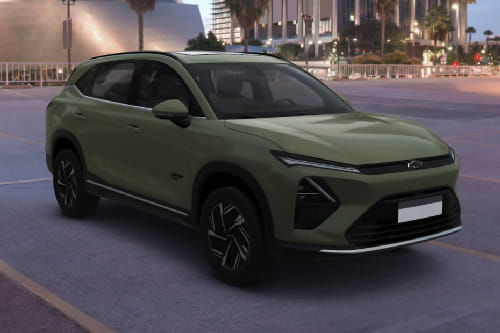
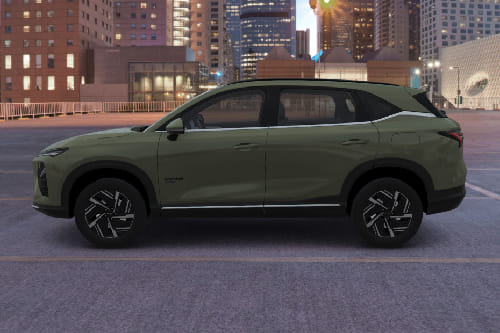
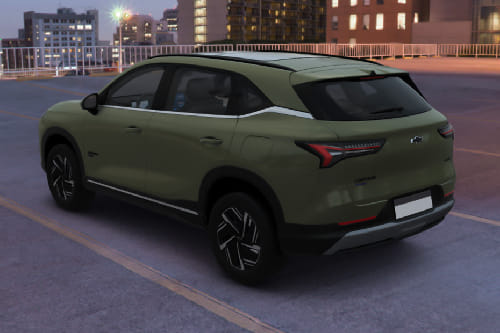
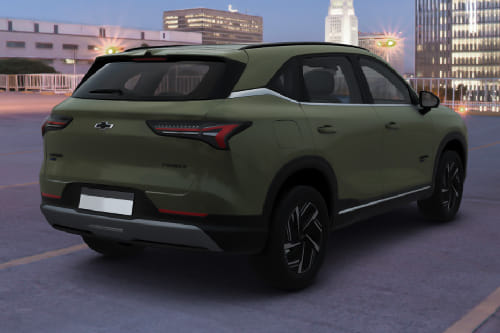
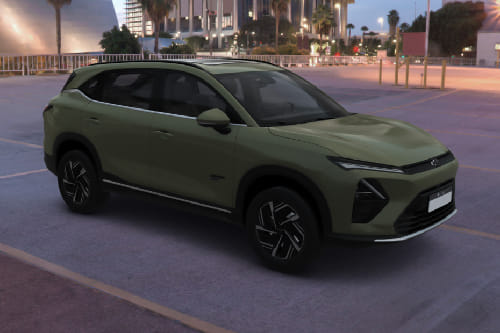
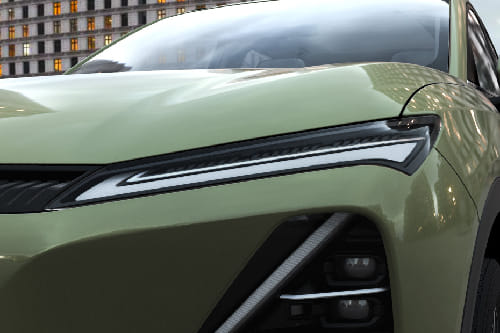
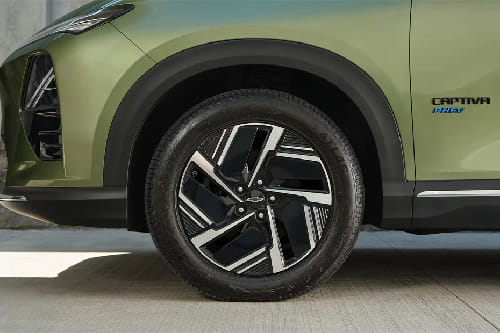
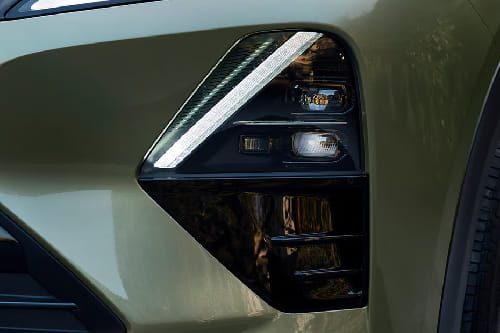
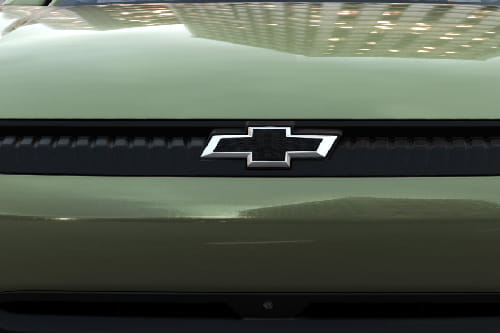
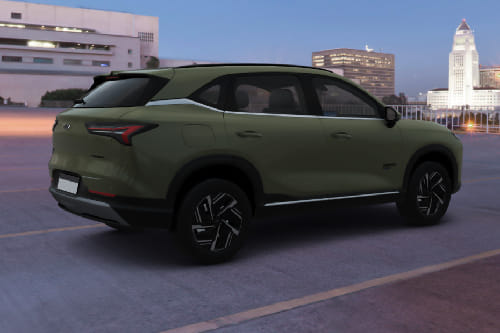
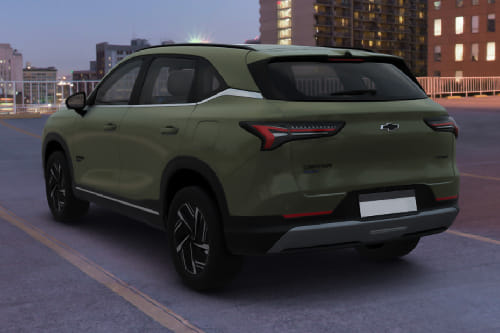
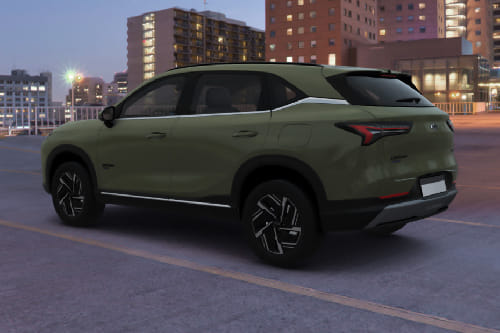
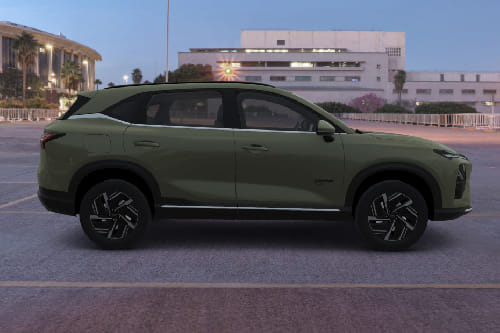
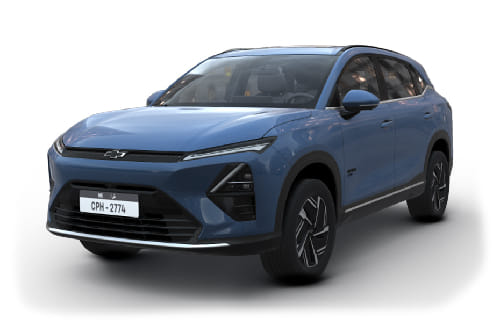
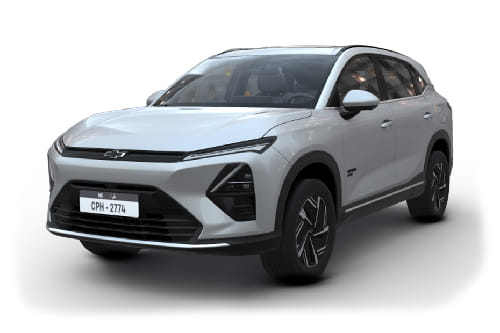
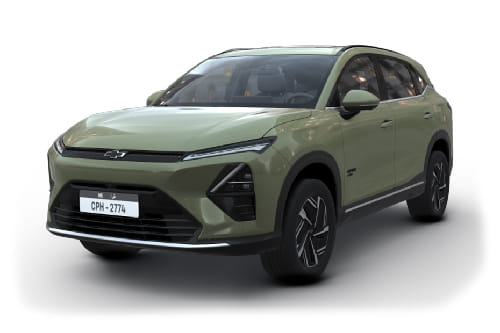
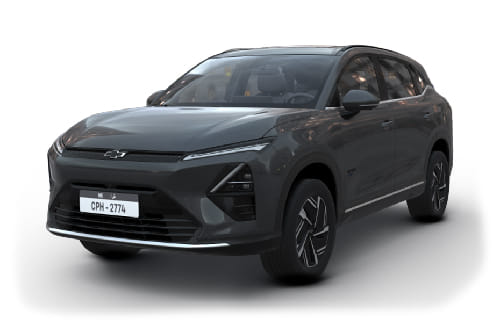
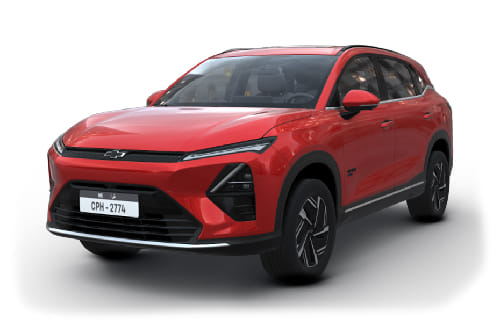
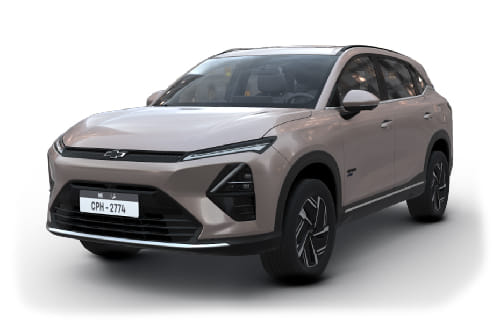
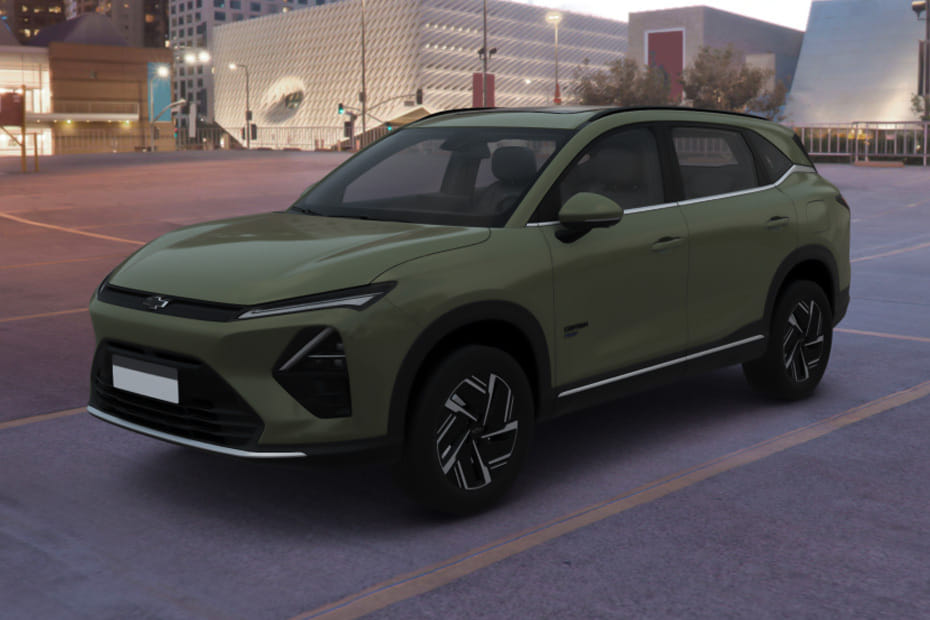
It is not difficult to see; the Captiva PHEV looks almost identical to the regular model. It carries the same front grille, LED headlights, and 18‑inch alloy wheels.
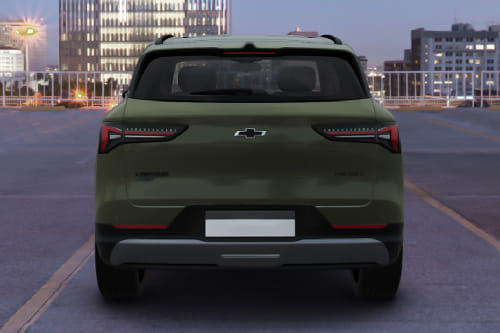
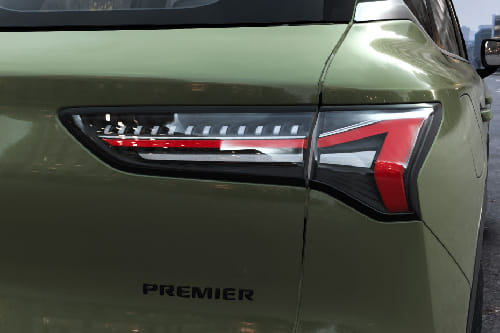
- Visual differences are minimal. One major one, of course, is the subtle PHEV badge on the tailgate and front fenders.
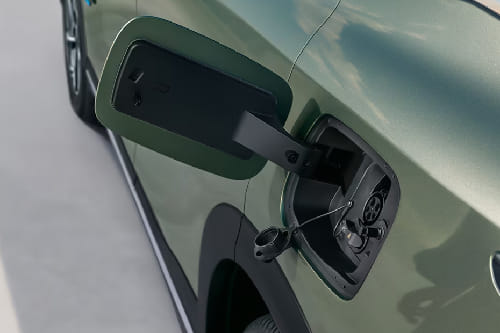
- A charging port is located on the driver‑side front fender.
- The overall design is functional but plain, emphasising space over style.
- At a glance, it’s nearly impossible to tell the PHEV apart from the regular turbo model unless you notice the charging port or badge.
This practicality is a positive if you prefer an understated look but a drawback if you expected more visual distinction for the higher price.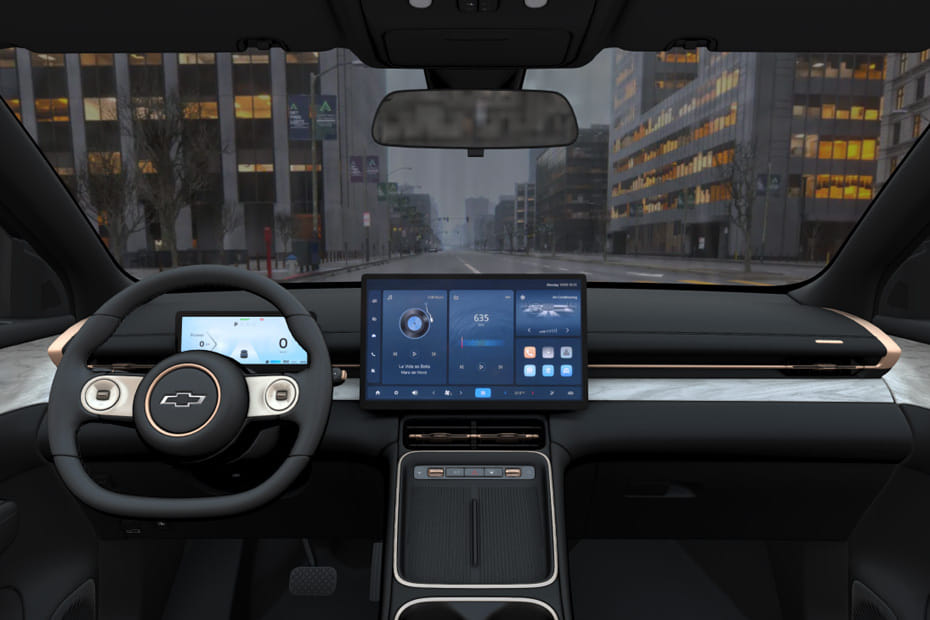
Interior
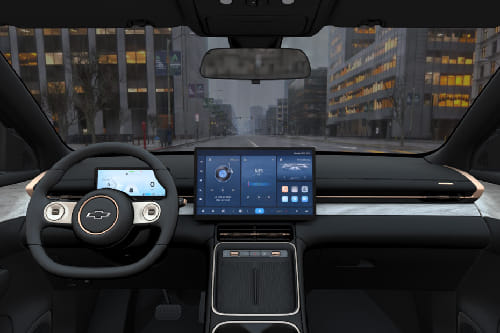
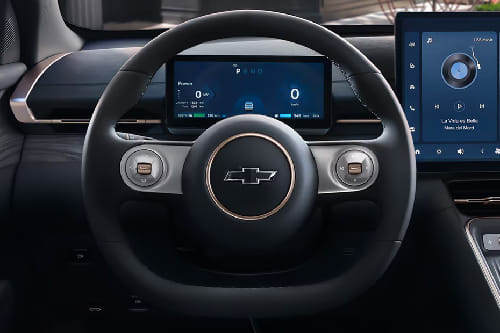
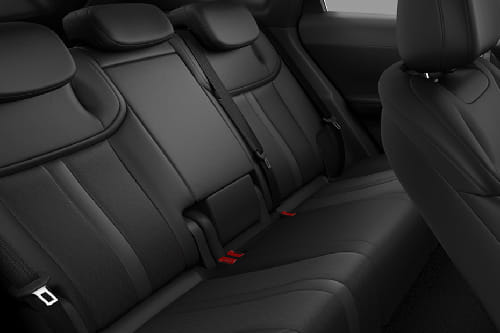
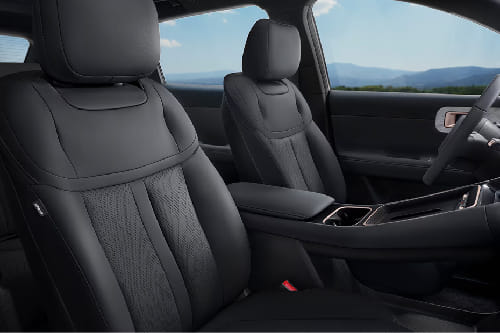
The interior receives upgrades over the regular Captiva, especially in Premier trim.
LT
- 10.1‑inch infotainment touchscreen
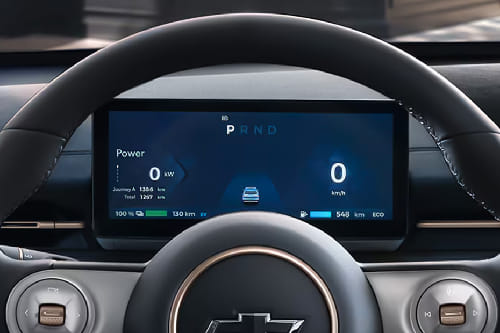
- 8.8‑inch driver information centre
- Six‑way power driver seat
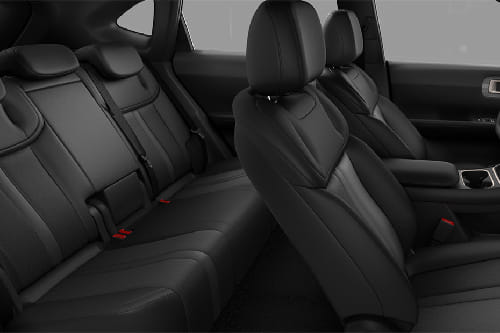
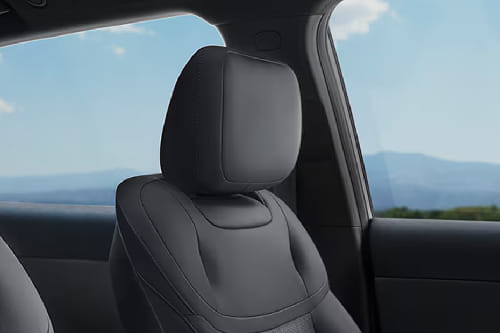
- Black or sandy leatherette seats (not cloth), an upgrade from the regular Captiva
- Six‑speaker audio
- Keyless entry and push‑button start
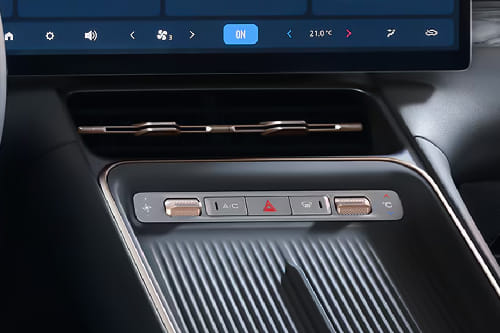
- Dual‑zone climate control
Premier
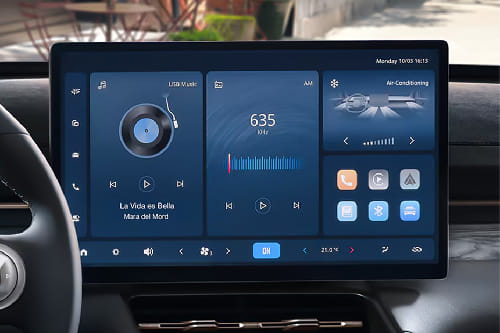
- 15.6-inch infotainment touchscreen (huge upgrade)
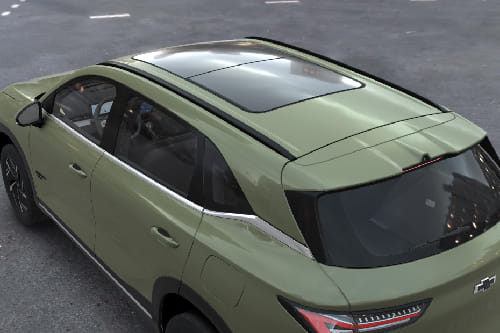
- Panoramic sunroof
- Power tailgate
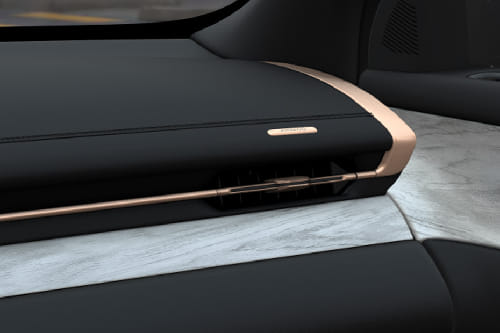
- Fancier leatherette with wood trim accents
The 15.6‑inch screen in the Premier variant is impressive; it is larger than what you get in most luxury cars. But big doesn’t always mean better or best; the interface still needs to be intuitive, and Chevrolet’s track record there is mixed. They really need to work on the design to make it more seamless and exciting. Young buyers tend to favour these features, and they place significant emphasis on them.
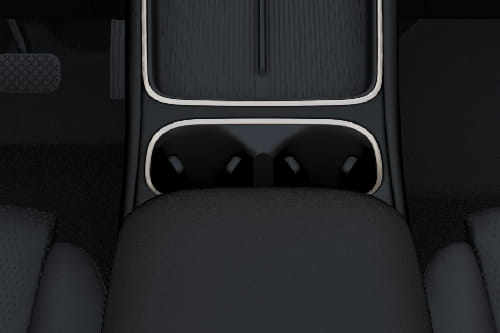
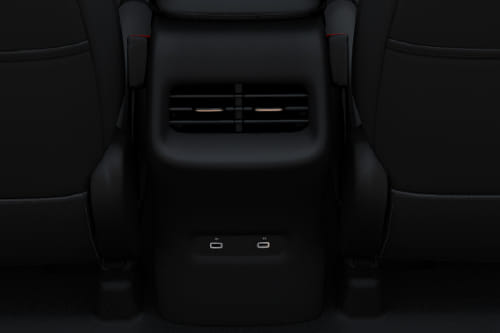
In the cabin, storage spaces include front and rear cupholders, door pockets, and a centre console. USB ports front and rear (Type A and Type C); the rear passengers get dedicated air vents, which means faster cooling.
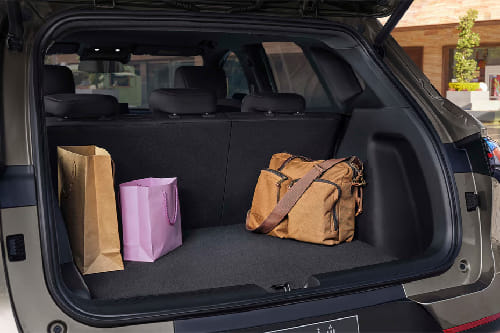
The boot is 532 litres with the second row up, and technically that’s more than the seven‑seat regular Captiva (which has 200 L with all seats up) but less overall flexibility since there is not a third row. The hybrid system’s battery placement doesn’t intrude into passenger space noticeably. Rear seat legroom feels adequate for adults.
|
Feature |
LT |
Premier |
|
Infotainment Screen |
10.1-inch |
15.6-inch |
|
Driver Display |
8.8-inch |
8.8-inch |
|
Seats |
Leatherette (Black/Sandy) |
Leatherette (Black/Sandy) |
|
Sunroof |
No |
Panoramic |
|
Tailgate |
Manual |
Power |
|
Camera |
Rear + sensors |
360° |
|
Airbags |
4 |
4 |
|
Speakers |
6 |
6 |
Safety
The PHEV gets noticeably more safety tech than the regular Captiva, especially in the higher Premier variant.
Standard across both trims
- Four airbags at front and side, but feel quite low
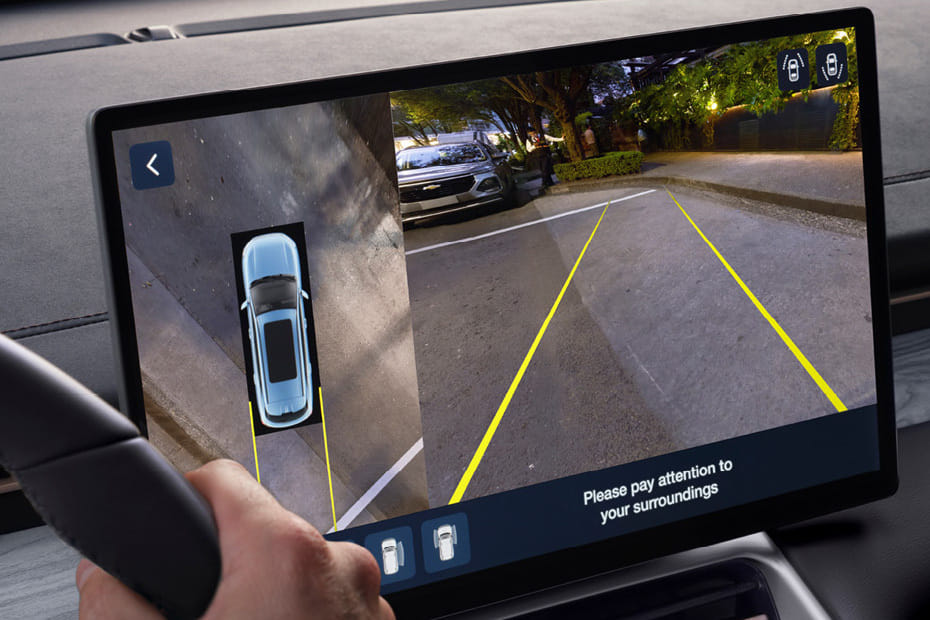
- Rear camera and parking sensors
- Electronic stability control
- ABS with EBD
- Tire pressure monitoring
- Regenerative braking also doubles as additional braking force
Premier Extra
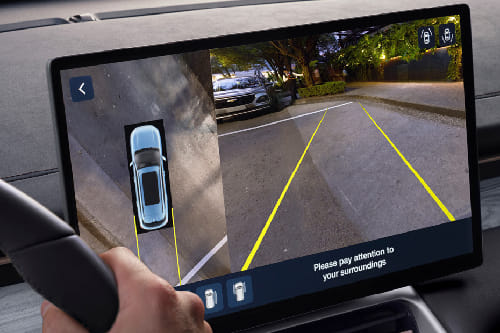
- 360-degree camera
- Adaptive cruise control with curve functionality
- Automatic emergency braking
- Forward collision alert
- Lane departure warning and lane keep assist
- Intelligent driving assistance with lane centering and adaptive speed
This safety package makes the Premier PHEV definitely more advanced than any regular Captiva trim. These features should be standard, not locked behind the top trim, but at least they’re available.
The PHEV’s battery pack provides structural rigidity but also pushes up the weight. In a crash, this could work in your favour or against you. No crash test data is available for this specific vehicle.
Powertrain
There is a real difference, as the Captiva PHEV adopts a far more advanced hybrid setup than the regular model’s simple 1.5L turbo and CVT pairing. Its system combines petrol and electric power, allowing either source to work alone or together for maximum efficiency and response. In EV mode, only the electric motor drives the wheels, while HEV mode automatically switches or combines both power sources based on speed, demand, and battery level.
|
Specification |
Details |
|
Powertrain |
1.5L petrol engine + electric motor |
|
Combined Output |
201 hp / 310 Nm |
|
Transmission |
Dual-clutch automatic (DCT) |
|
Drive Modes |
EV mode (electric only), HEV mode (hybrid assist) |
|
Electric-only Range (claimed) |
~100 km |
|
Real-world Electric Range |
70–85 km |
|
Total Range (combined) |
1,000+ km |
|
Estimated Fuel Consumption |
2–3L/100 km (with regular charging) |
|
Battery Weight Impact |
+200 kg compared to regular model |
With 201 hp, it’s the most powerful Captiva variant yet. The acceleration is brisk thanks to the electric motor’s instant torque, especially evident from a standstill. The new dual‑clutch transmission gives quicker, more engaging shifts than the CVT in the standard model. The regular charging is known for its excellent efficiency for everyday driving, but if driven mostly in hybrid mode without charging, fuel use may exceed that of the standard Captiva.
Charging in KSA
As we have mentioned previously, it is important for buyers to understand this before considering any EV. Saudi Arabia’s public charging network is growing but still limited. Most big cities have some DC fast chargers, but smaller cities have almost none; it will take time for them to catch up.
For most owners, home charging is more realistic. You need to install a Level 2 wallbox, which is 3.3 kW minimum; 7 kW is recommended. While the installation costs vary widely, between SAR 2,000 and 8,000, depending on your garage’s electrical setup.
Most Saudi homes can install a home EV charger if you have dedicated parking. If you park on the street or in a shared building garage without assigned spaces, home charging becomes a challenge or, to say, nearly impossible. Charging habits matter enormously for PHEVs. If you can’t charge at home, don’t buy a PHEV. You’ll pay the premium without getting the efficiency benefits, and it should not be a big deal to understand or get the real benefit of a hybrid car.
Who Should Actually Consider This
Consider a PHEV based on the following criteria being met
- You have home charging capability.
- Your daily commute is under 80 km round trip.
- Electricity is available at your parking location.
- You're keeping the vehicle for 8+ years.
- You drive mostly in the city during weekdays and longer trips on weekends.

Don’t if
- Home charging is not possible.
- You take frequent long-distance trips.
- You are not charge it regularly
- You need seven seats
- Not going own for longer and resale become a factor
- You want the lowest upfront cost
The target buyer is someone who drives short distances daily, has home charging, values the latest tech, and doesn’t stress about resale value. That’s a narrow segment.
Conclusion
The Captiva PHEV is a way into electrification in Chevrolet’s 2026 lineup without fully committing to EVs. But it is actually a win‑win for buyers and the manufacturers. Pure EVs cost more and come with range anxiety. While PHEV promises flexibility, electric driving for daily use, and petrol for longer trips, that comes at a cost. The PHEV loses third‑row seating, is heavier, and is more mechanically complex and expensive than the regular one. But what you get with the price is more power and potential fuel savings, but these benefits depend on consistent charging. However, the regular turbo Captiva is a lot cheaper, has seats for seven, and meets most family needs. Therefore, there is a clear distinction between the two options, and the brand is providing both choices for Saudi buyers.
Dinesh Goluguri

With over 15 years of experience in the automotive world, Dinesh Goluguri bringing hands-on experience and deep market knowledge. Passionate about SUVs, sports cars and luxury vehicles, he combines enthusiasm with expertise in delivering insights that resonate with car buyers and enthusiasts alike. With a special interest in car modifications and upgrades, Dinesh offers a unique perspective that goes beyond standard reviews, highlighting both factory features and customization potential. His work helps readers navigate new launches, features and trends in the dynamic automotive market.
Read Full Bio-
Explore Chevrolet Captiva PHEV
-




-
Chevrolet Groove -
Chevrolet Captiva -
Chevrolet Silverado HD -
Chevrolet Suburban -
Chevrolet Corvette ZR1 -
Chevrolet Captiva PHEV -
Chevrolet Captiva EV -
Chevrolet Cruze -
Chevrolet Corvette Zora -
Chevrolet Corvette Stingray -
Chevrolet Corvette Z06 2026 -
Chevrolet Silverado
- News

- Latest
- Popular
-
 Chevrolet SilveradoPrice coming soon
 -
 Chevrolet Corvette ZoraPrice coming soon
 -
 Chevrolet Corvette StingrayPrice coming soon
 -
 Chevrolet Corvette Z06 2026Price coming soon
 -
 Chevrolet Corvette ZR1SAR 972,100 - 1.01 Million
 -
 Chevrolet Captiva EVSAR 113,000 - 122,100
-
 Chevrolet GrooveSAR 73,700 - 85,200
 -
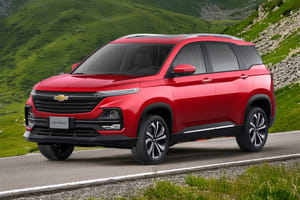 Chevrolet CaptivaSAR 76,300 - 92,100
 -
 Chevrolet Silverado HDSAR 220,800 - 278,500
 -
 Chevrolet SuburbanSAR 266,400 - 370,600
 -
Chevrolet Corvette ZR1SAR 972,100 - 1.01 Million

-
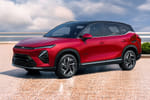
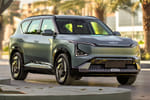
 Evenings made easier with the Chevrolet Captiva PHEV06 May, 2026 .
|

|

|
|
|
|
Transmission Type
Automtic
|
Automatic
|
Automatic
|
Automtic
|
Automatic
|
|
Engine Displacement
1498
|
1498
|
1498
|
-
|
-
|
|
Power
201Hp
|
-
|
265
|
201Hp
|
214Hp
|
|
Torque
310Nm
|
-
|
-
|
310Nm
|
310Nm
|
|
|
- Latest
- Upcoming
- Popular
-
 KIA EV2SAR 148,000
 -
 Toyota CenturyPrice coming soon
 -
 Jeep Grand Cherokee 2026Price coming soon
 -
 ZEEKR 9XPrice coming soon
 -
 Mitsubishi PajeroPrice coming soon
 -
 Hyundai Ioniq 9Price coming soon
-
 Land Rover Range RoverSAR 591,500 - 1.3 Million
 -
 GMC HUMMER EVSAR 579,200 - 725,500
 -
 Hyundai PalisadeSAR 242,305 - 242,368
 -
 Changan UNI-KSAR 141,335
 -
 Toyota RaizeSAR 68,827 - 75,497
 -
 Hyundai TucsonSAR 103,500 - 162,552