EV Sales in Saudi Arabia: Growth Story or Still Early Adoption?

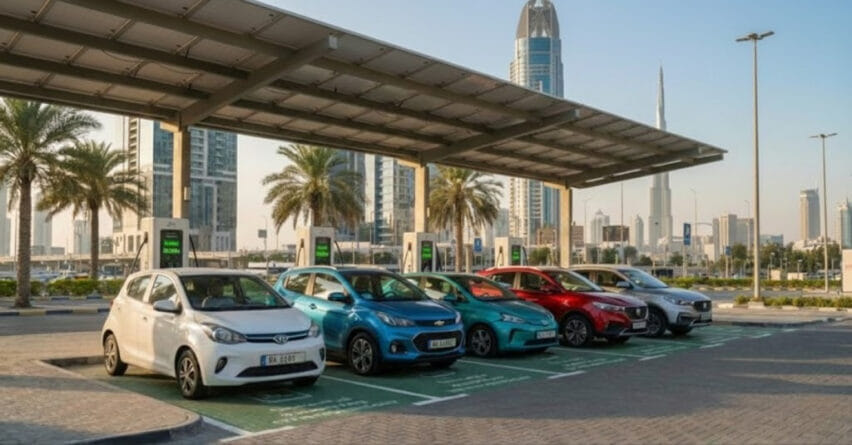
Saudi Arabia: The faster adoption of electric vehicles around the world is the biggest transformation the automotive sector has ever witnessed. Electric vehicles are rapidly becoming mainstream in every major market, and Saudi Arabia is no different. Focusing on sustainable transportation, government-backed incentives, and increasing buyer interest is putting the spotlight on EVs, which is also visible in the sheer number of brands bringing their latest EVs to buyers in the Kingdom.
KEY TAKEAWAYS
What's driving EV adoption in Saudi Arabia?
Factors such as the Vision 2030 goals, government focus on procurement and incentives, encouraging local manufacturing, and developing charging infrastructure.Are EVs affordable for average Saudi buyers yet?
Right now the market has seen more growth in premium and upper-mid brands like Tesla, Lucid, BMW, and Mercedes-Benz, which dominate overall sales.But what is actually happening in terms of overall growth and adoption of EVs in the country? To get a real sense, let’s see what the numbers reveal. As per market reports, Saudi Arabia's EV volumes rose from 800 units in 2023 to 20,000–25,000 units in 2024. Which represents a massive 20-fold jump, a stunning increase, but in reality, EVs still fall under 2.9% of total car sales. However, the government has an ambitious goal to reach 30% penetration in Riyadh by 2030, with a focus on massive investments in building the necessary infrastructure across the country. Only time will tell if that goal is met. Let’s look at the current status of EV growth as we near the end of 2025, which should also give some glimpse of the future.
Real Growth or Just Hype?
The Numbers: Rapid Growth From Small Base
There has been strong sustained growth in the overall EV market in Saudi Arabia. As the volume grows, so does the overall value of the market. According to a research report, the market is experiencing double-digit growth annually and is expected to experience a significant surge by 2030 due to the full support of the government and the entry of new players. Also, affordability, growing and expanding infrastructure, and new entrants are playing key roles.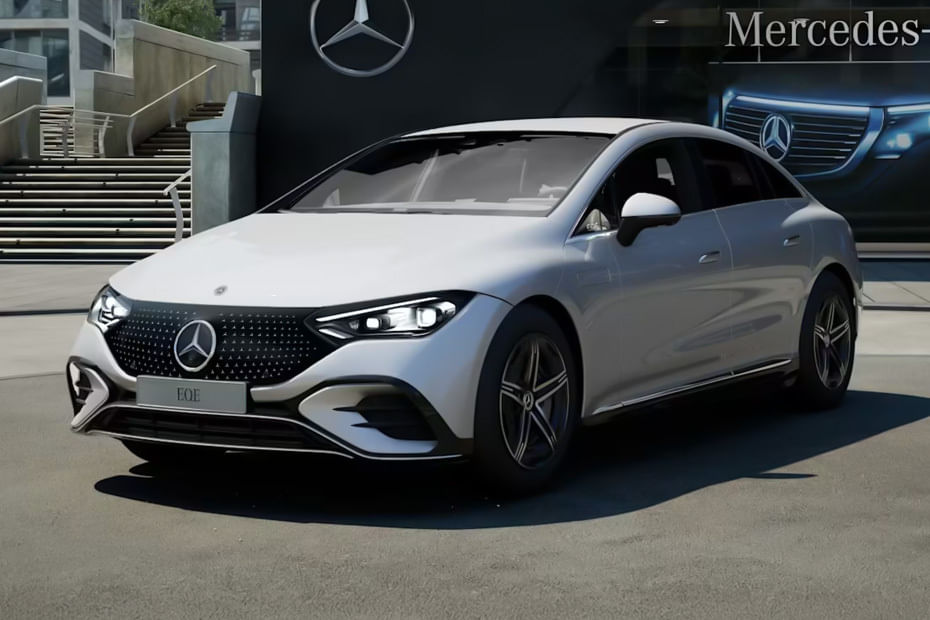
|
Year |
Total Vehicle Sales |
EV Sales |
EV Penetration Rate |
|
2022 |
609,000 |
500 |
0.08% |
|
2023 |
759,000 |
800 |
0.1% |
|
2024 |
820,000–830,000 |
20,000–25,000 |
2.5–3.0% |
|
2030 Target |
900,000 |
270,000 (Riyadh only) |
30% (Riyadh) |
The table comprises approximate number from market sources
As the table points out correctly, there has been a considerable jump in 2024. EV volume rose more than 20 times year-over-year. However, putting this growth into context is what really matters; during this time, the country saw total sales of 826,000 vehicles in 2024, and EVs still accounted for less than 3% of the total market. For comparison, some advanced EV markets like Norway have a massive 80% EV share, and China, the world’s largest market, has surpassed 30%, while the UAE remains in the low single digits, but overall Europe is growing.
In geographical terms, in Saudi Arabia, Riyadh leads in overall EV adoption, which is nearly one-third to around 40% of national EV registrations. This is not surprising, as the city has higher charger density, government fleet pilots, and the Vision 2030 focus. The Eastern Province follows next, largely driven by higher incomes and corporate and industrial fleet adoption. Jeddah, actually, lags behind even though it is the second-largest city; the reason could be due to late infrastructure rollout and environmental factors such as heat and humidity.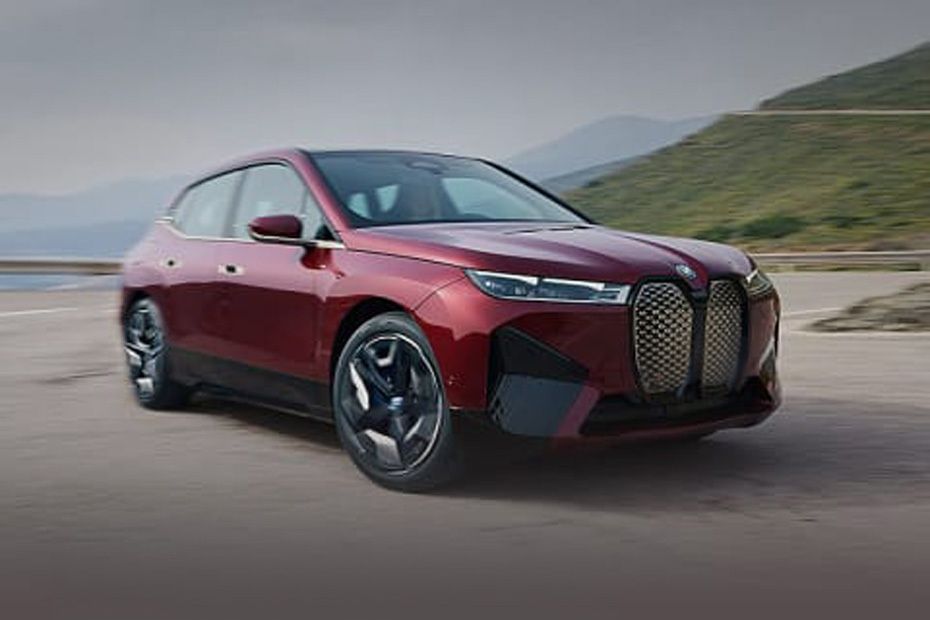
Infrastructure: Building vs Reality
The conventional car is supported by a wide network of petrol stations built over decades. Similarly, EVs need Home EV Charging in KSA for more convenience and also nearby public charging stations in Saudi Arabia, which is key for real growth. This will take a long time, but it is heartening to know the progress has been rapid. In 2022, Saudi Arabia had less than 200 public charging points, which had reached over 1,000 by early 2024. Under the electric vehicle charging infrastructure initiative, the government aims for 5,000 fast chargers by 2030, with longer-term ambitions for tens of thousands of charge points spread across the country, including AC and private installations.
Presently, the spread of the charging network is heavily concentrated largely in cities like Riyadh, Jeddah, and the Eastern Province. Highway corridors are growing but still largely remain limited, with early corridor stations starting operations in 2024.
|
Location Type |
Current (2024) |
2030 Target |
|
Urban Areas |
1,000 |
20,000–25,000 |
|
Highway Corridors |
<100 |
8,000–10,000 |
|
Shopping Centers |
300–400 |
7,000–8,000 |
|
Residential/Workplace |
Limited |
6,000–7,000 |
Fast charging, which is generally in the range of 150–300 kW, is what has seen rapid growth as far as overall installations are concerned in the country. These charging stations provide about 200–300 km of range in under half an hour, which always depends on the car and temperature. For example, summer temperatures regularly exceed 45°C, which can drop the effective range by 10–20% in real-driving conditions.
But most of the owners today prefer to charge at home where AC connections are used, which are good for villa ownership. The majority of Saudi residents live in apartments where charging installation is not the easiest. This is rather quickly expanding the overall EV adoption by increasing the charging stations at home. It makes sense to charge at home, as most personal cars are idle in the night and have enough time to charge.
What the Sales Indicates
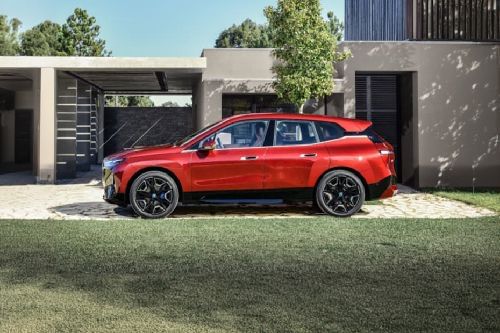
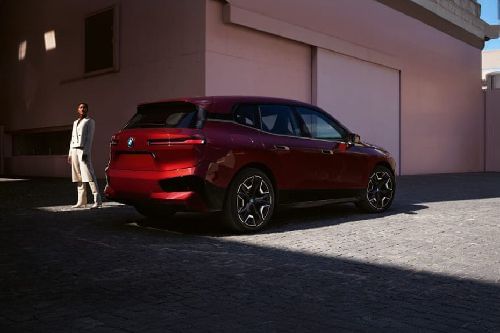
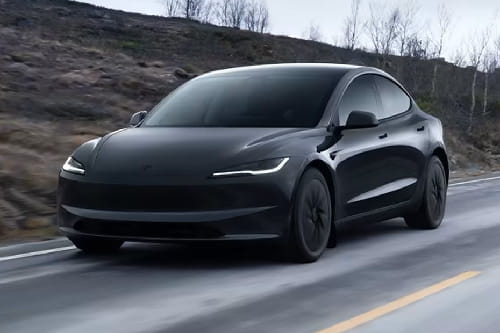
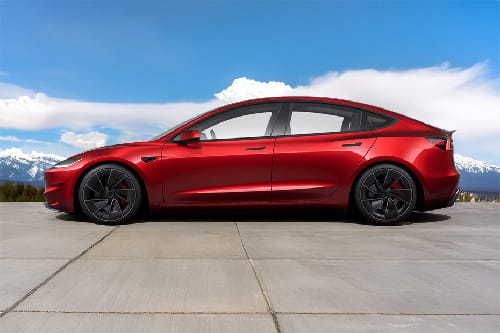
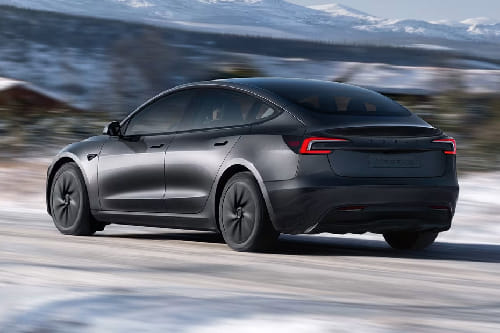
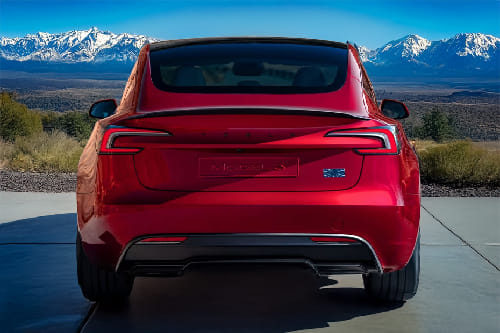
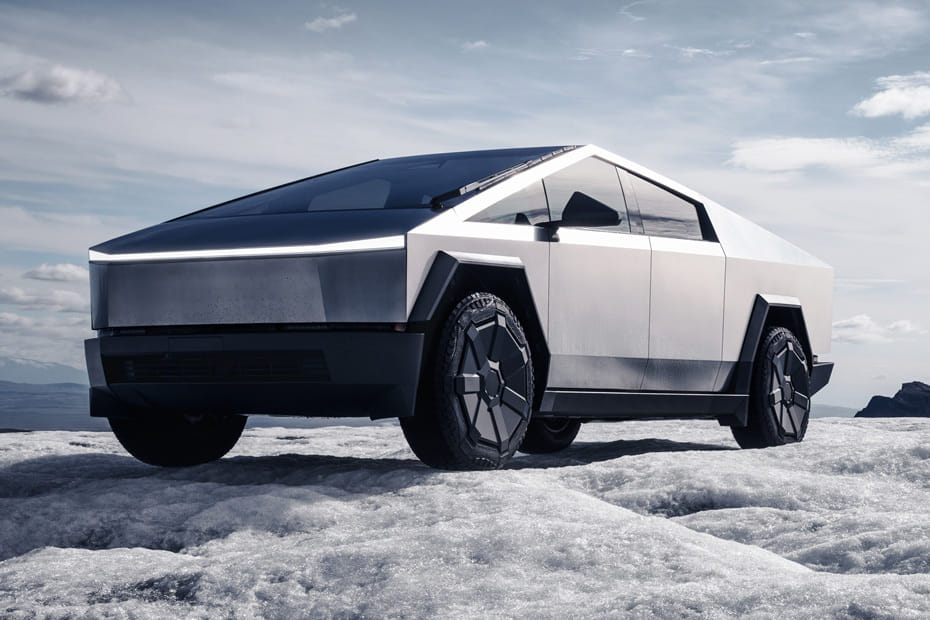
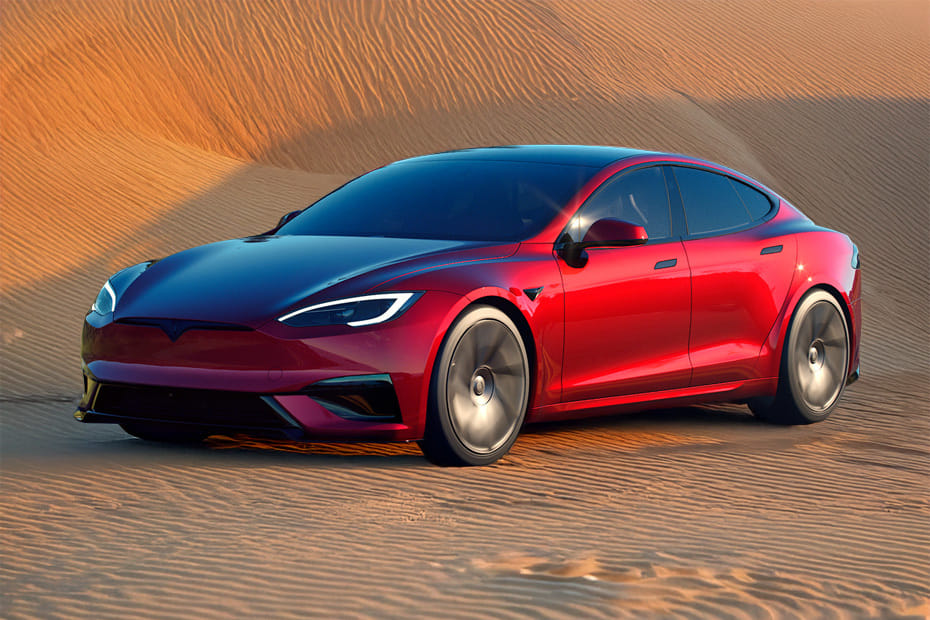
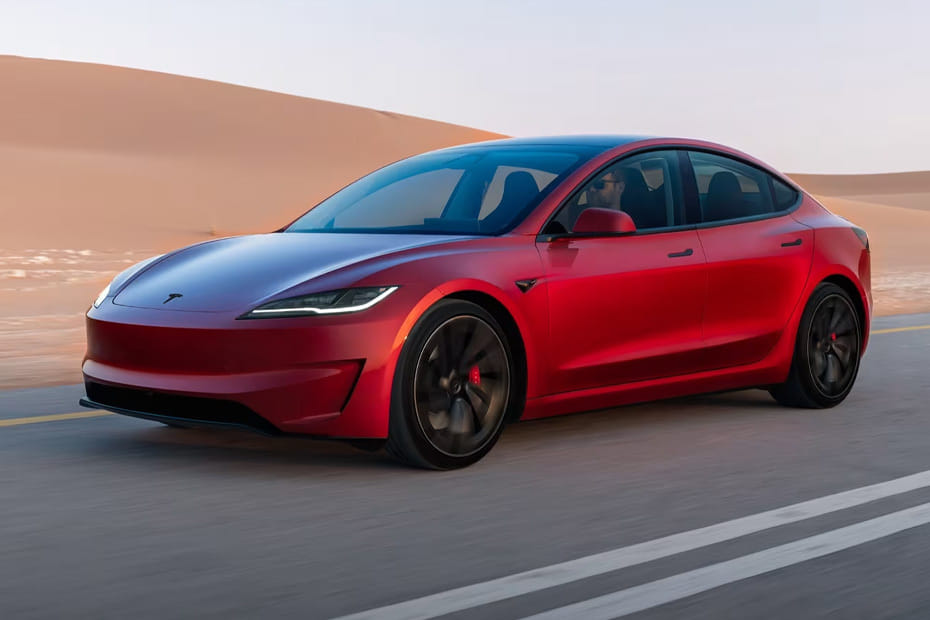
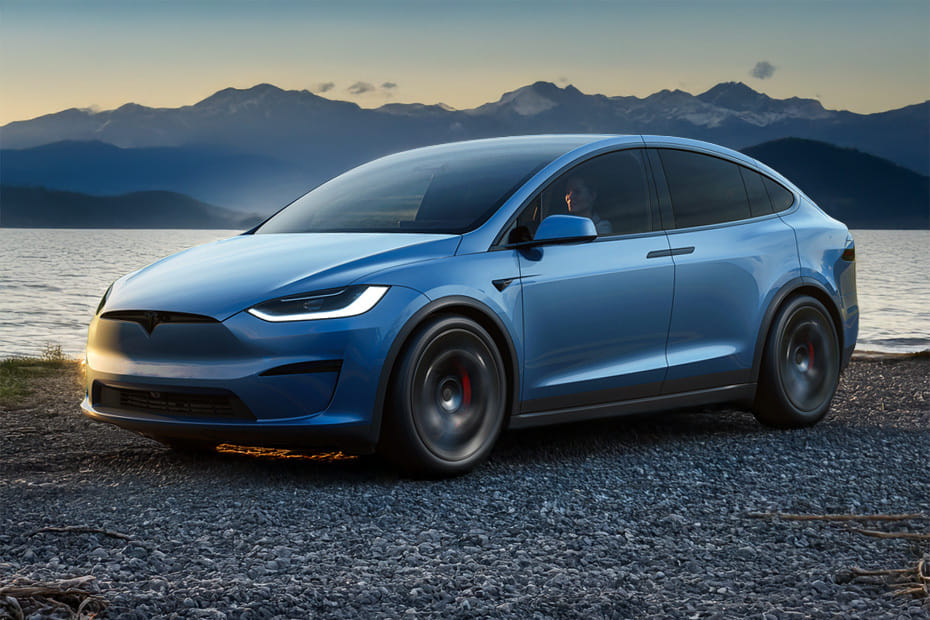
As far as overall EV sales in the country, passenger cars accounted for roughly 75–80% of EV registrations in 2024, with premium vehicles dominating. Tesla, Lucid, BMW, and Mercedes-Benz together take half the volumes. These are expensive cars, priced between SAR 180,000 and 500,000+, making them premium EV purchases. Cars that offer a real-world range of between 200 and 400 km are the ones that are more popular and form the largest share of sales.
Popular Models (2024):
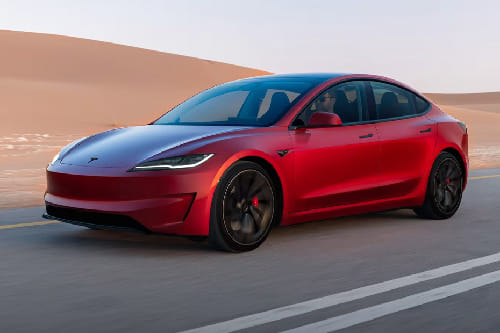
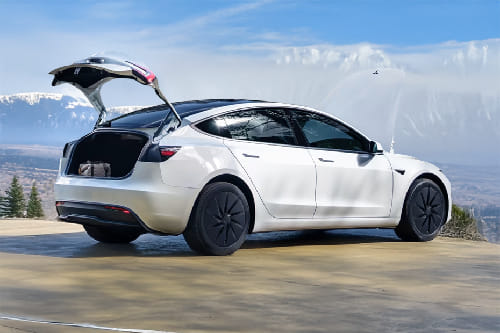
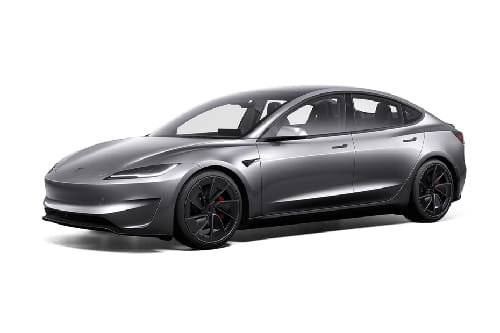
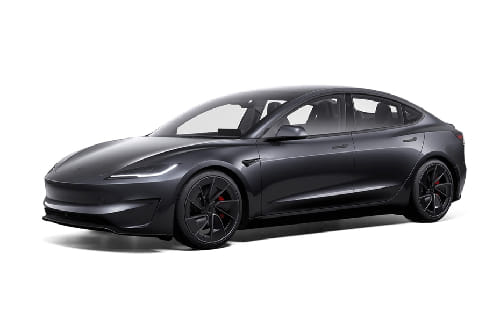
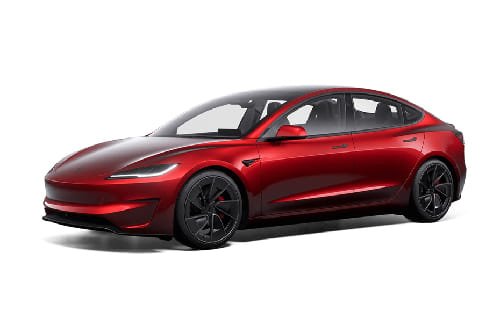
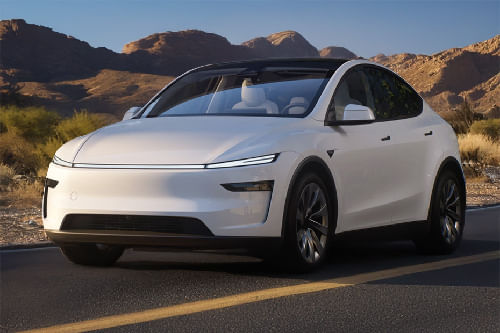
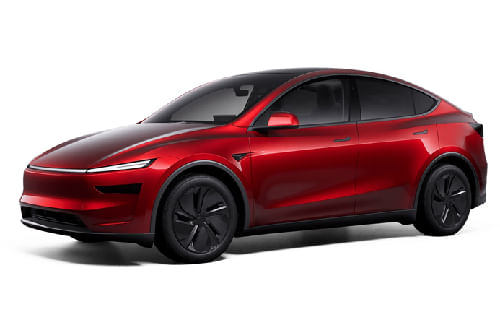
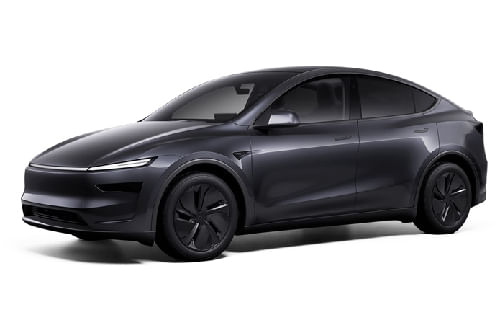
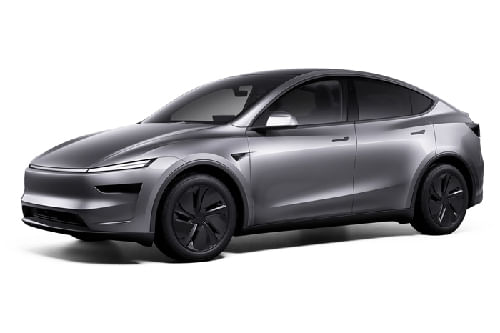
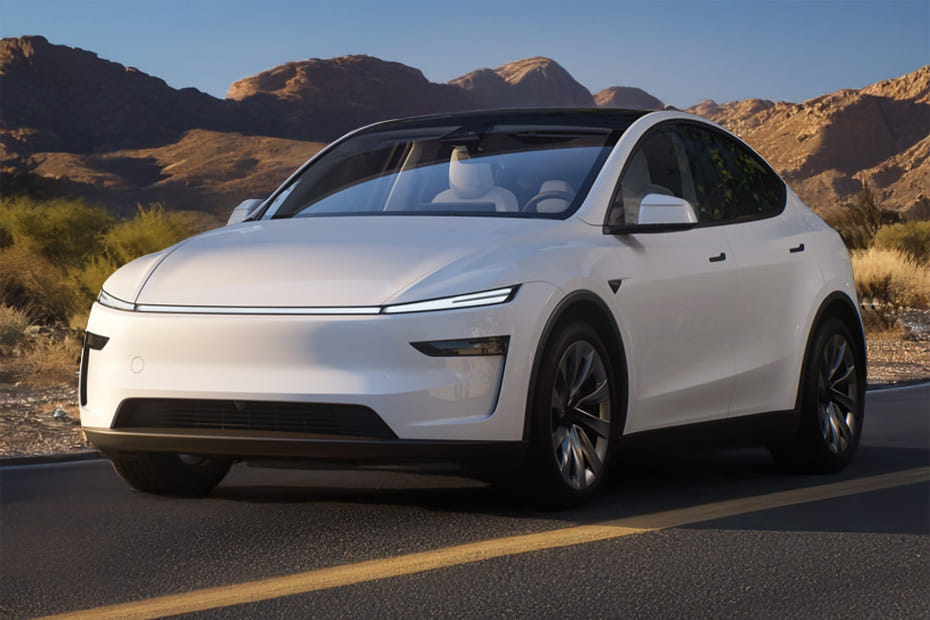
- Tesla Model 3 / Model Y
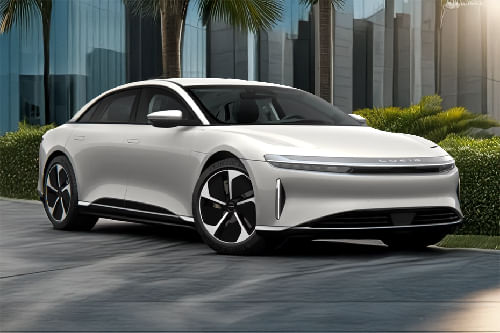
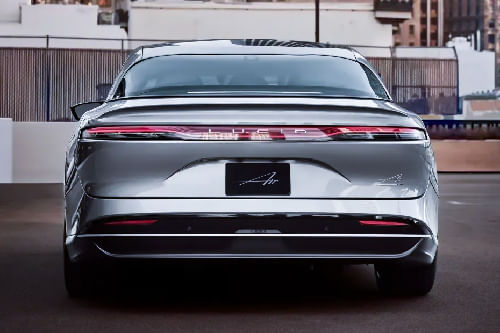
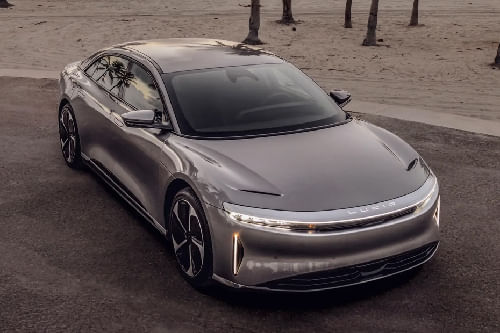
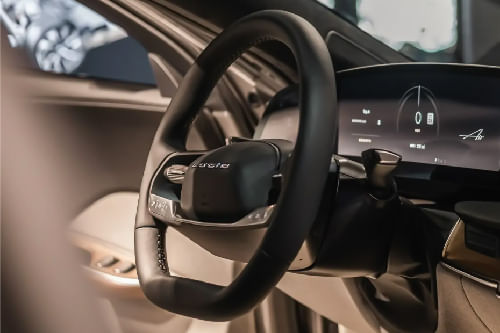
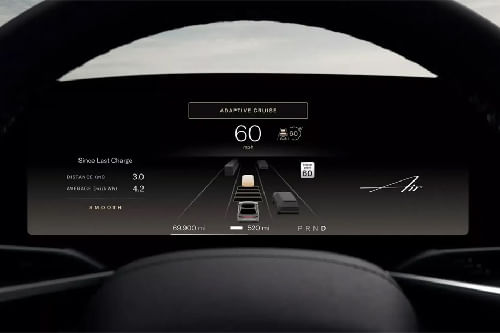
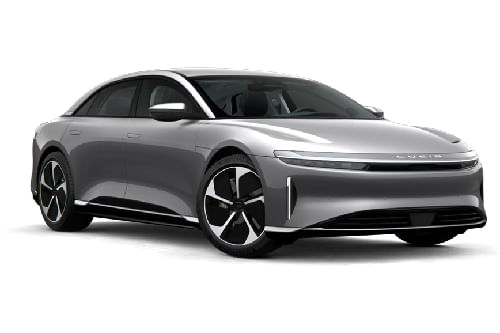
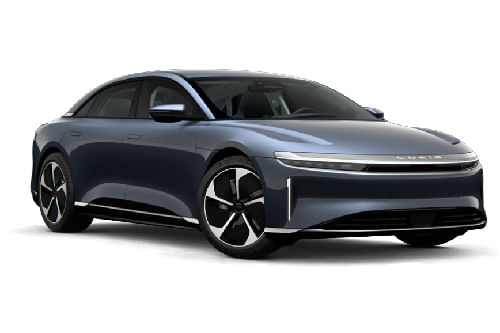
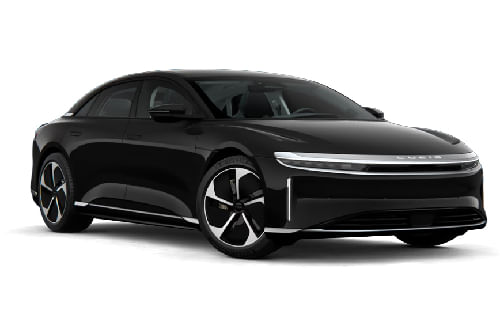
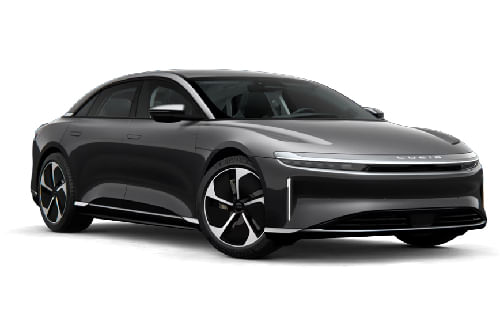
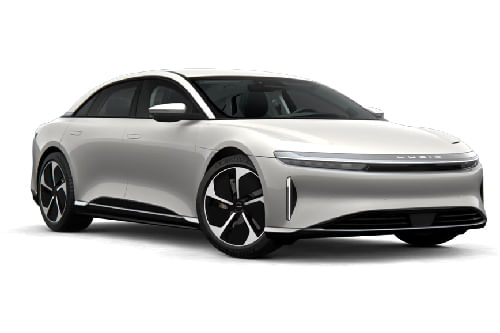
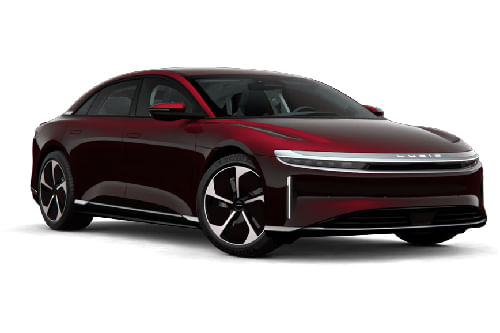
- Lucid Air (including government fleet allocations)
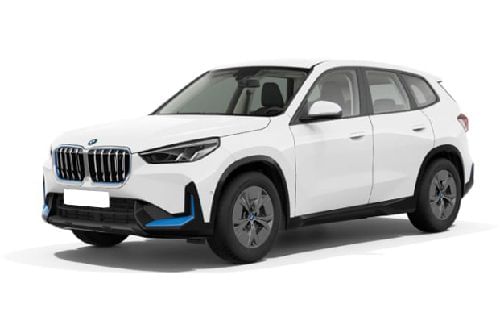
- BMW iX / i4
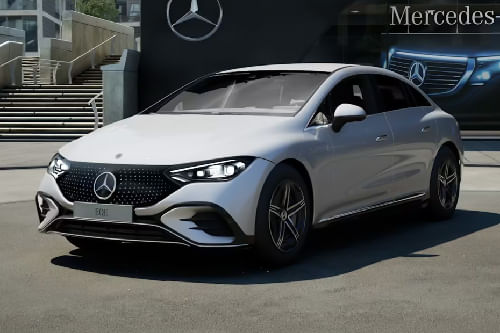
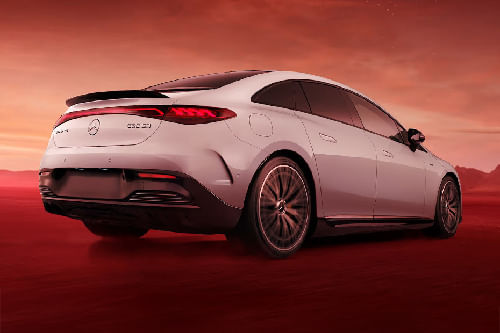
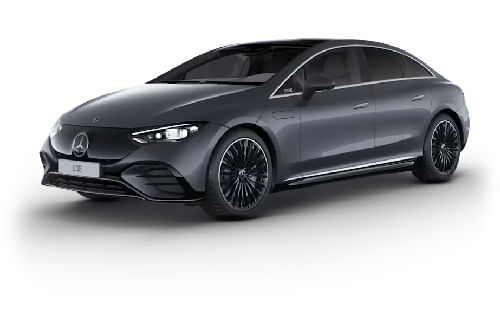
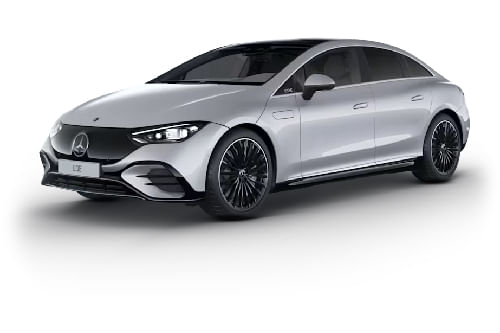
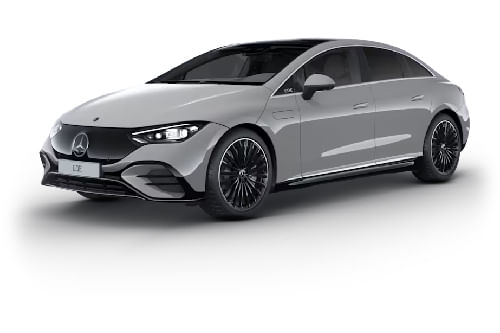
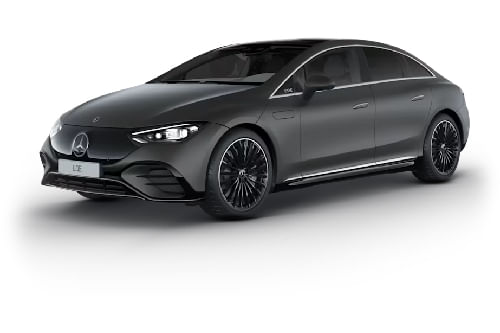
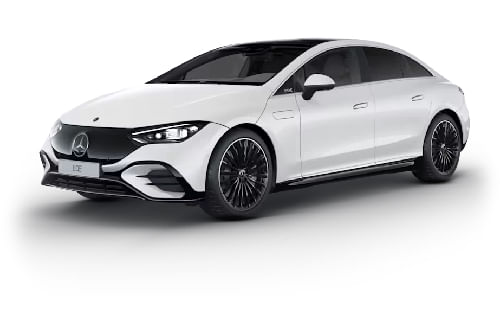
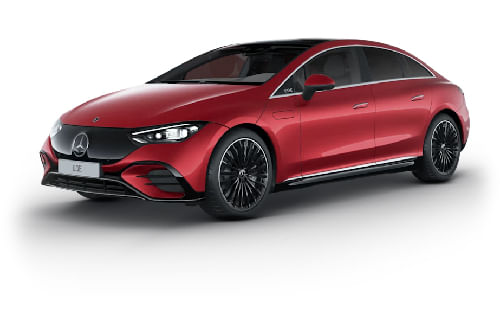
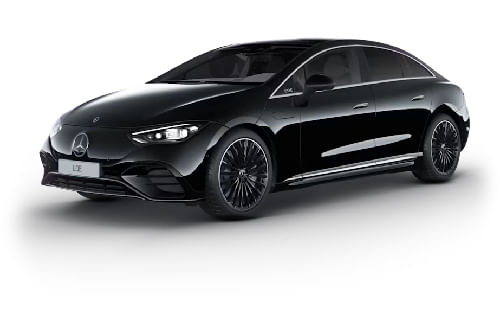
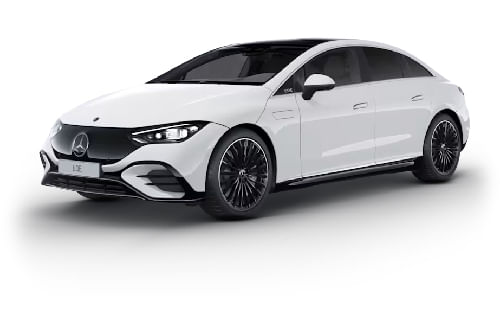
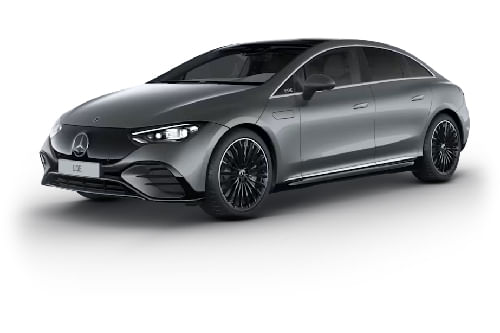
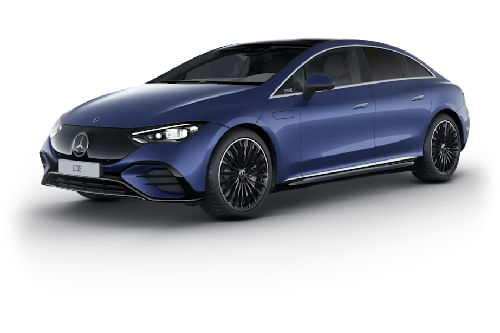
- Mercedes EQE / EQS
- BYD and other Chinese brands are limited but expanding faster.
Interestingly, right now the mass-market affordable EVs remain smaller in number. The sub-SAR 150,000 segment is largely absent, and most buyers encounter a minimum entry point closer to SAR 180,000–220,000, which makes these EVs more expensive than comparable petrol cars that dominate mass volume sales.
On its part, the government is making efforts to push the EV volumes. For example, there are about several hundred EV buses running across the country, but commercial EVs are still extremely small in number and hardly make any real impact on overall sales. Currently, the purchase prices of electric vehicles are nearly 40–60% higher than those of diesel equivalents, which means that it takes about 5–7 years to recoup the premium through fuel savings, a significant amount of time.
Manufacturing Push
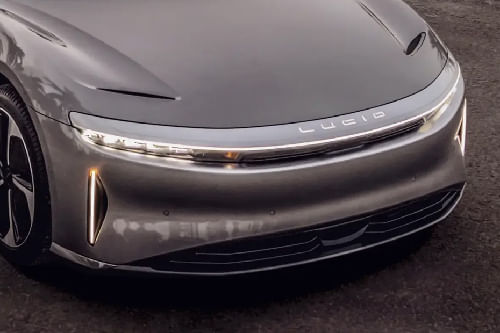
Lucid’s KAEC plant is Saudi Arabia’s largest EV manufacturing investment, boosting a long-term target capacity of up to 155,000 units annually. The project involves increased government support through incentives and fleet purchase commitments, with a focus on export markets.
Another key initiative in manufacturing is Ceer, a joint venture between the Public Investment Fund and Foxconn, which plans to launch Saudi Arabia’s first domestic EV brand around 2025–2026, with a long-term capacity goal of 170,000 units annually.
Vision 2030 has allocations of around $18 billion for manufacturing infrastructure.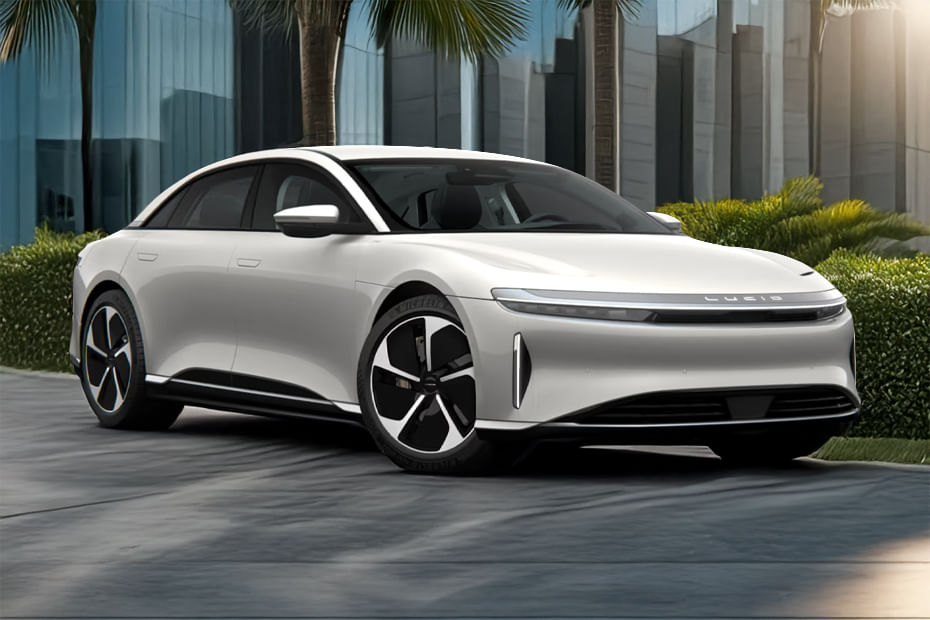
Buyer Preference
Current EV owners are mostly part of high-income households, living in villas with home charging, early adopters, and multi-car households who use EVs as their secondary car, as most of them have a petrol car for regular as well as long-distance travel.
Key Enablers:
- Lower operating costs
- Technology, features, and driving experience
- Exhibition of brand and status
- Environmental considerations is lower priority
- Government-led incentives and fleet demand
One key factor that attracts buyers is having a low fuel cost, which is meaningful. EV running costs are as low as 70–85% lower per kilometre than petrol, but depending on tariffs and usage. But for those EV owners with higher mileage, the saving is quite significant; it could be as high as SAR 4,000–5,000 annually, but recovering the SAR 70,000–100,000 upfront premium typically takes 4–6 years, which not everyone finds worthy of investment.
Key Obstacles:
- Range anxiety is real among Saudi buyers
- Charging infrastructure still is a big concern beyond large cities
- High purchase prices make them unaffordable for many buyers
- Resale value uncertainty is a key factor.
- Extreme heat concerns for buyers are reliability and battery quality
- Charging limitations at apartment is a drawback
Saudi Arabia aims to reach 30% EV adoption in Riyadh by 2030, implying several hundred thousand EVs in the capital alone. Achieving this needs substantial efforts, and current incentives include import duty relief on certain vehicles, VAT exemptions on charging equipment, free parking in selected locations, and pilot policy measures. While there are notable absences like direct purchase subsidies, broad tax credits, registration fee reductions, or electricity pricing incentives. If this is compared with high-adoption markets like Norway or China, Saudi Arabia’s approach focuses on industrial development over consumer subsidies.
Verdict: Growth Story or Early Adoption?
The right answer is both.
EV sales have undoubtedly pointed towards sharper growth from the initial base, which points towards growing customer interest. With government backing, investment in manufacturing and growing infrastructure and the good Resale Value of Chinese Cars or other models, makes real progress.
But the reality is, the penetration is below 3%, infrastructure is uneven, and adoption is concentrated among high-income villa owners. Many barriers remain unresolved.
Dinesh Goluguri

With over 15 years of experience in the automotive world, Dinesh Goluguri bringing hands-on experience and deep market knowledge. Passionate about SUVs, sports cars and luxury vehicles, he combines enthusiasm with expertise in delivering insights that resonate with car buyers and enthusiasts alike. With a special interest in car modifications and upgrades, Dinesh offers a unique perspective that goes beyond standard reviews, highlighting both factory features and customization potential. His work helps readers navigate new launches, features and trends in the dynamic automotive market.
Read Full Bio-
Explore Mercedes-Benz EQE
-
-
Explore Tesla Model 3
-
-
Explore Tesla Model Y
-



-
Tesla Model Y -
Tesla Cybertruck -
Tesla Model S -
Tesla Model 3 -
Tesla Model X
- News
- Latest
- Popular
-
 Tesla Model 3SAR 154,990 - 229,990
-
 Tesla CybertruckSAR 438,490 - 488,490
 -
 Tesla Model SSAR 329,870 - 386,042
 -
Tesla Model 3SAR 154,990 - 229,990
-
 Tesla Model XSAR 350,297 - 406,468
|

|
|
|
|
|
Transmission Type
Automatic
|
Automatic
|
Automatic
|
Automtic
|
Automtic
|
|
Power
296Hp
|
265
|
348Hp
|
213Hp
|
300Hp
|
|
Torque
420Nm
|
-
|
500Nm
|
320Nm
|
480Nm
|
|
Engine Displacement
-
|
1498
|
2995
|
-
|
-
|
|
|
- Latest
- Upcoming
- Popular
-
 Toyota CenturyPrice coming soon
 -
 Jeep Grand Cherokee 2026Price coming soon
 -
 KIA EV2SAR 148,000
 -
 ZEEKR 9XPrice coming soon
 -
 Mitsubishi PajeroPrice coming soon
 -
 Hyundai Ioniq 9Price coming soon
-
 Land Rover Range RoverSAR 591,500 - 1.3 Million
 -
 GMC HUMMER EVSAR 579,200 - 725,500
 -
 Hyundai PalisadeSAR 242,305 - 242,368
 -
 Toyota RaizeSAR 68,827 - 75,497
 -
 Changan UNI-KSAR 141,335
 -
 Hyundai TucsonSAR 103,500 - 162,552