Chinese Car Sales Growth in Saudi Arabia: What the Numbers Really Say

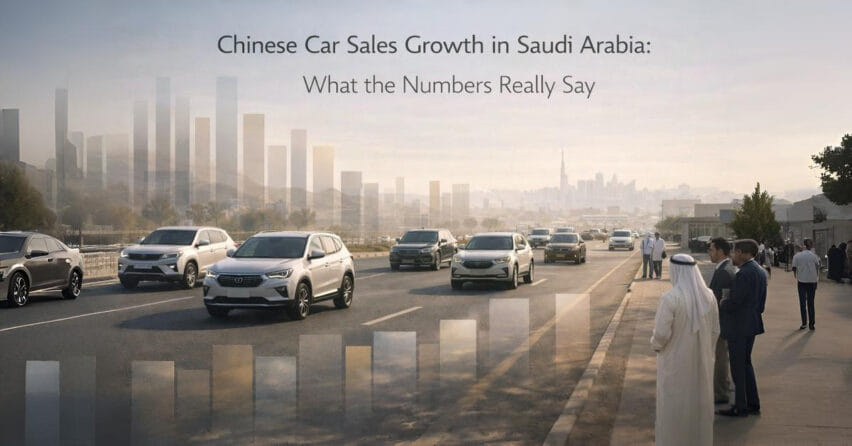
Saudi Arabia: Anyone tracking the Saudi Arabian market hardly misses the aggressive expansion of the Chinese brands. It is quite visible and easy to grasp from the number of cars on the roads and also growing sales numbers. And it is also common to come across the narrative around Chinese cars: massive growth, unbeatable momentum, and established brands losing hold on the market. To know what exactly is happening on the ground and whether the general perception really holds, we decided to do some basic research. To arrive at a better conclusion, we have taken three-year data that tells a more nuanced story.
KEY TAKEAWAYS
What's the current Chinese brand market share in Saudi Arabia?
It was nearly 13% by late 2024, down from a peak of 16–17% in 2023 but with strong growth from 5% in 2020.Which Chinese brand leads Saudi sales consistently?
Changan led in 2022-2023 with 35,000+ annual units (estimated), maintaining its market leadership position.Chinese brands climbed from 15.8% market share in 2022 to a peak around 16–17% in 2023, then slipped to approximately 13% by the end of 2024 (based on dealer registrations and industry estimates), with the Sedans Losing Ground to Compact SUVs. Even if it suggests a drop, it is certainly not a collapse but rather market maturation. The early adopters who wanted affordable SUVs have already bought them. Now Chinese manufacturers face the harder challenge: convincing mainstream buyers to switch from Toyota, Honda, Nissan, Kia, Hyundai, and others.
Chinese Brand Performance – Three-Year Comparison (2022-2024)
|
Brand |
2022 Sales |
2023 Sales |
2024 Sales |
3-Year Trend |
Market Position |
|
35,028 units |
36,000+ est. |
28,700 est. |
Growth peaked 2023 |
Market leader |
|
|
30,026 units |
32,000+ est. |
20,400 est. |
Sharp recent decline |
Second place |
|
|
22,084 units |
27,800 units |
19,100 est. |
82% growth then decline |
Third place |
|
|
8,000 est. |
10,000 est. |
16,500 est. |
Consistent growth +106% |
Rising star |
|
|
9,000 est. |
11,000 est. |
12,200 est. |
Steady climb: +35% |
Premium segment |
|
|
600 est. |
700 est. |
1,800 est. |
Slow but steady +200% |
Niche off-road |
|
|
Total Chinese |
100,612 units |
120,000 est. |
100,000 est. |
Peak 2023, correcting |
13% share |
|
Market Share |
15.8% |
16-17% est. |
~13% |
Plateau phase |
Stabilizing |
All numbers are based on publicly available market data, distributor disclosures, and industry tracking.
The Three-Year Growth Picture
It is easy to arrive at a certainty that 2022 marked Chinese brands' breakthrough year in Saudi Arabia. According to market sales numbers, 2022 marked the first time that Chinese brands crossed a significant sales milestone of 100,000 units, achieving a market share of nearly 15.8%, with top brands including Geely (+67%), Changan (+21.9%), and MG (+24.4%) all posting strong double-digit growth. This huge boost to sales was a result of smart strategies of offering SAR 80,000-95,000 Best Chinese SUVs that come with features and technologies that cost SAR 130,000+ in Japanese alternatives.
The next year, 2023, continues the remarkable momentum. Geely alone sold 27,800 units, a huge jump of 82% year-over-year, the highest among any Chinese brand. Changan maintained leadership with approximately 36,000 annual units. MG pushed past 32,000. In total, Chinese brand volumes touched 120,000 units, capturing nearly 16–17% of the market.
However, the year 2024 was different, as the growth hit a correction. Chinese sales dropped to nearly 100,000 units, reaching 2022 levels. Market share dropped to around 13%. The result is not a major issue; it is what happens when easy growth phases end and brands must compete on merit rather than novelty. Japanese and Korean brands responded aggressively with price cuts, zero-interest financing, and bundled service packages.
Winners and Losers Over Three Years
Jetour: The Consistent Climber
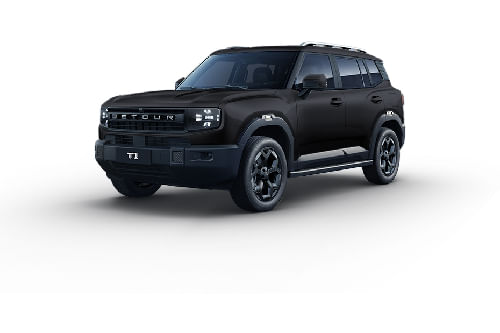
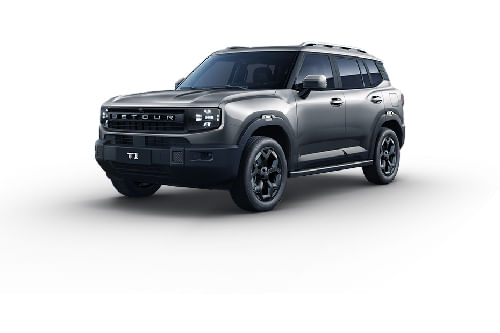
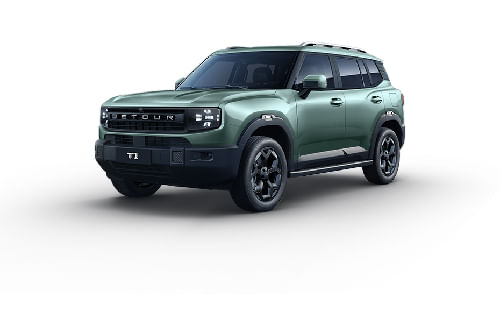
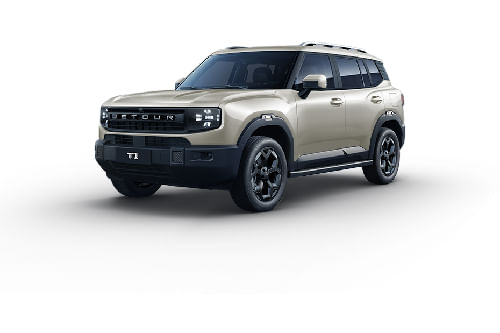
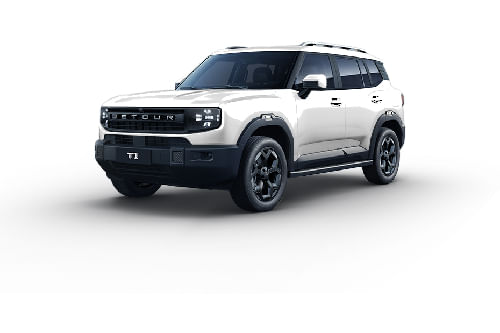
Jetour's three-year trajectory shows steady, sustainable growth. From an estimated 8,000 units in 2022 to approximately 16,500 units in 2024 (+106% growth), the brand avoided the boom-bust pattern affecting rivals. The X70 Plus and T2 models hit the real sweet spot, with key highlights that customers want, including seven seats, SAR 80,000-90,000 pricing, and modern interiors that don't feel cheap.
The strategy works because Jetour manages expectations without overpromising. The warranty is competitive but not class-leading. The technology is adequate, not extraordinary. But the cars start reliably, the AC works in 48°C heat, and parts arrive within reasonable timeframes. That's what repeat customers require.
Haval: Premium Positioning Pays Off
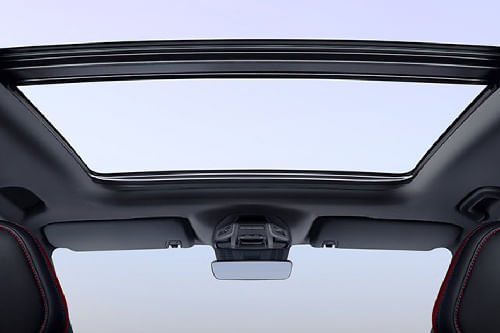
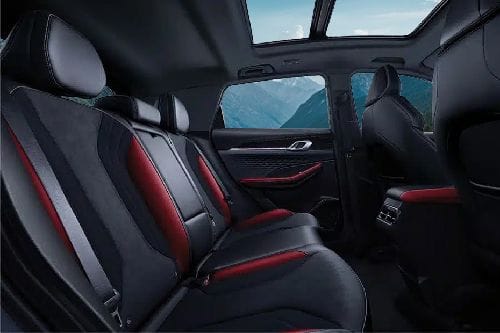
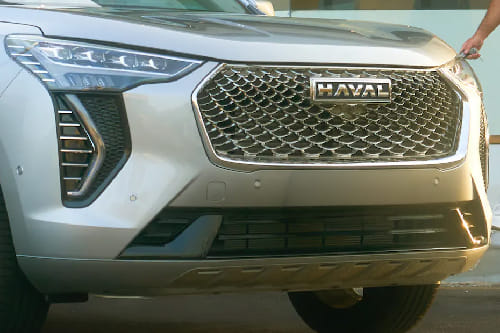
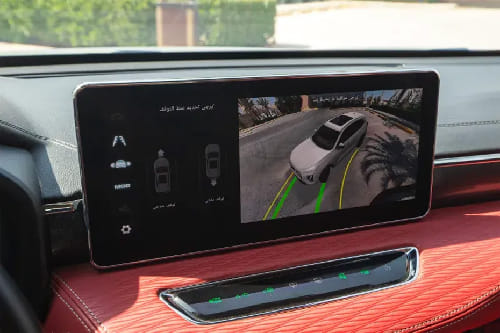
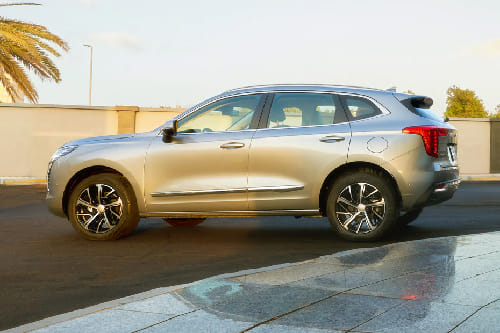
Haval's three-year growth from approximately 9,000 units in 2022 to 12,200 units in 2024 established that Chinese brands can compete beyond budget segments. The H6 at SAR 95,000 is high on equipment matching SAR 140,000 competitors, including genuine leather seats, a panoramic sunroof, a 360-degree camera, and a 234 hp turbocharged engine.
Early buyers were sceptics about testing Chinese quality. Current buyers are satisfied owners returning for second purchases or recommending to friends. That's the transition from experimental brand to established alternative.
Tank's growth from 600 to 1,800 units is a massive 200% over three years, which seems modest until you consider the segment. These SAR 140,000–160,000 off-road SUVs compete with the Patrol and Land Cruiser. Five years ago, suggesting a Chinese brand could challenge those icons would have been taken as a non-serious recommendation; today, it is certainly a reality.
Geely: The Warning Sign
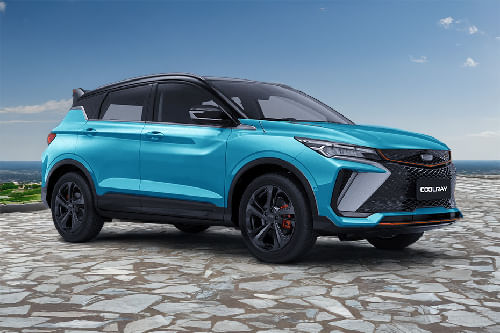
Geely's expansion perfectly highlights the challenge Chinese brands face. The 82% growth from 22,084 units in 2022 to 27,800 units in 2023 looked unstoppable. But it was not as it started to drop. approximately 19,100 units in 2024, a 31% drop from peak.
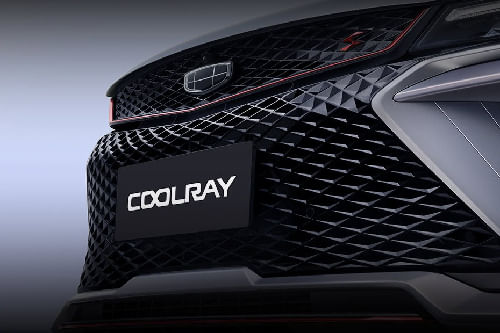
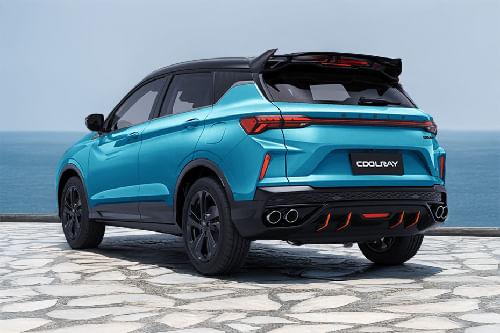
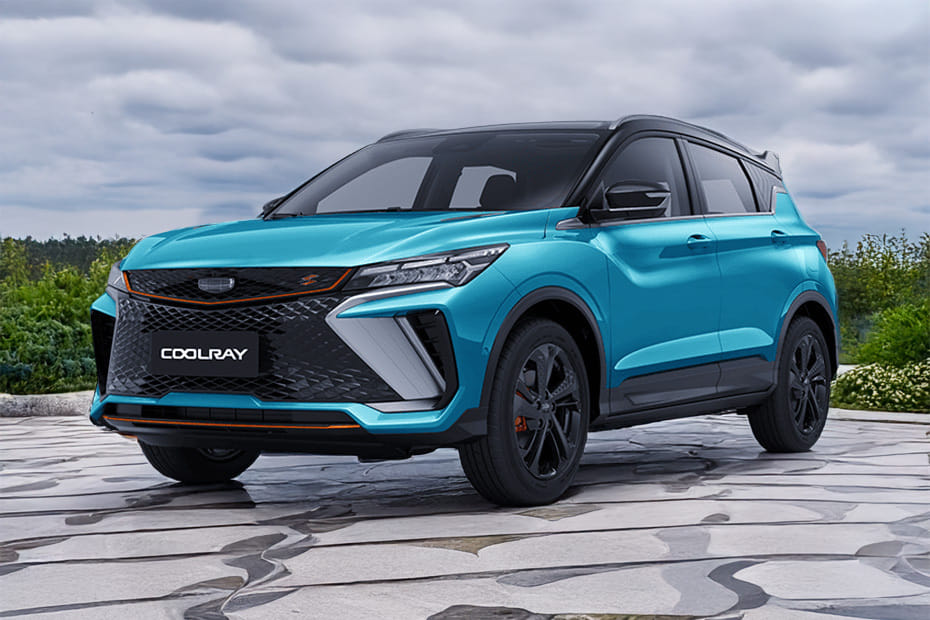
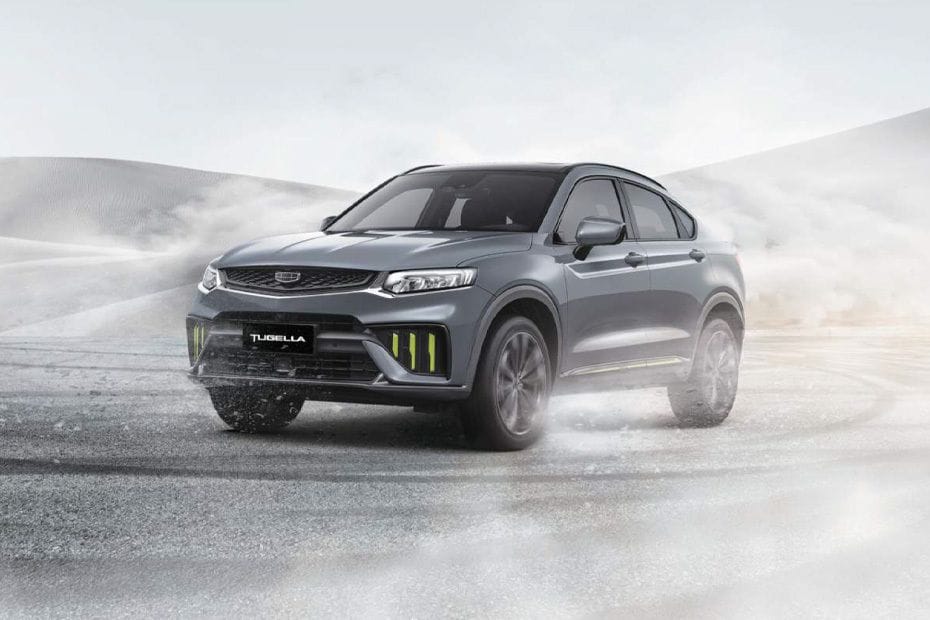
What happened? The Coolray's and Tugela's initial popularity was based on spec sheets and competitive pricing, which hit well with buyers. But repeat customers are not fulfilled; reliability concerns persist. Service network gaps become apparent when owners need repairs. The initial warranty advantage matters less when parts take two weeks to arrive in smaller cities.
Changan: Market Leader Losing Momentum
Changan's decline from 35,028 units in 2022 to approximately 28,700 units in 2024 concerns the entire Chinese automotive sector. As the largest, most established Chinese brand with extensive distributor networks through Almajdouie Motors, Changan should be weathering competition better.
The CS75 Plus and CS95 face intense competition from Hyundai and Kia, which are cutting prices and offering better financing, and customers gravitate to them as they are more established cars. Similarly, Japanese brands also started enhancing their technology, making major strides in providing the most relevant and exciting features commonly found in Chinese cars. It looks like Changan is not able to build a perfect brand loyalty among buyers, which plays a key role in getting buyers again to the showroom, perhaps a key factor in sales decline. We all know how; word-of-mouth also plays a significant role.
MG: Significant Drop
MG's three-year data is full of ups and downs, reaching 30,026 units in 2022, an estimated 32,000 in 2023, and then falling to almost 20,400 units in 2024. This sharp drop from the highest volumes points to a severe slump among major Chinese brands.
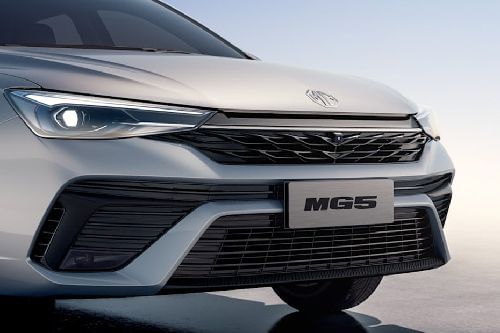
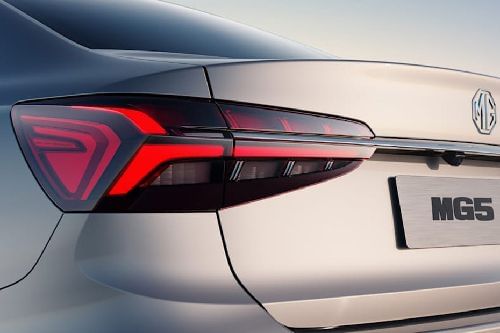
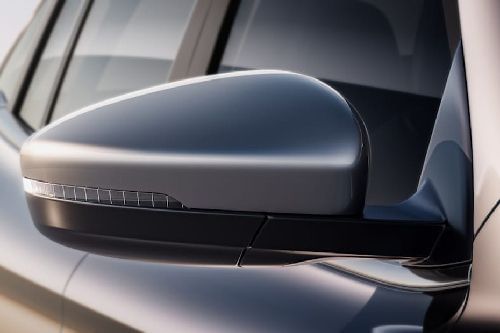
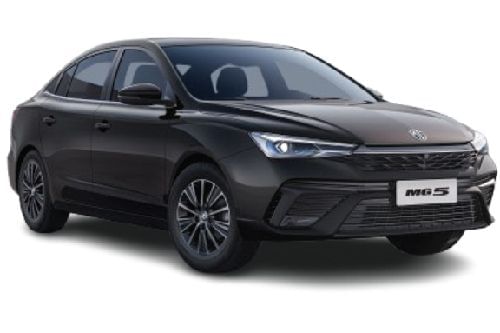
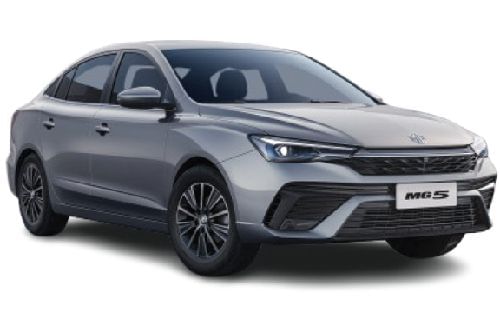
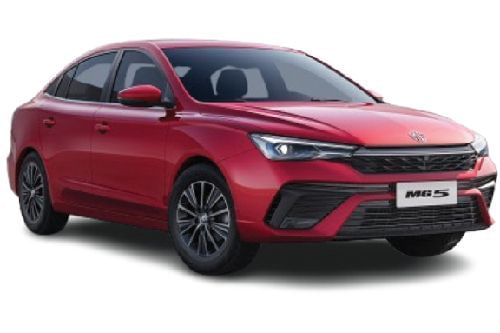
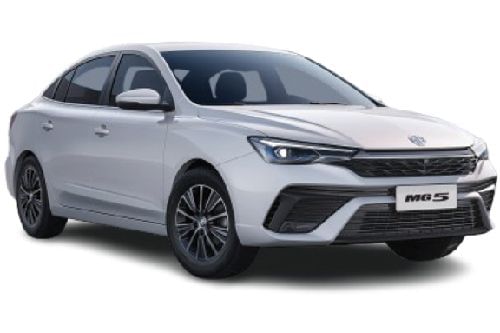
Interestingly, the MG 5 sedan emerged as the favourite among Saudi buyers right from the start, attracting buyers looking for an affordable sedan without compromising a lot. But the Saudi market remains dynamic, and buyers made a transition towards compact and mid-size SUVs even after the SUV vs Sedan Ownership Cost differences. MG's SUV offerings (ZS, RX5) face intense competition from newer brands with more compelling overall value propositions.
What the Three-Year Numbers Reveal
It is interesting to observe the number of the industry. The total Saudi car sales in 2022 were 636,746 units, and the Chinese brands cornered 100,612 of those, which is about 15.8%. In 2023, Chinese sales peaked at around 120,000 units with a market share of nearly 16–17%, but by 2024, the market corrected to approximately 100,000 units with roughly 13% market share.
This plateau matters and tells something that is worth the attention. It looks like the Chinese brands are not failing by doing something wrong; rather, it shows that they have established a sustainable 13-15% market foothold. But the speedy growth phase ended, and the path from 13% to 20% market share needs something more, and that is fundamentally different strategies than the path from 5% to 13%.
Three obstacles emerged clearly over three years
Resale Value Uncertainty: A three-year-old Changan CS75 sells for 40-50% of the original price. The Changan Cars Price in Saudi Arabia vs a three-year-old RAV4 is approximately 70%. That 20-25% gap accumulates to a SAR 30,000-40,000 difference on a SAR 100,000 purchase, which is hard to ignore, including the resale value of other Chinese cars when arriving at the total ownership cost.
Service Network Gaps: Almajdouie Motors (Changan) and Al Wallan (Geely) have decent coverage in Riyadh, Jeddah, and Dammam. However, smaller brands continue to face significant challenges. You might wait two weeks for parts in Tabuk or Al-Khobar. Japanese networks still deliver parts same-day in most locations.
Reliability Perception: Fair or not, buyers assume Japanese cars reach 200,000 km without major problems. Chinese cars? Three years of data is not sufficient to overcome decades of Japanese reputation. Some Chinese vehicles are proving reliable. But aggregate perception changes slowly.
The Price Advantage Is Shrinking
In 2022-2023 featured aggressive Chinese pricing. A Jetour X70 at SAR 80,000 versus a RAV4 at SAR 110,000 made the decision straightforward for budget-conscious families among the Top Budget-Friendly Chinese Cars. The SAR 30,000 gap has narrowed to SAR 15,000–20,000.
Japanese and Korean manufacturers responded
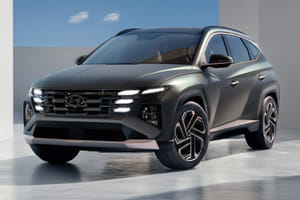
- Hyundai dropped Tucson to SAR 89,000 in promotional periods
- Kia offers zero-interest financing on the Sportage.
- Nissan bundles free maintenance and insurance on X-Trail
- Toyota expanded Hilux availability with lower trim levels
Simultaneously, Chinese brands raised prices. The Haval H6 launched at SAR 78,000 in 2022. What is the base model's price today? SAR 95,000. Better equipment justifies some increase, but the value proposition erodes. At SAR 95,000, buyers start cross-shopping Japanese alternatives more seriously.
Where Chinese Brands Still Win
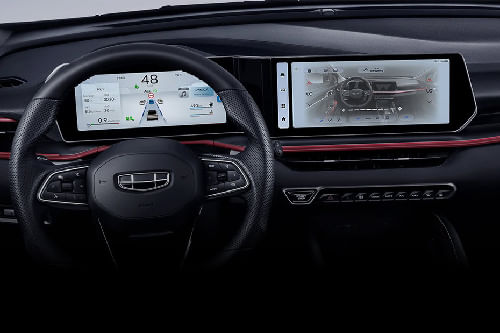
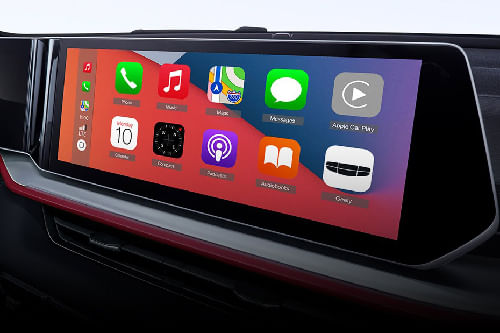
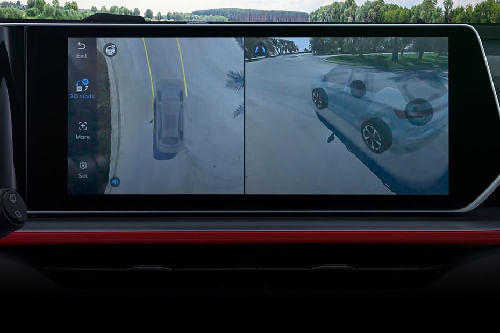
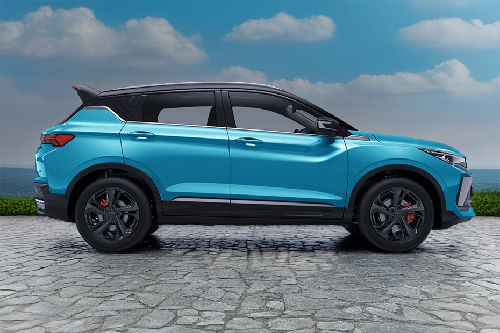
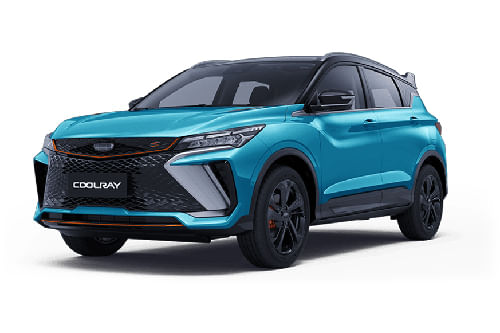
Technology remains the Chinese advantage. A SAR 90,000 Geely Coolray includes:
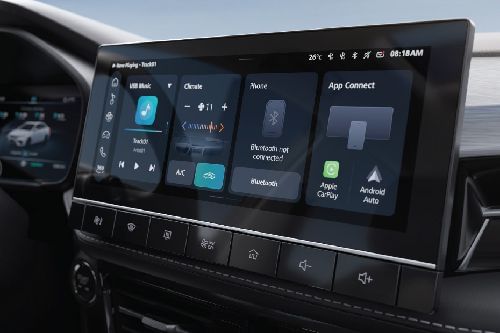
- 12.3-inch touchscreen; Toyota charges extra for 9 inches
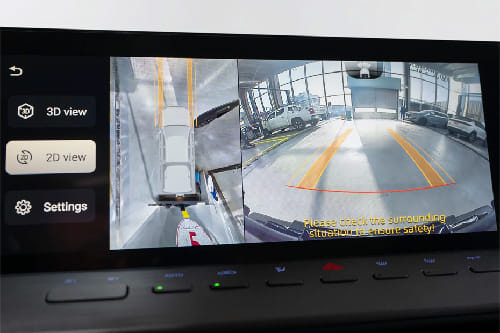
- 360-degree camera system optional on most Japanese SUVs
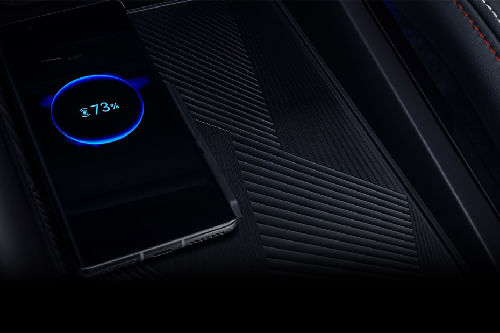
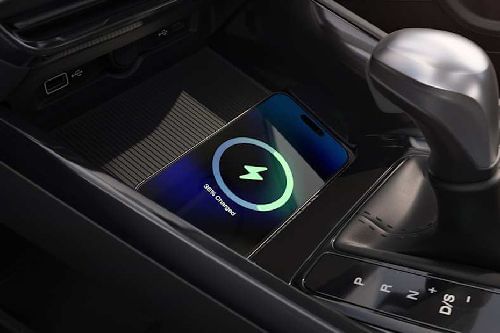
- Wireless phone chargers are rare at this price point
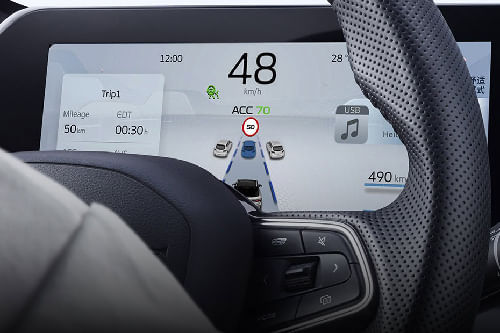
- Level 2 driver assistance lane keeping, adaptive cruise
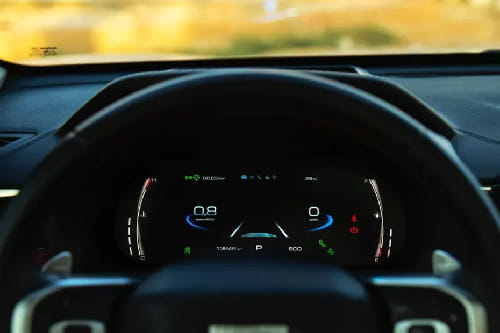
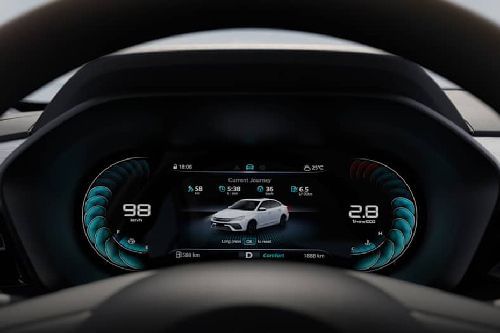
- Digital instrument cluster
Young buyers under 35 prefer these features. They grew up with smartphones and expect cars to offer similar technology. Japanese brands treat touchscreens and driver assistance as luxury features. Chinese brands make them standard.
Extended warranties shifted the equation. Changan offers six years or 250,000 km of coverage. Geely provides similar terms. Toyota? Three years, 100,000 km. For buyers planning to keep the car long-term, extended warranties reduce risk perception.
The Path Forward
There have been several reports that point towards strong growth of Chinese brands in the Middle East and Africa, reaching as much as 34% by 2030; this is rather ambitious. Looking at what has happened in the last three years tells us that they can certainly do it, but the path to that goal won’t be a straight line but rather a bumpy road with a lot of ups and downs. Industry projections suggest. A more achievable Saudi Arabia target would be anywhere between 18% and 20% by 2028, and even to do that, they need a fresh look at growth prospects after the current correction. Achieving this goal requires:
- Improved Parts Availability
- Proven Reliability Track Records
- Competitive Used Car Values
- Continued Technology Leadership
-
Honest Communication
Conclusion
Chinese car sales in Saudi Arabia over three years show clear progression: rapid growth from 5% to 15.8% market share between 2020 and 2022, peak momentum around 16-17% (2023), then a correction to approximately 13% in 2024. Whether Chinese brands stabilise around 13% or push towards 20% depends on their ability to convert first-time buyers into repeat customers, and three years of data suggest that's the critical challenge ahead.
Dinesh Goluguri

With over 15 years of experience in the automotive world, Dinesh Goluguri bringing hands-on experience and deep market knowledge. Passionate about SUVs, sports cars and luxury vehicles, he combines enthusiasm with expertise in delivering insights that resonate with car buyers and enthusiasts alike. With a special interest in car modifications and upgrades, Dinesh offers a unique perspective that goes beyond standard reviews, highlighting both factory features and customization potential. His work helps readers navigate new launches, features and trends in the dynamic automotive market.
Read Full Bio-
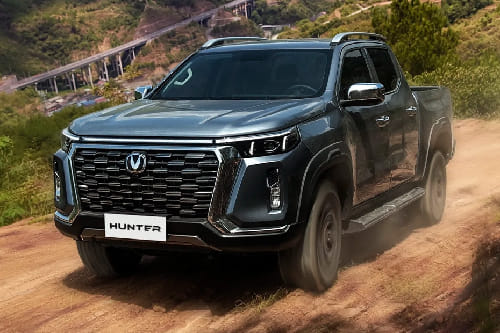
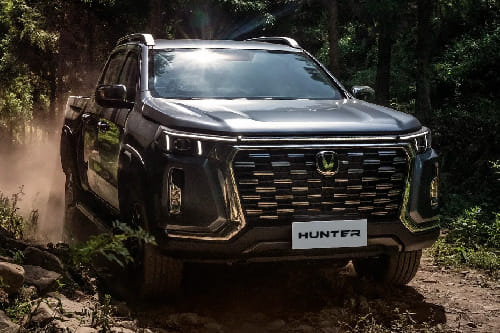
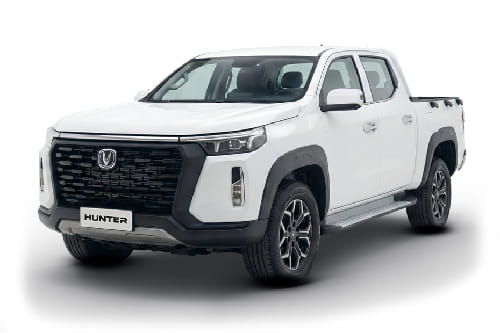
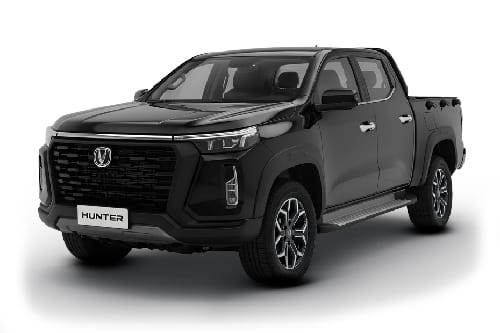
Explore Changan Hunter
-
-
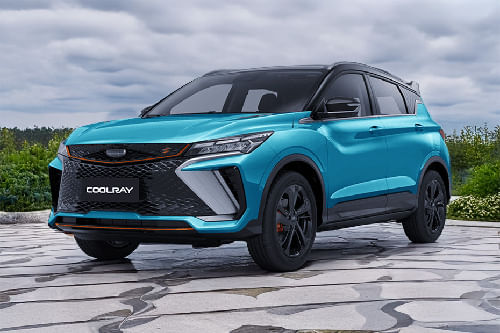
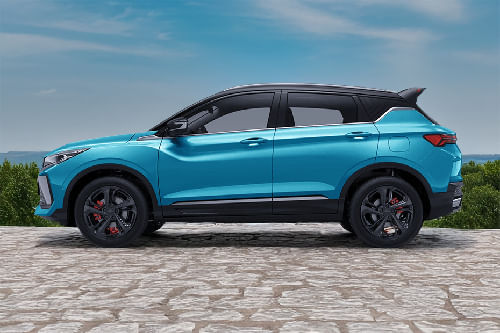
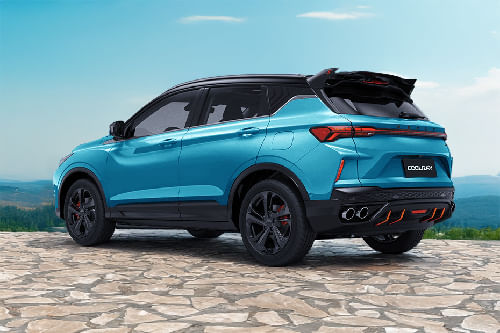
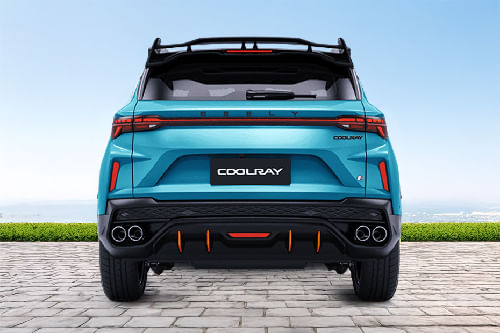
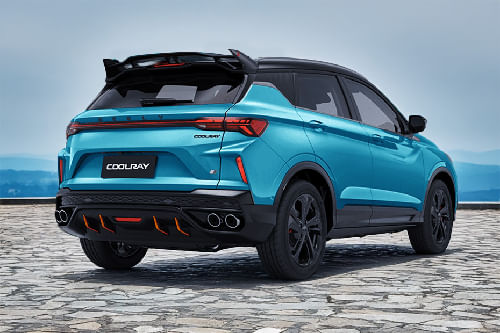
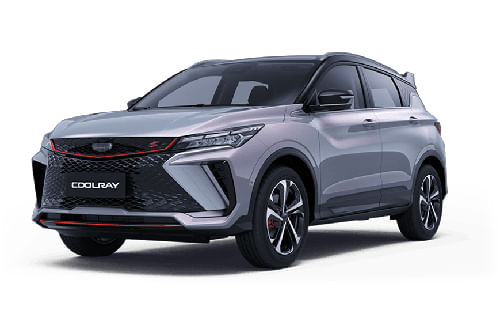
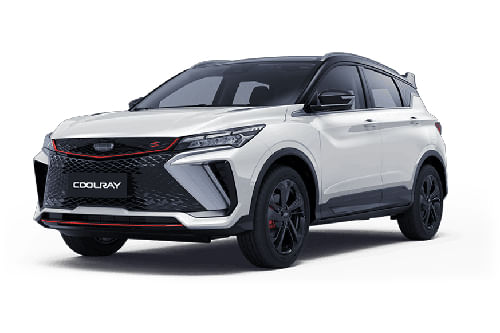
Explore Geely Coolray
-
-
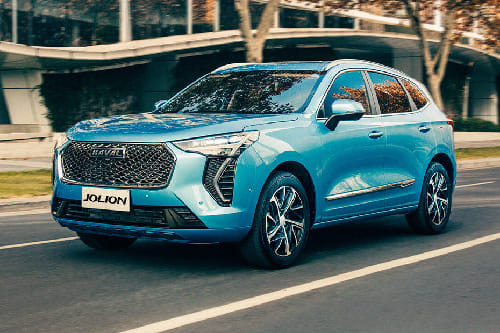
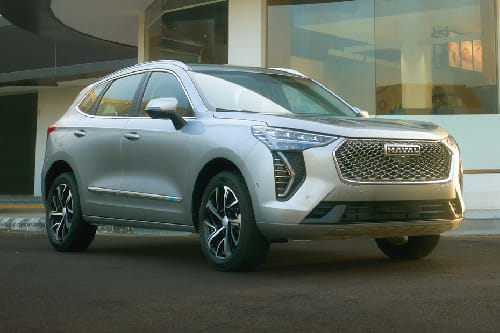
Explore Haval Jolion
-



-
Geely STARRAY -
Geely Coolray -
Geely Tugella -
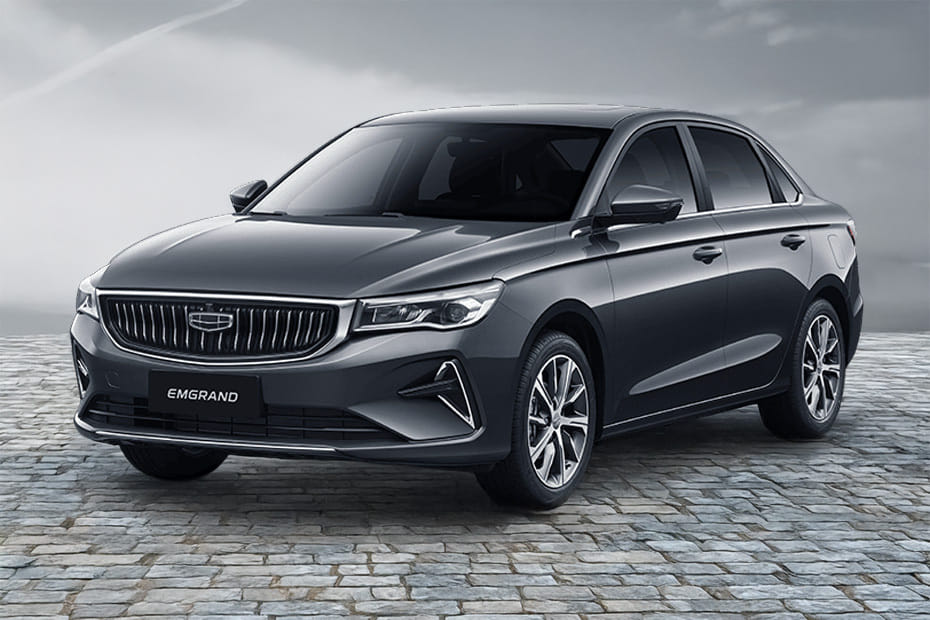
Geely Emgrand -
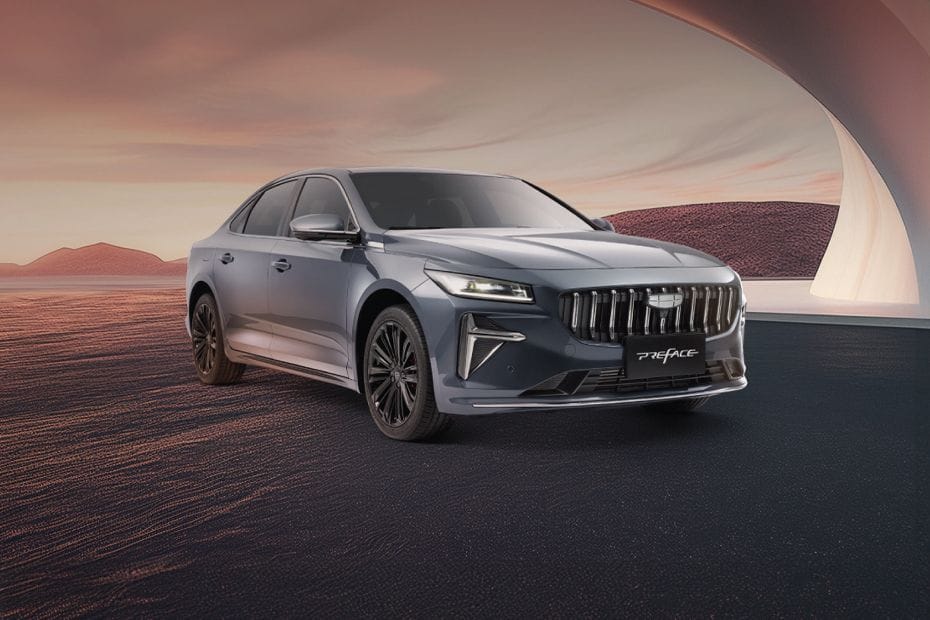
Geely Preface -
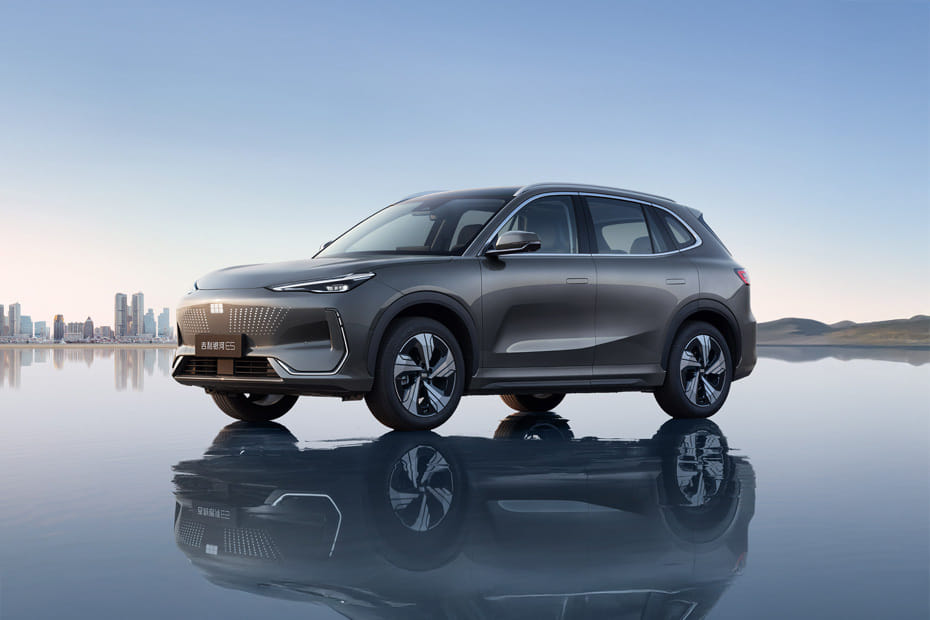
Geely Galaxy E5 -
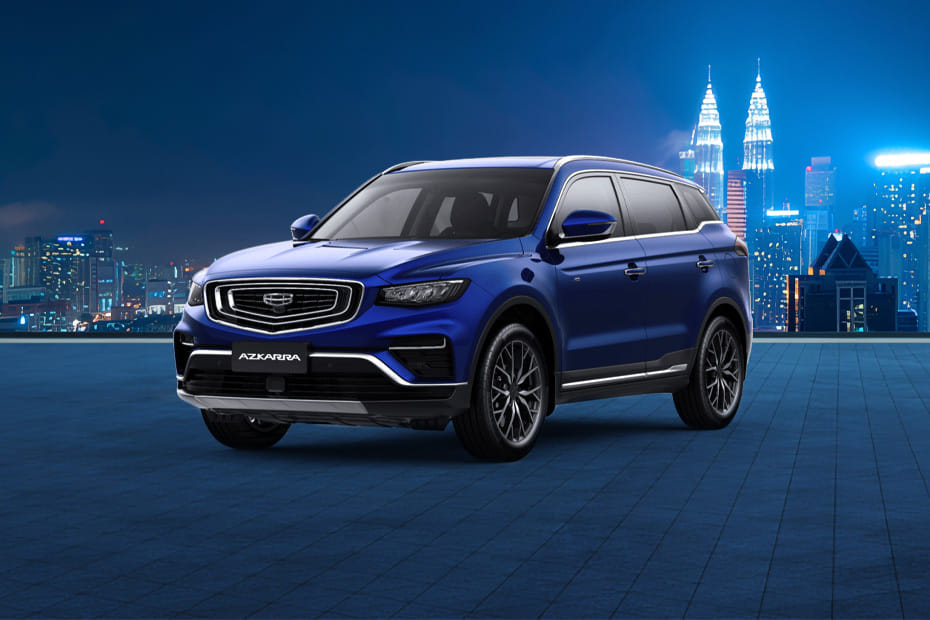
Geely Azkarra -
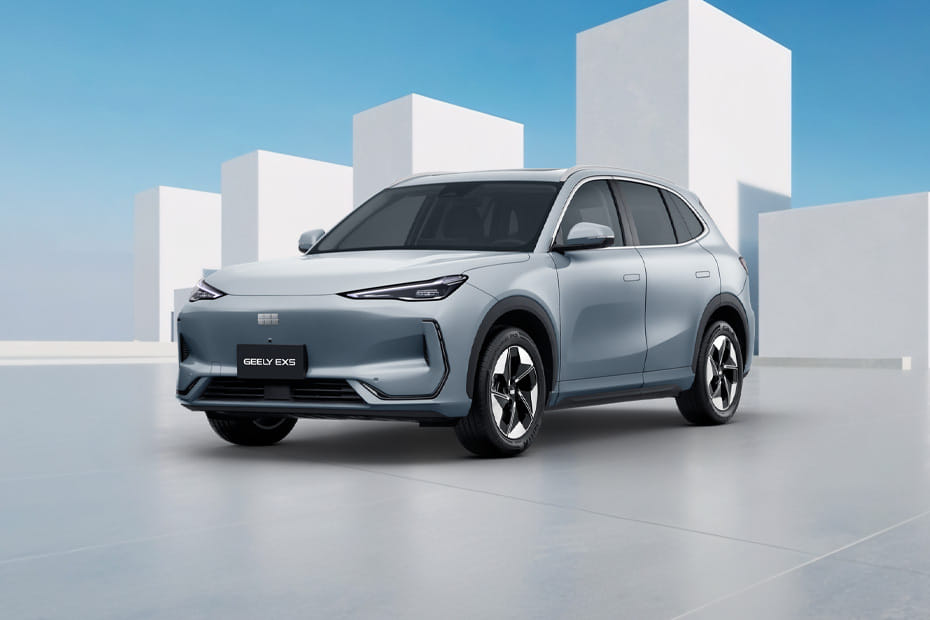
Geely EX5 -
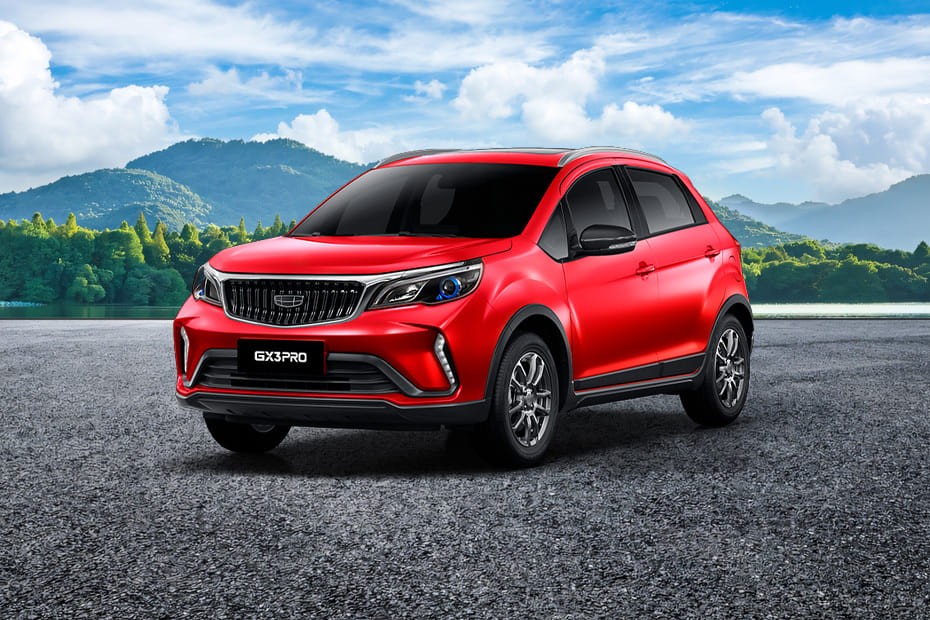
Geely GX3Pro -
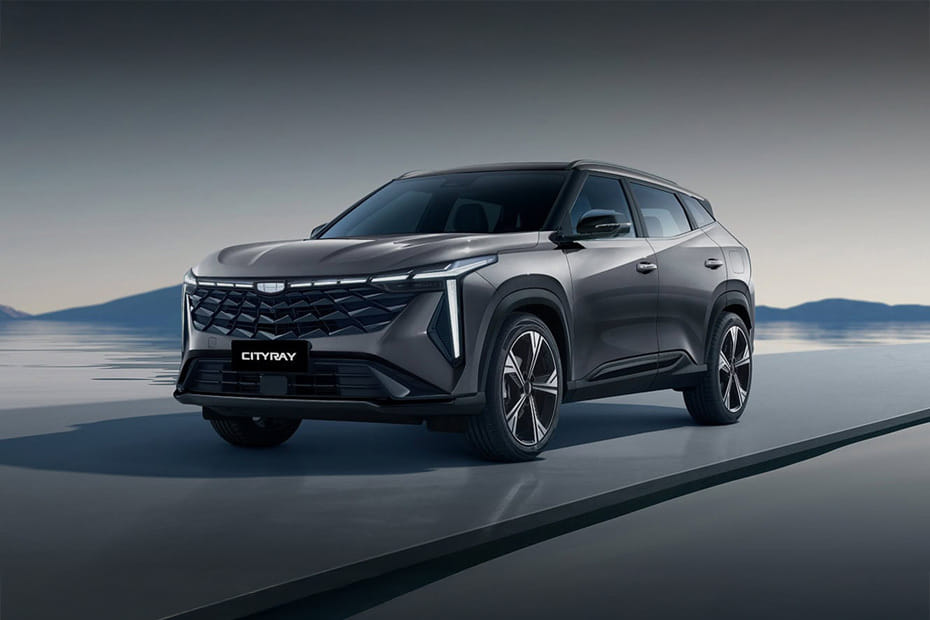
Geely Cityray -
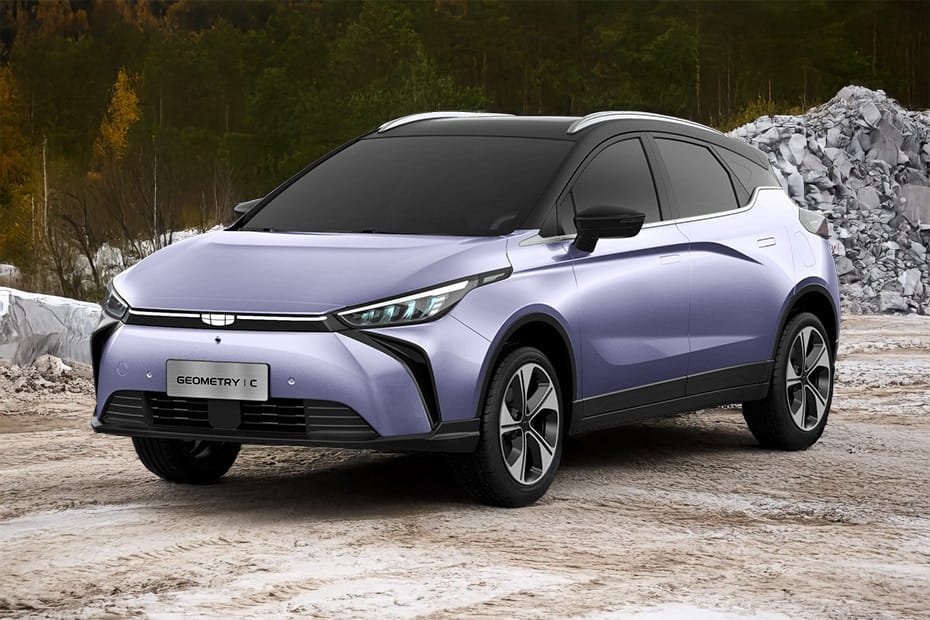
Geely GEOMETRY C -
Geely Okavango
- News
- Latest
- Popular
-
 Geely Galaxy E5Price coming soon
 -
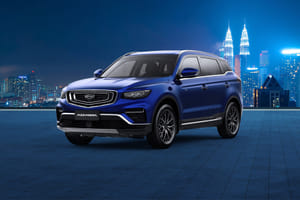 Geely AzkarraPrice coming soon
 -
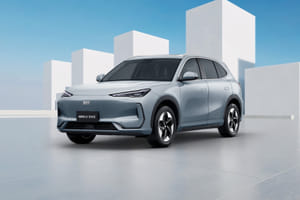 Geely EX5Price coming soon
-
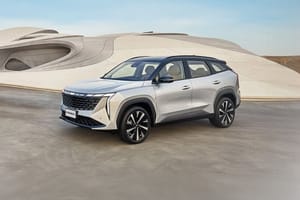 Geely STARRAYSAR 89,585 - 106,734
 -
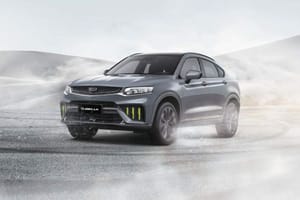 Geely TugellaSAR 104,535
 -
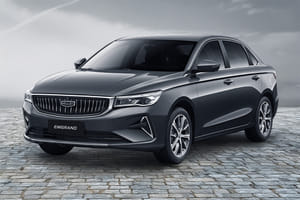 Geely EmgrandSAR 57,385
 -
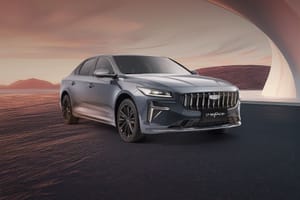 Geely PrefaceSAR 87,285
 -
Geely Galaxy E5Price coming soon
|
|
|
|
|
|
Transmission Type
Automatic
|
Automatic
|
Automatic
|
Automatic
|
CVT
|
|
Engine Displacement
1477
|
998
|
1462
|
1500
|
1497
|
|
Power
172Hp
|
97Hp
|
101Hp@6000rpm
|
154Hp
|
181Hp
|
|
Torque
290Nm
|
140Nm@2400-4000rpm
|
136Nm@4400rpm
|
-
|
295Nm@1500-4000rpm
|
|
|
- Latest
- Upcoming
- Popular
-
 KIA EV2SAR 148,000
 -
 Toyota CenturyPrice coming soon
 -
 Jeep Grand Cherokee 2026Price coming soon
 -
 ZEEKR 9XPrice coming soon
 -
 Mitsubishi PajeroPrice coming soon
 -
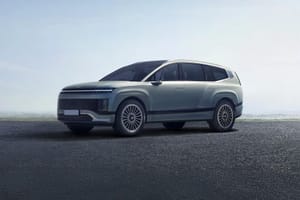 Hyundai Ioniq 9Price coming soon
-
 Land Rover Range RoverSAR 591,500 - 1.3 Million
 -
 GMC HUMMER EVSAR 579,200 - 725,500
 -
 Hyundai PalisadeSAR 242,305 - 242,368
 -
 Changan UNI-KSAR 141,335
 -
 Toyota RaizeSAR 68,827 - 75,497
 -
 Hyundai TucsonSAR 103,500 - 162,552