Fuel Pricing Policy in KSA: How It Affects Car Buying Decisions

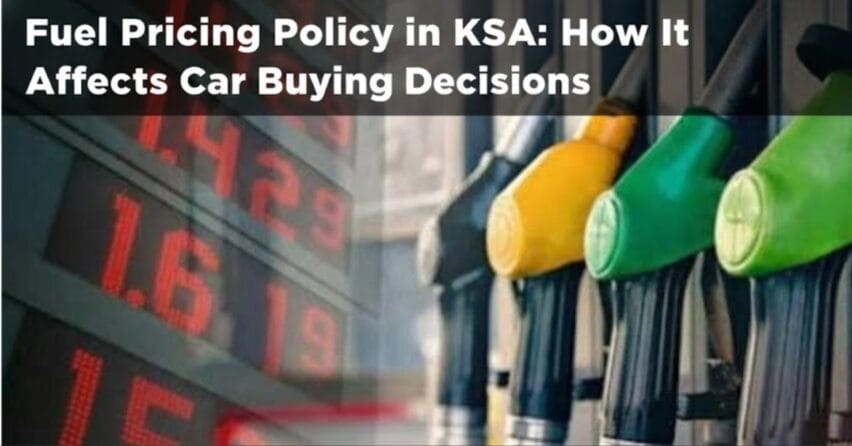
The automotive industry across the world largely thrives on robust fuel prices. This is true across all the major markets. Beyond the purchase of a car, the real affordability always hinges on the running cost seen in the SUV vs Sedan Ownership Cost Comparison, which is defined by fuel prices. Fuel prices in Saudi Arabia today are not what they used to be. About ten years ago, petrol cost SAR 0.45 per litre, extremely low, which today is about SAR 2.18 for 91-octane, which turns out to be nearly five times higher.
KEY TAKEAWAYS
What's the current fuel price in Saudi Arabia?
Petrol 91 costs SAR 2.18 per litre, petrol 95 costs SAR 2.33 per litre, and diesel costs SAR 1.66 per litre.How much have fuel prices increased since 2010?
Petrol 91 rose from SAR 0.45 to SAR 2.18 (a 384% increase), and diesel more than doubled.Likewise, diesel prices jumped even more dramatically, from SAR 0.20 in 2022 to SAR 1.66 in 2025. These are not minor adjustments but highlights of fundamental shifts that change how Saudis think about buying cars, since running cost is vital in car ownership. When filling a tank costs three times what it did five years ago, fuel economy stops being an afterthought and becomes a primary purchase criterion. Hence, this has forever changed the way cars are purchased in the Kingdom, as buyers started to focus on things they never really cared much about.
Saudi Fuel Price History (2010-2025)
|
Year |
petrol 91 (SAR/L) |
petrol 95 (SAR/L) |
Diesel (SAR/L) |
Major Change |
|
2010-2015 |
0.45 |
0.60 |
0.20 |
Heavily subsidized |
|
2016 |
0.75 |
0.90 |
0.35 |
First subsidy cuts (+67%) |
|
2018 |
1.37 |
2.04 |
0.50 |
Major reform (+82%) |
|
2021 |
2.18 |
2.33 |
0.75 |
Price cap introduced |
|
2024 |
2.18 |
2.33 |
1.15 |
Diesel hike (+53%) |
|
2025 |
2.18 |
2.33 |
1.66 |
Diesel hike (+44%) |
Why Car Prices Climbed
Saudi Arabia's fuel pricing reform started after 2014 when oil prices crashed. The government could not afford to keep subsidising fuel at pre-2014 levels. Vision 2030's economic diversification required aligning domestic fuel prices closer to international levels.
The year 2016 saw a significant shift as the price of petrol 91 surged from SAR 0.45 to 0.75, a 67% increase. Then in 2018, another round pushed it to SAR 1.37, an 82% jump. By 2021, the government set a cap at SAR 2.18 for 91-octane and SAR 2.33 for 95-octane, where petrol prices have remained stable.
Diesel followed a different path, as it stayed low longer to protect the industrial and transportation sectors. But starting in 2022, annual diesel price reviews began. The jumps were steep: SAR 0.75 in 2022 to SAR 1.15 in 2024 to SAR 1.66 in 2025. That's more than doubling in three years; never has such a massive reform happened.
These increases were not arbitrary or irrational; rather, there was a clear objective behind these initiatives. The government wants to reduce domestic fuel consumption, which grows as Vision 2030 construction projects expand. Higher diesel prices discourage waste in industrial sectors while still keeping prices below most neighbouring countries.
How It Impacted Car Buying
Five years ago, Saudi buyers largely focused on car size and power. In the buying process, fuel economy was never really a top concern in dealership conversations. Massive V8 engines and large SUVs dominated sales due to their power and performance, thrilling driving and huge capabilities in comparison with the SUVs and Sedans. The Toyota Land Cruiser, Nissan Patrol, and Chevrolet Tahoe outsold smaller, efficient alternatives by wide margins; everybody loved them. That has changed considerably but not entirely. Buyers now care about mileage and mostly ask about fuel consumption before asking about horsepower. The conversation changed.
Fuel economy now matters
- Buyers consider annual fuel costs before purchase
- A 15 km/L now seems to be the sweet spot as far as mileage is concerned.
- as hybrid models seeing increased interest
- It is visible that diesel vehicles losing appeal due to price volatility
- In a big change, four-cylinder turbos replacing V6 engines in mid-size segments
A practical example shows why. Take a buyer driving 20,000 km annually and choose between two SUVs:
|
SUV Option |
Efficiency |
Annual km |
Fuel Used |
Cost @ SAR 2.18/L |
Annual Cost |
|
Large V8 SUV |
10 km/L |
20,000 km |
2,000 liters |
SAR 2.18 |
SAR 4,360 |
|
Efficient 4-Cyl SUV |
15 km/L |
20,000 km |
1,333 liters |
SAR 2.18 |
SAR 2,905 |
The difference? SAR 1,455 annually. Over five years of ownership, that's SAR 7,275 saved. That's not pocket change; it's a down payment on the next car.
Diesel's Losing Charm
There was a time when diesel cars were a sensible choice when prices were SAR 0.75 per litre. The fuel economy advantage offset the higher purchase price and maintenance expenses. Diesel SUVs like the Fortuner 2.8D and Pajero 3.2 Diesel are known to offer 40-50% better fuel economy than petrol equivalents.
But at SAR 1.66 per litre, which is rising annually, diesel looks less attractive as the smart choice. The price gap between diesel and petrol narrowed from SAR 1.43 in 2021 to SAR 0.52 in 2025. That's a 64% reduction in diesel's price advantage, which has to impact its overall appeal.
Buyers are noticing these changes, and therefore diesel car sales declined as a percentage of total sales. The uncertainty about future diesel prices creates hesitation among buyers; if diesel hits SAR 2.00+ per litre in 2027, the fuel economy advantage disappears entirely for most buyers, and they move more towards petrol cars.
The Hybrid Opportunity
Technology is a huge enabler; not long ago hybrid cars were totally out of consideration. They were not appealing at all; this has changed significantly over the last 3-4 years. For obvious reasons, hybrids make sense, as they offer the clearest response to rising fuel prices. A Toyota RAV4 Hybrid averages 20–22 km/L. A Hyundai Tucson Hybrid promises similar numbers, and these mileage figures were once exclusive to small sedans; now they're available in mid-size SUVs.
The math works out, as the hybrid costs SAR 15,000-20,000 more than the equivalent petrol model. But the fuel savings offset that premium within 3-4 years for average drivers with decent annual savings.
Saudi buyers are now finding the hybrid practical, which is visible through sales numbers. Hybrid cars posted sales growth of 35-40% annually in 2023 and 2024. That's faster than overall market growth, and this segment is expanding because the economic case is clear. To cater to such demand, carmakers are introducing more hybrid options for customers to choose across segments and price points, with continual additions of Upcoming Hybrid Cars in Saudi Arabia.
What You Should Consider
Fuel prices most likely will not come down, as the government's fiscal strategy depends on reducing subsidies. Additionally, diesel prices are likely to continue rising each year, while petrol prices may increase if the SAR 2.18 cap is lifted.
Smart buyers factor fuel costs into total ownership:
Purchase price + (Annual fuel cost × ownership years) = True cost
A SAR 90,000 SUV costing SAR 4,000 a year in fuel is pricier over five years than a SAR 105,000 hybrid costing SAR 2,500 a year.
Resale value matters too. As fuel prices rise, efficient vehicles hold value better. A three-year-old hybrid might sell for 70% of the purchase price, while a V8 drops to 55-60%.
Vehicle size trade-offs become clearer. The fuel cost difference between mid-size and full-size SUVs is SAR 1,000-1,500 annually or SAR 5,000-7,500 over ownership.
Conclusion
Looking at the overall market impact, the fuel pricing reform has fundamentally changed car buying patterns in Saudi Arabia. Due to petrol rising nearly 5x and diesel more than doubling since 2022, it clearly weighs heavily on buyers, and so on. Most buyers in the market right now looking for a car focus on its overall fuel efficiency and calculate total ownership costs instead of just upfront cost. Not just that, but many are now actively considering hybrid and electric cars. With EV Sales in Saudi Arabia showing good Adoption among new buyers. The V8 engines, once highly popular for their thrill, are now giving way to more efficient V6s. Smart buyers factor SAR 3,000-4,000 annual fuel costs into purchase decisions, understanding that fuel expenses over five years equal 15-25% of the vehicle purchase price, which becomes a key element.
Dinesh Goluguri

With over 15 years of experience in the automotive world, Dinesh Goluguri bringing hands-on experience and deep market knowledge. Passionate about SUVs, sports cars and luxury vehicles, he combines enthusiasm with expertise in delivering insights that resonate with car buyers and enthusiasts alike. With a special interest in car modifications and upgrades, Dinesh offers a unique perspective that goes beyond standard reviews, highlighting both factory features and customization potential. His work helps readers navigate new launches, features and trends in the dynamic automotive market.
Read Full Bio-
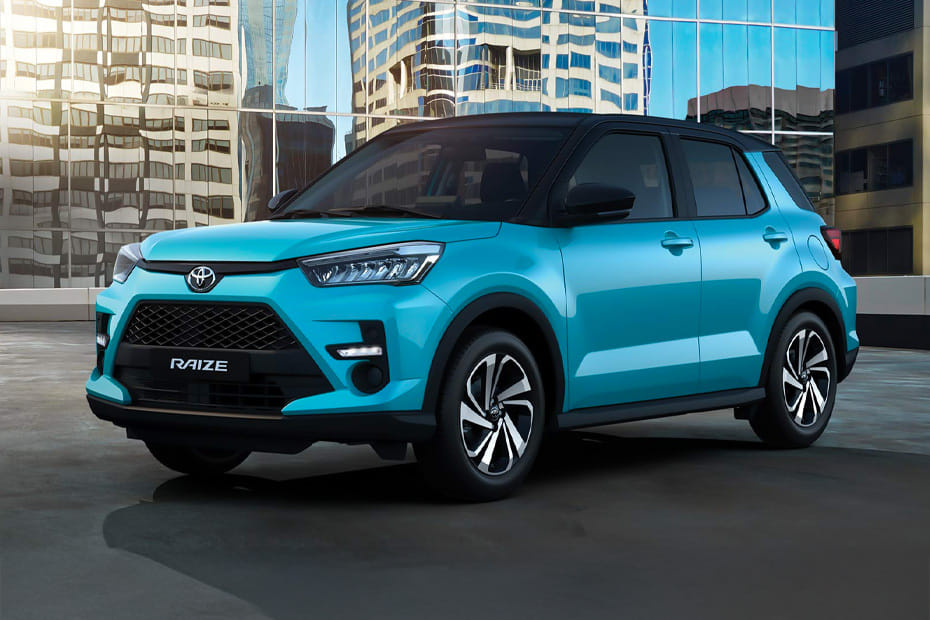
Toyota Raize -
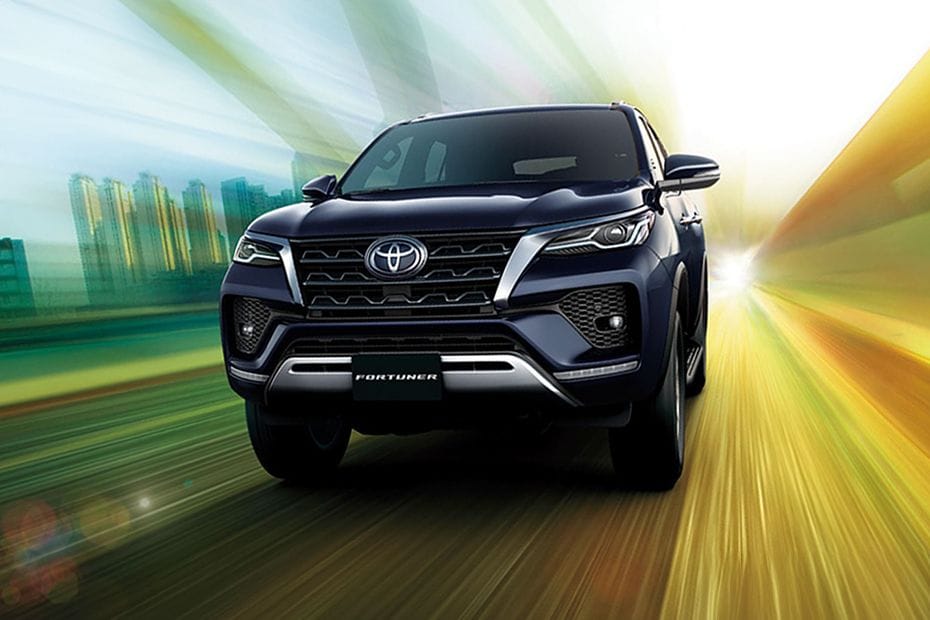
Toyota Fortuner -
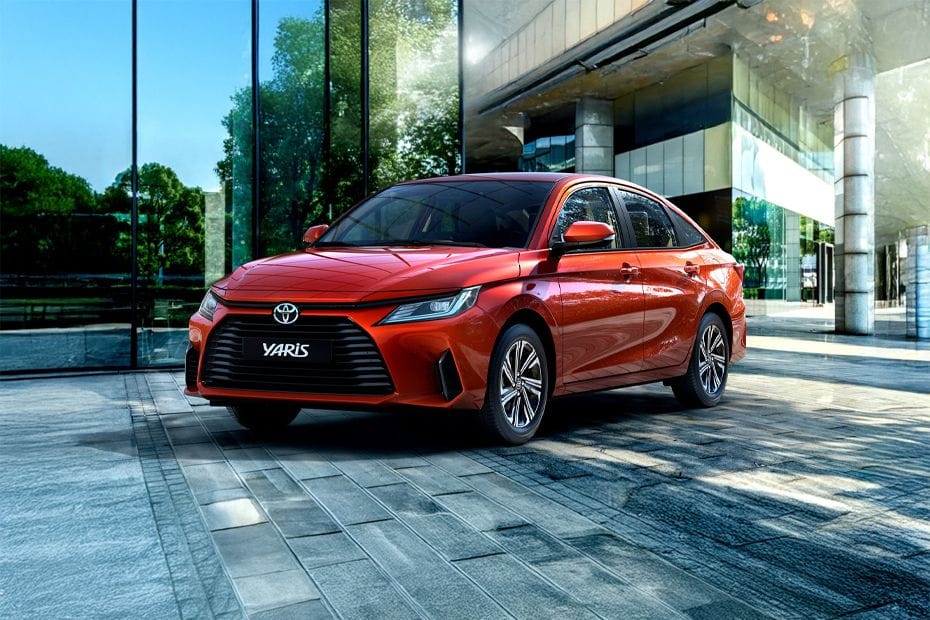
Toyota Yaris -
Toyota Land Cruiser 70 Hard Top -
Toyota Urban Cruiser -
Toyota Camry -
Toyota Corolla -
Toyota Innova -
Toyota Veloz -
Toyota Highlander -
Toyota Liteace -
Toyota Hiace
- News

- Latest
- Popular
-
 Toyota CenturyPrice coming soon
 -
 Toyota TundraPrice coming soon
 -
 Toyota SequoiaPrice coming soon
 -
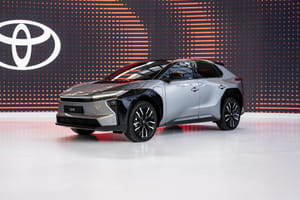 Toyota bZ4XPrice coming soon
 -
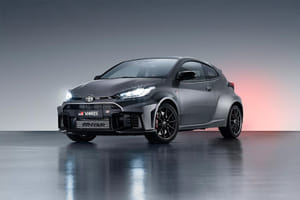 Toyota GR YarisPrice coming soon
 -
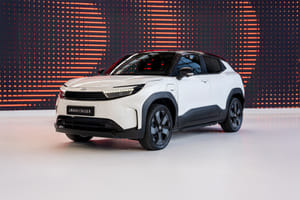 Toyota Urban Cruiser 2026Price coming soon
-
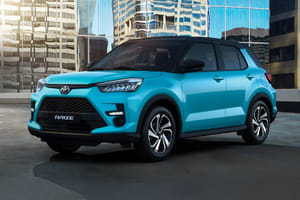 Toyota RaizeSAR 68,827 - 75,497
 -
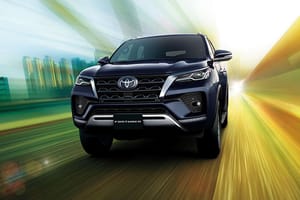 Toyota FortunerSAR 128,742 - 187,047
 -
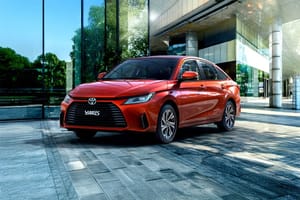 Toyota YarisSAR 66,700 - 78,832
 -
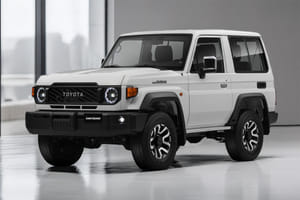 Toyota Land Cruiser 70 Hard TopSAR 158,240 - 201,192
 -
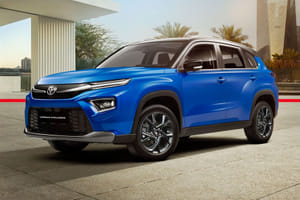 Toyota Urban CruiserSAR 82,915 - 92,115
 -
 Toyota CamrySAR 109,825 - 153,985

-
 Designed for the City06 May, 2026 .
 -
 Toyota Yaris06 May, 2026 .
 -
 It shines with a completely new style06 May, 2026 .
 -
 Toyota Crown06 May, 2026 .
 -
 the most amazing of its generation06 May, 2026 .
 -
 Toyota Corolla Cross06 May, 2026 .
 -
 Toyota Rav406 May, 2026 .
 -
 2026 Toyota Supra Track Edition06 May, 2026 .