Passenger Movement in Mega Projects Like NEOM & Red Sea: Mobility Challenges

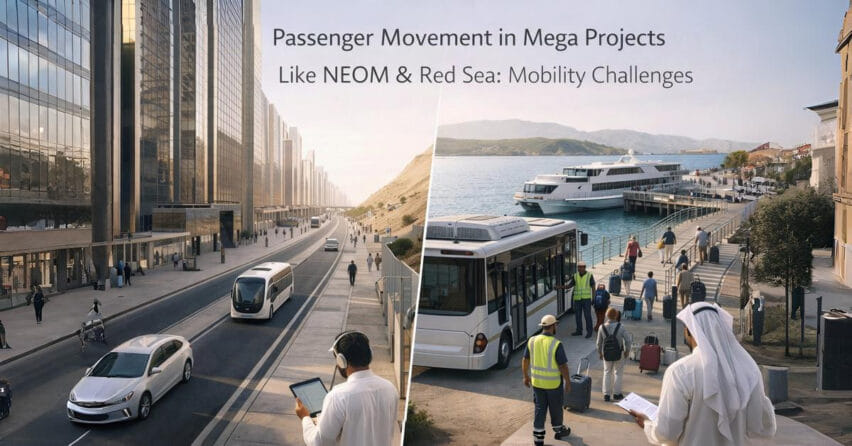
Saudi Arabia has embarked on some ambitious mega projects that will most likely turn transportation into a high-stakes experiment not common in the world. NEOM certainly does not qualify as just another new city; it is a 170-kilometre-long urban line that promises life without traditional cars, built around high-speed transit and autonomous shuttles, shunning the well-known congested highways. The Red Sea Project, meanwhile, aims to move up to 1 million visitors annually across various islands and luxury coastal resorts while still planning to have minimal environmental impact.
KEY TAKEAWAYS
What's the main transport challenge in NEOM?
Moving 1 million residents through 170 km without cars, relying entirely on underground transit.How will the Red Sea Project handle passenger transport?
Electric buses, autonomous shuttles, passenger ferries, and water taxis connecting islands and resorts.Honestly, looking at these massive projects, there is no country that has ever tried to solve mobility at this scale, in this terrain, with such challenges. How do you move residents, tourists, and workers efficiently without the traditional mode of personal transportation, private cars? The answers Saudi planners choose today and bring to life are most likely to shape not just these projects but also expectations for future cities around the world.
Mobility Infrastructure Comparison
|
Project |
Area |
Population |
Main Transport |
Key Challenge |
|
NEOM (The Line) |
170 km linear |
1 million residents |
Underground high-speed rail |
Zero cars on surface |
|
Red Sea Project |
28,000 km² |
1 million visitors/year |
Electric buses, ferries |
Island connectivity |
|
NEOM (Oxagon) |
Industrial zone |
Workers + cargo |
Autonomous trucks, rail |
Logistics integration |
|
NEOM (Trojena) |
Mountain resort |
Seasonal tourists |
Cable cars, EVs |
Terrain challenges |
The Zero-Car Challenge at NEOM
NEOM is planning to implement a completely radical approach. The Line bans conventional personal cars entirely. It envisions transportation complete with underground high-speed rail connecting communities every 20 minutes. For residents, everything will be available within five minutes' walking distance, and logistics operate in subsurface layers that are not visible to them.
This sounds ideal, in fact the most desirable concept. In practice, this is not just challenging but unthinkable, to solve the complications as yet. There are some key questions, like, what happens during emergencies? How do key requirements for deliveries work? It appears that the design of the Line forces everyone into predetermined mobility patterns without any choice or flexibility.
The underground transport network must handle:
- Daily commuter flows during peak hours
- Logistics deliveries 24/7 without disrupting passengers
- Emergency vehicle access to any point
- Maintenance without shutting down service
- Scalability as population grows
All over the world, all traditional cities have evolved mobility organically, experimenting over decades without getting it right the first time. It is not even practical, as trial and error always makes them into the most practical solutions. NEOM must get it right immediately. There's no gradual testing phase when you've committed to housing a million people.
Red Sea Islands: The Transport Challenge
The Red Sea Project spans 28,000 square kilometres, including more than 90 islands. All those visiting these islands desire easy and seamless moving between various amenities like hotels, beaches and various other activities with ease without much hassle.
This is suggested with environment-friendly ferries, water taxis, electric buses, and autonomous shuttles. NEOM Mobility has tasked NASH Maritime to do a risk assessment for ferry routes connecting 650 kilometres of coastline, which is quite a huge challenge. And it is intriguing to see how the report comes about and what it entails.
Water transport has several complications, such as
- Weather delays during storms or high wind
- Slower travel times compared to roads
- Limited capacity during peak tourist seasons
- Maintenance logistics for electric vessels
- Safety requirements in open water
Tourists, who are accustomed to ease and convenience, are the main target audience for the Red Sea Project. If tourists have to wait too long, their ferries will not effectively meet resort expectations or provide complete luxury. This is one of several potential issues that may arise.
Electric Bus Integration
At the core of both these mega projects is the heavy dependence on electric buses. As a result, Saudi Arabia's electric bus market, which is likely to grow by leaps and bounds, is projected to touch $130 million by 2030. And top bus makers like BYD, Yutong, and Volvo are catering to this huge demand, offering them the opportunity to expand their presence in this key segment.
Electric Bus challenges
Climate stress: These all-electric buses are environmentally friendly, but the real task is operating them in high 45-50°C temperatures. These are not usual conditions, and there is a high chance that this temperature might drain them faster than the specs. In summer air conditioning is essential, and that alone consumes 20-30% of battery capacity; hence, the range drops quickly, and you are unable to drive longer distances or hours before putting it in for charging.
Charging infrastructure: When it comes to EVs, charging is the most basic infrastructure aspect, and fast-charging stations must be located every 10–15 kilometres for them to work effectively. If this is not the case, there will be a huge gap that may create service disruptions. They can't be charged at home overnight as the cars are by Home EV Charging stations in KSA.
Range limitations: As of today, electric buses have reached considerable range, but in real life, they are not really that high. Let's say even 250-300 km range is ideal, but with intense heat in Saudi Arabia, it might drop to even less, under 200 km, which poses a tremendous challenge.
Fleet size requirements: It is estimated that NEOM requires over 3,000 electric buses just for The Line's initial phase to prevent overcrowding. And there could be more; this huge demand is not easy to fulfil, and also managing them effectively is going to be a huge task.
The Smart Technology Promise
One big highlight of NEOM is the most advanced and intelligent transportation system. Under this system, buses communicate in real time with traffic signals and control centres. AI-driven route optimisation supposedly reduces wait times, and predictive maintenance prevents breakdowns, as seen in the electric car's maintenance & service.
This technology is undoubtedly very cutting-edge and does exist around the world. But the real challenge is it has never really operated at NEOM's intended scale, and so doing it would be tough. The current systems handle tens of thousands of daily passengers; however, NEOM plans for hundreds of thousands, potentially even millions.
For the real success of the system, the technology must work perfectly because there's no backup. In traditional cities, if buses fail, people use cars or taxis. If the underground system malfunctions in NEOM, it leaves residents stranded. That may be not only a huge inconvenience but also a risk in summer heat or during medical emergencies.
Autonomous Vehicle Reality Check
Another technological highlight of NEOM is the plan to bring autonomous vehicles for last-mile connectivity. The technology works in controlled environments and is a good option, but some challenges specific to Saudi conditions pose some hardships.
- Sandstorms disrupt sensors and visibility.
- Extreme heat affects electronic systems.
- Integration with pedestrian-heavy environments
- Liability questions when accidents occur
Autonomous shuttles are operating in pilot programmes globally, and they are a great solution. The real success depends on scaling to thousands of vehicles serving millions of trips, which requires reliability beyond current capabilities and another huge implementation task, never done before anywhere.
What This Means for Regular Car Buyers
Looking at the automotive industry, these mega projects are not going to directly affect most Saudi car buyers. But they indicate clearly what the transportation of the future looks like. These ambitious transportation goals from NEOM and the Red Sea Project provide valuable insights that will eventually impact Riyadh, Jeddah, and Dammam.
The shift toward electric public transport definitely has a bearing on private vehicle markets. As cities grow and expand public transportation like electric bus fleets, charging infrastructure improves. That benefits EV car buyers too, and similarly, as autonomous technology becomes useful in controlled environments, consumer vehicles gain similar features, taking the technology to the mainstream.
Yet in real life, these transitions are not very straightforward and could become a reality quickly. NEOM is expected to be completed between 2030 and 2035, while the Red Sea Project's first phase is now only operational, and the entire project is still far away, going beyond 2030. As a result, over the next 5-10 years, traditional car ownership is what is going to define mobility in Saudi Arabia.
Conclusion
NEOM and the Red Sea face unprecedented and groundbreaking mobility challenges: moving millions through zero-car cities, connecting island resorts via electric ferries, and operating on untested transportation systems, never really tried and achieved in the world before. Hence, success requires perfect integration of rail, buses, shuttles, and water transport. These projects are undoubtedly going to test whether Saudi Arabia can reimagine urban mobility.
Dinesh Goluguri

With over 15 years of experience in the automotive world, Dinesh Goluguri bringing hands-on experience and deep market knowledge. Passionate about SUVs, sports cars and luxury vehicles, he combines enthusiasm with expertise in delivering insights that resonate with car buyers and enthusiasts alike. With a special interest in car modifications and upgrades, Dinesh offers a unique perspective that goes beyond standard reviews, highlighting both factory features and customization potential. His work helps readers navigate new launches, features and trends in the dynamic automotive market.
Read Full Bio-
Mitsubishi L200 -
Mitsubishi Attrage -
Mitsubishi Xforce -
Mitsubishi Xpander -
Mitsubishi Space Star -
Mitsubishi Outlander -
Mitsubishi Montero Sport -
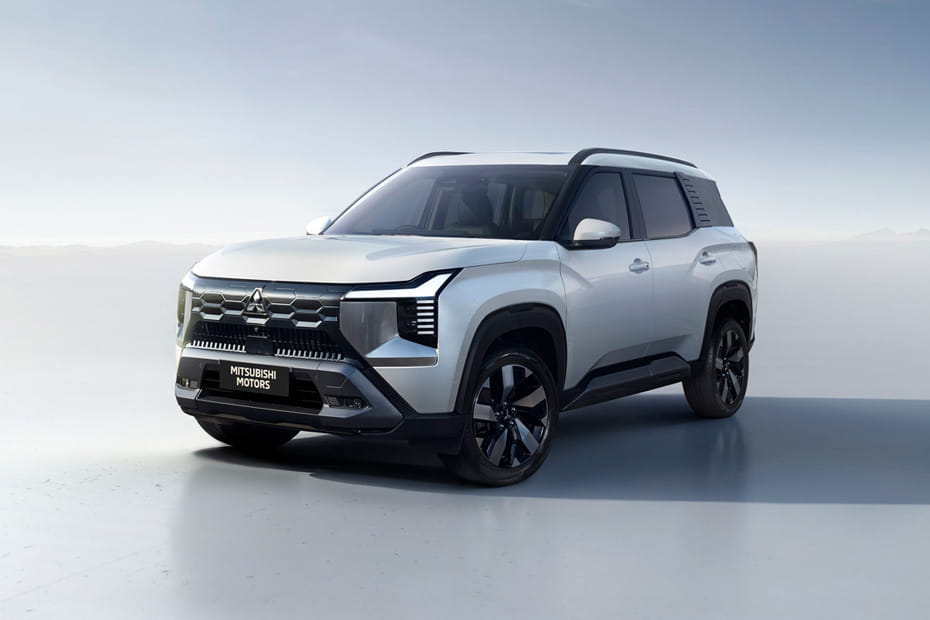
Mitsubishi Destinator -
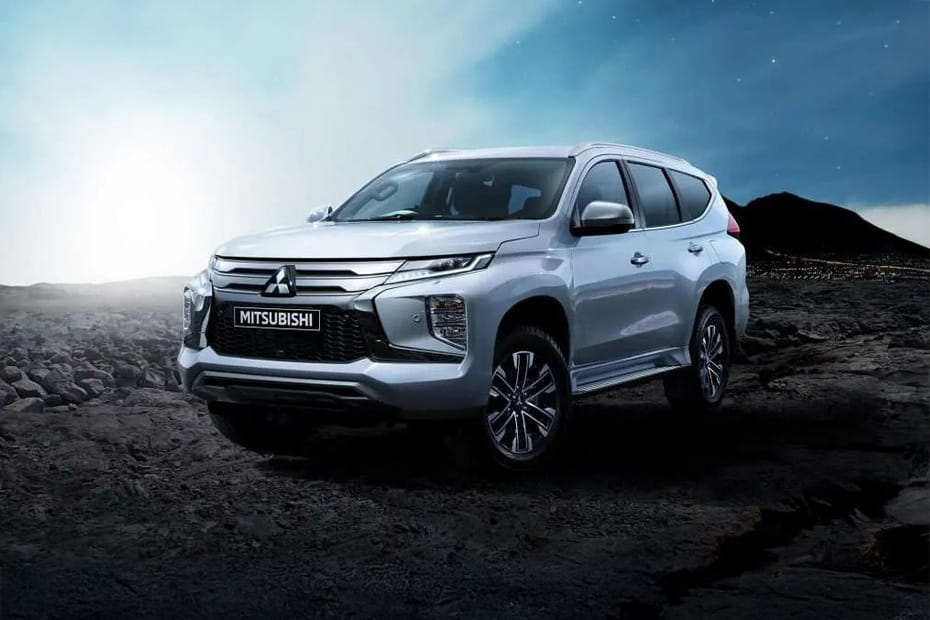
Mitsubishi Pajero Sport -
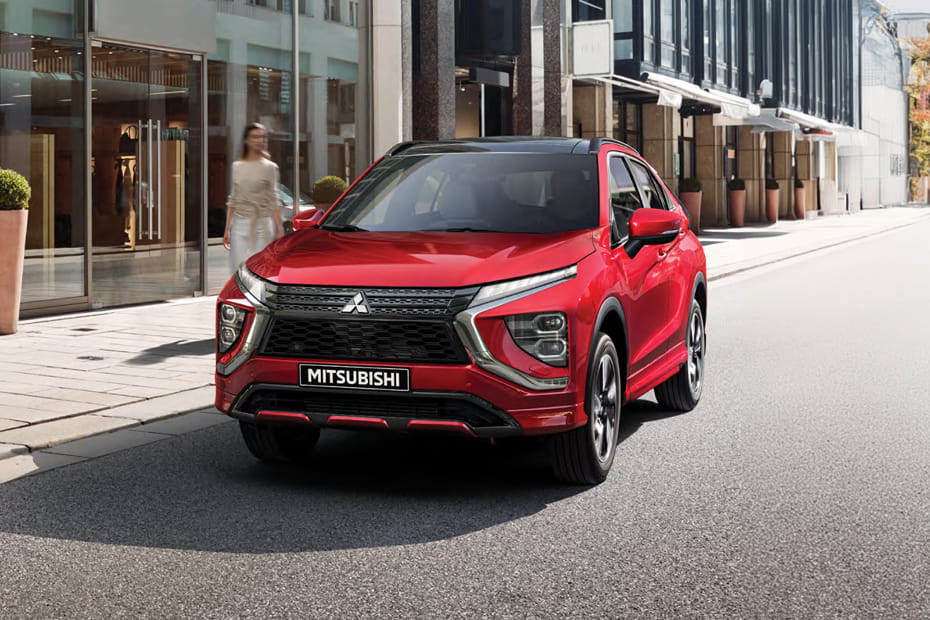
Mitsubishi Eclipse Cross -
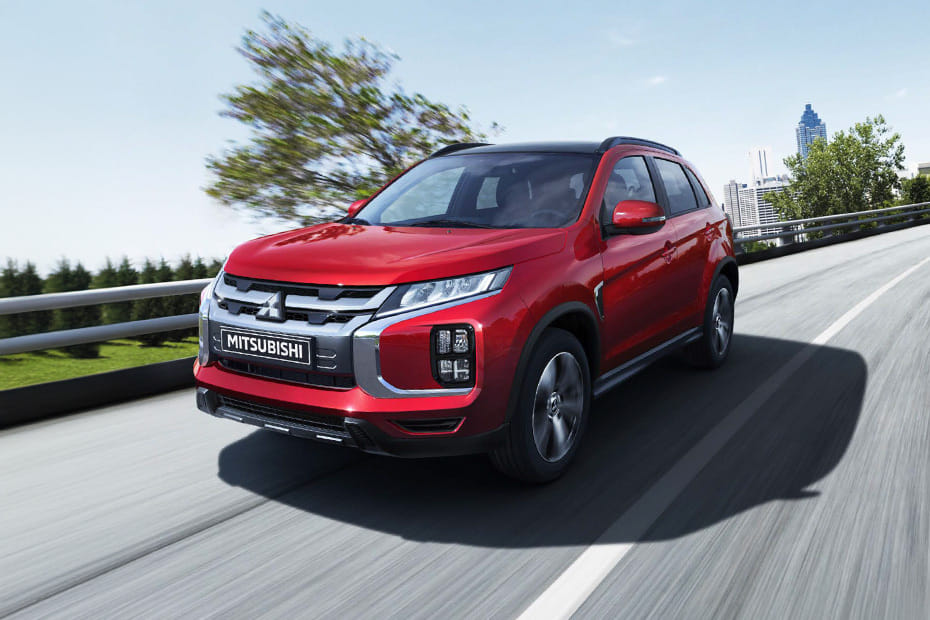
Mitsubishi ASX -
Mitsubishi Pajero
- News
- Latest
- Popular
-
 Mitsubishi PajeroPrice coming soon
 -
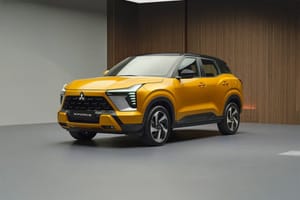 Mitsubishi XforcePrice coming soon
 -
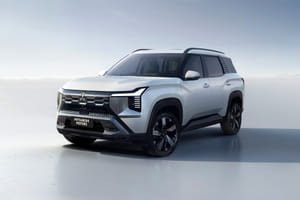 Mitsubishi DestinatorPrice coming soon
 -
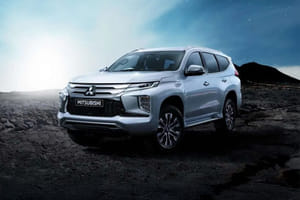 Mitsubishi Pajero SportPrice coming soon
-
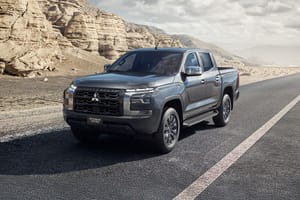 Mitsubishi L200SAR 72,890 - 141,755
 -
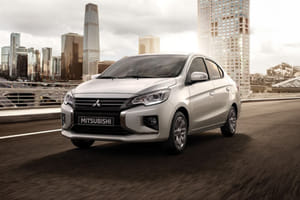 Mitsubishi AttrageSAR 46,900
 -
Mitsubishi XforcePrice coming soon
-
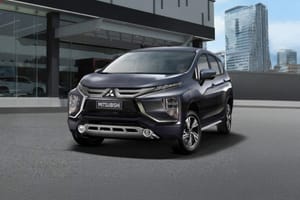 Mitsubishi XpanderSAR 76,956 - 82,706
 -
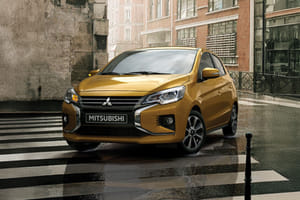 Mitsubishi Space StarSAR 46,900
 -
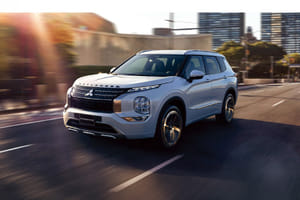 Mitsubishi OutlanderSAR 93,056 - 141,461