Vision 2030 and the Automotive Industry: Progress So Far


Saudi Arabia: When Crown Prince Mohammed bin Salman announced Vision 2030 in 2016, few people believed Saudi Arabia would actually challenge the well-established automotive manufacturing hubs around the world. The Kingdom has always been known for its car culture and enthusiasm for buying cars, but frankly, not for building them. Looking back, nine years later, that perception seems unreal. Saudi Arabia now has operational EV factories and also boasts homegrown car brands, thousands of charging stations, and partnerships forged with major global auto brands. There is still a lot that needs to be done, so the progress is not perfect, but there is certainly a lot that is measurable.
KEY TAKEAWAYS
What's the main automotive goal of Vision 2030?
Produce 400,000 vehicles annually by 2030, with three to four major manufacturers operating in Saudi Arabia.How much has been invested in automotive development?
Over $50 billion committed to EV manufacturing, charging infrastructure, and automotive ecosystem development.For car buyers, Vision 2030's automotive transformation changed a lot on the ground with Saudi Arabia's New EV Policy in place. Today you have more car choices than before, the infrastructure is rapidly growing, and the market is changing faster than anyone really comprehends. Whether you're considering an electric vehicle or sticking with traditional engines, understanding what Vision 2030 has accomplished matters for your purchasing decisions today and tomorrow.
Vision 2030 Automotive Milestones (2016-2025)
|
Metric |
2016 Baseline |
2025 Current |
2030 Target |
Progress |
|
Local vehicle production |
0 |
25,000 |
400,000 annually |
6.2% |
|
EV charging stations |
~50 |
600 |
5,000 |
12% |
|
Automotive manufacturers |
0 |
2 operational |
3-4 |
50-66% |
|
EV market growth |
Minimal |
62% annually |
30% of Riyadh fleet |
Strong momentum |
|
Automotive jobs created |
Baseline |
8,000 |
30,000 |
26% |
|
Manufacturing investment |
0 |
$8B+ committed |
$50B+ |
16% |
Manufacturing: From Nothing to Something
The most visible achievement is undoubtedly the huge step of getting car manufacturing production on Saudi soil. Lucid Motors opened its King Abdullah Economic City factory in 2023, which now produces EVs for the Saudi market and exports to the GCC region. It has a peak capacity of 155,000 vehicles annually once fully operational. Ceer Motors represents Saudi Arabia's first homegrown automotive brand. This Public Investment Fund and Foxconn joint venture broke ground on its production plant facility in 2023, and it is likely to kick off production in the middle of 2026, focusing on electric sedans and SUVs designed specifically for Gulf conditions.
Ceer aims to not only develop a local brand but also create huge employment of nearly 30,000 direct and indirect jobs by 2034. Hyundai committed $500 million to build an assembly plant producing both electric vehicles and internal combustion engines. The facility will manufacture 50,000 vehicles annually when operational. Unlike Lucid's EV-only approach, Hyundai's hybrid strategy assumes that internal combustion engines are likely to stay relevant during the transition period. These three are great examples of Saudi manufacturing and certainly form a foundation for future manufacturing growth. However, the full-scale production of 400,000 vehicles by 2030 needs a further massive capacity boost at the current plant or even attracting more brands to the market. Current production sits around 25,000 vehicles annually, which is just 6.2% of the target.
Charging Infrastructure: Giant Step
EVIQ is Saudi Arabia's leading EV infrastructure company. A collaboration between the Public Investment Fund (PIF) and the Saudi Electricity Company (SEC) is working aggressively in developing a strong, robust and extensive charging network across the country. It will have already established over 600 public charging stations by early 2025. This represents substantial progress from fewer than 50 stations in 2020. The network now covers major highways connecting Riyadh, Jeddah, and Dammam.
The 2030 goal is to reach 5,000 fast chargers; this translates into installing nearly 880 new stations annually for the next five years. EVIQ is on track, with 60 new stations planned for 2025 alone. Coverage is expanding to smaller cities, including Makkah and Madinah.
There is a considerable jump and marked improvement in charging speed today compared to before, and the continually expanding EV Charging network in Saudi Arabia. Early stations were offering basic AC charging, which took 8–12 hours for a full charge. In contrast, the newer stations equipped with DC fast chargers can now easily provide a 10-80% charge in just 30-45 minutes. This makes EVs practical for longer trips, and trying to address the much-needed range anxiety has always been a concern for most buyers.
Real estate developers are integrating charging into new projects. The National Housing Company signed agreements with EVIQ to install chargers in residential developments. This home charging access matters more than public infrastructure for most EV owners.
Vehicle Availability: Expanding Choices
The Saudi market now stocks EV options that didn't exist three years ago:
Luxury segment:
- Lucid Air locally produced
- Mercedes EQS and EQE
- BMW iX and i4
- Audi e-tron GT
Mid-range options:
- Tesla Model 3 and Model Y
- Polestar 2 and 4
- Genesis GV60
- Nissan Ariya
Affordable segment:
- BYD Atto 3 (under SAR 100,000)
- MG4 EV
- Hyundai Ioniq 5
- Kia EV6
This selection clearly shows how much progress has been made. In 2020, buyers looking for an EV had very limited choices, mainly Tesla imports. This has changed significantly today, with almost every major shopping mall having EV showrooms from multiple brands.
This also means that the conventional vehicles are not in demand or have vanished completely. Far from it, major brands like Toyota, Nissan, Hyundai, and other established brands are still the dominating forces and are going to stay that way for the foreseeable future. The hybrid models are growing faster than pure EVs, offering a compromise between familiar technology and improved efficiency.
Economic Impact: Jobs and Investment
The automotive sector has always been known to create huge jobs, and that is another reason for it to be allowed to flourish. In 2025, between 7000 and 8000 direct jobs were created in the industry alone. This comprises manufacturing positions at Lucid, dealership staff for Chinese brands, service technicians trained on EV systems, and EVIQ employees that support and manage charging infrastructure.
There is a huge impact on the indirect employment that goes way beyond multiples of this number into various sectors like parts suppliers, logistics companies, training institutes, and construction firms building facilities. Ceer Motors alone projects 30,000 jobs by 2034 when fully operational.
For young Saudis entering the workforce, automotive careers didn't exist domestically five years ago. Today, technical institutes offer EV maintenance courses. Manufacturers send Saudi employees to China, South Korea, and the United States for advanced training. These are real career paths that Vision 2030 created.
The PIF invested billions in automotive ventures:
- $1 billion+ in Lucid Motors (60% ownership)
- Joint venture funding for Ceer Motors
- Strategic investments in EVIQ
- Partnerships with Hyundai, Foxconn, and others
Private sector investment followed government commitments. Chinese brands opened dealerships and service centres. Parts suppliers established operations. Training centres expanded capacity.
Work in Progress
So while a lot of progress has been made towards achieving the Vision 2030 automotive goal, it is on track. But the 400,000 annual production target looks highly ambitious, as the present capacity is around 25,000 vehicles, and so achieving the target requires building production facilities that are equivalent to 15 times the current capacity in five years.
The 30% EV penetration goal for Riyadh by 2030 faces several challenges. Despite 62% annual EV sales growth in Saudi Arabia, electric vehicles represent less than 2% of total vehicle sales in Riyadh today. Therefore, reaching 30% requires replacing or converting hundreds of thousands of vehicles in just five years.
Supply chain localisation is another key concern that still remains minimal. Most components are imported; that means manufacturing in Saudi Arabia largely is nothing more than assembly rather than true production. Vision 2030 targeted 40% local gross value addition by 2030, and the current levels are below 10%. And there is a lot to be desired with the latest move in the line being hiring by the Chinese Auto Brands in KSA.
The shortage of skilled workers continues. Automotive manufacturing requires engineers, technicians, and skilled workers. Training takes years. The Kingdom is addressing this through partnerships with technical institutes, but skills development is a long-term process.
What It Means for Car Buyers
For all those of you considering an EV or who have plans, things are improved thanks to the Vision 2030's progress, which creates tangible benefits:
Wider choices: The number of EVs on sale right now certainly has jumped a lot across segments and price ranges.
Improved infrastructure: Charging anxiety decreased as networks expanded, though coverage remains concentrated in major cities.
Competitive pricing: with the government EV incentives present, limited free public charging, and reduced import duties, EVs are more affordable than in many markets, even while much needs to be done.
Resale Prices: The used EV market remains undeveloped, creating uncertainty about long-term value. This will take some time as more EVs spread on the roads in coming years.
Service availability: Authorised service centres for most EV brands now operate in major cities, though rural coverage lags.
It is absolutely important that all buyers verify charging access along their regular routes before getting an EV. The Riyadh-Jeddah highway has sufficient coverage of functioning chargers. However, more remote areas remain underserved, and the progress has been happening, but not every area is covered yet. But for most EV buyers, home electric car charging is one of the most compelling options, more so than public infrastructure for most owners. Home charging is quick, simple, and significantly cheaper; additionally, most cars remain stationary at night, which makes this option even more suitable.
Conclusion
The automotive transformation outlined in Saudi Arabia’s Vision 2030 shows measurable progress, including operational factories producing vehicles locally, the deployment of over 600 charging stations, the creation of more than 8,000 jobs with the Chinese Auto Brands Hiring in KSA, and an expansion of vehicle choices. However, the production volumes are still significantly below the initial targets, the localisation of the supply chain is still a significant challenge, and the target of 30% EV penetration in Riyadh by 2030 appears improbable.
Dinesh Goluguri

With over 15 years of experience in the automotive world, Dinesh Goluguri bringing hands-on experience and deep market knowledge. Passionate about SUVs, sports cars and luxury vehicles, he combines enthusiasm with expertise in delivering insights that resonate with car buyers and enthusiasts alike. With a special interest in car modifications and upgrades, Dinesh offers a unique perspective that goes beyond standard reviews, highlighting both factory features and customization potential. His work helps readers navigate new launches, features and trends in the dynamic automotive market.
Read Full Bio-
Hyundai Palisade -
Hyundai Tucson -
Hyundai Accent -
Hyundai Elantra -
Hyundai Grand i10 -
Hyundai Creta -
Hyundai Ioniq 3 -
Hyundai Creta Grand -
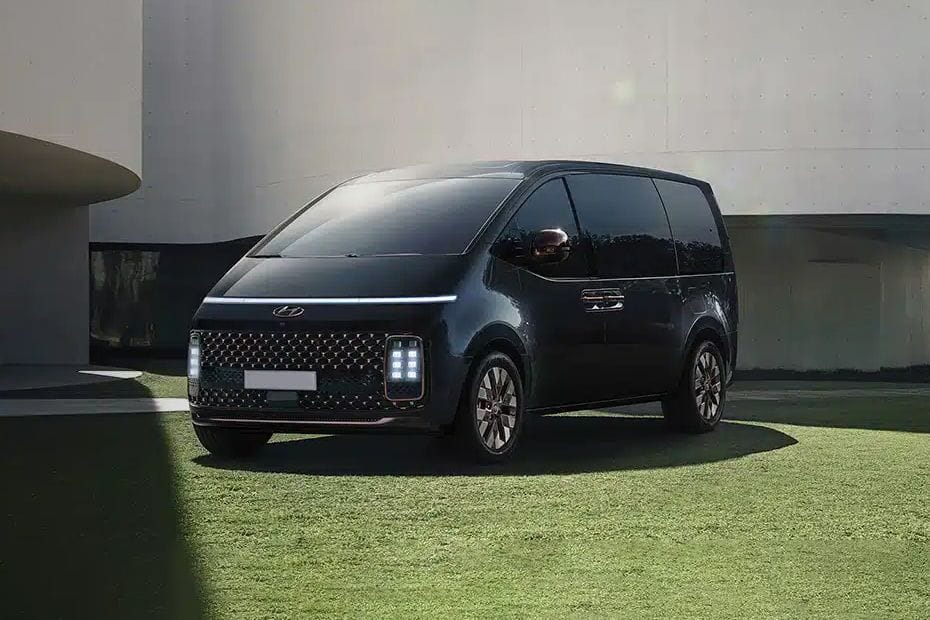
Hyundai Staria -
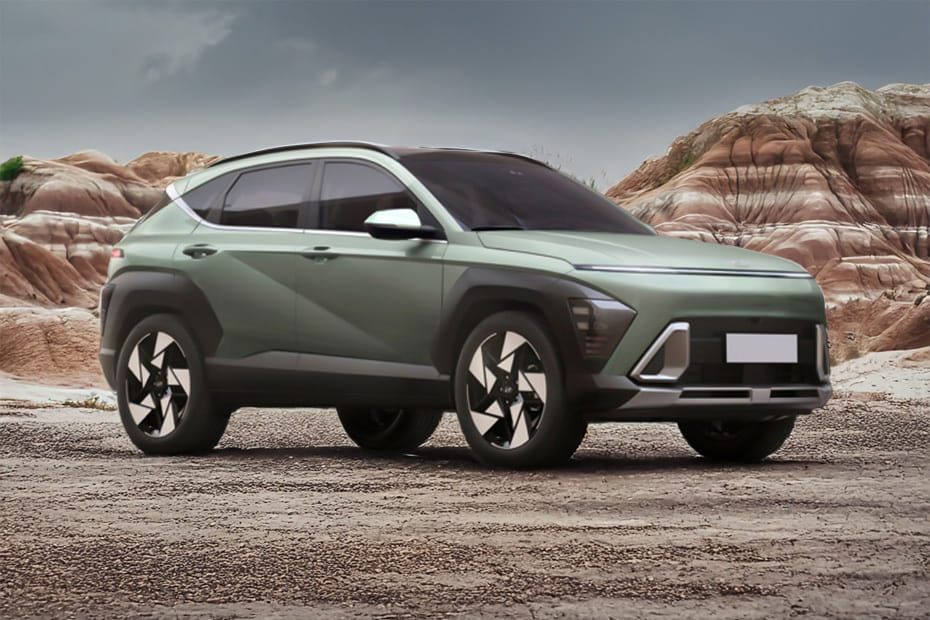
Hyundai Kona -
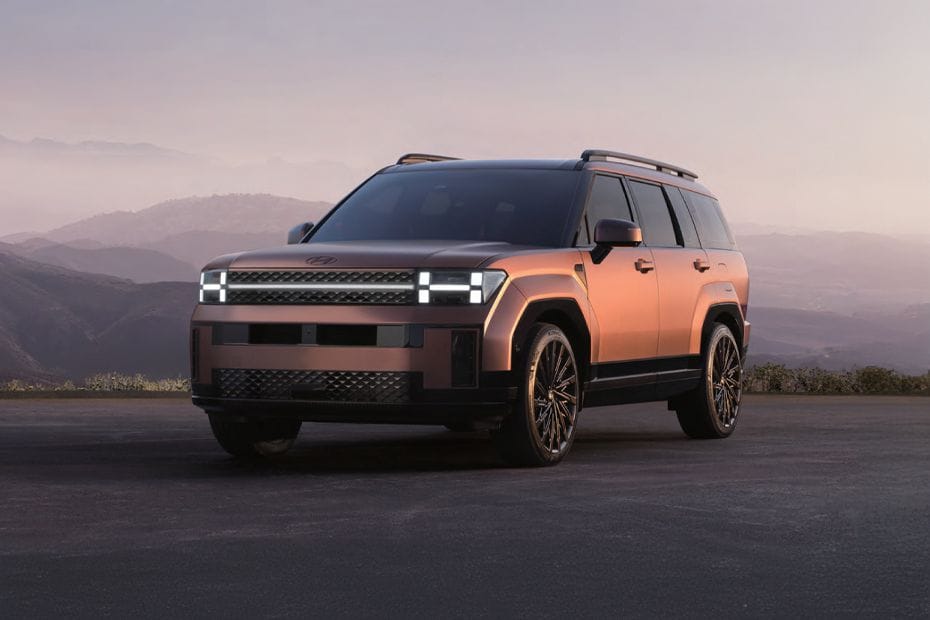
Hyundai Santa Fe -
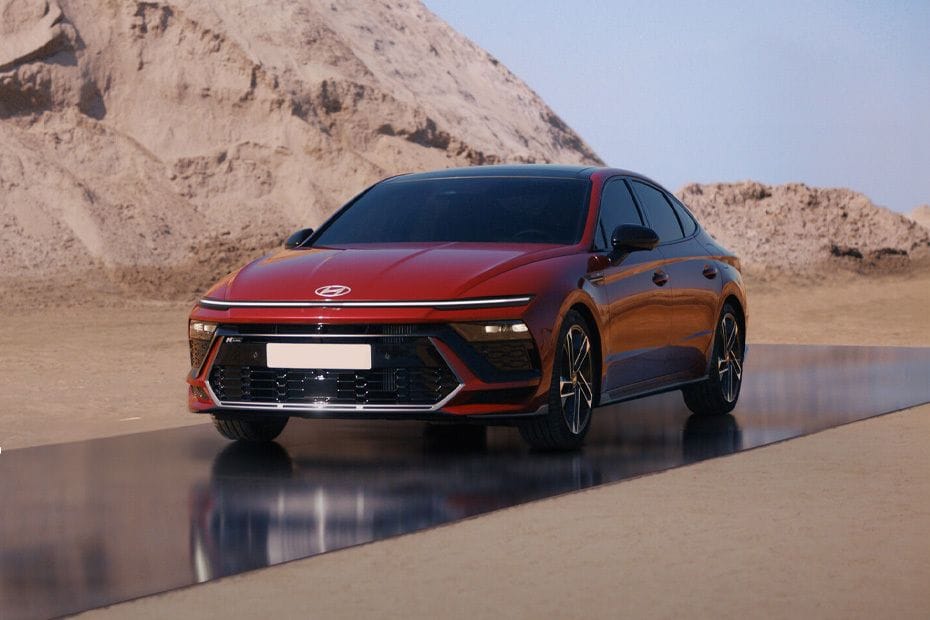
Hyundai Sonata
- News
- Latest
- Popular
-
 Hyundai Ioniq 9Price coming soon
 -
 Hyundai NexoPrice coming soon
 -
 Hyundai Ioniq 3Price coming soon
 -
 Hyundai Ioniq 6 2026Price coming soon
 -
 Hyundai InsterPrice coming soon
 -
 Hyundai Kona ElectricPrice coming soon
-
 Hyundai PalisadeSAR 242,305 - 242,368
 -
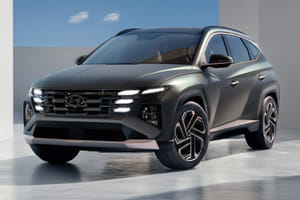 Hyundai TucsonSAR 103,500 - 162,552
 -
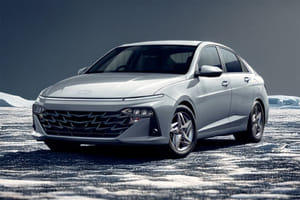 Hyundai AccentSAR 74,209 - 92,373
 -
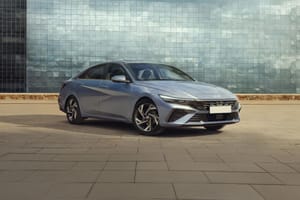 Hyundai ElantraSAR 97,750 - 108,419
 -
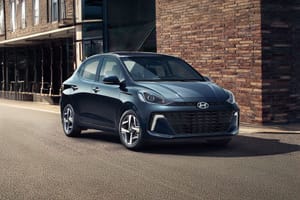 Hyundai Grand i10SAR 51,635 - 56,235
 -
 Hyundai CretaPrice coming soon

-
 Hyundai Kona28 Apr, 2026 .
 -
 Hyundai Sonata28 Apr, 2026 .
 -
 Azera - Power Rear Side Window Sunshade28 Apr, 2026 .
 -
 The New Elantra - Where “sleek” meets the “street”28 Apr, 2026 .
 -
 Design, reimagined | All-new Accent28 Apr, 2026 .
 -
 Hyundai Santa Fe28 Apr, 2026 .
 -
 The Confident Navigation28 Apr, 2026 .
 -
 Hyundai Stargazer28 Apr, 2026 .
 -
 IONIQ 5: Driving with earth in mind27 Apr, 2026 .
 -
 Hyundai | IONIQ 627 Apr, 2026 .