Lexus 2026 Models in KSA: Expected Prices, New Tech and What's Changing

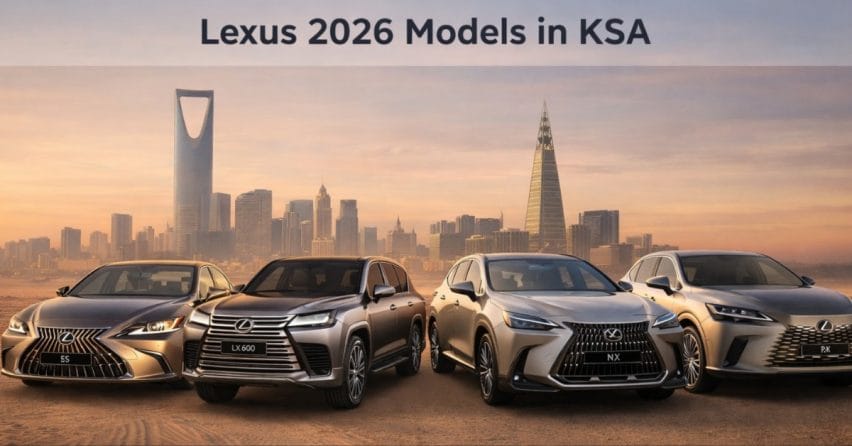
Saudi Arabia: Despite intense competition at the premium end of the market, Japanese luxury brand Lexus retains its strong position in Saudi Arabia. This is attributed to the brand’s offering of luxury, high‑end sedans and SUVs that are known for exceptional reliability rather than complexity. Saudi buyers cherish the value of a car that is made to tackle heat and Sandstorm Protection, long‑distance driving, and daily use without any trouble, and that’s been Lexus’s biggest strength. The brand has built a loyal customer segment who like and admire premium comfort and refinement but with ownership that remains hassle‑free over the years.
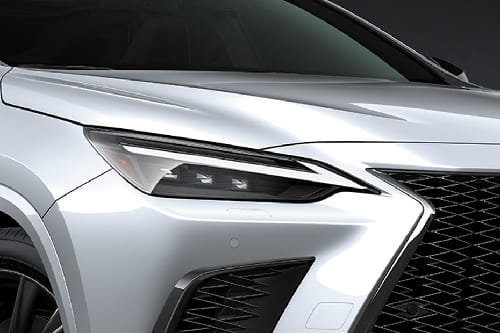
For 2026, Lexus is keeping its sharper focus on customer demands by bringing gradual but consequential revamps across its range. Buyers can expect evolved and more contemporary exterior styling, sophisticated infotainment systems, and extensive hybrid technology that promises greater efficiency without losing performance. The prices are likely to stay competitive within the luxury segment; that makes Lexus a suitable alternative for buyers who prefer sophistication, durability, and long‑term value in one package.
KEY TAKEAWAYS
Will Lexus prices stay stable in 2026?
Minor increases are expected, SAR 5,000–15,000 across most models.Which Lexus are the most popular models in Saudi Arabia?
The popular models are the LX, RX, and ES, known for luxury, reliability, and strong resale value.Are hybrid models worth the premium?
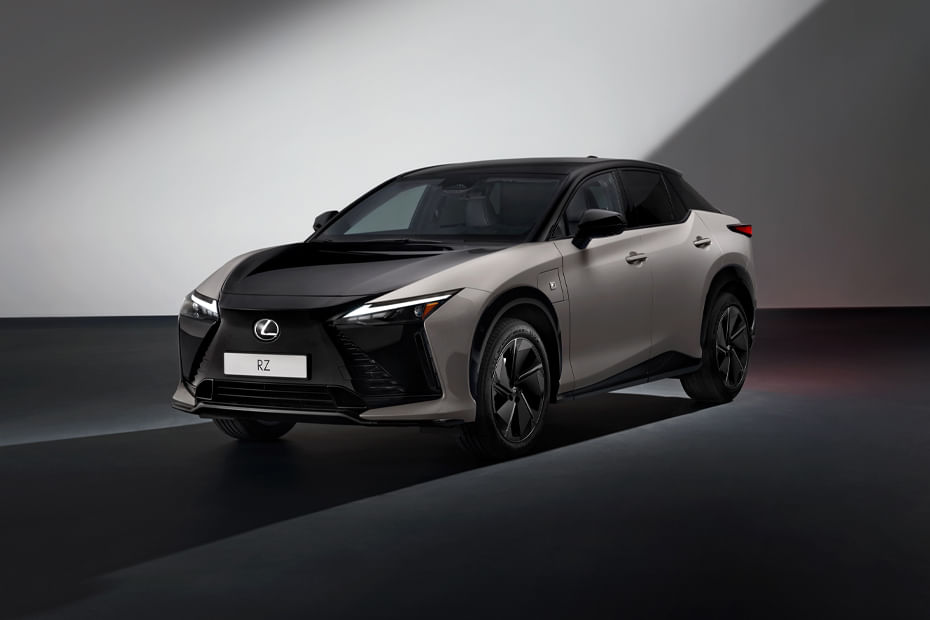
Yes, especially for city drivers, fuel savings pay back the difference within 2-3 years.Looking at the premium Japanese brand’s portfolio and what it currently retails for, here’s what actually matters: the brand right now offers 10 models in Saudi Arabia; the prices start from SAR 185,265 for the IS sedan and go all the way up to SAR 583,510 for the LX 600 Elite. That’s a massive spread in terms of price, and customers have a lot to choose from. While it is evident that most of its rivals in the premium segments have been focusing on electrification aggressively to cater to the Growing EV Sales in Saudi Arabia, Lexus, on the other hand, has taken a different path. It’s a clearly hybrid‑first approach, as its parent, Toyota, has more advanced tech, which the brand leverages, than most of its competitors. It is fully invested in hybrid powertrains right now and, maybe, fully electric later. The RZ electric SUV is coming in February 2026 but is unlikely to make any big claim on the sales chart.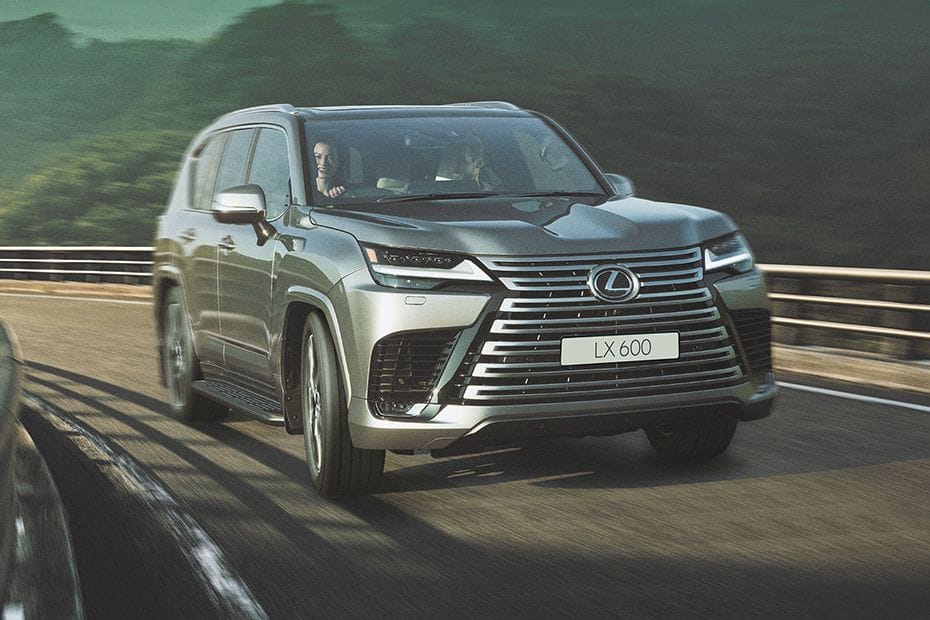
Where Lexus Ranks in KSA Luxury
Lexus attracts a specific buyer in Saudi Arabia, and these buyers are loyal to the brand, and they stick to it quite often. Most of them fall in the category of professionals of varied degrees, are usually 35–55 years old, value reliability over badge fascination, and by and large keep cars for 5–7 years minimum. This group is not the segment that trades every two years for the latest model. They seek a vehicle that functions effectively, maintains a reasonable value, and exhibits high reliability, rather than one that is notorious for causing service issues.
What is the real strength of the brand? Indeed, the strength lies in their predictability; service costs are transparent, and parts availability through the local dealer network of Abdul Latif Jameel is well-established and highly consistent. Further, resale value, while not matching Land Cruiser levels, is quite respectable. A three‑year‑old Lexus ES or RX sees a drop in prices compared to some European competitors.
But there is a new kid on the block who is emerging as a big competitor from a neighbouring country. The Korean brand, Genesis, is taking on Lexus's sweet spot with lower prices, generous warranties, and genuinely impressive quality. A Genesis GV80 starts at SAR 290,185, which is in direct competition with the RX at SAR 303,370. And Genesis dealers are aggressive by promising service that actually tries to impress.
2026 Model Lineup
Here's the current portfolio with expected 2026 pricing. These are not official numbers; Lexus has not released them yet, but based on market patterns and inflation, expect modest increases.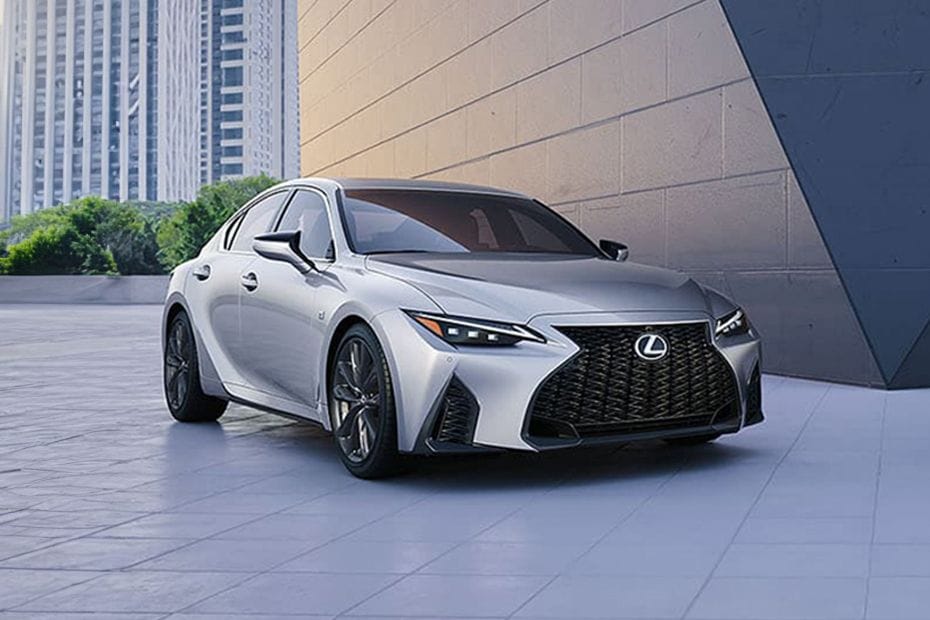
|
Model |
Price Range (SAR) |
Body Type |
Key Variants |
|
190,000-255,000 |
Sedan |
300 Elegant, 350 F Sport |
|
|
195,000-250,000 |
Sedan |
250 Elegant, 300h Hybrid Excellence |
|
|
400,000-475,000 |
Sedan |
500h Hybrid |
|
|
191,000 |
Compact SUV |
300h Hybrid |
|
|
215,000-272,000 |
Compact SUV |
350, 350h Hybrid F Sport |
|
|
305,000-345,000 |
Midsize SUV |
350h Luxury, 500h F Sport |
|
|
606,000-645,000 |
Full-size SUV |
600 Elite, 700h Hybrid Elite |
|
|
210,000-260,000 |
Coupe |
300, 350 F Sport |
|
|
342,000 |
Performance Coupe |
Track Edition |
|
|
466,000 |
Grand Tourer |
500 Convertible/Coupe |
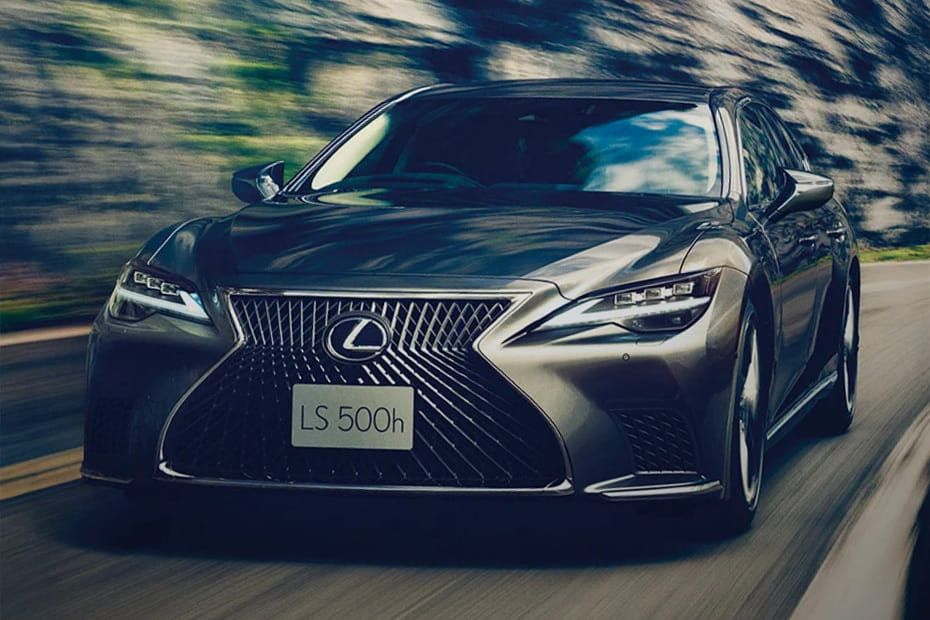
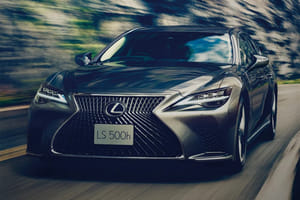
Like the overall market trend, the demand for sedans is lower in Sedan Vs SUVs, as SUVs clearly are the flavour of the day. The IS competes with the BMW 3 Series and Mercedes C‑Class, but those German sedans have stronger brand pull among younger buyers. Even Chinese cars are eating their share by launching youth-centric models. The LS, despite being a technological showcase, sells in smaller numbers. At the SAR 376,165 minimum, buyers compare it against the S‑Class and 7 Series, and in that case, the badge really does matter.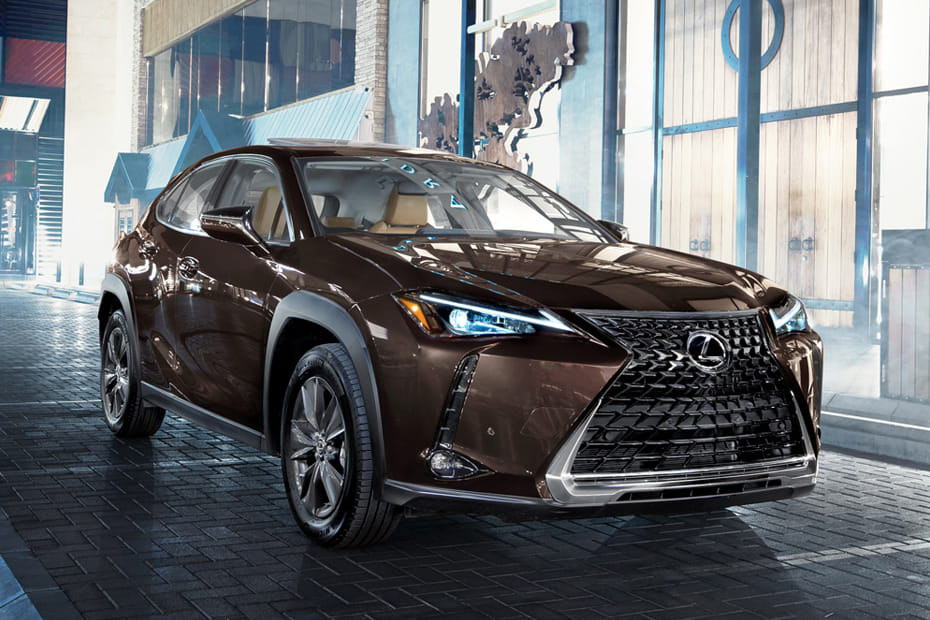
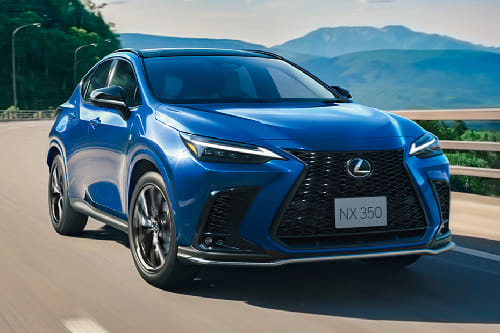
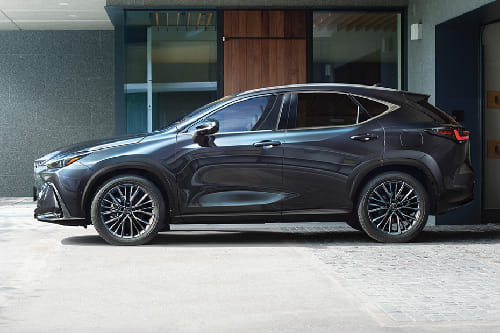
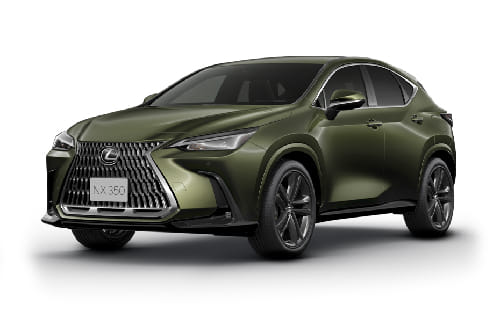
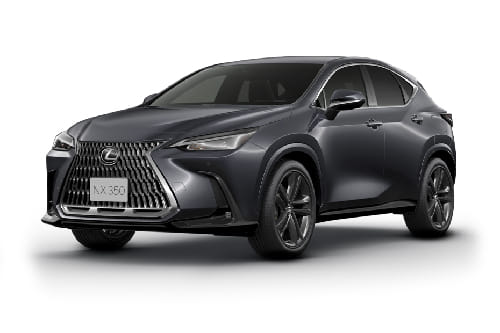
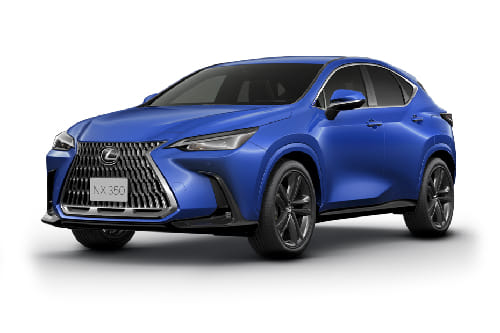
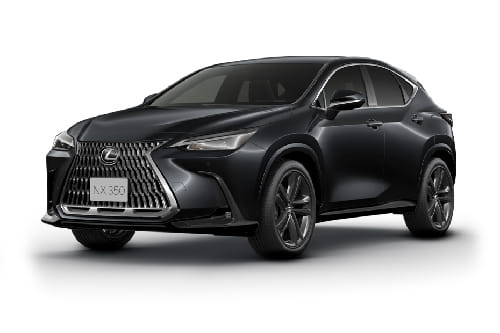
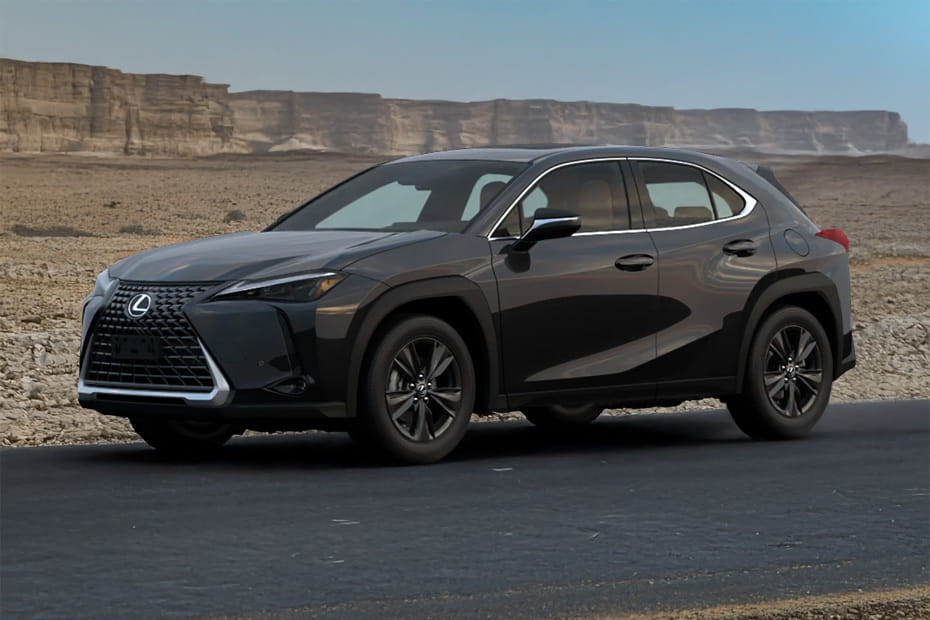
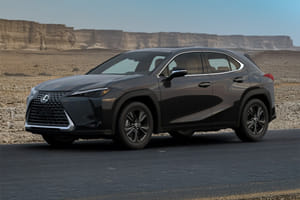
SUVs are where Lexus actually competes and fares a bit better. The UX300h at SAR 190,900 is the entry point, offering hybrid efficiency in a compact package. But it’s small, really small. For Saudi families accustomed to spacious vehicles, the NX is a more sensible choice. Starting at SAR 215,165, it is the ideal one, big enough for family duty, efficient enough for daily driving, and priced below German competitors.
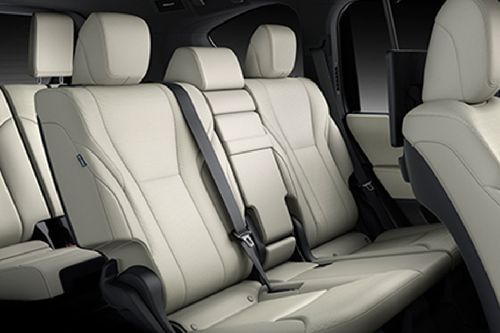
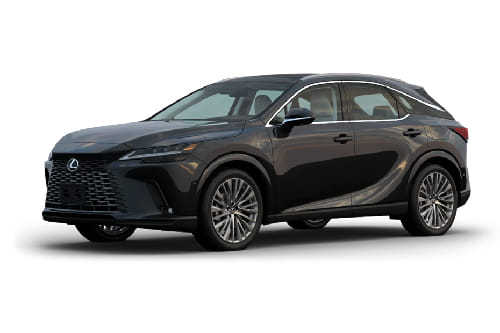
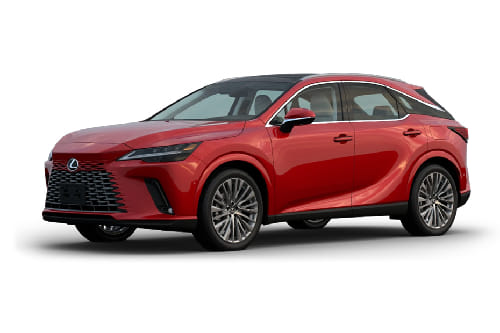
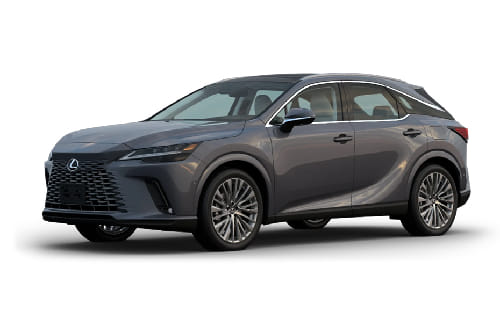
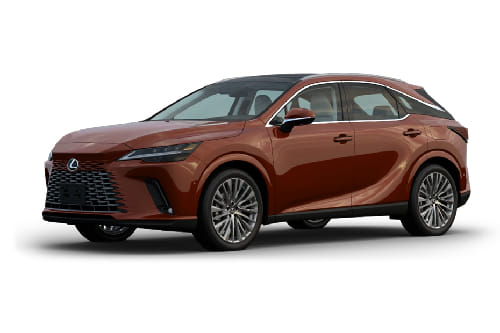
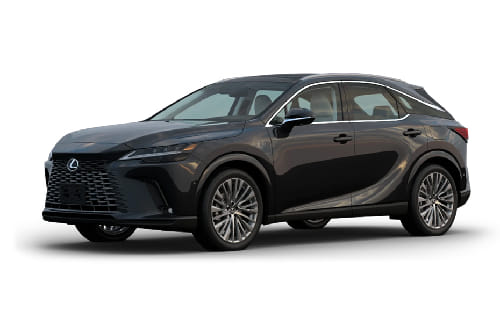
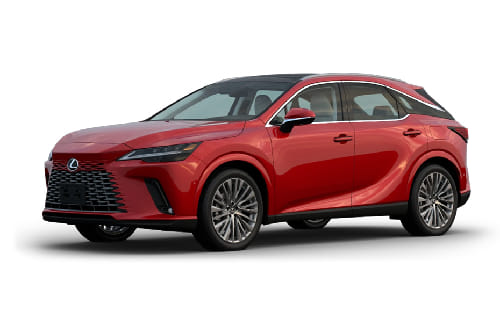
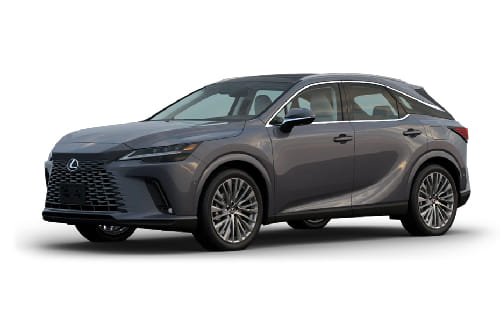
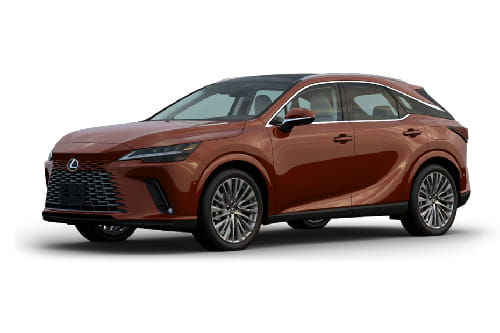
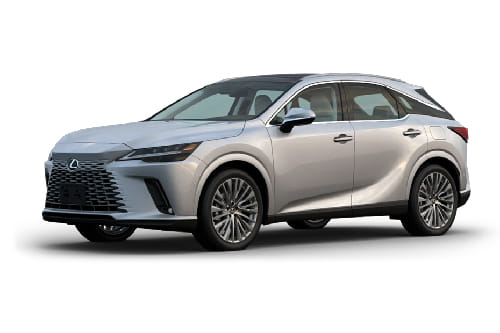
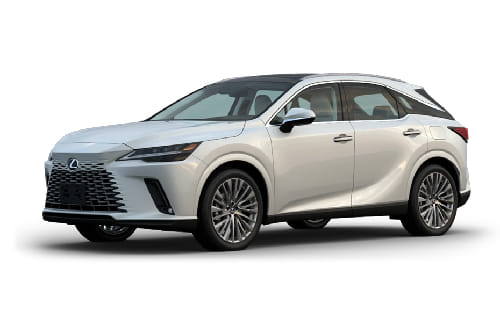
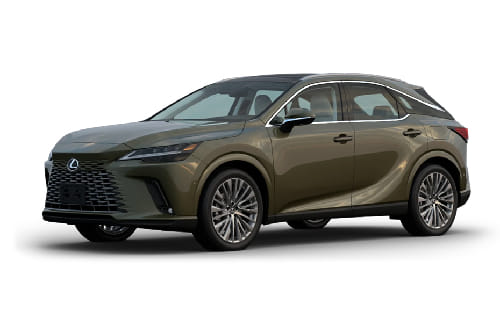
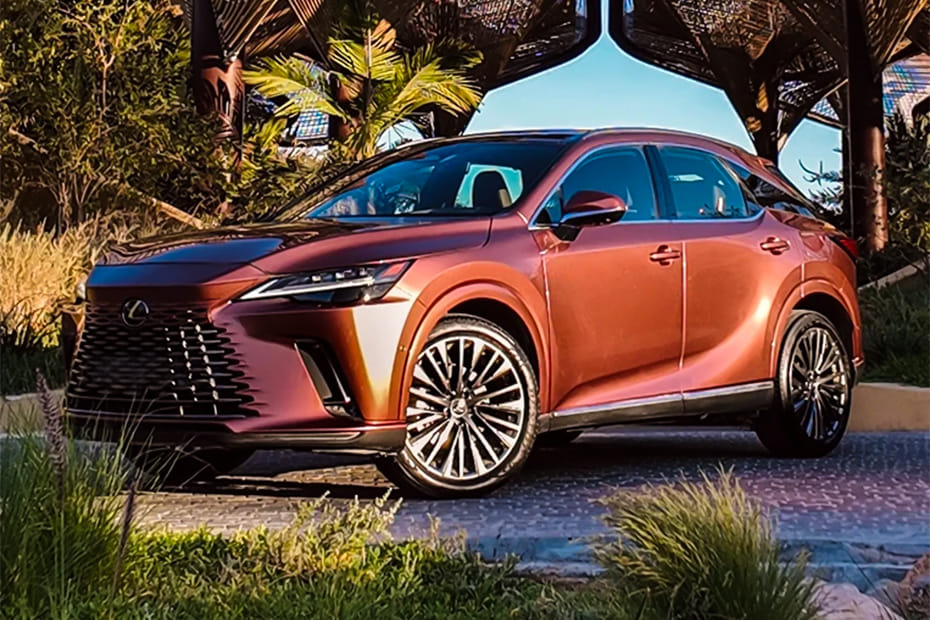
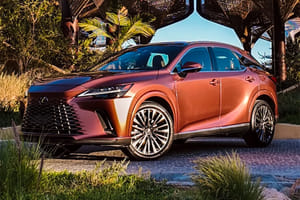
The RX remains the brand’s workhorse. At SAR 303,370, it’s expensive but justifiable. However, if you want three rows of seating, you must upgrade to the LX, which starts at a minimum of SAR 552,000.
The Hybrid Strategy
Lexus has bet heavily on hybrids, largely due to the Toyota origin for obvious reasons. Germans have been pushing for plug-ins and full EVs. In KSA, hybrid seems to be actually the smart move. The charging infrastructure in the UAE still needs improvement, and the summer temperatures significantly reduce battery life. And frankly, most buyers are not ready.
Current Hybrid Models
- ES 300h: 205,000
- UX 300h: 191,000
- NX 350h: 222,000 - 272,000
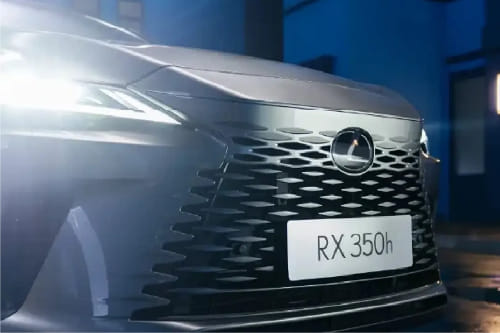
- RX 350h: 315,000
- LS 500h: 450,000
- LX 700h: 606,000
(KSA Pricing, SAR, VAT incl.)
With a hybrid, the fuel savings are real; for example, an ES 300h gives roughly 18–20 km/L combined, versus 11–12 km/L for the regular ES 250. If you drive over 30,000 km annually, you can save between SAR 6,000 and SAR 8,000, depending on fuel prices. There is no doubt the hybrid premium pays for itself.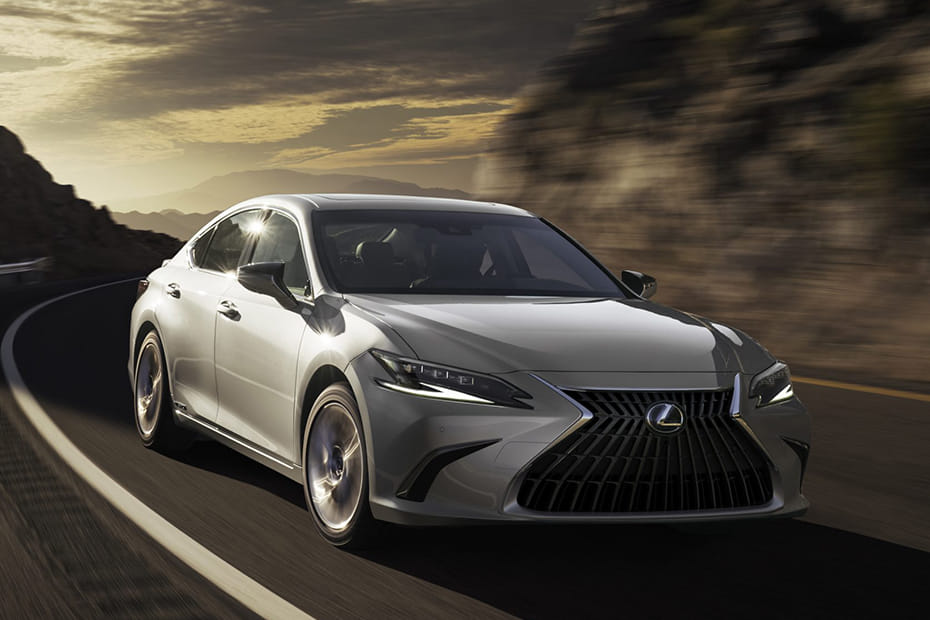
But there’s a catch: the battery longevity. Lexus warranties cover hybrid systems for 8 years or 160,000 km, but what happens after that? If you go for replacement, costs could be a big spend, and most buyers will have sold by then, but it affects resale slightly.
What's Actually Changing in 2026
As we begin the new year, Lexus is not making a dramatic change in its portfolio in 2026. That’s not how the brand works; any change, whenever that may be, comes gradually, more as a refinement than something extraordinary.
New Arrivals
- RZ electric SUV: The Lexus RZ has already launched globally in 2023; KSA availability is expected in 2026. Pricing may range between SAR 280,000 and 320,000. Targets early adopters/fleets; infrastructure limits mainstream appeal.
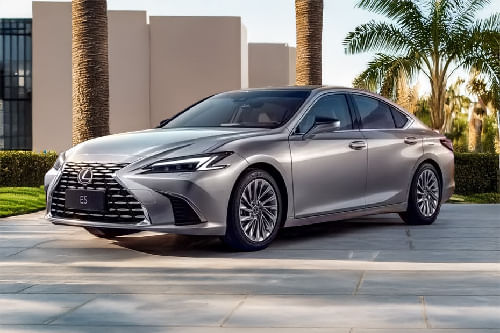
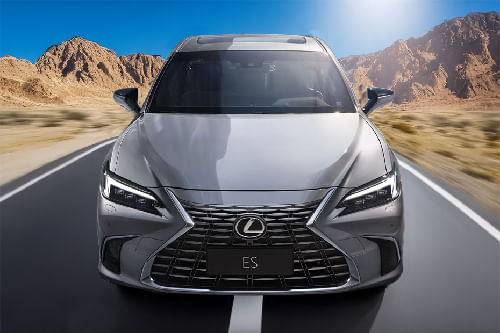
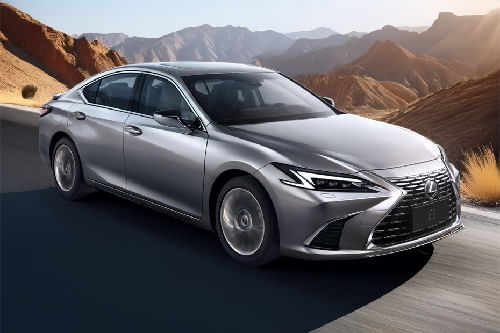
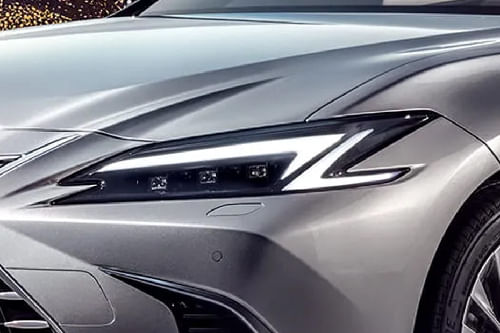
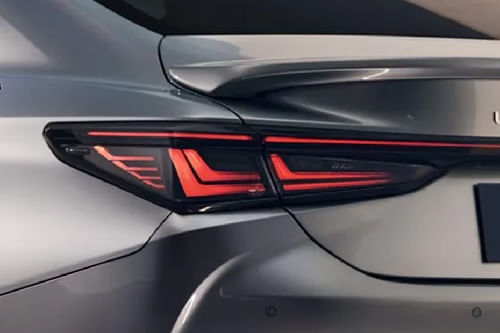
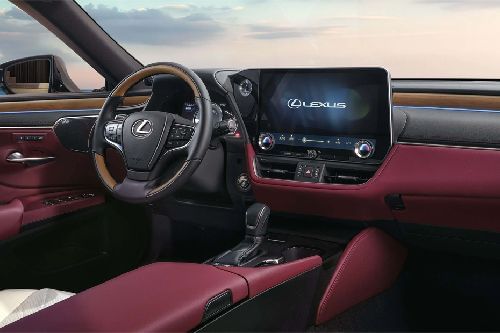
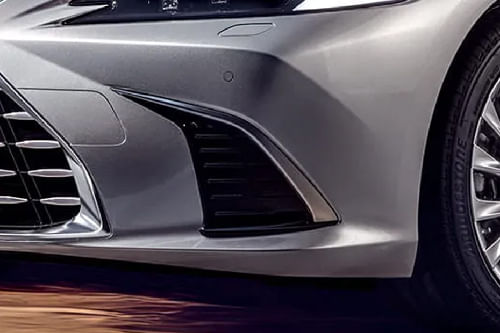
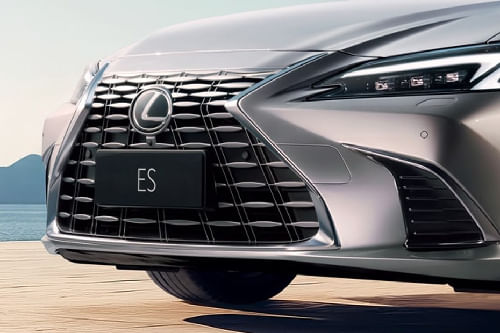
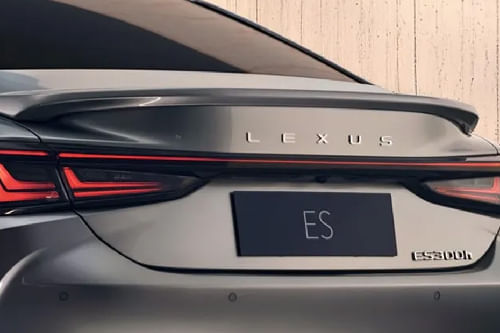
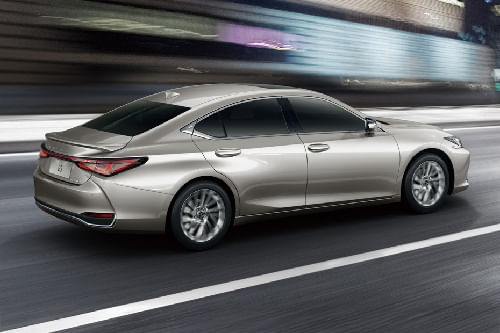
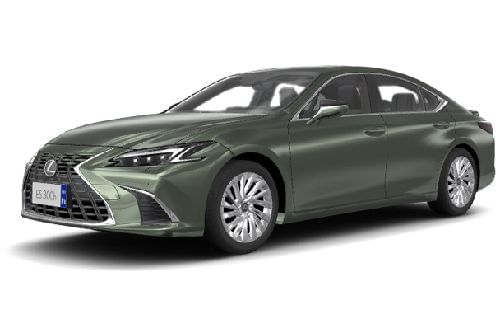
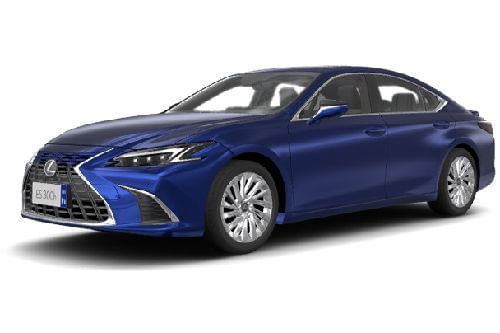
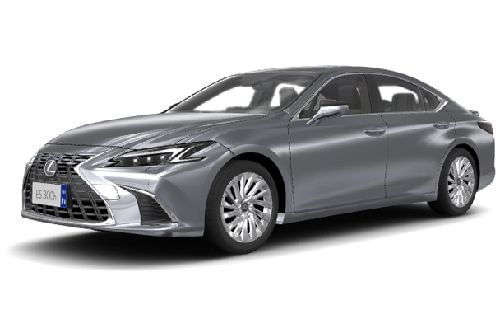
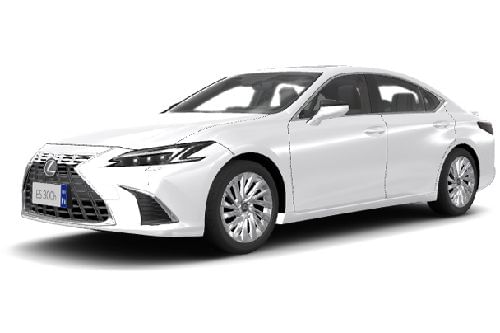
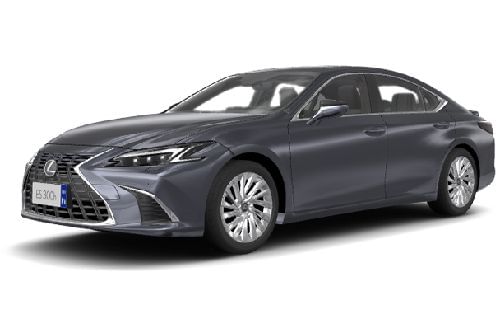
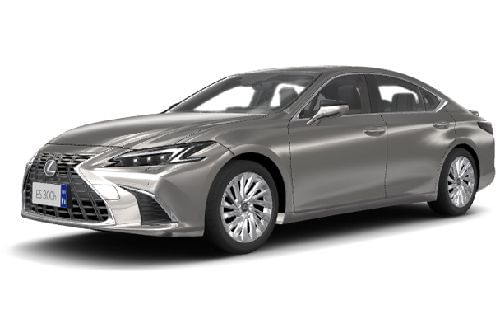
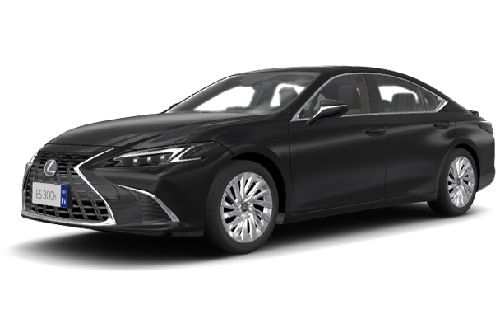
- The ES 2026 refresh is likely in April 2026 with minor styling and improved infotainment. Pricing is stable.
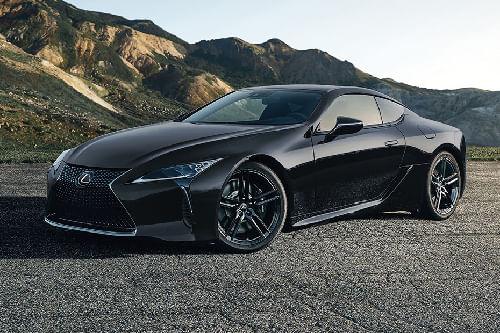
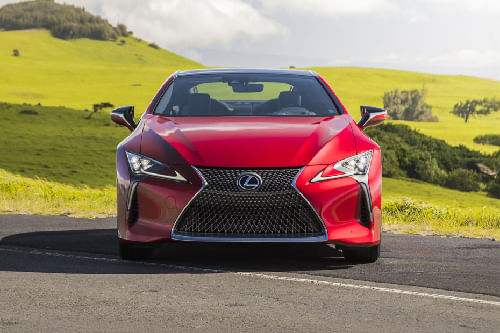
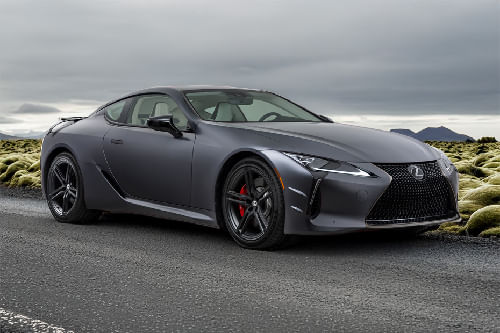
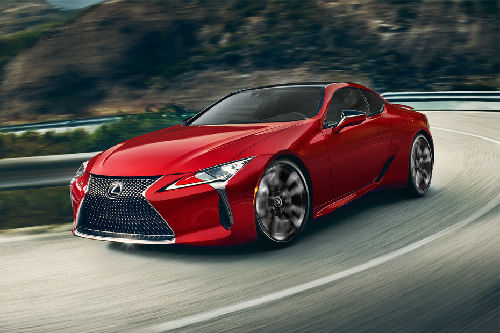
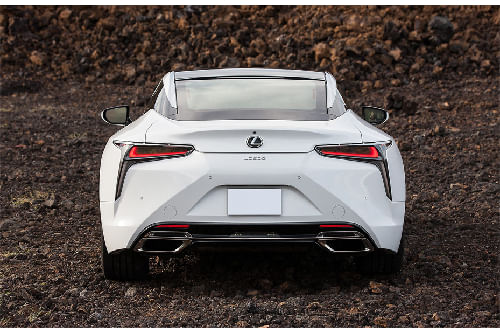
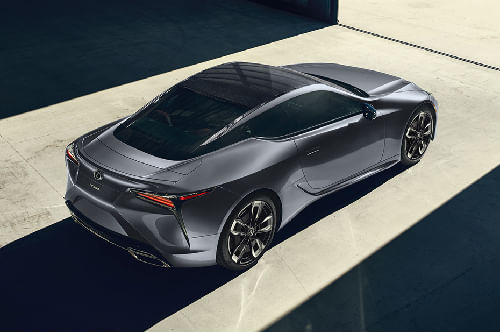
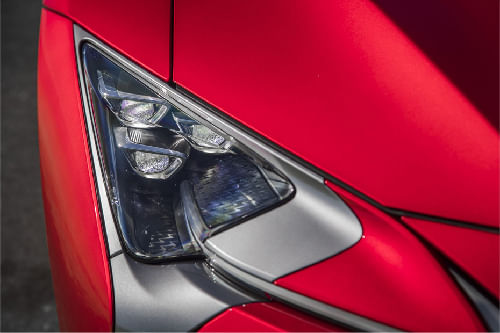
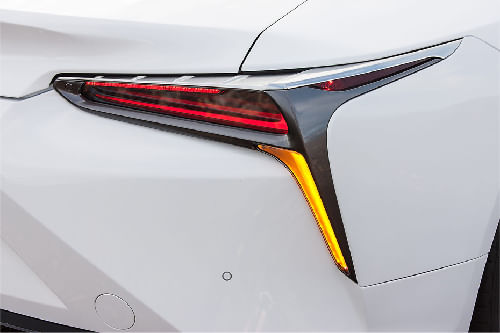
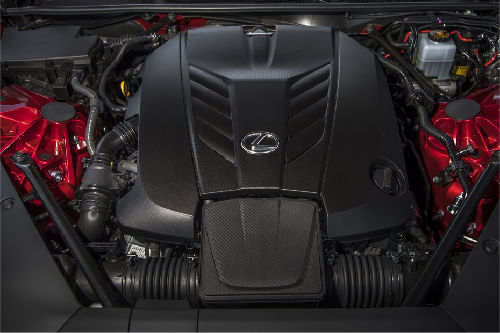
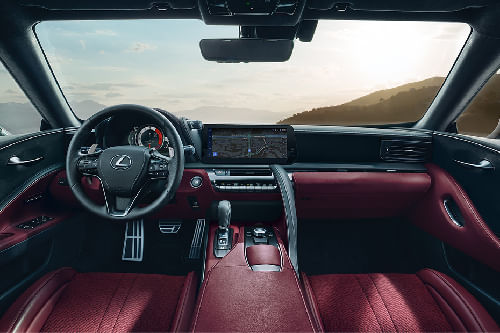
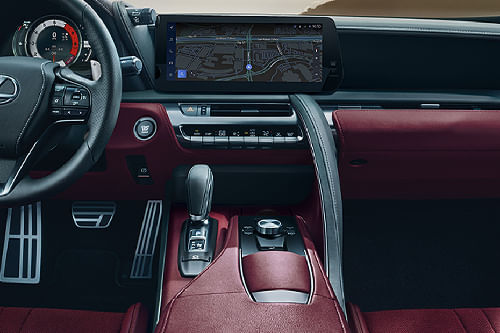
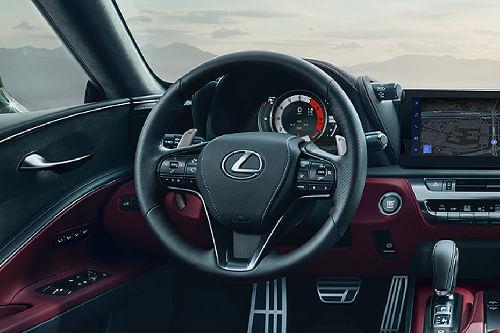
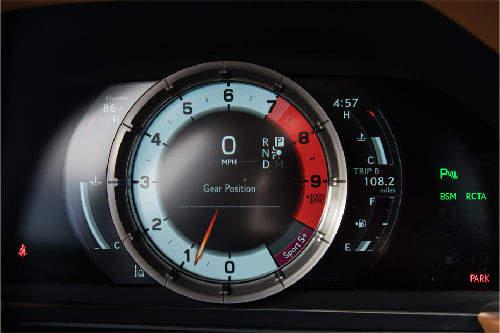
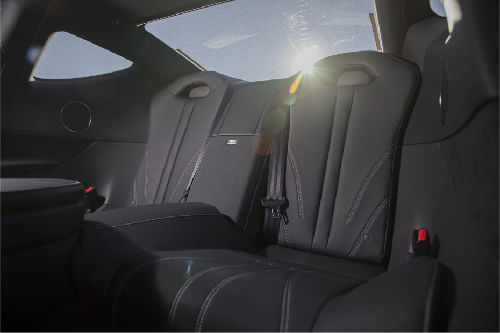
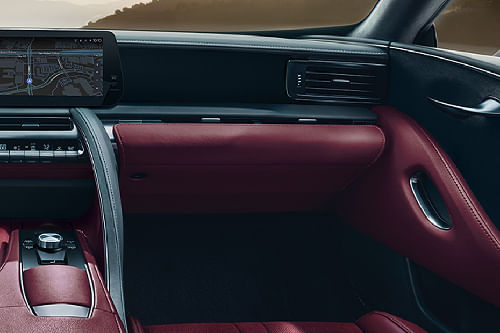
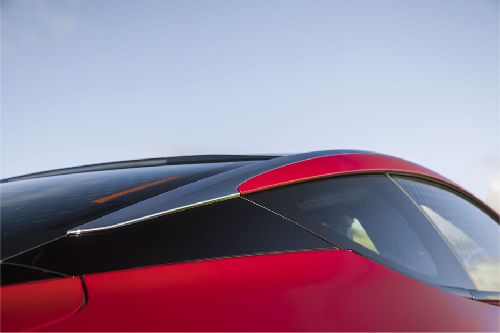
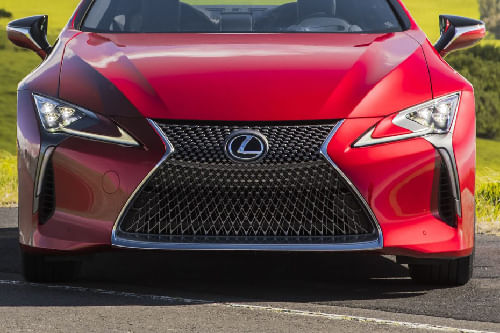
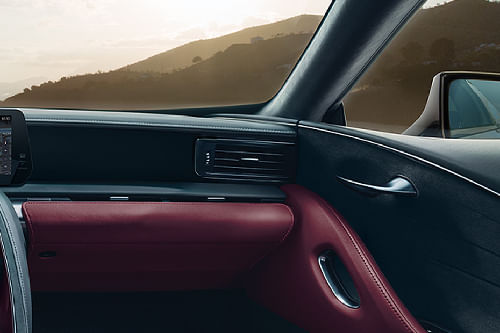
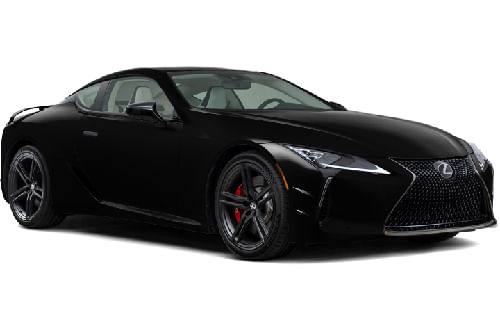
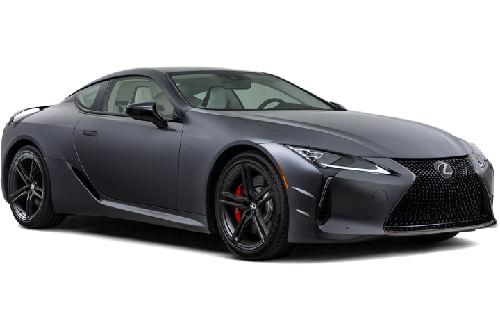
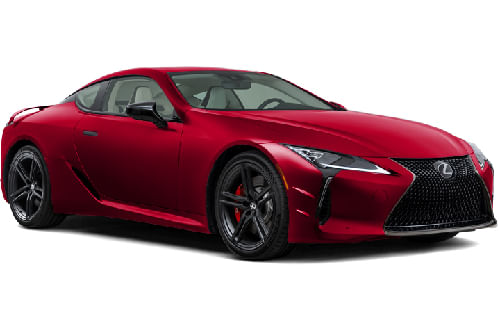
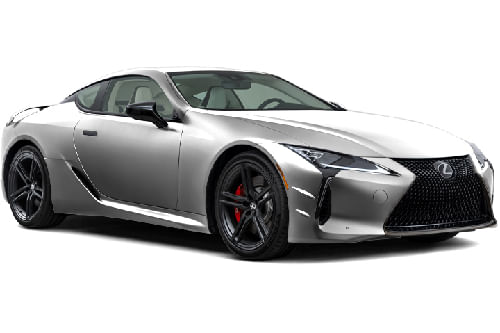
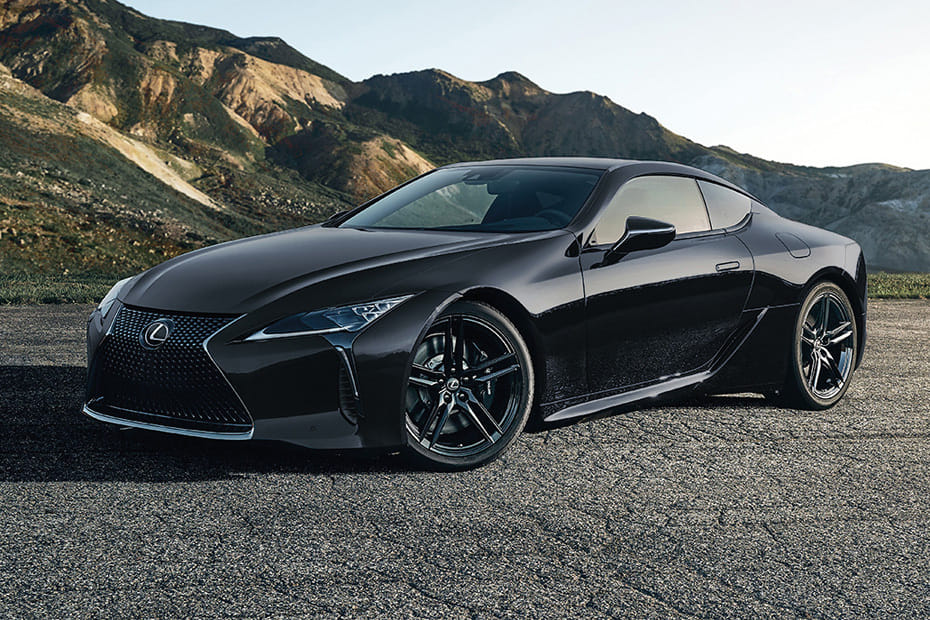
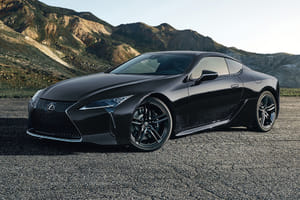
- LC 2026 update in March 2026, cosmetic changes. Remains a niche car with little volume.

Technology updates across the range
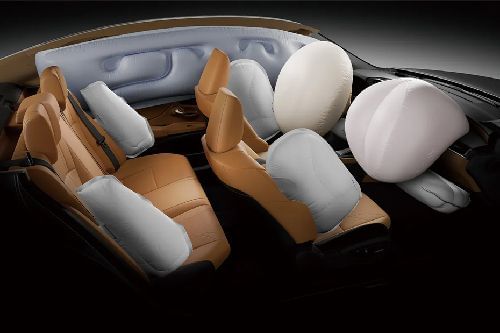
- Lexus Safety System+ 3.0 becomes standard; this includes pre‑collision braking, adaptive cruise, lane keeping, and automated emergency steering. Overdue, honestly; competitors had this years ago, so not a big deal.
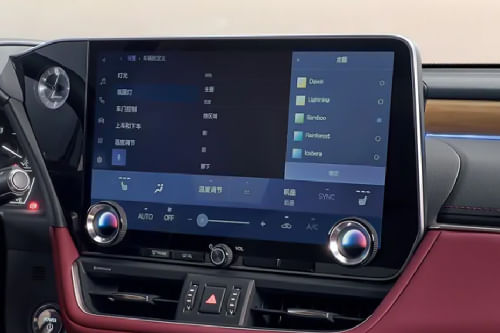
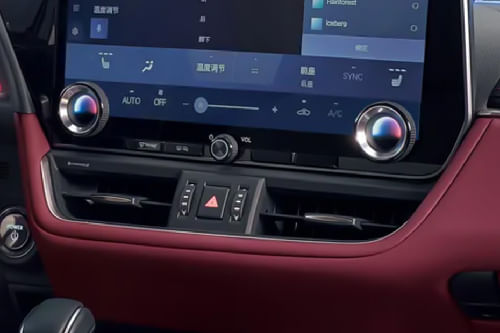
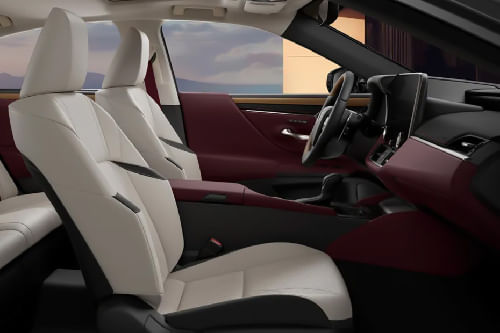
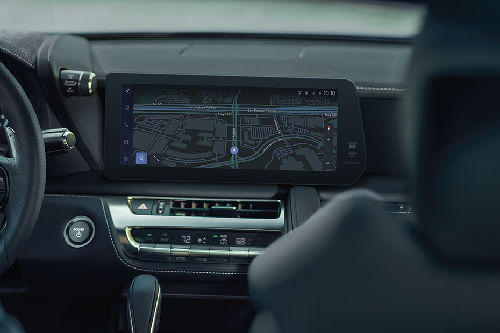
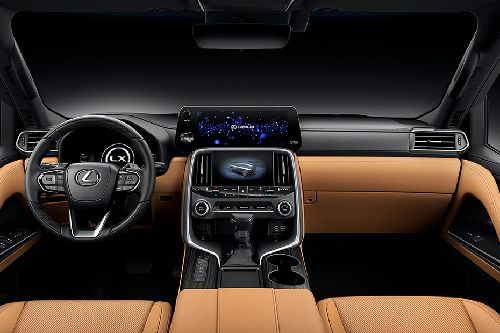
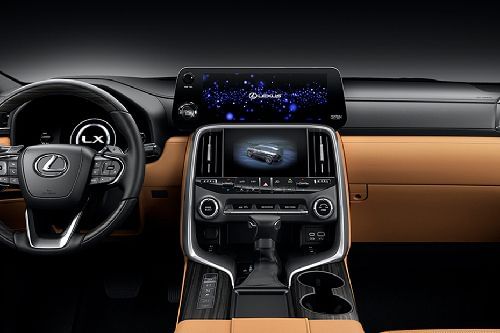
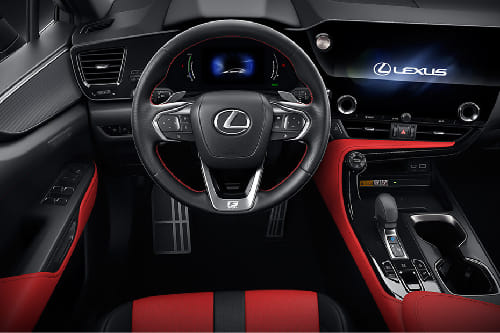
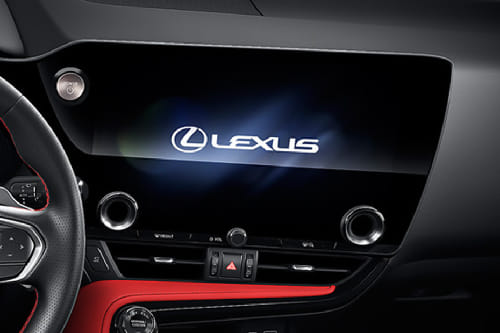
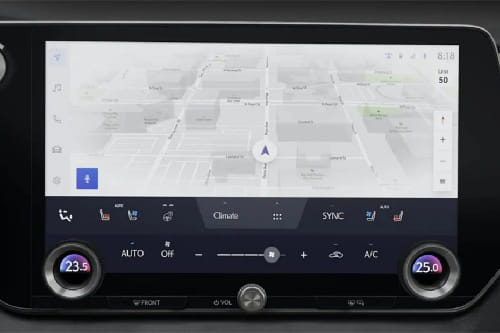
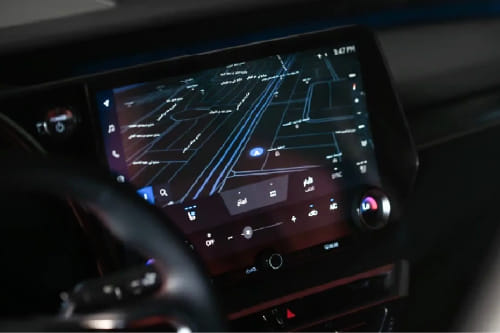
- Infotainment gets bigger screens with 12.3 inches or 14 inches, depending on the model. The old system was something most owners were unhappy with and even expressed frustration about; that is certainly changing finally. The new one uses cloud‑based navigation and wireless smartphone integration. Still not as intuitive as Mercedes MBUX, but better than what was in the past.
- Digital key functionality on 2026 models. This uses your phone instead of a physical key and works with iPhones and select Android devices.
Nothing really outstanding compared to what we see in the market right now across brands in premium segments. But at least that is there, and that’s Lexus: incremental improvement over headline‑grabbing features.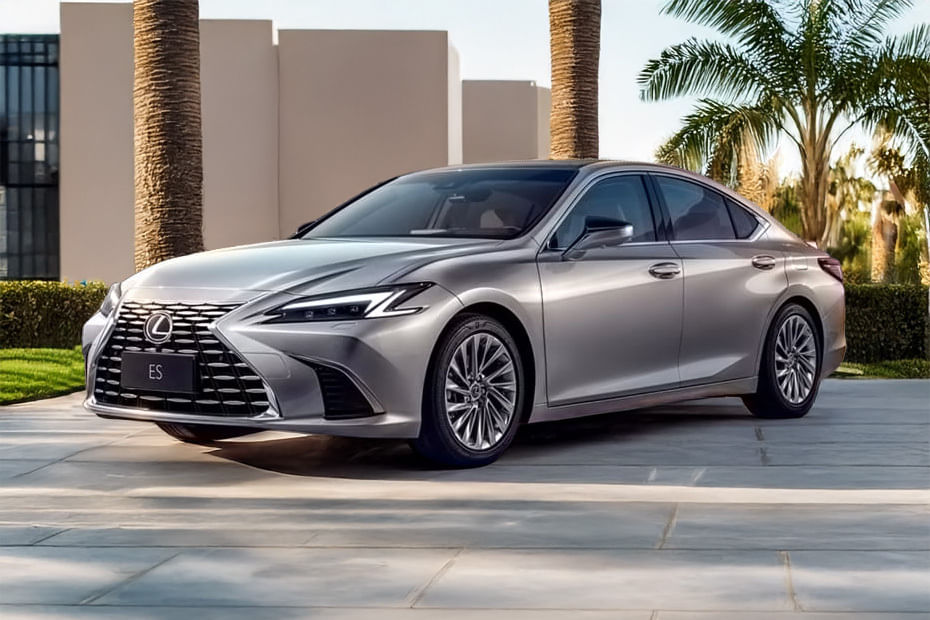
The Models That Actually Matter
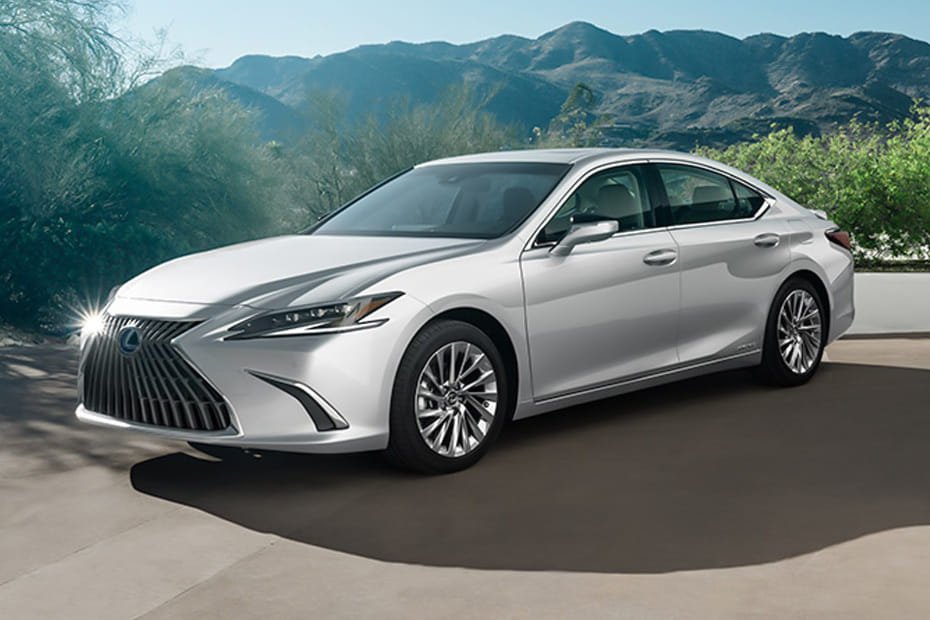
ES Price Range: SAR 193,315 - 245,410
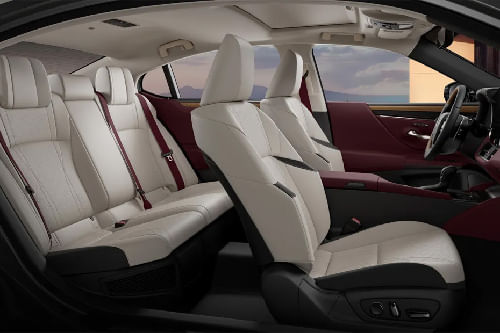
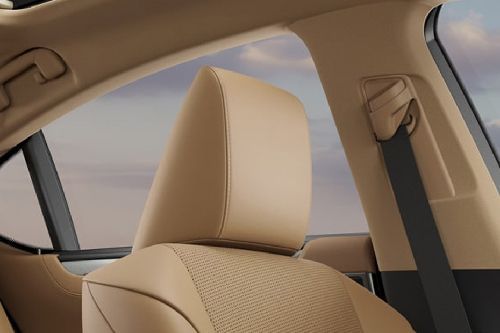
This is Lexus’s volume sedan; it competes with the Accord and Camry at the low end and the BMW 5 Series at the top. The 300h hybrid makes sense; fuel economy is excellent, and refinement is excellent. But the segment is losing its charm as buyers move to SUVs.
The ES works primarily for government fleet buyers, established professionals who prefer sedans, and anyone prioritising ride comfort over engagement.
Skip this model if you seek driving excitement or require the SUV practicality that is preferred by most buyers.
NX Price Range: SAR 215,165 - 270,917
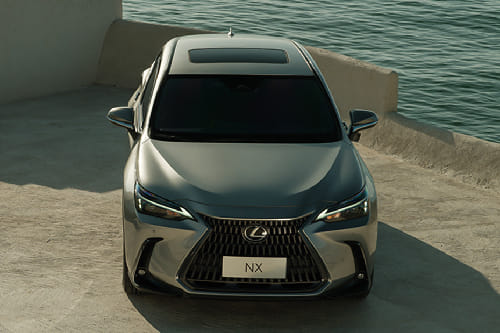
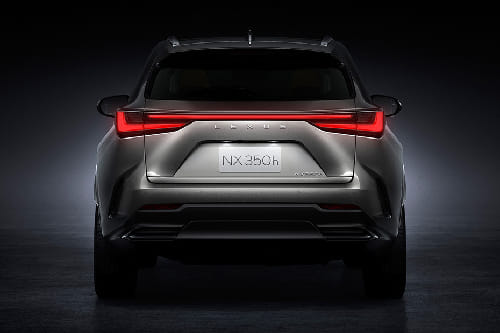
This is definitely this brand’s most important model in KSA. This model is the right size for urban use, efficient enough for daily driving, and practical for family duties. The 350h hybrid variants make particular sense, as you get 18–19 km/L combined economy.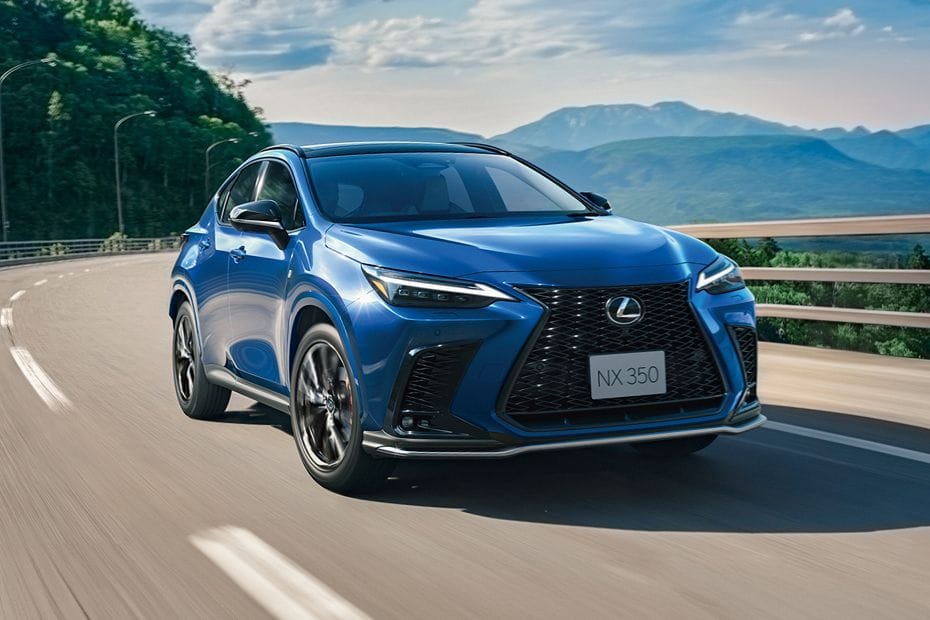
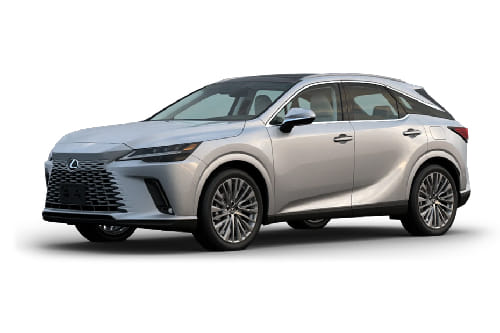
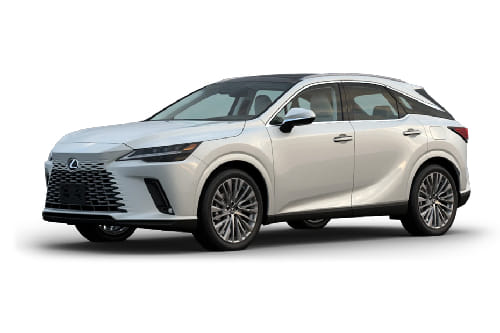
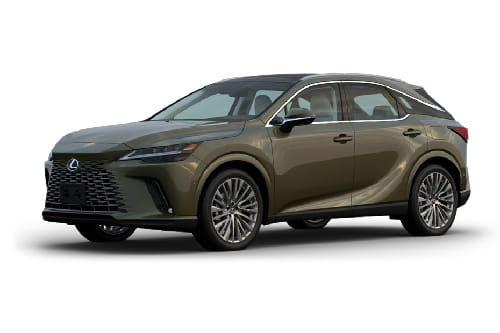
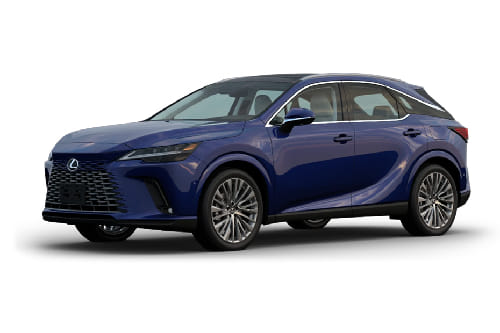
RX Price Range: SAR 303,370 - 314,180
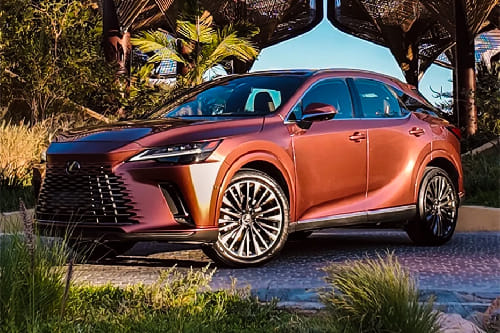
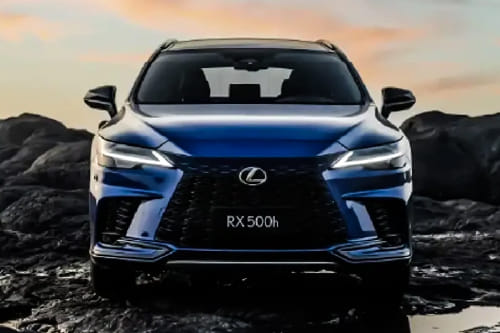
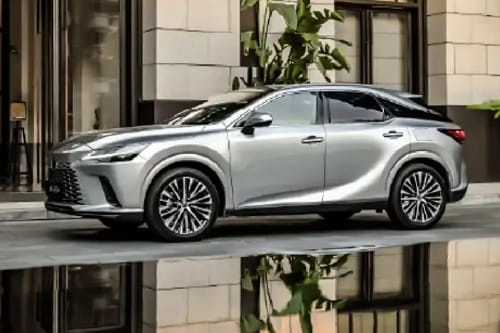
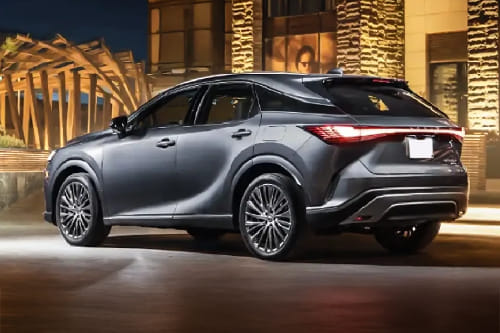
The established models: generations of Saudi buyers have trusted the RX. The current generation is dramatically improved, with better handling, a more modern interior, and genuine competitiveness against German rivals.
But it’s expensive; starting at SAR 314,180 for the hybrid, you are comparing against the Genesis GV80 at SAR 290,185. Here if you look, the Genesis offers more standard equipment, a longer warranty, and fresher technology. Lexus counters with proven reliability and better resale.
The RX works if: You value proven dependability over the latest features, plan to keep it 5+ years, and want straightforward ownership.
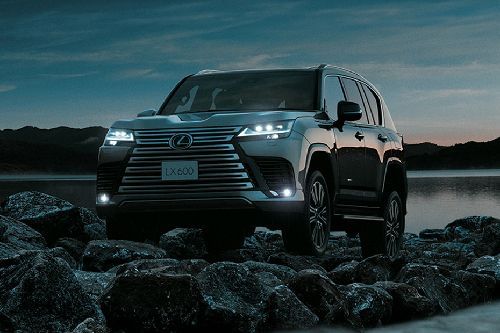
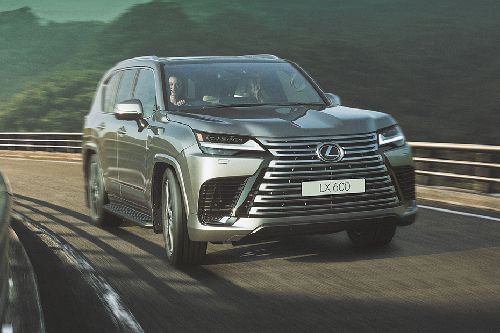
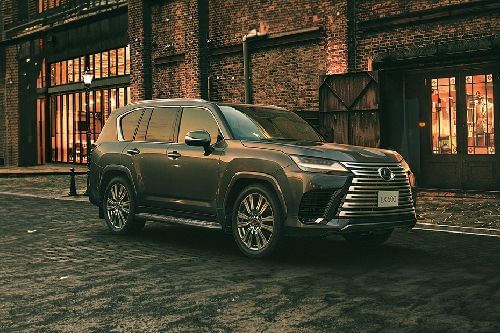
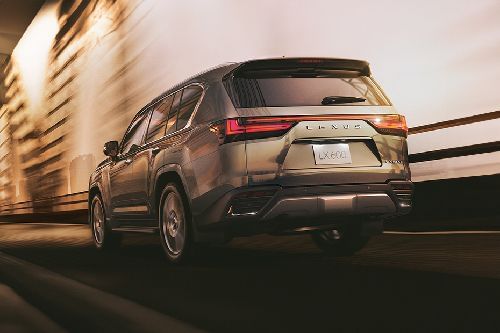
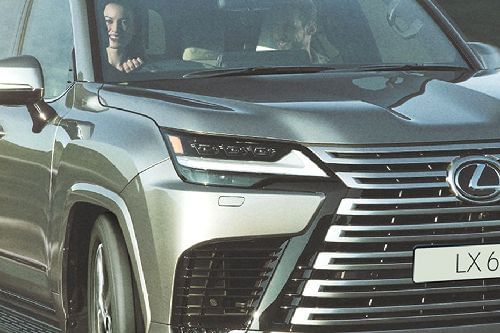
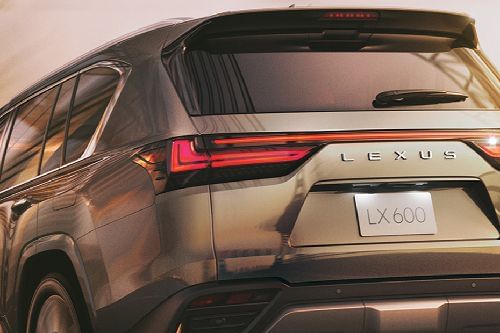
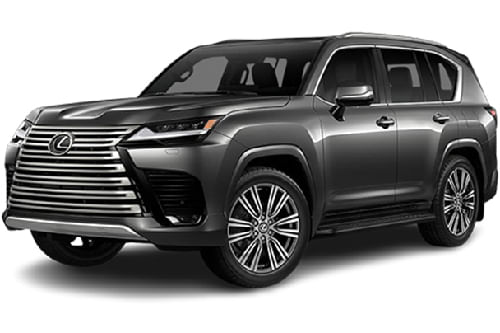
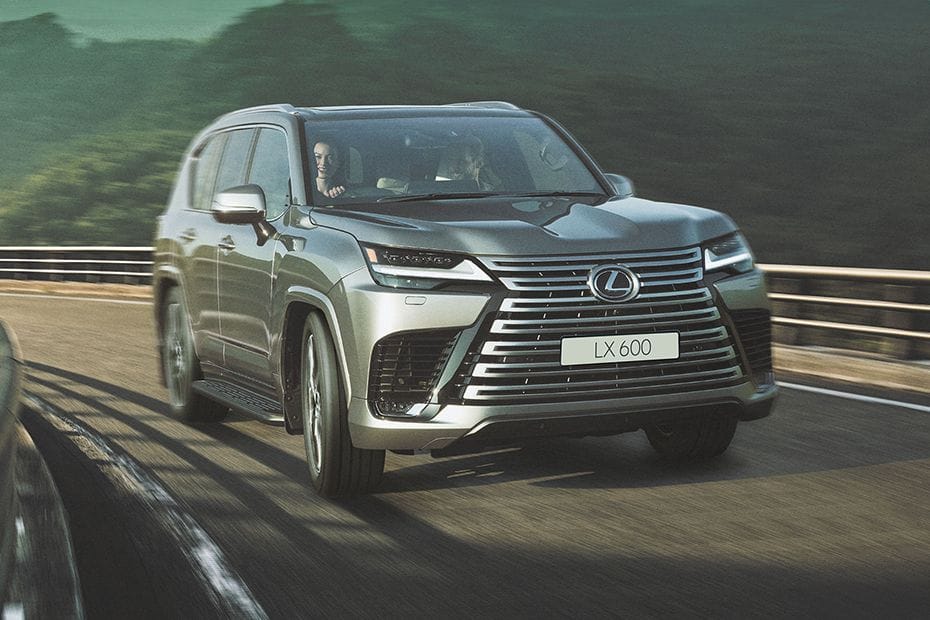
LX: Price Range: SAR 552,000 - 583,510
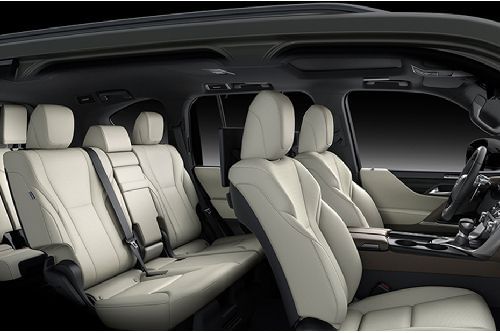
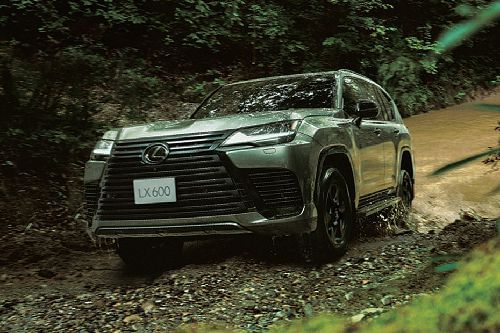
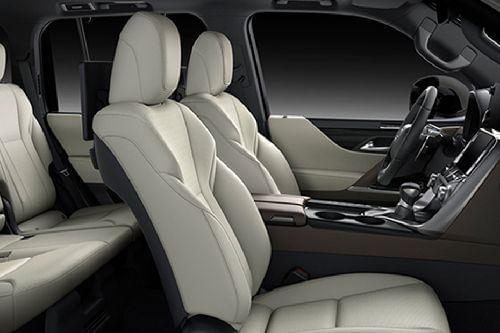
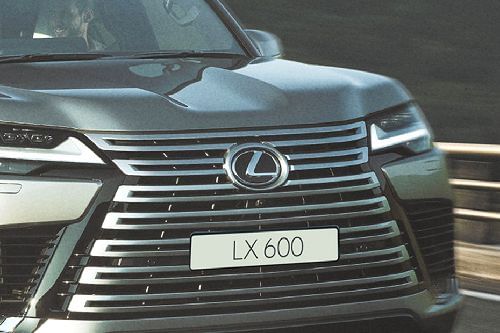
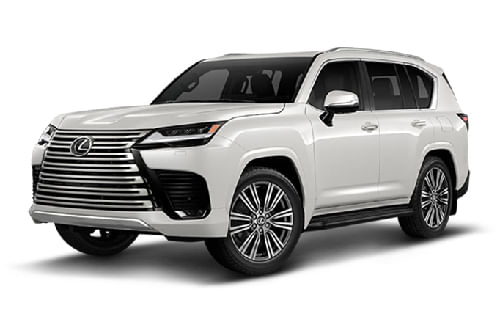
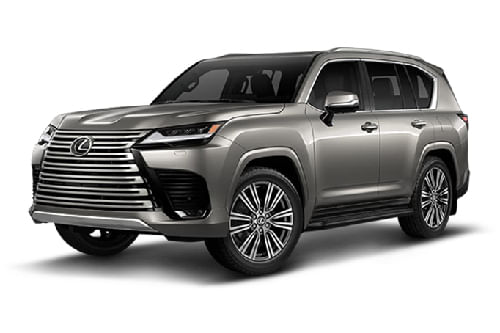
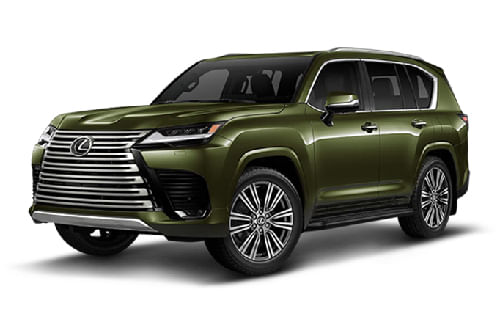
The top‑end SUV is built on the Land Cruiser 300 platform, which immediately answers durability questions. The 700h hybrid is great, with 457 hp, a 5‑seater configuration, and decent efficiency for its size.
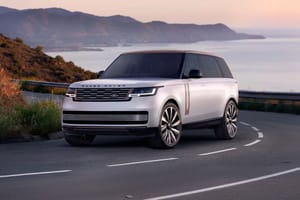
But its price makes it very expensive, starting at SAR 552,000; at this price you can get a Range Rover, BMW X7, or Mercedes GLS. Those offer more luxury, better interiors, and a stronger brand. The LX’s advantage is reliability; it is going to outlast all of them.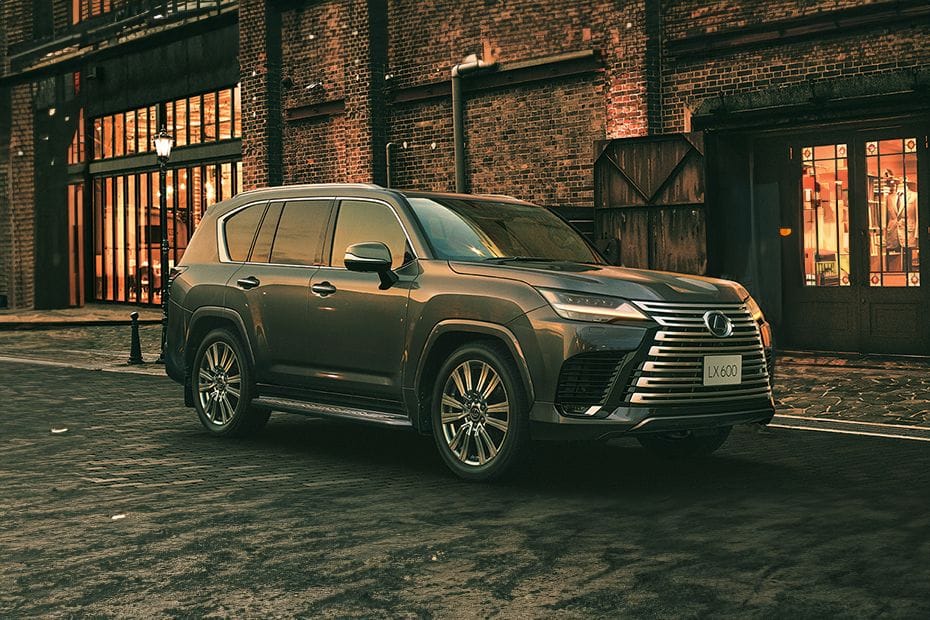
Who Should Actually Buy a Lexus in 2026?
Strong candidates:
- Buyers who wish to keep their car for over 5 years and value reliability
- Business owners wanting predictable costs
- Families focus on safety and comfort over excitement
- Anyone who wishes for an alternative to German cars with lower maintenance costs
- Everyone who looks for a hybrid efficiency and is curious about the tech
- Anyone want an alternative to petrol and diesel and not ready for pure electric
Wrong fit:
- Badge-conscious buyers under 40 who love German-made cars
- Driving enthusiasts as Lexus seems to focus on comfort
- Tech early adopters find infotainment dated and not latest tech overall
- Budget-focused buyers, as Genesis or loaded Hyundai, make more sense
- Anyone want extensive dealer network beyond major cities
Conclusion
In 2026, Lexus continues to provide the same reliable luxury experience without any complications. The hybrid range makes increasing sense as fuel prices climb. Service costs remain manageable. Resale values, while not spectacular, beat German competitors or even Chinese cars' resale values.
The sweet spot remains the two SUVs, the NX 350h and the RX 350h. These models are known for their efficiency, practicality, and reasonable ownership costs. If you’re spending SAR 220,000–320,000 on a family SUV and plan to keep it beyond the warranty period, Lexus makes sense.
For 2026, expect minor pricing increases, incremental technology updates, and the same fundamental Lexus experience. If that’s what you want, and for many Saudi buyers, it genuinely is, nothing’s changing.
Dinesh Goluguri

With over 15 years of experience in the automotive world, Dinesh Goluguri bringing hands-on experience and deep market knowledge. Passionate about SUVs, sports cars and luxury vehicles, he combines enthusiasm with expertise in delivering insights that resonate with car buyers and enthusiasts alike. With a special interest in car modifications and upgrades, Dinesh offers a unique perspective that goes beyond standard reviews, highlighting both factory features and customization potential. His work helps readers navigate new launches, features and trends in the dynamic automotive market.
Read Full Bio-
Explore Lexus ES 2026
-
Explore Lexus LC 2026




-
Lexus LC 2026 -
Lexus TZ -
Lexus UX -
Lexus LS -
Lexus RX -
Lexus LX -
Lexus RC -

Lexus RC F -

Lexus NX -

Lexus LC -

Lexus IS -
Lexus ES
- News

- Latest
- Popular
-
 Lexus TZPrice coming soon
 -
 Lexus RZPrice coming soon
 -
 Lexus ES 2026Price coming soon
 -
 Lexus LC 2026Price coming soon
 -
 Lexus UXSAR 190,900
 -
 Lexus LSSAR 380,592 - 494,902
-
Lexus LC 2026Price coming soon
-
Lexus TZPrice coming soon
-
Lexus UXSAR 190,900
-
Lexus LSSAR 380,592 - 494,902
-
 Lexus RXSAR 315,330 - 355,580

-
 Lexus LX 700h13 May, 2026 .

|
|

|
|
|
|
Transmission Type
Automatic
|
Automatic
|
Automatic
|
Automatic
|
Automatic
|
|
Engine Displacement
3498
|
6198
|
3492
|
2998
|
6198
|
|
Power
409Hp
|
420Hp
|
450Hp
|
493Hp
|
420Hp
|
|
Torque
650Nm@2000-3600rpm
|
623Nm
|
700NM@3600RPM
|
670Nm
|
624Nm
|
|
|
- Latest
- Upcoming
- Popular
-
 Toyota CenturyPrice coming soon
 -
 Jeep Grand Cherokee 2026Price coming soon
 -
 KIA EV2SAR 148,000
 -
 ZEEKR 9XPrice coming soon
 -
 Mitsubishi PajeroPrice coming soon
 -
 Hyundai Ioniq 9Price coming soon
-
 Land Rover Range RoverSAR 591,500 - 1.3 Million
 -
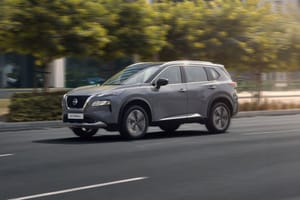 Nissan X-TrailSAR 104,999 - 156,999
 -
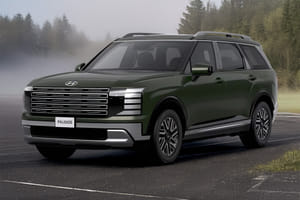 Hyundai PalisadeSAR 242,305 - 242,368
 -
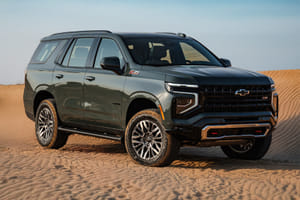 Chevrolet TahoeSAR 254,500 - 359,000
 -
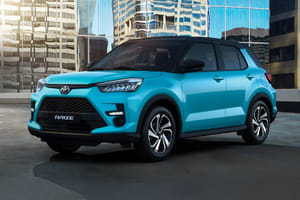 Toyota RaizeSAR 68,827 - 75,497
 -
 Hyundai Santa FeSAR 146,050 - 238,337